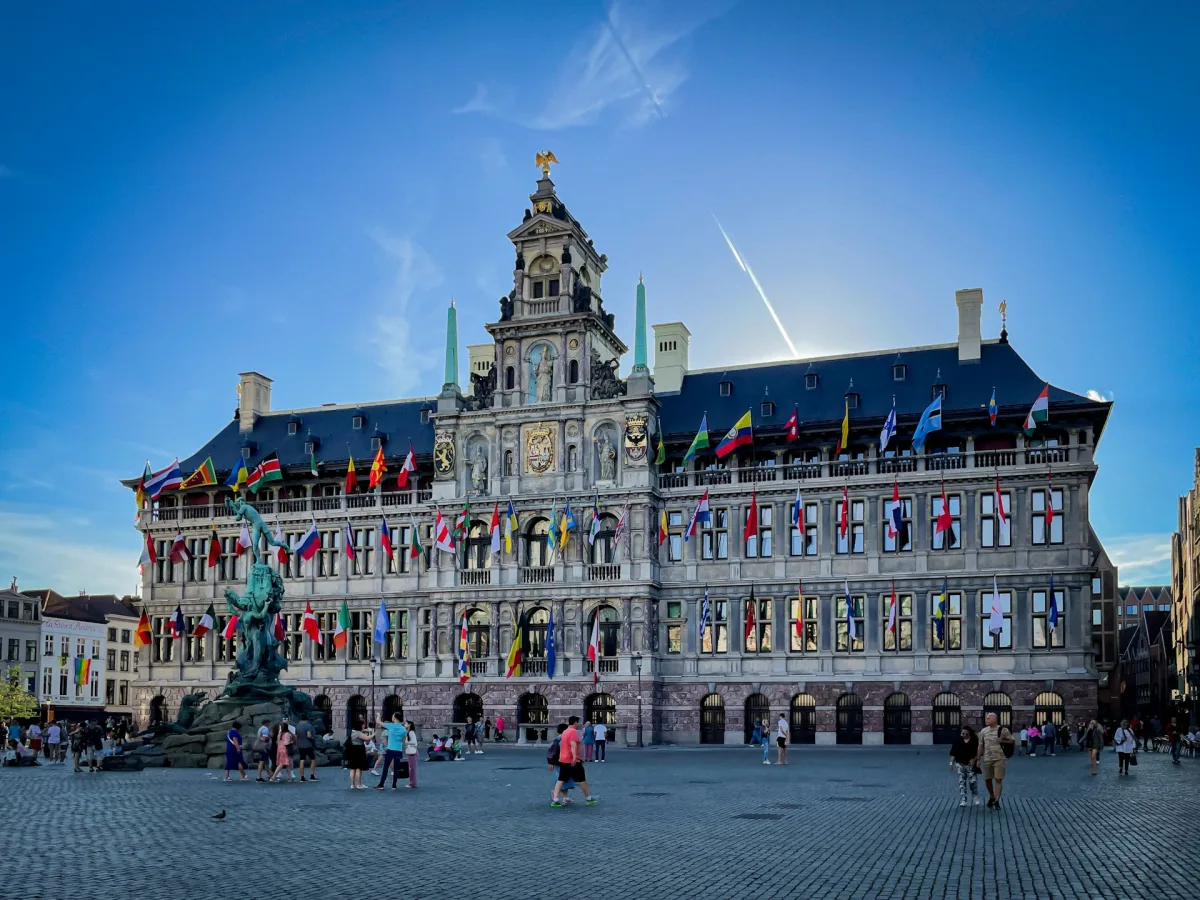
Some family holidays are about doing as little as possible. Others become a shared adventure of discovery, where children and parents learn something new together. Belgium sits comfortably in the second category. It is a compact country where medieval cities sit alongside futuristic landmarks, where chocolate is treated as an art form, and where a cartoon treasure hunt can turn a simple walk into a game.
Imagine climbing inside a giant atom, gliding under stone bridges on a canal boat in a perfectly preserved medieval city, or exploring a real castle complete with dungeons and a moat. Belgium’s headline attractions are not just for adults; they are the kind of places that spark a child’s imagination. And between the big sights, the country’s efficient trains, walkable centres and love of waffles make travelling here with children genuinely rewarding.
This guide focuses on the family planning decisions: which places work best for children, how to pace an itinerary, what to eat and what to prepare for. For a broader overview of the country, read our complete Belgium travel guide. When you are ready to look at a structured itinerary, see our Belgium family tour package.
Why Belgium works well for families
Belgium may be famous for its chocolate and beer, but it is also an unexpectedly brilliant destination for children. The country’s compact size, efficient transport network and abundance of interactive attractions make it a natural fit for family travel.
- Attractions that feel like adventures: A giant atom you can climb inside, a castle with a moat and dungeons, a park full of miniature European landmarks, and a city-wide comic mural hunt all turn sightseeing into something memorable.
- Manageable distances: Belgium is small enough that you can see a lot without spending entire days in transit. The train from Brussels to Bruges takes just over an hour.
- A welcoming culture: Belgian people are generally warm and helpful towards families. Restaurants often accommodate children, and the pace of life in smaller cities is relaxed.
- Food that children actually eat: Belgian cuisine is built on comforting staples like waffles, fries, chocolate and simple meat dishes. It is easy to find familiar food for even the fussiest eaters.
- Hands-on learning: From chocolate-making workshops to interactive museums, Belgium offers plenty of ways for children to engage with culture and history by doing, not just looking.
The best family trips are built on a realistic rhythm. Belgium rewards that approach, allowing you to mix a morning of sightseeing with an afternoon of waffles and play without feeling like you have missed the point of being there.
Is Belgium suitable for children of different ages?
Belgium can work for a wide range of families, but the ideal itinerary shifts with the ages and interests of your children. Rather than trying to see everything, choose the experiences that match your family’s energy and comfort level.
- Under 5 years: Keep days short and flexible. Focus on sensory experiences—a canal boat ride, a playground, a short visit to Mini-Europe—and avoid long museum tours. The compact centres of Bruges and Ghent are easy to navigate with a stroller, though cobblestones can be bumpy.
- About 6–11 years: This is a sweet spot for Belgium’s interactive attractions. The Atomium, the comic mural hunt, a chocolate workshop and Gravensteen Castle are likely to be highlights. Balance longer visits with downtime and snacks.
- Teenagers: Older children can engage with Belgium’s history, from the medieval counts of Flanders to the European institutions in Brussels. They may also appreciate the food scene, the photography opportunities and the chance to explore cities independently.
These are planning suggestions, not rigid rules. Consider your child’s temperament, walking stamina and interest in history when shaping the daily schedule.
Best places to visit in Belgium with family
These destinations and experiences form a strong backbone for a family trip. You do not need to include all of them; select the ones that best fit your time and your family’s interests.
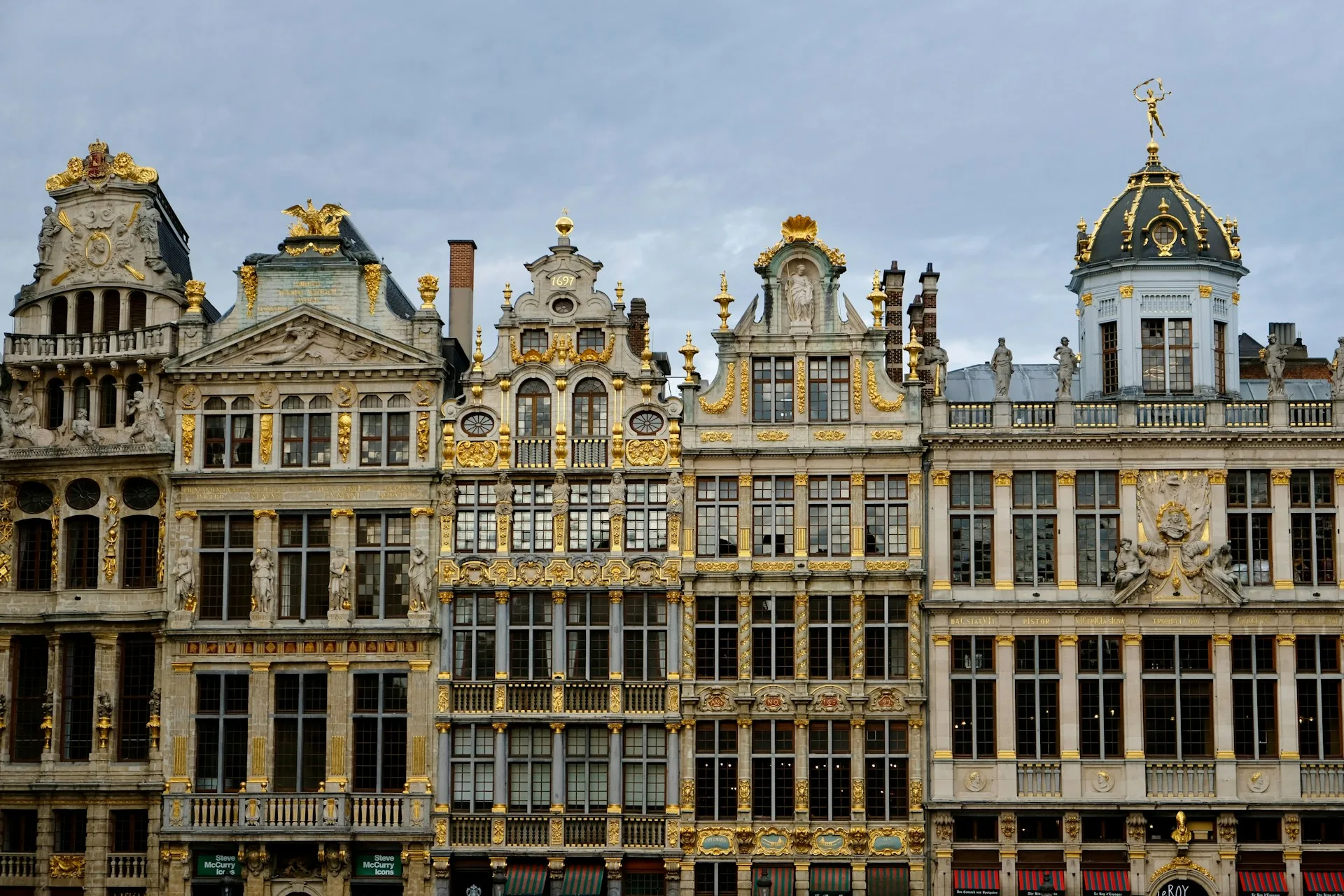
1. Brussels – the playful capital
Brussels is often the starting point for a Belgian family trip, and it is worth a couple of days. The city is compact, walkable and packed with attractions designed for young imaginations. The Atomium and Mini-Europe are the number-one family combo: first climb inside the giant atom for panoramic views, then wander through a park of over 350 miniature European landmarks next door[reference:0].
The comic mural hunt is a free and fun way to explore the city, turning a simple walk into a game of spotting Tintin, the Smurfs and Lucky Luke on giant walls[reference:1]. For a rainy day, the Belgian Comic Strip Center and the Museum of Natural Sciences (with its famous dinosaur gallery) are excellent indoor options. And no visit is complete without a hands-on chocolate workshop, where children can create their own pralines[reference:2].
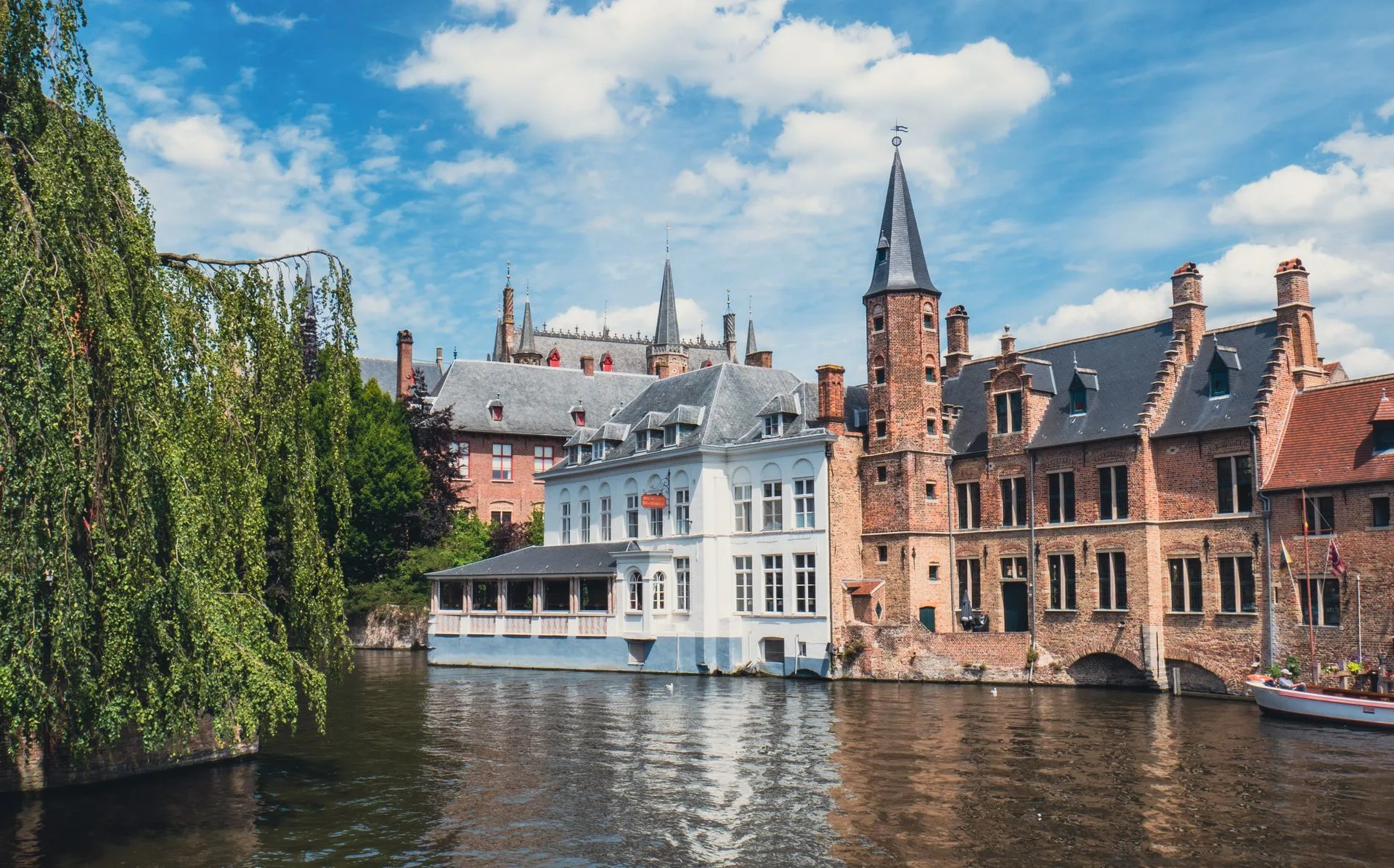
2. Bruges – a fairy-tale city
Bruges is a remarkably preserved medieval city that feels like stepping into a storybook. The compact historic centre is a UNESCO World Heritage Site, and the best way to see it is from the water. A canal boat tour lasts about 30 minutes and glides under some of the lowest bridges in Europe, offering a unique perspective on the city’s medieval architecture[reference:3].
For adventurous families, the Belfry tower offers a climb of 366 steps to spectacular views, though there is no lift and the stairs are narrow[reference:4]. The Historium, an interactive museum that brings 15th-century Bruges to life, is another hit with children. And of course, the city is full of chocolate shops, making it easy to combine sightseeing with sweet treats.
3. Ghent – castles and canals
Ghent is a vibrant university city that beautifully blends medieval grandeur with contemporary culture. The highlight for families is Gravensteen, the Castle of the Counts, a fully intact 12th-century fortress surrounded by a moat in the heart of the city[reference:5]. Children can explore the towers, dungeons and great hall, and the audio guide includes a ‘Comedy Tour’ option that is lighthearted and engaging for kids[reference:6].
After the castle, the Graslei and Korenlei waterfront is one of Belgium’s most picturesque spots, perfect for a family photo. The city is also home to the St. Bavo’s Cathedral, which houses the famous Ghent Altarpiece, though the castle is likely to be the bigger hit with children.
4. Antwerp – zoo and diamonds
Antwerp, Belgium’s second city, is home to one of the oldest and most beautiful zoos in the world. Antwerp Zoo sits right next to the Central Station and houses over 5,000 animals in thoughtfully designed habitats[reference:7]. It is a lovely, relaxed activity for families, especially after a few days of city sightseeing.
The city is also famous for its diamond district, where over 1,600 diamond traders and manufacturers operate[reference:8]. While the diamond trade itself may not appeal to young children, the nearby Museum aan de Stroom (MAS) offers interactive exhibits and panoramic rooftop views that are a hit with families[reference:9]. Antwerp is also known for its fashion and food scene, making it a pleasant place to spend a day.
5. Pairi Daiza – a world-class zoo
Pairi Daiza, about an hour’s drive from Brussels, is consistently ranked as one of Europe’s best zoos. It is an 80-hectare park with ten themed worlds and over 7,000 animals, including giant pandas, polar bears, walruses and manatees[reference:10]. It is more than a zoo; the immersive gardens and themed worlds make it feel like a journey around the world.
For families, the park is well-designed with playgrounds, picnic areas and family restaurants. It is a full-day outing and a fantastic option if your children love animals. Free loan wheelchairs are available, and the main paths are wide and flat, making it accessible for all ages[reference:11].
6. Plopsaland De Panne – theme park fun
If your family enjoys theme parks, Plopsaland De Panne on the Belgian coast is the biggest in the country. It features over 50 attractions, including indoor and outdoor rides, shows and meet-and-greets with popular Studio 100 characters[reference:12]. There are areas specifically designed for younger children, such as Circus Bumba, and enough thrill rides to keep older kids happy.
The park is well-maintained and offers family tickets, making it a fun and manageable day out. It is located near the coastal town of De Panne, which also has beaches to enjoy in the summer months.
More family-friendly experiences
Beyond the headline attractions, Belgium offers plenty of activities that children will enjoy. Consider adding a few of these to your itinerary:
- Take a chocolate-making workshop: A hands-on way to learn about Belgium’s most famous export and a delicious souvenir to take home.
- Hunt for comic murals: Brussels has over 50 large-scale comic murals painted on building facades, turning the city into a free treasure hunt[reference:13].
- Ride a horse-drawn carriage in Bruges: A 30-minute loop from the Markt is a relaxing way to see the city and rest tired legs[reference:14].
- Visit a working windmill: The Sint-Janshuismolen in Bruges is one of several windmills you can visit, offering a glimpse into the region’s history.
- Build in playground time: Belgian cities have many well-equipped playgrounds, and a quick stop can be a great way to reset a tired child’s mood.
A relaxed 6-day Belgium family itinerary
This outline is a starting point for a first family visit, following a route from Brussels to Bruges, Ghent and Antwerp. It is designed to be an idea rather than a fixed schedule. Travel times, your children’s energy levels and the weather may require adjustments.
| Day | Suggested plan | Family-friendly pacing tip |
|---|---|---|
| 1 | Arrive in Brussels, transfer to the hotel and enjoy a gentle walk around the Grand Place. | Keep the first day light after your journey. |
| 2 | Explore Brussels: Atomium, Mini-Europe and a chocolate workshop. Hunt for comic murals. | Book the Atomium and workshop in advance. The combo ticket saves time. |
| 3 | Take the train to Bruges. Canal boat tour, Belfry climb (optional) and chocolate shops. | The train is quick and comfortable. Book canal boat tickets early to avoid queues. |
| 4 | Day trip to Ghent: Gravensteen Castle and the Graslei waterfront. | The ‘Comedy Tour’ audio guide at the castle is a hit with kids. |
| 5 | Travel to Antwerp: Antwerp Zoo and explore the city centre. | The zoo is right next to the station, making it easy to combine with train travel. |
| 6 | Departure from Brussels or Antwerp. | Allow plenty of time for the airport transfer. |
If you have more time, add a day for Pairi Daiza or Plopsaland De Panne, especially if your children enjoy animals or theme parks. If you have less time, a Brussels and Bruges trip makes a excellent, manageable family holiday.
When is the best time to visit Belgium with family?
Belgium has a temperate maritime climate with four distinct seasons. The best time for a family trip depends on your priorities: warmer weather, fewer crowds, or festive markets.
- May, June and September: Often the sweet spot, offering pleasant weather (15–22°C), long daylight hours and fewer crowds than the peak summer months. These shoulder seasons are ideal for families[reference:15].
- July and August: The warmest months (17–23°C) and the busiest, especially in popular cities like Bruges. Expect higher prices and larger crowds, but also the best chance of dry weather[reference:16].
- Late November to early January: Christmas market season transforms Belgian cities into magical winter wonderlands with festive lights, ice rinks and seasonal treats. Temperatures are cold (2–7°C), but the atmosphere is special[reference:17].
For a trip focused on outdoor exploration and city sightseeing, late spring to early autumn is usually the easiest choice for families. Check the forecast before you travel and pack layers, as the weather can change quickly.
What can families eat in Belgium?
Belgian food is hearty, comforting and generally very child-friendly. The country is famous for its waffles, and you will find them everywhere, often served with chocolate, cream or fresh fruit. Frites (fries) are another national obsession, best enjoyed with mayonnaise from a traditional frites stand.
For a sit-down meal, moules-frites (mussels and fries) is a classic, but children who prefer something simpler will find plenty of options like spaghetti bolognese, grilled chicken and omelettes[reference:18]. Belgian chocolate is, of course, a must-try, and a visit to a chocolate shop or workshop is a highlight for many families. If your child has allergies or specific dietary needs, it is helpful to communicate them clearly, and most restaurants are accommodating.
Choosing family-friendly accommodation
The right base can make a big difference. In Brussels, staying near the Grand Place puts you within walking distance of many attractions. In Bruges, booking near the Markt is worth the extra cost, as it allows you to return to the hotel for rest breaks without a long walk over cobblestones[reference:19].
Before booking, check the details that matter for a family:
- Room occupancy and bed configuration. A “family room” may not always comfortably fit a family of four.
- Whether cots or extra beds are available and if there is an additional charge.
- Air-conditioning, which can be important in summer.
- Lift access, especially if you are travelling with a pram.
- Breakfast options that suit children.
- Cancellation policies, in case your plans change.
Apartments and aparthotels are a popular choice for families in Belgium, offering more space and sometimes kitchen facilities, which can be useful for preparing simple meals.
How much should you budget for a Belgium family trip?
Belgium is generally considered a mid-range destination, but costs still vary based on your travel style, dates and itinerary. Rather than quoting a single figure, it is more useful to understand the main cost components:
- Flights: The largest variable, depending on your departure city and how far in advance you book.
- Accommodation: Hotels and apartments range from budget-friendly to premium. Family rooms may carry a supplement.
- Transport: Belgium’s train network is efficient and affordable. Children under 12 travel free with a paying adult, making family travel very cost-effective[reference:20].
- Attractions: Many of Belgium’s best experiences, like the Atomium and Gravensteen Castle, have entrance fees. Family tickets and child discounts are often available.
- Food: Eating out can be expensive in cities, but waffles, fries and self-catering can help keep costs down.
When comparing a Belgium family tour package, ask for a clear breakdown of what is included. Check whether international flights, train tickets, entrance fees, meals and transfers are covered, as these can significantly affect the total cost.
Practical Belgium travel tips for parents
- Pack layers and a rain jacket: Belgian weather is changeable year-round. Bring a lightweight waterproof jacket and comfortable walking shoes, as cobblestones are common[reference:21].
- Use the trains: Belgium’s rail network is one of the densest in Europe. It is the easiest way to travel between cities, and children under 12 travel free with an adult[reference:22].
- Book popular attractions in advance: The Atomium, Gravensteen Castle and chocolate workshops can sell out, especially in peak season.
- Carry some cash: While cards are widely accepted, some smaller establishments and market stalls may prefer cash.
- Learn a few phrases: Belgium has three official languages (Dutch, French and German). English is widely spoken, but a simple “dank je” (Dutch) or “merci” (French) is always appreciated.
- Keep the schedule flexible: Children need downtime. Leave room in your plan for a spontaneous playground stop or an early return to the hotel.
- Check visa requirements: Indian passport holders need a Schengen visa to travel to Belgium. The standard fee is €90 for adults and €45 for children aged 6–11, with children under 6 exempt[reference:23]. Always check the latest requirements on the official Belgian Federal Public Service Foreign Affairs website and see our dedicated Belgium travel guide for more planning details.
Family packing checklist
A little preparation goes a long way. Consider packing:
- Layered clothing, including a warm jumper and a waterproof jacket.
- Comfortable, waterproof walking shoes for everyone.
- Sun protection (hats, sunscreen, sunglasses) for summer.
- A reusable water bottle.
- Snacks for travel days and between meals.
- A basic first-aid kit and any prescription medicines.
- Entertainment for train journeys (books, small games, downloaded content).
- A universal power adapter (Belgium uses Type C and E plugs, 230V).
- Copies of travel documents and insurance details.
How to choose the right Belgium family tour package
Start by deciding on your priorities: are you most interested in the cities, the chocolate and food, the castles, or a mix of everything? Next, consider your children’s ages and how much moving around they can comfortably handle. A tour that looks perfect on paper may feel too rushed if it involves a new hotel every night.
When speaking with a travel planner, be clear about your preferred travel dates, the number of adults and children, your children’s ages, and your approximate budget. Ask whether the itinerary can be customised and request written confirmation of what is included and what is not.
At Destination To Plan, our Belgium family tour package is designed to cover the highlights at a comfortable pace, with family-friendly hotels and guides. It provides a solid foundation that can be discussed and adjusted to suit your family’s specific needs.
Ready to plan your Belgium family holiday?
Explore our Belgium family tour package and speak with Destination To Plan about shaping the journey around your travel dates, family size and interests.
Explore Belgium Family TourFrequently asked questions
1. Is Belgium a good destination for a family holiday?
Yes, Belgium is generally considered a very good destination for families. It is safe, welcoming, and offers a wide range of attractions that appeal to children, from interactive museums to castles and chocolate workshops. The compact size and efficient trains make it easy to explore without long travel days.
2. How many days are enough for Belgium with family?
Around 5–7 days is a good starting point for a first family visit, allowing you to see Brussels, Bruges, Ghent and Antwerp without feeling rushed. A shorter trip can focus on Brussels and Bruges, while a longer holiday can include Pairi Daiza or the coastal theme parks.
3. Is the Atomium suitable for young children?
Yes, the Atomium is a hit with children. The high-speed elevator to the top sphere is an adventure in itself, and the exhibitions inside are engaging. The nearby Mini-Europe is also excellent for younger children, with interactive models they can trigger.
4. What is the best time to visit Belgium with kids?
May, June and September offer the best balance of pleasant weather and fewer crowds. July and August are the warmest but busiest months. The Christmas market season is magical but cold, with short daylight hours.
5. Do Indian travellers need a visa for Belgium?
Yes, Indian passport holders require a Schengen visa to travel to Belgium. The standard fee is €90 for adults and €45 for children aged 6–11. Always check the latest requirements through the official Belgian Federal Public Service Foreign Affairs website or the nearest Belgian embassy before applying.
6. Is it easy to travel between Belgian cities with children?
Yes, Belgium has an excellent rail network. Trains are frequent, comfortable and quick, with journeys between Brussels, Bruges, Ghent and Antwerp taking around an hour or less. Children under 12 travel free with a paying adult, making it very family-friendly[reference:24].
7. What food should families try in Belgium?
Belgian waffles, frites (fries) with mayonnaise, and chocolate are the obvious family favourites. For a sit-down meal, moules-frites is a classic, and many restaurants offer simple options like spaghetti bolognese or grilled chicken for children[reference:25].
8. Can the Belgium family itinerary be customised for younger children?
Absolutely. A good family itinerary should be flexible. You can reduce the number of daily activities, include more downtime, skip sites that involve too much walking, and prioritise the experiences that match your children’s interests.
A family adventure filled with chocolate, castles and canals
Belgium is a country that rewards curiosity. Its attractions are not just educational; they are genuinely fun. A climb inside a giant atom, a boat ride through a medieval city, a castle exploration with a comedic audio guide, a chocolate workshop where you eat your own creations—these are the kinds of experiences that children remember long after the holiday ends.
The key to a successful family trip here is not seeing everything, but seeing the right things at the right pace. Mix the big sights with plenty of downtime, embrace the local food and allow yourself to be surprised by the country’s warmth and compact charm. Whether you are planning your first European family adventure or adding a new destination to your list, Belgium offers a friendly, memorable and endlessly delicious welcome.
For more detailed planning, explore our Belgium travel guide or view the full itinerary of our Belgium family tour package.
Travel information in this article is general planning guidance. Opening arrangements, transport, weather, entry rules, prices and activity availability can change. Confirm current details with official sources and your travel provider before departure.