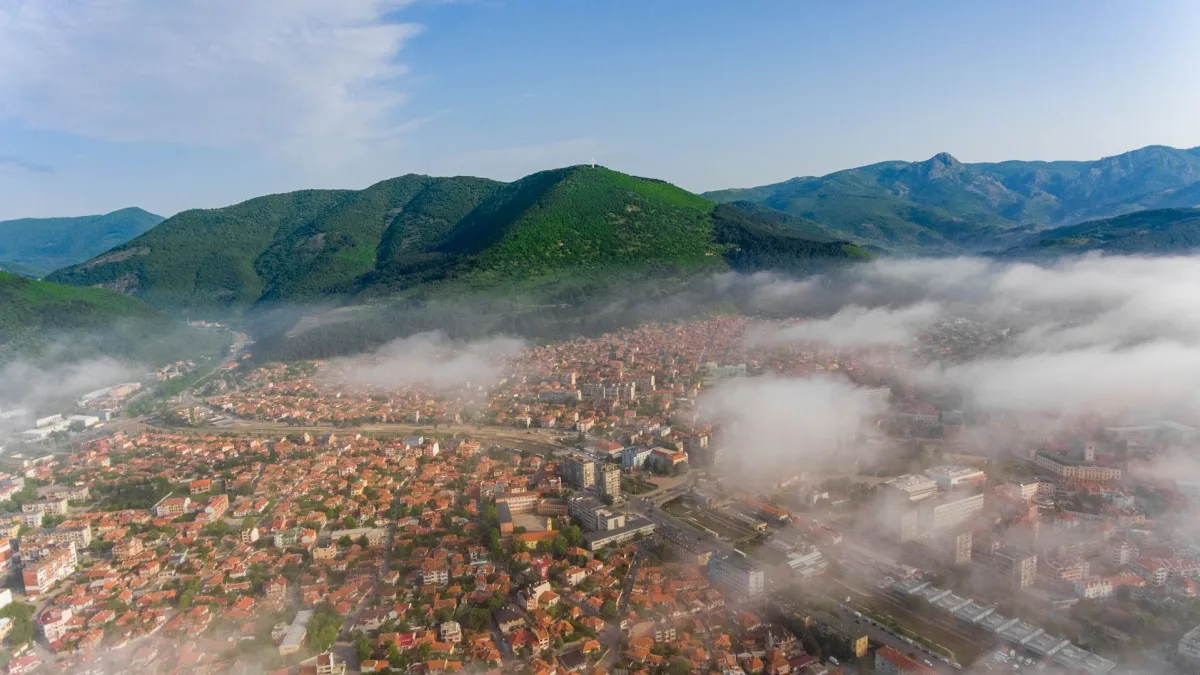
Some family holidays are about doing as little as possible. Others become a shared adventure of discovery, where children and parents learn something new together. Bulgaria sits comfortably in the second category. It is a country where you can walk through a Roman amphitheatre that still hosts concerts, climb the walls of a medieval fortress, learn to paint traditional pottery, and finish the day swimming in the Black Sea.
Imagine standing on the stage of a 2nd-century Roman theatre, exploring the tunnels of a tsar's castle, or lighting a candle in a mountaintop monastery. Bulgaria’s headline attractions are not just for adults; they are the kind of places that spark a child’s imagination. And between the big sights, the country’s warm hospitality, hearty food and surprisingly affordable prices make travelling here with children genuinely rewarding.
This guide focuses on the family planning decisions: which places work best for children, how to pace an itinerary, what to eat and what to prepare for. For a broader overview of the country, read our complete Bulgaria travel guide. When you are ready to look at a structured itinerary, see our Bulgaria family tour package.
Why Bulgaria works well for families
Bulgaria may be one of Europe’s less-discovered destinations, but it is packed with experiences that suit children. The country’s compact size, rich history and abundance of interactive attractions make it a natural fit for family travel.
- Attractions that feel like adventures: Roman theatres to explore, medieval fortresses to climb, craft workshops to try and monasteries to discover all turn sightseeing into something memorable.
- Manageable distances: Sofia to Plovdiv takes about two hours by road, and Plovdiv to Veliko Tarnovo takes about three hours. The country is small enough that you can see a lot without spending entire days in transit.
- A welcoming culture: Bulgarians are generally warm and helpful towards families. Children are welcomed in restaurants and cafes, and the pace of life in smaller towns is relaxed.
- Food that children actually eat: From banitsa (cheese pastry) and kebapche (grilled minced meat) to shopska salad and yogurt, the cuisine is hearty and child-friendly.
- Affordable prices: Compared to many Western European destinations, Bulgaria offers excellent value for families, especially for food, accommodation and transport.
The best family trips are built on a realistic rhythm. Bulgaria rewards that approach, allowing you to mix a morning of sightseeing with an afternoon of beach time or park play without feeling like you have missed the point of being there.
Is Bulgaria suitable for children of different ages?
Bulgaria can work for a wide range of families, but the ideal itinerary shifts with the ages and interests of your children. Rather than trying to see everything, choose the experiences that match your family’s energy and comfort level.
- Under 5 years: Keep days short and flexible. Focus on sensory experiences—a gentle walk in Sofia’s parks, a short cable car ride up Vitosha Mountain, a relaxed afternoon at the beach—and avoid long museum tours or late nights. The Black Sea beaches are ideal for toddlers, with gently sloping sand.
- About 6–11 years: This is a sweet spot for Bulgaria’s interactive attractions. Climbing the walls of Tsarevets Fortress, standing on the stage of Plovdiv’s Roman theatre, trying a pottery workshop and visiting the fairy-tale Rila Monastery are likely to be highlights.
- Teenagers: Older children can engage with Bulgaria’s complex history, from the Roman ruins to the Communist era. They may also appreciate the photography opportunities, the chance to try adventure activities in the mountains, and the lively seaside atmosphere of the Black Sea coast.
These are planning suggestions, not rigid rules. Consider your child’s temperament, walking stamina and interest in history when shaping the daily schedule.
Best places to visit in Bulgaria with family
These destinations and experiences form a strong backbone for a family trip. You do not need to include all of them; select the ones that best fit your time and your family’s interests.
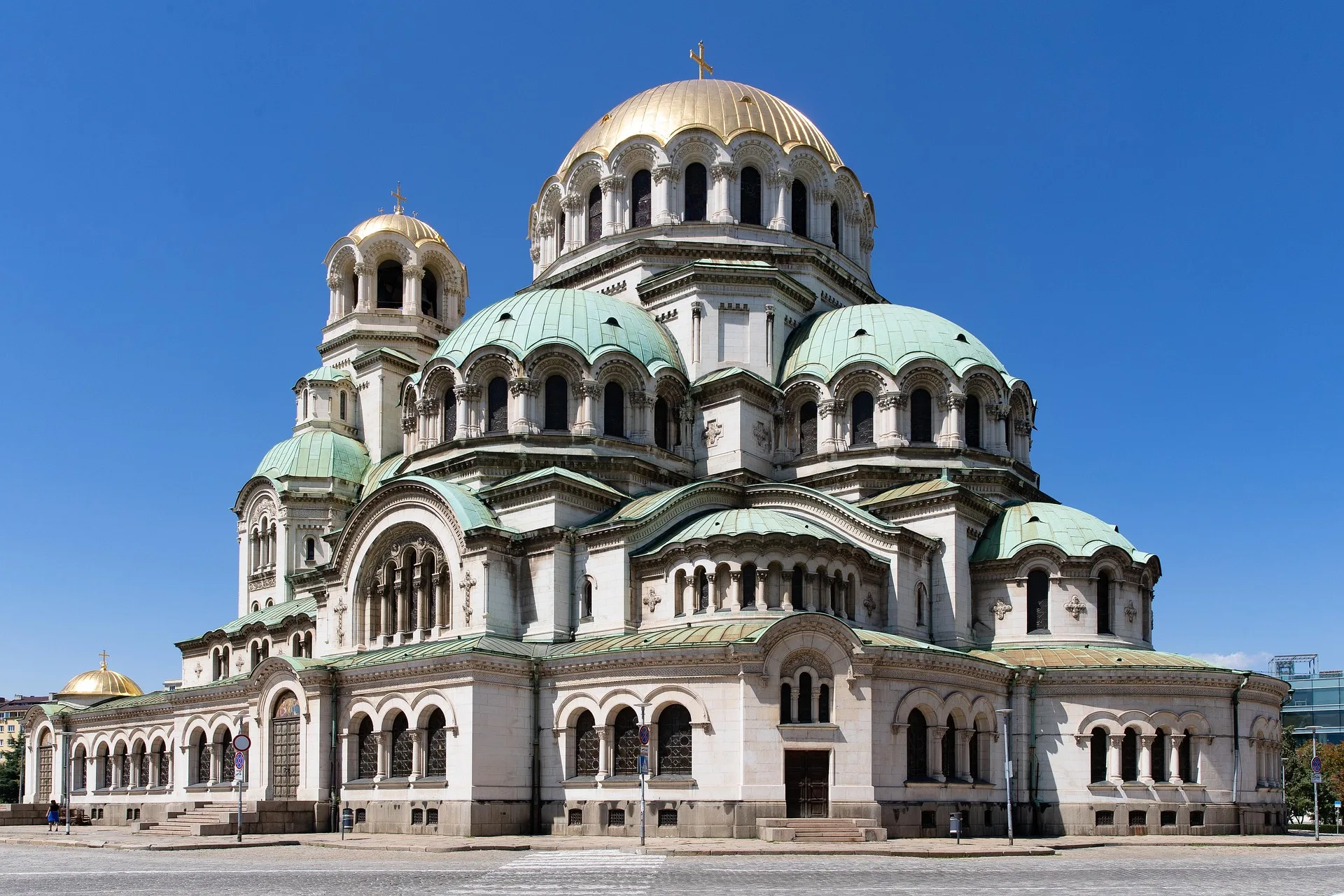
1. Sofia – the welcoming capital
Sofia is one of Europe’s more relaxed capitals, and it is well-suited to families. The Alexander Nevsky Cathedral is the city’s most iconic landmark, with its golden domes and peaceful interior. Children will be fascinated by the mosaics and the underground crypt museum, which houses a large collection of Orthodox icons.
For a change of pace, take the cable car up Vitosha Mountain, which rises just outside the city. In summer, easy trails and picnic spots offer a cool escape from the heat; in winter, it is a popular spot for skiing. The city’s parks, such as Borisova Gradina, have playgrounds and plenty of space to run around.
Official resource: For city information and events, check the official Visit Sofia website.
2. Plovdiv – the ancient city
Plovdiv is one of Europe’s oldest continuously inhabited cities, and it wears its history lightly. The highlight for families is the Ancient Theatre of Philippopolis, a beautifully preserved Roman theatre built in the 2nd century AD. Children can climb the stone seats, stand on the stage and imagine the crowds who once watched performances here.
The charming Old Town, with its colourful houses, cobblestone streets and ethnographical museum, is a lovely place for a family wander. The creative Kapana district has galleries, workshops and cafes that appeal to older children and parents alike.
3. Veliko Tarnovo and Tsarevets Fortress
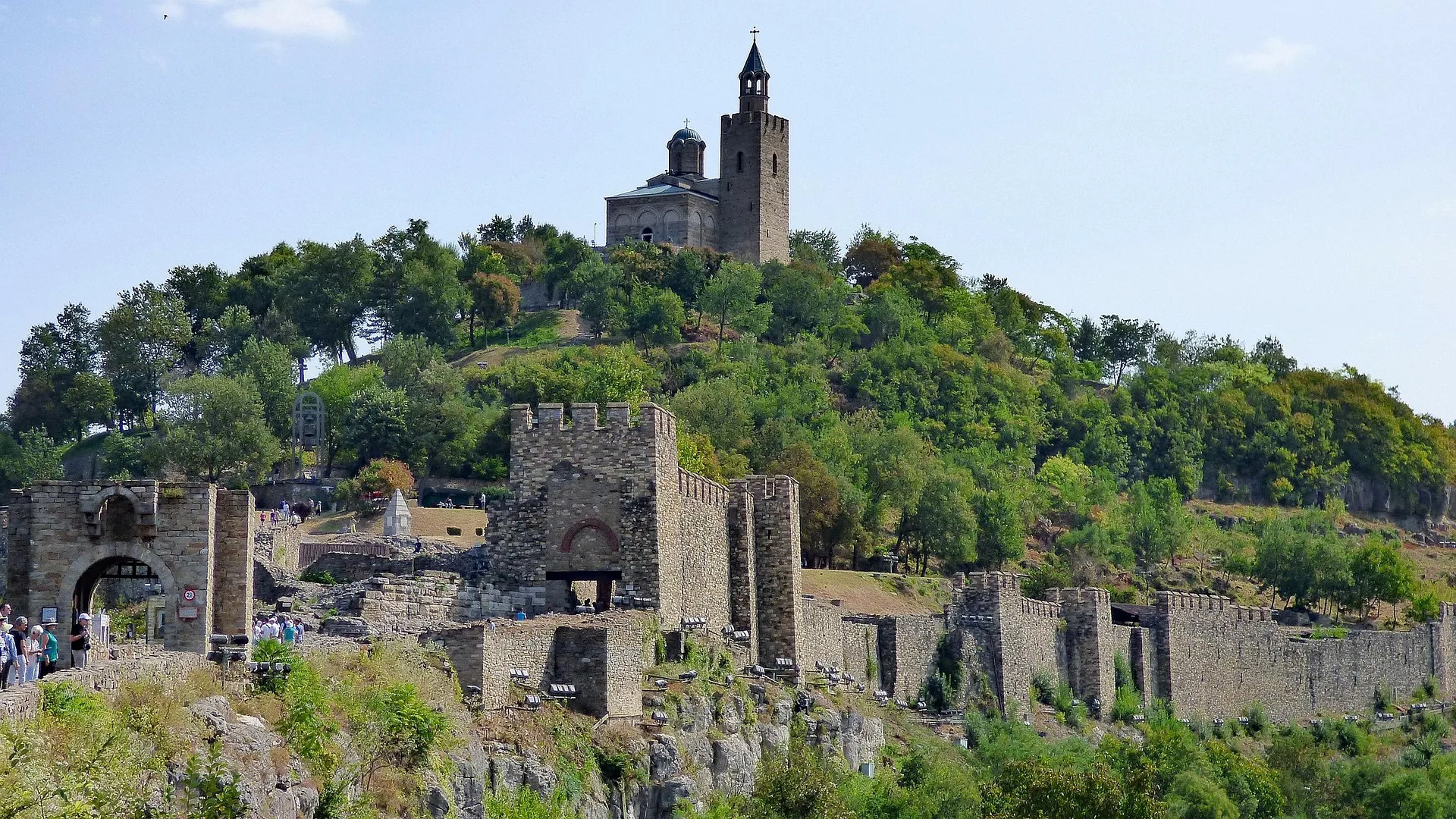
Veliko Tarnovo was the medieval capital of Bulgaria, and its Tsarevets Fortress is a dramatic reminder of that past. Perched on a hill overlooking the Yantra River, the fortress has walls to climb, a royal palace to explore and spectacular views. The evening sound-and-light show is a memorable experience for older children.
Nearby, the village of Arbanasi offers a glimpse of traditional Bulgarian life, with its well-preserved houses and frescoed churches. A craft workshop in Veliko Tarnovo, where children can try pottery or painting, is a hands-on way to connect with local culture.
4. Rila Monastery – the spiritual heart
The Rila Monastery is a UNESCO World Heritage site and one of Bulgaria’s most important cultural and spiritual centres. Nestled in the Rila Mountains, it is a place of striking beauty, with its colourful frescoes, arched courtyards and peaceful atmosphere. Children will be captivated by the stories of the monks who have lived here for centuries.
The monastery is about a two-hour drive from Sofia, making it a comfortable day trip. Dress modestly (shoulders and knees covered) out of respect for the site.
5. The Black Sea coast – Nessebar and beyond
Bulgaria’s Black Sea coast is a wonderful place for a family holiday, with golden beaches, warm water and a string of charming seaside towns. Nessebar, a UNESCO World Heritage site, is a particular highlight. Its old town sits on a small peninsula, packed with medieval churches, cobblestone streets and sea views.
The larger resort towns, such as Sunny Beach, offer a wide range of family-friendly hotels and activities. For a quieter experience, head to Sozopol, another historic town with a lovely beach.
More family-friendly experiences
Beyond the headline attractions, Bulgaria offers plenty of activities that children will enjoy. Consider adding a few of these to your itinerary:
- Try traditional Bulgarian food: banitsa (cheese pastry), kebapche (grilled minced meat), tarator (cold cucumber soup) and shopska salad are all family favourites.
- Join a craft workshop: Pottery, painting and other traditional crafts are a fun, hands-on way to learn about Bulgarian culture.
- Visit a rose festival: The Rose Festival in Kazanlak (June) is a colourful, family-friendly event celebrating Bulgaria’s famous rose oil industry.
- Take a boat trip: A short boat ride along the Black Sea coast offers a different perspective on the seaside towns.
- Build in playground time: Bulgarian cities and resorts have well-equipped playgrounds, and a quick stop can reset a tired child’s mood.
A relaxed 7-day Bulgaria family itinerary
This outline is a starting point for a first family visit, following a route from Sofia to Plovdiv, Veliko Tarnovo and the Black Sea coast. It is designed to be an idea rather than a fixed schedule. Travel times, your children’s energy levels and the weather may require adjustments.
| Day | Suggested plan | Family-friendly pacing tip |
|---|---|---|
| 1 | Arrive in Sofia. Gentle orientation walk to Alexander Nevsky Cathedral. | Keep the first day light after your journey. |
| 2 | Explore Sofia, then take the cable car up Vitosha Mountain. | The cable car is a fun activity for children of all ages. |
| 3 | Day trip to Rila Monastery (about 2 hours each way). | Dress modestly for the monastery and pack a picnic. |
| 4 | Drive to Plovdiv (about 2 hours). Explore the Roman theatre and Old Town. | Plovdiv is compact and easy to walk with children. |
| 5 | Drive to Veliko Tarnovo (about 3 hours). Explore Tsarevets Fortress. | Pack snacks and entertainment for the drive. |
| 6 | Drive to the Black Sea coast (about 3 hours). Explore Nessebar. | Aim for an afternoon arrival to avoid a rushed morning. |
| 7 | Beach time and departure from Burgas or Sofia. | Allow plenty of time for the airport transfer. |
If you have more time, add a day for Arbanasi village or the Rose Festival in Kazanlak. If you have less time, a shorter trip focusing on Sofia, Plovdiv and Rila Monastery captures the essence of Bulgaria with children.
When is the best time to visit Bulgaria with family?
Bulgaria has a temperate climate with four distinct seasons. The best time for a family trip depends on your priorities: warm weather, fewer crowds, or winter snow.
- May to September: The warmest and most popular period, with long daylight hours and ideal conditions for sightseeing, mountain hikes and beach time. July and August are the hottest months, especially on the Black Sea coast.
- Late spring (May–June) and early autumn (September): Often the sweet spot, offering pleasant weather with fewer crowds than peak summer. The Rose Festival in Kazanlak takes place in June.
- October to April: Cooler and quieter, with snow in the mountains. Cities like Sofia have a quiet charm, and ski resorts such as Bansko become popular family destinations.
For a trip focused on city sightseeing and beach time, late spring to early autumn is usually the easiest choice for families. Check the forecast before you travel and pack layers, as the weather can change.
What can families eat in Bulgaria?
Bulgarian food is hearty, comforting and generally very child-friendly. The cuisine is a blend of Balkan, Mediterranean and Central European influences, with plenty of simple dishes that appeal to younger palates.
Look out for banitsa (flaky cheese pastry, often eaten for breakfast), kebapche (grilled minced meat), tarator (cold cucumber and yogurt soup, perfect in summer) and shopska salad (tomatoes, cucumbers, onions and white cheese). Bulgarian yogurt is famous and is a healthy, tasty treat. Many restaurants offer children’s menus, and high chairs are generally available. If your child has allergies or specific dietary needs, it is helpful to communicate them clearly, and most restaurants are accommodating.
Choosing family-friendly accommodation
The right base can make a big difference. In Sofia, staying near the city centre puts you within walking distance of many attractions and makes it easy to use public transport. In Plovdiv, the Old Town is charming but can be hilly; a spot near the pedestrian centre may be easier with children.
Before booking, check the details that matter for a family:
- Room occupancy and bed configuration. A “family room” may not always comfortably fit a family of four.
- Whether cots or extra beds are available and if there is an additional charge.
- Air-conditioning, which is essential in summer.
- Lift access, especially if you are travelling with a pram.
- Breakfast options that suit children.
- Cancellation policies, in case your plans change.
Apartments and guesthouses are a popular choice for families in Bulgaria, offering more space and sometimes kitchen facilities, which can be useful for preparing simple meals.
How much should you budget for a Bulgaria family trip?
Bulgaria is generally considered a budget-friendly destination, offering excellent value compared to many Western European countries. Rather than quoting a single figure, it is more useful to understand the main cost components:
- Flights: The largest variable, depending on your departure city and how far in advance you book. Sofia is the main gateway, but Burgas and Varna serve the Black Sea coast.
- Accommodation: Hotels, apartments and guesthouses range from budget-friendly to premium. Prices rise in July and August on the coast.
- Transport: Hiring a car gives you the most flexibility for exploring the country. Public transport is affordable but may not reach every family-friendly spot.
- Attractions: Many of Bulgaria’s best experiences, like exploring the fortresses and walking through the parks, are free or very low-cost. Paid attractions have modest fees.
- Food: Eating out is very reasonably priced, and self-catering can help keep costs down.
When comparing a Bulgaria family tour package, ask for a clear breakdown of what is included. Check whether international flights, car hire, entrance fees, meals and transfers are covered, as these can significantly affect the total cost.
Practical Bulgaria travel tips for parents
- Pack layers and comfortable shoes: The weather can be variable, and exploring fortresses and old towns involves walking on uneven ground. Bring a waterproof jacket and sturdy footwear.
- Carry some cash: While cards are widely accepted in major cities, some smaller establishments and market stalls may prefer cash. The currency is the Bulgarian lev (BGN).
- Book popular attractions in advance: The Rila Monastery and Black Sea resorts can get busy in summer, so booking ahead saves time.
- Dress modestly for religious sites: When visiting monasteries and churches, cover shoulders and knees. Scarves are often available at entrances.
- Learn a few phrases: A simple “zdravei” (hello) and “blagodarya” (thank you) are always appreciated, though English is widely spoken in tourist areas.
- Keep the schedule flexible: Children need downtime. Leave room in your plan for a spontaneous beach stop or an early return to the hotel.
- Check visa requirements: Indian passport holders need a visa to travel to Bulgaria. The application is made through Bulgarian embassies or authorised visa application centres. Always check the latest requirements on the official Bulgarian Ministry of Foreign Affairs website and see our dedicated Bulgaria travel guide for more planning details.
Family packing checklist
A little preparation goes a long way. Consider packing:
- Layered clothing, including a warm jumper and a waterproof jacket.
- Comfortable walking shoes for exploring cities and fortresses.
- Swimwear and beach towels for the Black Sea coast.
- Sun protection (hats, sunscreen, sunglasses) for summer.
- A reusable water bottle (tap water is generally safe to drink).
- Snacks for travel days and between meals.
- A basic first-aid kit and any prescription medicines.
- Entertainment for car journeys (books, small games, downloaded content).
- A universal power adapter (Bulgaria uses Type C and F plugs, 230V).
- Copies of travel documents and insurance details.
How to choose the right Bulgaria family tour package
Start by deciding on your priorities: are you most interested in the cities, the history, the mountains, or a mix of everything? Next, consider your children’s ages and how much moving around they can comfortably handle. A tour that looks perfect on paper may feel too rushed if it involves too many long drives.
When speaking with a travel planner, be clear about your preferred travel dates, the number of adults and children, your children’s ages, and your approximate budget. Ask whether the itinerary can be customised and request written confirmation of what is included and what is not.
At Destination To Plan, our Bulgaria family tour package is designed to cover the highlights at a comfortable pace, with family-friendly hotels and guides. It provides a solid foundation that can be discussed and adjusted to suit your family’s specific needs.
Ready to plan your Bulgaria family holiday?
Explore our Bulgaria family tour package and speak with Destination To Plan about shaping the journey around your travel dates, family size and interests.
Explore Bulgaria Family TourFrequently asked questions
1. Is Bulgaria a good destination for a family holiday?
Yes, Bulgaria is a great choice for families. It is safe, welcoming, and offers a mix of history, culture, mountains and beaches that appeals to children. The food is child-friendly and the prices are affordable.
2. How many days are enough for Bulgaria with kids?
Around 7–10 days is a comfortable amount of time to see the main highlights at a relaxed pace. A shorter trip of 4–5 days can cover Sofia, Plovdiv and Rila Monastery. If you want to include Veliko Tarnovo and the Black Sea coast, a week or slightly longer works well.
3. Is the Roman theatre in Plovdiv suitable for children?
Yes, it is a fantastic experience. Children can climb the stone seats and stand on the stage where Roman actors once performed. Supervision is essential, as some steps and edges are uneven.
4. What is the best time to visit Bulgaria with kids?
May to September offers the warmest weather and best conditions for mountain hikes and beach time. Late spring and early autumn provide a good balance of pleasant weather and fewer crowds.
5. Do Indian travellers need a visa for Bulgaria?
Yes, Indian passport holders need a visa to travel to Bulgaria. The application is made through Bulgarian embassies or authorised visa application centres. Always check the latest requirements through the official Bulgarian Ministry of Foreign Affairs website before applying.
6. Is Bulgaria expensive for families?
Bulgaria is a budget-friendly destination. Eating out, accommodation and transport are generally affordable, and many of the best experiences—like exploring the fortresses and walking through the parks—are free or very low-cost.
7. How do you get around Bulgaria with children?
Hiring a car or arranging private transfers is the most flexible way to explore Bulgaria with children. Trains and buses connect major cities, but many of the best family-friendly spots are easier to reach by road.
8. Can the Bulgaria family itinerary be customised for younger children?
Absolutely. A good family itinerary should be flexible. You can reduce the number of daily activities, include more downtime at the beach or hotel, skip sites with too much walking, and prioritise the experiences that match your children’s interests.
A family adventure from the Black Sea to the Balkan Mountains
Bulgaria is a country that rewards curiosity. Its attractions are not just historical; they are genuinely fun. Standing on a Roman stage, climbing a medieval fortress, or lighting a candle in a mountain monastery—these are the kinds of experiences that children remember long after the holiday ends.
The key to a successful family trip here is not seeing everything, but seeing the right things at the right pace. Mix the big sights with plenty of beach time, embrace the local food and allow yourself to be surprised by the country’s warm welcome. Whether you are planning your first Balkan family adventure or adding a new destination to your list, Bulgaria offers a safe, friendly and wonderfully affordable escape.
For more detailed planning, explore our Bulgaria travel guide or view the full itinerary of our Bulgaria family tour package.
Travel information in this article is general planning guidance. Opening arrangements, transport, weather, entry rules, prices and activity availability can change. Confirm current details with official sources and your travel provider before departure.