Greece is one of Europe’s most rewarding destinations for families, but it can also feel daunting to plan. The country is vast, the ferries are numerous, and the sheer number of famous islands — Santorini, Mykonos, Crete, Rhodes — makes it tempting to rush from one to the next. The key is to choose a handful of bases and give them room to breathe. A morning exploring the Acropolis in Athens, an afternoon building sandcastles on a quiet beach in Naxos, an evening eating fresh seafood in a family-run taverna. Greece rewards a slower pace.
For Indian families, Greece has another advantage: it is a well-established route with direct flights from Delhi and Mumbai to Athens. The Schengen visa process is familiar, ferries connect the islands reliably, and the tourism infrastructure is geared towards international visitors. This guide focuses on the family travel experience: what to do with children of different ages, which islands suit which families, how to pace an itinerary, and what practical considerations matter when travelling from India. It does not repeat the full visa process, flight routes and cost breakdowns already covered in our complete Greece Travel Guide; instead, it helps you decide how to structure a family trip and which experiences are worth prioritising.
Why consider Greece for a family holiday?
Greece works for families because it offers a rare combination: genuine historical depth, world-class beaches, and a culture that genuinely welcomes children. Unlike some European destinations where you might feel self-conscious taking young kids to a restaurant, Greece embraces families. Children are welcomed warmly in tavernas, the pace is relaxed, and the food is universally popular.
- Living mythology: The Acropolis, ancient Delphi, and the Palace of Knossos are not just ruins — they are places children can explore, imagine, and connect to the stories they may have heard. Many sites offer family-friendly tours and interactive exhibits.
- World-class beaches: Greece has some of the best beaches in Europe, and many are ideal for young children. Naxos, in particular, has shallow, calm water and long stretches of golden sand that are perfect for sandcastle-building and safe paddling.
- Food culture: Greek food is a universal favourite. Souvlaki, moussaka, fresh bread, olives, and ice cream are everywhere, and the tradition of eating outside in a shady taverna suits families perfectly.
- Welcoming culture: Greeks are famously child-friendly. You will often find restaurants that welcome children, and the pace of life is generally relaxed, especially on the islands.
The main family-friendly regions are Athens (history, Acropolis, museums), the Cyclades islands like Naxos and Paros (beaches, relaxed pace, easy ferry connections), Crete (vast size, diverse landscapes, Minoan history), and Rhodes (medieval old town, water parks, family resorts). For a broader overview of regions and general planning, see the Greece travel guide.
Best Greek islands for families
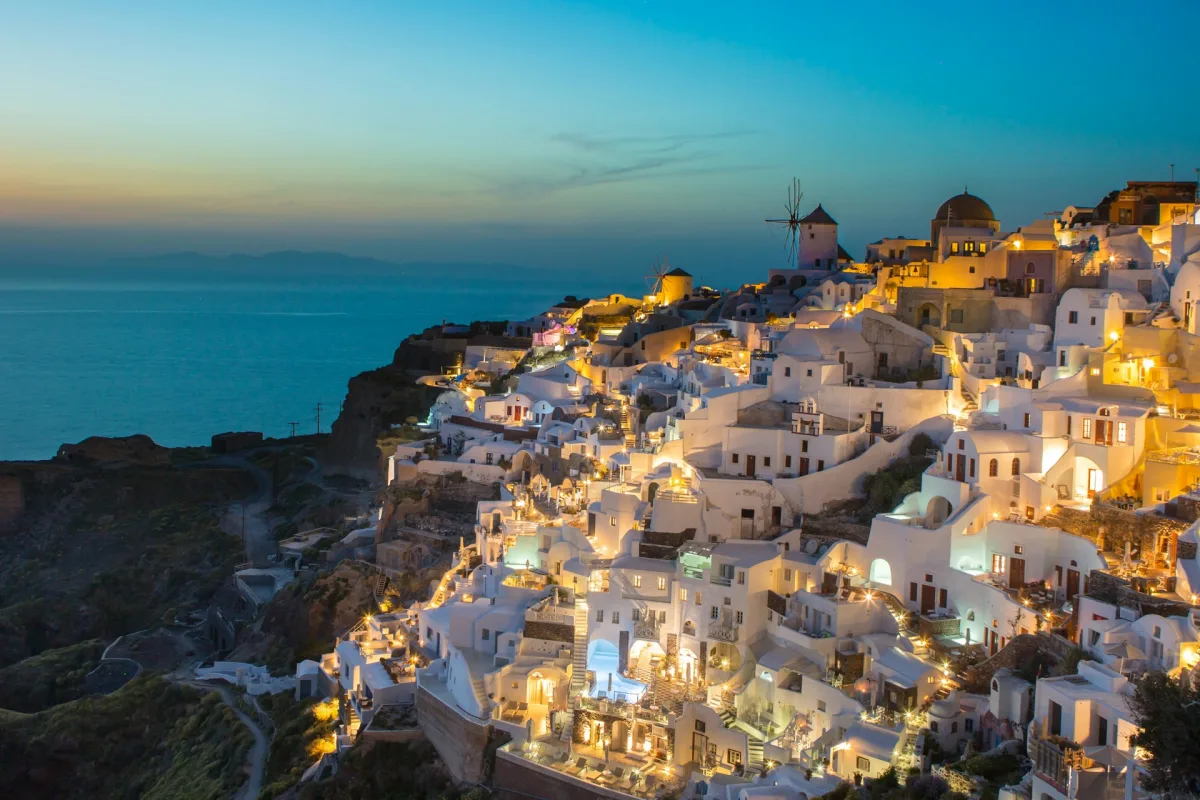
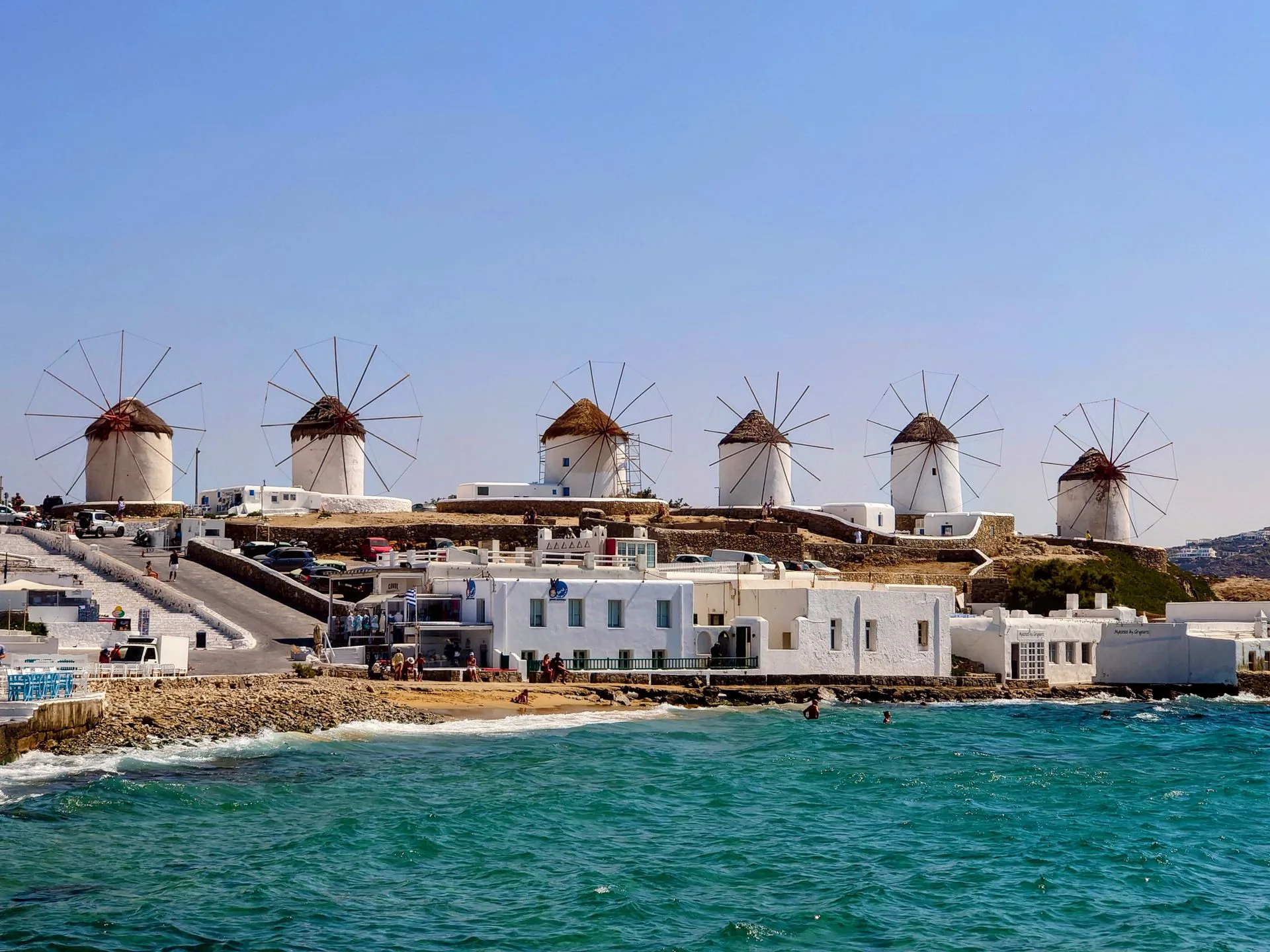
Not all Greek islands are created equal for family travel. Some, like Mykonos, are better suited to nightlife and couples. Others, like Santorini, are beautiful but can be challenging with young children due to steep cliffside villages and limited sandy beaches. The following islands are consistently recommended for families.
1. Naxos — the best island for young children
Naxos is widely regarded as the top Cyclades island for families with young children. It has the longest sandy beaches in the Cyclades, and the water at beaches like Agia Anna and Plaka is shallow and calm, making it ideal for toddlers and young swimmers. The island is also affordable, easy to navigate, and has a good food supply, meaning you are never far from a family-run taverna serving simple, delicious Greek food. Beyond the beaches, Naxos has a charming old town with a hilltop Temple of Apollo (perfect for sunset views) and several ancient sites that are manageable for short visits with children.
2. Crete — the island of variety
Crete is Greece’s largest island, and its size is a major advantage for families. You can spend a morning exploring the ancient Minoan palace of Knossos, an afternoon at a sandy beach, and an evening in a lively harbor town. The island has a huge range of family-friendly resorts, particularly along the northern coast. For older children, the Samaria Gorge offers a real hiking adventure, while younger children will enjoy the beaches and the small water parks scattered around the island. Crete is also a good base for day trips to smaller islands like Spinalonga, which has a fascinating history.
3. Rhodes — history and water parks
Rhodes is one of the most practical Greek islands for families. The beaches on the eastern coast are calm and shallow, and the island has a good mix of attractions. The medieval Old Town is a UNESCO World Heritage Site that children can explore like a castle. The Faliraki Water Park is one of the largest in Greece, with rides for every age, including toddler pools and a lazy river. For a day trip, the butterfly valley and the ancient ruins at Lindos are both worthwhile. Late May or September are the sweet spot for weather, avoiding the intense heat of July and August.
4. Paros — a quieter alternative
Paros is a good choice for families who want the charm of the Cyclades without the crowds of Santorini. The beaches at Santa Maria, Logaras, and Kolymbithres are calm and suitable for children, and the village of Naoussa is walkable and pleasant for evening strolls. Paros is also an easy ferry hub, making it a convenient stop between Athens and Naxos.
A note on Santorini: Santorini is breathtaking, but it is not the easiest island for young children. The famous caldera villages are built on steep cliffs, and the beaches are mostly black volcanic sand, which can get very hot. It is worth a day or two for older children who can appreciate the geology and the views, but it should not be the primary base for a family trip with toddlers.
Best family activities in Greece
These experiences form the core of a family itinerary. They are not the only things to do, but they cover the highlights that most families find memorable.
1. Athens with kids — mythology comes to life
Athens is the natural starting point for most family trips. The Acropolis and the Parthenon are essential, but children engage best when the history is brought to life. Consider a family-friendly guided tour that tells the stories of the gods and goddesses associated with the site. The Acropolis Museum is modern and engaging, with interactive exhibits that appeal to children. For a change of pace, the National Garden offers shade and playgrounds, and the Planetarium is a good option for a hot afternoon. A day trip to Cape Sounion to see the Temple of Poseidon at sunset is also memorable for older children.
2. Naxos with kids — beaches and gentle adventures
Naxos is where families can truly relax. The beaches at Agia Anna and Plaka are long, sandy, and shallow, perfect for young children. The water is calm, and the tavernas are right on the sand. For a break from the beach, visit the Temple of Apollo (also known as the Portara) for sunset views, or explore the narrow streets of the old town. Older children might enjoy a day trip to the nearby island of Delos, an uninhabited archaeological site that feels like a real adventure.
3. Crete with kids — Minoans, mountains and beaches
Crete offers a huge variety of experiences. The Palace of Knossos is a must for children interested in myths and legends — it is the legendary home of the Minotaur. The Heraklion Archaeological Museum has some of the most important Minoan artifacts, but it can be overwhelming for young children, so choose a highlights tour. The beaches at Elafonisi (with its pink sand) and Vai (with its palm forest) are stunning, though they require a drive. For a more relaxed day, the resort areas around Chania and Rethymno have calm, shallow beaches and plenty of family-friendly amenities.
4. Rhodes with kids — castles and water slides
Rhodes combines history with pure fun. The Old Town is a maze of medieval streets and walls that children love to explore. The Faliraki Water Park is a full-day attraction with slides for all ages, from toddler pools to extreme rides for teenagers. The beach at Tsambika is one of the best on the island for families, with a long arc of golden sand and shallow, calm water. For a cultural excursion, the ancient ruins at Lindos are impressive, though the climb to the acropolis can be hot — go early in the day.
A suggested 9-day Greece family itinerary
This outline assumes you are flying into Athens (ATH) and out of Crete (HER) or Rhodes (RHO), depending on which island you choose to end with. It balances city sightseeing with beach time and a manageable ferry journey.
| Day | Suggested plan | Family pacing tip |
|---|---|---|
| 1 | Arrive in Athens, transfer to hotel, gentle evening stroll in Plaka. | Keep the first day light after the long-haul flight. |
| 2 | Acropolis and Acropolis Museum (family tour), afternoon in the National Garden. | Book a family-focused tour; start early to avoid the heat. |
| 3 | Morning ferry to Naxos. Afternoon at Agia Anna beach. | Book ferry tickets in advance; carry snacks for the journey. |
| 4 | Full day at Plaka Beach, with optional pedalos or beach club time. | Let children choose between sandcastles and water activities. |
| 5 | Explore Naxos old town and the Temple of Apollo for sunset. | Keep the morning slow; save energy for the evening. |
| 6 | Ferry to Crete (Heraklion). Afternoon at leisure or a nearby beach. | Book ferry tickets in advance; the journey is about 2–3 hours. |
| 7 | Palace of Knossos and Heraklion Archaeological Museum (highlights). | Book a family tour; keep the museum visit short. |
| 8 | Day trip to a family-friendly beach like Elafonisi or a resort beach near Chania. | Choose one beach; pack a picnic and plenty of water. |
| 9 | Final morning in Crete, transfer to airport for departure. | Allow buffer time for check-in and security. |
If you have more time, add two or three nights on Rhodes or Paros. Both require a ferry journey but reward families with a different side of Greece. If you have less time, focus on Athens and Naxos, which is the most manageable combination for a first family trip.
Practical planning for Indian families
Visa and entry
Indian passport holders need a Schengen short-stay visa to enter Greece. The application requires proof of accommodation, travel insurance (minimum coverage of €30,000), flight reservations, and financial documents. Apply at least 6–8 weeks in advance, especially during peak travel seasons. The visa fee is €90 for adults, with a service fee for the application centre. Full details on the process, documents and fees are in the Greece travel guide.
Flights from India
There are direct flights from Delhi and Mumbai to Athens (ATH) with Air India and other carriers. Flight times range from 9 to 11 hours depending on the route. Booking a single ticket through a major airline or codeshare partner usually makes the journey smoother. Middle East carriers like Emirates, Qatar Airways, and Etihad offer convenient connections with Indian meal options.
Best time to visit
The best months for family travel are late spring (May–June) and early autumn (September–October), when the weather is warm but not overwhelming, the sea is comfortable for swimming, and the islands are less crowded. Summer (July–August) is peak season: expect higher prices and larger crowds, but also the warmest weather. Winter (November–March) is quieter and cheaper, but some ferries are reduced and the weather can be cold and wet.
Food and dining
Greek food is a universal favourite with children, and there are plenty of familiar options: souvlaki, moussaka, Greek salad, fresh bread, and ice cream. Vegetarian options are widely available. Tap water is generally safe to drink in Athens and the major islands, but bottled water is widely available. Greek meal times are later than in India: lunch is typically 2–4pm, and dinner starts at 9pm or later. Families with young children may find it easier to embrace a late breakfast and a substantial afternoon meal, with a lighter evening snack.
Safety and health
Greece is generally safe for families, with low crime rates and good healthcare. Take normal precautions with belongings, especially in crowded tourist areas like the Plaka in Athens and the old towns of the islands. The main health considerations are sun exposure in summer and mosquito bites in coastal areas. Bring insect repellent and antihistamines, and ensure routine vaccinations are up to date.
Packing essentials
- Comfortable walking shoes for cobblestone streets and archaeological sites.
- Layers for variable weather, especially in spring and autumn.
- Sunscreen and sun hats for summer.
- Refillable water bottles.
- A lightweight stroller for younger children (cobblestones and ferry ramps can be challenging).
- Swimwear and beach towels for the islands.
- Snacks for children during long days out.
Budgeting
Greece offers good value compared to other European destinations. A mid-range family trip from India typically costs between ₹1.9 lakh and ₹2.7 lakh per person, including flights, accommodation, food, and ferries, according to recent budget guides. Budget travellers can manage on ₹1.2–1.6 lakh per person, while luxury trips can exceed ₹4 lakh per person. Ferries are a significant cost, so book in advance where possible.
How to choose the right Greece family tour package
Start with your family’s priorities. If history and mythology are the main draw, base yourself in Athens and Crete. If beaches and relaxation are more important, focus on Naxos and Paros. If you want a mix of both, the Athens–Naxos–Crete route is a proven favourite for first-time family visits. When comparing packages, ask whether airport transfers, hotel, ferry tickets and guided excursions are included. Check the room configuration for your family size and confirm cancellation terms.
At Destination To Plan, we can discuss a custom Greece itinerary that matches your family’s interests and pace. You can explore our Greece family tour package or get in touch with our travel team to start planning.
Ready to plan your Greece family holiday?
Explore our Greece travel guide for visa and cost details, and speak with Destination To Plan about shaping an itinerary around your family’s ages and interests.
View Greece Family TourFrequently asked questions
1. Is Greece a good destination for a family holiday?
Yes. Greece combines ancient ruins, beautiful beaches, and a culture that genuinely welcomes children. The food is child-friendly, and the pace of life on the islands is relaxed. The key is to choose the right islands and avoid overloading your itinerary.
2. Do Indian citizens need a visa for Greece?
Yes, Indian passport holders need a Schengen short-stay visa. The application requires proof of accommodation, travel insurance with minimum coverage of €30,000, flight reservations, and financial documents. Apply at least 6–8 weeks in advance.
3. What is the best time to visit Greece with kids?
Late spring (May–June) and early autumn (September–October) offer warm weather, comfortable sea temperatures, and fewer crowds. July and August are the hottest and busiest months.
4. Which Greek island is best for families with young children?
Naxos is widely considered the best Cyclades island for families with young children. It has long, sandy beaches with shallow water, affordable tavernas, and a relaxed pace. Crete and Rhodes are also excellent for families, offering more variety and larger resorts.
5. Is Santorini suitable for young children?
Santorini is beautiful but not ideal for toddlers. The caldera villages are built on steep cliffs, and the beaches are mostly black volcanic sand that can get very hot. It is better suited to older children who can appreciate the views and geology.
6. How do I travel between the Greek islands with kids?
Ferries are the main mode of transport. They are generally comfortable and reliable, but journeys can take a few hours. Book tickets in advance, choose larger ferries for stability if you have young children, and be prepared for some waiting time at the ports.
7. Is Greek food suitable for children?
Yes, Greek food is very child-friendly. Souvlaki, moussaka, Greek salad, fresh bread, and ice cream are universally popular. Vegetarian options are widely available, and most tavernas are welcoming to families.
8. What should I pack for a family trip to Greece?
Pack comfortable walking shoes, layers for variable weather, sunscreen and hats for summer, refillable water bottles, swimwear for the beaches, and a lightweight stroller for younger children. Insect repellent is also useful for coastal areas.
9. Is Greece expensive for Indian travellers?
Greece offers good mid-range value compared to other European destinations. A mid-range family trip typically costs between ₹1.9 lakh and ₹2.7 lakh per person, including flights. Booking ferries and accommodation in advance helps keep costs manageable.
10. Can I combine Athens and the islands in one trip?
Yes. A common route is Athens (2–3 nights) followed by Naxos (3–4 nights) and Crete (3–4 nights). Ferries connect Athens to Naxos in about 3–5 hours, and Naxos to Crete in about 2–3 hours. This route balances history, culture, and beach time.
A European family adventure with something for everyone
Greece is not just a destination for history buffs and beach lovers. It is a country that can delight children with stories of gods and heroes, the thrill of exploring ancient ruins, the simple joy of building sandcastles on a quiet beach, and the warmth of a culture that genuinely loves families. With a thoughtful itinerary and a flexible attitude, a family trip to Greece can be one of the most rewarding holidays you take together.
Start with the Greece travel guide for visa and cost basics, then use this guide to shape the family adventure side of your trip. When you are ready to discuss a custom itinerary, our team can help.
Travel information in this article is general planning guidance. Visa rules, prices, opening hours and tour availability can change. Confirm current details with official sources and your travel provider before departure.