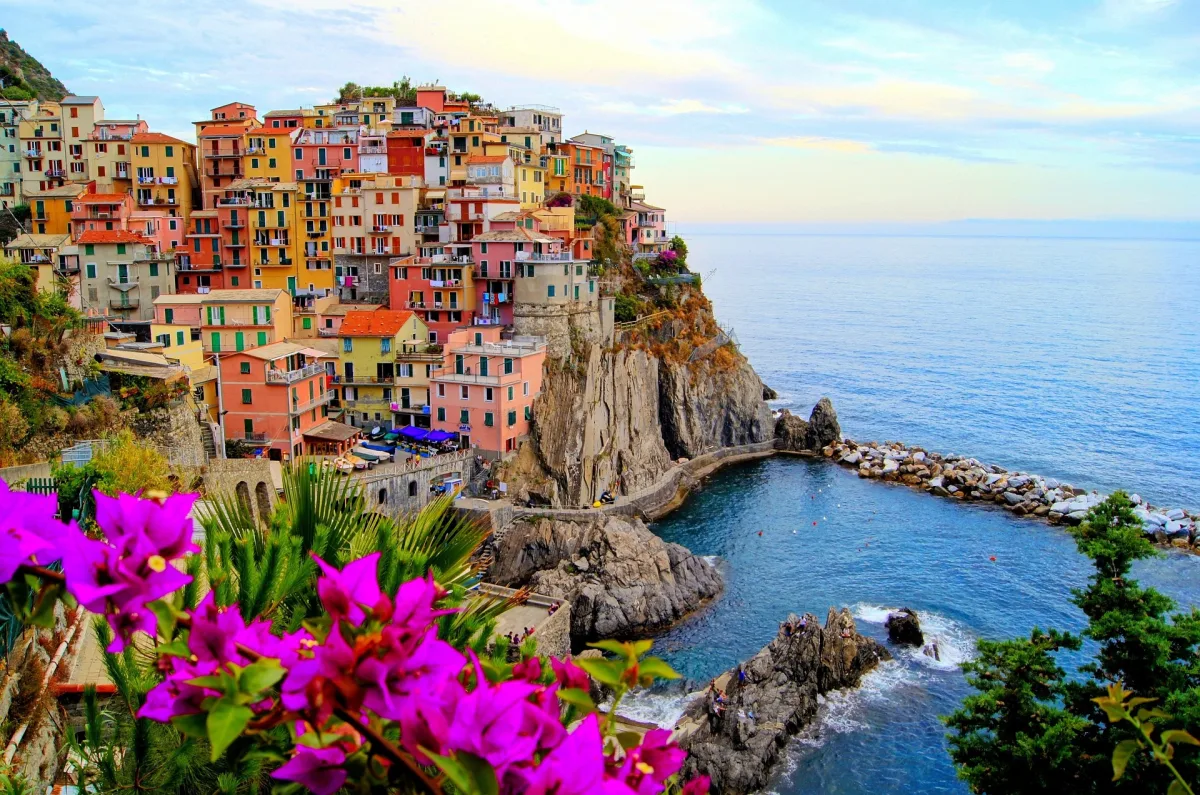
Italy is one of Europe’s most rewarding destinations for families, but it can also feel overwhelming to plan. The art, the history, the crowds — it is easy to overload an itinerary and end up with tired children and stressed parents. The key is to choose a handful of experiences and give them room to breathe. A morning at the Colosseum, an afternoon making pizza, a gondola ride at sunset. Italy rewards a slower pace.
For Indian families, Italy has another advantage: it is a well-established route with direct flights from Delhi and Mumbai to Rome or Milan. The Schengen visa process is familiar, high-speed trains connect the major cities in under three hours, and the tourism infrastructure is geared towards international visitors. This guide focuses on the family travel experience: what to do with children of different ages, how to pace an itinerary, and what practical considerations matter when travelling from India. It does not repeat the full visa process, flight routes and cost breakdowns already covered in our complete Italy Travel Guide; instead, it helps you decide how to structure a family trip and which experiences are worth prioritising.
Why consider Italy for a family holiday?
Italy works for families because it offers variety without long distances. High-speed trains connect Rome, Florence and Venice in under three hours each, making it possible to see three iconic cities without enduring long road transfers. The country also has a strong culture of family-friendly dining, and many attractions are designed with children in mind.
- Living history: The Colosseum, the Roman Forum, and Pompeii are not just ruins — they are places children can explore, imagine, and learn from. Many sites offer interactive experiences like gladiator training or multimedia exhibits.
- Compact geography: Rome, Florence, and Venice are easily connected by high-speed rail, making it possible to base yourself in one city and take day trips, or to follow a classic route without excessive travel time.
- Food culture: Italian food is a universal favourite with children. Pizza, pasta, gelato, and simple grilled dishes are everywhere, and the ritual of a long lunch is a pleasure for parents too.
- Seasonal beauty: Spring blossoms, summer beaches, and autumn harvests each offer a different experience, giving families flexibility in when to travel.
The main family-friendly regions are Rome (history, food, gladiator schools), Florence (art, science museums, Tuscan countryside), Venice (canals, glass-blowing, islands), and the Amalfi Coast or Lake Garda for a beach or lake break. For a broader overview of regions and general planning, see the Italy travel guide.
Best family activities in Italy
These experiences form the core of a family itinerary. They are not the only things to do, but they cover the highlights that most families find memorable.
1. Rome with kids — gladiators, gelato and ancient ruins
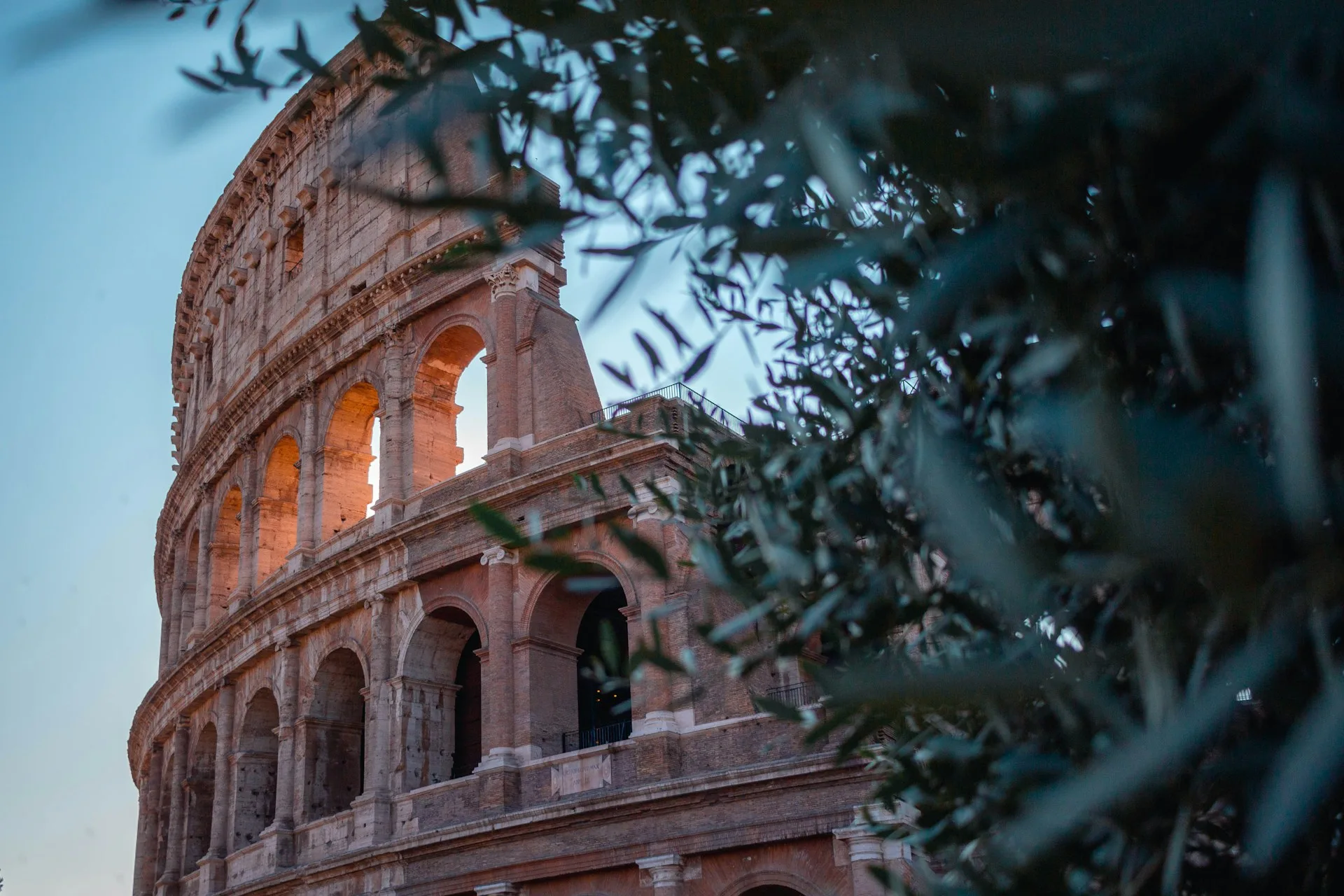
Rome is an open-air museum, but children engage best when history becomes interactive. Book a gladiator school experience, where kids can learn to wield a wooden sword and understand what life was like for a Roman fighter. The Colosseum and Roman Forum are essential, but consider a guided tour designed for families to bring the ruins to life. The Vatican Museums can be overwhelming, so choose a highlights tour or skip it with younger children. Instead, head to the Explora Museum, a hands-on children’s museum, or simply enjoy a gelato in Piazza Navona.
2. Florence with kids — art, science and Tuscan countryside
Florence is often seen as a city for adults, but it has plenty for children. The Leonardo Interactive Museum lets kids explore da Vinci’s inventions through hands-on exhibits. Climbing the Duomo is a challenge but rewarding for older children, and the Boboli Gardens offer space to run. For a change of pace, take a day trip into the Tuscan countryside for a bike ride or a farm visit. The Pinocchio Park in Collodi is a short drive away and a hit with younger children.
3. Venice with kids — canals, glass and hidden squares
Venice is a city of water and wonder. A gondola ride is a must, but a vaporetto (water bus) ride along the Grand Canal is just as exciting for children and much cheaper. Visit a glass-blowing workshop in Murano, or take a boat to Burano to see the colourful houses. The Peggy Guggenheim Collection is small and manageable for a short art stop, and the Venetian Ghetto offers a fascinating glimpse into history. Be prepared for crowds and bridges; a lightweight stroller is essential for younger children.
4. Amalfi Coast or Lake Garda — a breath of fresh air
If your family needs a break from city sightseeing, consider adding a few days on the Amalfi Coast or Lake Garda. The Amalfi Coast offers beaches, boat trips, and the famous Path of the Gods hike (suitable for older children). Lake Garda has theme parks (Gardaland), beaches, and cable car rides up Monte Baldo. Both regions are easily reachable by train from the main cities.
A suggested 8-day Italy family itinerary
This outline assumes you are flying into Rome (FCO) and out of Venice (VCE). It balances city sightseeing with interactive experiences and a manageable pace.
| Day | Suggested plan | Family pacing tip |
|---|---|---|
| 1 | Arrive in Rome, transfer to hotel, gentle evening walk and gelato. | Keep the first day light after the long-haul flight. |
| 2 | Colosseum, Roman Forum, and a gladiator school experience. | Book a family-friendly guided tour; carry water and snacks. |
| 3 | Explora Museum or Vatican highlights (for older children), then Piazza Navona. | Choose one main activity; plan a break in a piazza. |
| 4 | High-speed train to Florence. Afternoon at the Leonardo Interactive Museum and Duomo exterior. | Book train tickets in advance; keep the afternoon light. |
| 5 | Boboli Gardens or a day trip to the Tuscan countryside (bike ride or farm visit). | Let children choose between garden and countryside. |
| 6 | High-speed train to Venice. Afternoon vaporetto ride and gondola. | Book train tickets in advance; travel light. |
| 7 | Murano glass-blowing workshop and Burano island visit. | Choose one island to avoid rushing; enjoy a slow lunch. |
| 8 | Final morning in Venice, transfer to airport for departure. | Allow buffer time for check-in and security. |
If you have more time, add two or three nights on the Amalfi Coast or Lake Garda. Both require a train journey but reward families with a different side of Italy.
Practical planning for Indian families
Visa and entry
Indian passport holders need a Schengen short-stay visa to enter Italy. The application requires proof of accommodation, travel insurance, flight reservations, and financial documents. Apply well in advance, especially during peak travel seasons. Full details on the process, documents and fees are in the Italy travel guide.
Flights from India
There are direct flights from Delhi and Mumbai to Rome (FCO) and Milan (MXP) with Air India, ITA Airways and other carriers. Flight times range from 9 to 12 hours depending on the route. Booking a single ticket through a major airline or codeshare partner usually makes the journey smoother. Middle East carriers like Emirates, Qatar Airways, and Etihad offer convenient connections with Indian meal options.
Best time to visit
The best months for family travel are late spring (April–June) and early autumn (September–October), when the weather is pleasant, crowds are manageable, and attractions are fully open. Summer (July–August) is peak season: expect higher prices and larger crowds, but also the warmest weather and the most festivals. Winter (November–March) is quieter and cheaper, but some attractions have reduced hours and the weather can be cold and grey.
Food and dining
Italian food is a universal favourite with children, and there are plenty of familiar options: pizza, pasta, risotto, and gelato. Most restaurants offer children’s menus (menu bambino), and bakeries are excellent for picnics. Vegetarian options are widely available. Tap water is safe to drink, and bottled water is widely available. Be aware that some restaurants charge a cover charge (coperto) per person.
Safety and health
Italy is generally safe for families, but take normal precautions with belongings, especially in crowded tourist areas like the Colosseum and St. Mark’s Square. The main health considerations are sun exposure in summer and the usual travel precautions. Routine vaccinations should be up to date; consult a travel clinic before departure.
Packing essentials
- Comfortable walking shoes for cobblestone streets and long museum visits.
- Layers for variable weather, especially in spring and autumn.
- Sunscreen and sun hats for summer.
- Refillable water bottles (Rome has free public water fountains).
- A lightweight stroller for younger children (Venice bridges and cobblestones can be challenging).
- Snacks for children during long days out.
How to choose the right Italy family tour package
Start with your family’s priorities. If history and interactive experiences are the main draw, base yourself in Rome and Florence. If canals and islands appeal, add Venice. For a beach or lake break, consider the Amalfi Coast or Lake Garda. The classic Rome–Florence–Venice route is a proven favourite for first-time family visits.
When comparing packages, ask whether airport transfers, hotel, train tickets and guided excursions are included. Check the room configuration for your family size and confirm cancellation terms. At Destination To Plan, we can discuss a custom Italy itinerary that matches your family’s interests and pace. You can explore our Italy family tour package or get in touch with our travel team to start planning.
Ready to plan your Italy family holiday?
Explore our Italy travel guide for visa and cost details, and speak with Destination To Plan about shaping an itinerary around your family’s ages and interests.
View Italy Family TourFrequently asked questions
1. Is Italy a good destination for a family holiday?
Yes. It combines iconic sights like the Colosseum and Venice canals with interactive experiences, beautiful countryside, and family-friendly food. The key is to plan a realistic pace and choose activities that suit your children’s ages.
2. Do Indian citizens need a visa for Italy?
Yes, Indian passport holders need a Schengen short-stay visa. The application requires proof of accommodation, travel insurance, flight reservations, and financial documents. Apply at least 6–8 weeks in advance.
3. What is the best time to visit Italy with kids?
Late spring (April–June) and early autumn (September–October) offer pleasant weather and manageable crowds. Summer is warmest but busiest, while winter is quieter but colder.
4. Is the Colosseum suitable for young children?
Yes, especially if you book a family-friendly tour or combine it with a gladiator school experience. The ruins are engaging for children when brought to life by a guide. Carry water and plan for uneven surfaces.
5. How many days do I need in Italy?
Seven to ten days is a good starting point for a family trip covering Rome, Florence, and Venice. More time allows a more relaxed pace or additional regions like the Amalfi Coast or Lake Garda.
6. Is Italian food suitable for children?
Yes, Italian food is very child-friendly. Pizza, pasta, risotto, and gelato are universally popular, and most restaurants offer children’s menus. Vegetarian options are widely available.
7. What should I pack for a family trip to Italy?
Pack comfortable walking shoes, layers for variable weather, sunscreen and hats for summer, refillable water bottles, and a lightweight stroller for younger children. Snacks for children are also useful.
8. Is Italy expensive for Indian travellers?
Costs vary, but Italy offers good mid-range value compared to other European destinations. High-speed rail reduces internal transport costs, and regional dining provides premium experiences at reasonable prices. Careful planning helps keep costs manageable.
A European family adventure with something for everyone
Italy is not just a destination for art lovers and history buffs. It is a country that can delight children with gladiator schools, gondola rides, pizza-making classes, and the simple pleasure of a gelato in a sunlit piazza. With a thoughtful itinerary and a flexible attitude, a family trip to Italy can be one of the most rewarding holidays you take together.
Start with the Italy travel guide for visa and cost basics, then use this guide to shape the family adventure side of your trip. When you are ready to discuss a custom itinerary, our team can help.
Travel information in this article is general planning guidance. Visa rules, prices, opening hours and tour availability can change. Confirm current details with official sources and your travel provider before departure.