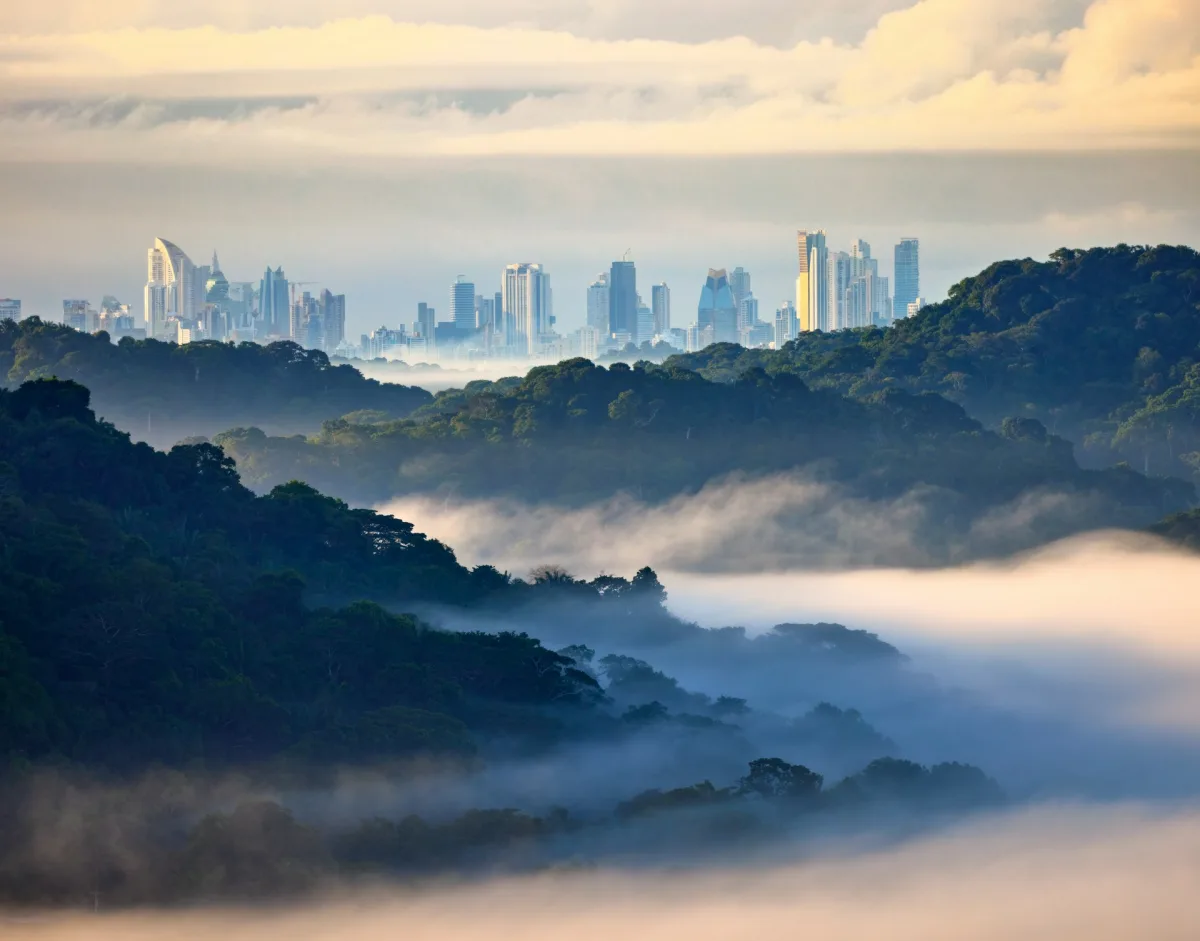
Some family holidays are about doing as little as possible. Others become a shared adventure of discovery, where children and parents learn something new together. Panama sits comfortably in the second category. It is a small country where you can watch a hundred-thousand-tonne container ship rise through a lock in the morning, spot a sloth in the rainforest by lunch, and be on a Caribbean beach by dinner — all within a few hours' drive of the capital.
What makes Panama unexpectedly easy for families is not just the attraction list, but the infrastructure. The country uses the US dollar, has a well-developed tourist transport network, and the main family sites are concentrated in a compact area. The Panama Canal alone is a genuine engineering spectacle that children of almost any age find absorbing, and it sits just twenty minutes from the city centre.
This guide focuses on the family decisions: which places work best for children, how to pace an itinerary, what to eat and what to prepare for. For a broader overview of the country, read our complete Panama travel guide. When you are ready to look at a structured itinerary, see our Panama family tour package.
Why Panama works well for families
Panama has quietly become a popular destination for Indian and Latin American travellers, and most of what makes it appealing works even better with children along. The country is safe, compact and set up for short transfers between very different landscapes.
- Compact distances: Panama City to the Canal is 20 minutes, to Soberanía around 45 minutes, and to the Caribbean coast about two hours. You are not spending entire days in transit.
- Safety and reliability: Main tourist areas are well-patrolled and have a mature tourism infrastructure. Hotels, guides and transfers operate to international standards.
- US dollars: Panama uses the US dollar alongside the balboa, which means no currency maths. Budgeting for a family is straightforward.
- Attractions that land at every age: The Canal, the Biomuseo, rainforest wildlife and calm Caribbean beaches all work for children from about five upwards.
- Food that children actually eat: Rice, grilled chicken, plantain chips and fresh fruit are the staples, and most restaurants happily adapt dishes for children.
- English widely spoken: In tourist areas and by guides, English is standard. Spanish phrases are appreciated but not essential.
The best family trips are built on a realistic rhythm. Panama rewards that approach: a morning of sightseeing followed by a long lunch and an afternoon by the pool works far better than trying to tick off every sight.
Is Panama suitable for children of different ages?
Panama can work for a wide range of families, but the ideal itinerary shifts with the ages and interests of your children. Rather than trying to cover the whole country, choose the experiences that match your family's energy and comfort level.
- Under 5 years: Keep to Panama City and one beach base. The Canal visitor centre, the Biomuseo's hands-on exhibits and the calm Caribbean beaches are all stroller-friendly. Long rainforest hikes and boat rides are harder at this age.
- About 6–11 years: This is the sweet spot for Panama's more interactive sights. The lock chambers filling, sloths and monkeys along Pipeline Road, the Emberá village and the forts at Portobelo all land well at this age.
- Teenagers: Older children will get more out of Panama City's history and architecture, and can enjoy optional adventure add-ons like ziplining or a day hike — for which see our Panama adventure travel guide.
These are planning suggestions rather than rules. Consider your child's tolerance for heat, boats and walking before committing to longer days.
Best places to visit in Panama with family
These destinations form a strong backbone for a family trip. You do not need all of them; pick the ones that fit your time and your children's ages.
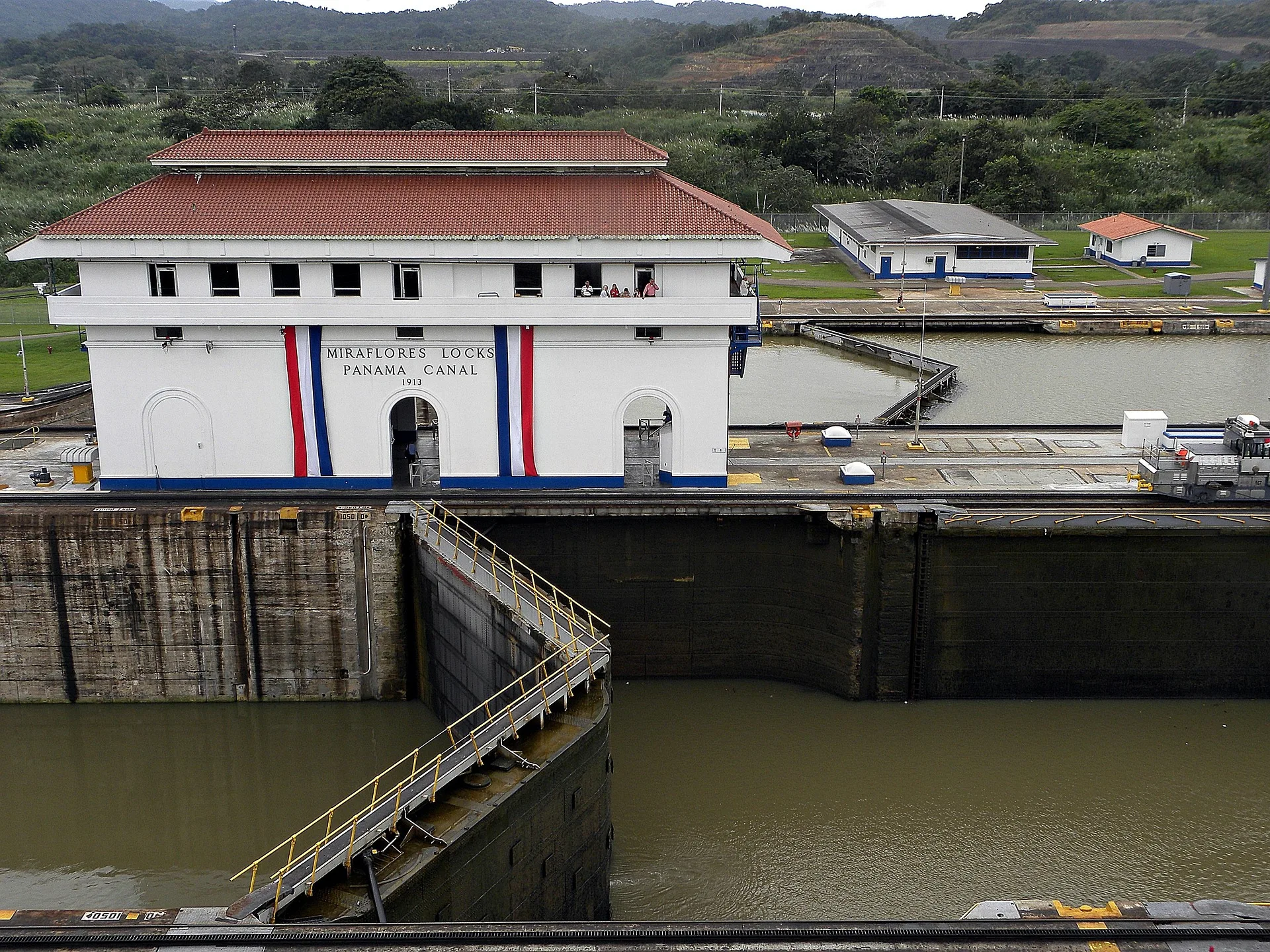
1. Panama Canal — Miraflores Locks
The Panama Canal is the country's single most impressive sight, and it works astonishingly well with children. At the Miraflores Locks Visitor Center, you stand on tiered viewing decks while hundred-metre container ships are raised or lowered a full lock chamber within arm's reach. The mechanics are visible: water gushes in, the ship rises, the gates open, and the process repeats.
Inside, the museum explains the construction, the geography and the human cost in a way that engages children without overwhelming them. There is an IMAX theatre, a restaurant overlooking the locks, and enough to fill a half-day comfortably.
A note for parents: ships do not follow a visitor-friendly timetable. Check the Canal's daily transit schedule before you go, or ask your guide to time your visit for a busy period.
2. Casco Viejo — the old city
Casco Viejo is Panama City's restored colonial quarter and a UNESCO World Heritage site, with cobblestone streets, colourful facades, small plazas and a dense concentration of cafés. It is a genuinely easy place to walk with children — flat, compact and full of visual interest.
Highlights include the Metropolitan Cathedral, the Plaza de la Independencia, and the waterfront Paseo Las Bóvedas, where the old city walls face the modern skyline across the bay. The contrast makes for some of the most photogenic scenes in the country.
A note for parents: Casco Viejo is hot and humid in the afternoon. Mornings are easier; late afternoons bring the reward of shaded plazas and a breeze.
3. Biomuseo — the museum that explains Panama
The Biomuseo, on the Amador Causeway, is the single best family museum in the country. Designed by Frank Gehry, its folded, brightly coloured roof looks like nothing else in Latin America, and inside, eight galleries explain how the Isthmus of Panama rose from the sea and reshaped global biodiversity.
The exhibits are interactive, engaging, and pitched at older children and teenagers more than toddlers. The outdoor Biodiversity Park is a good place to run around after the galleries.
Practical note: Combine the Biomuseo with the Amador Causeway itself — a 4 km waterfront road where you can hire bikes, walk, eat ice cream, and watch ships queuing for the Canal.
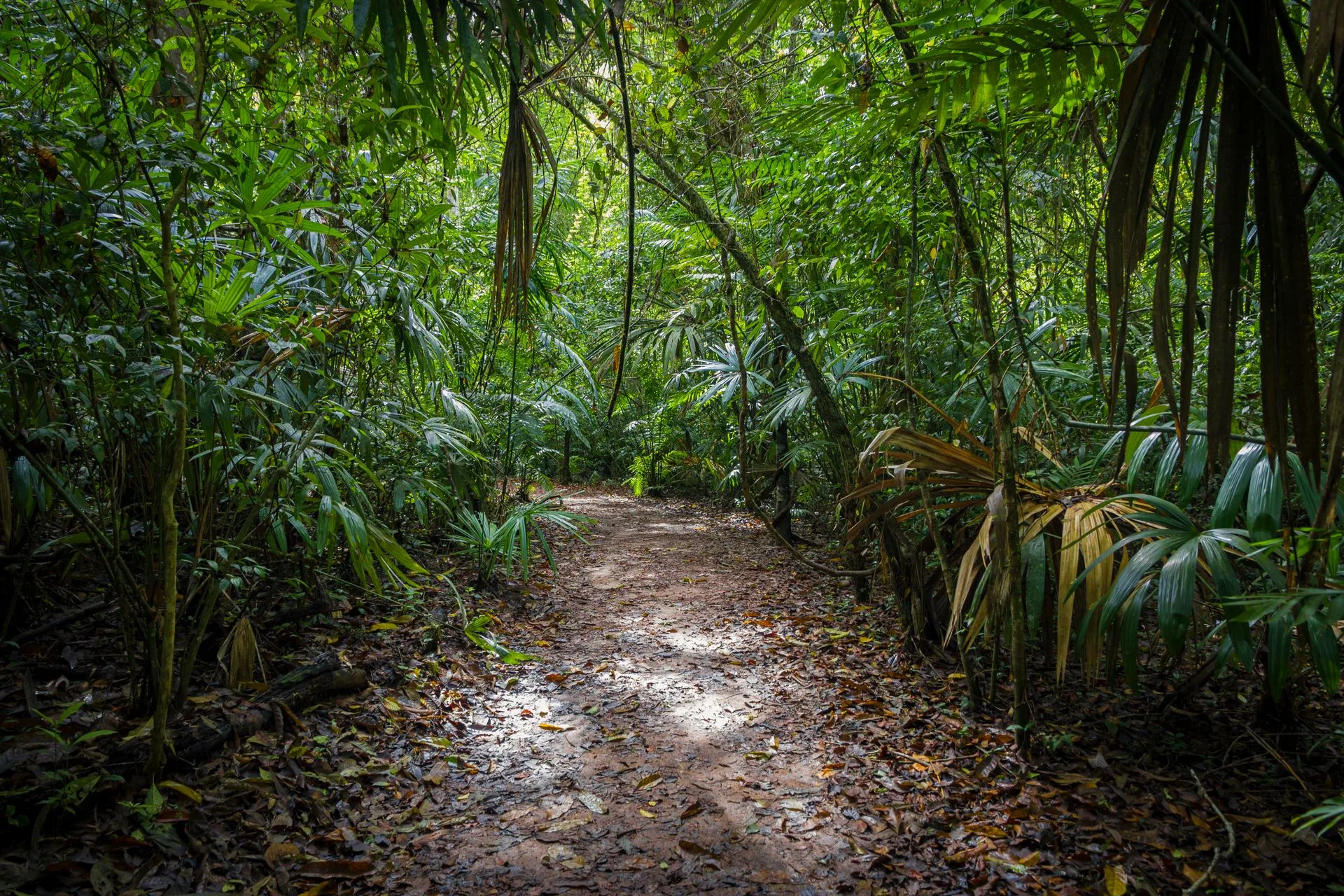
4. Soberanía National Park — wildlife close to the city
Soberanía National Park protects 22,000 hectares of tropical rainforest along the Canal, and it is the easiest place in Panama to see sloths, monkeys and toucans without a serious expedition. The famous Pipeline Road is a flat, shaded trail where over 400 bird species have been recorded, alongside howler monkeys, white-faced capuchins, agoutis and coatis.
For families, the appeal is that the wildlife is genuinely accessible: the trail is wide, mostly flat, and a guided morning walk with a naturalist can produce sightings without exhausting anyone.
A note for parents: start early — wildlife is most active before 9am, and the trail gets hot by mid-morning.
5. Emberá village on the Chagres River
A visit to an Emberá indigenous community is typically combined with the Soberanía day. A short boat ride up the Chagres River brings you to a village where the Emberá share their crafts, music and daily life. For children, the boat ride is often the highlight; for parents, the cultural context is genuinely valuable.
A note for parents: this is a working community, not a theme park. Photography is welcome but ask first, and prepare children in advance that the visit is a real exchange rather than a performance.
6. Caribbean coast — Portobelo and the beaches
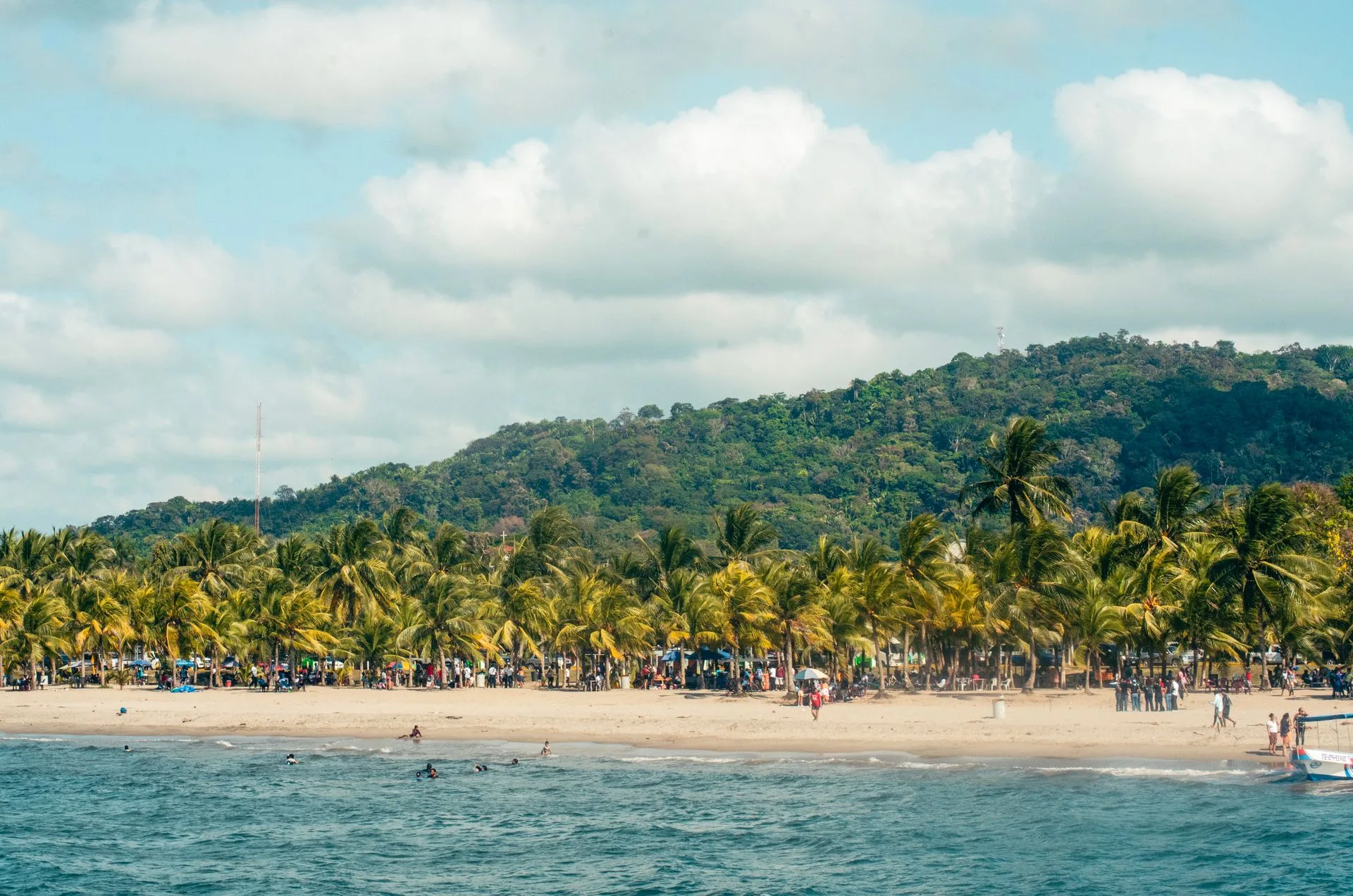
The Caribbean coast east of Colón is a world away from the Pacific side of the country. Portobelo National Park contains some of the best-preserved Spanish colonial forts in the Americas — a UNESCO World Heritage site — and the surrounding beaches offer calm, shallow water that suits younger children.
The nearby beach hotels are the obvious base for a relaxed final few days. Swimming, snorkelling, and the small fishing village atmosphere are all low-key and child-friendly.
Official resource: For UNESCO information on the Portobelo and San Lorenzo fortifications, see the UNESCO World Heritage listing.
More family-friendly experiences
Beyond the headline sights, Panama offers plenty that children enjoy:
- Walk the Amador Causeway: Hire bikes or a family quadricycle, eat ice cream, and watch ships queue for the Canal.
- Explore Panama Viejo: The original Panama City, destroyed by Henry Morgan in 1671, is now an atmospheric ruin field with a modern museum — good for older children.
- Visit the Metropolitan Natural Park: Within the city limits, this 265-hectare park has easy trails and lookouts across the canal — a good morning option.
- Feed the fish at the Causeway: A cheap and reliable hit with younger children.
- Eat at a fonda: The small local eateries serve rice, beans, plantains and grilled chicken — exactly what children will actually eat, at very low prices.
A relaxed 7-day Panama family itinerary
This outline is a starting point for a first family visit. It is designed as an idea rather than a fixed schedule; travel times, your children's energy levels and the weather may require changes. If you have eight days, add a second beach day at the end. Our full 8-day version is on the Panama family tour package page.
| Day | Suggested plan | Family-friendly pacing tip |
|---|---|---|
| 1 | Arrive in Panama City. Gentle evening walk on the Cinta Costera. | Keep the first day light after your journey. |
| 2 | Miraflores Locks in the morning; Amador Causeway and Biomuseo in the afternoon. | Book Canal tickets in advance and check the ship schedule. |
| 3 | Casco Viejo in the morning; Metropolitan Natural Park in the late afternoon. | Split the day so children get a pool or playground break. |
| 4 | Day trip to Soberanía National Park and the Emberá village. | Start early — wildlife is most active before 9am. |
| 5 | Drive to the Caribbean coast via Portobelo forts. Check into the beach hotel. | Break up the transfer with the Portobelo stop. |
| 6 | Full day on the Caribbean coast: swimming, snorkelling, beach time. | Water shoes help on pebbly sections. |
| 7 | Return to Panama City for departure, or add Panama Viejo if time allows. | Allow plenty of time for the airport transfer. |
If you have more time, add a day for Panama Viejo and the Albrook Mall, or a second beach day. If you have less time, Panama City plus one Caribbean beach stop makes an excellent short family trip.
When is the best time to visit Panama with family?
Panama has a tropical climate with two main seasons. The best time for a family trip depends on your priorities: dry weather, fewer crowds, or lower prices.
- Mid-December to April: The dry season, and the most popular period. Sunny skies, calm seas, and the most reliable conditions for rainforest walks and Caribbean beach days. Prices and crowds are at their peak, especially around Christmas and Easter.
- May to November: The green season, with higher humidity and daily afternoon showers. Mornings are usually clear, and the country is at its greenest. Prices are noticeably lower, and attractions are quieter. Families who don't mind a daily rain shower will find this period excellent value.
- September and October: Often the wettest months, with heavier rain and a higher chance of travel disruption. This is the least popular family window.
For a first family trip that includes both cities and beaches, the dry season (December–April) is the easiest choice. If your family is flexible about a daily shower, the green season offers far better prices and a quieter experience.
What can families eat in Panama?
Panamanian food is generous, familiar and generally very child-friendly. The cuisine draws on Spanish, African and indigenous traditions, and most dishes are mild rather than spicy.
The staples to try: sancocho (a chicken and root-vegetable soup that children tend to love), arroz con pollo (rice with chicken), patacones (fried green plantain chips), hojaldras (flaky fried pastries often eaten at breakfast) and the excellent tropical fruit — pineapple, mango, papaya and watermelon — which is everywhere and cheap.
If your child has allergies or specific dietary needs, restaurant staff in Panama City are generally accommodating, and most family restaurants offer simple grilled chicken, rice and vegetables without fuss.
Choosing family-friendly accommodation
The right base matters more than the exact hotel. In Panama City, staying in the modern financial district or Casco Viejo puts you within walking distance of many sights and restaurants. On the Caribbean coast, a beach hotel with a pool makes the second half of the trip much easier.
Before booking, confirm:
- Room occupancy and bed configuration — "family room" means different things in different countries.
- Whether cots or extra beds carry a charge.
- Air-conditioning, which matters in Panama's heat.
- Lift access if you are travelling with a pram.
- Pool safety arrangements, especially if you have very young children.
- Cancellation terms, especially around peak dry-season dates.
Apartments and aparthotels are increasingly common in Panama City and offer space that hotels rarely match, often with a kitchenette that helps with younger children.
How much should you budget for a Panama family trip?
Panama is generally a mid-to-higher budget destination by Central American standards, but a well-planned family trip is more affordable than many expect. Rather than quoting a single figure, it is more useful to understand the main costs:
- Flights: usually the largest single cost, and the most variable depending on departure city and how early you book.
- Accommodation: ranges from city business hotels to beach resorts. The dry season is the expensive period.
- Transport: a private car with driver is the most practical option for families covering the Canal, Soberanía and the Caribbean coast, and often works out cheaper than expected when split across a family.
- Attractions: the Canal visitor centre, the Biomuseo and guided rainforest walks are the main paid items. Casco Viejo, the Amador Causeway and most beaches are free.
- Food: eating at fondas (small local eateries) is very cheap and usually very good. Sit-down restaurants add up quickly in the city.
When comparing a Panama family tour package, check whether private transport, entrance fees and the Emberá visit are included, as those are the items that most often appear as extras.
Practical Panama travel tips for parents
- Carry small US dollar bills: the currency is the US dollar, but small notes are easier for fondas, taxis and markets. Cards are widely accepted in the city and beach resorts.
- Plan around the heat and humidity: mornings are the best time to be outdoors. Use the middle of the day for museums or pool time.
- Bring insect repellent: even at the Canal you will want it. The rainforest areas are tropical, and mosquitoes are present year-round.
- Tap water: generally considered safe in Panama City, but bottled water is recommended elsewhere.
- Learn a few Spanish phrases: "hola", "gracias" and "por favor" go a long way, though English is common in tourist areas.
- Motion-sickness remedies: boat rides on the Chagres River and along the Caribbean can be choppy — pack accordingly for sensitive children.
- Keep the schedule flexible: children need downtime. Leave room in your plan for a spontaneous playground stop or an early return to the hotel.
- Check visa requirements: Indian passport holders require a visa for Panama, but a waiver applies if you hold a valid, used multiple-entry visa from the US, Canada, Australia or the Schengen area. See our dedicated Panama visa information page for the full requirements.
- Use official tourism resources: Visit Panama is the country's official tourism board and a reliable source for events, regions and practical visitor information.
Family packing checklist
- Layered, lightweight clothing — cotton and linen work best in the heat.
- Swimwear and water shoes for the Caribbean coast's pebbly sections.
- Comfortable walking shoes for Casco Viejo's cobblestones.
- Sun protection: hats, high-SPF sunscreen and sunglasses.
- Insect repellent with DEET for the rainforest.
- Rain jackets or compact umbrellas for the green season.
- A reusable water bottle and familiar snacks for travel days.
- A basic first-aid kit and any prescription medicines in original packaging.
- A universal power adapter (Panama uses Type A/B plugs, 110V).
- Copies of travel documents and insurance details, kept separately from the originals.
How to choose the right Panama family tour package
Start with your priorities. Do you want the Canal, the old city, the wildlife, the Caribbean coast, or a mix of everything? Then consider your children's ages and how many bases you can realistically move through without exhausting everyone — the difference between a comfortable trip and a tiring one usually comes down to how many hotels you include.
When speaking to a travel planner, be specific about travel dates, the number of adults and children, your children's ages, and your budget. Ask whether the itinerary can be adjusted, and get written confirmation of what is and is not included.
At Destination To Plan, our Panama family tour package is built around a comfortable pace with family-friendly hotels and guides. It provides a solid foundation that can be adapted to your family's needs. If you are also considering hard adventure — Volcán Barú, Coiba diving, San Blas sailing or surfing — our separate Panama adventure travel guide covers those in detail.
Ready to plan your Panama family holiday?
Explore our Panama family tour package and speak with Destination To Plan about shaping the journey around your travel dates, family size and interests.
Explore Panama Family TourFrequently asked questions
1. Is Panama a good destination for a family holiday?
Yes. Panama combines a genuinely impressive engineering spectacle (the Canal), a walkable historic old town, accessible rainforest wildlife, and calm Caribbean beaches — all within a compact area. Distances are short, the currency is the US dollar and English is widely spoken in tourist areas.
2. How many days are enough for Panama with kids?
Around 7–8 days is comfortable for the Canal, Casco Viejo, Soberanía, the Emberá village and a couple of Caribbean beach days. A shorter trip of 4–5 days works well if you focus on Panama City and the Canal only.
3. Is the Panama Canal suitable for young children?
Yes — the Miraflores Locks visitor centre is stroller-friendly and children of almost any age find watching the ships rise and fall within arm's reach absorbing. Check the day's transit schedule before you go, or ask your guide to time your visit for a busy period.
4. What is the best time to visit Panama with kids?
Mid-December to April is the dry season and the easiest window for rainforest walks and Caribbean beaches, but it is the busiest and most expensive period. May to November is greener and cheaper, with afternoon showers that usually clear by evening.
5. Do Indian travellers need a visa for Panama?
Yes, but a waiver applies if you hold a valid, used multiple-entry visa from the US, Canada, Australia or the Schengen area, which allows entry for up to 30 days without a separate Panama visa. Full details are on our Panama visa information page.
6. Is Panamanian food suitable for children?
Very much so. Sancocho, arroz con pollo, patacones and fresh tropical fruit are all reliable with younger palates, and the cuisine is mild rather than spicy. Small local fondas are cheap, quick and family-friendly.
7. How much does a Panama family trip cost?
Panama is mid-to-higher budget by Central American standards, with flights typically the largest cost. Private transport with a driver is the main variable for families covering several regions, but often works out cheaper than expected when shared across the group.
8. Can we combine a family trip with adventure activities?
Yes. Easy add-ons for older children include ziplining in the forest, a day's surf lesson, or a short hike — the hard-adventure side of Panama (Volcán Barú, Coiba diving, San Blas, rafting) is covered in our separate Panama adventure travel guide.
A family adventure between two oceans
Panama rewards curiosity. A ship the size of a small building rising through a lock, a sloth curled in a tree above a jungle trail, a Spanish fort facing the Caribbean — these are the kinds of experiences children remember long after the trip ends.
The key is not to see everything, but to see the right things at the right pace. Mix the big sights with long lunches and pool time, embrace the local food and the generosity of the people, and leave room for the unplanned afternoon that turns out to be the best one.
For more detailed planning, explore our Panama travel guide or view the full itinerary of our Panama family tour package.
Travel information in this article is general planning guidance. Opening arrangements, transport, weather, entry rules, prices and activity availability can change. Confirm current details with official sources and your travel provider before departure.