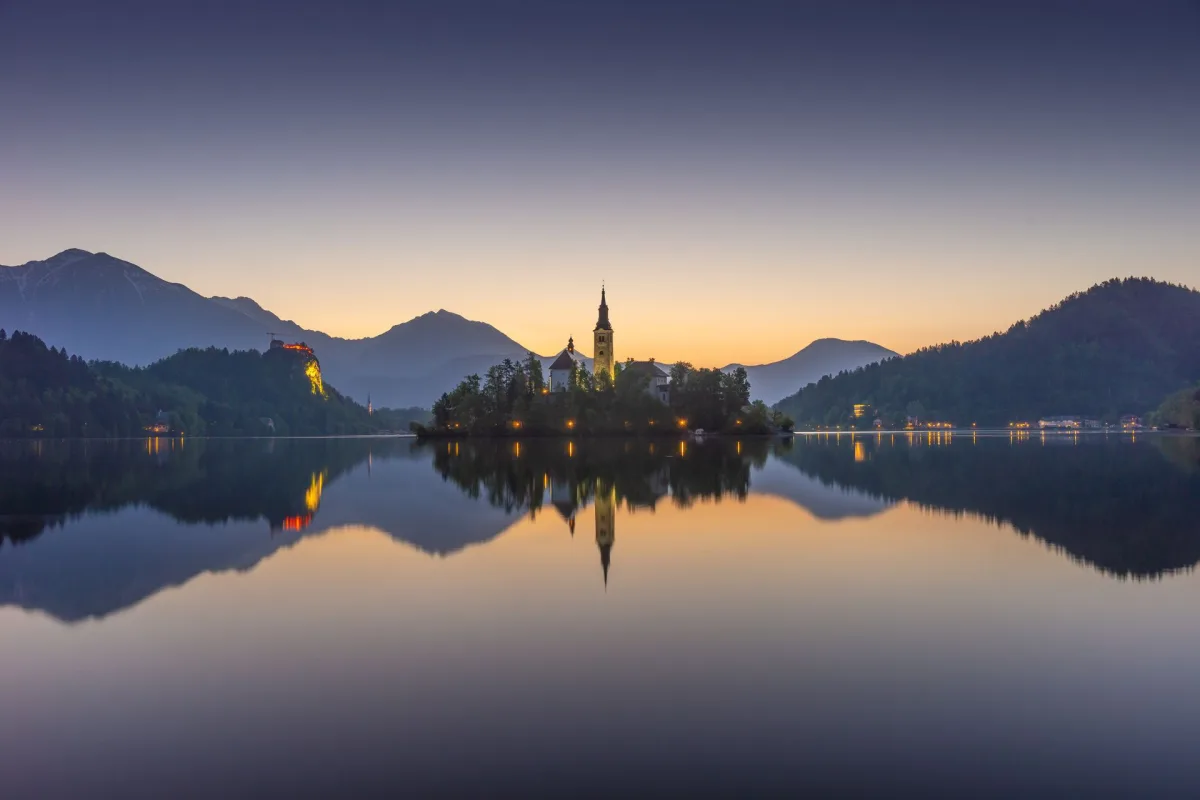
Some family holidays are about doing as little as possible. Others become a shared adventure of discovery, where children and parents learn something new together. Slovenia sits comfortably in the second category. It is a small country where you can row to a church on an island in the morning, ride a train through an underground cave in the afternoon, and eat a cream cake by a lake in the evening.
Imagine climbing 99 stone steps to ring a wishing bell, exploring a gorge on wooden walkways above emerald water, or hunting for dragon statues in a car-free capital. Slovenia’s headline attractions are not just for adults; they are the kind of places that spark a child’s imagination. And between the big sights, the country’s compact size, safety record and welcoming culture make travelling here with children surprisingly easy.
This guide focuses on the family planning decisions: which places work best for children, how to pace an itinerary, what to eat and what to prepare for. For a broader overview of the country, read our complete Slovenia travel guide. When you are ready to look at a structured itinerary, see our Slovenia family tour package.
Why Slovenia works well for families
Slovenia may be one of Europe’s smaller countries, but it is packed with experiences that suit children. The country’s compact size, safety and abundance of natural and interactive attractions make it a natural fit for family travel.
- Everything is close: You can drive from the Alps to the Adriatic in a couple of hours. Ljubljana to Lake Bled is about 40 minutes, and Bled to Piran is just over two hours[reference:0].
- Attractions that feel like adventures: A boat ride to an island church, an underground train through a cave, and a gorge walk on wooden boardwalks all turn sightseeing into something memorable.
- A welcoming culture: Slovenia consistently ranks among Europe’s safest countries. The people are friendly, and the country is clean and well-organised.
- Food that children actually eat: From štruklji (rolled dumplings) to potica (rolled pastry) and cream cake (kremšnita), the local cuisine is hearty and child-friendly.
- Outdoor adventure: Lakes for swimming, gorges for walking, and easy trails in Triglav National Park mean plenty of opportunities for children to burn off energy.
The best family trips are built on a realistic rhythm. Slovenia rewards that approach, allowing you to mix a morning of sightseeing with an afternoon of swimming or play without feeling like you have missed the point of being there.
Is Slovenia suitable for children of different ages?
Slovenia can work for a wide range of families, but the ideal itinerary shifts with the ages and interests of your children. Rather than trying to see everything, choose the experiences that match your family’s energy and comfort level.
- Under 5 years: Keep days short and flexible. Focus on sensory experiences—a gentle boat ride, a short cave visit (the train is a hit), a lakeside playground—and avoid long hikes or late nights. Vintgar Gorge is not recommended for children under three due to uneven terrain[reference:1].
- About 6–11 years: This is a sweet spot for Slovenia’s interactive attractions. Lake Bled, Postojna Cave, the Ljubljana dragon hunt, and the Vintgar Gorge adventure trail are likely to be highlights.
- Teenagers: Older children can engage with Slovenia’s history, from the Venetian influence in Piran to the alpine culture of Triglav National Park. They may also appreciate adventure activities like rafting on the Soča River or longer hikes.
These are planning suggestions, not rigid rules. Consider your child’s temperament, walking stamina and interest in nature when shaping the daily schedule.
Best places to visit in Slovenia with family
These destinations and experiences form a strong backbone for a family trip. You do not need to include all of them; select the ones that best fit your time and your family’s interests.
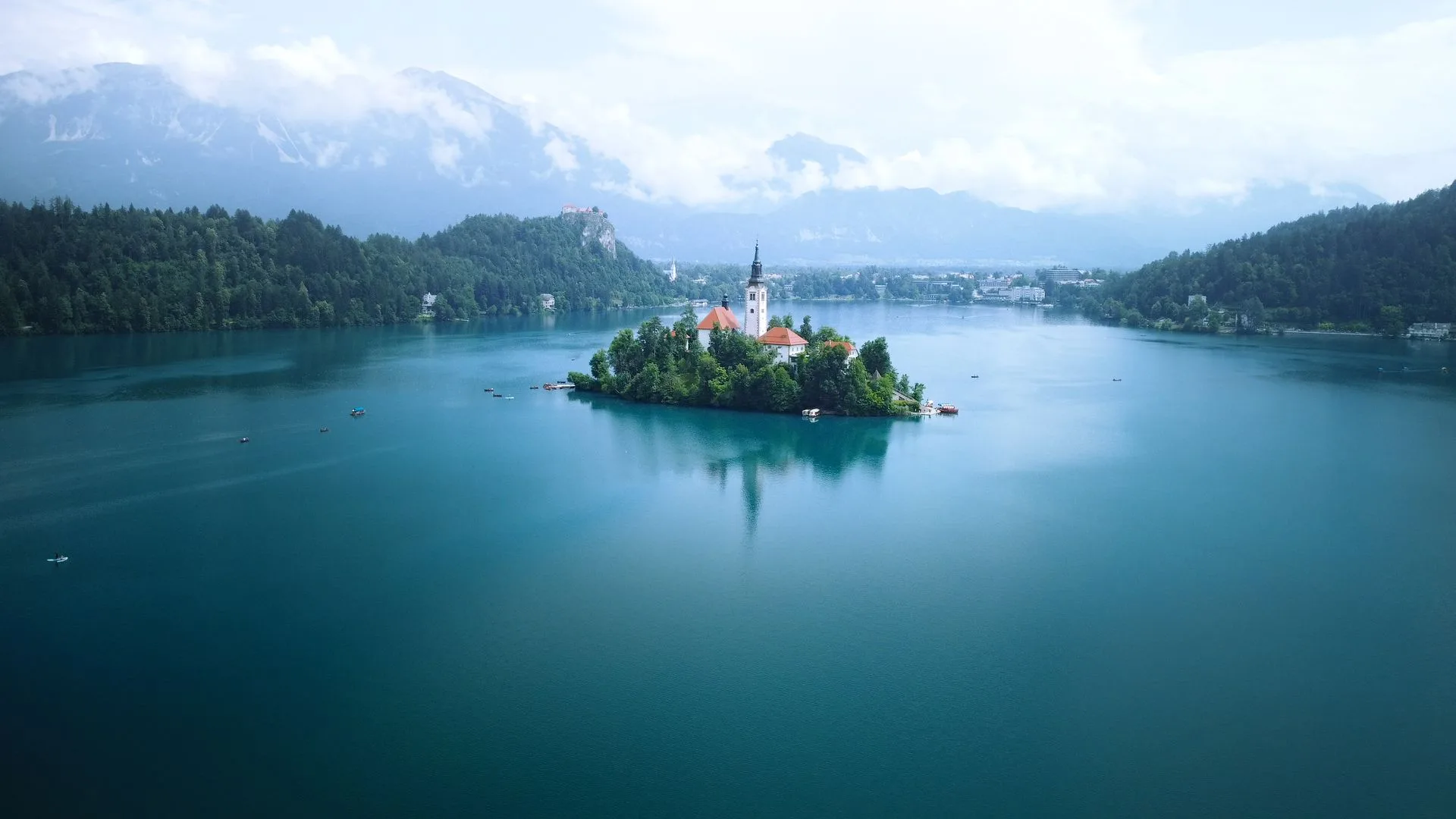
1. Lake Bled – the fairytale lake
Lake Bled is Slovenia’s most iconic destination and a must for any family trip. The emerald-green lake, the tiny island with its church, and the medieval castle perched on a cliff above the shore create a scene that feels like it belongs in a storybook. The classic experience is taking a traditional pletna boat to the island. These flat-bottomed wooden boats have been rowed by local families for generations, and the oarsman rows the whole way standing up[reference:2].
Tickets and timing: The return pletna trip costs around €18–20 per adult, with children’s tickets often around €5–10 depending on age and operator[reference:3][reference:4]. The boat ride takes about 20–25 minutes each way, with roughly 40 minutes on the island to climb the 99 steps, ring the wishing bell in the church (entry around €12 for adults), and enjoy the view[reference:5]. Pletna boats are cash only, so come prepared. Go before 10 AM to avoid the biggest crowds and enjoy mirror-flat water[reference:6].
If you prefer to be your own captain, rowing boats are available to rent for around €20–30 per hour, and a family of four can often share one for less than the cost of four pletna seats[reference:7][reference:8]. After the lake, climb to Bled Castle (adult entry around €18) for panoramic views, and treat the family to a slice of kremšnita, the famous Bled cream cake[reference:9].
Official resource: For current prices and boat schedules, check the official Lake Bled tourism website.
2. Postojna Cave – an underground train adventure
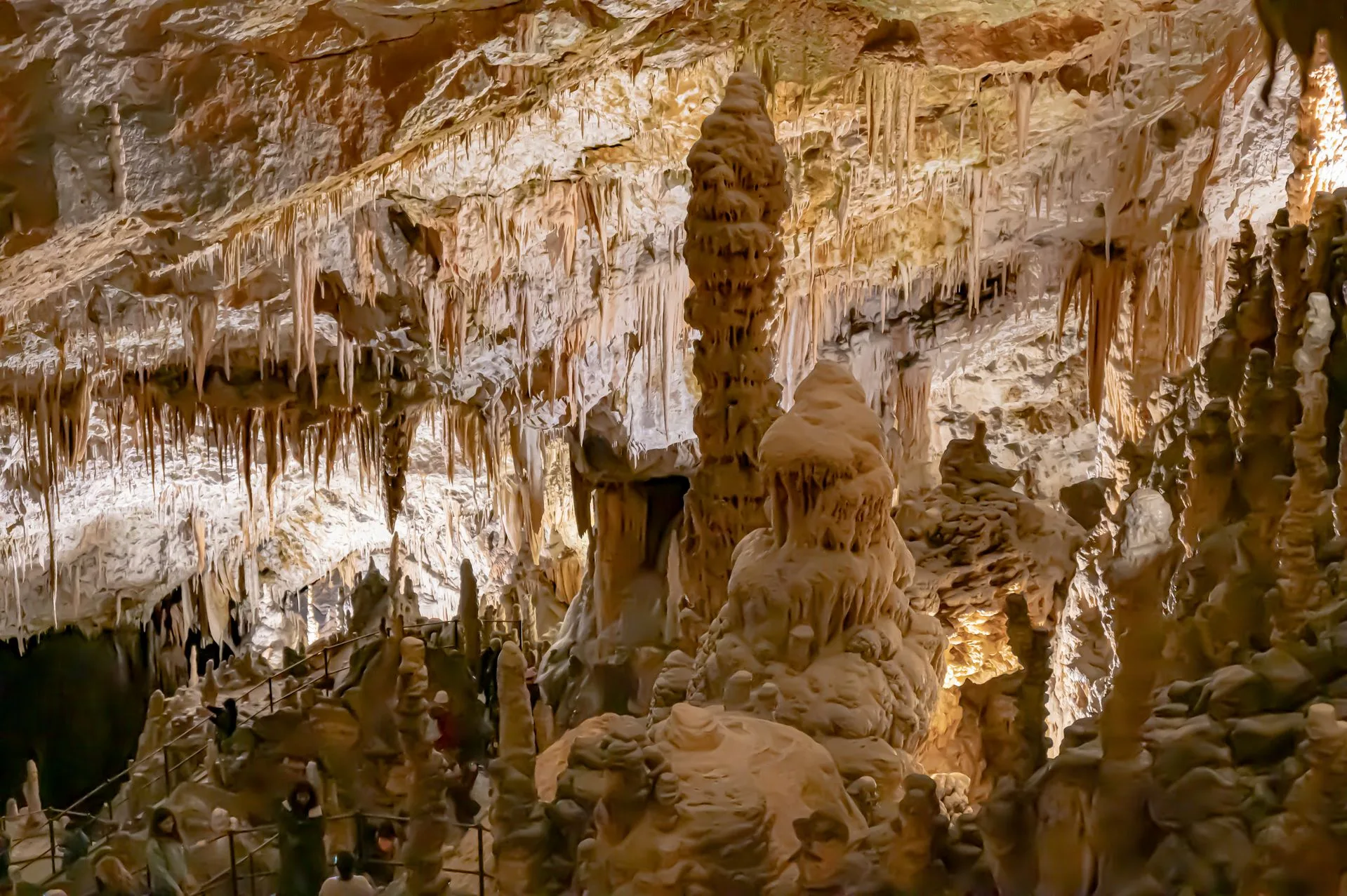
Postojna Cave is one of the largest and most impressive karst caves in the world, and the underground train ride makes it a guaranteed hit with children. The train takes you 2 km into the cave before you continue on foot through a labyrinth of stalactites, stalagmites, and underground chambers. The cave is also home to the olm (or “baby dragon”), a blind cave salamander that captivates young imaginations.
Tickets and practicalities: Adult tickets are around €28.50–€34.90, with children aged 6–15 paying around €17.10–€20.70 and children under 5 paying a nominal fee (around €1–3)[reference:10][reference:11]. A combined ticket with Predjama Castle (a dramatic castle built into a cliff face) offers good value for families. The cave is a constant 10°C, so bring warm layers—or hire a cloak at the entrance[reference:12]. The tour lasts about 90 minutes and involves some walking, but it is suitable for most families.
Official resource: For current tour times and online tickets, check the official Postojna Cave website.
3. Ljubljana – the dragon city
Ljubljana is one of Europe’s most charming and compact capitals, and it is wonderfully easy to explore with children. The old town is car-free, centred around the Ljubljanica River, and full of outdoor cafés, bridges, and hidden squares. The city’s symbol is the dragon, and hunting for dragon statues—on the famous Dragon Bridge, on shop signs, and in fountains—becomes a fun activity for kids[reference:13].
The Ljubljana Castle funicular whisks you from the old town to the castle in about 60 seconds, avoiding the steep walk and making it accessible for all ages. Children under 7 often receive free castle entry tickets. The castle grounds offer panoramic views and interactive exhibitions.
4. Vintgar Gorge – a boardwalk adventure
Vintgar Gorge is a 1,600-metre wooden boardwalk that winds through a narrow gorge cut by the Radovna River, ending at the 13-metre Šum waterfall. The water is genuinely emerald, and the walk takes about 60–90 minutes return at a relaxed pace[reference:14]. It is one of the most photogenic spots in Slovenia and a wonderful family walk.
Tickets and tips: The 2026 “All-in-One Pass” costs €15 for adults and €5 for children up to 15, and includes gorge entry, helmet rental, and the shuttle bus from the parking area[reference:15]. Tickets are timed, and capacity is limited—book online in advance, especially in July and August when it can sell out 1–2 days ahead[reference:16]. Children under 3 are not recommended due to uneven terrain. The gorge is most crowded between 10 AM and 1 PM, so book the first slot of the day or go after 2 PM for a calmer experience[reference:17]. In the second part of the trail, there is an adventure trail for kids with fun tasks and stickers[reference:18].
5. Lake Bohinj and Triglav National Park
Lake Bohinj is the largest permanent lake in Slovenia, located within Triglav National Park. It is quieter and less developed than Bled, making it ideal for families who want a more tranquil nature experience. You can swim, paddle, or take a boat trip on the lake, and the surrounding mountains offer easy family-friendly hiking trails. The Savica Waterfall is a short drive away and a rewarding short walk.
6. Piran – a slice of the Adriatic
Piran is a charming Venetian-style coastal town on Slovenia’s short stretch of Adriatic coast. Its narrow streets, colourful squares, and seaside promenade feel more like Italy than Central Europe. Families can climb the city walls for panoramic views, enjoy fresh seafood by the harbour, and spend an afternoon at the beach. It is a relaxed and atmospheric end to a Slovenia family trip.
More family-friendly experiences
Beyond the headline attractions, Slovenia offers plenty of activities that children will enjoy. Consider adding a few of these to your itinerary:
- Try traditional Slovenian food: Seek out štruklji (rolled dumplings), potica (rolled pastry), and kremšnita (cream cake).
- Visit the Škocjan Caves: A UNESCO World Heritage site with enormous underground chambers, offering a more adventurous alternative to Postojna.
- Swim in Lake Bohinj: The lake is clean and calm, with designated swimming areas and plenty of space for children to play.
- Explore the Soča River: For older children, the emerald-green Soča offers rafting, kayaking, and other adventure activities.
- Build in playground time: Slovenian towns and lakesides have well-equipped playgrounds, and a quick stop can reset a tired child’s mood.
A relaxed 7-day Slovenia family itinerary
This outline is a starting point for a first family visit, following a route from Ljubljana to Lake Bled, Postojna, and Piran. It is designed to be an idea rather than a fixed schedule. Travel times, your children’s energy levels and the weather may require adjustments.
| Day | Suggested plan | Family-friendly pacing tip |
|---|---|---|
| 1 | Arrive in Ljubljana. Gentle orientation walk along the river and a dragon hunt in the old town. | Keep the first day light after your journey. |
| 2 | Ljubljana Castle funicular, castle grounds, and free time in Tivoli Park. | Children under 7 often get free castle entry. |
| 3 | Drive to Lake Bled (40 minutes). Pletna boat to the island and cream cake. | Go before 10 AM to avoid the biggest crowds. |
| 4 | Vintgar Gorge boardwalk in the morning. Afternoon swimming or rowing at Lake Bled. | Book the first gorge slot of the day. |
| 5 | Drive to Postojna Cave (about 2 hours). Underground train and cave tour. Optional Predjama Castle. | Bring warm layers—the cave is 10°C. |
| 6 | Drive to Piran (about 1.5 hours). Explore the old town, climb the walls, and enjoy the beach. | A relaxed coastal day after the cave. |
| 7 | Morning in Piran, then drive back to Ljubljana for departure. | Allow plenty of time for the airport transfer. |
If you have more time, add a day for Lake Bohinj and Triglav National Park, or a day for the Škocjan Caves. If you have less time, a shorter trip focusing on Ljubljana, Lake Bled, and Postojna Cave captures the essence of Slovenia with children.
When is the best time to visit Slovenia with family?
Slovenia has a continental and alpine climate with four distinct seasons. The best time for a family trip depends on your priorities: warm weather, fewer crowds, or winter snow.
- May to September: The warmest and most popular period, with long daylight hours and ideal conditions for swimming in the lakes and the Adriatic. July and August are the busiest and warmest months.
- Late spring (May–June) and early autumn (September): Often the sweet spot, offering pleasant weather with fewer crowds than peak summer. These shoulder seasons are ideal for hiking and sightseeing.
- October to April: Cooler and quieter, with winter snow in the Alps. Some mountain attractions and gorge walks may be closed, but cities like Ljubljana have a quiet charm and Christmas markets.
For a trip focused on outdoor exploration and lake swimming, late spring to early autumn is usually the easiest choice for families. Check the forecast before you travel and pack layers, as mountain weather can change quickly.
What can families eat in Slovenia?
Slovenian food is hearty, comforting and generally very child-friendly. The cuisine blends Alpine, Mediterranean, and Central European influences, with plenty of simple dishes that appeal to younger palates.
Look out for štruklji (rolled dumplings, often sweet or savoury), potica (a rolled pastry with walnut or tarragon filling), and kremšnita (the famous Bled cream cake). Fresh trout from the rivers is excellent, and the coastal region offers delicious seafood. Many restaurants offer children’s menus, and high chairs are generally available. If your child has allergies or specific dietary needs, it is helpful to communicate them clearly, and most restaurants are accommodating.
Choosing family-friendly accommodation
The right base can make a big difference. Ljubljana is a good starting and ending point, with family-friendly hotels and easy access to the airport. Lake Bled and Lake Bohinj have a range of hotels and apartments, many with lake views. For a coastal stay, Piran offers charming small hotels, while nearby Portorož has larger resort-style options with pools.
Before booking, check the details that matter for a family:
- Room occupancy and bed configuration. A “family room” may not always comfortably fit a family of four.
- Whether cots or extra beds are available and if there is an additional charge.
- Lift access, especially if you are travelling with a pram.
- Breakfast options that suit children.
- Cancellation policies, in case your plans change.
Apartments and guesthouses are a popular choice for families in Slovenia, offering more space and sometimes kitchen facilities, which can be useful for preparing simple meals. A family guesthouse by Lake Bled, for example, might cost €50–80 per night[reference:19].
How much should you budget for a Slovenia family trip?
Slovenia is generally considered a mid-range destination, offering good value compared to many Western European countries. Rather than quoting a single figure, it is more useful to understand the main cost components:
- Flights: The largest variable, depending on your departure city and how far in advance you book.
- Accommodation: Hotels, guesthouses and apartments range from budget-friendly to premium. Prices rise in July and August.
- Transport: Hiring a car gives you the most flexibility for exploring lakes, gorges and caves. Public transport is an option between major towns, but many of the best family spots are easier to reach by road[reference:20].
- Attractions: Many of Slovenia’s best experiences, like Lake Bled and Ljubljana’s old town, are free to explore. Paid attractions like Postojna Cave and Vintgar Gorge have child discounts.
- Food: Eating out is reasonably priced, and self-catering can help keep costs down.
When comparing a Slovenia family tour package, ask for a clear breakdown of what is included. Check whether international flights, car hire, entrance fees, meals and transfers are covered, as these can significantly affect the total cost.
Practical Slovenia travel tips for parents
- Pack layers and comfortable shoes: Mountain weather can change quickly, and gorge walks and castle visits involve uneven ground. Bring a waterproof jacket and sturdy footwear.
- Carry cash for pletna boats: The traditional boats to Bled Island are cash only[reference:21][reference:22].
- Book popular attractions in advance: Vintgar Gorge and Postojna Cave can sell out, especially in peak season. Timed entry is now standard at Vintgar[reference:23].
- Bring warm layers for caves: Postojna Cave is a constant 10°C, even in summer[reference:24].
- Use public transport in cities: Ljubljana’s city buses are affordable (around €1.50 with the app), and children under 7 often travel free[reference:25].
- Learn a few phrases: A simple “živjo” (hello) and “hvala” (thank you) are always appreciated, though English is widely spoken in tourist areas.
- Keep the schedule flexible: Children need downtime. Leave room in your plan for a spontaneous swim or an early return to the hotel.
- Check visa requirements: Indian passport holders need a Schengen visa to travel to Slovenia. The application is made through the Slovenian embassy or an authorised visa application centre. Always check the latest requirements on the official Slovenian Ministry of Foreign Affairs website and see our dedicated Slovenia travel guide for more planning details.
Family packing checklist
A little preparation goes a long way. Consider packing:
- Layered clothing, including a warm jumper and a waterproof jacket.
- Comfortable, waterproof walking shoes for everyone.
- Swimwear and beach towels for the lakes and the Adriatic coast.
- Sun protection (hats, sunscreen, sunglasses) for summer.
- A reusable water bottle (tap water is safe to drink).
- Snacks for travel days and between meals.
- A basic first-aid kit and any prescription medicines.
- Entertainment for car journeys (books, small games, downloaded content).
- A universal power adapter (Slovenia uses Type C and F plugs, 230V).
- Copies of travel documents and insurance details.
How to choose the right Slovenia family tour package
Start by deciding on your priorities: are you most interested in the lakes, the caves, the coast, or a mix of everything? Next, consider your children’s ages and how much moving around they can comfortably handle. A tour that looks perfect on paper may feel too rushed if it involves a new hotel every night.
When speaking with a travel planner, be clear about your preferred travel dates, the number of adults and children, your children’s ages, and your approximate budget. Ask whether the itinerary can be customised and request written confirmation of what is included and what is not.
At Destination To Plan, our Slovenia family tour package is designed to cover the highlights at a comfortable pace, with family-friendly hotels and guides. It provides a solid foundation that can be discussed and adjusted to suit your family’s specific needs.
Ready to plan your Slovenia family holiday?
Explore our Slovenia family tour package and speak with Destination To Plan about shaping the journey around your travel dates, family size and interests.
Explore Slovenia Family TourFrequently asked questions
1. Is Slovenia a good destination for a family holiday?
Yes, Slovenia is an excellent choice for families. It is safe, compact, and offers a mix of fairytale lakes, underground caves, and outdoor adventures that appeal to children. The food is child-friendly and the distances between sights are short.
2. How many days are enough for Slovenia with kids?
Around 7–10 days is a comfortable amount of time to see the main highlights at a relaxed pace. A shorter trip of 4–5 days can cover Ljubljana, Lake Bled, and Postojna Cave. If you want to include the coast and more hiking, a week or slightly longer works well.
3. Is Lake Bled suitable for young children?
Yes, Lake Bled is very family-friendly. The pletna boat ride is gentle and the island is compact. The 99 steps to the church are manageable for most children, and the lakeside paths are stroller-friendly. Swimming areas and playgrounds are available.
4. What is the best time to visit Slovenia with kids?
May to September offers the warmest weather and best conditions for lake swimming. Late spring and early autumn provide a good balance of pleasant weather and fewer crowds. Winter is cold but magical in the Alps.
5. Do Indian travellers need a visa for Slovenia?
Yes, Indian passport holders require a Schengen visa to travel to Slovenia. The application is made through the Slovenian embassy or an authorised visa application centre, and travel medical insurance is required. Always check the latest requirements through the official Slovenian Ministry of Foreign Affairs website before applying.
6. Is Slovenia expensive for families?
Slovenia is a mid-range destination. While peak summer prices can be higher, there are plenty of affordable options. Public transport is reasonably priced, many natural attractions are free, and self-catering apartments can help keep costs down.
7. How do you get around Slovenia with children?
Hiring a car is the most flexible way to explore Slovenia with children, especially for reaching lakes, gorges, and caves. Public buses and trains connect major towns, and Ljubljana’s city buses are affordable and family-friendly.
8. Can the Slovenia family itinerary be customised for younger children?
Absolutely. A good family itinerary should be flexible. You can reduce the number of daily activities, include more downtime at the lake or hotel, skip sites with too much walking, and prioritise the experiences that match your children’s interests.
A family adventure in Europe’s greenest corner
Slovenia is a country that rewards curiosity. Its attractions are not just beautiful; they are genuinely fun. Rowing to an island church, riding a train through an underground cave, walking a boardwalk above an emerald gorge, or hunting for dragons in a car-free capital—these are the kinds of experiences that children remember long after the holiday ends.
The key to a successful family trip here is not seeing everything, but seeing the right things at the right pace. Mix the big sights with plenty of lake time, embrace the local food and allow yourself to be surprised by the country’s compact charm. Whether you are planning your first Central European family adventure or adding a new destination to your list, Slovenia offers a safe, welcoming and wonderfully manageable escape.
For more detailed planning, explore our Slovenia travel guide or view the full itinerary of our Slovenia family tour package.
Travel information in this article is general planning guidance. Opening arrangements, transport, weather, entry rules, prices and activity availability can change. Confirm current details with official sources and your travel provider before departure.