Embark on an unforgettable Botswana family safari adventure that brings the wonders of African wildlife right to your doorstep. This carefully curated 7-day journey takes your family through pristine wilderness areas where elephants roam freely, lions rest under acacia trees, and hippos bask in crystal-clear waterways. Botswana offers one of Africa's most authentic safari experiences, combining world-class wildlife viewing with family-friendly accommodations and expert guides who know how to engage travelers of all ages.
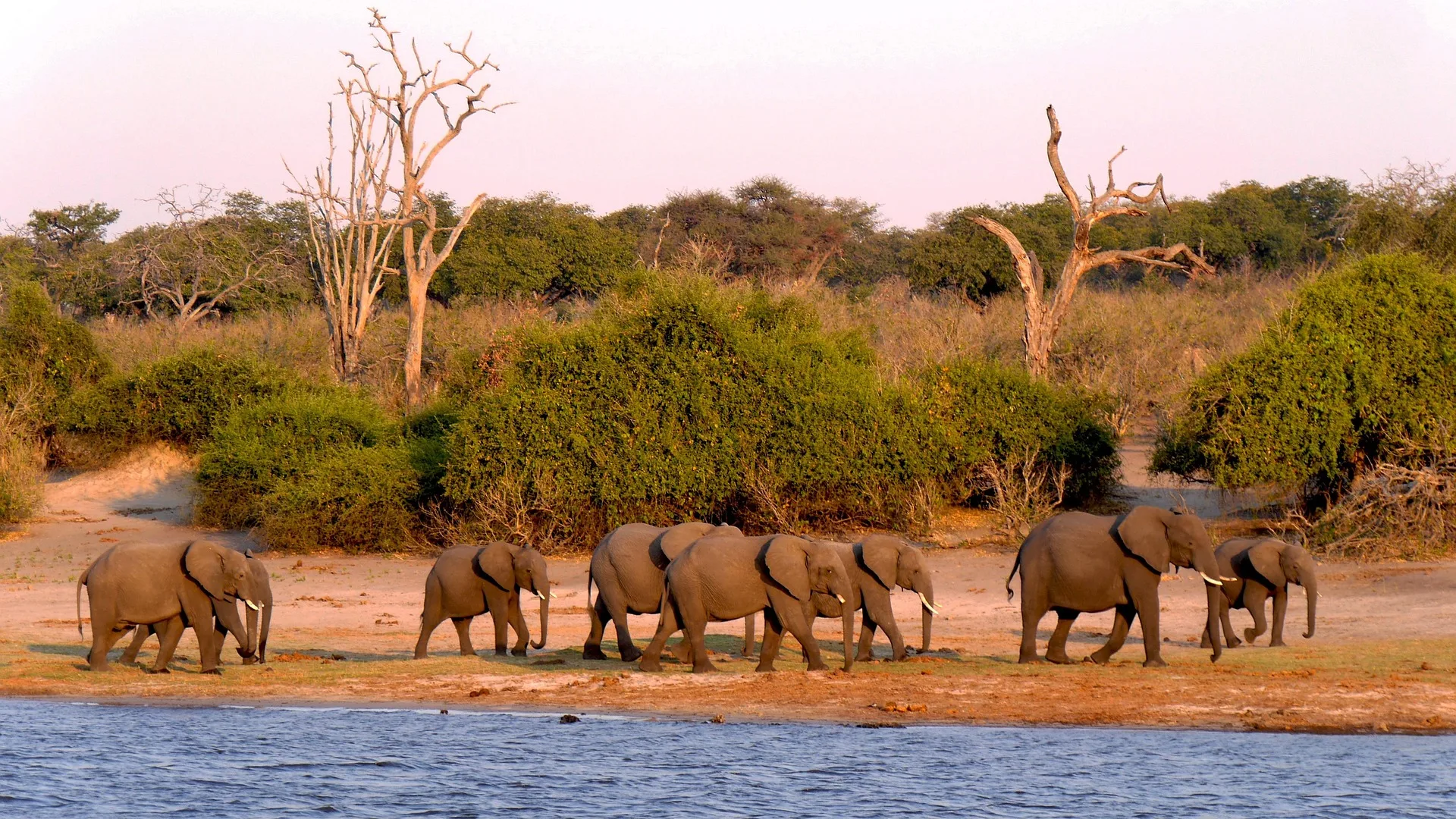
Your adventure begins in the magnificent Chobe National Park, home to the largest elephant concentration in Africa. Watch in awe as herds of these gentle giants cross the Chobe River at sunset, creating memories that will last a lifetime. Journey into the mystical Okavango Delta, a UNESCO World Heritage Site where water meets the Kalahari Desert to create an oasis teeming with life. Experience the delta's unique ecosystem through mokoro canoe rides, walking safaris, and game drives that reveal the intricate balance of this remarkable wilderness.
This package is designed specifically for families seeking authentic African experiences in a safe, comfortable environment. Our selected lodges and camps offer family accommodations, kid-friendly meal options, and activities suitable for all ages. Expert guides share their knowledge in engaging ways that captivate young minds while providing the depth that adults appreciate. From tracking animal footprints to learning about traditional San Bushmen culture, every day brings new discoveries that educate and inspire the entire family.
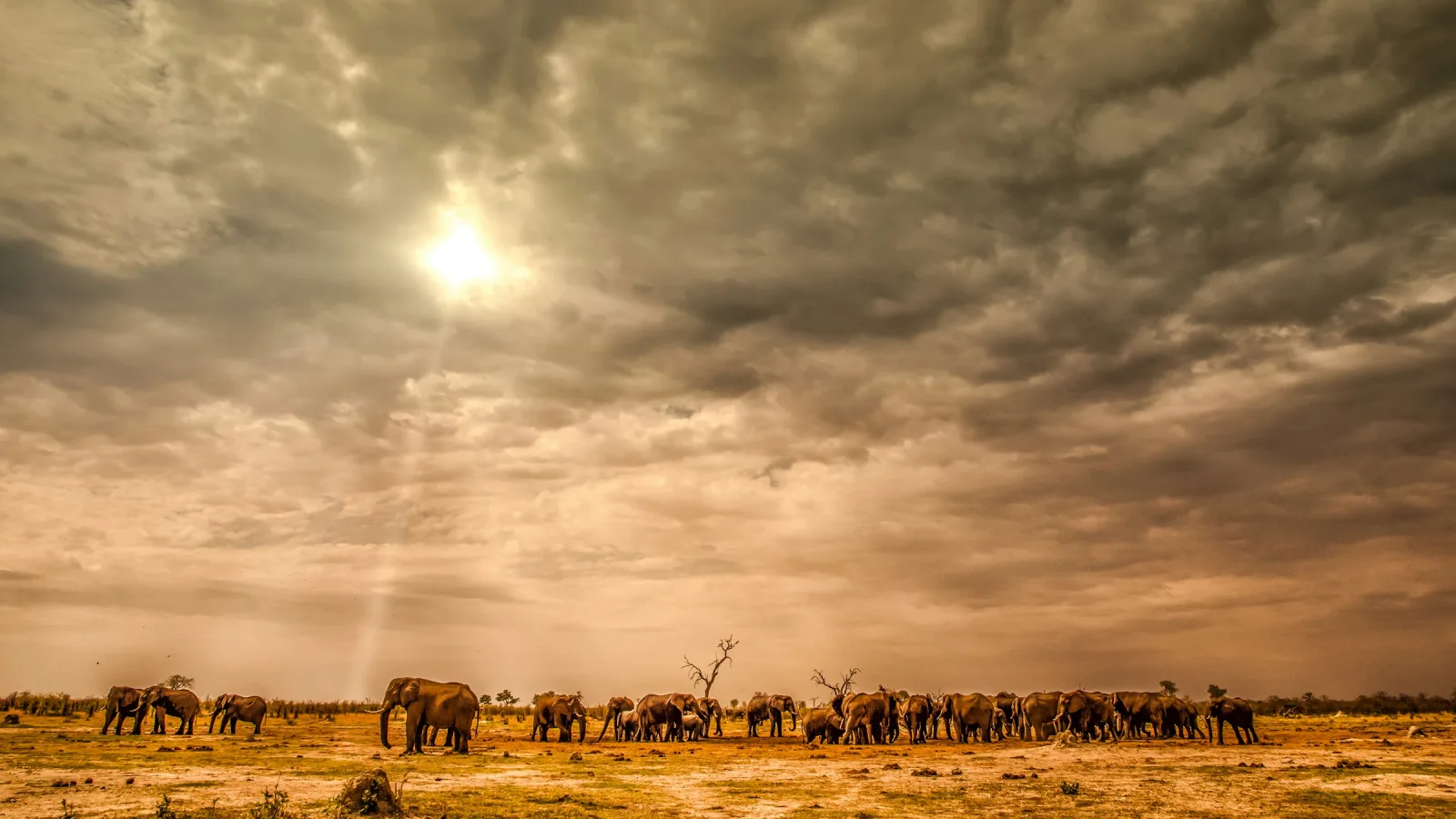
One of Africa's premier wildlife destinations, Chobe National Park protects 11,700 square kilometers of pristine wilderness along the Chobe River. The park is world-famous for its elephant population, estimated at over 120,000 individuals, making it the largest concentration of African elephants on the continent. Game drives along the riverfront reveal spectacular wildlife congregations, especially during the dry season when animals converge at the permanent water source. Families witness elephants bathing, lions stalking prey, buffalo herds numbering in the thousands, and countless antelope species grazing the floodplains.
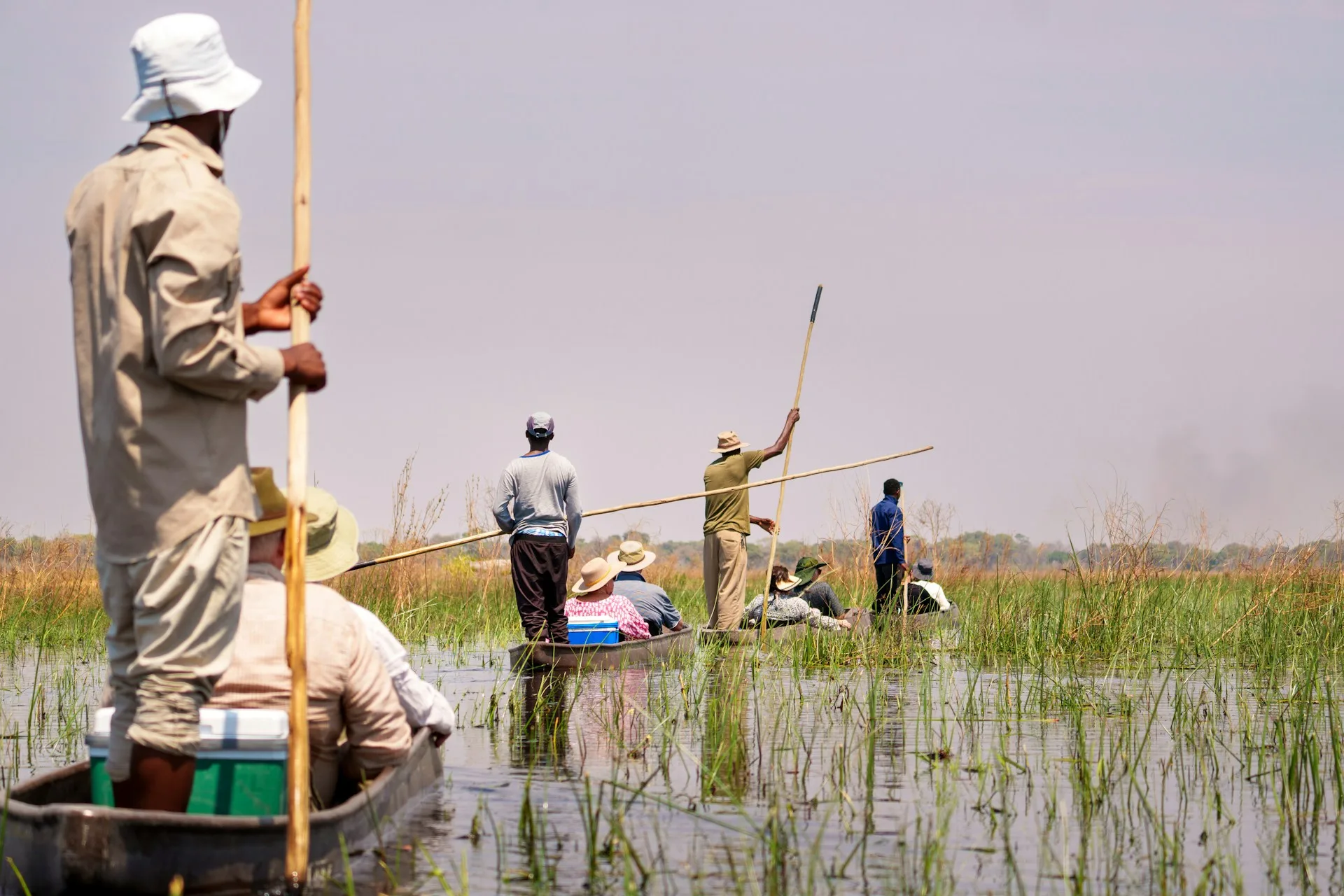
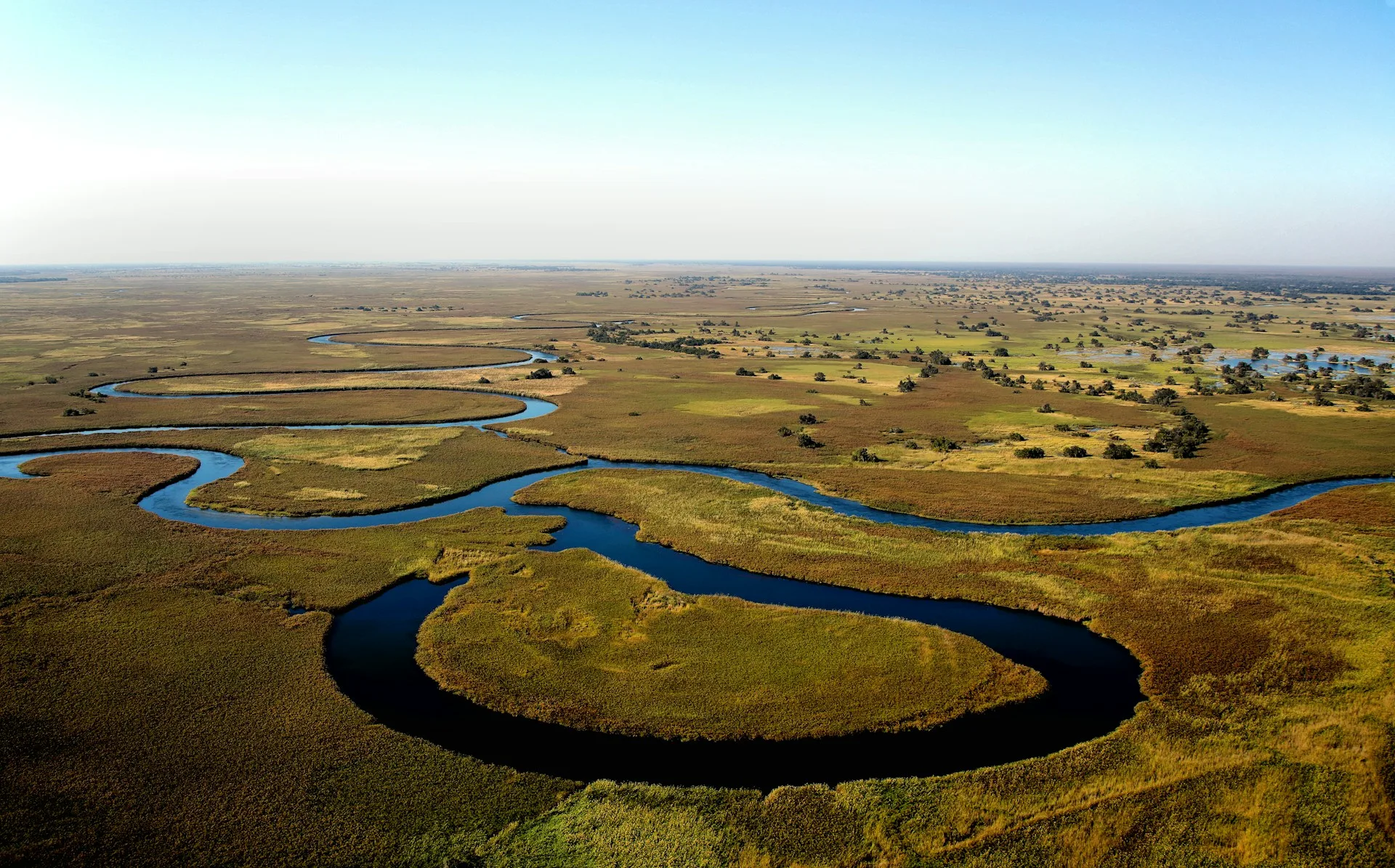
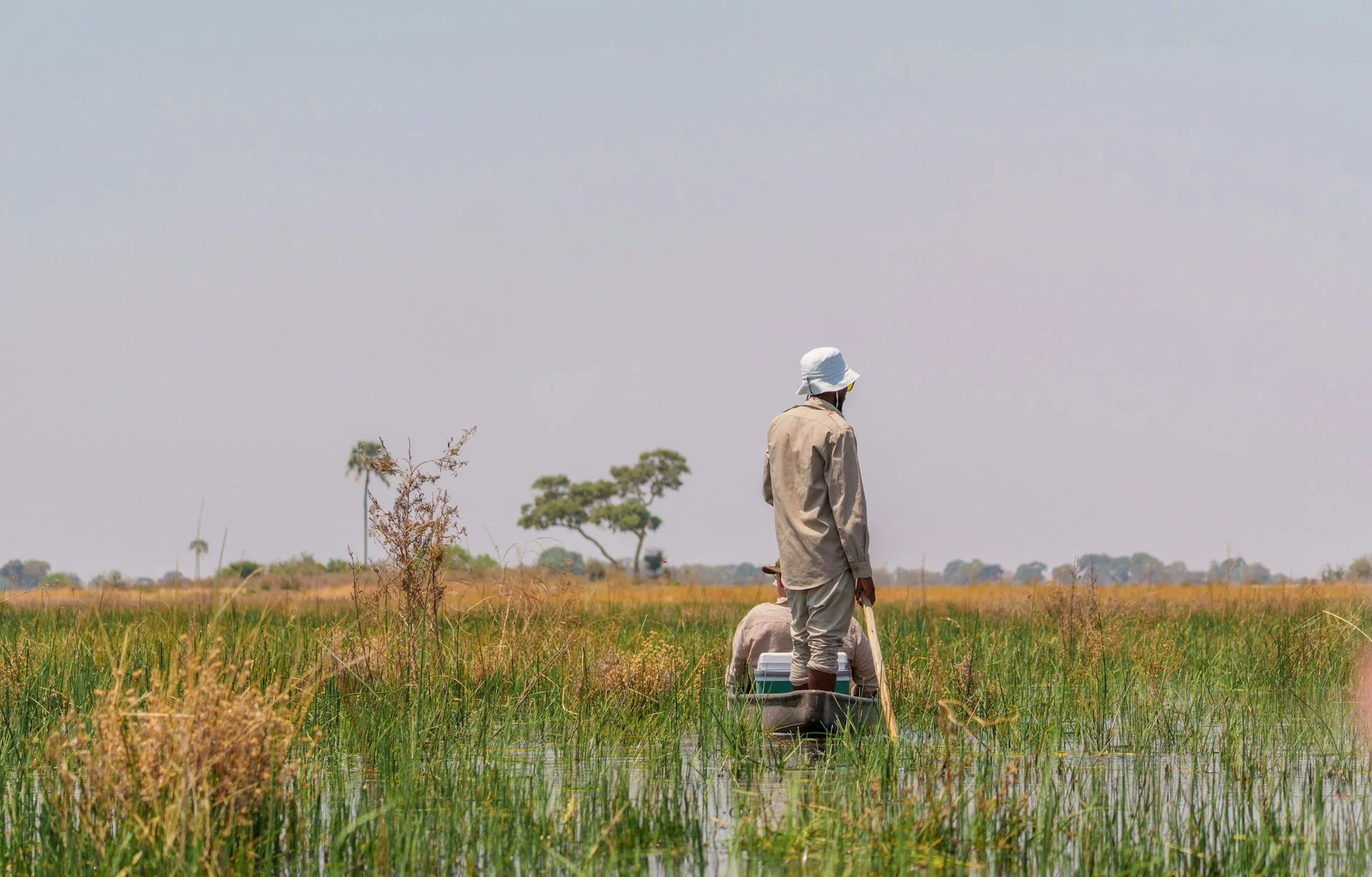
The Okavango Delta stands as one of the world's most extraordinary natural phenomena, where the Okavango River flows into the Kalahari Desert to create a vast inland delta teeming with wildlife. This UNESCO World Heritage Site transforms seasonally as floodwaters from Angola reach the delta between May and September, creating a labyrinth of channels, lagoons, and islands. Families explore this aquatic wilderness by mokoro, traditional dugout canoes poled by expert guides through crystal-clear waters lined with papyrus reeds. The delta's unique ecosystem supports incredible biodiversity, from tiny reed frogs to massive elephants, all adapted to this water-desert interface.
Situated in the eastern Okavango Delta, Moremi Game Reserve combines permanent water with dry land to create one of Africa's most beautiful and diverse wildlife reserves. The reserve protects 5,000 square kilometers of pristine wilderness including floodplains, mopane forests, and acacia woodlands. Moremi is renowned for its predator populations, offering excellent opportunities to observe lions, leopards, cheetahs, and the endangered African wild dog. The reserve's varied habitats support over 500 bird species and abundant herbivores including elephants, buffalo, giraffes, zebras, and numerous antelope species that attract these magnificent predators.
The mysterious Savuti Channel flows through the heart of Chobe National Park, creating one of Africa's most dynamic wildlife areas. This ancient waterway has a peculiar history of flowing and drying up over decades, with the current flow beginning in 2008 after being dry for nearly 30 years. When flowing, Savuti attracts massive concentrations of wildlife, particularly during the dry winter months. The area is famous for its lion prides that have developed specialized hunting techniques for taking down elephants and buffalo. Zebra migrations pass through Savuti annually, creating spectacular predator-prey interactions that captivate wildlife enthusiasts.
The vast salt pans of Makgadikgadi stretch across 12,000 square kilometers, creating one of the largest salt flats in the world. These ancient lake beds shimmer white under the intense African sun, creating surreal landscapes that seem otherworldly. During the rainy season, the pans transform into shallow lakes attracting thousands of flamingos and other waterbirds, along with migrating zebras and wildebeest. The pans offer unique experiences including guided walks with habituated meerkats, visits to Chapman's Baobab (one of Africa's largest baobab trees), and nights camping under star-filled skies so clear they seem touchable.
Located between Moremi Game Reserve and Chobe National Park, the Khwai Community Area offers exceptional wildlife viewing with fewer restrictions than the national parks. The community-managed concession along the Khwai River provides opportunities for off-road driving and night game drives, activities not permitted in national parks. The area's diverse habitats attract all of Botswana's major species, with particularly good leopard and wild dog sightings. The community-based tourism model ensures local villages benefit directly from wildlife conservation, creating sustainable development that protects both wildlife and traditional cultures.
Adjacent to Makgadikgadi Pans, Nxai Pan National Park protects a series of fossil pans surrounded by grasslands and acacia forests. The park comes alive during the rainy season when thousands of zebras and wildebeest arrive to graze on the nutritious grasses that sprout after the first rains. The famous Baines' Baobabs, a cluster of seven ancient baobab trees painted by explorer Thomas Baines in 1862, stand unchanged today offering iconic photographic opportunities. Nxai Pan provides excellent game viewing with a more remote, wilderness atmosphere compared to the busier northern parks.
The remote Linyanti region in northern Botswana offers some of Africa's most exclusive safari experiences. The Linyanti River and associated marshes create a permanent water source that attracts huge concentrations of wildlife during the dry season. The area is known for exceptional elephant herding behavior and predator activity, with significant populations of lions, hyenas, and wild dogs. The private concessions in Linyanti permit night drives and walking safaris, providing opportunities to observe nocturnal species and experience the bush on foot with armed guides. The region's remoteness ensures a genuine wilderness experience far from tourist crowds.
The Central Kalahari Game Reserve protects 52,800 square kilometers of pristine desert wilderness, making it one of the largest game reserves in the world. This vast expanse of grassland, sand dunes, and fossil river valleys supports remarkable wildlife adapted to harsh desert conditions. Black-maned Kalahari lions, brown hyenas, meerkats, and gemsbok thrive in this challenging environment. The reserve offers authentic wilderness experiences for adventurous families, with minimal infrastructure ensuring encounters with both wildlife and traditional San Bushmen communities. The night skies here rank among the darkest on Earth, perfect for stargazing and learning about southern hemisphere constellations.
Rising dramatically from the flat Kalahari landscape, the Tsodilo Hills hold immense cultural and spiritual significance for the San people who have inhabited this area for over 100,000 years. This UNESCO World Heritage Site contains over 4,500 ancient rock paintings depicting animals, hunting scenes, and spiritual imagery, creating one of the world's most concentrated rock art galleries. The four main hills each hold cultural meaning, with the tallest reaching 1,489 meters above sea level. Guided walks with local San guides reveal both the archaeological treasures and living traditional knowledge, connecting families to humanity's ancient past in this sacred landscape.
Your Botswana adventure begins with arrival at Kasane International Airport, the gateway to Chobe National Park. Enjoy a smooth private transfer to your family-friendly lodge situated along the Chobe riverfront, where elephants often wander through the grounds. After settling into your comfortable accommodations and a welcome lunch, prepare for your first safari experience with an afternoon sunset cruise on the Chobe River. The riverboat glides slowly along the water's edge as your guide points out hippos surfacing nearby, crocodiles basking on sandbanks, and elephants coming to drink and bathe. The golden light of sunset illuminates hundreds of elephants crossing the river, creating magical photographic moments. Return to the lodge for dinner under the stars, sharing first impressions of Africa's incredible wildlife.
Rise before dawn for an early morning game drive through Chobe National Park when animals are most active. Your expert guide navigates the park's network of tracks, stopping to observe lion prides returning from nighttime hunts, leopards resting in trees with their kills, and countless herbivores grazing in the cool morning air. The guide teaches your children how to identify animal tracks and explains the complex relationships within the ecosystem. Return to the lodge mid-morning for brunch and relaxation by the pool while wildlife wanders past. The afternoon brings another river cruise focusing on bird watching, with over 450 species recorded in the park including African fish eagles, carmine bee-eaters, and majestic saddle-billed storks. Watch hippos yawning and displaying their massive teeth while your guide explains their social behavior and territorial nature.
After breakfast, enjoy a private transfer to Maun, the gateway to the Okavango Delta. The journey offers opportunities to observe rural Botswana life with villages, cattle posts, and traditional homesteads along the route. Arriving in Maun, transfer to the delta entry point where a small chartered aircraft flies you over the vast waterways, providing spectacular aerial views of the delta's channels, islands, and wildlife below. Land at your exclusive island camp deep in the delta, accessible only by air or water. After lunch and orientation, experience your first mokoro ride, gliding silently through narrow channels as your poler explains the delta's formation and ecosystem. The afternoon walking safari introduces you to the smaller creatures often missed from vehicles, including colorful frogs, intricate spider webs, and the tracks of animals that passed earlier. Evening brings sundowners on an island viewpoint overlooking the endless papyrus swamps.
Experience the full diversity of delta life with a combination of activities designed to showcase this unique ecosystem. Begin with an early morning walking safari on one of the larger islands where your armed guide leads the family through mopane woodland in search of elephants, giraffes, and antelope. Learn to read the bush's subtle signs - broken branches indicating elephant feeding, alarm calls revealing predator presence, and dung piles telling stories of who passed and when. Return to camp for breakfast before departing on an extended mokoro excursion through the delta's maze of channels. Your poler navigates with remarkable skill, occasionally stopping to explain medicinal plants used by local communities or to observe a reed cormorant diving for fish. Lunch is served on a remote island, followed by more mokoro exploration or rest in the camp. The afternoon game drive uses a 4x4 vehicle to reach drier areas where predators hunt and large herbivores graze.
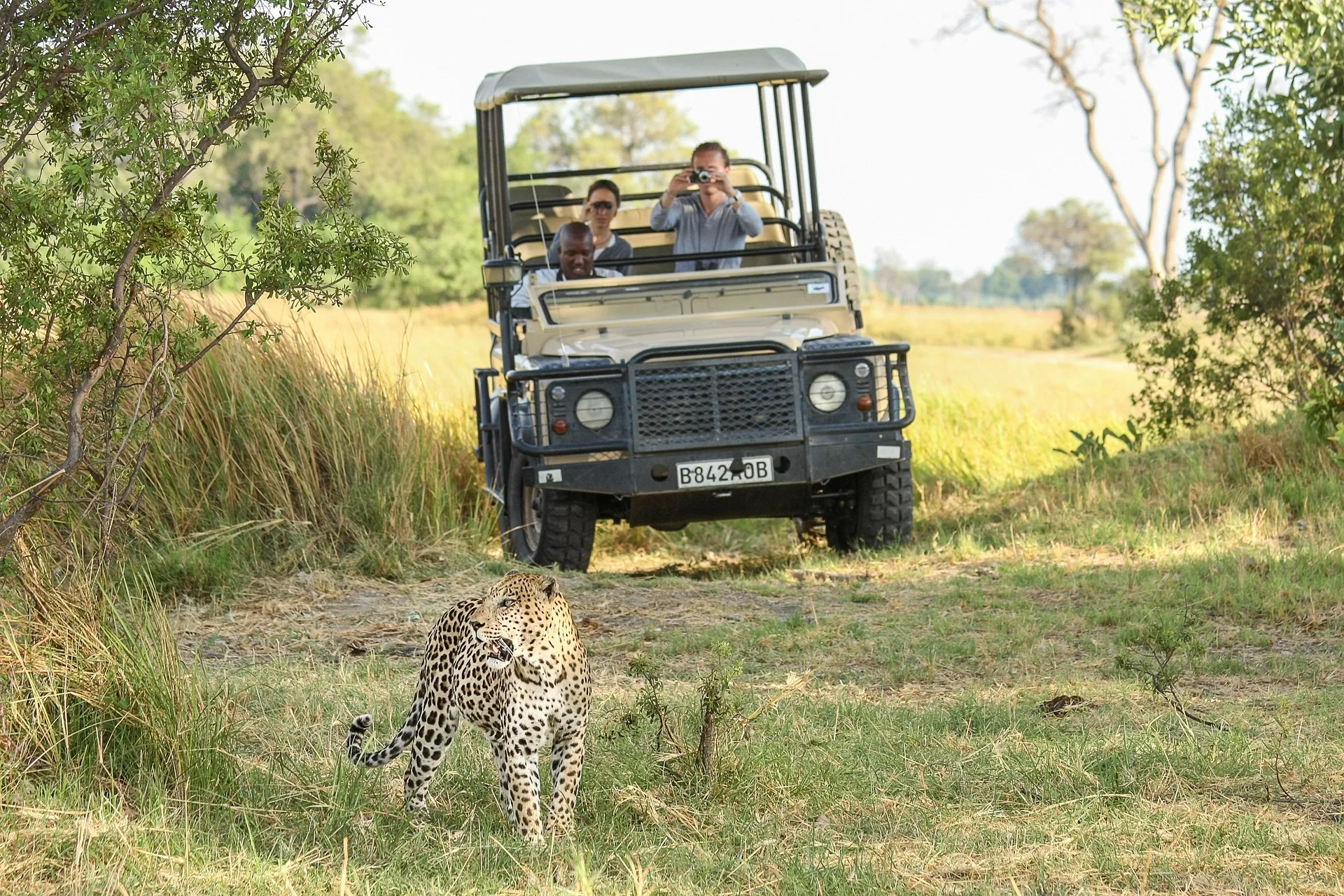
Today ventures into Moremi Game Reserve, often considered Botswana's premier wildlife area due to its combination of permanent water and diverse habitats. The morning game drive focuses on predator tracking, with your guide using radio communication with other guides to locate lion prides or leopards. Moremi's open grasslands offer excellent visibility for observing predator-prey interactions, and your guide positions the vehicle for optimal viewing and photography. Children love the detective work involved in finding animals, following tracks and signs while learning about behavior and ecology. The reserve's abundant wildlife includes large elephant herds, buffalo, giraffes, zebras, and numerous antelope species. Lunch at a scenic picnic spot overlooks a lagoon where hippos grunt and waterbirds wade. The afternoon drive explores different habitats, from riverine forest to open floodplains, each supporting distinct wildlife communities. Return to your delta camp as the sun sets, painting the waterways gold and pink.
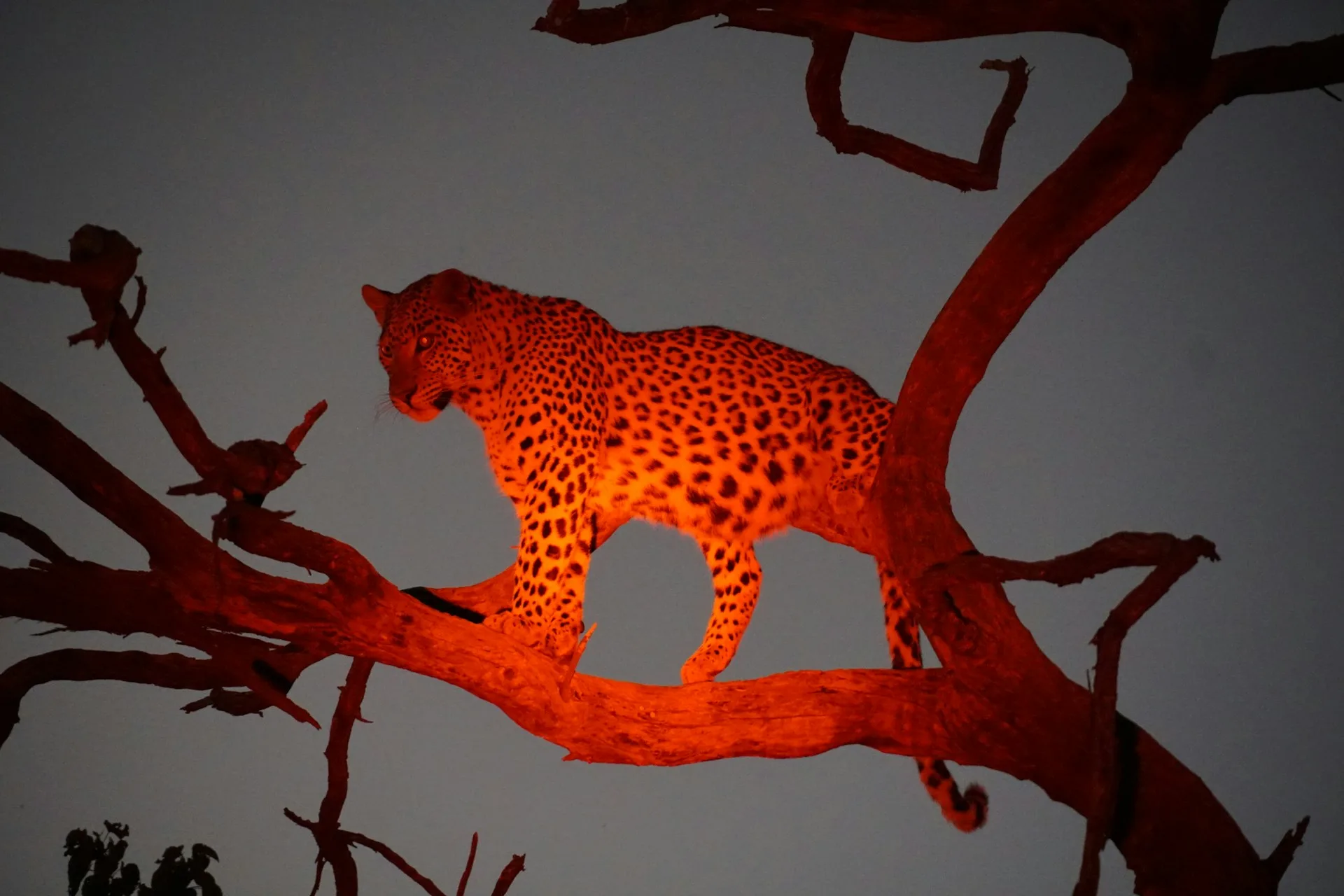
The morning brings a unique cultural experience with a visit to a nearby village where local guides share traditional Botswana life. Your family learns about traditional fishing methods, basket weaving techniques passed down through generations, and medicinal plant uses. Children especially enjoy trying their hand at pounding sorghum for traditional porridge or attempting to start a fire using traditional methods. The village visit provides valuable perspective on rural African life and the importance of wildlife conservation to local communities. Return to camp for lunch and relaxation during the heat of midday. The afternoon offers leisure time for swimming, reading, or optional activities like fishing with local methods. As darkness falls, embark on a night game drive that reveals the bush's nocturnal creatures. Spotlights illuminate eyes reflecting in the darkness - perhaps a leopard on the hunt, a honey badger foraging, or the huge eyes of a bushbaby leaping between trees. The experience teaches families about nocturnal adaptations and the 24-hour cycle of African wildlife.
Your final morning in the Okavango begins with one last opportunity to experience the delta's magic. An early game drive or mokoro excursion allows the family to revisit favorite spots or search for species not yet encountered. The guide ensures you make the most of these last hours, whether tracking a particular animal or simply absorbing the peaceful beauty of sunrise over the waterways. Children often spot creatures they missed earlier in the week, their eyes now trained to notice movement and signs. Return to camp for breakfast and final packing, sharing memories and favorite moments from the adventure. The charter flight back to Maun offers final aerial views of the delta's extraordinary landscape. Private transfer to Maun Airport for your departing flight, carrying memories of incredible wildlife encounters, stunning landscapes, and the warm hospitality of Botswana that will inspire family conversations for years to come.
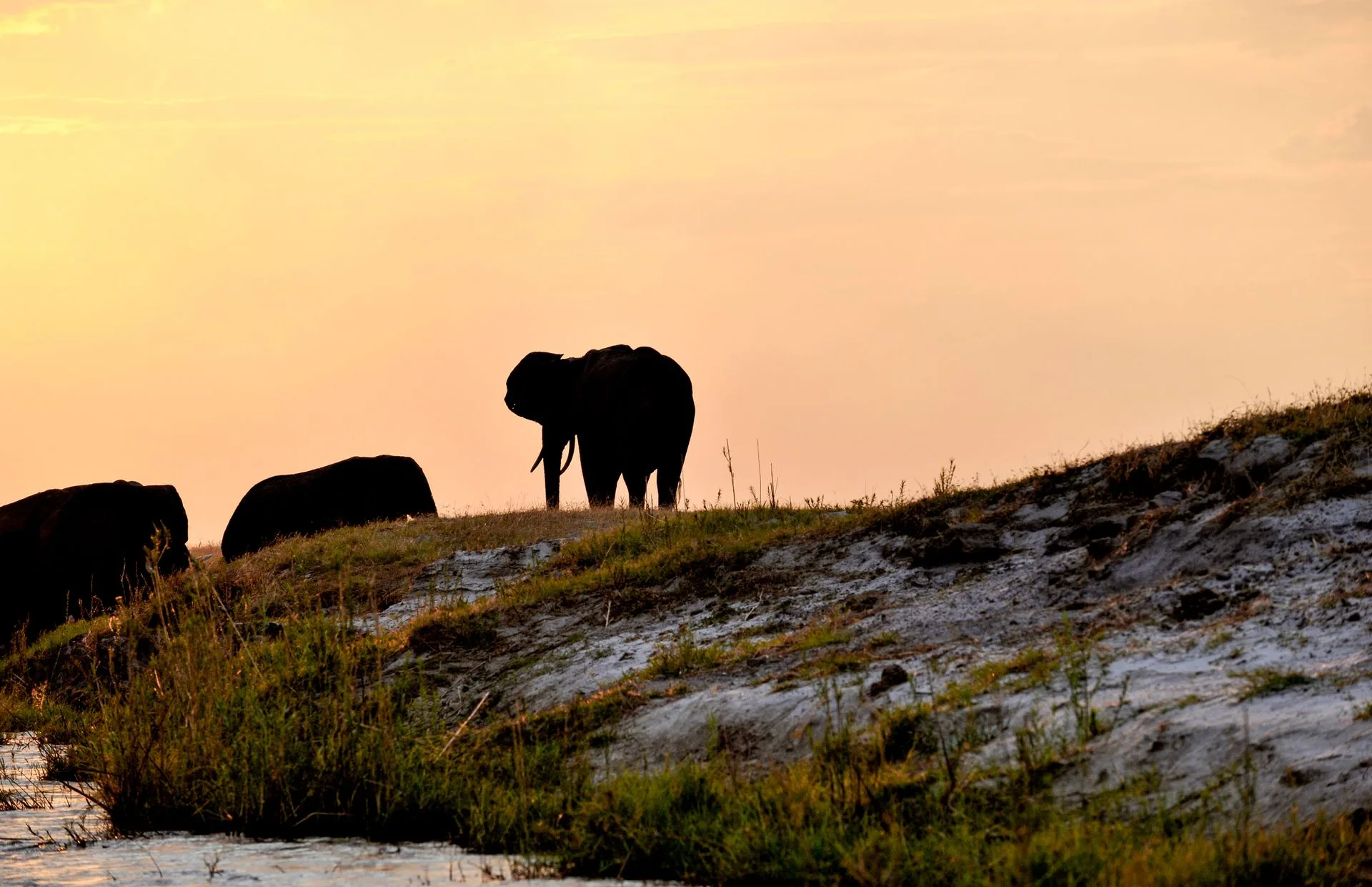
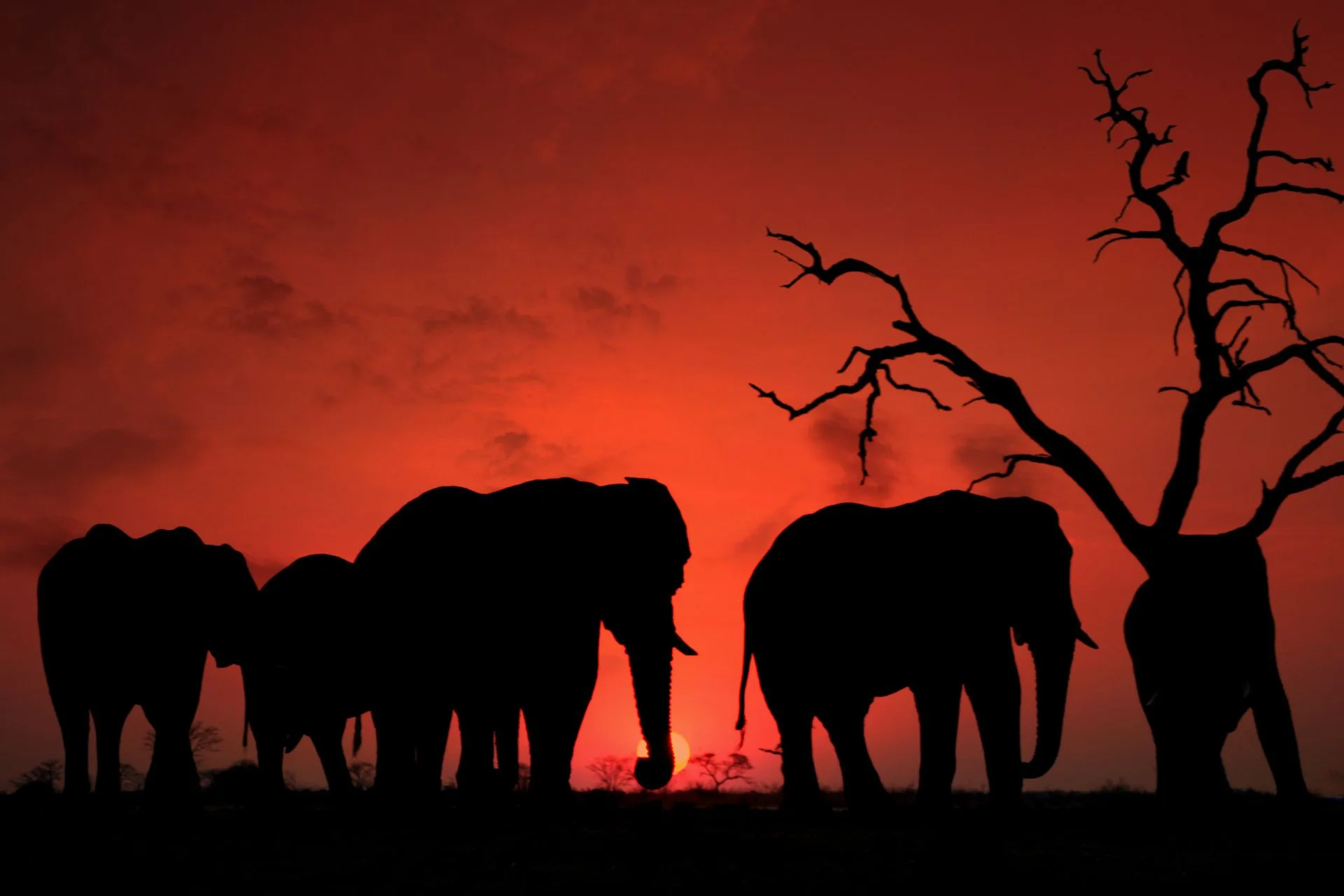
The Chobe River at sunset provides arguably Botswana's most iconic photography opportunity. As the sun descends toward the horizon, painting the sky in brilliant oranges and pinks, hundreds of elephants gather along the riverbanks to drink and bathe. Photograph silhouettes of elephant herds crossing through the golden water, or capture close-up portraits as they spray themselves in the warm evening light. Hippos surface creating ripples that catch the sunset colors, while African fish eagles perch in dead trees making perfect foreground elements. The combination of dramatic skies, abundant wildlife, and perfect lighting makes every sunset cruise a photographer's paradise. Best time is May through October during the dry season when wildlife concentrations peak.
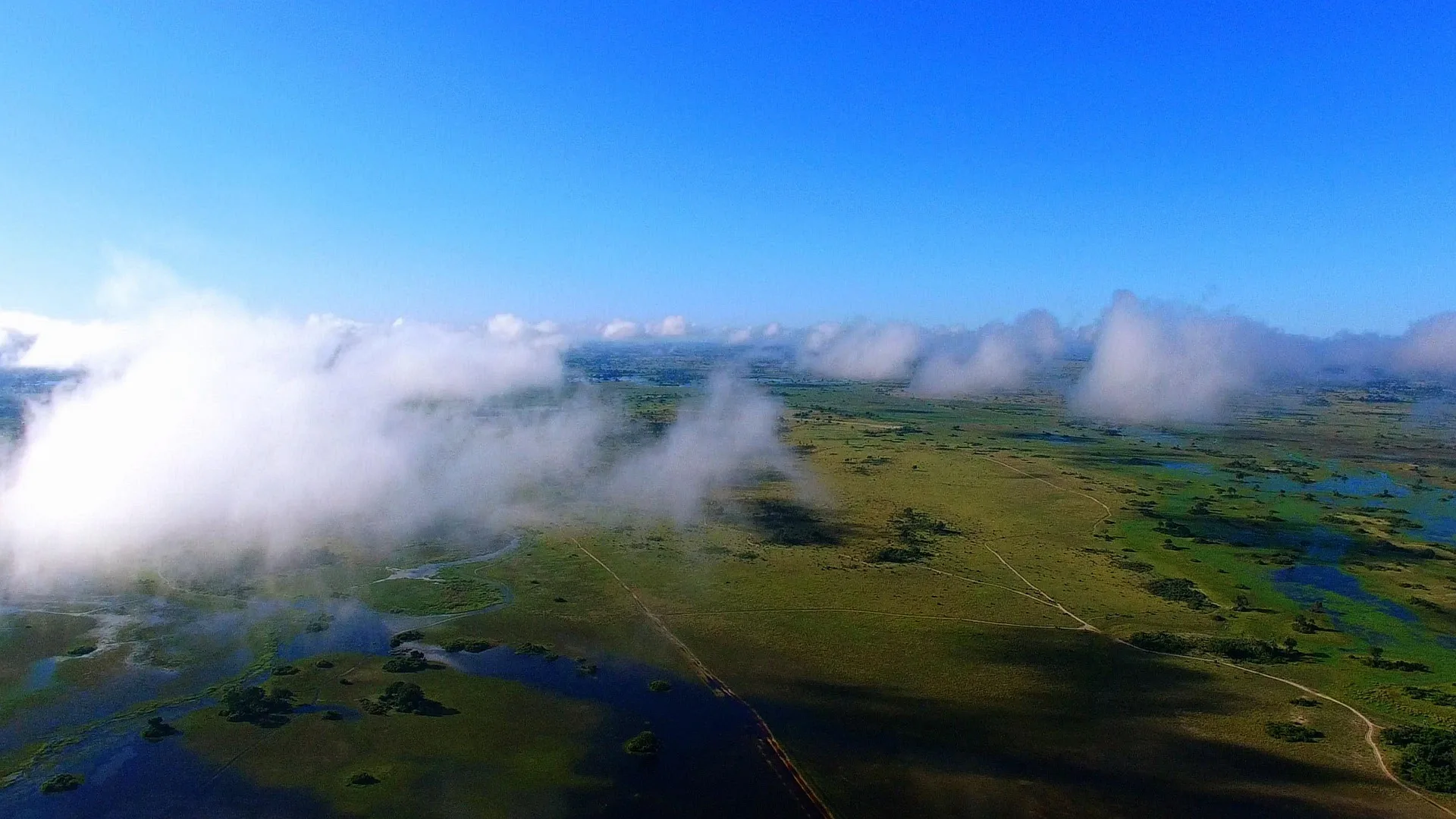
Flying into the Okavango Delta offers extraordinary aerial photography opportunities that reveal the scale and beauty of this vast wetland. From several hundred feet above, the delta's intricate network of channels, lagoons, and islands creates abstract patterns in shades of blue, green, and gold. Photograph elephants wading through shallow water, hippo pods creating dark spots in clear pools, and the endless papyrus swamps stretching to the horizon. The flight path changes with water levels, ensuring unique perspectives on each journey. Early morning flights capture mist rising from the water, while late afternoon light emphasizes the three-dimensional relief of the landscape. Request a window seat on the small charter aircraft and keep your camera ready throughout the flight for constantly changing compositions.
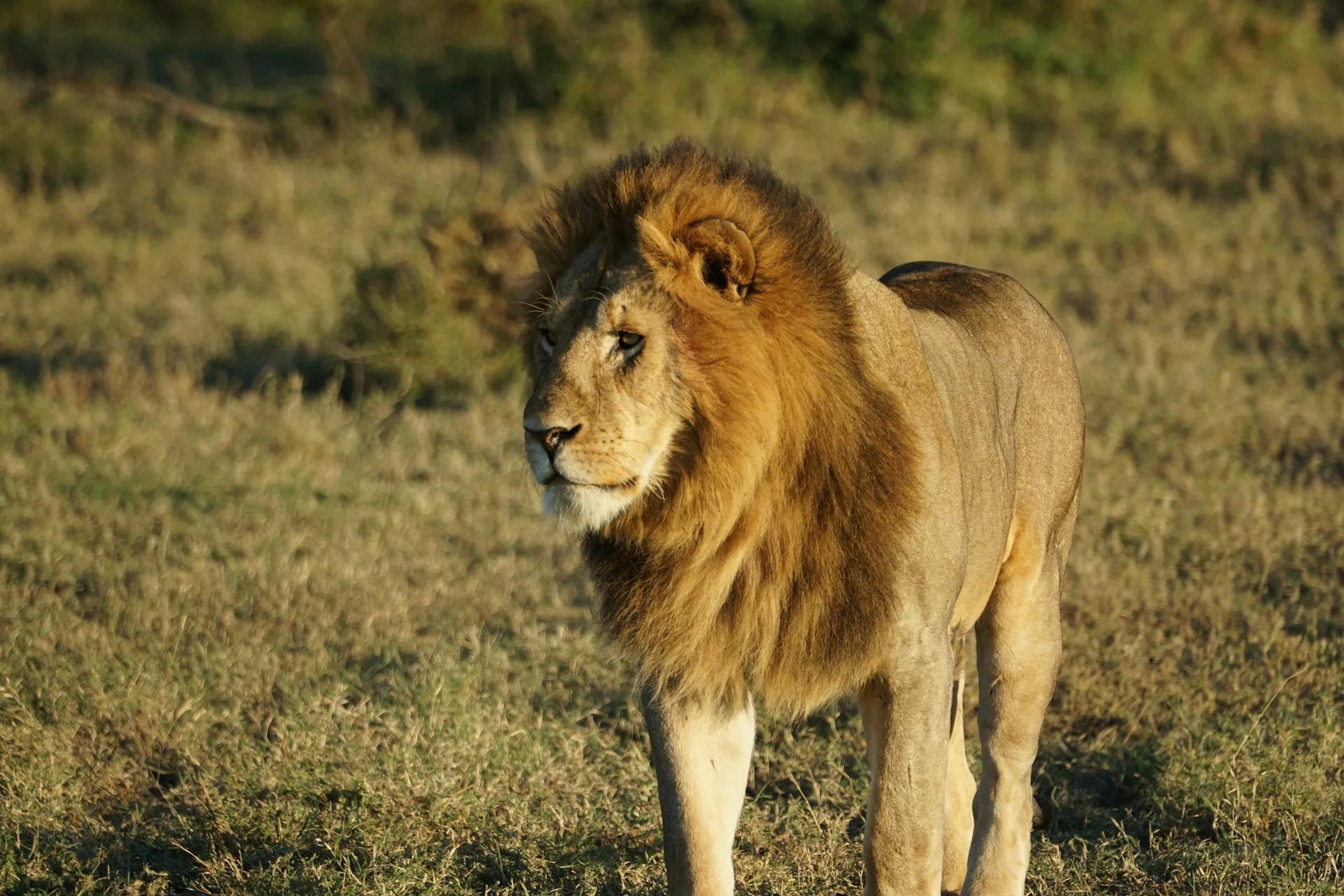
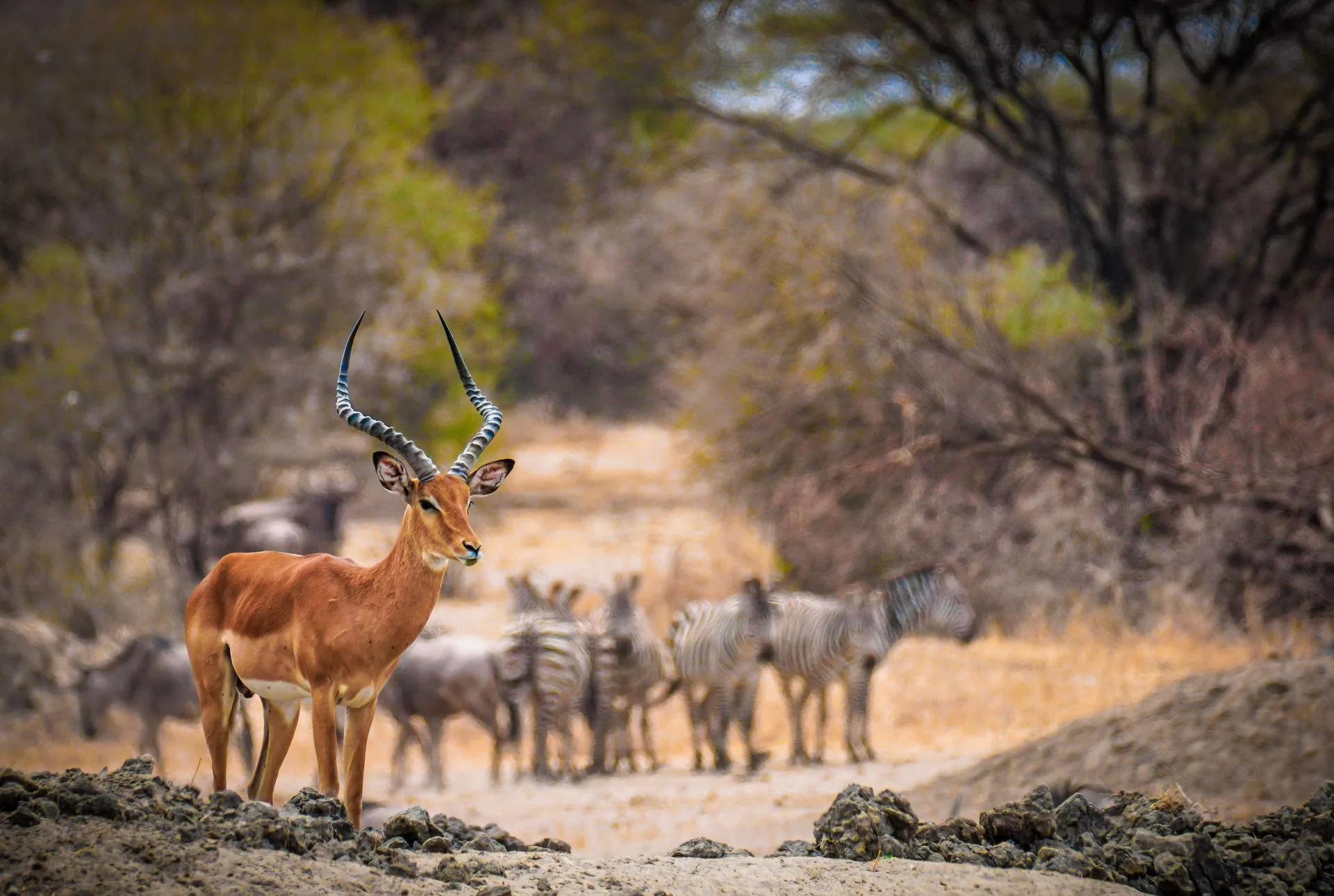
Moremi Game Reserve's open grasslands and good game viewing roads create ideal conditions for photographing Africa's predators. Lions lounging in the shade provide opportunities for intimate portraits showing their power and grace. Leopards frequently rest in trees during the day, silhouetted against the sky or dappled in filtered sunlight through the leaves. The reserve's wild dog population offers rare photography opportunities as these endangered predators hunt cooperatively across the plains. Patient observation during the cool morning hours often rewards photographers with action shots of hunts or kills. The relatively open terrain allows good visibility and positioning for optimal lighting. Bring telephoto lenses for frame-filling portraits and wildlife behavior documentation throughout the day.
Early morning mokoro excursions through the Okavango's narrow channels offer magical photography in the soft dawn light. Mist rises from the water surface, creating atmospheric scenes as your poler silently navigates through papyrus-lined passages. Photograph the traditional mokoro and poler silhouetted against the rising sun, or capture macro shots of water lilies opening with dew drops glistening on their petals. Reed frogs perch on lily pads, jewel-like in the morning light, while African jacanas walk across floating vegetation. The still water creates perfect reflections of the sky and surrounding vegetation. Protected from wind in the narrow channels, the water remains glass-smooth, doubling every element in mirror-like reflections. Waterproof camera protection essential for this low-angle water-level photography.
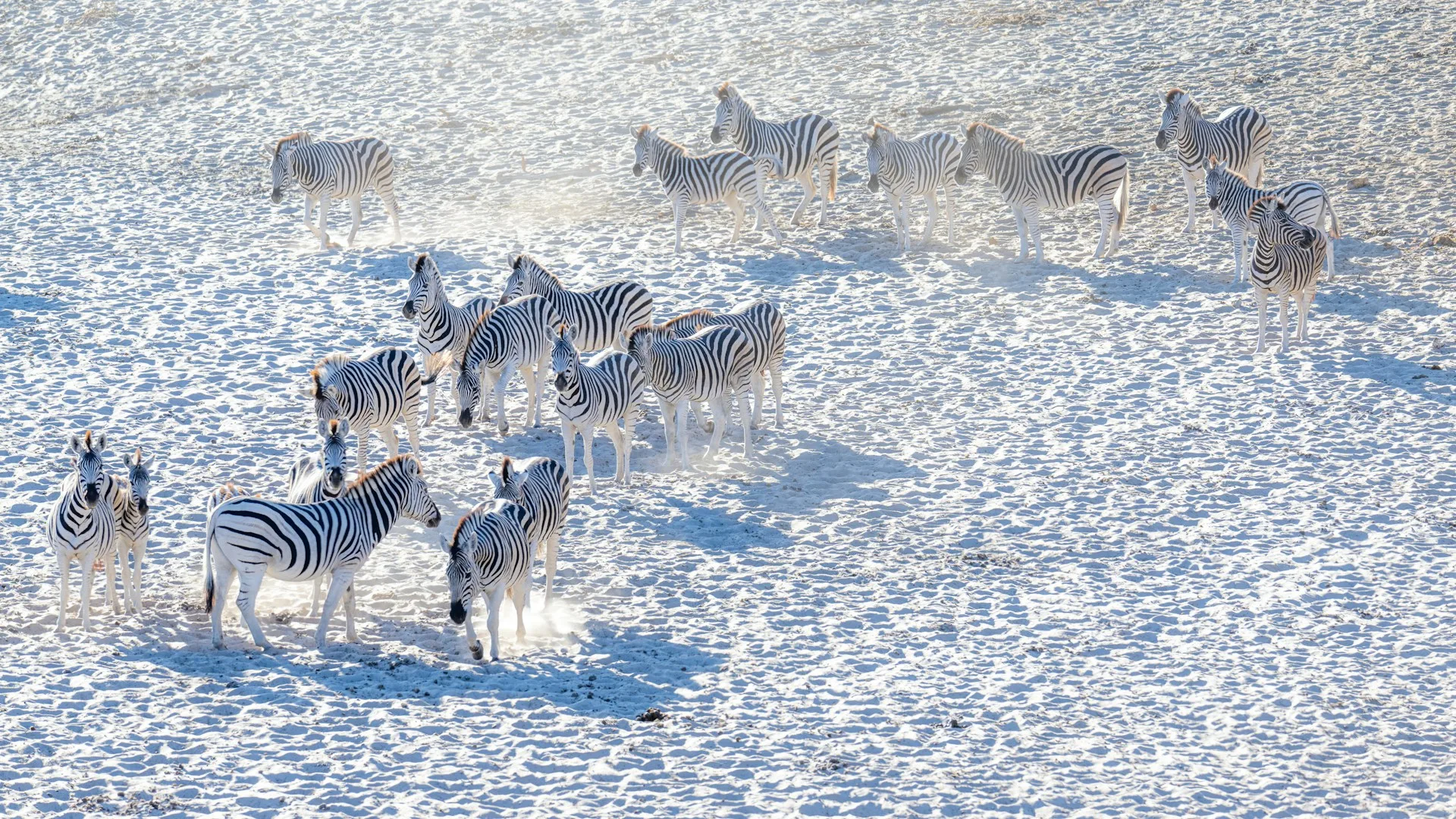
The otherworldly Makgadikgadi Pans offer unique landscape photography unlike anywhere else in Africa. The vast white salt flats stretch to the horizon in every direction, creating minimalist compositions with just earth and sky. Photograph the surreal flatness at midday when heat shimmer creates mirages, or capture the long shadows of sunset when even tiny imperfections in the surface create dramatic relief. During the rainy season, shallow water transforms the pans into giant mirrors reflecting perfectly symmetrical cloud formations. The famous Baines' Baobabs on the northern edge of Nxai Pan provide ancient subjects against endless skies. Night photography reveals the Milky Way arching overhead with remarkable clarity in the absence of light pollution. Wide-angle lenses capture the vast scale while telephoto lenses compress distances to emphasize the barren expanse.
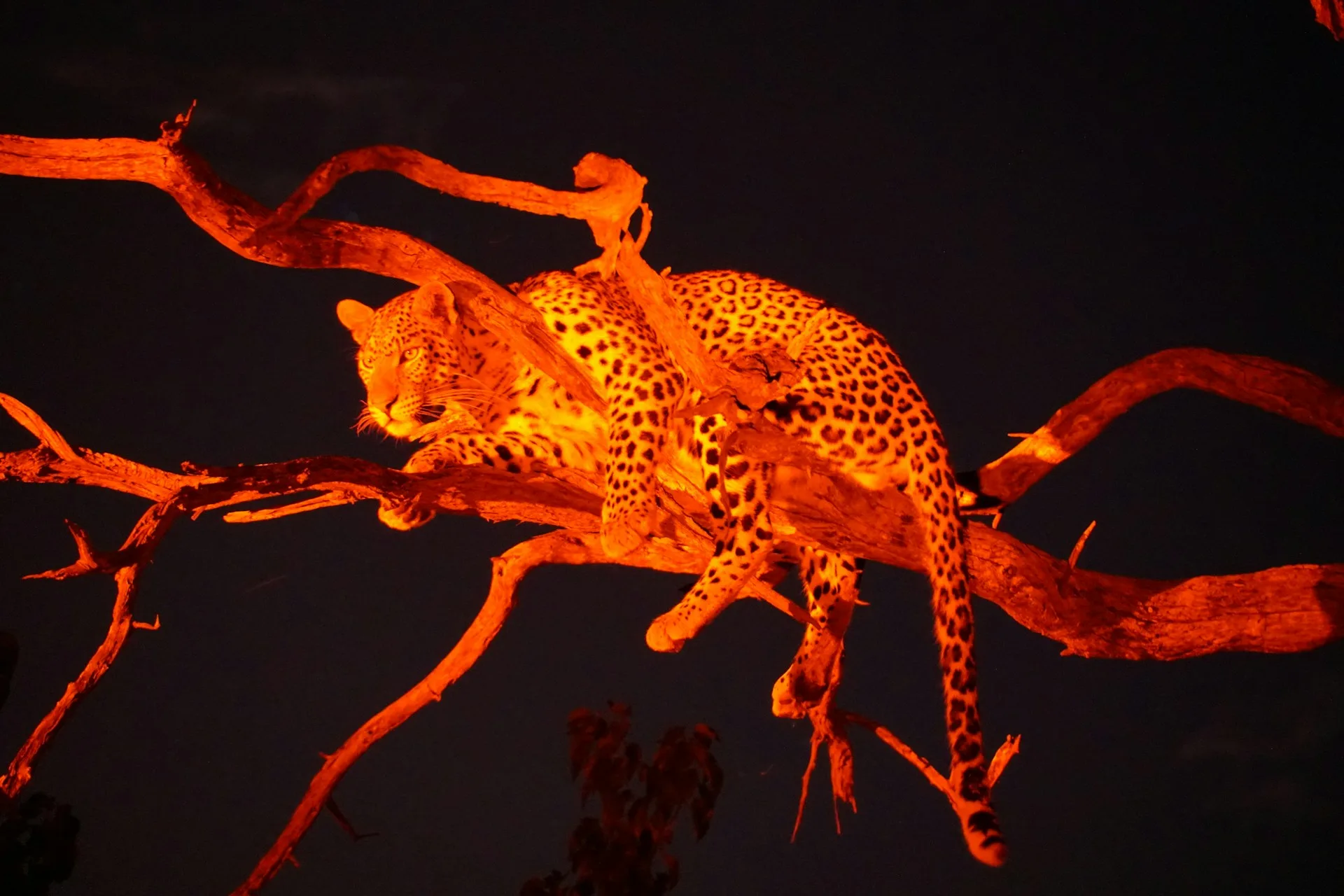
Night game drives open an entirely different world of photography showcasing Botswana's nocturnal wildlife. The spotlight creates dramatic lighting effects, illuminating eyes glowing in the darkness and creating high-contrast images against the black night. Photograph bushbabies with their enormous eyes reflecting the light, genets prowling through trees, and porcupines waddling across the track. Lucky encounters might include leopards on the hunt, their spots standing out against tawny fur in the artificial light. Aardvarks, honey badgers, and African wildcats emerge only after dark, offering rare photographic subjects. Use high ISO settings and fast lenses to capture sharp images in the low light. The challenge lies in working quickly as animals move through the spotlight beam, creating urgency that produces dynamic, spontaneous compositions capturing authentic nocturnal behavior.
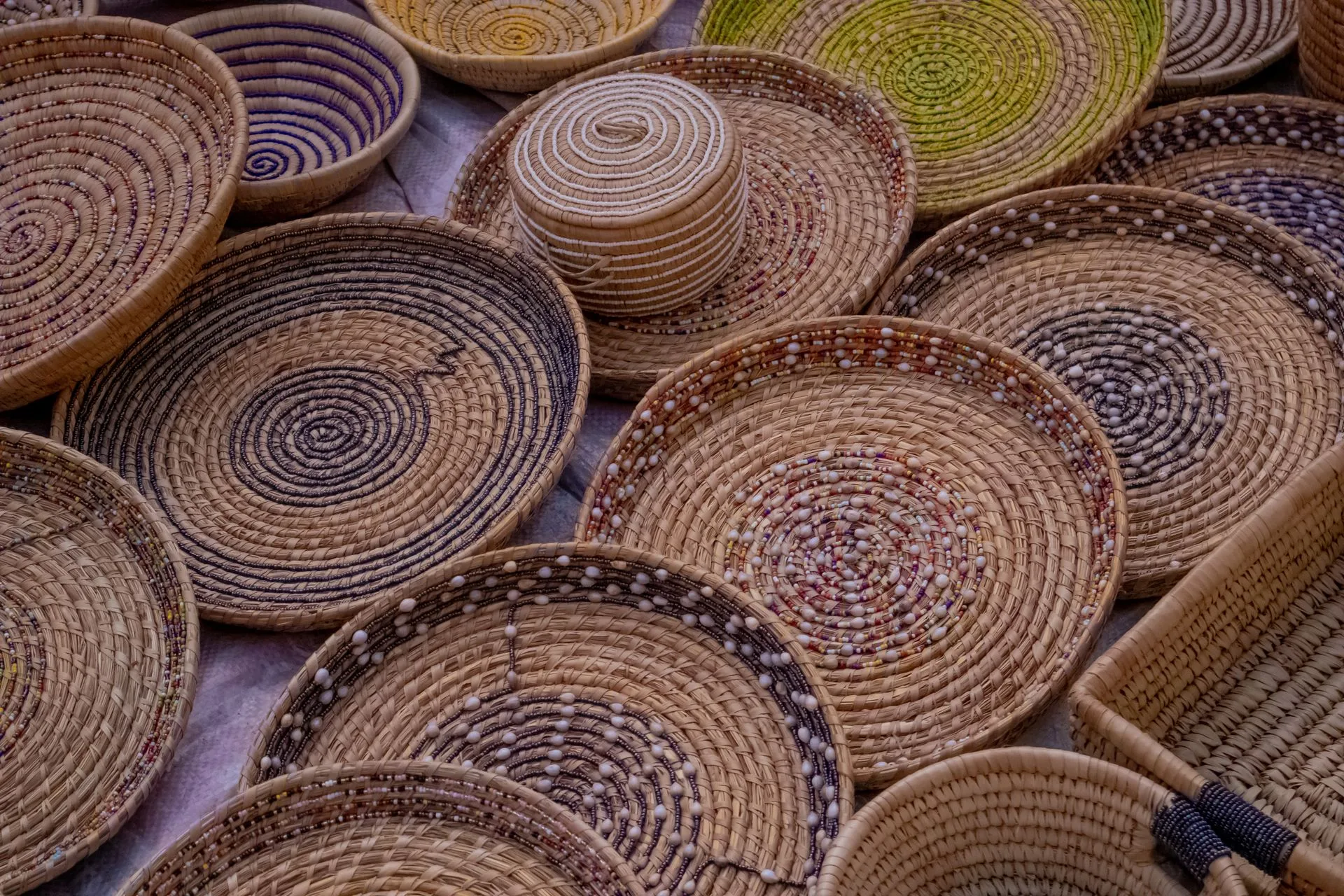
Village visits provide cultural photography opportunities showing traditional Botswana lifestyles that have remained largely unchanged for generations. Capture portraits of community members in traditional dress, their faces telling stories of life in rural Africa. Document traditional crafts like basket weaving, showing weathered hands working with natural materials in techniques passed down through families. Children playing traditional games, women pounding grain in wooden mortars, and men demonstrating fire-starting methods all offer authentic cultural moments. The warm afternoon light through thatched roofs creates beautiful natural lighting for interior shots of traditional homes. Always request permission before photographing people, and be respectful of private moments and sacred spaces. These images document not just places but ways of life, preserving cultural heritage while sharing it with the wider world.
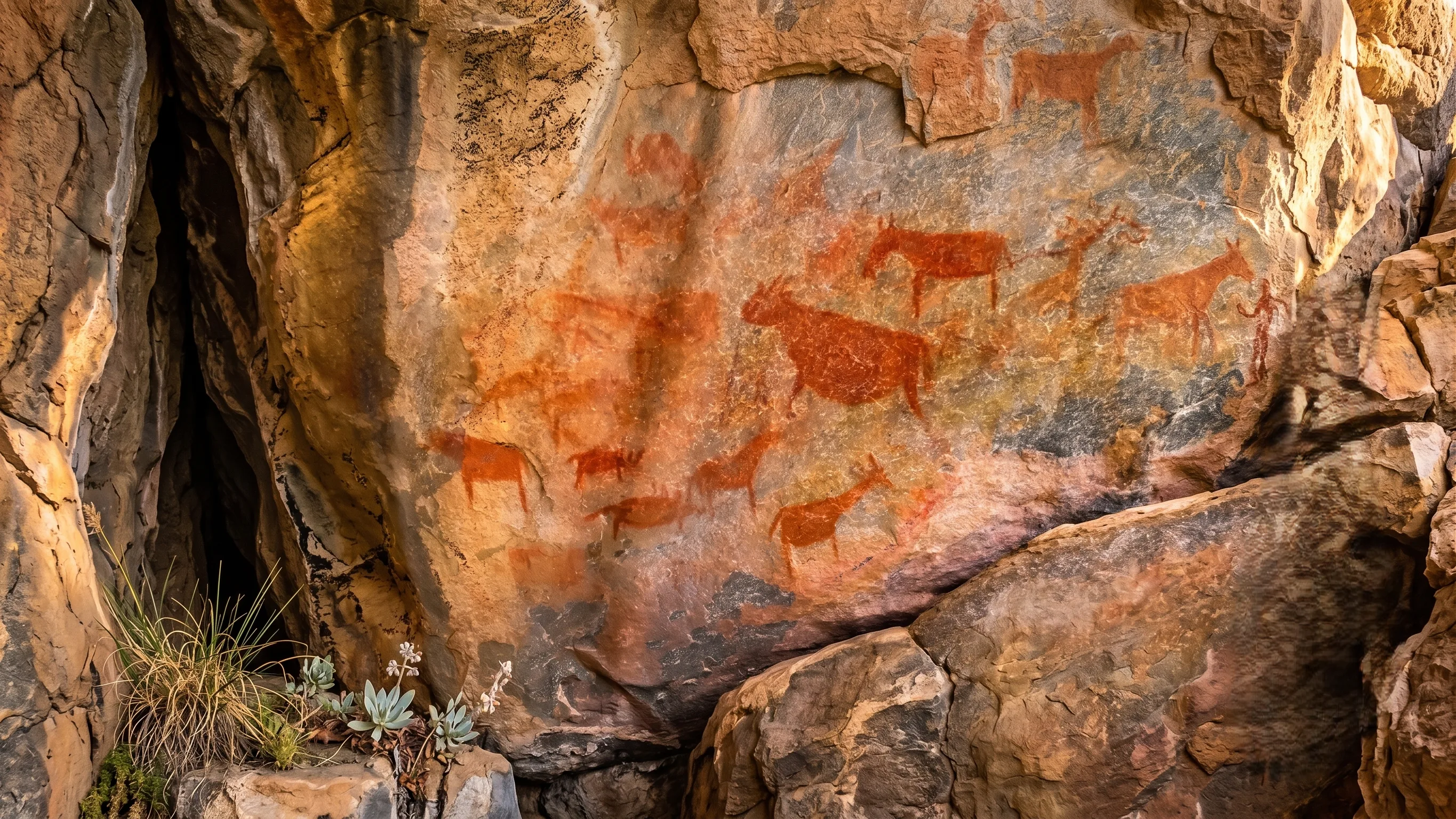
The ancient rock paintings of Tsodilo Hills offer archaeological photography documenting humanity's artistic heritage spanning thousands of years. Over 4,500 rock art sites decorate the hills' rock faces, depicting animals, hunters, and spiritual imagery created by San ancestors. Photograph the paintings in context showing their relationship to the landscape and rock formations. Detail shots reveal the remarkable preservation of pigments and the skilled artistry of ancient painters. The challenging lighting requires patience and careful timing, as direct sunlight washes out the subtle colors while too much shadow obscures details. Late afternoon offers the best compromise with warm light raking across the rock faces. Document both the famous major panels known to tourism and lesser-known sites accessible only with local guides who share oral histories explaining the paintings' cultural significance and creation stories passed down through generations.
Note: Opening and closing times are subject to change and may vary depending on the day of the week, public holidays, maintenance schedules, or special events. Please verify current timings before your visit.
The optimal time for Botswana family safaris runs from May through October during the dry winter season when wildlife concentrations peak around permanent water sources. Clear skies, mild temperatures, and minimal rainfall create ideal game viewing conditions as animals gather at rivers and waterholes. The Okavango Delta reaches maximum flood levels between June and August, offering spectacular water-based activities while terrestrial areas dry out forcing wildlife to concentrate. November through April brings summer rains transforming landscapes into lush green, with excellent bird watching as migrants arrive and resident species breed. Newborn animals appear creating tender family moments, though some remote areas become inaccessible. December through March experiences hot temperatures and afternoon thunderstorms but fewer tourists and lower prices for budget-conscious families seeking authentic experiences.
Botswana is one of Africa's safest safari destinations with low crime rates, excellent healthcare in major towns, and lodges experienced in hosting families. All activities are supervised by professional guides trained in safety protocols, and accommodations feature family rooms with proper security. Children of all ages can participate in safaris with age-appropriate explanations and activities. Lodges provide high chairs, child-friendly meals, and swimming pools for downtime. The main health consideration is malaria prevention in certain areas, easily managed with prophylactic medication and insect repellent. Most families find Botswana safer and more welcoming than anticipated.
Most Botswana lodges welcome children of all ages on game drives, with no strict minimum age requirements. However, walking safaris typically require children to be at least 12 years old due to safety considerations when encountering wildlife on foot. Mokoro excursions generally accept children from age 6 upward with parental supervision. Some exclusive camps have minimum age policies of 8-12 years, while family-focused lodges cater specifically to young children with dedicated programs. Night drives usually accept children from age 6. Private safari vehicles can accommodate families with infants and toddlers who may need flexibility for naps and feeding schedules. Always confirm specific lodge age policies when booking.
Visa requirements for Botswana vary by nationality. Citizens of most Commonwealth countries, United States, and European Union nations receive free visa-on-arrival for stays up to 90 days. Some nationalities require advance visa applications through Botswana embassies or consulates before travel. All visitors need passports valid for at least six months beyond intended departure date with blank pages for entry stamps. Children require individual passports and cannot travel on parent passports. Check current requirements with the Botswana Immigration Department as policies change periodically. Yellow fever vaccination certificates are required if arriving from endemic countries but not if flying directly from India or most non-endemic countries.
All safari guides are trained in wildlife emergency protocols and carry radio communication for immediate assistance. Lodges have detailed safety procedures including evacuation plans and first aid facilities. Most camps maintain radio contact with flying doctor services for medical emergencies requiring evacuation to Maun or Gaborone hospitals. The cardinal rule is always follow guide instructions without question, never leave vehicles unless specifically permitted, and maintain respectful distances from all wildlife. Lodges conduct safety briefings upon arrival explaining camp layouts, wildlife protocols, and emergency procedures. Comprehensive travel insurance with emergency evacuation coverage is essential. Botswana's professional tourism industry ensures rapid response to any incidents, though serious emergencies are extremely rare with proper precautions.
This itinerary serves as a foundation that can be extensively customized to match your family's specific interests, pace preferences, and physical abilities. Families passionate about bird watching can spend more time in diverse habitats with specialized guides. Those interested in culture can add extended village visits or San Bushmen experiences. Photography enthusiasts might prefer additional time at prime locations with optimal lighting. The itinerary can be adjusted for younger children requiring more rest time, or active teenagers seeking adventure activities. Alternative destinations like Makgadikgadi Pans, Central Kalahari, or Tsodilo Hills can replace or supplement the standard route. Accommodation levels range from comfortable mid-range lodges to ultra-luxury camps. Contact us to discuss modifications creating your perfect family safari experience within your budget and timeframe.
Destination To Plan specializes in creating exceptional family safari experiences throughout Africa with particular expertise in Botswana's unique ecosystems and wildlife. Our carefully selected lodge partners understand family needs, providing comfortable accommodations, flexible meal schedules, and engaging activities suitable for all ages. We maintain strong relationships with Botswana's most experienced guides who excel at making wildlife fascinating for children while satisfying adult curiosity about complex ecological relationships.
Our Botswana itineraries balance adventure with comfort, ensuring families experience authentic wilderness without sacrificing safety or convenience. We understand that traveling with children requires different pacing, accommodations, and activities compared to adult-only safaris. Every element of this package is chosen specifically for family suitability, from lodges with swimming pools for midday breaks to guides skilled in age-appropriate wildlife education. Our 24/7 support ensures assistance whenever needed throughout your journey.
We believe in sustainable tourism that benefits both wildlife conservation and local communities. The lodges and camps we feature employ local staff, source supplies from nearby villages, and contribute to conservation initiatives protecting Botswana's remarkable biodiversity. By choosing this safari, your family participates in responsible tourism that ensures these incredible ecosystems and cultures survive for future generations. Our transparent pricing, comprehensive inclusions, and commitment to exceptional service have earned trust from hundreds of families who returned home with memories, photographs, and conservation awareness that last forever. Let us create your family's African adventure of a lifetime.
 Asia
Asia
 Americas
 Americas
 Oceania
 Asia
Asia
 Asia
Asia
 Asia
Asia
 Europe
 Europe
Ready to embark on the African adventure your family will remember forever? Contact us to customize this Botswana safari package to match your family's interests, travel dates, and budget.
Our safari specialists will answer all your questions about wildlife viewing, accommodations, safety, and logistics. We'll help you prepare for the journey and ensure every detail is perfectly arranged for your family's comfort and enjoyment.