Embark on an unforgettable Ghana family tour that combines rich cultural heritage, stunning natural beauty, and exciting wildlife encounters. This carefully curated 7-day Ghana vacation takes your family through the vibrant streets of Accra, the historic castles of Cape Coast, the lush rainforests of Kakum National Park, and the cultural heart of Kumasi in the Ashanti region.
Ghana offers families a unique opportunity to explore West African culture, history, and natural wonders in a safe and welcoming environment. From walking through the canopy of Africa's longest suspended walkway to discovering ancient Ashanti traditions, every day brings new adventures suitable for all ages. Your family will experience authentic cultural performances, visit UNESCO World Heritage Sites, encounter diverse wildlife, and create lasting memories together.
This family-friendly Ghana package includes comfortable accommodations, private transfers, guided tours with knowledgeable local experts, and carefully selected activities that engage both children and adults. Whether you're exploring the vibrant markets of Kumasi, standing in awe at historic Cape Coast Castle, or spotting elephants at Mole National Park, Ghana's warmth and hospitality will make your family feel welcome throughout this remarkable journey.
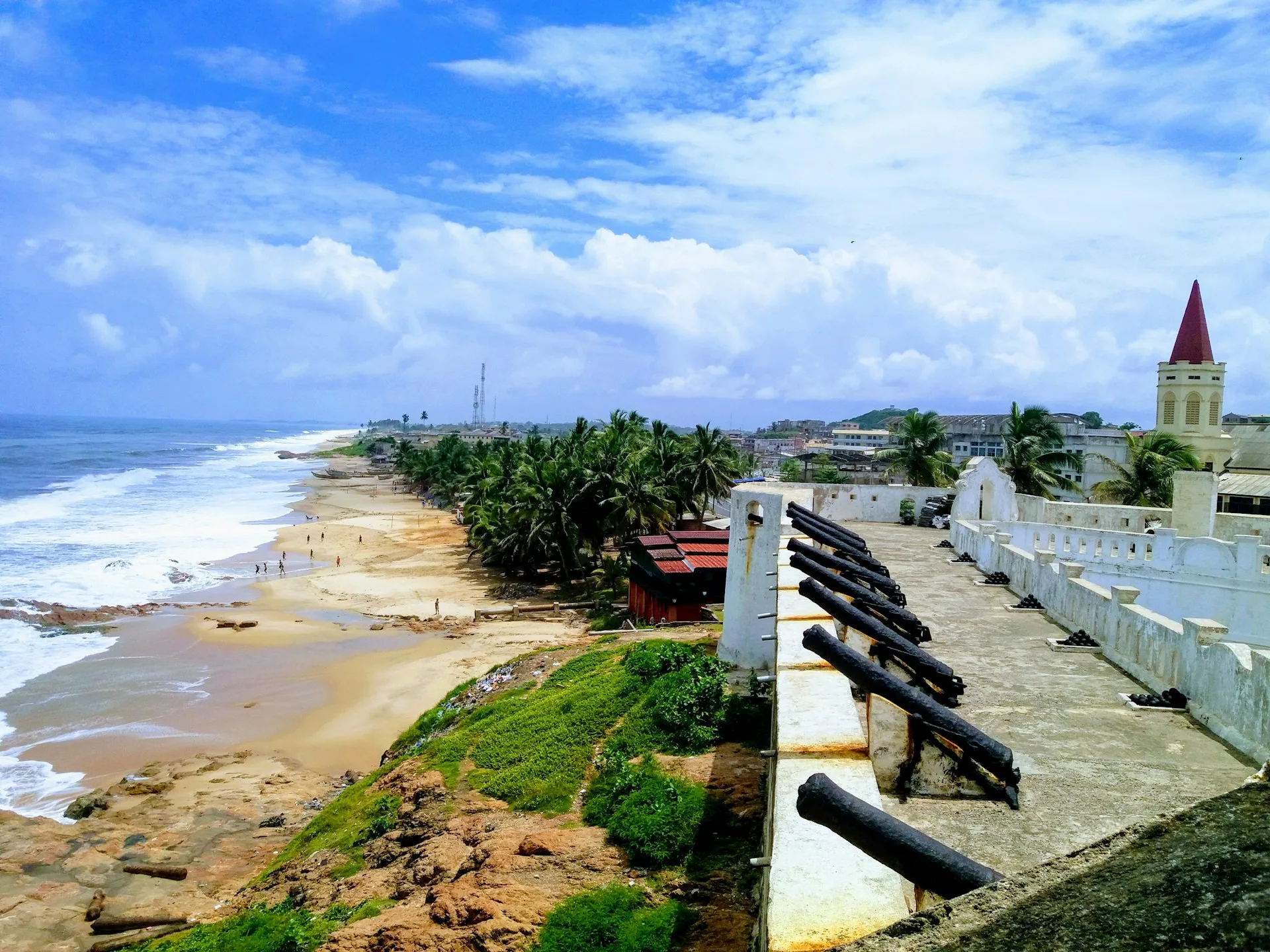
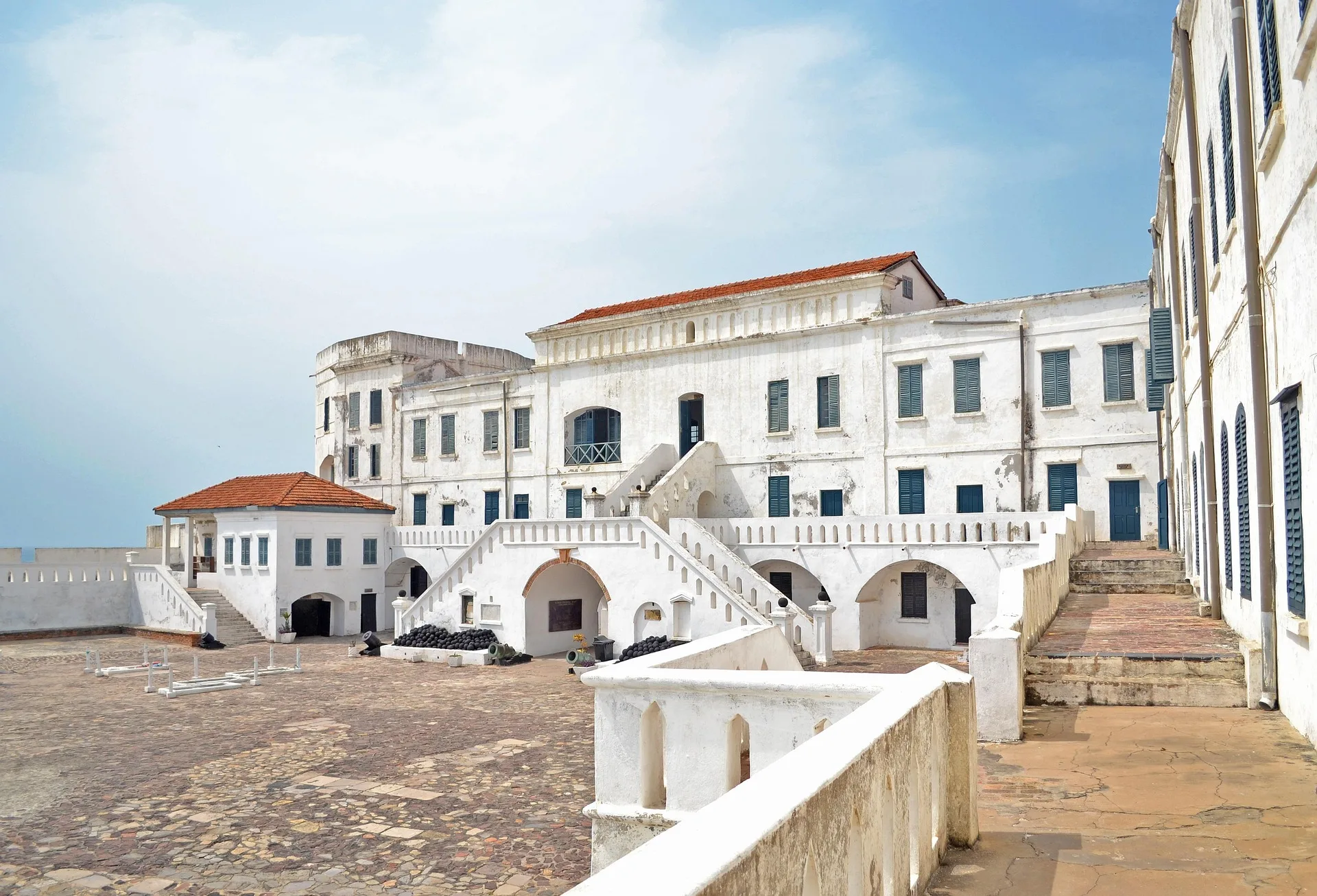
This UNESCO World Heritage Site stands as a powerful monument to Ghana's complex history. Built by the Swedish in 1653, Cape Coast Castle later became one of the most important centers of the transatlantic slave trade. Today, families can take guided tours through the castle's chambers, courtyards, and dungeons while learning about this crucial period in world history. The castle museum provides educational exhibits suitable for older children and adults, offering important historical context. The panoramic views of the Atlantic Ocean from the castle walls are stunning, and the site serves as a place of reflection and remembrance for visitors from around the world.
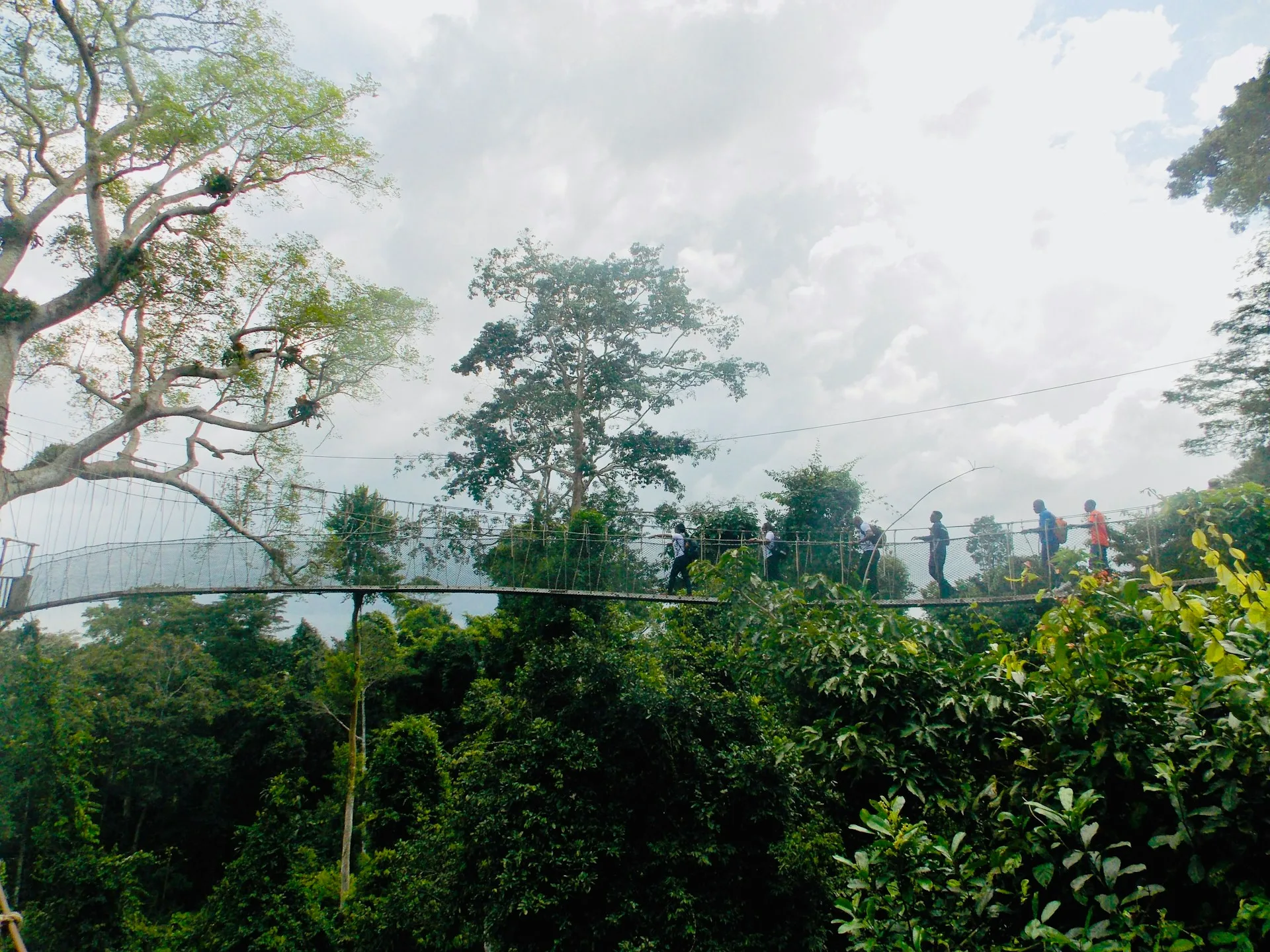
Home to Africa's only canopy walkway accessible to the public, Kakum National Park offers families an extraordinary rainforest experience. The suspended bridge system stretches 350 meters through the forest canopy at heights up to 40 meters above ground, providing thrilling views and wildlife spotting opportunities. The park protects over 350 square kilometers of tropical rainforest and harbors numerous species including forest elephants, Diana monkeys, and over 300 bird species. Guided nature walks on ground-level trails teach children about rainforest ecosystems, medicinal plants, and conservation efforts. Early morning visits offer the best chances to spot wildlife and enjoy cooler temperatures.
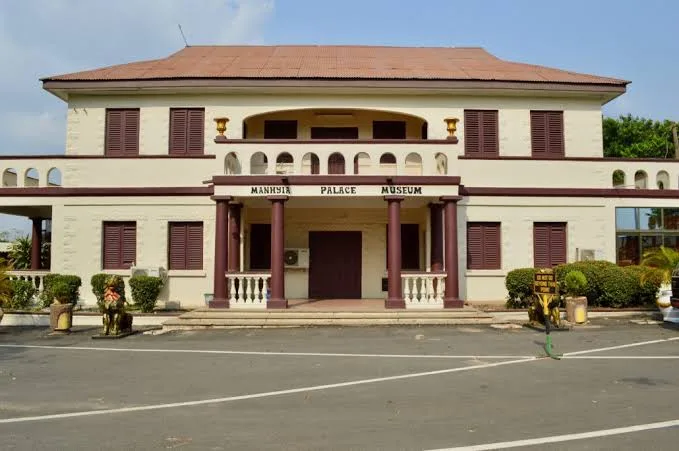
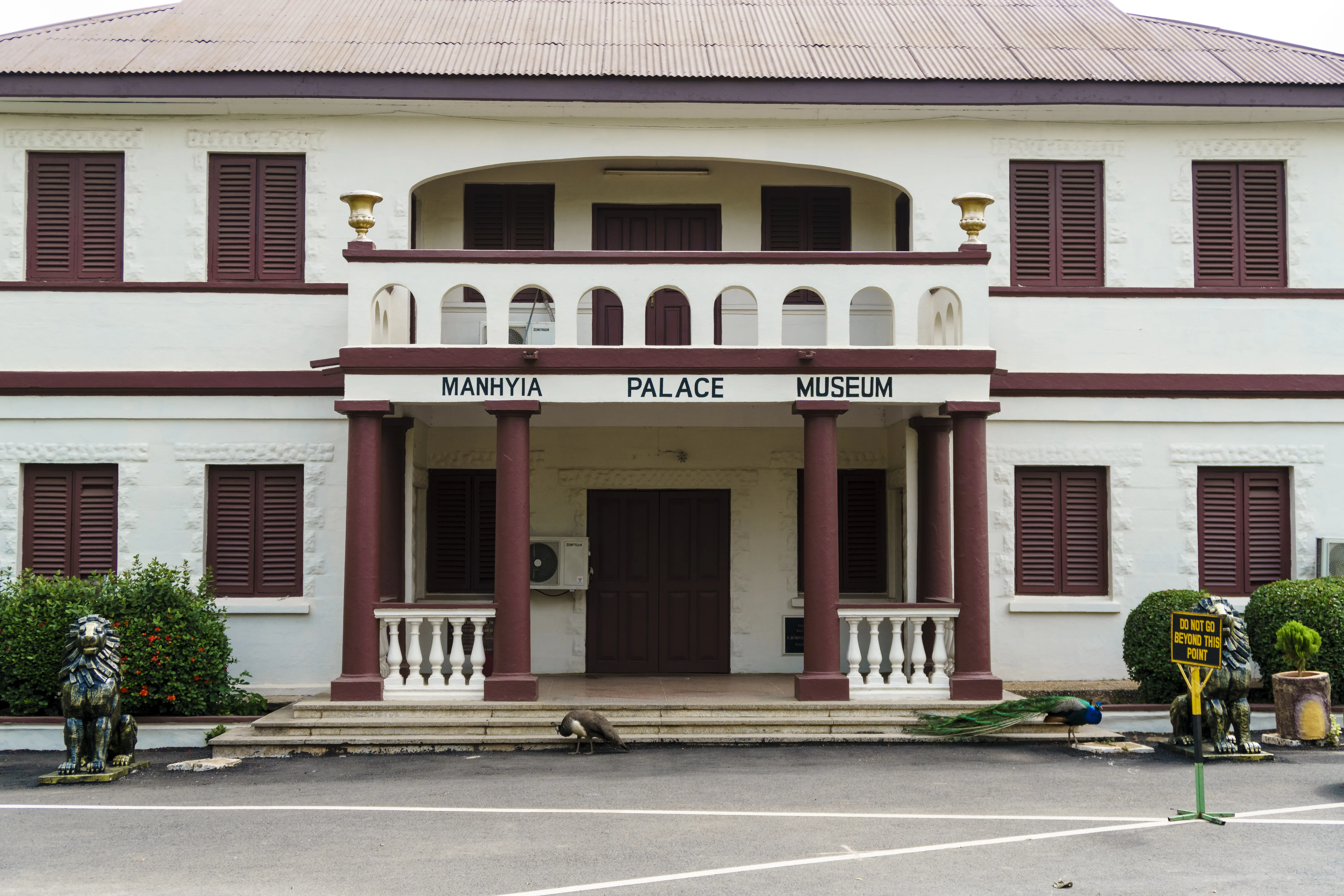
The former residence of Ashanti kings now serves as a museum showcasing the rich cultural heritage of the Ashanti people. Families explore royal artifacts, traditional regalia, and historical exhibits that bring Ashanti history to life. The museum displays elaborate gold ornaments, ceremonial swords, royal stools, and traditional clothing worn by Ashanti royalty. Knowledgeable guides share stories of Ashanti kings, explain the significance of various cultural symbols, and demonstrate traditional customs. The adjacent gardens provide a peaceful setting for reflection, and visitors gain deep insights into one of West Africa's most influential kingdoms.
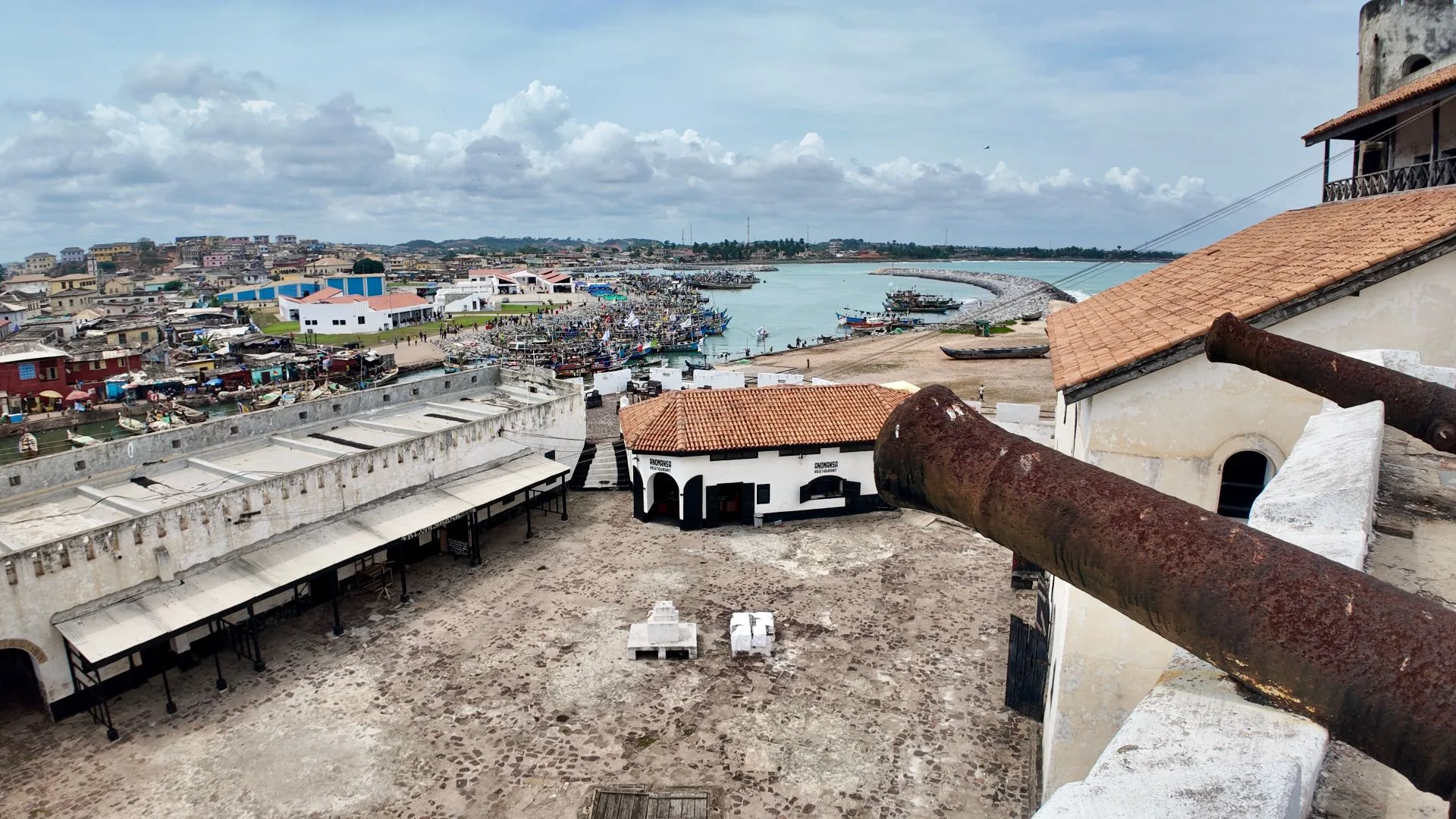
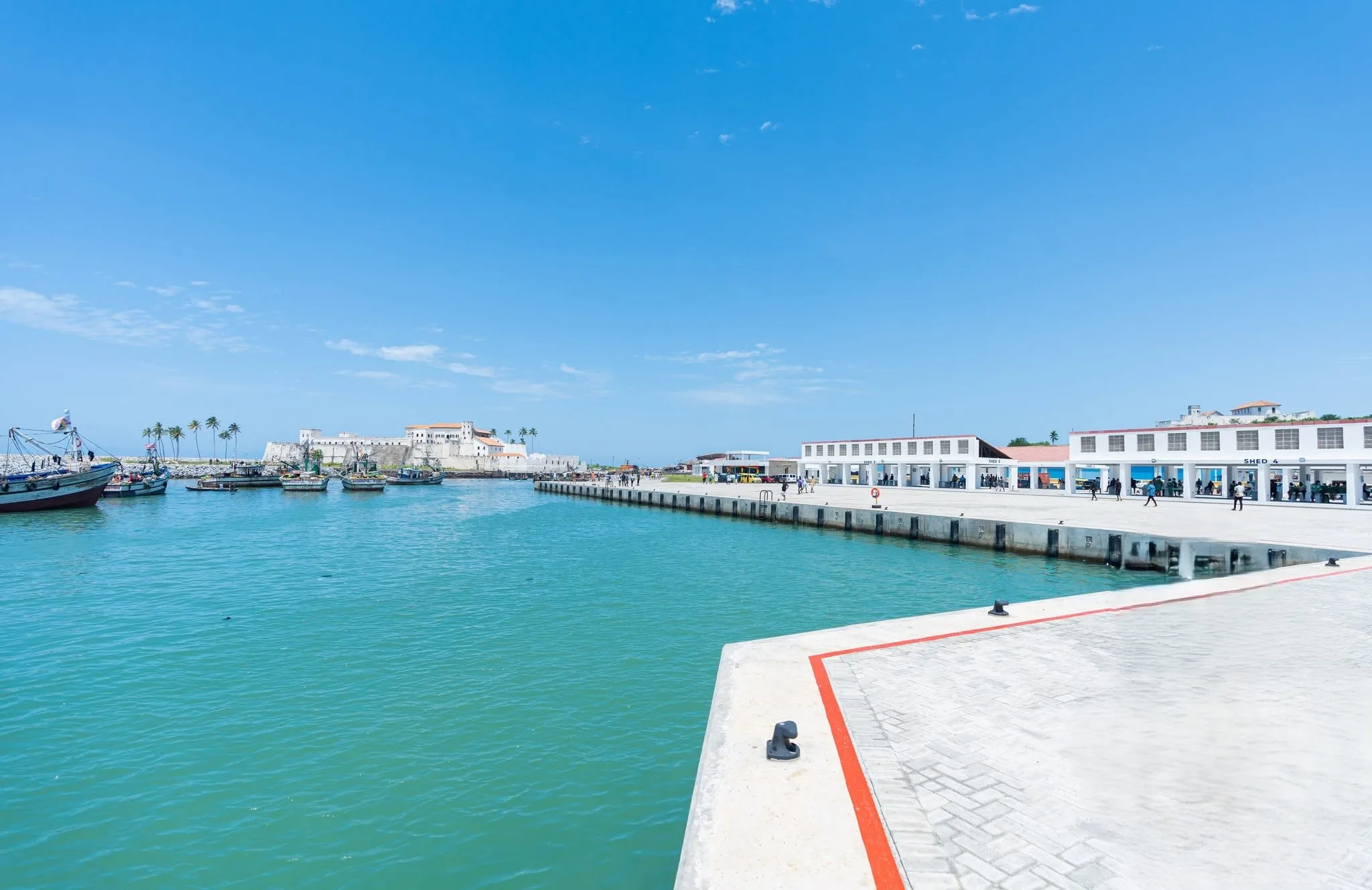
Built by Portuguese traders in 1482, Elmina Castle holds the distinction of being the oldest European structure in sub-Saharan Africa. This massive fortification served multiple purposes throughout its 500-year history, from a trading post for gold to a center of the slave trade. The castle's architecture reflects European military design adapted to tropical conditions, with thick walls, strategic battlements, and underground chambers. Guided tours provide age-appropriate historical narratives, and the castle's position on the coast offers spectacular ocean views. The nearby fishing village of Elmina adds cultural context, showing modern Ghanaian coastal life against this historical backdrop.
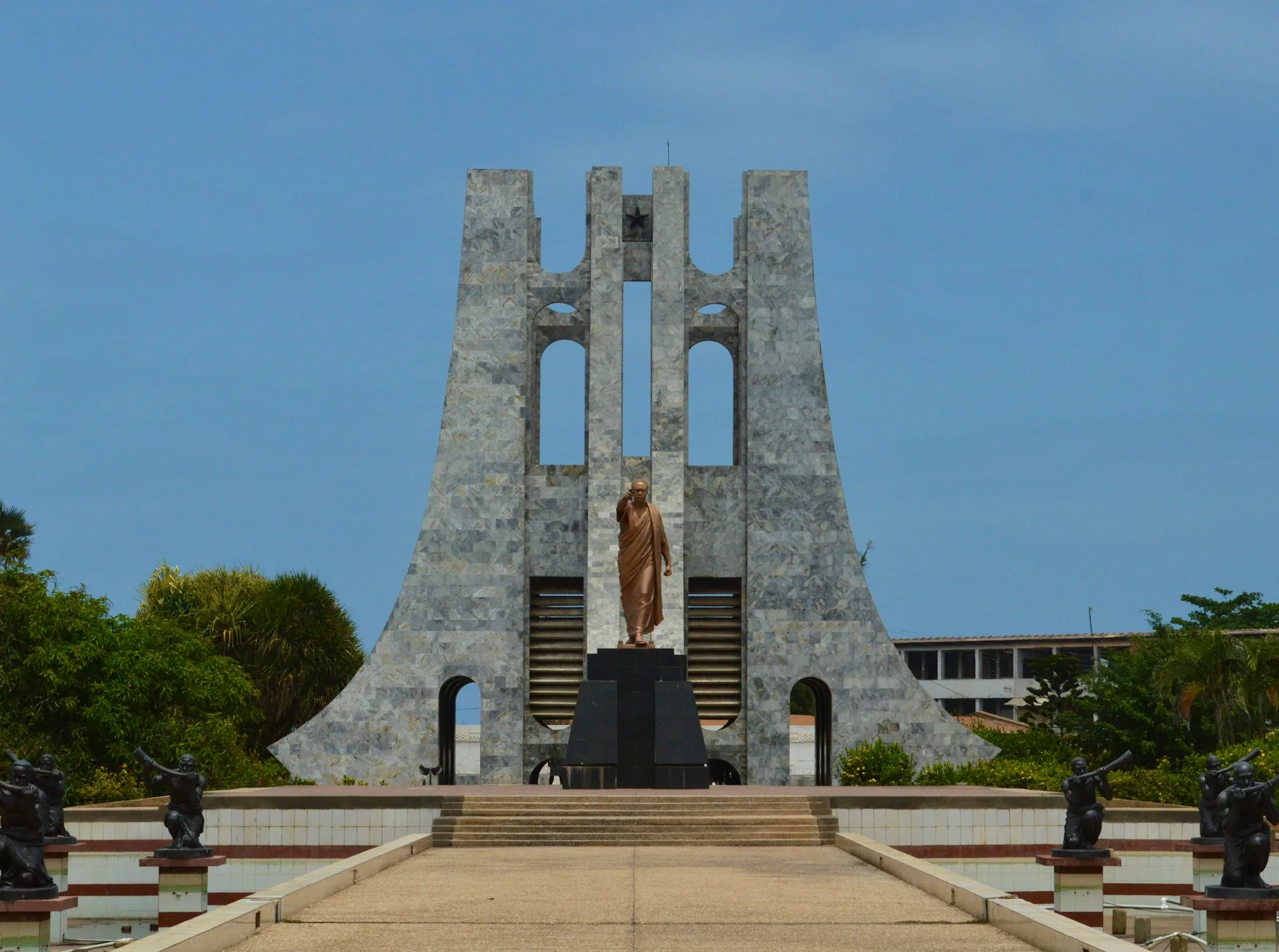
This memorial honors Ghana's first president and independence leader, Kwame Nkrumah, who played a crucial role in African decolonization. The park features a striking mausoleum where Nkrumah and his wife are interred, surrounded by beautiful gardens and fountains. The museum exhibits photographs, documents, and personal belongings that chronicle Nkrumah's life and Ghana's path to independence. Families learn about Ghana's journey from British colony to independent nation, understanding the broader context of African liberation movements. The peaceful grounds provide space for children to run and play while adults appreciate the historical significance.
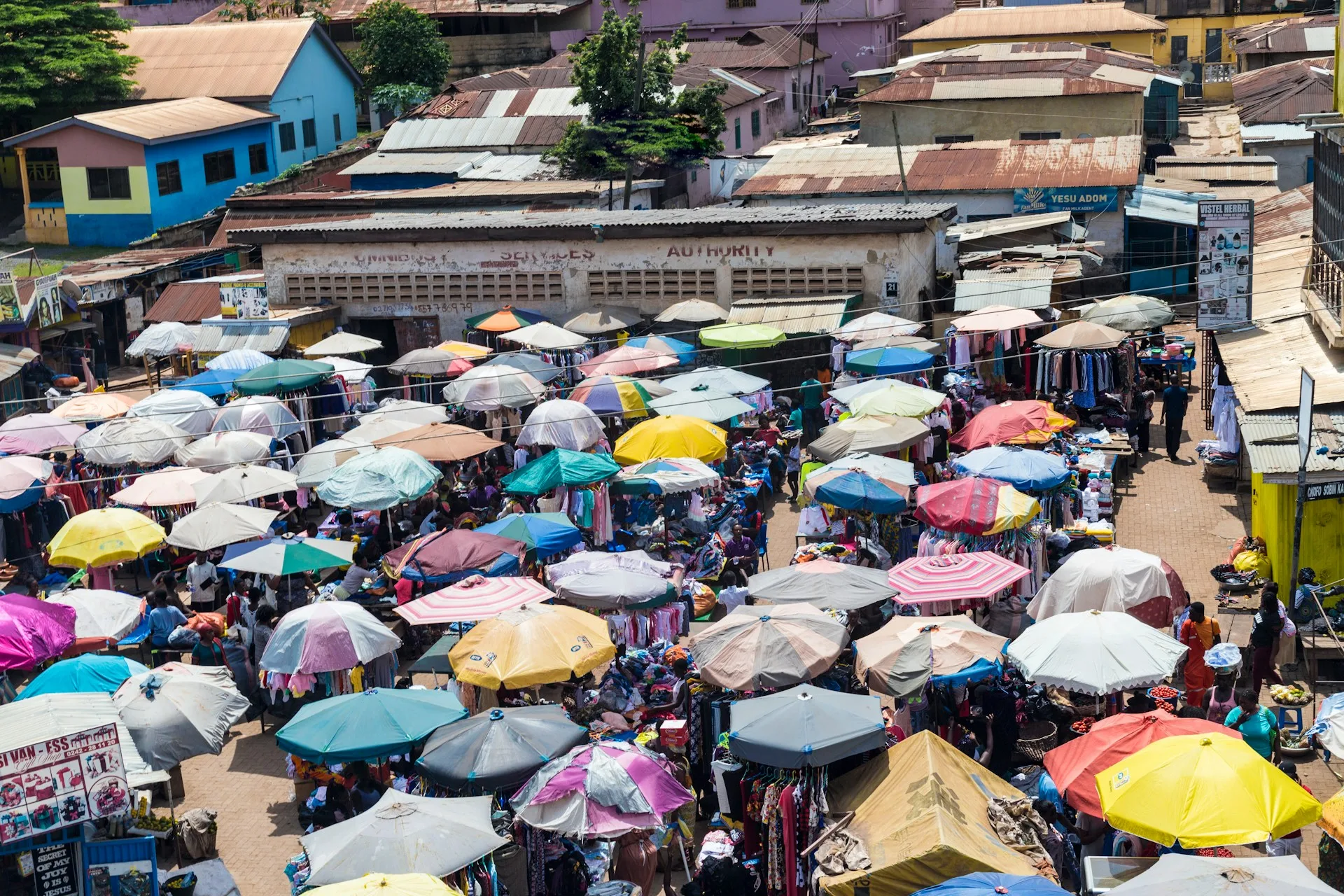
One of West Africa's largest open-air markets, Kejetia Market in Kumasi presents a sensory overload of colors, sounds, and aromas. This sprawling marketplace offers everything from fresh produce and traditional textiles to handcrafted items and household goods. Families navigate through organized sections selling Kente cloth, wooden carvings, beads, and traditional medicines. The market provides authentic cultural immersion, showing daily Ghanaian commercial life in action. Guided market tours help families understand trading customs, bargaining etiquette, and the social importance of markets in Ghanaian culture. The adjacent Kejetia Transportation Terminal adds to the bustling atmosphere.
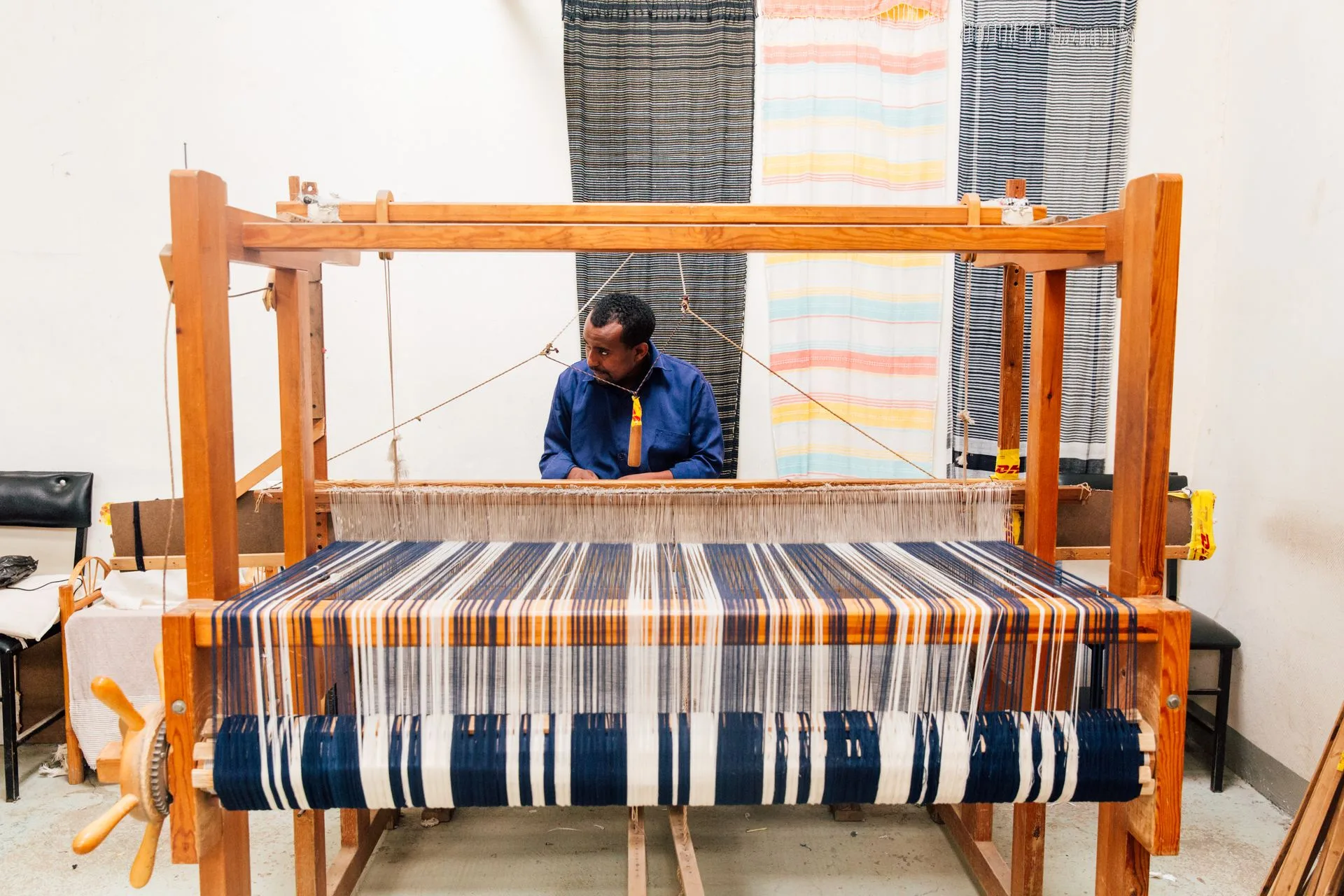
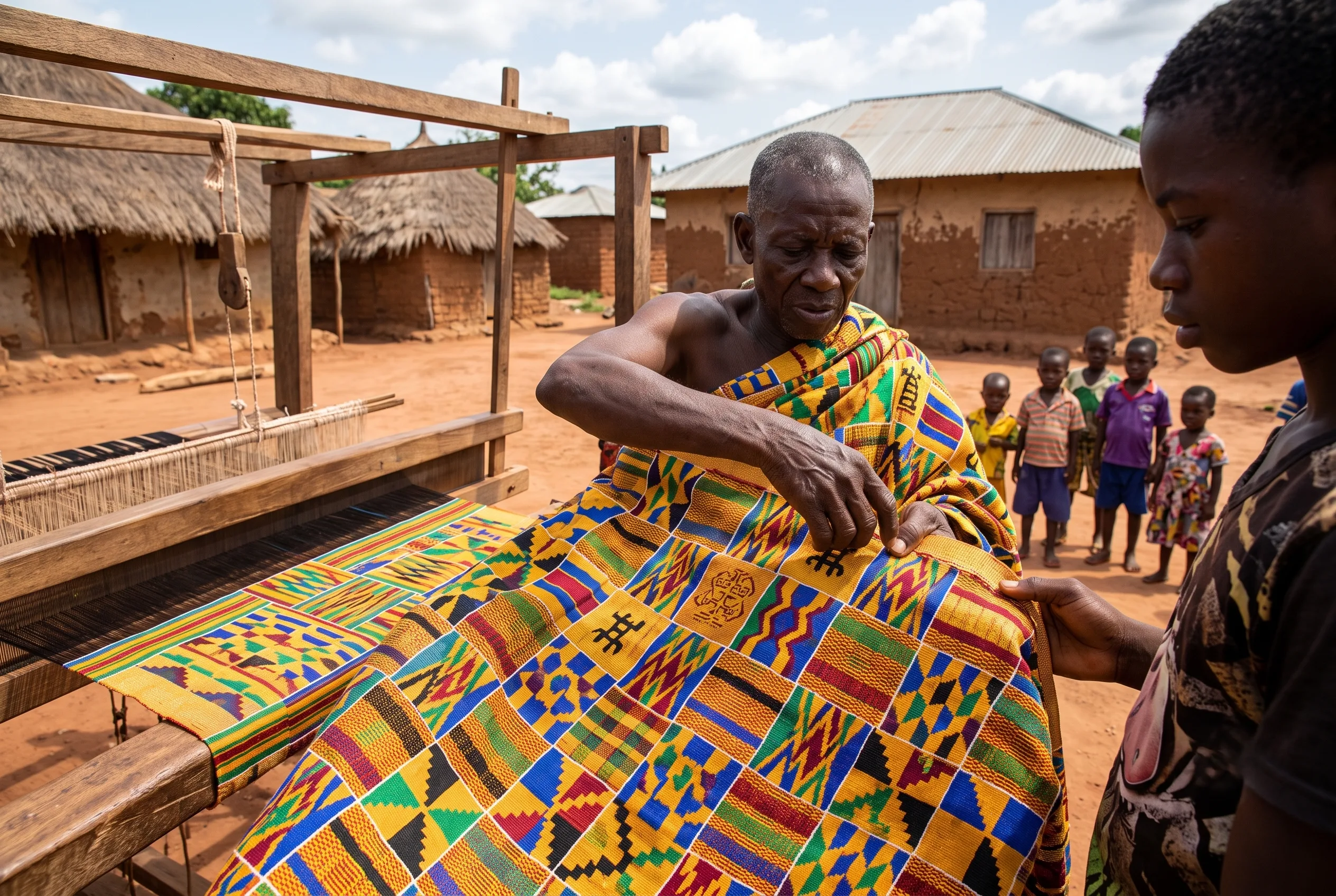
The birthplace of Kente cloth, Bonwire village offers families an intimate look at this iconic Ghanaian textile tradition. Master weavers demonstrate the intricate process of creating Kente on traditional narrow-strip looms, explaining the symbolism of different colors and patterns. Each design carries specific meanings related to Ashanti proverbs, historical events, or philosophical concepts. Children watch in fascination as colored threads transform into vibrant geometric patterns. Families can purchase authentic Kente directly from artisans and learn how this cloth plays important roles in Ghanaian ceremonies and celebrations. The village setting provides insights into rural Ashanti life.
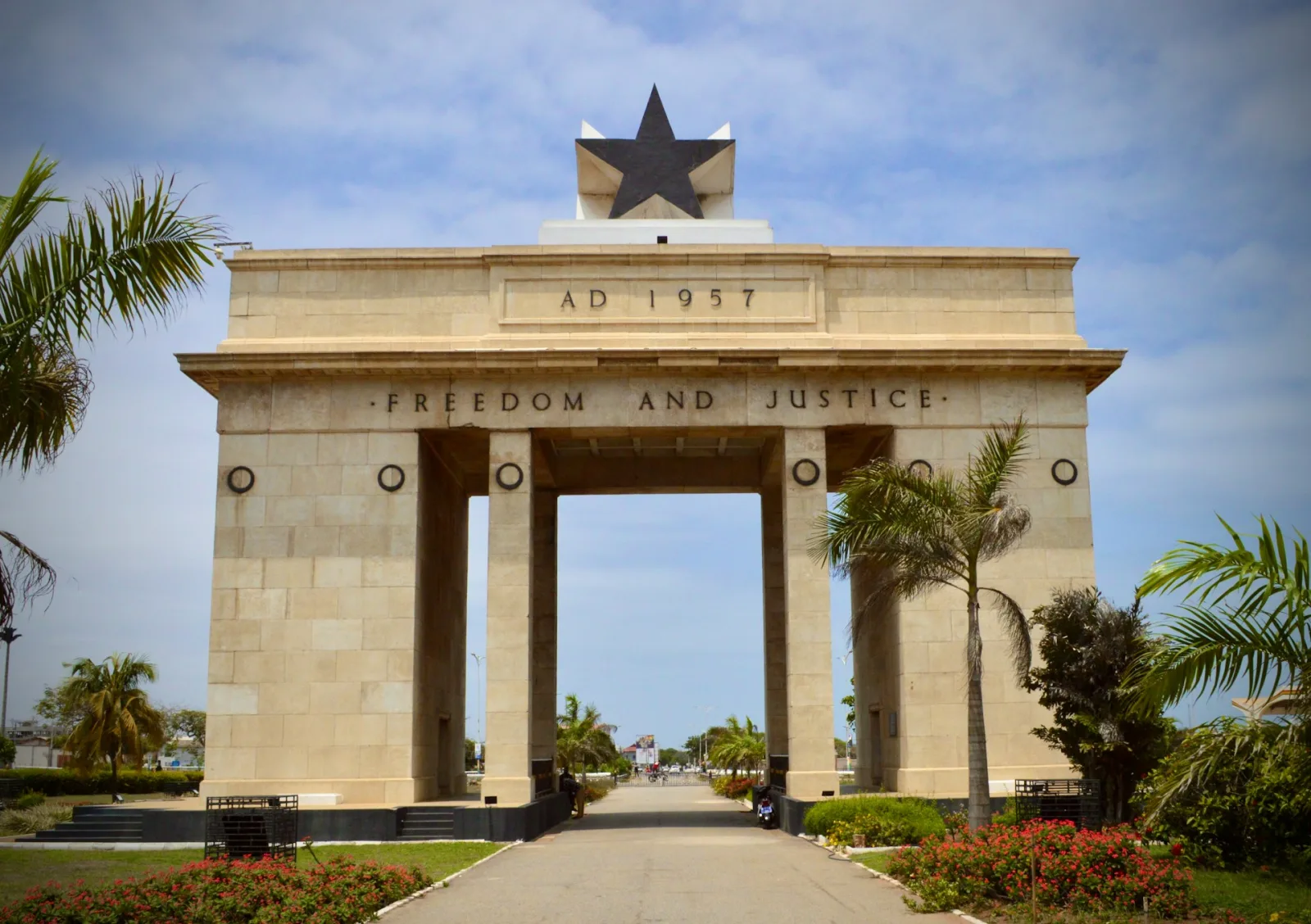
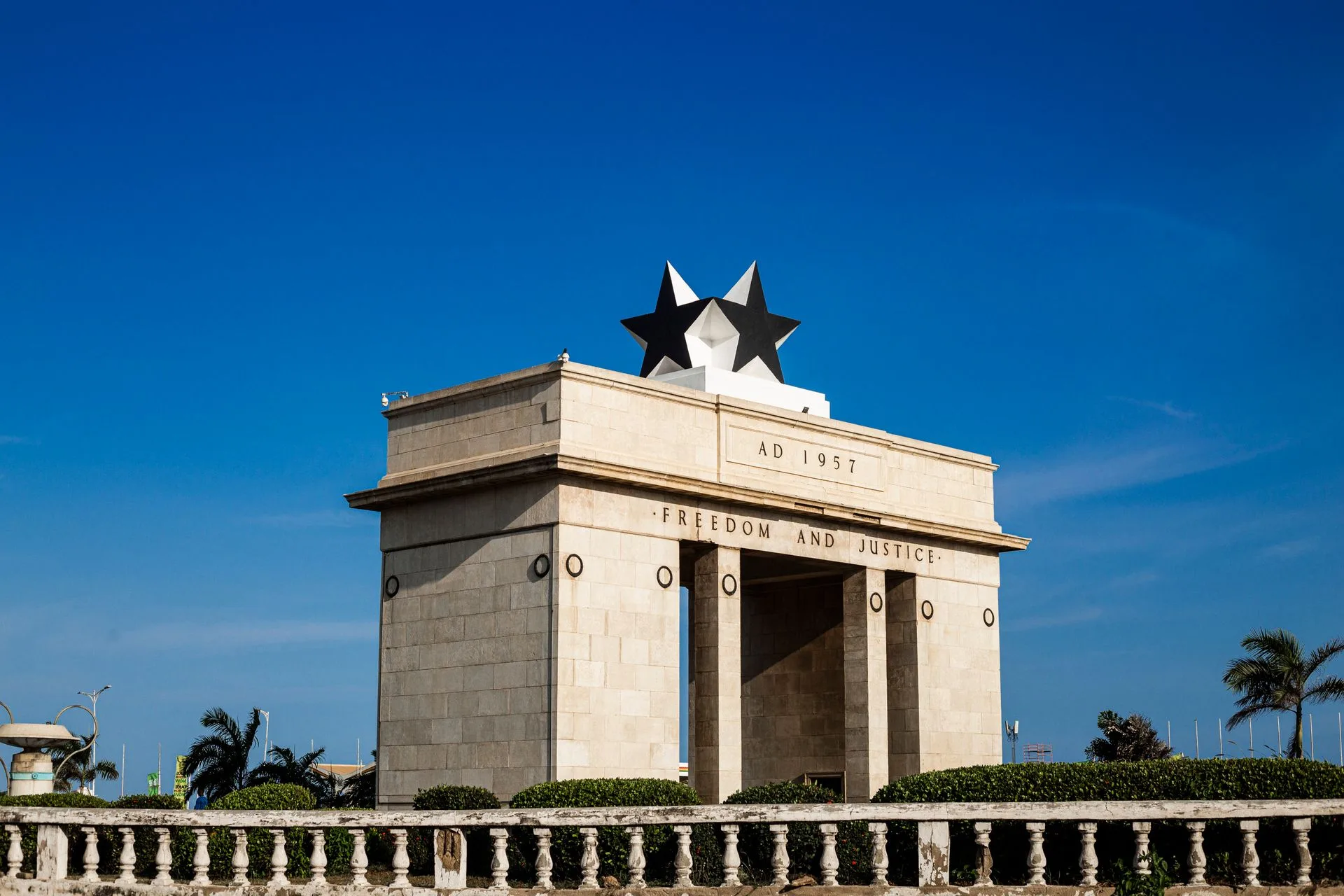
Also known as Black Star Square, this significant landmark in Accra commemorates Ghana's independence from British colonial rule in 1957. The sprawling parade ground hosts national celebrations and can accommodate over 30,000 people. The Independence Arch stands prominently at the entrance, inscribed with the words "Freedom and Justice." Families explore the memorial complex, learning about Ghana's independence movement and its significance as the first sub-Saharan African nation to gain independence. The nearby beaches and coastal promenade provide relaxation opportunities after historical exploration.
Ghana's premier museum in Accra houses extensive collections spanning archaeology, ethnography, and art. Families discover prehistoric tools, traditional musical instruments, ceremonial regalia, and contemporary Ghanaian art. The ethnographic section displays artifacts from Ghana's various ethnic groups, illustrating the country's cultural diversity. Archaeological exhibits showcase ancient pottery, stone tools, and evidence of early human settlement in the region. The museum's educational approach makes complex historical and cultural concepts accessible to children while providing depth for adult learners. Special exhibitions regularly feature contemporary Ghanaian artists.
Accra's bustling Makola Market serves as the commercial heart of the capital city. This multi-story complex and surrounding streets create a maze of vendors selling textiles, electronics, food, and household items. The market's energy and organization reflect Ghanaian entrepreneurship and trading culture. Families experience authentic urban Ghanaian life, observing how residents shop for daily necessities. The nearby Arts Centre offers handicrafts, paintings, and souvenirs in a more tourist-friendly environment. Together, these markets provide comprehensive shopping experiences from everyday goods to unique Ghanaian artworks perfect for family keepsakes.
Your Ghana family adventure begins at Kotoka International Airport in Accra, where your dedicated guide welcomes you with warm Ghanaian hospitality. After a smooth private transfer to your family-friendly hotel in the heart of Accra, take time to settle into your comfortable accommodations and refresh after your journey. The rest of the day is yours to relax and adjust to the tropical climate. In the evening, enjoy a welcome dinner featuring authentic Ghanaian cuisine including jollof rice, grilled tilapia, and plantains. Your guide provides a brief orientation about the exciting week ahead, sharing insights about Ghanaian culture and answering any questions your family may have. Rest well tonight as tomorrow begins your exploration of this fascinating West African nation.
After a hearty breakfast, your family sets out to explore Accra's most significant landmarks. Begin at Independence Square, learning about Ghana's pivotal role in African independence movements and taking family photos under the iconic Independence Arch. Continue to Kwame Nkrumah Memorial Park, where engaging exhibits and the impressive mausoleum teach your family about Ghana's founding father and the nation's journey to freedom. The National Museum of Ghana awaits next, offering fascinating displays of traditional artifacts, archaeological finds, and cultural exhibits that bring Ghanaian history to life for all ages. Break for lunch at a verified family-friendly restaurant serving local specialties. The afternoon brings you to the vibrant Makola Market, where your family experiences the energy of daily Ghanaian commerce, followed by a visit to the Arts Centre for souvenir shopping among colorful handicrafts, paintings, and traditional items. Return to your hotel for relaxation before enjoying dinner and perhaps a stroll along Labadi Beach.
Today's adventure takes your family along Ghana's scenic coastal route toward Cape Coast, approximately three hours from Accra. The journey itself offers glimpses of coastal villages, palm-lined beaches, and everyday Ghanaian life. Upon arrival in Cape Coast, check into your beachfront hotel and enjoy a refreshing break. After lunch, visit the profound Cape Coast Castle, a UNESCO World Heritage Site where knowledgeable guides provide age-appropriate tours through this important historical monument. Your family learns about the castle's complex 400-year history while exploring courtyards, viewing chambers, and museum exhibits. The castle's position offers stunning Atlantic Ocean vistas, perfect for family photographs. The tour concludes with time for reflection in the memorial garden. Evening brings opportunities to walk along Cape Coast's beaches, watch local fishermen bring in their catches, and enjoy fresh seafood dinner at a recommended restaurant. The sound of waves provides a peaceful backdrop for your overnight stay.
An early start brings your family to Kakum National Park for one of Ghana's most thrilling experiences. After a safety briefing, brave the suspended canopy walkway stretching 350 meters through the rainforest treetops, offering unique perspectives of the forest ecosystem and potential wildlife sightings including colorful birds and monkeys. Children and adults alike feel the excitement of walking above the forest canopy while learning about rainforest conservation from expert guides. Following this aerial adventure, take a guided nature walk on ground trails where your family discovers medicinal plants, giant trees, and learns about the park's role in protecting endangered species. Return to Cape Coast for lunch before continuing to Elmina to explore Elmina Castle, the oldest European building in sub-Saharan Africa. This Portuguese fort offers different architectural perspectives and historical narratives that complement yesterday's Cape Coast Castle visit. End the day watching fishermen paint their colorful boats in Elmina's bustling harbor, a scene that has remained unchanged for generations.
After breakfast, your family begins the scenic journey inland to Kumasi, the historical capital of the Ashanti Kingdom and Ghana's second-largest city. The approximately four-hour drive passes through Ghana's lush interior, with stops at roadside fruit stands offering fresh tropical produce. Upon reaching Kumasi, check into your hotel and enjoy lunch before embarking on an afternoon of cultural discovery. Visit the Manhyia Palace Museum, former residence of Ashanti kings, where your family explores royal artifacts, traditional regalia, and learns about the powerful Ashanti Empire that once dominated this region. Children are fascinated by the elaborate gold ornaments and ceremonial swords while guides share engaging stories of Ashanti kings and customs. The museum grounds feature traditional architecture and peaceful gardens perfect for family photos. Evening brings free time to relax at your hotel or take a gentle walk through Kumasi's neighborhoods, experiencing the city's friendly atmosphere. Dinner at your hotel introduces you to Ashanti regional cuisine.
Today reveals the artistic soul of the Ashanti region. Your family travels to Bonwire village, the traditional home of Kente cloth weaving, where master artisans demonstrate their incredible skill on narrow-strip looms. Children watch in wonder as colored threads transform into intricate geometric patterns, each carrying deep cultural significance. Weavers explain the symbolism of different colors and designs, many of which relate to Ashanti proverbs and historical events. Your family has the unique opportunity to purchase authentic Kente directly from the craftspeople who created it. Return to Kumasi for lunch before diving into the sensory experience of Kejetia Market, one of West Africa's largest open-air markets. Your guide navigates your family through organized sections selling everything from fresh produce and spices to traditional textiles and handicrafts. The market provides authentic cultural immersion and excellent shopping opportunities for unique souvenirs. If time permits, visit the Kumasi Cultural Centre to see Ashanti drumming and dancing performances. Conclude your Kumasi stay with a special farewell dinner featuring regional specialties.
Your final day begins with a leisurely breakfast and hotel checkout as your family prepares to leave the Ashanti capital. The return journey to Accra offers one last opportunity to absorb Ghana's beautiful landscapes and perhaps stop for final souvenir purchases at roadside craft markets along the way. Upon reaching Accra with time before your flight, visit any attractions you may have missed or simply enjoy a relaxing lunch at a verified restaurant. Your guide ensures a comfortable, timely private transfer to Kotoka International Airport for your departure flight. As you bid farewell to Ghana, your family carries precious memories of cultural discoveries, historical insights, natural wonders, and the warm hospitality of the Ghanaian people. The experiences shared during this week-long adventure have created bonds and stories that will be treasured for years to come. Safe travels home, and perhaps Ghana will welcome you back someday for new adventures.
The white-washed walls of Cape Coast Castle create stunning contrasts against the deep blue Atlantic Ocean, especially during golden hour. Position your family on the castle's upper ramparts for sweeping coastal panoramas with crashing waves below. The late afternoon light bathes the castle in warm tones, perfect for dramatic family portraits. The castle courtyard offers architectural details including colonial-era cannons and doorways that frame ocean views beautifully. Sunset photographs from the castle walls capture both historical grandeur and natural beauty in single frames.
Best Time: Late afternoon between 4:00 PM and 6:00 PM
Photography Tips: Use the castle's white walls as natural reflectors to illuminate faces. Wide-angle lenses capture both architectural elements and ocean vistas. The contrast between historical stonework and vivid sky creates powerful compositions.
Africa's longest suspended canopy walkway provides unique aerial photography opportunities high above the rainforest floor. Capture your family's adventurous spirit as they navigate the swaying bridges surrounded by lush green canopy extending in all directions. The walkway's rope and plank construction adds textural interest to photos, while dappled sunlight filtering through leaves creates magical lighting effects. Early morning visits offer misty forest atmospheres and better wildlife spotting chances for nature photographs.
Best Time: Early morning between 7:00 AM and 9:00 AM or late morning around 10:00 AM
Photography Tips: Bring wide-angle lenses to capture the walkway's span and forest expanse. Telephoto lenses help photograph birds and monkeys from the platforms. The green canopy provides beautiful natural backgrounds for portraits.
The iconic Independence Arch in Accra stands as Ghana's most recognizable monument and provides powerful symbolic backdrops for family photos. The massive arch inscribed with "Freedom and Justice" creates dramatic framing for group portraits. The surrounding parade ground's open space allows for creative angles and compositions. Early morning or late afternoon light enhances the arch's architectural details and minimizes harsh shadows. This historical landmark photography captures your family's connection to Ghana's independence story.
Best Time: Early morning between 7:00 AM and 9:00 AM or late afternoon between 4:00 PM and 6:00 PM
Photography Tips: Position family members under the arch looking up to emphasize its scale. Wide-angle shots capture both the arch and parade ground expanse. The nearby eternal flame monument provides additional photographic elements.
The vibrant colors and intricate patterns of Kente cloth weaving create extraordinarily photogenic scenes in Bonwire village. Capture master weavers at their traditional looms, their hands expertly manipulating colorful threads into complex geometric designs. The contrast between the artisan's concentrated expressions and the riot of colors in the fabric makes compelling portraits. Hanging Kente cloths provide stunning colorful backgrounds for family photos, while close-up shots reveal the textile's incredible detail and craftsmanship.
Best Time: Mid-morning between 9:00 AM and 11:00 AM when natural light illuminates workshop interiors
Photography Tips: Focus on hands working the loom threads for detail shots. Wide shots show the entire weaving setup and surrounding village context. The colorful Kente patterns photograph beautifully in natural light without flash.
Elmina's working fishing harbor bursts with color, activity, and authenticity perfect for documentary-style family photography. Brilliantly painted wooden fishing boats called pirogues line the shore in rainbow hues of blue, yellow, red, and green. Fishermen mending nets, preparing boats, and hauling catches create dynamic action scenes. The harbor's energy and the castle's historic presence in the background combine cultural elements beautifully. Morning light catches the boats' colors vividly while fishermen return with overnight catches.
Best Time: Early morning between 6:00 AM and 8:00 AM when fishing boats return
Photography Tips: The colorful boats create natural leading lines and patterns. Include fishermen at work for human interest and scale. Wide-angle shots capture the harbor's bustling atmosphere while telephoto lenses isolate individual boat details.
The beautifully maintained gardens surrounding Manhyia Palace Museum offer tranquil settings for family portraits among tropical plants and traditional Ashanti architecture. The former royal residence's colonial-era building provides elegant backgrounds with its white columns and red-tiled roof. Garden pathways lined with flowering plants lead to shaded spots perfect for relaxed family photos. The combination of historical architecture, manicured landscapes, and cultural significance creates meaningful photographic opportunities that capture your Ghana cultural experience.
Best Time: Late morning between 10:00 AM and 12:00 PM for soft overhead light
Photography Tips: The palace's white exterior serves as natural reflector for portrait lighting. Garden greenery provides pleasing backgrounds while architectural elements add structural interest. Traditional Ashanti motifs around the building offer cultural context.
West Africa's largest open-air market creates visual chaos that translates into fascinating photographs when captured from elevated viewpoints. The market's organized chaos features endless rows of colorful stalls selling textiles, produce, crafts, and household items. From higher vantage points, the market's massive scale becomes apparent with thousands of shoppers navigating between vendor stalls. The vibrant colors of displayed goods, traditional clothing worn by market women, and the sheer energy of commercial activity create rich documentary opportunities showcasing authentic Ghanaian daily life.
Best Time: Mid-morning between 9:00 AM and 11:00 AM when market is busiest
Photography Tips: Find elevated positions on surrounding buildings for overview shots. Telephoto lenses compress the market's density and color. Respect vendors by asking permission before close-up photography. The textile section offers especially vibrant colors.
Note: Opening and closing times are subject to change and may vary depending on the day of the week, public holidays, maintenance schedules, or special events. Please verify current timings before your visit.
The optimal time for Ghana family tours runs from November through March during the dry season when the country experiences minimal rainfall, lower humidity, and comfortable temperatures ranging from 25-30°C (77-86°F). This period offers ideal conditions for outdoor activities including canopy walks, castle explorations, and market visits. The harmattan winds from December to February bring cooler, drier air from the Sahara, creating pleasant conditions though sometimes reducing visibility with dust haze. April and May bring heavy rains making some rural areas difficult to access. June through October constitutes the main rainy season with afternoon showers, though morning activities often proceed normally. Cultural festivals occur throughout the year, with major events like Aboakyir Festival and Homowo providing unique cultural experiences. Ghana's coastal regions remain warm year-round, while inland areas like Kumasi experience slightly cooler temperatures at night.
Ghana is widely considered one of West Africa's safest and most stable countries for family travel. The country has a long history of democratic governance, friendly locals known for their hospitality, and well-developed tourism infrastructure in major destinations. Ghanaians are particularly welcoming to families with children, and major tourist areas including Accra, Cape Coast, and Kumasi have excellent security. Standard travel precautions apply such as staying aware of surroundings, keeping valuables secure, and following your guide's advice. The tourism sector is mature and experienced in serving international family visitors safely.
Yellow fever vaccination is mandatory for all travelers entering Ghana, regardless of age, and you must present the international certificate of vaccination upon arrival. The vaccination must be administered at least 10 days before travel to be considered valid. Additionally, medical professionals recommend ensuring routine vaccinations are current including hepatitis A, typhoid, and malaria prophylaxis. Consult your family doctor or travel health clinic at least 6-8 weeks before departure for personalized medical advice based on your family's health history and specific Ghana itinerary. Visit the WHO Ghana country profile for current health recommendations and disease outbreak information.
While Kakum National Park doesn't enforce a strict minimum age requirement for the canopy walkway, children should be at least 5-6 years old and comfortable with heights to fully enjoy the experience. The walkway consists of suspended rope bridges connecting seven treetop platforms at heights up to 40 meters above the forest floor. The bridges sway gently when people walk across, which can be intimidating for very young children or those with fear of heights. Parents must supervise their children closely throughout the walk. Park rangers provide safety briefings before access, and the experience typically takes 45-60 minutes to complete all seven sections.
Yes, vegetarian options are readily available throughout Ghana, especially in tourist areas and hotels catering to international visitors. Traditional Ghanaian cuisine includes many naturally vegetarian dishes such as red-red (black-eyed pea stew with fried plantains), jollof rice, kelewele (spiced fried plantains), groundnut soup with vegetables, and fufu with various vegetable-based soups. Hotels and restaurants in Accra, Cape Coast, and Kumasi understand dietary requirements and can prepare vegetarian meals upon request. When dining at local restaurants or markets, clearly communicate your dietary preferences to ensure dishes are prepared without meat or fish stock. Your tour guide can help identify suitable dining options and communicate your family's dietary needs.
Ghana's official currency is the Ghanaian cedi (GHS), and while major hotels and some upscale restaurants accept credit cards, cash is essential for markets, smaller establishments, and tips. Bring US dollars or euros in good condition (newer bills are preferred), which can be exchanged at banks, official foreign exchange bureaus at the airport, and authorized dealers in major cities. ATMs are available in Accra, Cape Coast, and Kumasi, accepting international cards from major networks, though notify your bank of your Ghana travel dates to prevent card blocks. Exchange rates at banks and official bureaus are fair and transparent. Avoid exchanging money with unauthorized street vendors. Keep small denominations for daily purchases, tips, and market shopping where vendors may lack change for large bills.
Our Ghana family tour packages represent years of experience crafting safe, educational, and engaging West African adventures for families. We understand that traveling to Ghana with children requires careful planning, which is why every aspect of this tour has been designed with family needs in mind. Our partnerships with family-friendly hotels ensure comfortable accommodations with amenities suitable for all ages. Our experienced guides are not only knowledgeable about Ghanaian history and culture but also skilled at engaging children through storytelling and interactive experiences.
Safety remains our paramount concern. We use only verified, well-maintained vehicles with professional drivers who understand Ghana's road conditions. Our guides maintain constant communication with our operations team, and we have established protocols for any situation that might arise. All activities included in this tour have been personally vetted for family safety and appropriateness. We provide comprehensive pre-departure information including packing lists, health recommendations, and cultural preparation materials to ensure your family feels prepared and confident.
The educational value of this tour extends beyond typical sightseeing. Your family gains deep insights into African history, traditional crafts, wildlife conservation, and contemporary Ghanaian life. These experiences foster cultural understanding, broaden perspectives, and create learning opportunities that extend far beyond the classroom. The memories created during this week together - whether walking through rainforest canopies, exploring historic castles, or witnessing traditional craft demonstrations - become treasured family stories shared for generations.
Our commitment to responsible tourism means your visit positively impacts Ghana's communities. We partner with local guides, artisans, and family-run businesses, ensuring tourism benefits reach the people who share their country with you. By choosing our Ghana family tour, you support sustainable tourism practices that preserve Ghana's cultural heritage and natural environments for future generations to discover and appreciate.
 Africa
 Africa
 Americas
 Europe
 Europe
 Europe
 Asia
Asia
 Europe
 Europe
Ready to explore the warm hospitality, rich culture, and stunning landscapes of Ghana with your family? Our 7-day Ghana family tour package offers the perfect blend of historical education, cultural immersion, and natural wonder.
Fill out the form below and our Ghana travel specialists will contact you within 24 hours to discuss your family's preferences, answer questions, and customize your perfect West African adventure. Let us handle the details while you focus on creating unforgettable memories with your loved ones.