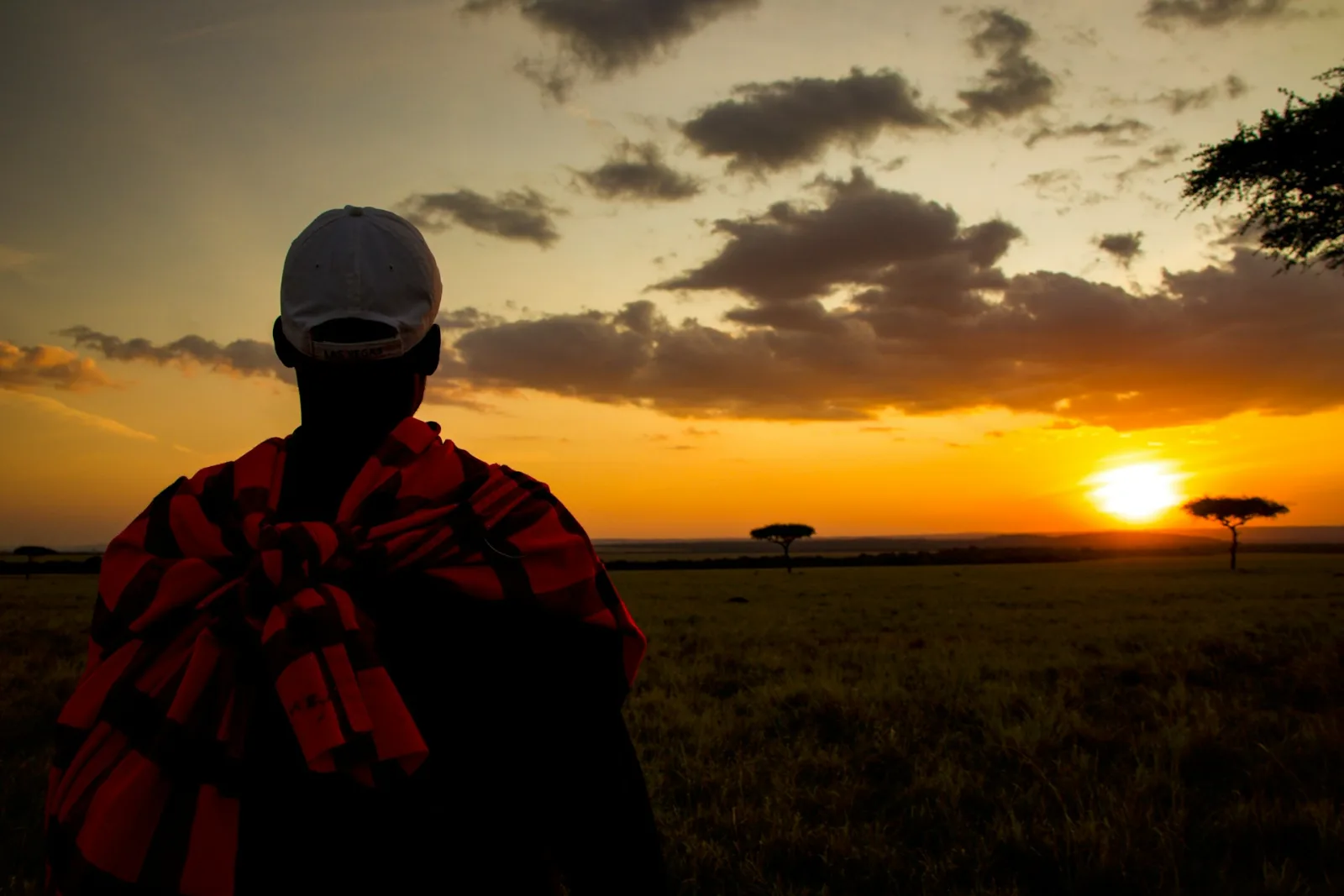
Wildebeest crossing the Mara River during the Great Migration in Kenya

Best Time to Visit Kenya
Month-by-Month Safari Guide

Expert timing guide for Indian travelers planning a Kenya safari. Discover the best months for the Great Migration, calving season, and budget-friendly green seasons.

Updated for 2026 Travelers
Written by Vishal Narayan — Africa Travel Specialist
Reviewed by Veena Rathore · Africa Travel Reviewer
Last updated after reviewing:
  • Great Migration river crossing windows (typically July–October 2026)
  • Kenya Wildlife Service (KWS) green season discount adjustments
  • Long rain (April–May) lodge closure schedules in Maasai Mara

Last updated: April 2026

The Great Migration Window
Timing your Kenya safari to witness the world's most spectacular wildlife event.

Pro Tip: The Great Migration is a natural, continuous cycle. While July to October offers the highest probability of dramatic Mara River crossings, wildlife viewing in the Maasai Mara is exceptional year-round.

Peak Migration (July – October)

  • What to expect: Millions of wildebeest and zebra arrive in the Maasai Mara from the Serengeti.
  • Highlight: Dramatic, crocodile-infested river crossings at the Mara and Talek rivers.
  • Weather: Dry, sunny days with cool mornings (10–12°C). Perfect for game drives.
  • Trade-off: This is peak tourist season. Lodge rates are at their highest, and parks can feel busy. Book 6–8 months in advance.
Calving Season (January – February)

  • What to expect: The herds are in the southern Serengeti and southern Maasai Mara.
  • Highlight: Hundreds of calves are born daily, attracting high concentrations of lions, cheetahs, and hyenas.
  • Weather: Hot and dry. Excellent visibility across the open plains of Amboseli and the Mara.
  • Trade-off: Fewer river crossings, but predator action is arguably at its most intense and reliable.

Planning your route around the migration? Check our detailed Kenya Safari Itinerary Guide for day-by-day routing.

Kenya Safari Seasons: Month-by-Month
Understanding Kenya's two dry seasons and two rainy seasons to optimize your budget and experience.
Season Months Wildlife Viewing Lodge Pricing Best For
Peak DryJul – OctExcellent (Migration)Highest (+40-60%)First-time safari goers, Migration
Short DryJan – FebExcellent (Calving)HighPredator action, clear skies
ShoulderMar, Jun, NovVery GoodModerateBalanced weather and value
Green SeasonApr – MayGood (Lush scenery)Lowest (-30-50%)Budget travelers, bird watching
Short RainsNov – Early DecGoodLow to ModeratePhotographers, fewer crowds
Peak Dry (Jul–Oct)
CostHighest
Best ForMigration
Green Season (Apr–May)
CostLowest
Best ForBudget / Birds

For a complete financial breakdown of how these seasons impact your wallet, refer to our Kenya Trip Cost from India guide.

Regional Weather Variations
Kenya is not a single climate zone. Your packing and expectations should change based on your specific destinations.

Nairobi & Highlands

  • Climate: Temperate year-round due to high altitude (1,795m).
  • Temperatures: 10°C to 25°C. Evenings can be surprisingly chilly.
  • Packing: Light layers, a warm fleece or jacket for evenings, and a light rain jacket.

Maasai Mara & Rift Valley

  • Climate: Warm days, cool nights. Open savanna with little shade.
  • Temperatures: 12°C (early morning) to 28°C (midday).
  • Packing: Neutral-colored clothing, wide-brimmed hat, sunglasses, and a warm layer for dawn game drives.

Coast (Mombasa & Diani)

  • Climate: Tropical, hot, and humid year-round.
  • Temperatures: 24°C to 32°C with high humidity and sea breezes.
  • Packing: Light, breathable cotton/linen, swimwear, and high-SPF sunscreen. Modest clothing is required when visiting local coastal towns.
Optimizing for Indian Holiday Windows
How to align your Kenya safari with major Indian school and corporate holidays.

Summer Holidays (May – June)

This is a popular window for Indian families. May marks the beginning of the long rains tapering off, while June ushers in the dry season. The Mara is greening up, and the early migration herds begin to arrive. It is a sweet spot for balancing good weather with pre-peak pricing.

Diwali / Autumn (October – November)

October is arguably the single best month for a Kenya safari. The weather is pleasant, the migration herds are still present in the Mara, and the crowds from the July-September peak have dissipated. November transitions into the short rains, offering lush landscapes and significant lodge discounts.

Winter Break (Late December – January)

Aligns perfectly with Indian school winter holidays. The weather is warm and dry. While the main migration herds are in Tanzania, the Maasai Mara still offers incredible resident wildlife, and Amboseli is spectacular. Expect festive season premium pricing; book 5–6 months ahead.

Ready to lock in your dates? Get a customized quote for your preferred season from our Kenya safari experts.

Frequently Asked Questions — Kenya Timing & Weather
Quick, honest answers to the most common Kenya timing questions from Indian travellers
1What is the absolute best month to see the Great Migration in Kenya?
August and September are the most reliable months to witness the Great Migration river crossings in the Maasai Mara. The herds are typically concentrated in the northern sector of the reserve during this window, offering the highest probability of dramatic crossings.
2Is it worth visiting Kenya during the rainy season?
Yes, the "green season" (November to mid-December) offers lush landscapes, fewer crowds, and significantly lower lodge rates. However, the long rains (April to May) are best avoided, as some camps close and dirt roads in the parks can become muddy and impassable.
3When is the best time for Indian families to visit Kenya?
Late December to January aligns perfectly with Indian school winter holidays. The weather is warm, the skies are clear, and it is the calving season in the broader Mara-Serengeti ecosystem, offering excellent predator action. October is also an excellent, slightly less crowded alternative for the Diwali break.
4How does the season affect Kenya safari costs for Indians?
Safari costs fluctuate dramatically by season. Peak season (July–October) sees the highest flight and lodge prices. The green season (April–June, November) can reduce on-ground lodge and 4x4 costs by 30–50%, as detailed in our Kenya trip cost guide.

Note: The Great Migration is a natural, continuous cycle driven by rainfall patterns. Exact timing of river crossings can vary by a few weeks each year. Always verify current park conditions and lodge availability with your tour operator before finalizing your travel dates.

About This Kenya Timing Guide

This Kenya best time to visit guide provides accurate, month-by-month insights for Indian travelers planning a safari in 2026. Researched, regularly updated, and trusted by group tour planners and independent travelers.

Expert Curated Content

Every seasonal estimate — from Great Migration windows to green season lodge closures — is verified by travel professionals with extensive East African logistics experience.

Regularly Updated Information

Kenya weather patterns, KWS seasonal pricing adjustments, and migration tracking data are reviewed and refreshed quarterly to reflect current 2026 conditions.

Trusted by Indian Travelers

Used by group tour organizers, corporate travel planners, and independent travelers from India researching optimal Kenya safari timing and holiday alignments.

Complete Kenya Resource

One guide covering migration windows, regional weather, budget season advantages, and Indian holiday alignments — all with India-specific context and 2026 accuracy.

More Travel Guides

Explore Other Destinations

Get a Customized Kenya Safari Quote

Fill out the enquiry form below and our travel experts will help you plan your Kenya safari around the best seasonal windows — including flights, eTA, and lodge stays.

Get assistance with timing your trip for the Great Migration, green season discounts, or Indian school holiday alignments.

Enquire About This Package