White Desert National Park camping regulations and permit requirements for 2026
Siwa Oasis new eco-lodge developments and accessibility upgrades for Indian tourists
Updated 4x4 desert safari safety protocols and guide certification standards in Egypt
Fact-checked April 2026
Beyond the Pyramids: The Magic of Egypt's Western Desert
Why a desert safari is a must-do adventure for Indian travelers seeking unique landscapes.
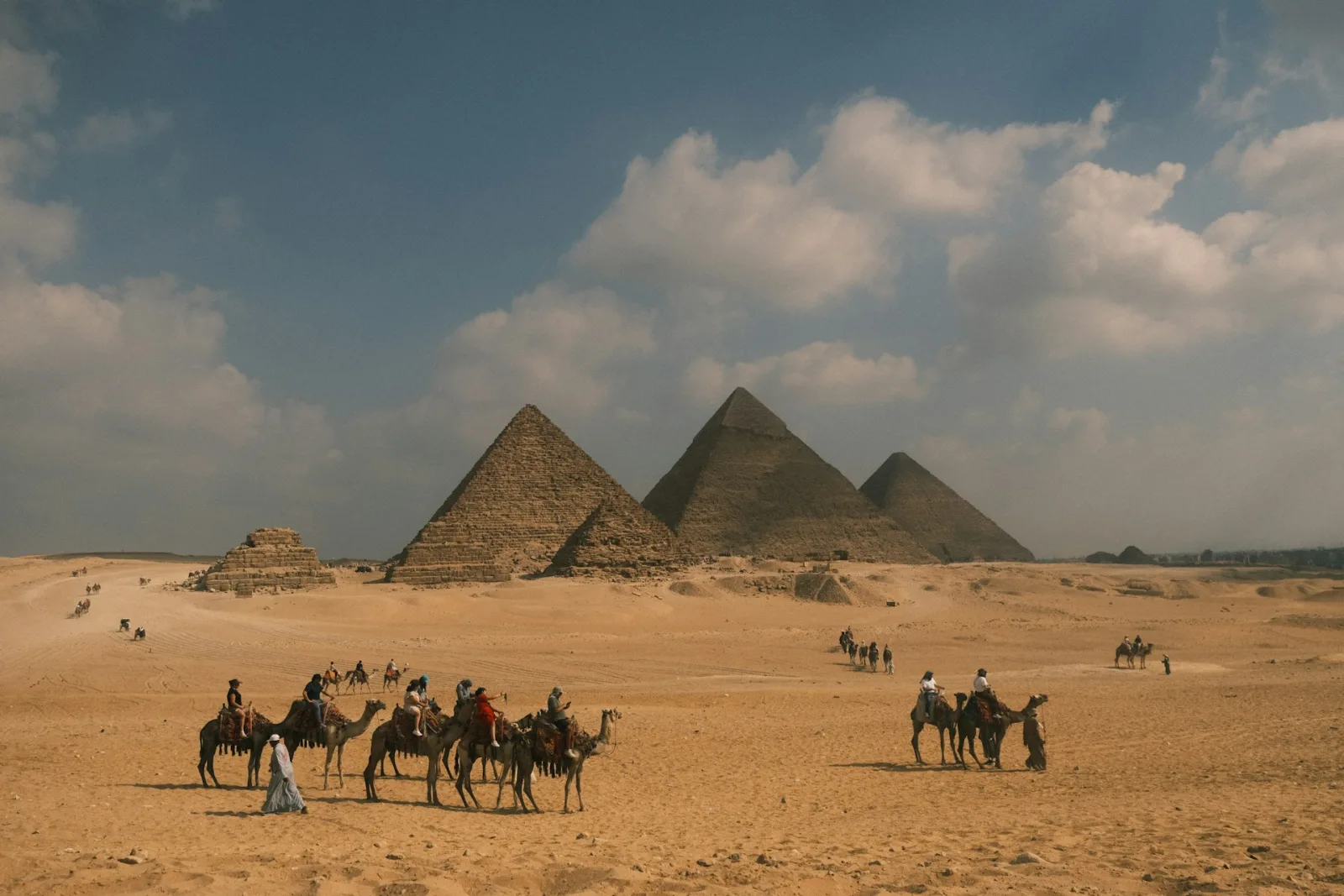
While the Pyramids and Nile temples define Egypt's historical appeal, the Western Desert offers an entirely different, otherworldly experience. For Indian travelers accustomed to the Thar Desert or Himalayan landscapes, Egypt's White Desert—with its surreal, wind-sculpted chalk formations resembling mushrooms and icebergs—is a breathtaking revelation.
This specialized guide focuses on planning a safe, comfortable, and unforgettable desert safari, covering the White Desert, Black Desert, and the remote Siwa Oasis. For a broader look at your overall Egyptian adventure, refer to our comprehensive Egypt Travel Guide. If you are calculating the cost of this add-on adventure, check our Egypt trip cost from India breakdown.
Top Desert Safari Destinations in Egypt
From chalk-white wonderlands to volcanic plains and remote oasis towns.
The White Desert (Sahara el Beyda)
Located near the town of Farafra, this national park is famous for its surreal, wind-eroded chalk rock formations that glow brilliantly under the full moon. It is the highlight of any Egyptian desert safari and offers unparalleled stargazing and camping experiences.
The Black Desert (Sahara el Sawda)
On the route to the White Desert, you will pass through this starkly contrasting landscape covered in dark volcanic dolerite rocks and black sand. It is a short but highly photogenic stop, often used as a lunch or tea break point during 4x4 excursions.
Siwa Oasis
A remote, culturally distinct town near the Libyan border, famous for its ancient Oracle Temple of Amun, the ruined Shali Fortress, and natural saltwater springs like Cleopatra's Bath. It offers a slow-paced, authentic Bedouin cultural experience.
Sample 3-Day Desert Safari Itinerary
A classic route starting from Cairo or Bahariya Oasis, covering the highlights of the Western Desert.
Day 1: Cairo to Bahariya & Black Desert
Morning: Pick up from Cairo in a 4x4 vehicle (approx. 4-hour drive to Bahariya Oasis).
Afternoon: Visit the Valley of the Golden Mummies and the English Mountain viewpoint in Bahariya.
Late Afternoon: Drive into the Black Desert for sunset photos and a traditional Bedouin tea ceremony.
Evening: Arrive at the White Desert camp. Enjoy a hearty dinner under the stars.
Day 2: White Desert Exploration & Siwa
Morning: Wake up for sunrise over the chalk formations. Explore Crystal Mountain and the "Chicken and the Tree" rock formations.
Afternoon: Begin the long drive (approx. 5-6 hours) across the desert to the remote Siwa Oasis.
Evening: Check into an eco-lodge in Siwa. Enjoy a relaxing evening and traditional Siwan dinner.
Day 3: Siwa Highlights & Return
Morning: Visit the ancient Oracle Temple of Amun and explore the mud-brick ruins of the Shali Fortress.
Afternoon: Relax and swim in the natural, warm saltwater pools of Cleopatra's Bath (Bir Waheed).
Late Afternoon: Begin the return journey to Cairo or your next destination (approx. 7-8 hours).
Essential Packing List for the Desert
The desert environment is extreme. Proper preparation is key to comfort and safety.
Clothing Layers: Days are hot, but desert nights can drop to 5°C (41°F) or lower. Pack a windproof jacket, fleece, thermal innerwear, and a warm hat for sleeping.
Footwear: Sturdy, closed-toe walking shoes or hiking boots are essential. Sand gets into everything, and the terrain can be rocky and uneven.
Sun & Dust Protection: High-SPF sunscreen, UV-blocking sunglasses, a wide-brimmed hat, and a lightweight scarf (shemagh) to cover your face during dusty winds.
Health & Hygiene: Bring at least 3 liters of water per person per day, Oral Rehydration Salts (ORS), motion sickness medication (for bumpy 4x4 rides), hand sanitizer, wet wipes, and toilet paper.
Tech & Power: A high-capacity power bank (camps rarely have charging points), headlamp or flashlight with extra batteries, and a camera with a dust-proof cover.
Safety Tips for Indian Travelers in the Desert
How to ensure a secure and enjoyable adventure in Egypt's remote landscapes.
Book Licensed Operators Only
Never attempt a DIY desert trip. Always book with a licensed, highly-reviewed tour operator that provides well-maintained 4x4 vehicles, experienced Bedouin guides, satellite phones, and proper camping equipment. Your operator will also handle the mandatory national park permits.
Communicate Dietary Needs Early
While desert camps can accommodate vegetarian diets (rice, pasta, lentils, eggs), the variety is limited. Inform your tour operator of any vegetarian, vegan, or Jain requirements at the time of booking, and bring your own Indian snacks (biscuits, namkeen) for comfort.
Frequently Asked Questions — Egypt Desert Safaris
Quick answers to common queries from Indian travelers planning a desert adventure.
1Is the White Desert safe for Indian tourists?
Yes, the White Desert is very safe for Indian tourists when visited with a licensed, reputable tour operator. The Egyptian tourism police monitor major desert routes, and professional guides ensure camp safety and provide all necessary equipment.
2How many days do I need for a White Desert and Siwa Oasis trip?
A minimum of 3 to 4 days is recommended. This allows for a 1-night camping trip in the White and Black Deserts, followed by 2 days exploring the Siwa Oasis, Cleopatra's Bath, and the Shali Fortress.
3Can Indian vegetarians find food on a desert safari?
Yes, but you must inform your tour operator in advance. Most desert safari companies can prepare vegetarian meals (rice, lentils, pasta, fresh vegetables, and eggs). However, options will be simpler than in city restaurants, so bringing your own Indian snacks is highly recommended.
4What is the best time of year for an Egypt desert safari?
The best time is between October and April. Summer months (May to September) are dangerously hot in the Western Desert, with daytime temperatures exceeding 40°C (104°F), making camping uncomfortable and potentially hazardous.
5Do I need a special permit to camp in the White Desert?
Yes, camping in the White Desert National Park requires a permit. Reputable tour operators handle this process for you, including the park entry fees and camping permits, so you do not need to arrange this independently.
Ready to experience the magic of the Egyptian desert? Let our experts arrange a safe, comfortable, and fully guided desert safari tailored to your preferences.
Note: Desert weather is unpredictable. Sandstorms can occasionally alter itineraries or cause road closures. Always maintain flexibility in your schedule and follow your guide's instructions without exception for your own safety.