Central Bank of Egypt official exchange rates and USD acceptance policies for tourists (2026)
Updated ATM withdrawal limits and international card acceptance for Indian Visa/Mastercard holders
Current baksheesh (tipping) norms and expected amounts for Indian travelers in Egypt
Fact-checked April 2026
Managing Money in Egypt: A Guide for Indians
How to navigate currency exchange, payments, and tipping without stress or hidden fees.
Understanding how money works in Egypt is crucial for a hassle-free trip. Unlike some destinations where digital payments dominate, Egypt remains a heavily cash-driven society, especially for small vendors, markets, and tipping. For Indian travelers, the key to financial smoothness lies in carrying the right currency, knowing where to exchange it, and understanding the local tipping culture.
This specialized guide breaks down everything you need to know about managing your finances in Egypt. For a broader look at your overall budget, refer to our detailed Egypt trip cost from India breakdown. For general travel hacks, also review our Egypt travel tips for Indians.
Egypt Currency Basics for Indian Travelers
What you need to know about the Egyptian Pound (EGP) and the USD advantage.
The Egyptian Pound (EGP)
The official currency is the Egyptian Pound (EGP or LE). It is subdivided into 100 piastres, though piastre coins are rarely used today due to inflation. Common banknotes include 10, 20, 50, 100, and 200 EGP. Crucial: The Indian Rupee (INR) is not accepted anywhere in Egypt, and UPI does not work. You must rely on USD, EGP, or international cards.
The USD Advantage
The single most important money tip for Indians visiting Egypt is to carry crisp, new USD bills. Egyptian banks and official exchange offices offer the absolute best EGP exchange rates for pristine, unmarked USD bills (series 2013 or newer). Old, torn, or marked USD bills may be rejected or exchanged at a significantly lower rate.
Best Methods to Exchange Money in Egypt
Where to get the best rates safely and legally.
Airport Bank Counters (Recommended): Upon arrival at Cairo International Airport (Terminals 2 or 3), use official bank exchange counters (like CIB, NBE, or NBAD) before clearing customs. They offer highly competitive, official rates and are the safest way to get your initial EGP for taxis and tips.
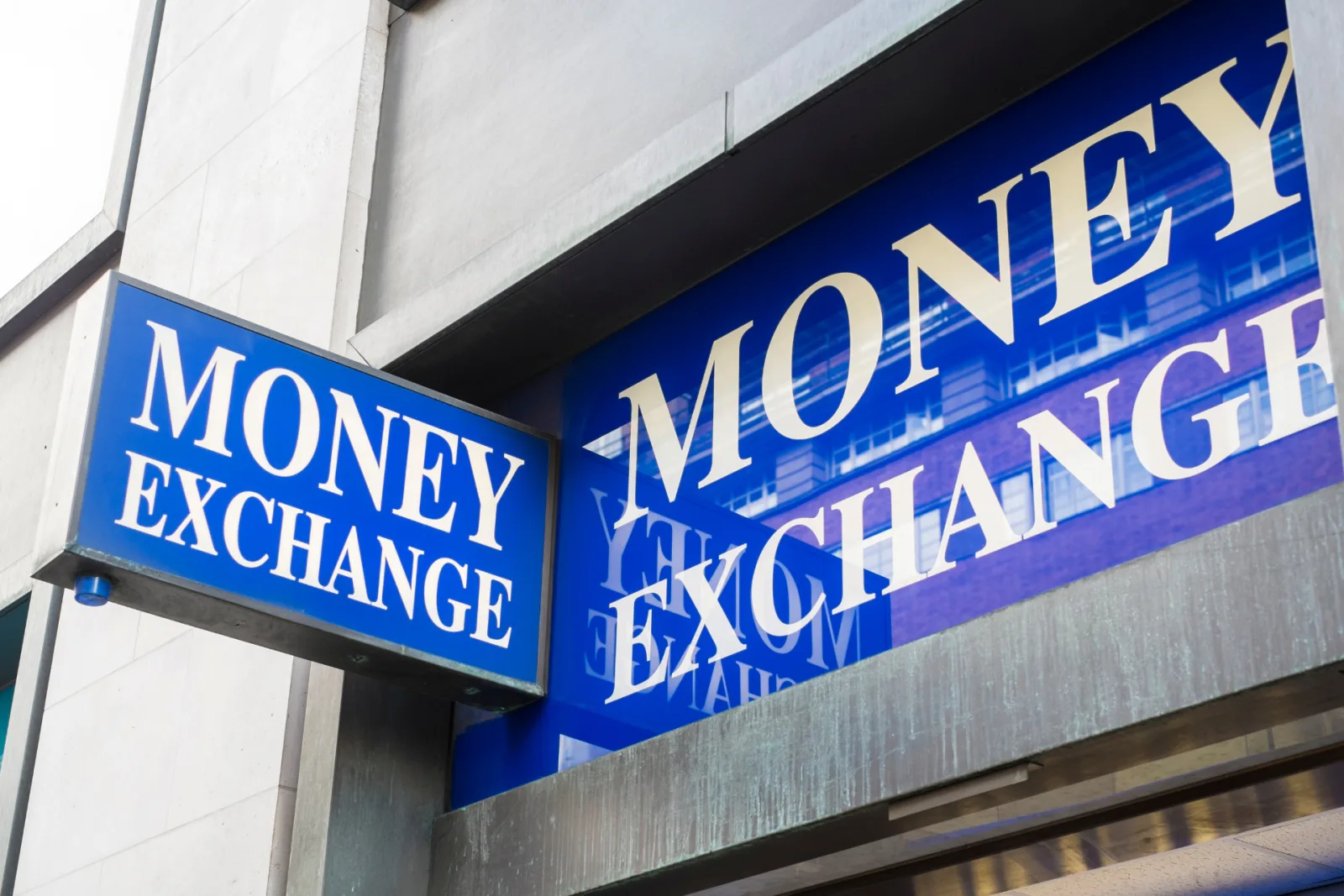
Casas de Cambio (City Exchange Offices): Licensed exchange offices in major cities (Cairo, Luxor, Hurghada) offer rates very similar to airport banks. They are widespread, safe, and often have shorter queues than major bank branches.
Avoid Unofficial Exchangers: Never exchange money with individuals on the street or unlicensed shops. The rates may seem attractive, but the risk of receiving counterfeit currency or being scammed is extremely high.
Using Indian Debit/Credit Cards & ATMs in Egypt
How to access your funds digitally without getting your card blocked.
Card Acceptance
Visa and Mastercard are widely accepted in 4- and 5-star hotels, upscale restaurants, large shopping malls, and major tour operators in Cairo, Luxor, and Hurghada. American Express and Diners Club have very limited acceptance. Always carry cash as a backup, as card machines frequently go offline or lack connectivity in smaller shops.
ATM Withdrawals
ATMs belonging to major banks like CIB (Commercial International Bank), NBE (National Bank of Egypt), and QNB accept international Visa and Mastercard debit/credit cards. Critical Step: You must inform your Indian bank about your travel dates and destination via their mobile app or customer care before you fly. Otherwise, your first overseas transaction will likely be flagged as fraudulent and your card will be blocked.
The Baksheesh (Tipping) Culture in Egypt
How much to tip, who to tip, and how to do it gracefully.
Baksheesh is not just a gratuity; it is a deeply ingrained cultural expectation in Egypt for small services. Being prepared prevents awkward situations and ensures smooth interactions.
Restaurants: A 10–12% service charge is often included in the bill at mid-to-high-end restaurants. If not, leaving 10% in cash is standard practice.
Restroom Attendants: Always keep 10–20 EGP notes handy. Attendants at public toilets, museums, and petrol stations expect a small tip for providing tissue and maintaining cleanliness.
Porters & Drivers: 20–30 EGP per bag for hotel porters. For private drivers or tour guides, 100–200 EGP per day is a generous and appreciated gesture.
The "Helpful" Local: Be wary of unsolicited help (e.g., someone offering to "hold" your bags at the train station). They will inevitably demand Baksheesh. A firm "La, shukran" (No, thank you) and walking away is your best defense. For more on handling such situations, see our Egypt Safety Guide.
Quick answers to common financial queries from Indian travelers.
1Can I use Indian Rupee or UPI in Egypt?
No. The Indian Rupee (INR) is not accepted, and UPI does not work in Egypt. You must carry USD cash to exchange for Egyptian Pounds (EGP) or use international Visa/Mastercard debit or credit cards.
2Is it better to exchange money at Cairo Airport or in the city?
Exchanging a small amount at official bank counters in Cairo Airport (Terminal 2 or 3) is highly recommended for immediate expenses like taxis and tips. Official city exchange offices (Casas de Cambio) offer similar, competitive rates. Avoid unofficial street exchangers.
3Do ATMs in Egypt accept Indian debit/credit cards?
Yes, most ATMs in Egypt (especially those belonging to CIB, NBE, or QNB) accept international Visa and Mastercard debit/credit cards. However, always inform your Indian bank about your travel dates to prevent your card from being blocked for suspicious overseas activity.
4How much USD cash should I carry to Egypt from India?
It is highly recommended to carry at least $300–$500 in crisp, new USD bills per person. This covers initial expenses, tipping, and places that only accept cash. The rest can be managed via international cards or ATM withdrawals.
5What is the tipping (baksheesh) culture in Egypt for Indians?
Tipping (baksheesh) is deeply ingrained. Budget an extra $20–$30 in small USD bills or keep small EGP notes (10, 20, 50) for restroom attendants, hotel porters, and drivers. A 10-12% tip is customary in restaurants if a service charge is not already included in the bill.
Want a hassle-free Egypt trip where financial logistics are handled for you? Our packages include transparent pricing and on-ground support.
Note: Currency exchange rates fluctuate daily. The Egyptian government strictly regulates foreign exchange. Always request a receipt when exchanging large amounts of money, and count your EGP before leaving the bank counter.