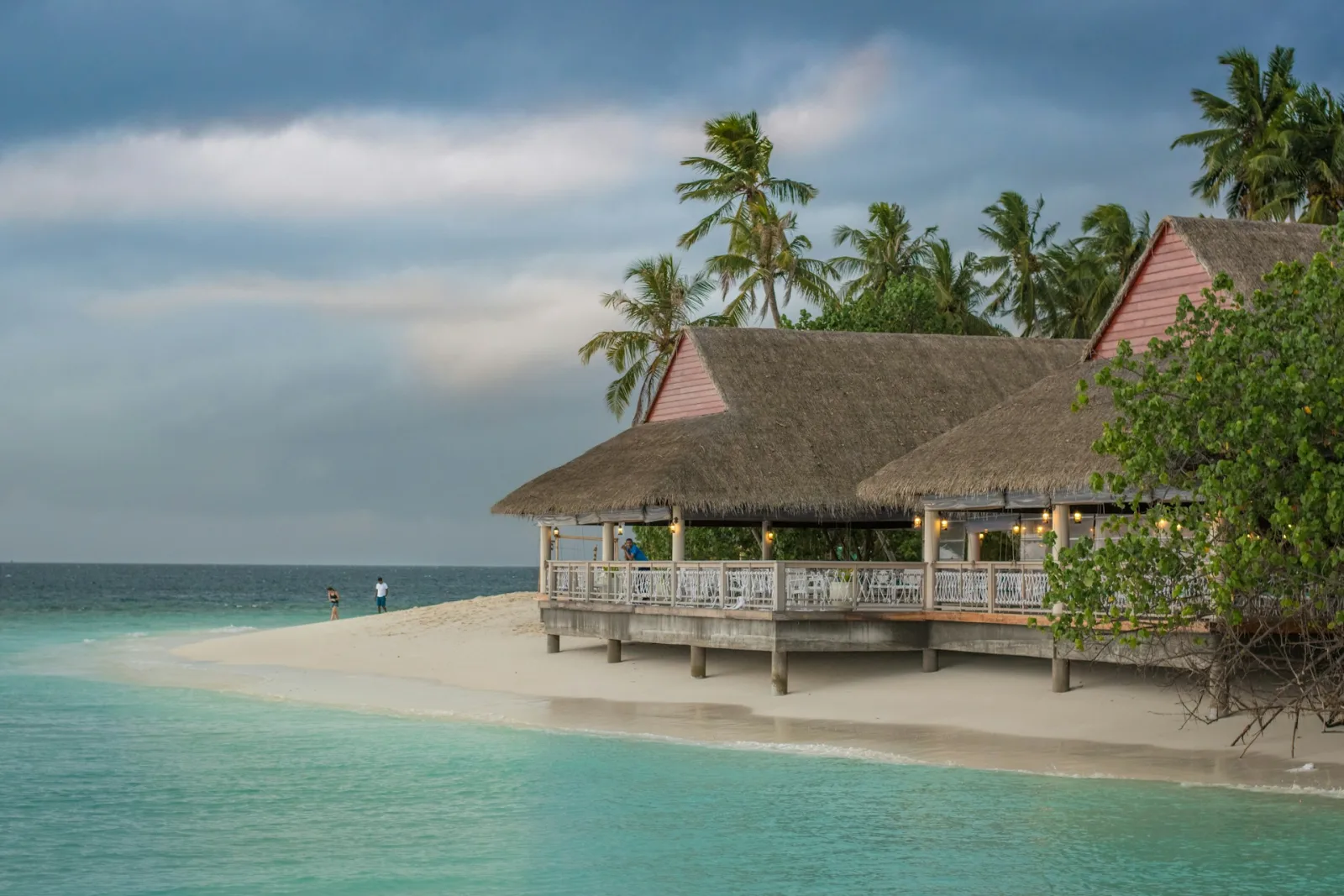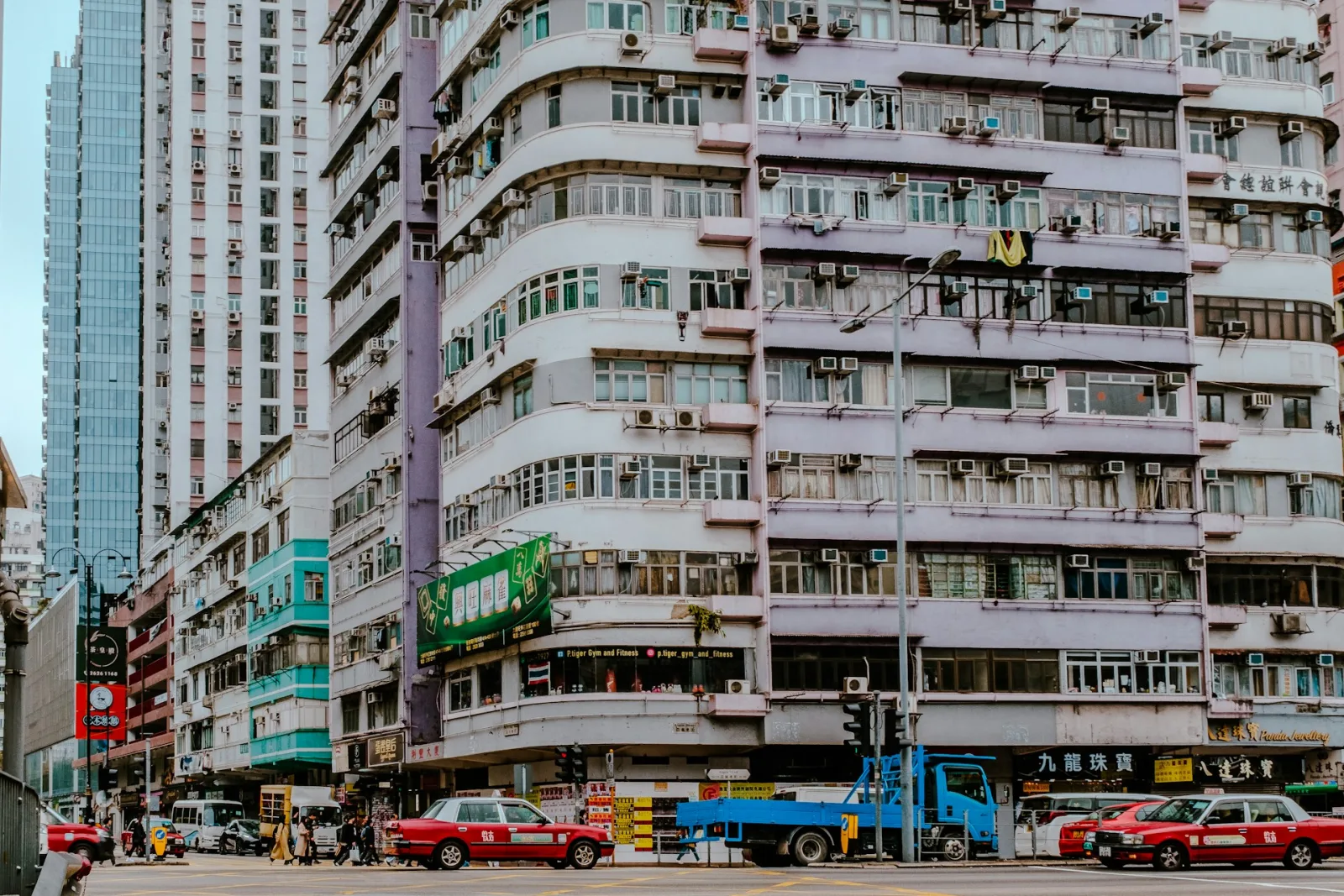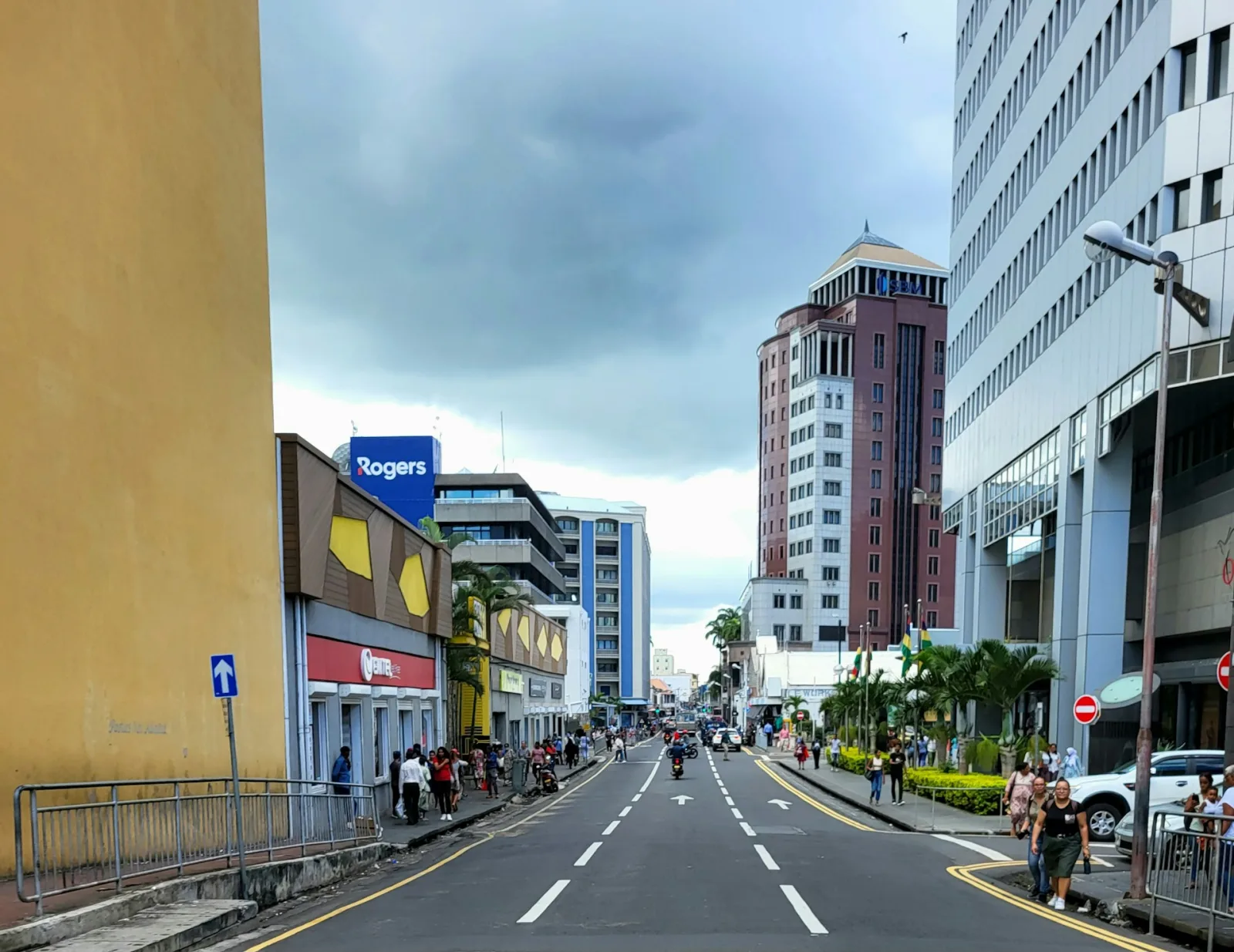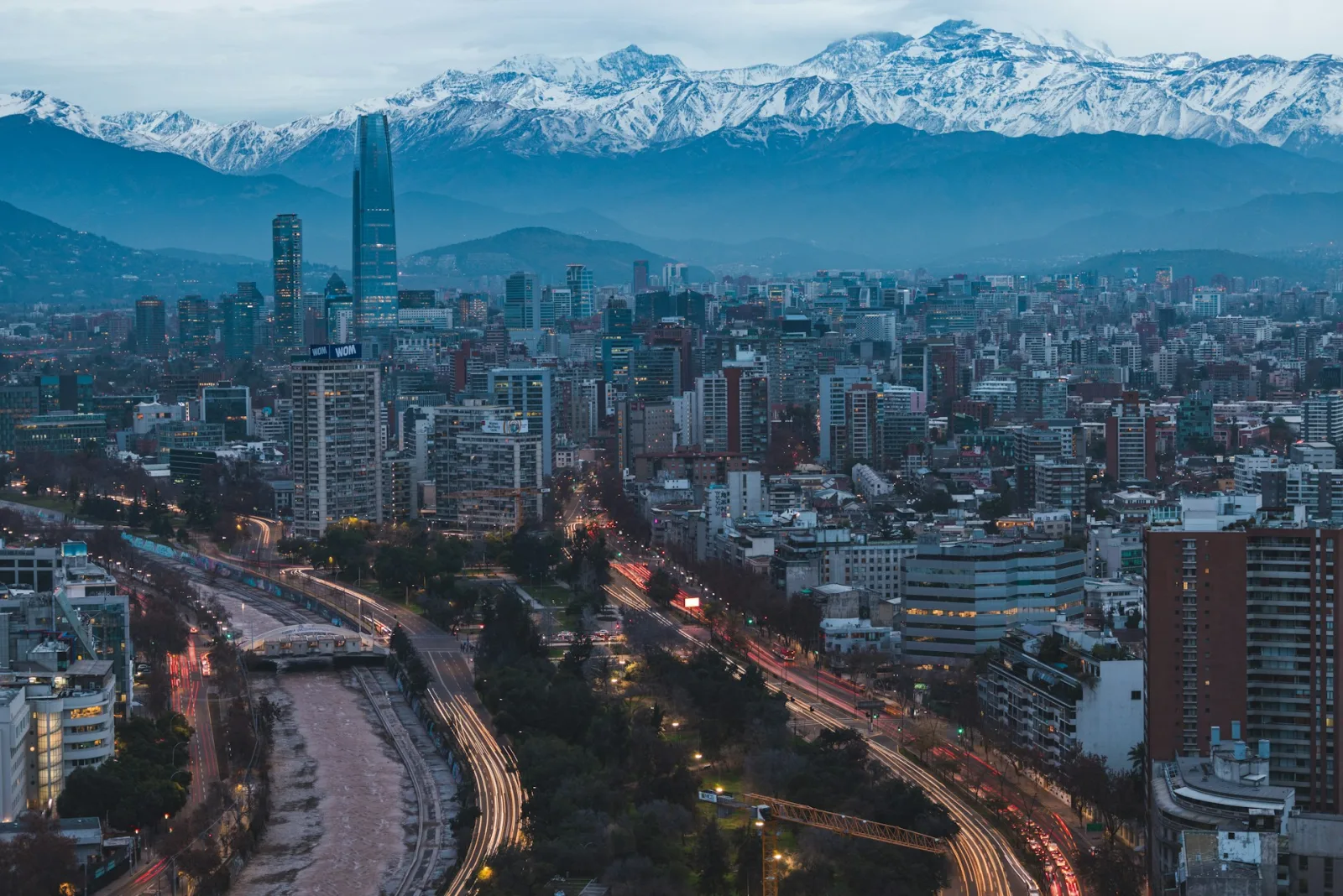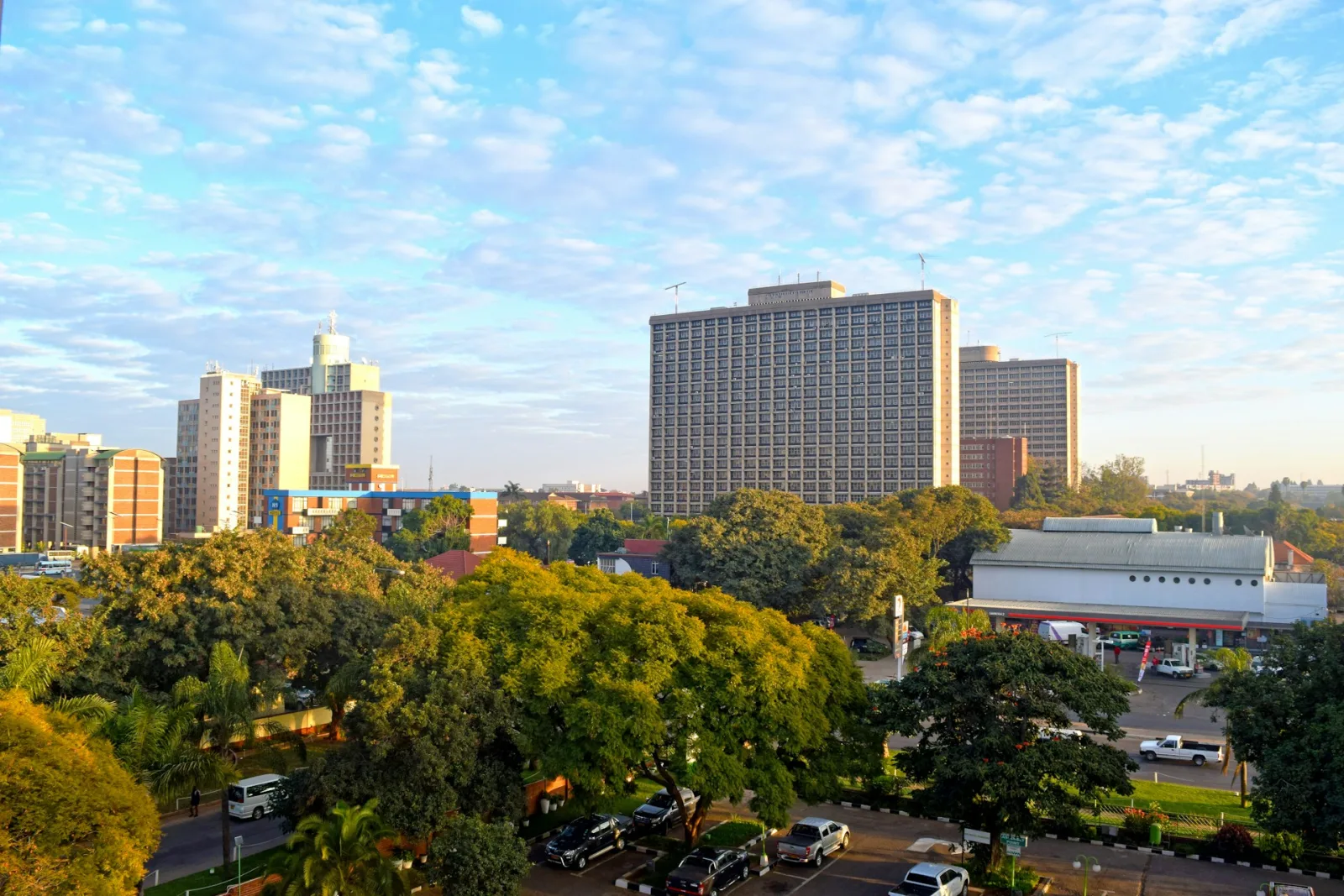
Jacaranda trees blooming in Harare city center with modern buildings in the background

Harare City Guide for Indians
Transport, Safety & Sightseeing 2026

Navigate Zimbabwe's capital with confidence. Essential tips on safe neighborhoods, local transport, and Indian groceries for your transit or city stay.

Updated for 2026 Travelers
Written by Vishal Narayan — Africa Travel Specialist
Reviewed by Veena Rathore · Africa Travel Reviewer
Last updated after reviewing:
  • Harare CBD and Avondale safety protocols and transport updates for 2026
  • Robert Gabriel Mugabe International Airport (HRE) domestic connection route changes
  • Indian traveler advisories for Harare city center and suburban areas 2026

Last updated: April 2026

Harare: The Gateway to Zimbabwe
What Indian travelers need to know about Zimbabwe's high-altitude capital city.

Transit Hub Note: Most Indian travelers arrive at Robert Gabriel Mugabe International Airport (HRE) before connecting to Victoria Falls or safari regions. If you have a 24-to-48-hour layover, Harare offers a pleasant, high-altitude climate (1,400m) and excellent opportunities to stock up on supplies. For a complete destination overview, see our Zimbabwe Travel Guide.

Safety & Best Neighborhoods
Where to stay and how to navigate the city securely.

Safe Suburbs (Recommended)

The northern and eastern suburbs of Harare are leafy, affluent, and highly secure. These areas are home to most expats, diplomats, and upscale hotels.

  • Avondale: The most popular area for tourists. Features the Avondale Shopping Centre, numerous restaurants, and the Sunday flea market.
  • Borrowdale: Home to luxury hotels, the Borrowdale Brooke shopping mall, and high-end dining.
  • Highlands: A quiet, residential area with excellent boutique hotels and the historic Highlands House.
Areas to Exercise Caution

Like any major African city, Harare requires situational awareness. Petty crime can occur in crowded or isolated areas.

  • Central Business District (CBD): Busy during the day but can become unsafe after business hours (5:00 PM). Avoid walking here at night.
  • Mbare: A densely populated, high-density suburb. While Mbare Musika market is culturally fascinating, it is chaotic and not recommended for tourists without a trusted local guide.
  • General Rule: Do not flash expensive jewelry, cameras, or large amounts of cash. Always use app-based transport after dark.
Getting Around Harare
Navigating the city from the airport and between suburbs.

Public minibuses (kombis) are extremely cheap but overcrowded, poorly maintained, and not recommended for tourists. Taxis and ride-hailing apps are the standard for Indian travelers.

  • Ride-Hailing Apps: InDrive and Yango operate reliably in Harare. InDrive allows you to negotiate the fare, while Yango offers fixed upfront pricing. Both accept cash (USD).
  • Airport Transfer: The distance from HRE Airport to Avondale is about 20 km. A pre-booked hotel transfer or an app-based taxi will cost between USD 20 and USD 35. Avoid unmarked taxis at the airport terminal.
  • Driving: Zimbabwe drives on the left (same as India). If you rent a car, an International Driving Permit (IDP) is required. However, navigating Harare traffic can be stressful; using drivers or apps is preferred.

For detailed transit visa and routing information, check our Zimbabwe Visa Guide.

Top Attractions in Harare
Cultural and historical highlights if you have a 24-hour layover.

National Gallery of Zimbabwe

Located in the heart of the city, this gallery houses an exceptional collection of contemporary Zimbabwean art, including world-renowned Shona stone sculptures and batik textiles. A great place to buy authenticated art before heading to the bush.

Chapungu Sculpture Park

Located on the outskirts of the city, this serene park displays monumental Shona sculptures set among indigenous trees. It is the best place to purchase high-quality, export-compliant stone art with proper documentation.

Mbare Musika Market

Zimbabwe's largest and most vibrant traditional market. It is an intense, authentic experience. Warning: Only visit with a trusted local guide or tour operator. Keep valuables completely hidden and ask permission before taking any photographs.

Dining, Groceries & Shopping
Finding familiar flavors and premium souvenirs in the capital.

Indian Groceries & Dining

Harare has a small but established Indian diaspora. If you are preparing for a remote safari and need specific spices, lentils, or tea, visit the Asia Centre or local Indian supermarkets in the CBD or Avondale.

  • Vegetarian Dining: Most upscale hotels in Avondale and Borrowdale offer excellent vegetarian menus (pastas, risottos, local vegetable dishes).
  • Local Cuisine: Try a local restaurant for Sadza with Dovi (peanut butter stew) — a rich, vegan-friendly traditional dish.

Shopping Malls

For a safe, modern shopping experience with supermarkets, pharmacies, and international brands, visit the northern suburbs.

  • Avondale Shopping Centre: The most convenient hub for tourists. Features a large Spar supermarket, cafes, and craft shops.
  • Borrowdale Brooke: A larger, upscale mall with premium grocery stores and restaurants.
  • Sam Levy's Village: An open-air, boutique shopping complex in Borrowdale, excellent for high-end dining and gifts.

For a detailed breakdown of your overall trip budget, see our Zimbabwe Trip Cost Guide.

Frequently Asked Questions — Harare City Guide
Quick, honest answers to the most common city transit and safety questions from Indian travellers.
1Is Harare safe for Indian tourists?
Harare is generally safe for Indian tourists if you stay in the northern suburbs like Avondale, Borrowdale, and Highlands. Avoid walking in the Central Business District (CBD) after dark or in isolated areas. Always use app-based taxis like InDrive or Yango for transport.
2How do I get from Harare Airport (HRE) to the city?
The most reliable and safe way to reach the city from Robert Gabriel Mugabe International Airport (HRE) is by pre-arranging a hotel transfer or using the InDrive app. A taxi ride to the northern suburbs takes about 30–45 minutes and costs between USD 20 and USD 35.
3Can I find Indian groceries and spices in Harare?
Yes, Harare has a dedicated Asia Centre and several Indian-owned supermarkets where you can buy lentils, atta, spices, and fresh vegetables. This is highly useful if you are self-catering or need familiar ingredients before heading to remote safari lodges.
4What are the best areas to stay in Harare?
The best and safest areas for Indian travelers to stay are Avondale, Borrowdale, and Highlands. These suburbs offer secure hotels, upscale restaurants, shopping centers, and easy access to the Indian Embassy.
5Do I need a visa to transit through Harare?
If you are leaving the airport to explore the city or stay overnight, you must have a valid Zimbabwe visa, such as the KAZA UniVisa or a single-entry e-Visa. Airport transit without leaving the international zone does not require a visa.

Note: City conditions, transport app availability, and neighborhood safety dynamics can change. Always consult your hotel concierge or tour operator for real-time local advice upon arrival in Harare. Prices for transport and dining are estimated in USD and may fluctuate.

Plan Your Zimbabwe Safari with Harare Transit

Fill out the enquiry form below and our travel experts will help you design a Zimbabwe itinerary that includes seamless Harare airport transfers and city orientation.

Get assistance with domestic flight bookings, KAZA UniVisa, Hwange safari lodge reservations, and complete Zimbabwe tour packages.

Enquire About This Package