Kejetia Market redevelopment updates and new vendor zoning for tourist shopping (2025-2026)
Manhyia Palace Museum renovation and updated Ashanti cultural festival schedules (Akwasidae)
Improved road conditions on the Kumasi-Cape Coast highway for Indian tour groups
Fact-checked April 2026
Last updated: April 2026
Welcome to Kumasi: The Heart of the Ashanti Kingdom
A hyper-local guide to navigating, exploring, and experiencing the cultural epicenter of Ghana.
Kumasi is the historical and cultural capital of the Ashanti Kingdom, offering a profound contrast to the coastal vibes of Accra. For Indian travelers, it is a masterclass in West African heritage, famous for its intricate Kente cloth, powerful royal history, and the bustling energy of Kejetia Market. To understand how Kumasi fits into your broader West Africa adventure, refer to our comprehensive Ghana Travel Guide.
Top Attractions in Kumasi
The must-visit historical and cultural sites in the Ashanti capital.
Royal & Historical Sites
Manhyia Palace Museum: The official seat of the Asantehene (King of the Ashanti). The museum houses royal regalia, historical artifacts, and provides deep insight into the Ashanti Empire.
Okomfo Anokye Sword Site: A sacred historical site where the high priest Okomfo Anokye planted a sword that remains imbedded in the ground to this day. It is a symbol of Ashanti unity.
Kumasi National Cultural Centre: A complex housing the Prempeh II Memorial Museum, a library, and artisan workshops. Excellent for understanding regional history and buying high-quality crafts.
Artisan Villages
Bonwire Kente Village: Located just outside Kumasi, this is the ancestral home of Kente cloth. Watch master weavers at work and purchase authentic, handwoven fabric directly from the source.
Adanwomase: Another renowned weaving village specializing in high-end, complex Kente patterns often reserved for royalty.
Ahwiaa Carving Village: Famous for its traditional wood carvers. You can watch artisans sculpt stools, masks, and decorative items from raw timber.
To see how Kumasi fits into a structured route, check our detailed 7-Day Ghana Itinerary for optimized day-by-day planning.
Ashanti Culture & Customs
Understanding the rich traditions of the Ashanti people.
The Akwasidae Festival: Held every 42 days (usually on a Sunday), this vibrant festival features the Asantehene holding court under a colorful umbrella, surrounded by drummers, horn blowers, and dancers. Visitors are welcome to observe.
Chieftaincy System: The Ashanti traditional authority is highly respected. Always show deference to chiefs and elders. If attending a traditional event, dress modestly and ask permission before taking photographs.
Language: While English is official, Twi is the lingua franca of the Ashanti region. Learning a simple greeting like "Maakye" (Good morning) goes a long way.
Etiquette: Always use your right hand for greeting, eating, and exchanging money. Using the left hand is considered highly disrespectful in Ashanti culture.
Kejetia Market & Shopping
Navigating the largest open-air market in West Africa.
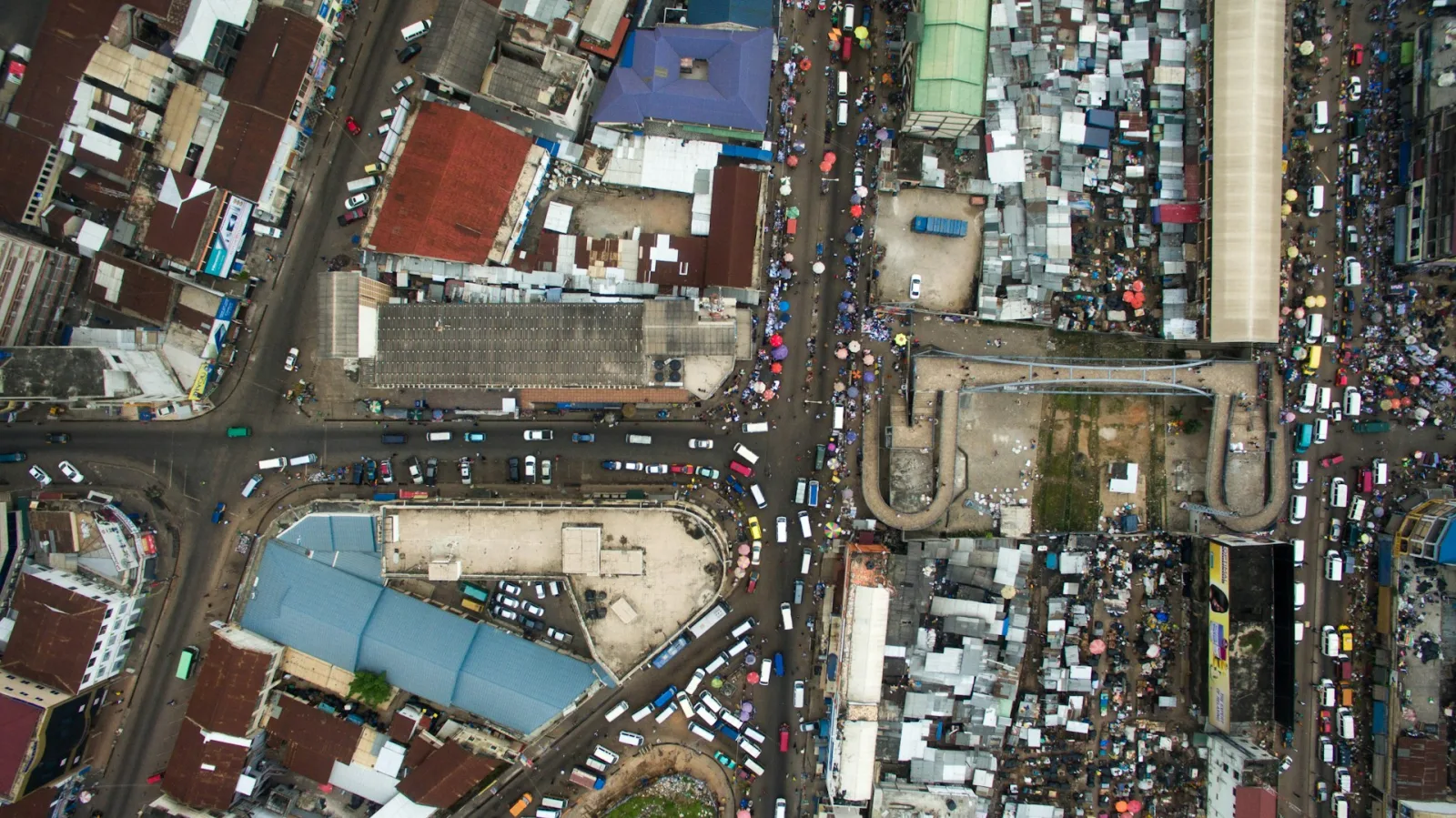
Kejetia is a sensory overload in the best way possible. It is a sprawling labyrinth of thousands of stalls selling everything from spices and textiles to electronics and traditional medicines.
What to Buy: Authentic Kente cloth, traditional Ashanti stools, brass castings (using the lost-wax method), and local spices.
Bargaining: Haggling is expected and part of the culture. Start at about half the asking price and negotiate politely with a smile.
Safety & Comfort: Keep your valuables secure and close to your body. Wear comfortable shoes, as the market is vast and unpaved in many sections. Go early in the morning to avoid the peak heat and crowds.
Payment: Cash (Ghanaian Cedi) is king here. While Mobile Money (MoMo) is used by vendors, international cards are not accepted in the market stalls.
If you are budgeting for your market haul and daily expenses, see our detailed Ghana trip cost from India breakdown.
Food & Dining in Kumasi
Tasting the authentic flavors of the Ashanti region.
Kumasi is famous for its hearty, traditional dishes. The Ashanti region is the spiritual home of Fufu and Groundnut soup.
Fufu & Groundnut Soup: The ultimate Ashanti comfort food. Pounded cassava and plantain served in a rich, savory peanut soup with goat or chicken. Eaten with the right hand.
Ampesi: Boiled plantains or yam served with kontomire (cocoyam leaves) stew and palaver sauce. A great vegetarian option.
Asanka Restaurant: A popular, hygienic spot in Kumasi offering a wide variety of local Ghanaian dishes in a comfortable, air-conditioned setting. Ideal for Indian tourists wanting to try local food safely.
Street Food: Look for Bole (roasted plantain with black-eyed pea cake) and Yam Chips. Ensure you buy from busy stalls with high turnover.
For a deeper dive into local dishes and vegetarian tips across the country, explore our upcoming Ghana Food Guide.
Getting Around Kumasi
Navigating the cultural capital safely and efficiently.
Ride-Hailing & Taxis
Uber, Bolt, and Yango: These apps operate in Kumasi and are the safest, most convenient way to get around the city. Fares are affordable and tracked via GPS.
Hotel Taxis: Most mid-range and upscale hotels have trusted private drivers. Slightly more expensive than apps but highly reliable for day trips to artisan villages.
Arriving from Accra
Domestic Flights: Africa World Airlines (AWA) flies from Accra (ACC) to Kumasi (KMS) in just 45 minutes. Highly recommended to save time.
Private Driver: The 6-8 hour road trip from Accra is scenic but can be tiring. Hiring a private driver costs approx. ₹4,000–₹7,000 per day and offers AC, safety, and flexibility.
Trotros: Public minibuses run frequently between Accra and Kumasi. They are extremely cheap but overcrowded and not recommended for tourists with luggage.
Ensure your entry documents are sorted before flying into Ghana by reading our Ghana Visa Guide.
Frequently Asked Questions — Kumasi City Guide
Quick answers to help you navigate Ghana's cultural capital safely and efficiently.
1How many days are enough to explore Kumasi?
One to two full days are ideal to explore Kumasi comfortably. This allows time to visit the Manhyia Palace, explore the massive Kejetia Market, and take a short trip to a traditional Kente weaving village like Bonwire.
2Is Kumasi safe for Indian tourists?
Yes, Kumasi is widely considered one of the safest cities in West Africa. The locals are incredibly hospitable. Standard precautions apply in crowded areas like Kejetia Market, where you should keep an eye on your valuables.
3What is the Akwasidae festival?
Akwasidae is a vibrant traditional festival celebrated by the Ashanti people every 42 days (typically falling on a Sunday). It features the Asantehene holding court in full regalia, with traditional drumming, dancing, and parades. It is a must-see cultural event.
4Can I buy authentic Kente cloth in Kumasi?
Absolutely. Kumasi is the heart of Ashanti culture. You can buy authentic, handwoven Kente cloth at Kejetia Market, but for the best experience and to watch the weaving process, visit the nearby village of Bonwire, which is famous for its Kente weavers.
5What is the best way to travel from Accra to Kumasi?
The most convenient options are a 45-minute domestic flight via Africa World Airlines or hiring a private driver for the 6-8 hour road trip. The road is well-paved, but traffic leaving Accra can be heavy. Avoid public trotros if you prioritize comfort.
Ready to explore the Ashanti Kingdom? Let our experts handle your flights, domestic transfers, and guided cultural tours in Kumasi.
Note: Market dynamics, transport schedules, and festival dates can change. Always consult with your hotel concierge or local tour operator for the most current advice upon arrival in Kumasi. Respect local customs, especially when visiting royal sites or artisan villages.
Fill out the enquiry form below and our travel experts will help you plan your Ghana tour — including flights, visa, Kumasi hotels, and guided Ashanti cultural tours.
Get assistance with domestic flights, private drivers, Kumasi accommodation, and complete Ghana packages tailored to your itinerary.