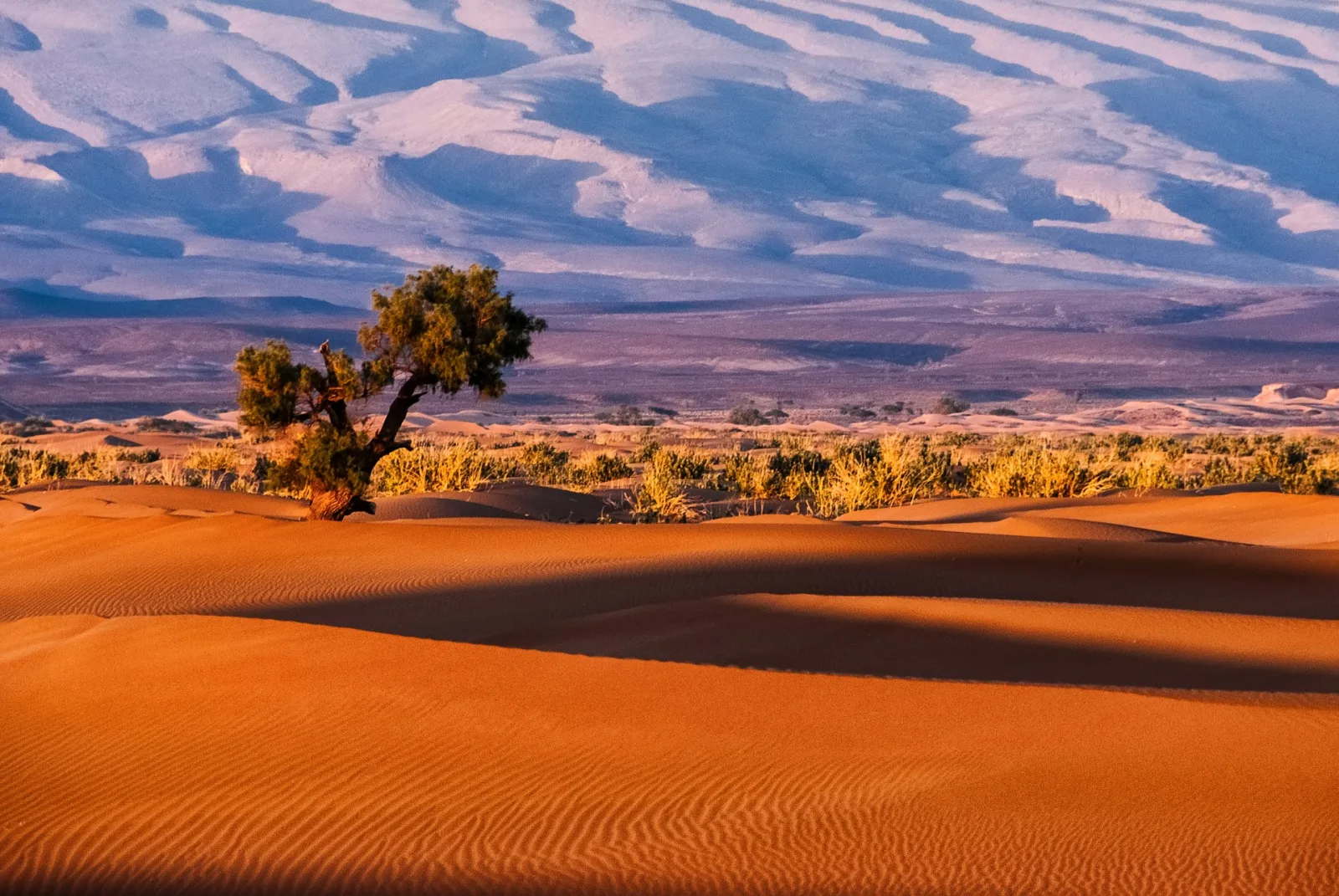
Camel caravan walking across the golden sand dunes of the Sahara Desert in Merzouga, Morocco

Morocco Travel Guide
for Indian Travelers

Visa, cost, itinerary & tips — your complete guide to planning a trip to Morocco from India in 2026.

Updated for 2026 Travelers
Written by Vishal Narayan — Africa Travel Specialist
Reviewed by Veena Rathore · Africa Travel Reviewer
Last updated after reviewing:
  • Morocco visa-free entry confirmation for Indian passport holders (2026)
  • Mohammed V International Airport (CMN) transit lounge updates
  • Marrakech Medina official tourist taxi meter regulations 2026

Last updated: April 2026

Morocco Trip Cost from India (Detailed Breakdown)
Realistic cost breakdown for flights, visa, hotels, food, and total budget for 2026

Cost Breakdown 2026

  • Return Flights: ₹45,000 – ₹85,000
  • Visa Fee: FREE (Visa-free for 90 days)
  • Hotels/Riads (per night): ₹3,000 – ₹10,000
  • Food (per day): ₹1,500 – ₹4,000
  • Local Transport (per day): ₹500 – ₹2,000
  • Activities & Desert Tours: ₹8,000 – ₹20,000 total
  • Travel Insurance: ₹1,500 – ₹3,000
  • Total (7 days): ₹80,000 – ₹1,50,000 per person

Morocco offers exceptional value for Indian travelers. On-ground costs for food, transport, and boutique riad stays are significantly lower than in Europe, and the visa is completely free.

Best Departure Cities

  • Delhi (DEL) — Most flight options via Dubai, Doha, or Istanbul
  • Mumbai (BOM) — Excellent connections via Middle East hubs
  • Bangalore (BLR) — Good options via Doha or Dubai
  • Hyderabad (HYD) — Routes available via Doha
  • Kochi (COK) — Connections via Doha or Dubai

Delhi and Mumbai offer the most competitive fares and seamless transit options to Casablanca (CMN) and Marrakech (RAK).

Ready to plan your Morocco trip? Let us handle flights, riads, desert tours, and transfers.

View Morocco Tour Packages →
Flight Routes from India to Morocco
Flights from India to Morocco take 14–20 hours with one layover. Here are the most popular routes.

Delhi to Casablanca

  • Route 1: DEL → Dubai → CMN (Emirates)
  • Route 2: DEL → Doha → CMN (Qatar Airways)
  • Route 3: DEL → Istanbul → CMN (Turkish Airlines)
  • Route 4: DEL → Paris → CMN (Air India / Air France)
  • Duration: 14–18 hours
  • Price Range: ₹50,000 – ₹85,000

Mumbai to Marrakech

  • Route 1: BOM → Dubai → RAK (Emirates)
  • Route 2: BOM → Doha → RAK (Qatar Airways)
  • Route 3: BOM → Istanbul → RAK (Turkish Airlines)
  • Duration: 16–20 hours
  • Price Range: ₹45,000 – ₹80,000

Note: Casablanca Mohammed V (CMN) is the main international hub. Marrakech Menara (RAK) is ideal if starting your trip directly in the south. Check Africa travel guides for more regional information.

Morocco vs Europe Cost for Indian Travelers
How does Morocco compare to popular European destinations on cost? Here is a practical comparison for Indian travelers.
Expense Morocco (7 days) Europe (7 days)
Flights₹45K – ₹85K₹60K – ₹1L
VisaFREE (Visa-free)₹7K – ₹9K (Schengen)
Hotels/night₹3K – ₹10K (Riads)₹8K – ₹20K
Food/day₹1.5K – ₹4K₹5K – ₹12K
Local Transport₹500 – ₹2K/day₹2K – ₹5K/day
Total Trip₹80K – ₹1.5L₹2L – ₹4.5L
Flights
Morocco₹45K – ₹85K
Europe₹60K – ₹1L
Visa
MoroccoFREE
Europe₹7K – ₹9K
Hotels/night
Morocco₹3K – ₹10K
Europe₹8K – ₹20K
Food/day
Morocco₹1.5K – ₹4K
Europe₹5K – ₹12K
Total Trip
Morocco₹80K – ₹1.5L
Europe₹2L – ₹4.5L

Morocco offers exceptional value. Boutique riads, guided medina tours, and desert camps cost a fraction of European equivalents, while the visa-free entry saves you ₹7,000–₹9,000 per person.

Best Time to Visit Morocco from India
Morocco can be visited year-round, but the best time depends on the region and your travel goals.
Month Morocco Season Marrakech Sahara Desert Fes / North India Travel Note
JanWinterMild 18°C, cold nightsCold nights, clear daysCool, occasional rainGood budget season
FebWinterWarming 20°CCold nightsCool, almond blossomsGood for photography
MarSpring ✓Pleasant 24°CIdeal, warm daysWarm, green landscapesExcellent post-Holi window
AprSpring ✓✓Ideal 26°CPerfect desert weatherWarm, rose festivalPeak Indian travel month
MaySpring ✓Warm 30°CHot days, cool nightsHot, dryGood pre-summer window
JunSummer PeakVery hot 35°C+Extremely hotHot, dryAvoid if sensitive to heat
JulSummer PeakScorching 40°C+Too hot for daytimeHot, coastal breezeIndia school hols — avoid desert
AugSummer PeakScorching 40°C+Too hotHot, crowded locallyAvoid southern routes
SepAutumn ✓Warm 32°CPleasant eveningsWarm, comfortableGreat post-monsoon window
OctAutumn ✓✓Ideal 28°CPerfect desert weatherPleasant, clearBest month overall
NovAutumn ✓Mild 22°CCold nightsCool, crispGood pre-Christmas window
DecWinterMild 19°CCold nights, clearCool, festiveIndia school hols — book early
7-Day Morocco Itinerary for Indian Travelers
A perfect one-week Morocco itinerary covering Casablanca, Marrakech, the Sahara Desert, and Fes.

Day-by-Day Plan

  • Day 1: Arrive in Casablanca — visit Hassan II Mosque, explore the Corniche
  • Day 2: Train to Marrakech — Jemaa el-Fnaa square, Koutoubia Mosque, souks
  • Day 3: Marrakech — Majorelle Garden, Bahia Palace, traditional hammam
  • Day 4: Route to Sahara via Tizi n'Tichka pass, Ait Ben Haddou kasbah
  • Day 5: Merzouga — Camel trek into Erg Chebbi dunes, overnight in luxury desert camp
  • Day 6: Drive to Fes via Ifrane (Little Switzerland), arrive in Fes evening
  • Day 7: Fes el Bali guided tour, Chouara Tannery, depart from Fes or return to Casablanca

Planning Notes

  • Transport: ONCF trains connect Casablanca, Marrakech, and Fes comfortably. Book 1st class in advance
  • Desert Tour: Book a 2-day/1-night private or group tour from Marrakech to Merzouga
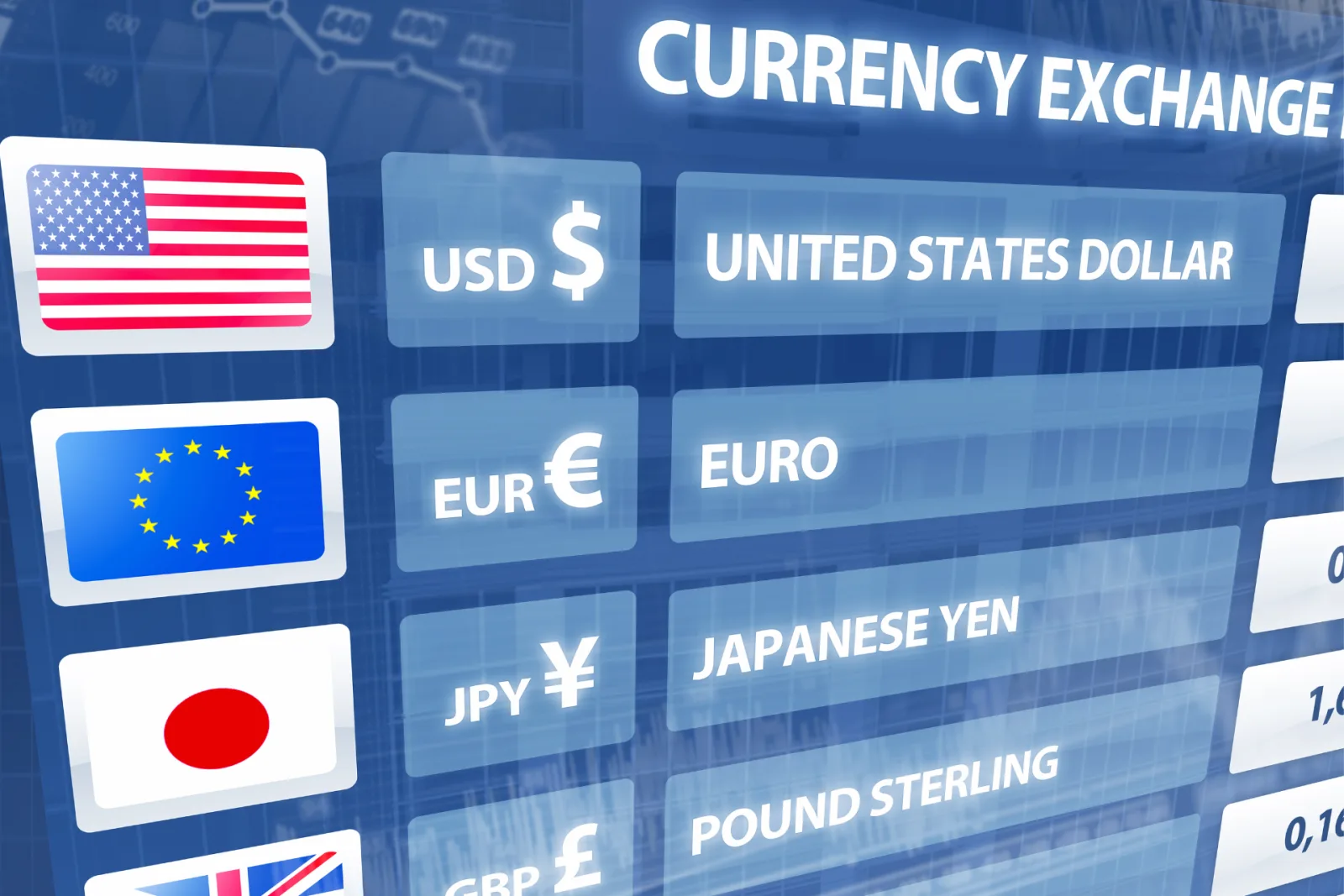
  • Currency: Carry USD or EUR to exchange for Moroccan Dirham (MAD). ATMs are widely available
  • Language: French is widely spoken in tourist areas. Basic Arabic greetings go a long way
  • Connectivity: Buy a local Maroc Telecom or Inwi SIM at the airport. eSIMs are also available
  • Vegetarians: Moroccan cuisine offers excellent vegetable tagines and couscous. Inform your riad in advance
  • Book ahead: Riads in Marrakech and Fes fill up fast during spring (March-April) and autumn (October)

Want a hassle-free Morocco trip? Our packages include flights, riad stays, desert camps, and guided tours.

Book Morocco Tour Package →
Morocco Visa for Indians — Complete Guide & Travel Essentials
Essential information for Indian travelers — from visa-free entry and time zones to plug adapters and local transport apps.

Tip: Keep small denominations of Dirhams for tipping, small purchases in the souks, and public toilets.

Morocco Visa for Indians — 2026 Update

Update (2026): Indian passport holders enjoy visa-free entry to Morocco for up to 90 days. No prior application, no e-visa, and no consular visit is required. Source: Moroccan Ministry of Foreign Affairs.

  • Visa Requirement: Visa-Free for Indian citizens
  • Duration of Stay: Up to 90 days for tourism
  • Where to apply: No application needed. Proceed to immigration upon arrival
  • Documents: Valid passport (6+ months validity), return/onward ticket, proof of accommodation
  • Processing time: None. Entry stamp is granted at the border
  • Visa Fee: FREE
  • Extension: Visit a local police station (Brigade de Sûreté) if you need to extend beyond 90 days
CLICK TO KNOW MORE ABOUT VISA DOCUMENTATION & FEES

Time Zone

Morocco follows Western European Time (UTC+1) year-round, except during the holy month of Ramadan when it temporarily reverts to UTC+0.

  • Morocco Time: UTC+1 (GMT+1)
  • Morocco is 4.5 hours behind Indian Standard Time (IST)
  • When it is 12:00 PM in India, it is 7:30 AM in Morocco
  • Business hours typically run from 9 AM to 6 PM on weekdays
  • Many shops close for Friday midday prayers, reopening in the late afternoon
  • Restaurants serve lunch from 12:30 PM and dinner from 7:30 PM onwards
  • During Ramadan, daytime hours are much quieter; eating in public is restricted

Country Code

To call Morocco from India, use the international dialing code +212 followed by the local number.

  • International Dialing Code: +212
  • To call Morocco from India, dial: 00-212-XXXX-XXXX
  • Emergency services: 19 (Police), 15 (Ambulance), 15 (Fire)
  • Tourist police in Marrakech and Fes are highly visible and helpful
  • Major telecom providers: Maroc Telecom, Inwi, Orange
  • Tourist SIM cards available at Casablanca and Marrakech airports
  • Free Wi-Fi available in most riads, cafes, and restaurants

Socket & Plugs

Morocco uses Type C and Type E electrical outlets at 220V, 50Hz. Indian travelers will need a plug adapter for 3-pin plugs.

  • Type C and Type E — 220V, 50Hz
  • Type C is the standard European 2-pin round plug
  • Type E has a male grounding pin protruding from the socket
  • Indian Type C plugs (2-pin round) work directly without an adapter ✅
  • Indian Type D (3-pin round) plugs require a universal adapter
  • Most hotels provide adapters at the front desk on request
  • Most modern devices (laptops, phone chargers) support 100–240V

Indian Embassy in Morocco

The Embassy of India in Rabat provides consular services for Indian nationals.

  • Address: 5, Rue Abou Faris Al Assam, Rabat, Morocco
  • Contact: +212 537 72 54 81
  • Email: [email protected]
  • Emergency (24/7): +212 661 22 35 55
  • Working Hours: Mon–Fri, 9:30 AM – 5:30 PM
  • Services: passport renewal, emergency certificates, assistance to Indian nationals
  • Register with MADAD portal before travel for advisories and assistance

Morocco Embassy in India

The Embassy of the Kingdom of Morocco in New Delhi handles diplomatic relations and consular queries.

  • Embassy New Delhi: 2/48, Shantipath, Chanakyapuri, New Delhi 110021
  • Contact Delhi: +91-11-2611 1144 / 2611 1145
  • Email: [email protected]
  • Note: Since India is visa-free, you do not need to visit the embassy for tourist visas
  • Working Hours: Mon–Fri, 9:00 AM – 4:00 PM

Car Driving Orientation

Right-Hand Drive (Same as India)

  • Morocco follows right-hand driving, identical to India's system
  • International Driving Permit (IDP) required along with valid home country license
  • Speed limits: 40–60 km/h in urban areas, 100–120 km/h on highways
  • Seat belts mandatory for all passengers
  • Driving under influence strictly prohibited
  • Car rental available in major cities and airports
  • Public transport (trains and CTM/Supratours buses) recommended for long distances
  • Road conditions are generally excellent on major highways

App Based Taxi

Careem, Heetch, and InDrive are Primary Ride-Hailing Apps

  • Careem operates in Casablanca, Rabat, and Marrakech
  • Heetch is widely used in Marrakech, Fes, and Tangier
  • InDrive allows you to negotiate fares directly with drivers
  • Payment options include cash and credit/debit cards
  • Average fare from Marrakech Airport to Medina: 150–200 MAD
  • Traditional petit taxis (within cities) and grand taxis (intercity) are also available
  • Always insist petit taxis use the meter (compteur) or agree on a price before boarding
  • ONCF trains are the most comfortable way to travel between major cities

Need help with Morocco travel planning? Our experts assist with riads, desert tours, and complete itineraries.

Morocco Travel Assistance →
Morocco Culture, Language & Local Customs
Understand Moroccan Arabic, French influences, and cultural norms to connect better with locals.

Official Languages

Arabic and Amazigh (Berber) — Official Languages; French — Business & Tourism

  • Moroccan Arabic (Darija) is the spoken language of the streets
  • French is widely spoken in business, government, and tourist areas
  • Amazigh (Berber) is spoken in the Atlas Mountains and southern regions
  • English is increasingly spoken by younger generations and in major tourist hubs
  • Learning basic Arabic or French phrases greatly enhances travel experience
  • Moroccans appreciate when tourists attempt to speak Darija
  • Translation apps work well in major cities with internet connectivity

Local Vocabulary

Understanding these Moroccan Darija terms helps connect with locals and understand culture better.

  • Shukran — Thank you
  • Bslama — Goodbye
  • La shukran — No, thank you (useful for declining vendors)
  • Sbah el kheir — Good morning
  • Smah liya — Excuse me / Sorry
  • Bezzaf — Too much / Too expensive (useful for bargaining)
  • Zwin — Beautiful / Good
  • Atay — Mint tea (the national drink)
  • Dirham — Local currency (MAD)

Toilet Signs

Public restrooms are called "Toilettes" or "WC" in Morocco. Signs typically display "WC" or "Hommes/Dames".

  • Men's toilets marked with "Hommes" or male symbol
  • Women's toilets marked with "Dames" or female symbol
  • Public toilets in medinas are basic; carry your own tissue and hand sanitizer
  • Most public facilities charge a small fee (2–5 MAD), keep coins handy
  • Cafes, restaurants, and riads have clean, free restrooms for customers
  • Western-style seated toilets are standard in tourist areas and hotels
  • Squat toilets are common in older medina areas and rural locations

Interesting Facts

Morocco is the only African country not a member of the African Union (until 2017) and has a rich history of trade and scholarship.

  • Morocco is home to the oldest continuously operating university in the world (University of Al Quaraouiyine, founded in 859 AD)
  • Mint tea is poured from a height to create a frothy top, known as "Moroccan whisky"
  • The medinas of Fes and Marrakech are among the largest car-free urban zones in the world
  • Morocco was the first country to recognize the United States as an independent nation in 1777
  • The country produces 70% of the world's argan oil, found only in southwestern Morocco
  • Hassan II Mosque in Casablanca has the tallest minaret in the world at 210 meters
Morocco Shopping & Markets Guide
From leather goods and carpets to spices and argan oil.

Shopping Hours

Most Shops: 9:00 AM – 7:00 PM (Weekdays)

  • Medina souks typically operate from 9:00 AM to 8:00 PM, Saturday to Thursday
  • Friday is the holy day; many shops close in the afternoon for prayers
  • Modern malls (Morocco Mall in Casablanca) operate from 10:00 AM to 10:00 PM daily
  • Supermarkets open from 8 AM to 10 PM or later
  • Bargaining is expected in the souks but not in fixed-price boutiques or supermarkets
  • Best shopping season: Spring (March-May) and Autumn (September-November)

Flea Markets & Souks

Morocco's souks offer unique souvenirs including leather goods, carpets, spices, and metalwork.

  • Jemaa el-Fnaa (Marrakech) — Famous square with night food stalls and artisans
  • Medina of Fes — Traditional tanneries, copperware, and ceramics
  • Chouara Tannery — Iconic leather dyeing vats, best viewed from rooftop terraces
  • Souk El Had (Agadir) — Massive weekly market for locals and tourists
  • Cooperatives — Visit women's argan oil cooperatives in Essaouira for authentic products
  • Cash (Moroccan Dirhams) preferred in souks; cards accepted in fixed-price shops
  • Start bargaining at 50% of the initial asking price and meet in the middle

Famous Items to Buy

Shopping in Morocco offers excellent value for handcrafted goods, carpets, and traditional items.

  • Leather Goods: Bags, poufs, and jackets from Fes and Marrakech
  • Berber Carpets: Handwoven wool rugs with unique geometric patterns
  • Argan Oil: Pure, cold-pressed oil for culinary and cosmetic use
  • Spices: Ras el hanout, saffron, cumin, and preserved lemons
  • Ceramics: Hand-painted tagine pots and plates from Fes and Safi
  • Metalwork: Brass and copper lanterns, trays, and teapots
  • Babouches: Traditional leather slippers, available in various colors
  • Woodwork: Carved cedar wood boxes and furniture

Supermarkets

Major supermarket chains like Marjane, Acima, and Carrefour offer wide product ranges with competitive prices.

  • Marjane — Moroccan hypermarket chain, widespread, good prices
  • Acima — Supermarket chain, competitive prices, many locations
  • Carrefour — French chain, upscale supermarkets in major cities
  • Most supermarkets open from 8 AM to 10 PM; some 24-hour outlets
  • Local products affordable and high quality (olive oil, dates, spices, pastries)
  • Bottled water recommended outside major cities; tap water safe in cities
Morocco Food & Cuisine Guide
Moroccan cuisine is known for aromatic tagines, fluffy couscous, and sweet mint tea.

Do: Try local tagine and couscous — Moroccan cuisine is a highlight of the trip.

Famous Cuisines

Moroccan cuisine is a blend of Berber, Arab, Andalusian, and Mediterranean influences, with spices as the central ingredient.

  • Tagine — Slow-cooked stew of meat, poultry, or fish with vegetables and fruits, named after the conical clay pot
  • Couscous — Steamed semolina granules served with meat and seven vegetables, traditionally eaten on Fridays
  • Pastilla — Sweet and savory pie filled with pigeon or chicken, almonds, and dusted with cinnamon and sugar
  • Harira — Hearty tomato, lentil, and chickpea soup, traditionally eaten to break the fast during Ramadan
  • Rfissa — Shredded flatbread topped with chicken, lentils, and fenugreek
  • 机械肉 (Mechoui) — Whole roasted lamb or sheep, slow-cooked in an underground pit
  • Briouats — Crispy fried pastries filled with meat, cheese, or almonds
  • Khobz — Traditional round bread, served with almost every meal

Famous Fruits & Drinks

Morocco produces excellent fruits, especially in the summer. Fresh fruit juices are a street food staple.

  • Oranges — Morocco is a major exporter; fresh-squeezed orange juice is ubiquitous
  • Dates — Medjool dates from the Tafilalet region are world-renowned
  • Figs & Pomegranates — Abundant in autumn, used in savory and sweet dishes
  • Mint Tea — The national drink, green tea with fresh mint leaves and sugar, poured from a height
  • Almond Milk — Often served at weddings and special occasions
  • Avocado Smoothies — A popular and filling street drink blended with milk and almonds

National Dish — Tagine

Tagine is Morocco's culinary pride — a slow-cooked stew that reflects the country's rich spice trade history.

  • Tagine refers to both the conical clay pot and the stew cooked inside it
  • The conical shape traps steam, returning moisture to the dish, making meat incredibly tender
  • Popular variations: Lamb with prunes and almonds, Chicken with preserved lemons and olives
  • Cooked slowly over charcoal for 2–3 hours, blending spices like cumin, coriander, saffron, and cinnamon
  • Traditionally eaten communally from the same dish, using khobz (bread) to scoop
  • Best places to try: Al Fassia in Marrakech, The Ruined Garden in Fes

Avg Cost Of Food

Budget travelers can eat well for 150–300 MAD per day at local eateries. Tipping 10% is customary in restaurants.

  • Street Food/Briouats: 10–20 MAD each
  • Fresh Orange Juice: 10–15 MAD
  • Menu del Dia (Lunch Special): 40–70 MAD
  • Tagine in local restaurant: 60–120 MAD
  • Mid-range Restaurant: 150–250 MAD per person
  • Fine Dining / Upscale Riad: 300–600+ MAD per person
  • Mint Tea: 10–20 MAD
  • Bottled Water: 5–10 MAD

Tipping: 10% customary in restaurants (not mandatory). Service charge sometimes included in tourist areas.

Morocco Weather & Packing Tips
Morocco spans multiple climate zones. Pack for your destinations — from coastal breezes to scorching desert heat.

Tip: Pack layers — Morocco's weather varies greatly from the coast to the Atlas Mountains and the Sahara Desert.

Weather

Morocco has diverse climates due to its geography spanning from the Mediterranean coast to the Sahara Desert.

  • Marrakech / Fes: Hot, dry summers (35–40°C), mild winters (10–18°C)
  • Sahara Desert: Extreme heat in summer (45°C+), freezing nights in winter (0–5°C)
  • Casablanca / Coast: Mediterranean climate, mild and humid year-round (18–26°C)
  • Atlas Mountains: Cool summers, snowy winters, ideal for trekking in spring/autumn
  • Chefchaouen: Cooler than inland cities, rainy winters, pleasant summers
  • Best time overall: Spring (March–May) and Autumn (September–November)
  • Summer (Jun–Aug): Avoid the desert and southern cities; stick to the coast and mountains
  • Winter (Dec–Feb): Great for desert tours (cold nights but clear skies) and skiing in Ifrane

Clothes To Wear

Morocco is a conservative Muslim country. Dress modestly, especially in the medinas and rural areas.

For Medinas & Cities:

  • Light, breathable clothing for summer (cotton, linen)
  • Shoulders and knees should be covered (for both men and women) out of respect
  • Layers for spring/autumn (light jacket, sweaters for cool evenings)
  • Warm coat for winter nights, especially in Fes and Marrakech
  • Comfortable walking shoes with good grip (medina streets are uneven and cobblestoned)
  • Scarf or shawl (useful for sun protection, wind, or covering shoulders)

For Sahara Desert:

  • Warm layers for the night (fleece, down jacket — desert nights get freezing)
  • Sun protection: wide-brimmed hat, sunglasses, high SPF sunscreen
  • Light, long-sleeved clothing to protect from sun and sand
  • Closed-toe shoes or sandals that can be emptied of sand
Morocco Heritage & Cultural Highlights
UNESCO sites, national symbols, films, and souvenirs that capture Morocco's cultural identity.

UNESCO World Heritage Sites

Morocco has 9 UNESCO World Heritage Sites total. Many sites offer guided tours and visitor centers.

  • Medina of Fes (1981) — World's largest car-free urban zone, medieval architecture
  • Medina of Marrakech (1985) — Vibrant souks, Koutoubia Mosque, Jemaa el-Fnaa
  • Ksar of Ait-Ben-Haddou (1987) — Stunning earthen clay fortress, featured in Gladiator
  • Historic City of Meknes (1996) — Imperial city with massive gates and granaries
  • Archaeological Site of Volubilis (1997) — Well-preserved Roman ruins with mosaics
  • Medina of Essaouira (2001) — Coastal fortified port, wind-surfing capital

National Symbols

The Barbary lion is extinct in the wild but remains a powerful symbol of Moroccan royalty and strength.

  • National Animal: Barbary Lion (featured on the coat of arms)
  • National Bird: Not officially designated, but the Moussier's Redstart is endemic
  • National Flower: Rose (celebrated in the Kelaat M'Gouna Rose Festival)
  • National Drink: Mint Tea (Atay)
  • National Dish: Tagine / Couscous
  • National Sport: Football (Soccer) — The Atlas Lions are a national pride
  • Art Form: Zellige (intricate geometric mosaic tilework)

Films Shot in Morocco

Morocco is a popular filming location for its diverse landscapes, from desert dunes to snowy mountains.

  • Gladiator (2000) — Roman battle scenes filmed in Ouarzazate and Ait Ben Haddou
  • Lawrence of Arabia (1962) — Epic desert scenes filmed in Ouarzazate and Aït Benhaddou
  • The Mummy (1999) — Ancient Egyptian sets built in the Sahara near Erfoud
  • Game of Thrones (TV Series) — Essos scenes filmed in Ait Ben Haddou and Essaouira
  • Inception (2010) — Tangier medina streets featured in the chase sequences
  • Sex and the City 2 (2010) — Marrakech riads and desert camps

Festivals

Morocco hosts vibrant festivals celebrating music, culture, and religious traditions.

  • Ramadan — Holy month of fasting; evenings come alive with street food and celebrations
  • Eid al-Fitr — Festive holiday marking the end of Ramadan
  • Rose Festival (Kelaat M'Gouna) — May, celebrating the Damask rose harvest
  • Gnaoua World Music Festival (Essaouira) — June, blending traditional Gnaoua with jazz
  • Fes Festival of World Sacred Music — May/June, spiritual music from around the globe
  • Imilchil Marriage Festival — September, traditional Berber wedding celebrations in the Atlas

Check Islamic calendar dates as they shift annually based on the lunar cycle.

Souvenirs

Best places to shop for souvenirs: Jemaa el-Fnaa, Medina of Fes, and artisan cooperatives.

  • Leather Goods — Bags, poufs, jackets (excellent quality from Fes tanneries)
  • Berber Carpets — Handwoven wool rugs with unique tribal patterns
  • Argan Oil — Pure, cosmetic and culinary oil (buy from women's cooperatives)
  • Spices — Ras el hanout, saffron, cumin blends
  • Ceramics — Hand-painted tagine pots and plates
  • Metal Lanterns — Brass and copper pierced lanterns
  • Babouches — Traditional leather slippers
  • Mint Tea Sets — Silver or brass teapots and engraved glasses
Notable Highlights for Indian Travelers
From famous explorers to groundbreaking institutions, discover what makes Morocco unique on the global stage.

Famous People

  • Ibn Battuta (1304–1369) — Legendary explorer who traveled further than Marco Polo, spanning 75,000 miles
  • Fatima al-Fihri (c. 800–880) — Founded the University of Al Quaraouiyine, the world's oldest existing university
  • Ibn Rushd (Averroes) (1126–1198) — Polymath and philosopher whose works influenced European Renaissance
  • Hassan Hakmoun (1963–) — Master of Gnaoua music, bringing Moroccan trance to global stages
  • Fatima al-Fihri — Pioneer of higher education globally
  • Noureddine Morceli — Though Algerian, Moroccan runners like Hicham El Guerrouj hold world records
  • Hicham El Guerrouj (1974–) — "King of the Mile", holds world records in 1500m and mile

Famous Institutions & Inventions

Morocco has a rich history of scholarship, architecture, and agricultural innovation.

  • University of Al Quaraouiyine — Founded in 859 AD in Fes, recognized by UNESCO and Guinness World Records as the oldest existing, continually operating educational institution in the world
  • Zellige Tilework — Intricate geometric mosaic art requiring advanced mathematical understanding, perfected in the 10th century
  • Khettara Water Systems — Ancient underground irrigation channels that sustain oases in the desert
  • Argan Oil Extraction — Traditional methods of extracting oil from the argan nut, unchanged for centuries
  • Almoravid & Almohad Architecture — Innovations in horseshoe arches and muqarnas that influenced Andalusian and Moorish architecture in Spain

National Dish — Couscous

  • Couscous is a staple of Moroccan cuisine, traditionally eaten on Fridays after prayers
  • Made from semolina wheat rolled into tiny granules and steamed in a couscoussier
  • Served with a stew of meat (lamb, chicken, or beef) and "seven vegetables" (carrots, turnips, zucchini, cabbage, etc.)
  • Sweet variations include couscous with raisins, almonds, and cinnamon ( Tfaya )
  • UNESCO added Moroccan couscous to its Intangible Cultural Heritage list in 2020
  • Best experienced in a local riad or family home for authentic preparation

Is Morocco expensive for Indians? A trip costs ₹80,000–₹1,50,000 for 7 days including flights, visa (FREE), riads, and desert tours.

Do Indians need a visa? No. Indian passport holders enjoy visa-free entry to Morocco for up to 90 days. No prior application is required.

Flight duration? Flights from India to Morocco typically take 14–20 hours with one layover via Dubai, Doha, or Istanbul.

Is Morocco safe for Indian tourists? Yes, very safe. Violent crime is rare. Standard precautions apply against pickpockets in crowded souks.

Currency? Moroccan Dirham (MAD). Carry USD or EUR to exchange. Cards accepted in cities. UPI not available.

Frequently Asked Questions — Morocco Travel for Indians
Quick, honest answers to the most common Morocco travel questions from Indian travellers
1Do Indians need a visa for Morocco?
No. Indian passport holders enjoy visa-free entry to Morocco for up to 90 days. There is no e-visa application, no consular visit, and no visa fee. Simply present your valid passport (6+ months validity), proof of return travel, and accommodation details to immigration upon arrival.
2Is Morocco expensive for Indian tourists?
A 7-day Morocco trip from India costs approximately ₹80,000 to ₹1,50,000 per person including flights (₹45K–₹85K), visa (FREE), boutique riads (₹3K–₹10K/night), food (₹1.5K–₹4K/day), and desert tours. It is significantly cheaper than Europe on-ground, making it an excellent exotic destination for Indian budgets.
3How long is the flight from India to Morocco?
Flights take 14–20 hours with one layover. Popular transit hubs include Dubai (Emirates), Doha (Qatar Airways), and Istanbul (Turkish Airlines). There are no direct flights from India to Morocco. The Dubai or Doha routing is the most seamless option for Indian passport holders.
4What is the best time to visit Morocco from India?
March to May and September to November are ideal. The weather is warm but not scorching, making it perfect for exploring the medinas and the Sahara Desert. Avoid July and August due to extreme heat in Marrakech and the desert. October is the single best month for overall weather.
5Is Morocco safe for Indian tourists?
Morocco is generally very safe for Indian tourists. Violent crime is rare. The main nuisances are aggressive vendors and pickpockets in crowded medinas. Use app-based taxis, keep valuables secure, and dress modestly. Indian group travelers and families consistently report comfortable, safe experiences.
6Do Indians need a transit visa for Morocco flights?
If transiting through Dubai, Doha, or Istanbul, no transit visa is required. However, if your flight routes through a Schengen country (like France or Germany), you will need a valid Schengen visa for the airport transit, even if you don't leave the airport. Plan your routing to avoid Schengen connections unless you hold a Schengen visa.
7What is the Morocco tourist visa fee for Indians?
Morocco is completely visa-free for Indian citizens for stays up to 90 days. There is zero visa fee, no application form, and no embassy visit required prior to travel. You simply receive an entry stamp at the border.
8What plug type is used in Morocco?
Morocco uses Type C (European 2-pin round) and Type E outlets at 220V. Indian 2-pin round plugs (Type C) work directly without an adapter. Indian 3-pin plugs (Type D) will require a universal adapter. Most hotels provide adapters on request.
9Can I use Indian Rupee or UPI in Morocco?
No. Indian Rupee is not accepted, and UPI is not available. The local currency is the Moroccan Dirham (MAD). Carry USD or EUR in cash to exchange at official bureaus in the medinas or airports, or use international credit/debit cards in cities and larger riads.
10What is the national dish of Morocco?
Tagine is the national dish — a slow-cooked stew of meat, poultry, or fish, combined with vegetables, fruits, and aromatic spices, cooked in a distinctive conical clay pot. Couscous is also a staple, traditionally eaten on Fridays with seven vegetables and meat.
11What is the time difference between India and Morocco?
Morocco is 4.5 hours behind Indian Standard Time (IST). Morocco follows UTC+1 (GMT+1) year-round, except during Ramadan when it temporarily reverts to UTC+0. When it is 12:00 PM in New Delhi, it is 7:30 AM in Casablanca.
12Can vegetarian Indians find food in Morocco?
Yes. Moroccan cuisine is highly accommodating to vegetarians. You will find excellent vegetable tagines, couscous with seven vegetables, harira (lentil soup), and fresh salads. Inform your riad or tour operator in advance so they can arrange customized meals, especially during desert excursions.
13Which is better for first-time visitors — Marrakech or Sahara?
A first Morocco trip must combine both. Spend 2 days in Marrakech for the medina, souks, and palaces, then take a 2-day desert tour to Merzouga for the Sahara dunes. If short on time, prioritize Marrakech and Chefchaouen, but the Sahara desert camp is an unforgettable experience.
14Is Morocco better than Europe for Indian tourists on budget?
Yes. Morocco is approximately 40-50% cheaper than Western Europe for on-ground costs like boutique riads, guided medina tours, and food. Flights are also generally cheaper than flying to Europe, and the visa-free entry saves you ₹7,000–₹9,000 per person, making it a highly budget-friendly exotic destination.
15Does Destination To Plan offer group tour packages to Morocco?
Yes. Destination To Plan offers customized group and family tour packages to Morocco from India — including return flights, boutique riad stays, luxury desert camps, guided medina tours, airport transfers, and complete itinerary planning. Contact us via the inquiry form below or visit our Morocco tour packages page for details and pricing.
Have more questions? Our Morocco travel experts can help plan your perfect trip.

Talk to a Morocco Travel Expert →

Note: Information provided is subject to change. Verify visa requirements, exchange rates, opening hours, and travel advisories before your trip. Prices are approximate and may vary based on location, season, and inflation. Always carry physical copies of your passport and return tickets when entering Morocco.

About This Morocco Travel Guide

This Morocco travel guide covers everything Indian travelers need from visa-free entry details and Marrakech travel tips to local food, weather, shopping, and top attractions. Researched, regularly updated, and trusted by group tour planners and independent travelers.

Expert Curated Content

Every section — from visa-free entry rules to Marrakech souk bargaining tips — is verified by travel professionals with North Africa experience.

Regularly Updated Information

Morocco travel costs, visa rules, and embassy details are reviewed and refreshed to reflect current conditions including 2026 visa-free confirmations.

Trusted by Indian Travelers

Used by group tour organizers, corporate travel planners, and independent travelers from India researching Morocco itineraries, Sahara desert trips, and Marrakech city breaks.

Complete Morocco Resource

One guide covering visa requirements, cost, flights, itinerary, food, culture, weather, shopping, and heritage — all with India-specific context and 2026 accuracy.

More Travel Guides

Explore Other Destinations

Plan Your Morocco Trip from India

Fill out the enquiry form below and our travel experts will help you plan your Morocco tour — flights, riads, desert camps, and guided tours.

Get assistance with flight bookings, Marrakech riads, Sahara desert tours, Fes medina guides, and complete Morocco packages.

Enquire About This Package