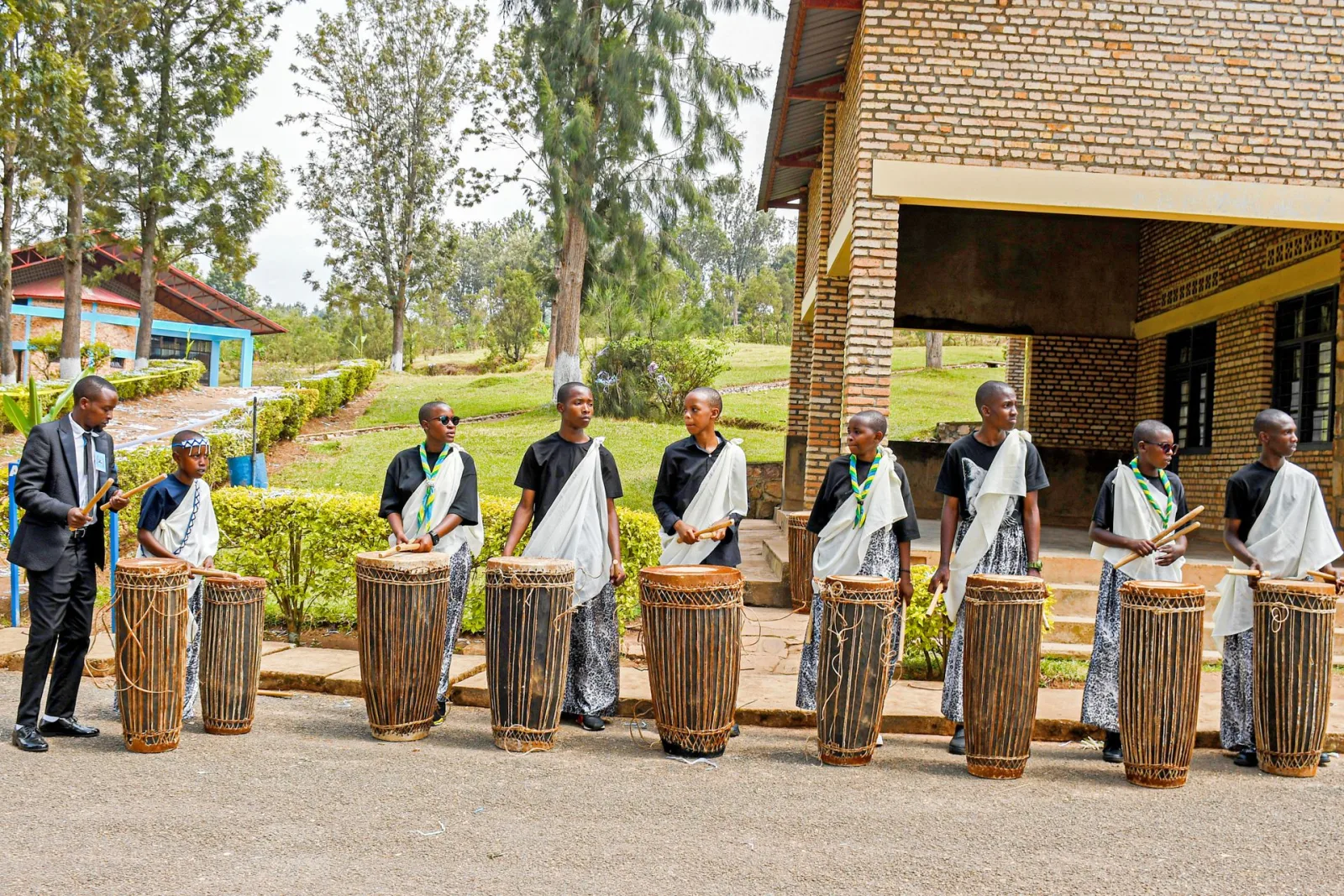
Rwandans participating in traditional dance and cultural celebration in vibrant attire

Rwanda Culture & Etiquette Guide

Essential cultural insights, local customs, and respectful travel practices for Indian tourists visiting the Land of a Thousand Hills.

Written by Vishal Narayan — Africa Travel Specialist
Reviewed by Veena Rathore · Africa Travel Reviewer
Last updated after reviewing:
  • Umuganda (community service) remains a mandatory national event on the last Saturday of every month from 8 AM to 11 AM.
  • Rwanda continues to strictly enforce its nationwide ban on non-biodegradable plastic bags at all entry points.
  • Kinyarwanda remains the primary language of daily life, though English is widely spoken in tourism and business sectors.
Understanding Rwandan Culture
A nation defined by resilience, unity, and a deep respect for community and environment.

Resilience & Unity

Modern Rwanda is a remarkable story of post-genocide recovery and nation-building. The culture heavily emphasizes unity, reconciliation, and collective progress. For Indian travelers, this translates to a highly organized, safe, and welcoming society. Understanding a few core customs will significantly enrich your Rwanda travel experience.
Umuganda: The Heart of Community
Understanding Rwanda's unique monthly tradition and how it impacts your travel plans.

What is Umuganda?

Umuganda is a mandatory national community service day held on the last Saturday of every month from 8:00 AM to 11:00 AM. Citizens gather to clean streets, build schools, plant trees, and repair public infrastructure.

  • Impact on Tourists: During these hours, most businesses, shops, and public transport are suspended. Roads are closed to non-essential traffic.
  • Tourist Expectation: Visitors are not expected to participate but are legally required to remain at their hotels or lodges during this time.
  • Planning Tip: Schedule your inter-city travel or major activities outside this 3-hour window to avoid disruptions.
Language & Communication
Navigating daily interactions with ease and respect.

Basic Kinyarwanda Greetings

While English is widely spoken in tourism, business, and by younger generations, using a few words of Kinyarwanda is deeply appreciated and instantly builds rapport.

  • Muraho: Hello (General greeting)
  • Amakuru?: How are you? (Response: Ni meza - I am fine)
  • Murakoze: Thank you
  • Yego / Oya: Yes / No
  • Ndagusaba imbabazi: I am sorry / Excuse me
Essential Etiquette for Indian Travelers
Practical do's and don'ts to ensure a respectful and smooth journey.

Do's & Don'ts

  • DO dress modestly: Rwandans dress neatly. Avoid overly revealing clothing in cities. Smart-casual is best for restaurants and cultural sites.
  • DO ask before photographing: Always seek explicit permission before taking photos of local people, especially in rural areas or markets.
  • DON'T use plastic bags: Rwanda strictly enforces a nationwide ban on non-biodegradable plastic bags. Your luggage may be checked at the airport.
  • DON'T photograph the Genocide Memorial interior: Photography is strictly prohibited inside the Kigali Genocide Memorial as a sign of deep respect.
  • DO use your right hand: When giving or receiving items, eating, or shaking hands, use your right hand, as the left hand is traditionally considered unclean.
  • DON'T point with one finger: It is considered rude. Gesture with your whole hand or chin instead.

For more practical travel advice, refer to our comprehensive Rwanda Safety Guide.

Frequently Asked Questions — Rwanda Culture & Etiquette
Quick answers to common cultural questions for Indian travelers.
1What is Umuganda and how does it affect tourists?
Umuganda is a mandatory national community service day held on the last Saturday of every month from 8:00 AM to 11:00 AM. During this time, most businesses, shops, and public transport are suspended. Tourists are expected to remain at their hotels or lodges during these hours.
2Do I need to speak Kinyarwanda to travel in Rwanda?
No. While Kinyarwanda is the national language, English is widely spoken in Kigali, tourist areas, hotels, and national parks. Learning a few basic greetings like "Muraho" (Hello) is appreciated but not required.
3What is the dress code for tourists in Rwanda?
Rwandans dress modestly and neatly. While casual wear is acceptable for gorilla trekking, in cities like Kigali, it is respectful to avoid overly revealing clothing. Smart-casual attire is recommended for restaurants and cultural sites.
4Is it safe to take photographs of people in Rwanda?
Always ask for explicit permission before photographing local people, especially in rural areas or markets. Photography is strictly prohibited at the Kigali Genocide Memorial and inside gorilla trekking zones.

Want to experience Rwandan culture authentically? Our customized itineraries include respectful cultural tours, local market visits, and community interactions.

Plan Your Cultural Rwanda Trip →

Note: Cultural norms and local regulations are subject to change. Always observe and follow the guidance of your local guide or hotel staff to ensure respectful and compliant travel behavior.

Plan Your Rwanda Cultural Trip

Fill out the enquiry form below and our travel experts will help you plan your Rwanda tour — including cultural tours, gorilla permits, flights, and luxury lodges.

Get expert help building a respectful and immersive Rwanda itinerary tailored to your interests.

Enquire About This Package