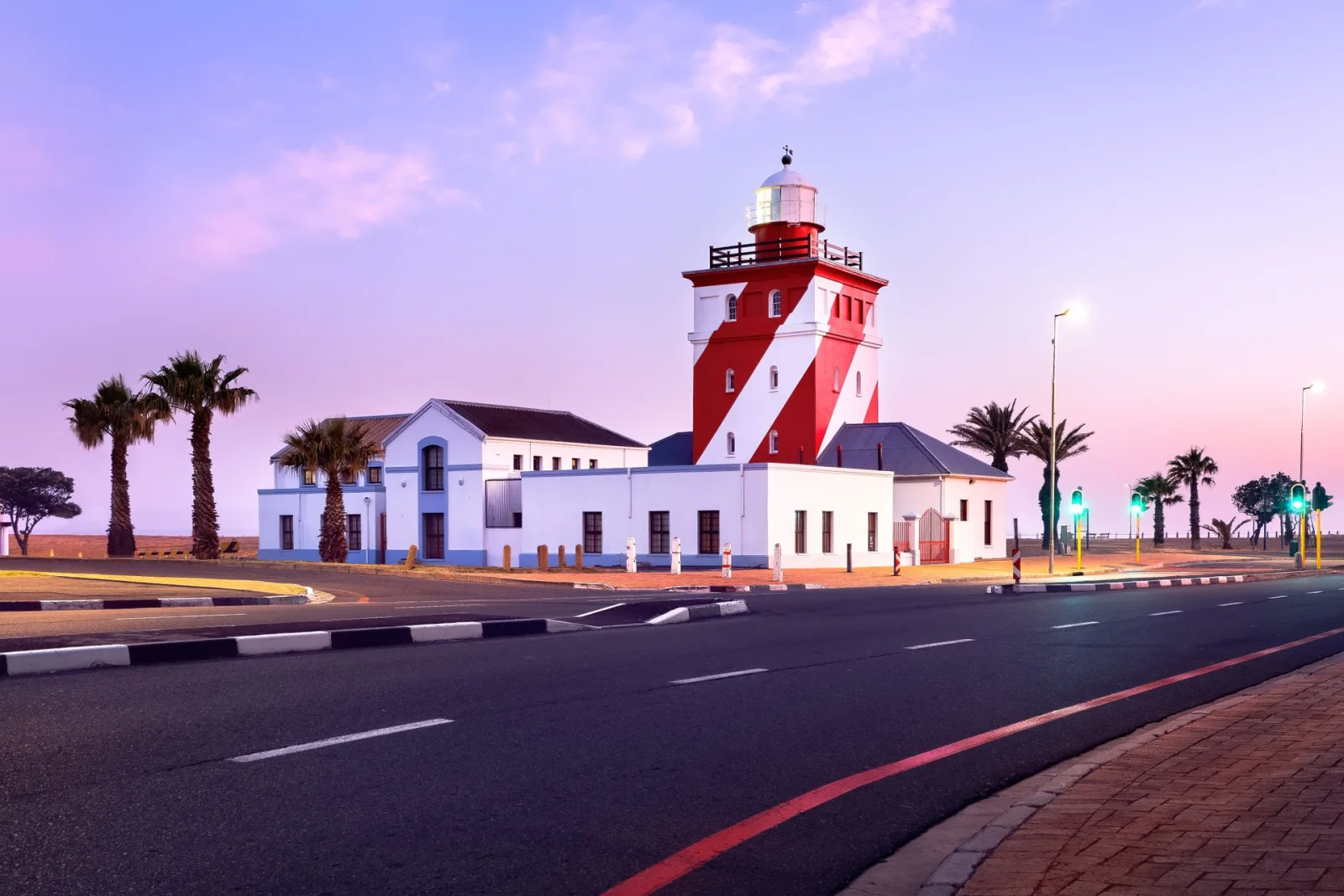
A secure and well-lit tourist area in Cape Town with visible security presence and safe walking paths

South Africa Safety & Scams Guide
for Indian Travelers 2026

Expert, practical advice on avoiding tourist scams, staying secure in cities, and using transport safely.

Written by Vishal Narayan — Africa Travel Specialist
Reviewed by Veena Rathore · Africa Travel Reviewer
Last updated after reviewing:
  • 2026 updates on tourist police presence and secure transport protocols in major South African cities
  • Latest common tourist scams reported by Indian travelers in Cape Town and Johannesburg
  • Updated national emergency contact numbers and private security response services in South Africa
Is South Africa Safe for Indian Tourists?
A realistic, non-alarmist perspective on personal security for travelers from India.

The Reality of Safety in South Africa

South Africa has a reputation for high crime rates, but the reality for tourists is far more nuanced. The vast majority of Indian travelers, including families and honeymooners, complete their trips without a single incident by following basic, common-sense precautions.

Crime in South Africa is largely opportunistic and concentrated in specific, non-tourist areas. By staying in reputable accommodations, using verified transport like Uber, and avoiding the display of valuables, you significantly minimize any risk. For a broader look at trip planning, refer to our comprehensive South Africa travel guide.


Common Tourist Scams to Avoid
Recognizing and defusing the most frequent tricks targeted at visitors.

Scams Targeting Tourists

  • Fake Police Officers: Scammers may flash a fake badge and ask to "check your wallet for counterfeit money." Real South African police will never ask to see your cash. Demand they take you to the nearest police station.
  • Distraction Theft: Someone may "accidentally" spill a drink on you, drop something, or start an argument while an accomplice pickpockets your bags. Keep your belongings zipped and in front of you.
  • Unlicensed Taxis: Drivers at airports or tourist spots may offer "fixed rates" that are 3x the normal price, or take unnecessarily long routes. Always use the official Uber/Bolt app or pre-booked transfers.
  • ATM Skimming: Devices are placed on ATMs to steal card details. Only use ATMs located inside shopping malls, banks, or secure hotel lobbies, and cover the keypad when entering your PIN.
  • The "Helpful" Local: A friendly stranger may insist on helping you with your luggage or parking, then demand an exorbitant "tip." Politely but firmly decline unsolicited assistance.
City-Specific Safety Guidelines
Navigating South Africa's major hubs with confidence and awareness.

Johannesburg

Safer Areas: Sandton, Rosebank, Melrose Arch, and Fourways. These are highly secure, well-policed, and feature upscale hotels and malls.

Avoid: The CBD (Central Business District) after business hours, Hillbrow, Berea, and Alexandra township unless with a reputable, pre-booked guided tour.

Tip: Do not walk anywhere after dark in Johannesburg. Take an Uber directly from your hotel lobby to your destination.

Cape Town

Safer Areas: V&A Waterfront, Camps Bay, Sea Point, Green Point, and the City Bowl (during the day).

Avoid: Walking alone on the beach promenade after dark, isolated areas of Table Mountain, and the Cape Flats townships without a guided tour.

Tip: The V&A Waterfront has private security and is very safe for evening strolls and dining. Always keep your phone out of sight when walking near roads to avoid "snatch-and-grab" incidents.

Durban

Safer Areas: Umhlanga Rocks, Ballito, and the secure promenade of the Golden Mile (during daylight hours).

Avoid: The Durban CBD at night and isolated beach areas.

Tip: Umhlanga is highly recommended for families, offering a resort-like feel with excellent security, shopping, and dining.

Transport & Driving Safety
How to move around South Africa without putting yourself at risk.

Best Practices for Travelers

  • Ride-Hailing: Uber and Bolt are the safest, most reliable options. Always verify the driver's name, photo, car model, and license plate before getting in.
  • Airport Transfers: Pre-book a private transfer through your hotel or a reputable company. Avoid unlicensed taxi touts inside the airport terminal.
  • Self-Driving: Keep car doors locked and windows rolled up in urban areas. Park only in well-lit, attended parking lots (e.g., at shopping malls). Never leave any items visible on the seats.
  • Gautrain (Johannesburg): This is the safest, fastest way to travel between OR Tambo Airport, Sandton, and Rosebank. It is highly secure and efficient.
  • Minibus Taxis: Avoid these entirely as a tourist. They are often overcrowded, driven recklessly, and are not regulated for tourist safety.
Emergency Contacts & Resources
Vital numbers and steps to take if you find yourself in trouble.

Vital Phone Numbers

  • Police: 10111
  • Ambulance / Fire: 10177
  • Cellphone Emergency: 112 (works even without airtime or a SIM card)
  • Tourist Safety Line: 0800 010 111
  • Indian High Commission (Pretoria): +27 12 342 7904
  • Indian Consulate General (Cape Town): +27 21 424 2482

If Robbed: Do not resist. Your safety is more important than your belongings. Once safe, go to the nearest police station to file a report (you will need this for your travel insurance claim). Immediately contact your bank to block stolen cards.

Frequently Asked Questions — Safety in South Africa
Quick answers to the most common security concerns from Indian travelers.
1Is South Africa safe for Indian tourists?
Yes, South Africa is generally safe for Indian tourists who take standard big-city precautions. Major tourist hubs, private safari lodges, and coastal areas like the Garden Route are highly secure. Avoid isolated areas at night and use verified transport.
2What are the most common tourist scams in South Africa?
Common scams include fake police officers asking to check your wallet, distraction techniques (e.g., spilling a drink on you), and unlicensed taxi drivers overcharging or taking longer routes. Always verify official identification and use Uber/Bolt.
3Is it safe to use Uber in South Africa?
Yes, Uber and Bolt are widely used, highly reliable, and considered the safest transport options for tourists in cities like Johannesburg and Cape Town. Always verify the driver's name, photo, and license plate before entering the vehicle.
4Which areas of Johannesburg should tourists avoid?
Tourists should avoid the Johannesburg CBD (Central Business District) after dark, Hillbrow, Berea, and certain parts of Alexandra. Stick to secure, well-policed areas like Sandton, Rosebank, and Melrose Arch.
5What should I do if I am robbed in South Africa?
Do not resist. Hand over your valuables calmly to avoid injury. Once safe, contact the local police (10111) to file a report, which is required for travel insurance claims. Immediately contact your embassy and cancel your credit cards.
6Are South African safari lodges safe?
Yes, private safari lodges and SANParks rest camps are extremely safe. They have 24/7 security, controlled access, and experienced guides. Crime within these fenced or remote areas is exceptionally rare.

Want a completely stress-free South Africa experience? Our guided tour packages include secure private transfers, vetted accommodations, and 24/7 local support.

Book a Secure South Africa Tour →

Note: Safety conditions and crime statistics can fluctuate. Always check your government's latest travel advisories before departure. This guide provides general safety advice and does not guarantee absolute security. Personal vigilance is always your best defense.

Plan a Secure South Africa Trip

Fill out the enquiry form below and our travel experts will help you design a safe, seamless South Africa itinerary with vetted hotels and secure private transfers.

We handle all logistics, including 24/7 local support, pre-booked airport pickups, and guided tours in safe, tourist-friendly zones.

Enquire About This Package