Exploring the Souks of Tunisia
From aromatic spices to hand-woven carpets, discover the treasures of North African markets.
Shopping in Tunisia is an immersive cultural experience. The traditional souks (markets) located within the medinas (old cities) are labyrinthine alleys filled with artisanal crafts, vibrant textiles, and aromatic spices. For Indian travelers, the bustling atmosphere will feel both exotic and familiar. Whether you are hunting for authentic Berber carpets or premium olive oil, this guide covers the best markets and what to buy. For a complete overview of the country, including visa rules and packing tips, refer to our comprehensive Tunisia Travel Guide.
Top Markets to Visit
The best destinations for authentic Tunisian crafts and souvenirs.
A UNESCO World Heritage site, the Medina of Tunis is the ultimate shopping destination. It is organized by trade—there are specific souks for perfumers, coppersmiths, leather workers, and weavers. If you are spending time in the capital, our Tunis City Guide provides detailed navigation tips for exploring this historic labyrinth.
The coastal town of Nabeul is famous across Tunisia for its high-quality, hand-painted ceramics. The weekly Friday souk is a massive open-air market where locals and tourists alike hunt for beautiful plates, bowls, and tagines at wholesale prices. Pack carefully if you plan to fly home with them!
Kairouan is the undisputed capital of Tunisian carpets. The intricate, hand-knotted Berber carpets here are renowned for their durability and geometric designs. Visiting a family-owned workshop or the cooperative markets ensures you get an authentic piece directly from the weavers.
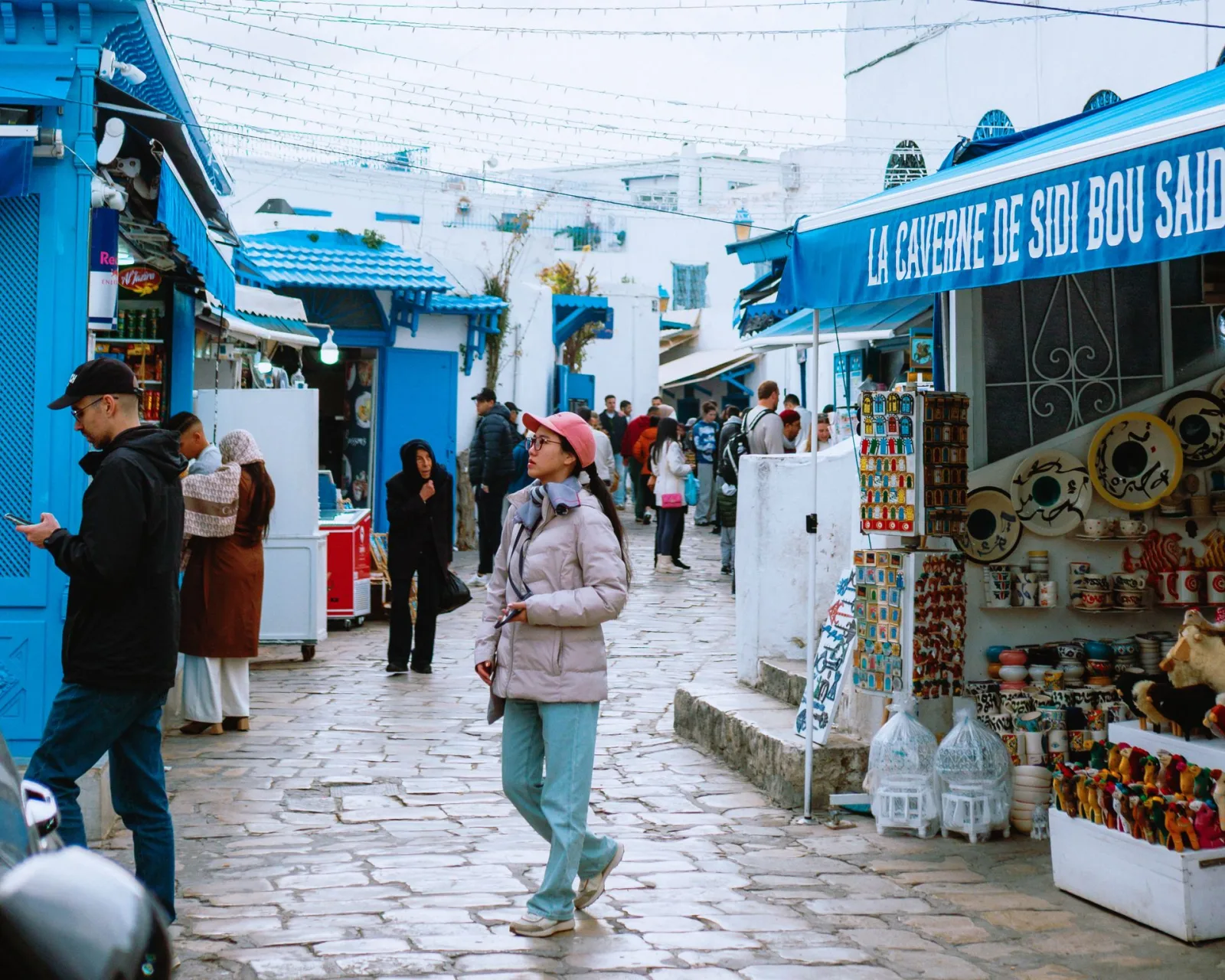
The stunning blue-and-white village of Sidi Bou Said is less about traditional haggling and more about high-end artisanal crafts. Browse the chic boutiques and art galleries for beautiful jewelry, paintings, and delicate pottery. It is the perfect place for unique, upscale souvenirs.
What to Buy: Top Tunisian Souvenirs
Authentic products to bring a piece of Tunisia back to India.
Tunisia is a food lover's paradise, and its pantry staples make excellent gifts. Tunisia is one of the world's top producers of olive oil, and buying it here is incredibly affordable. Don't forget to pick up authentic Harissa (the fiery chili paste) and premium Deglet Nour dates from the southern oases. For more on local flavors, check our Tunisia Food Guide.
Berber carpets from Kairouan are a masterpiece of weaving. In the medinas, you will also find beautiful leather goods, including traditional babouches (pointed leather slippers) and hand-tooled bags. The Chechia, a traditional red felt hat, is a unique, albeit bulky, keepsake.
Bargaining & Shopping Etiquette
How to navigate the souks like a pro and get the best prices.
- The Art of Haggling: Bargaining is expected and enjoyed in the souks. Never accept the first price. Start by offering 40-50% of the asking price and negotiate politely with a smile. Walking away is often the best tactic to get the vendor's "final" price.
- Cash is King: Traditional markets operate almost exclusively in cash. You will need Tunisian Dinars (TND). Understanding how this fits into your overall budget is crucial, so refer to our Tunisia Trip Cost from India guide for currency exchange tips.
- Shopping Hours: Most souk shops open around 9:00 AM and close by 7:00 PM. Many vendors take a break during the hottest part of the afternoon. Friday mornings are generally slow as it is the holy day, but the weekly markets in towns like Nabeul come alive.
- Customs & Exports: If you buy antiques or items over a certain value, you may need an export receipt from the vendor. Always check Indian customs regulations regarding the import of agricultural products like dates and olive oil before packing them in your checked luggage.
Quick Shopping Summary: Tunisia offers incredible value for authentic handicrafts. The Medina of Tunis is best for general souvenirs, Nabeul for ceramics, and Kairouan for carpets. Always carry cash in TND, bargain politely starting at 50% of the asking price, and don't forget to pack extra luggage space for olive oil and dates!
Tunisia Shopping & Markets FAQs
Quick answers to common questions about shopping in Tunisia.
1What is the best market for shopping in Tunisia?
The Medina of Tunis is the best and most famous market for shopping in Tunisia. It is a UNESCO World Heritage site offering everything from spices and perfumes to leather goods and traditional clothing. For specific items, visit Nabeul for ceramics and Kairouan for hand-woven carpets.
2Do I need to bargain in Tunisian souks?
Yes, bargaining is an essential part of the shopping culture in Tunisian souks (markets). Vendors expect it. A good rule of thumb is to start by offering 40-50% of the initial asking price and negotiate politely with a smile. Fixed prices are only found in modern malls and supermarkets.
3What are the best souvenirs to bring back from Tunisia to India?
The best souvenirs from Tunisia include extra virgin olive oil, harissa (chili paste), hand-painted ceramics from Nabeul, Berber carpets from Kairouan, leather goods, and premium Deglet Nour dates. Be sure to check Indian customs regulations for agricultural and food items before packing.
4Can I use credit cards in the Medina markets?
No, credit cards are rarely accepted in the traditional medina souks. You must carry cash in Tunisian Dinars (TND). It is advisable to withdraw cash from ATMs or exchange USD/EUR at official banks before heading into the markets.