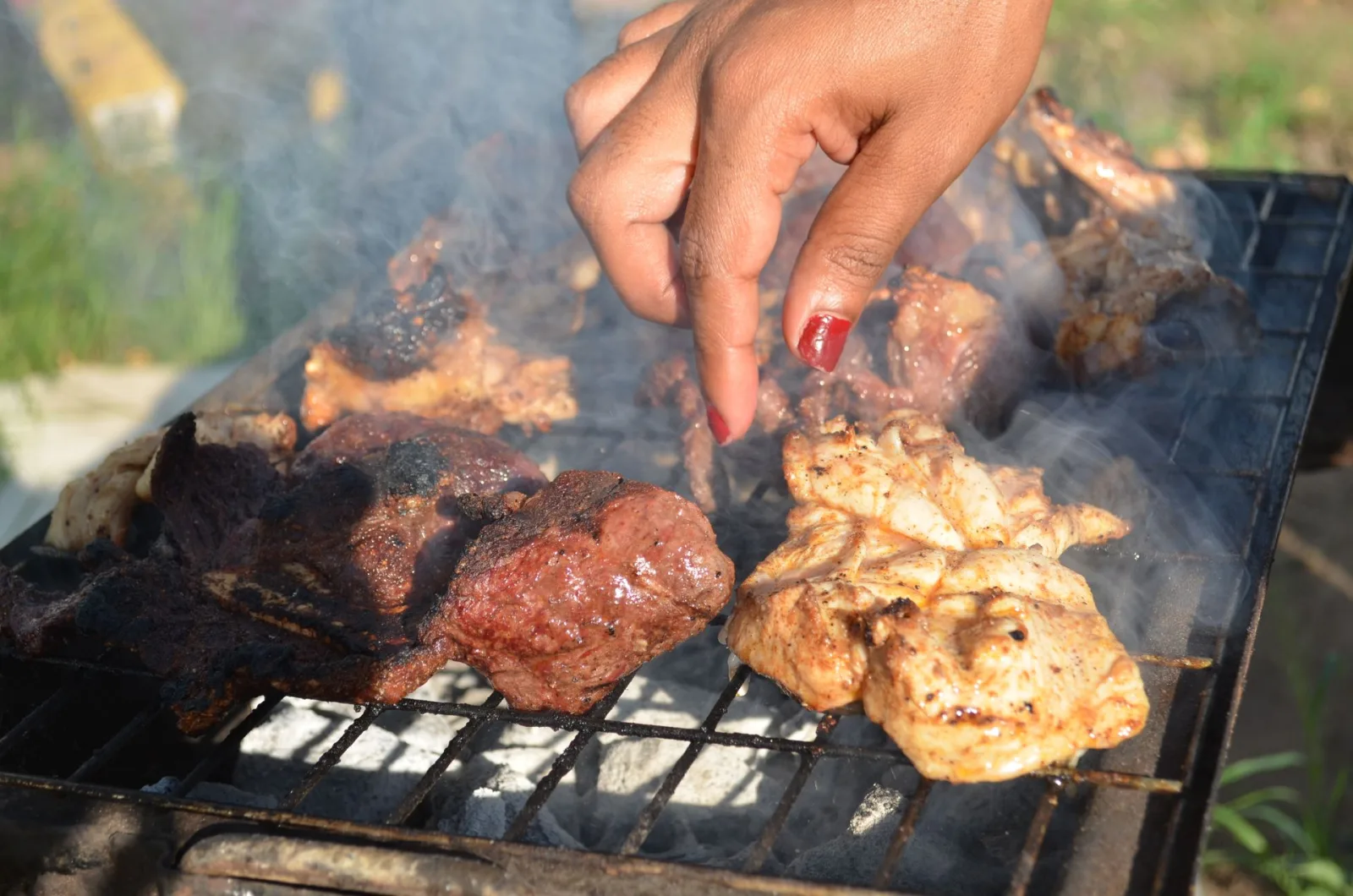
Traditional Zimbabwean braai barbecue with Sadza and grilled meat

Zimbabwe Food Guide for Indians
Sadza, Braai & Safari Dining 2026

Navigate Zimbabwe's culinary landscape: traditional staples, vegetarian options in remote safari lodges, and dining costs for Indian travelers.

Updated for 2026 Travelers
Written by Vishal Narayan — Africa Travel Specialist
Reviewed by Veena Rathore · Africa Travel Reviewer
Last updated after reviewing:
  • Safari lodge vegetarian menu customization protocols updated for 2026 peak season
  • Victoria Falls and Harare restaurant pricing and tipping norms for 2026
  • Availability of Indian spices and ingredients in Harare supermarkets for self-catering

Last updated: April 2026

Understanding Zimbabwean Cuisine
A practical guide to eating in Zimbabwe, tailored for Indian palates and dietary preferences.

Important for Indian Travelers: Zimbabwean cuisine is heavily centered around maize and meat. While cities like Harare and Victoria Falls offer diverse dining, remote safari lodges have limited menus. For a complete overview of your trip logistics, refer to our Zimbabwe Travel Guide.

Must-Try Traditional Zimbabwean Dishes
Experience the hearty, flavorful staples that define local dining culture.

The Staples

  • Sadza: The undisputed national dish. A thick, white maize porridge served with almost every meal. It is eaten with the right hand, rolled into a ball, and used to scoop up stews.
  • Nyama: Beef, goat, or chicken stew, slow-cooked with tomatoes and onions. The most common accompaniment to Sadza.
  • Muriwo: Collard greens or cabbage, often cooked with tomatoes. A vital source of vegetables in the local diet.
Local Specialties

  • Braai: The Zimbabwean barbecue. A social event featuring grilled meats, boerewors (spiced sausage), and chicken. Highly recommended for non-vegetarians.
  • Dovi: A rich, savory peanut butter stew, traditionally cooked with chicken but available in vegetarian versions.
  • Mopane Worms: An adventurous, protein-rich delicacy. Dried and fried caterpillars, often compared to crispy roasted nuts or seeds in texture.
  • Maheu: A traditional, slightly sour fermented maize drink. Refreshing and non-alcoholic.
Vegetarian Dining in Zimbabwe
Navigating a meat-centric cuisine as an Indian vegetarian traveler.

Zimbabwe is not inherently vegetarian-friendly, but with foresight, Indian travelers can eat very well. The key is communication and managing expectations.

  • Safe Bets: Sadza with muriwo (greens), beans, or a fried egg. Peanut butter stew (Dovi) without meat is also a fantastic, filling option.
  • City Dining (Harare & Vic Falls): Hotels and mid-range restaurants routinely offer vegetarian pastas, pizzas, salads, and cheese dishes. Some establishments in Harare specialize in Indian cuisine.
  • The "No Meat" Rule: Be explicit. In local eateries, "vegetables" might be cooked with meat stock or bacon bits. Always specify "strictly no meat, no chicken stock."
  • Self-Catering: If you are on a road trip, major supermarkets (Pick n Pay, Spar) in Harare and Bulawayo stock lentils, rice, pasta, and basic spices. You can find specialized Indian groceries at the Asia Centre in Harare.

For tips on how to structure your daily activities around meal times, see our Zimbabwe Itinerary Guide.

Safari Lodge Dining Realities
What to expect from full-board meals in Hwange, Mana Pools, and Victoria Falls.

Full Board Inclusions

Almost all safari lodges in Zimbabwe operate on a Full Board basis. This means breakfast, lunch, and dinner are included in your nightly rate, along with afternoon tea and snacks after game drives.

  • Breakfast: Usually a buffet with cereals, fruits, toast, eggs, and coffee/tea.
  • Lunch: Often a light buffet or packed picnic basket if you are out on a full-day game drive.
  • Dinner: A plated three-course meal or a high-quality buffet. Soup, main course (meat/fish/veg), and dessert.

Vegetarian Requests

Remote lodges in Mana Pools or Hwange receive fresh produce deliveries only once or twice a week. Their menus are fixed based on what is available.

  • Inform in Advance: You MUST notify your tour operator and the lodge at the time of booking. Last-minute requests cannot be accommodated.
  • Menu Limitations: Do not expect authentic Indian curries or complex vegan dishes. Lodges will provide pasta, rice, beans, potatoes, and local vegetables.
  • Communication: Speak directly to the lodge manager upon arrival to review the daily menu and ensure your dietary needs are understood by the kitchen staff.
Dining Costs & Tipping Etiquette
Budgeting for meals outside your lodge package and understanding local tipping norms.

If you are staying in cities or eating out during transit, here is what you can expect to pay in US Dollars (USD).

  • Local Eatery (Sadza + Stew): USD 3 – USD 5
  • Mid-Range Restaurant (Victoria Falls/Harare): USD 15 – USD 25 per person
  • Upscale Hotel Restaurant: USD 30 – USD 50+ per person
  • Coffee / Soft Drink: USD 2 – USD 4
  • Local Beer (Zambezi / Lion): USD 2 – USD 3

Tipping: A 10% tip is customary in restaurants if a service charge has not already been added. For safari guides and lodge staff, tipping is a vital part of their income. Refer to our Zimbabwe Trip Cost Guide for a detailed breakdown of safari staff tipping norms.

Frequently Asked Questions — Zimbabwe Food & Dining
Quick, honest answers to the most common dining questions from Indian travellers.
1Is it easy for strict vegetarians to find food in Zimbabwe?
It requires planning. While Harare and Victoria Falls have restaurants offering vegetarian meals (pasta, salads, cheese dishes), rural areas and safari lodges are heavily meat-centric. Strict vegetarians must inform their tour operator at the time of booking so lodges can prepare specific meals like bean stews or vegetable curries.
2What is Sadza and can vegetarians eat it?
Sadza is the national staple — a thick, white porridge made from ground maize (cornmeal). It is completely vegan and gluten-free. Vegetarians typically eat it with muriwo (cooked greens), beans, or a peanut butter stew called dovi.
3Do safari lodges in Hwange serve Indian-style vegetarian food?
Most mid-range and luxury lodges do not have dedicated Indian chefs. However, if notified in advance, they can prepare basic Indian-style vegetable curries, dal, and rice. The menus in remote camps like Mana Pools are limited by supply chains, so expectations should be managed.
4How much should I budget for food in Harare and Victoria Falls?
A meal at a local eatery costs USD 3–5. A mid-range restaurant in Victoria Falls or Harare will cost USD 15–25 per person. Fine dining or hotel restaurants can range from USD 30–50 per person, excluding drinks.
5Can I buy Indian groceries and spices in Zimbabwe?
Yes, Harare has several Asian and Indian supermarkets where you can buy lentils, spices, and atta. If you are self-catering or staying in an apartment, you can easily find basic Indian ingredients.

Note: Restaurant menus and lodge supply chains are subject to seasonal changes and local availability. Always communicate dietary restrictions directly to your tour operator and lodge management well in advance of your arrival. Prices are estimated in USD and may fluctuate.

Plan Your Zimbabwe Culinary Safari

Fill out the enquiry form below and our travel experts will help you design a Zimbabwe itinerary that accommodates your dietary preferences and culinary interests.

Get assistance with lodge bookings, dietary request coordination, flight bookings, and complete Zimbabwe tour packages.

Enquire About This Package