
Japan offers four distinct seasons, each with unique appeal. For Indian travelers, the best overall window is October — ideal weather across all regions, stunning autumn foliage in Kyoto, and moderate pricing compared to cherry blossom peak.
Quick Recommendations:
- Cherry Blossoms: Late March–early April (Tokyo/Kyoto); book 4–6 months ahead
- Autumn Foliage: Late October–November (Kyoto/Nikko); second-best season
- Best Value: May or September (pleasant weather, 15–25% lower hotel rates)
- Winter Activities: December–February for ski resorts, illuminations, fewer crowds
- Avoid if Possible: Golden Week (late Apr–early May) and Obon (mid-August) due to domestic travel crowds
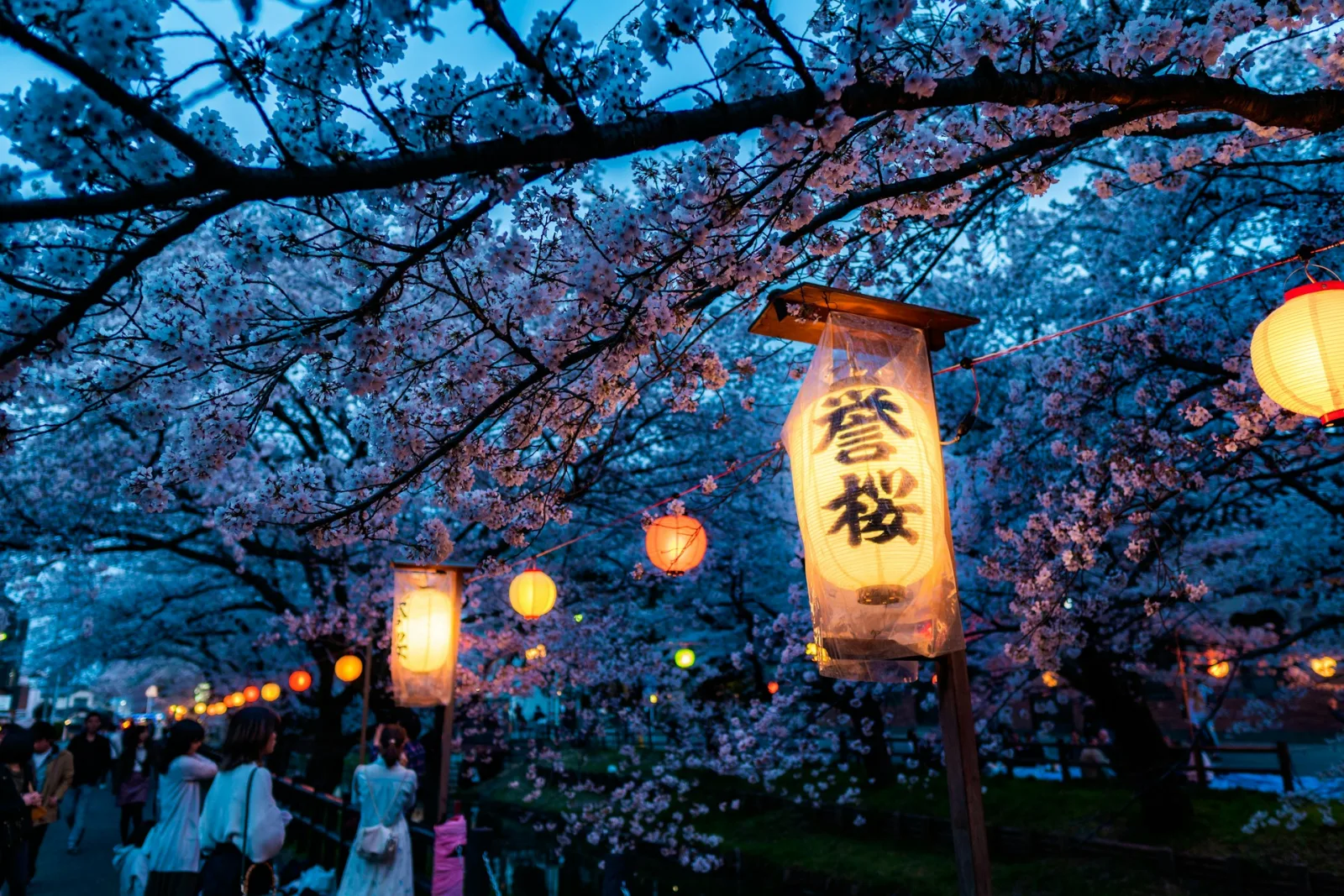
Spring is Japan's most iconic season, defined by cherry blossoms (sakura) and mild temperatures.
- Weather: Tokyo/Kyoto 10–20°C; Hokkaido still cool (5–12°C)
- Cherry Blossom Forecast: Tokyo blooms ~March 25; Kyoto ~March 28; Hokkaido ~May 5 (JMA 2026 projections)
- Crowd Level: Very high during sakura peak; moderate in May
- Indian Travel Fit: Late March aligns with Indian school holidays; book early for best availability
- Packing Tip: Light layers + light jacket for evenings; compact umbrella for spring showers
Pro Tip: Follow the Japan Meteorological Agency's official sakura forecast for precise bloom timing. Hotels near popular hanami spots (Ueno Park, Philosopher's Path) sell out 3–4 months ahead.
Summer brings heat, humidity, festivals (matsuri), and mountain escapes.
- Weather: Tokyo/Kyoto 25–34°C, high humidity; Hokkaido pleasant 18–25°C
- Rainy Season (Tsuyu): June to mid-July; frequent showers, lush greenery, hydrangea blooms
- Festivals: Gion Matsuri (Kyoto, July), Tenjin Matsuri (Osaka, July), fireworks nationwide
- Indian Travel Fit: Hokkaido offers cool escape from Indian summer; mainland cities require heat tolerance
- Packing Tip: Breathable fabrics, moisture-wicking clothing, portable fan, rain jacket
Money-Saving Note: June and early July offer 20–30% lower hotel rates vs. peak seasons. Carry a compact umbrella — showers are frequent but brief.
Autumn delivers crisp air, vibrant foliage (koyo), and some of Japan's most photogenic landscapes.
- Weather: Tokyo/Kyoto 15–22°C; Hokkaido 8–16°C; low humidity, clear skies
- Foliage Forecast: Kyoto peaks ~November 15–25; Tokyo ~November 20–30; Hokkaido ~October 10–20
- Crowd Level: High during peak foliage; moderate in September
- Indian Travel Fit: October aligns with Diwali/long weekends; ideal weather for temple visits and hiking
- Packing Tip: Light sweaters, scarf, comfortable walking shoes for temple trails
Photography Tip: Visit Arashiyama Bamboo Grove or Eikando Temple at sunrise to avoid crowds during peak foliage. Many temples offer special evening illuminations for autumn leaves.
Winter offers snowscapes, winter illuminations, ski resorts, and fewer crowds in cities.
- Weather: Tokyo/Kyoto 2–10°C; Hokkaido –5 to 2°C with heavy snow
- Highlights: Sapporo Snow Festival (February), Hakone onsen with snow views, Tokyo/Osaka illuminations
- Crowd Level: Low in cities; high at ski resorts during Indian winter holidays
- Indian Travel Fit: December–January aligns with Indian school breaks; pack warm layers for comfort
- Packing Tip: Thermal base layers, insulated jacket, gloves, hat, waterproof boots for snow regions
Comfort Tip: Book ryokan with heated floors (kotatsu) and onsen access for authentic winter comfort. Most hotels have excellent heating; indoor attractions remain fully accessible.
- Book cherry blossom trips 4–6 months ahead — flights and hotels near sakura spots sell out fast.
- Check typhoon forecasts for August–October travel — purchase travel insurance covering weather delays.
- Pack layers year-round — Japan's weather shifts quickly; indoor heating/cooling is strong.
- Use shoulder seasons (May, September) for best value — pleasant weather with 15–25% lower hotel rates.
- Download Japan Weather Association app — real-time forecasts, sakura/foliage updates, typhoon alerts.
- Inform hotels of dietary needs in advance — especially during peak seasons when restaurant options fill quickly.
Planning your Japan trip around the perfect season? Our travel experts can help match your dates with ideal weather, events, and pricing.
Get a Seasonal Japan Quote →Disclaimer: Weather patterns and seasonal events are subject to change. Cherry blossom and foliage forecasts are estimates based on historical data and may vary by ±1 week. Verify current conditions with Japan Meteorological Agency and local tourism boards before finalizing travel plans.