Updated 2026 walking routes and pedestrian zone timings around Hoan Kiem Lake
Revised street food hygiene advisories for Indian travelers in the Old Quarter
Current Grab taxi availability and pricing trends from Noi Bai Airport to Hanoi center
Fact-checked April 2026
Last updated: April 2026
Welcome to Hanoi
The chaotic, charming, and deeply cultural capital of Vietnam.
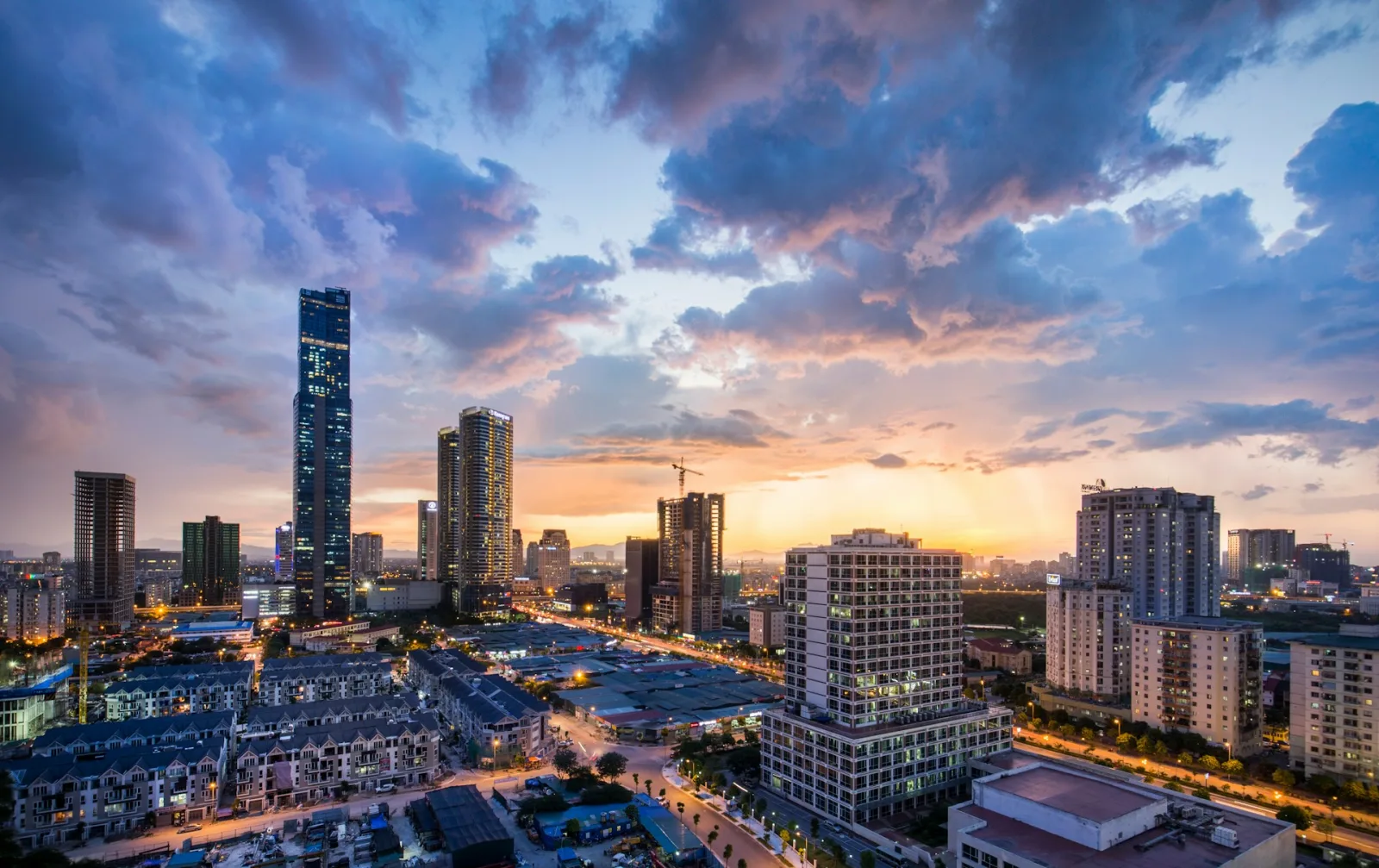
Hanoi is a city of contrasts. French colonial architecture sits alongside ancient Buddhist temples, and the frenetic energy of the Old Quarter’s 36 streets gives way to the serene waters of Hoan Kiem Lake. For Indian travelers, Hanoi offers a fascinating cultural deep-dive that is distinctly different from the tropical beach vibes of southern Vietnam. It is the perfect starting point for any Vietnam itinerary from India.
While Hanoi is highly affordable, understanding the local logistics—like how to cross the street or where to find the best Pho—is crucial. For a comprehensive breakdown of your entire trip budget, refer to our detailed Vietnam trip cost from India guide.
Top Attractions in Hanoi
Must-visit landmarks that capture the history and soul of the city.
Historical & Cultural
Hoan Kiem Lake & Ngoc Son Temple: The spiritual heart of the city. Walk across the bright red The Huc Bridge to reach the temple on the small islet. Best visited early morning.
Temple of Literature: Vietnam’s first university, built in 1070. A beautiful example of traditional Vietnamese architecture and a tribute to education.
Ho Chi Minh Mausoleum: The final resting place of the revolutionary leader. Dress modestly (covered shoulders and knees) and note that it is closed on Monday and Friday afternoons.
Train Street: A narrow residential street where trains pass inches from houses and cafes. Note: Access is frequently restricted by local police for safety; check current status or book a guided tour.
The Old Quarter
36 Streets: Each street was traditionally dedicated to a specific trade (e.g., Silver Street, Silk Street). Today, it is a maze of shops, street food stalls, and tube houses.
Dong Xuan Market: The largest covered market in Hanoi. Great for wholesale goods, spices, and local snacks. Bargaining is expected.
Ta Hien Street (Beer Street): Famous for "Bia Hoi" (fresh draft beer). Grab a tiny plastic stool on the corner and soak in the vibrant nightlife.
Weekend Night Market: Operating Friday to Sunday evenings, the streets around Dong Xuan Market close to traffic and transform into a massive, lively pedestrian market.
Hanoi Food & Street Food Guide
Hanoi is the culinary capital of Vietnam. Here is what you must try.
Must-Try Dishes
Pho (Northern Style): Unlike the sweeter southern version, Hanoi Pho is savory, clear, and focused on the purity of the beef broth. Try it at Pho Gia Truyen.
Bun Cha: Grilled pork patties and slices served in a dipping broth with a basket of fresh herbs and rice vermicelli. Famous since the Obama-Bun-Cha moment.
Egg Coffee (Ca Phe Trung): A rich, dessert-like drink made with robusta coffee, sweetened condensed milk, and whipped egg yolk. A must-visit is Giang Cafe, the birthplace of the drink.
Banh Mi: The Vietnamese baguette. Look for stalls with a line of locals; the high turnover ensures the freshest ingredients.
Vegetarian Tip: Look for the sign "Com Chay" (vegetarian rice). Many Buddhist temples and dedicated restaurants offer excellent meat-free buffets for under ₹200.
Hygiene Note for Indian Travelers: Street food is generally safe, but choose stalls with high turnover. Avoid raw vegetables washed in tap water and stick to bottled water. If you have a sensitive stomach, opt for cooked dishes like Pho or grilled meats.
Getting Around Hanoi
Navigating the city's chaotic but efficient transport network.
Transport Options
Grab (Car & Motorbike): The absolute best way to get around. It prevents overcharging and eliminates the language barrier. GrabBike is the fastest way to navigate traffic.
Walking: The Old Quarter is highly walkable. However, crossing the street requires a specific technique: walk slowly and steadily at a constant pace. Do not stop or run; the motorbikes will flow around you.
Public Bus: Very cheap (₹20 per ride) and relatively modern, but routes can be confusing for non-Vietnamese speakers.
Cyclo: A three-wheeled bicycle taxi. Great for a slow, scenic ride around the Old Quarter, but agree on a price before getting in.
Shopping in Hanoi
What to buy and where to find the best local crafts.
Souvenirs & Markets
Silk & Textiles: Hang Gai Street (Silk Street) offers high-quality silk scarves, shirts, and custom tailoring. Bargaining is expected in small boutiques.
Lacquerware: A traditional Vietnamese art form. Look for intricate paintings and wooden boxes.
Coffee: Buy locally roasted Robusta or Arabica beans from specialty shops like Cong Caphe to take home.
Conical Hat (Non La): The iconic Vietnamese hat. Available everywhere in the Old Quarter, but quality varies. Check the stitching.
Frequently Asked Questions — Hanoi City Guide
Quick answers to help you navigate Vietnam's capital with confidence.
1How many days are enough to explore Hanoi?
Two to three days are ideal for Hanoi. This allows you to explore the Old Quarter, visit Hoan Kiem Lake, see the Temple of Literature, and enjoy a comprehensive street food tour without feeling rushed.
2Is Hanoi safe for Indian tourists?
Yes, Hanoi is very safe for Indian tourists. Violent crime is rare. The main challenges are crossing the chaotic streets filled with motorbikes and avoiding minor scams like taxi meter manipulation. Using the Grab app is highly recommended for transparent pricing.
3Can vegetarian Indians find good food in Hanoi?
Absolutely. Look for restaurants with "Com Chay" (vegetarian rice) or "Pho Chay" (vegetarian noodle soup) on the signboard. Buddhist vegetarian restaurants are common and offer excellent, affordable meat-free meals.
4What is the best way to get from Noi Bai Airport to Hanoi city center?
The most convenient and cost-effective way is to book a Grab car from the airport, which costs around ₹800–₹1,200 (350,000–500,000 VND). Alternatively, the public Bus 86 (express airport bus) is very comfortable and costs only about ₹100 (45,000 VND).
5How do I cross the street in Hanoi safely?
The secret is to walk slowly and steadily at a consistent pace. Do not run, and do not stop suddenly. The motorbike drivers are experts at flowing around you like water. Making eye contact with the drivers helps them gauge your speed.
Want a seamless Hanoi experience? Our experts handle your flights, e-Visa, and hotel bookings so you can focus on the Pho.
Note: Hanoi is a bustling metropolis. Keep your valuables secure in crowded areas like the Night Market and be cautious of "drive-by" phone snatching, though this is rare in well-lit tourist areas.