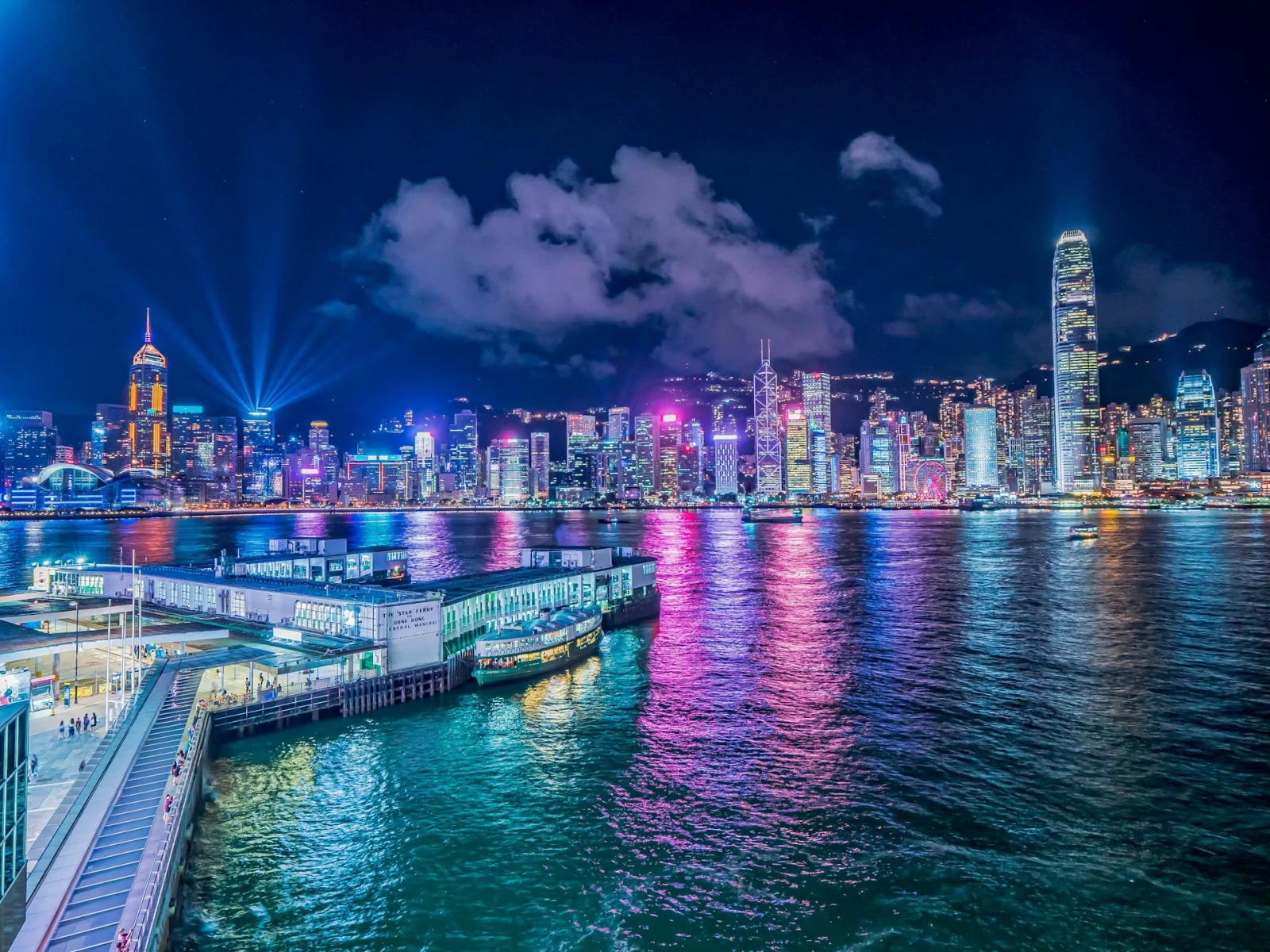
Aerial view of Hong Kong Victoria Harbour skyline at sunset with Star Ferry crossing

Hong Kong Travel Guide
for Indian Travelers

Visa, cost, itinerary & tips — your complete guide to planning a trip to Hong Kong from India in 2026.

Updated for 2026 Travelers
Written by Nisha Chaudhary — Asia Travel Specialist
Reviewed by Namrata Sethi · Asia Travel Reviewer
Last updated after reviewing:
  • Hong Kong Pre-arrival Registration (PAR) streamlined for Indian passport holders
  • MTR and Octopus Card digital integration updates for 2026
  • Direct flight connectivity from Delhi & Mumbai to HKG (Cathay, Air India, AIX)

Last updated: April 2026

Hong Kong Trip Cost from India (Detailed Breakdown)
Realistic cost breakdown for flights, PAR visa, hotels, food, and total budget for 2026

Cost Breakdown 2026

  • Return Flights: ₹45,000 – ₹85,000
  • P Visa / PAR Fee: FREE (Pre-arrival Registration — see Visa section)
  • Hotels (per night): ₹6,000 – ₹15,000
  • Food (per day): ₹2,000 – ₹5,000
  • Local Transport (per day): ₹500 – ₹1,500
  • Activities & Entry Fees: ₹15,000 – ₹30,000 total
  • Travel Insurance: ₹1,500 – ₹2,500
  • Total (5–7 days): ₹1.2L – ₹2.5L per person

Hong Kong is more expensive than Thailand or Vietnam but offers world-class efficiency, cleanliness, and diverse experiences. Flights and hotels are the biggest cost components.

Best Departure Cities

  • Delhi (DEL) — Most direct flight options (Cathay Pacific, Air India)
  • Mumbai (BOM) — Excellent direct & one-stop connections
  • Bangalore (BLR) — Good connections via Singapore or Bangkok
  • Hyderabad (HYD) — Via Middle East or Southeast Asia
  • Chennai (MAA) — Via Kuala Lumpur or Singapore

Delhi and Mumbai offer the most competitive fares and shortest travel times to Hong Kong International Airport (HKG).

Ready to plan your Hong Kong trip? Let us handle flights, PAR registration, hotels, and tours.

View Hong Kong Tour Packages →
Flight Routes from India to Hong Kong
Flights from India to Hong Kong take 5–12 hours depending on layovers. Here are the most popular routes.

Delhi to Hong Kong

  • Route 1: DEL → HKG (Direct, Cathay Pacific / Air India)
  • Route 2: DEL → Bangkok → HKG (Thai Airways / AirAsia)
  • Route 3: DEL → Singapore → HKG (Singapore Airlines)
  • Route 4: DEL → Dubai → HKG (Emirates)
  • Duration: 5–7 hours (direct), 8–12 hours (layover)
  • Price Range: ₹45,000 – ₹80,000

Mumbai to Hong Kong

  • Route 1: BOM → HKG (Direct, Cathay Pacific / Air India Express)
  • Route 2: BOM → Bangkok → HKG (IndiGo / Thai Airways)
  • Route 3: BOM → Doha → HKG (Qatar Airways)
  • Route 4: BOM → Kuala Lumpur → HKG (Malaysia Airlines)
  • Duration: 5.5–8 hours
  • Price Range: ₹40,000 – ₹75,000

Note: Hong Kong International Airport (HKG) is one of the world's busiest hubs. SkyTrain connects Terminals 1 & 2. Airport Express train reaches Central in 24 minutes. Check Asia travel guides for more regional information.

Hong Kong vs Singapore Cost for Indian Travelers
How does Hong Kong compare to Singapore on cost? Here is a practical comparison for Indian travelers.
Expense Hong Kong (5 days) Singapore (5 days)
Flights₹45K – ₹85K₹35K – ₹70K
VisaFREE (PAR)₹2K – ₹4K (e-Visa)
Hotels/night₹6K – ₹15K₹7K – ₹18K
Food/day₹2K – ₹5K₹2.5K – ₹6K
Local Transport₹500 – ₹1.5K/day₹800 – ₹2K/day
Total Trip₹1.2L – ₹2.5L₹1.3L – ₹2.8L
Flights
Hong Kong₹45K – ₹85K
Singapore₹35K – ₹70K
Visa
Hong KongFREE
Singapore₹2K – ₹4K
Hotels/night
Hong Kong₹6K – ₹15K
Singapore₹7K – ₹18K
Food/day
Hong Kong₹2K – ₹5K
Singapore₹2.5K – ₹6K
Total Trip
Hong Kong₹1.2L – ₹2.5L
Singapore₹1.3L – ₹2.8L

Hong Kong and Singapore offer similar cost structures. Hong Kong excels in natural landscapes, hiking trails, and proximity to Shenzhen/Macau, while Singapore is highly manicured and family-friendly.

Best Time to Visit Hong Kong from India
Hong Kong has a humid subtropical climate. The best time depends on your preferred weather and festivals.
Month Season Weather Crowds Best For India Travel Note
JanWinter ❄️Cool 13–20°C, dryModerateShopping festivals, hikingPleasant escape from Indian winter
FebWinter / CNYCool 13–20°CHigh (Chinese New Year)Cultural events, lanternsValentine's/CNY holiday window
MarSpring 🌸Mild 17–23°C, humidModerateOutdoor activities, marketsGood shoulder season
AprSpring 🌸Warm 21–26°CModeratePark visits, DisneyIdeal for families
MayLate SpringWarm 24–29°C, rainyLow-ModerateIndoor attractionsPre-monsoon window
JunSummer ☀️Hot 27–33°C, typhoon riskLowBeaches, indoor mallsMonsoon in India, avoid HK summer if possible
JulSummer / PeakHot 28–33°C, very humidHigh (summer holidays)Water parks, DisneylandIndian school holidays — book early
AugLate SummerHot 28–33°C, typhoon seasonModerateIndoor museums, diningIndia school holidays end
SepAutumn 🍂Warm 24–30°C, coolingModerateMid-Autumn FestivalGood post-monsoon window
OctAutumn 🍂✓Pleasant 21–28°C, dryHighOutdoor sightseeing, hikingPeak Indian travel month — best weather
NovLate Autumn ✓✓Cool 18–25°C, clear skiesModerateCity walks, Victoria PeakExcellent weather, fewer crowds
DecWinter ❄️Cool 13–20°CHigh (festivals)Christmas lights, shoppingWinter holidays, pleasant escape
5-Day Hong Kong Itinerary for Indian Travelers
A perfect five-day Hong Kong itinerary covering HK Island, Kowloon, Lantau, and Disneyland highlights.

Day-by-Day Plan

  • Day 1: Arrive HKG → Check-in TST → Avenue of Stars → Symphony of Lights show
  • Day 2: Star Ferry to Central → Mid-Levels Escalator → PMQ → Victoria Peak (tram up)
  • Day 3: Ngong Ping 360 Cable Car → Big Buddha → Tai O fishing village → Return to Kowloon
  • Day 4: Full day at Hong Kong Disneyland → Evening shopping at Mong Kok Ladies Market
  • Day 5: Macau day trip via ferry OR Ocean Park → Airport departure via Airport Express

Planning Notes

  • Transport: Buy an Octopus Card on arrival — works on MTR, ferries, trams, and 7-Eleven
  • Budget option: Skip Macau day trip — explore Lantau and HK Island thoroughly instead
  • Currency: Hong Kong Dollar (HKD). International cards widely accepted
  • Language: English and Cantonese. Mandarin widely understood. Signage is bilingual
  • Connectivity: Buy local SIM/eSIM at HKG airport or use international roaming
  • Vegetarians: Look for Buddhist vegetarian restaurants and specify "no meat" at dim sum spots
  • Book ahead: Disneyland, Ocean Park, and Ngong Ping 360 tickets should be booked 1–2 months in advance

Want a hassle-free Hong Kong trip? Our packages include flights, hotels, transfers, guided tours, and PAR assistance.

Book Hong Kong Tour Package →
Hong Kong Visa for Indians — Complete Guide & Travel Essentials
Essential information for Indian travelers — from PAR registration and time zones to plug adapters and local transport apps.

Tip: Carry a multi-currency travel card — it offers better exchange rates than airport currency exchanges.

Hong Kong Visa for Indians — 2026 Update

Update (2024–2026): Indian passport holders can apply for the Pre-arrival Registration (PAR) online before travel, which grants a 14-day visa-free stay. Processing takes ~4 working days and is completely free. Source: HK Immigration Department.

  • Pre-arrival Registration (PAR): Mandatory for visa-free entry. Apply online at least 7 days before travel.
  • Where to apply: Hong Kong Immigration Department website (PAR section)
  • Documents: Valid passport (6+ months validity), return flight tickets, hotel bookings, proof of funds (~HKD 500/day)
  • Processing time: ~4 working days — print the notification slip and carry it
  • Duration permitted: 14 days for tourism
  • Extension: Can be applied for at HK Immigration if needed (discretionary)
  • Old visa-on-arrival: Not applicable for Indian citizens; use PAR only
CLICK TO KNOW MORE ABOUT VISA DOCUMENTATION & FEES

Time Zone

Hong Kong follows Hong Kong Time (HKT), which is UTC+8 and 2.5 hours ahead of Indian Standard Time (IST). There is no daylight saving time, so the difference remains constant year-round.

  • Hong Kong Time (HKT): UTC+8
  • Hong Kong is 2.5 hours ahead of Indian Standard Time (IST)
  • When it is 12:00 PM in Hong Kong, it is 9:30 AM in India
  • Hong Kong does not observe Daylight Saving Time
  • Business hours typically run from 9 AM to 6 PM HKT on weekdays
  • Banks operate from 9 AM to 4:30 PM on weekdays
  • Most shopping malls open from 10 AM to 10 PM daily
  • Restaurants serve lunch from 12–2 PM and dinner from 6:30 PM onwards

Country Code

To call Hong Kong from India, use the international dialing code +852 followed by the local 8-digit number.

  • International Dialing Code: +852
  • To call Hong Kong from India, dial: 00-852-XXXX XXXX
  • Emergency services: 999 (Police/Ambulance/Fire)
  • Major telecom providers: PCCW, CSL, 3HK, SmarTone
  • Tourist SIM cards available at HKG Airport arrivals hall
  • Free Wi-Fi available in most hotels, MTR stations, and public spaces
  • WhatsApp and WeChat widely used for communication

Socket & Plugs

Hong Kong uses Type G (UK-style 3-pin rectangular) electrical outlets with 220V at 50Hz. Indian travelers will need a plug adapter.

  • Type G — 220V, 50Hz
  • Uses British standard 3-pin rectangular sockets
  • Standard voltage is 220V with a frequency of 50Hz
  • Indian Type D (3-pin round) plugs require a Type G adapter ❌
  • Indian Type C (2-pin round) plugs will not fit without adapter ❌
  • Universal travel adapters available at HKG airport and 7-Eleven stores
  • Most hotels provide adapters at the front desk on request
  • Most modern devices (laptops, phone chargers) support 100–240V

Indian Consulate in Hong Kong

The Consulate General of India in Hong Kong provides consular services for Indian nationals.

  • Address: 27/F, United Centre, 95 Queensway, Admiralty, Hong Kong
  • Contact: +852 2532 1844
  • Email: [email protected]
  • Emergency (24/7): +852 9169 7052
  • Working Hours: Mon–Fri, 9:30 AM – 1:00 PM (Consular), 9:30 AM – 6:00 PM (General)
  • Services: passport renewal, emergency certificates, assistance to Indian nationals
  • Register with MADAD portal before travel for advisories and assistance

Hong Kong ETO in India

Hong Kong maintains Economic and Trade Offices in Delhi and Mumbai for trade and tourism promotion.

  • Delhi ETO: E-3/4, Vasant Vihar, New Delhi 110057
  • Contact Delhi: +91-11-4166-1800
  • Mumbai ETO: Maker Chambers IV, Nariman Point, Mumbai 400021
  • Contact Mumbai: +91-22-2283-0300
  • Email: [email protected] / [email protected]
  • Note: ETOs handle trade, tourism, and cultural exchanges, not visa processing
  • Working Hours: Mon–Fri, 9:00 AM – 5:00 PM

Car Driving Orientation

Left-Hand Drive (Same as India)

  • Hong Kong follows left-hand driving, identical to India's system
  • International Driving Permit (IDP) required along with valid home country license
  • Speed limits: 50 km/h urban, 70–80 km/h highways
  • Seat belts mandatory for all passengers
  • Driving under influence strictly prohibited (zero tolerance)
  • Car rental available but unnecessary — MTR is highly efficient
  • Public transport strongly recommended in Hong Kong due to traffic and parking costs
  • Road conditions excellent; strict traffic enforcement

App Based Taxi

Uber, HKTaxi, and MTR Mobile are Primary Transit Apps

  • Uber operates efficiently in Hong Kong
  • HKTaxi is the official government-backed ride-hailing app
  • MTR Mobile app essential for train routes, real-time arrivals, and exit maps
  • Payment options include credit/debit cards, Octopus Card, or in-app wallets
  • Average fare from HKG Airport to city center: HKD 250–350
  • Traditional metered taxis (red, green, blue) available everywhere
  • Always use registered taxis or apps for safety and transparency
  • Public buses, trams, and Star Ferry are economical alternatives

Need help with Hong Kong PAR registration? Our visa team assists with documentation and application.

Hong Kong Visa Assistance →
Hong Kong Culture, Language & Local Customs
Understand Cantonese, British-Chinese fusion culture, and local etiquette to connect better with locals.

Official Language

Cantonese & English — Official Languages

  • Cantonese is the spoken language of daily life and local commerce
  • English is widely spoken, especially in business, tourism, and government sectors
  • Mandarin is increasingly common due to mainland tourism and integration
  • Traditional Chinese characters used in signage (unlike Simplified in mainland)
  • Learning basic Cantonese greetings ("Nei hou" = Hello, "M goi" = Thank you) is appreciated
  • Translation apps work well in major districts with internet connectivity
  • English menus available in 90% of restaurants and tourist spots

Local Vocabulary

Understanding these Cantonese terms helps connect with locals and navigate daily life better.

  • Nei hou — Hello
  • M goi — Thank you / Please
  • M go ze — Thank you (for service)
  • Do ze — Thanks (polite)
  • Yat gaai — See you later
  • Man ho dou sin? — How much is this?
  • Sei m goi — Excuse me / Sorry
  • Mh hai — No / Not correct
  • Hou sik — Delicious
  • Dim sum — Small bites / Dumplings
  • Cha chan teng — Cha chaan teng (local diner/cafe)

Toilet Signs

Public restrooms are called "Ce so" or marked with standard international symbols. English signs are ubiquitous.

  • Men's toilets marked with "Men" or male pictogram
  • Women's toilets marked with "Women" or female pictogram
  • Public toilets in Hong Kong are generally clean and well-maintained
  • Some public facilities are free; shopping malls have excellent facilities
  • Always carry tissues as some older buildings may lack toilet paper
  • Western-style seated toilets are standard throughout Hong Kong
  • Accessible/family restrooms available in modern malls and MTR stations

Interesting Facts

Hong Kong has over 7 million people in just 1,106 sq km, making it one of the most densely populated places on Earth.

  • Hong Kong means "Fragrant Harbour" in Cantonese
  • The skyline of Victoria Harbour is the most photographed in the world
  • Hong Kong Disneyland is the only Disney park with a traditional feng shui consultant
  • The Peak Tram has been operating since 1888, climbing at a 45-degree angle
  • Hong Kong is home to more skyscrapers than any other city globally
  • Starbucks here has the highest density per capita globally
  • Hong Kong International Airport sits on reclaimed land and is built on artificial islands
  • The city has over 250 islands, most of which are protected nature reserves
Hong Kong Shopping & Markets Guide
From electronics and luxury fashion to street markets and traditional crafts.

Shopping Hours

Most Shops: 10:00 AM – 10:00 PM (Daily)

  • Shopping malls typically operate from 10:00 AM to 10:00 PM, seven days a week
  • Street markets open around noon and run until 10 PM
  • IFC Mall, Harbour City, and Times Square are premier shopping destinations
  • Small boutiques may close for lunch break (1–2 PM) in older districts
  • Supermarkets open from 8 AM to 11 PM or later
  • Tax-free shopping available for most goods (no GST/VAT in HK)
  • Best shopping season: End-of-year sales (Dec) and Chinese New Year promos
  • Cash and cards universally accepted; Alipay/WeChat Pay growing fast

Street Markets

Hong Kong's street markets offer everything from electronics and fashion to local snacks and souvenirs.

  • Ladies Market (Mong Kok) — Fashion, accessories, souvenirs (bargain hard)
  • Temple Street Night Market — Electronics, jade, fortune tellers, street food
  • Stanley Market — Upscale outdoor market with antiques, silk, beachwear
  • Jade Market (Kowloon) — Traditional jade jewelry and carvings
  • Computer Centre (Sham Shui Po) — Tech, cameras, gadgets (compare prices)
  • Cash preferred at street markets though cards increasingly accepted
  • Bargaining expected at markets (start at 50% of asking price)

Famous Brands & Items

Shopping in Hong Kong offers tax-free prices on luxury goods, along with exclusive Asian brands and local specialties.

  • Electronics: Cameras, drones, smartphones at competitive global prices
  • Luxury Fashion: Chanel, LV, Guilt, Prada — tax-free with global warranties
  • Cosmetics & Skincare: Japanese/Korean brands, duty-free at airport
  • Local Brands: Bossini, Giordano, Esprit (Hong Kong origins)
  • Jade & Pearl: Authentic jewelry from Temple Street and Jordan
  • Tea: Premium oolong, pu-erh, jasmine from traditional tea houses
  • Souvenirs: Model trams, mini Victoria Harbour dioramas, chopstick sets
  • Wine: Wine & Dine festival offers exceptional deals on imported wines

Supermarkets

Major supermarket chains like PARKnSHOP, Wellcome, and Citysuper offer wide product ranges with competitive prices.

  • PARKnSHOP — Widespread, good prices, local staples
  • Wellcome — Affordable, extensive locations, frequent promotions
  • Citysuper — Upscale, imported goods, premium fresh produce
  • 7-Eleven / Circle K — Open 24/7, essentials, quick meals
  • Most supermarkets open from 8 AM to 10 PM; convenience stores 24/7
  • Bottled water recommended; tap water is treated but usually filtered
  • Local snacks (dried seafood, preserved fruits) widely available
Hong Kong Food & Cuisine Guide
Hong Kong cuisine blends Cantonese tradition with British colonial influences, offering everything from street-side dim sum to Michelin-starred dining.

Do: Try local dim sum, milk tea, and egg tarts — Hong Kong's culinary scene is world-class.

Famous Cuisines

Hong Kong food is fast, flavorful, and deeply rooted in Cantonese techniques with Western adaptations.

  • Dim Sum — Steamed buns, dumplings, rice rolls (morning to afternoon tradition)
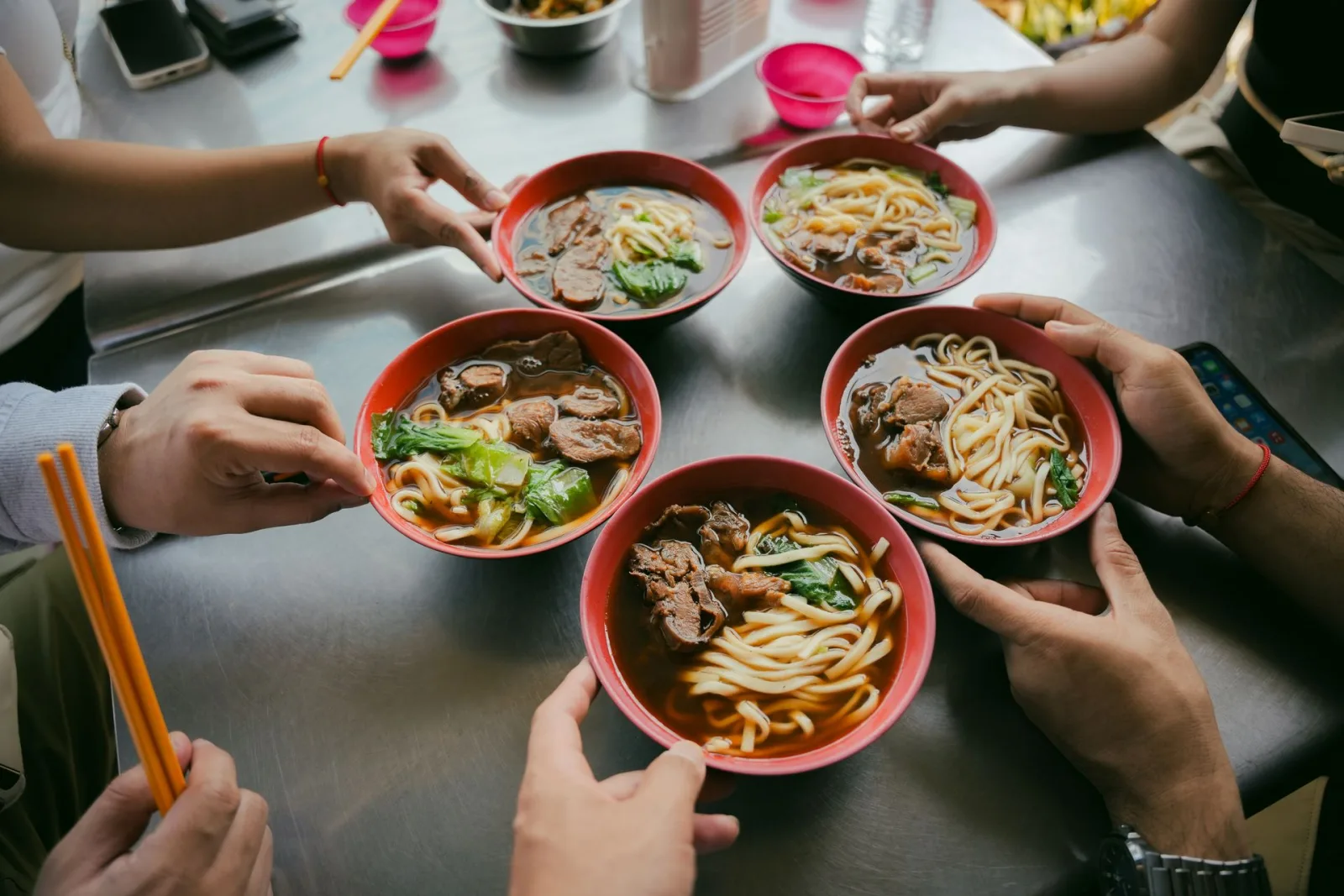
  • Wonton Noodles — Shrimp-filled wontons in springy egg noodle soup
  • Roast Goose / Char Siu — Slow-roasted meats glazed with honey and spices
  • Pineapple Bun (Bo Lo Bao) — Sweet bun with butter, iconic HK cafe staple
  • Milk Tea (Sai Yuet) — Strong black tea with evaporated milk, pulled for silkiness
  • Siu Mei — Cantonese BBQ meats displayed in shop windows
  • Claypot Rice — Rice cooked in clay with sausage, chicken, or preserved vegetables
  • Street Snacks — Fish balls, egg waffles, stinky tofu, skewers

Famous Fruits

While Hong Kong imports most fruit due to limited agriculture, local markets offer exceptional tropical and seasonal varieties.

  • Lychee (Lai chi) — Sweet, juicy summer fruit, often chilled with ice
  • Mangosteen — Purple-skinned tropical fruit, "queen of fruits"
  • Dragon Fruit (Pitaya) — Refreshing, low-sugar, popular in smoothies
  • Longan — Small translucent fruit, sweet, often dried or fresh
  • Rambutan — Hairy red skin, sweet flesh similar to lychee
  • Coconut Water — Fresh young coconuts available at street stalls
  • Pomelo — Large citrus fruit, sweet-tart, popular in autumn

Culinary Culture — Dim Sum

Dim sum is more than food — it's a weekend ritual, a family gathering, and a cultural institution in Hong Kong.

  • Traditionally served with Chinese tea ("yum cha" = drink tea)
  • Small portions allow sampling multiple dishes — har gow, siu mai, char siu bao
  • Bamboo steamers keep food hot and moist
  • Teahouses like Lin Heung, Tim Ho Wan (world's cheapest Michelin-starred)
  • Order by pointing at carts or marking a paper checklist
  • Gathering lasts 1–2 hours, emphasizing conversation and relaxation
  • Modern dim sum spots offer fusion twists and vegan options

Avg Cost Of Food

Budget travelers can eat well for HKD 150–300 per day at local eateries and dai pai dongs. Tipping 10% is customary in restaurants but not mandatory at street stalls.

  • Street Food/Snacks: HKD 20–50 each
  • Milk Tea / Coffee: HKD 15–30
  • Cha Chaan Teng Meal: HKD 40–80
  • Dim Sum Basket: HKD 30–60 per piece
  • Mid-range Restaurant: HKD 150–300 per person
  • Fine Dining (Michelin): HKD 800–3,000+ per person
  • Beer/Wine: HKD 40–80 (glass), HKD 150–400 (bottle)

Tipping: 10% service charge often added. Round up or leave small change at casual spots.

Hong Kong Weather & Packing Tips
Hong Kong has a humid subtropical climate with distinct seasons. Pack for heat, rain, and occasional typhoons.

Tip: Pack a compact umbrella — sudden tropical showers are common even in dry months.

Weather

Hong Kong has four distinct seasons with high humidity and sudden rainfall year-round.

  • Winter (Dec–Feb): Cool 13–20°C, dry, occasional cold fronts. Light jacket sufficient.
  • Spring (Mar–May): Mild 17–26°C, increasingly humid, frequent drizzle. Light layers.
  • Summer (Jun–Sep): Hot 28–33°C, very humid, heavy rain, typhoon risk. Breathable fabrics.
  • Autumn (Oct–Nov): Pleasant 21–28°C, dry, clear skies. Ideal for hiking and outdoor sightseeing.
  • Typhoon Season: July–September. Monitor HK Observatory alerts; flights/ferries may suspend.
  • Humidity: High year-round (70–90%). Quick-dry clothing recommended.
  • Air Quality: Generally good, but monitor on hazy days, especially near highways.

Clothes To Wear

Hong Kong fashion is smart-casual. Avoid overly beachwear-style clothes in malls and offices. Dress for humidity and walking.

For City & Malls:

  • Light, breathable clothing (cotton, linen) for summer
  • Light jacket or cardigan for heavily air-conditioned malls and MTR
  • Comfortable walking shoes (cobblestones, hills, long distances)
  • Compact umbrella (sudden tropical showers)
  • Smart-casual attire for upscale restaurants and bars

For Hiking & Outdoors:

  • Moisture-wicking quick-dry layers
  • Sturdy hiking shoes with good grip (trails are often steep/slippery)
  • Hat, sunglasses, high-SPF sunscreen (strong UV exposure)
  • Insect repellent for trails near reservoirs and country parks
Hong Kong Heritage & Cultural Highlights
UNESCO tentative sites, colonial architecture, temples, and souvenirs that capture Hong Kong's unique identity.

Heritage Sites & Landmarks

Hong Kong preserves a fascinating blend of ancient temples, colonial buildings, and indigenous fishing villages.

  • Tin Hau Temples — Sea goddess temples, over 70 across HK (most in Yau Ma Tei)
  • Man Mo Temple — Historic temple in Central dedicated to literature and war gods
  • PMQ — Former police quarters turned design hub, colonial architecture
  • Tai O Fishing Village — Stilt houses, traditional dried seafood market, boat tours
  • Big Buddha (Po Lin Monastery) — 34m bronze statue, Lantau Island spiritual center
  • Star Ferry Pier — Heritage pier operating since 1898, iconic harbour crossing

Cultural Symbols

The Bauhinia blakeana flower symbolizes Hong Kong's unique identity, while the Star Ferry represents its colonial and modern heritage.

  • Bauhinia Flower: Official floral emblem, appears on flag and currency
  • Star Ferry: Symbol of harbour life and daily commuting for over a century
  • Dim Sum: Culinary symbol of family gathering and Cantonese tradition
  • Tram (Ding Ding): Double-decker electric trams since 1904, moving heritage
  • Mid-Levels Escalator: World's longest covered outdoor escalator
  • Jade: Traditional stone of prosperity and protection
  • Lion Dance: Performed during festivals and business openings for good luck

Films Shot in Hong Kong

Hong Kong is a global cinema capital. Its skyline, alleys, and neon-lit streets have inspired countless international films.

  • Infernal Affairs (2002) — Inspired The Departed, set in HK underworld
  • Chungking Express (1994) — Wong Kar-wai masterpiece, Tsim Sha Tsui streets
  • Blade Runner 2049 (2017) — Cyberpunk cityscape heavily inspired by HK
  • Skyfall (2012) — James Bond skyline and harbour scenes
  • The Dark Knight (2008) — Batmobile chase and harbour sequences
  • Transformers: Age of Extinction (2014) — Hong Kong set piece finale

Souvenirs

Best places to shop for souvenirs: Ladies Market, Stanley Market, and HKG Airport duty-free.

  • Jewelry & Jade — Authentic pieces from Temple Street and Jordan markets
  • Model Trams — Miniature ding ding trams, iconic city symbol
  • Milk Tea Sets — Traditional pulling cups and local tea blends
  • Pineapple Bun Mix — DIY baking kits from local brands
  • Dim Sum Steamers — Bamboo baskets for authentic home cooking
  • Chopstick Sets — Intricately carved wooden or lacquer sets
  • Electronics — Cameras, gadgets, headphones (tax-free, global warranty)
  • Perfume & Cosmetics — Duty-free prices, Asian beauty brands
Notable Highlights for Indian Travelers
From martial arts legends to financial powerhouses, discover what makes Hong Kong unique on the global stage.

Famous People

  • Bruce Lee (1940–1973) — Martial arts legend, global cinema icon
  • Jackie Chan (1954–) — Action star, director, humanitarian ambassador
  • Wong Kar-wai (1958–) — Acclaimed film director, Cannes winner
  • Anita Mui (1963–2003) — "Madonna of Asia", iconic Cantopop singer
  • Leslie Cheung (1956–2003) — Actor, singer, cultural trailblazer
  • Li Ka-shing (1928–) — Billionaire businessman, philanthropist
  • Stephen Chow (1962–) — Comedy actor/director, "King of Comedy"
  • Tsui Hark (1950–) — Innovative film director, wuxia pioneer

Famous Innovations

Hong Kong is a global hub for finance, tech startups, and culinary innovation, with a strong tradition in logistics and urban planning.

  • Containerization — HK pioneered modern container port logistics
  • Smart City Tech — Leader in OCTOPUS card contactless payment system
  • Vertical Urbanism — Innovative skyscraper design and skybridges
  • Dim Sum Modernization — Elevated street food to Michelin-star status
  • FinTech — Global hub for digital banking and cryptocurrency trading

Hong Kong consistently ranks as the world's most free economy and top financial gateway to Asia.

Culinary Icons

  • Dim sum and milk tea define Hong Kong's culinary identity
  • Cha chaan tengs (tea restaurants) blend Chinese and Western comfort food
  • Street food culture thrives in Mong Kok, Temple Street, and Tai O
  • Michelin Guide features over 300 starred/bibendum venues
  • Traditional bakeries preserve century-old recipes for egg tarts and pineapple buns
  • Dai pai dong (open-air stalls) heritage preserved in select designated zones
  • Seafood markets in Aberdeen and Sai Kung offer fresh ocean-to-table dining

Is Hong Kong expensive for Indians? A 5–7 day trip costs ₹1.2–2.5 lakh including flights, hotels (₹6K–15K/night), food, and transport. It is comparable to Singapore but offers more hiking and cultural depth.

Do Indians need a visa? No traditional visa. Indians must apply for Pre-arrival Registration (PAR) online for a 14-day visa-free stay. It is free and takes ~4 working days.

Flight duration? Direct flights from Delhi/Mumbai take 5–7 hours. Layover flights take 8–12 hours via Bangkok, Singapore, or Dubai.

Is Hong Kong safe for Indian tourists? Extremely safe with low crime rates. Public transport is reliable, well-lit, and heavily monitored.

Currency? Hong Kong Dollar (HKD). Cards widely accepted. UPI not available. No GST/VAT on shopping.

Frequently Asked Questions — Hong Kong Travel for Indians
Quick, honest answers to the most common Hong Kong travel questions from Indian travellers
1Do Indians need a visa for Hong Kong? Has anything changed recently?
Indian passport holders do not need a traditional visa. Since 2014 (and streamlined through 2026), you must apply for the Pre-arrival Registration (PAR) online before travel. It grants a 14-day visa-free stay, is free of charge, and takes ~4 working days to process. Print the notification slip and carry it with your passport and return tickets.
2Is Hong Kong expensive for Indian tourists?
A 5–7 day Hong Kong trip from India costs approximately ₹1.2–₹2.5 lakh per person including flights (₹45K–₹85K), PAR registration (FREE), hotels (₹6K–₹15K/night), food (₹2K–₹5K/day), and activities. It is more expensive than Thailand but offers world-class infrastructure, cleanliness, and diverse experiences.
3How long is the flight from India to Hong Kong?
Direct flights from Delhi or Mumbai to Hong Kong (HKG) take 5–7 hours. Flights with one layover (via Bangkok, Singapore, or Dubai) take 8–12 hours. Cathay Pacific, Air India, and IndiGo offer reliable direct and one-stop connections.
4What is the best time to visit Hong Kong from India?
October to December is ideal with cool, dry weather (21–28°C) and clear skies. Spring (March–April) is also pleasant. Avoid June–September due to high humidity, heat, and typhoon risk. October aligns well with Indian school holidays and festival seasons.
5Is Hong Kong safe for Indian tourists?
Hong Kong is extremely safe with very low violent crime rates. Public transport is reliable, well-lit, and heavily monitored. Standard precautions against pickpocketing in crowded markets (Mong Kok, Temple Street) apply. Indian travelers consistently report comfortable, hassle-free experiences.
6Do Indians need a transit visa for Hong Kong flights?
Indian passport holders transiting through Hong Kong airport without clearing immigration do not need a visa. If leaving the airport for a city tour or layover exploration, the PAR scheme applies. Transiting through mainland China requires a separate transit visa.
7What is the Hong Kong visa fee for Indians?
The Pre-arrival Registration (PAR) is completely free. No visa fee, service charge, or hidden costs apply for the standard 14-day entry under the PAR scheme. Applications are processed online via the official Immigration Department website.
8What plug type is used in Hong Kong?
Hong Kong uses Type G (UK-style 3-pin rectangular) outlets at 220V, 50Hz. Indian Type D (3-pin round) and Type C (2-pin round) plugs will not fit without a universal adapter. Most hotels provide adapters on request. Most modern chargers auto-switch between 100–240V.
9Can I use Indian Rupee or UPI in Hong Kong?
No. Indian Rupee is not accepted. The local currency is Hong Kong Dollar (HKD). UPI is not available. Carry USD to exchange at banks or exchange houses, or use international Visa/Mastercard debit/credit cards. Alipay and WeChat Pay are increasingly accepted but cards work universally.
10What is the national dish of Hong Kong?
While Hong Kong has diverse cuisine, Dim Sum and Pineapple Bun (Bo Lo Bao) with butter are iconic local staples. Wonton noodles, milk tea (Sai Yuet), and roast meats (Siu Mei) are also deeply embedded in daily food culture.
11What is the time difference between India and Hong Kong?
Hong Kong is 2.5 hours ahead of Indian Standard Time (IST). When it is 12:00 PM in Hong Kong, it is 9:30 AM in India. The time difference remains constant year-round as neither region observes daylight saving time.
12Can vegetarian Indians find food in Hong Kong?
Yes. Hong Kong has excellent vegetarian and vegan options due to strong Buddhist culinary influence. Many dim sum items, noodle dishes, and dedicated vegetarian restaurants (especially in Causeway Bay and Mong Kok) cater to vegetarians. Specify "no meat" or "jai" at local eateries.
13Which is better for first-time visitors — HK Island or Kowloon?
First-timers should experience both. Stay in Tsim Sha Tsui (Kowloon) for shopping, harbour views, and easy MTR access. Cross via Star Ferry to explore Central, PMQ, Victoria Peak, and historic lanes on HK Island. Both sides offer distinct vibes and are 10 minutes apart by ferry.
14Is Hong Kong better than Singapore for Indian tourists on budget?
Both are premium destinations with similar cost structures. Hong Kong excels in natural landscapes, hiking trails, proximity to Macau/Shenzhen, and diverse street food. Singapore is highly manicured, family-friendly, and offers better public park infrastructure. Choose HK for culture/nature, SG for cleanliness/ease.
15Does Destination To Plan offer group tour packages to Hong Kong?
Yes. Destination To Plan offers customised group and family tour packages to Hong Kong from India — including return flights, hotels, guided city tours, Disneyland tickets, Macau day trips, airport transfers, and PAR assistance. Contact us via the inquiry form below or visit our Hong Kong tour packages page for details and pricing.
Have more questions? Our Hong Kong travel experts can help plan your perfect trip.

Talk to a Hong Kong Travel Expert →

Note: Information provided is subject to change. Verify PAR requirements, exchange rates, opening hours, and travel advisories before your trip. Prices are approximate and may vary based on location, season, and inflation. Hong Kong experiences rapid commercial changes; costs can fluctuate.

About This Hong Kong Travel Guide

This Hong Kong travel guide covers everything Indian travelers need from PAR registration and Tsim Sha Tsui travel tips to local dim sum, weather, shopping, and top attractions. Researched, regularly updated, and trusted by group tour planners and independent travelers.

Expert Curated Content

Every section — from Hong Kong PAR rules to Mong Kok shopping hours — is verified by travel professionals with Asia experience.

Regularly Updated Information

Hong Kong travel costs, PAR rules, and embassy details are reviewed and refreshed to reflect current conditions and 2026 travel updates.

Trusted by Indian Travelers

Used by group tour organizers, corporate travel planners, and independent travelers from India researching Hong Kong itineraries, Lantau trips, and city breaks.

Complete Hong Kong Resource

One guide covering PAR requirements, cost, flights, itinerary, dim sum, culture, weather, shopping, and heritage — all with India-specific context and 2026 accuracy.

More Travel Guides

Explore Other Destinations

Plan Your Hong Kong Trip from India

Fill out the enquiry form below and our travel experts will help you plan your Hong Kong tour — PAR, flights, hotels, and guided tours.

Get assistance with PAR registration, flight bookings, TST hotels, Disneyland, Ocean Park, Macau day trips, and complete Hong Kong packages.

Enquire About This Package