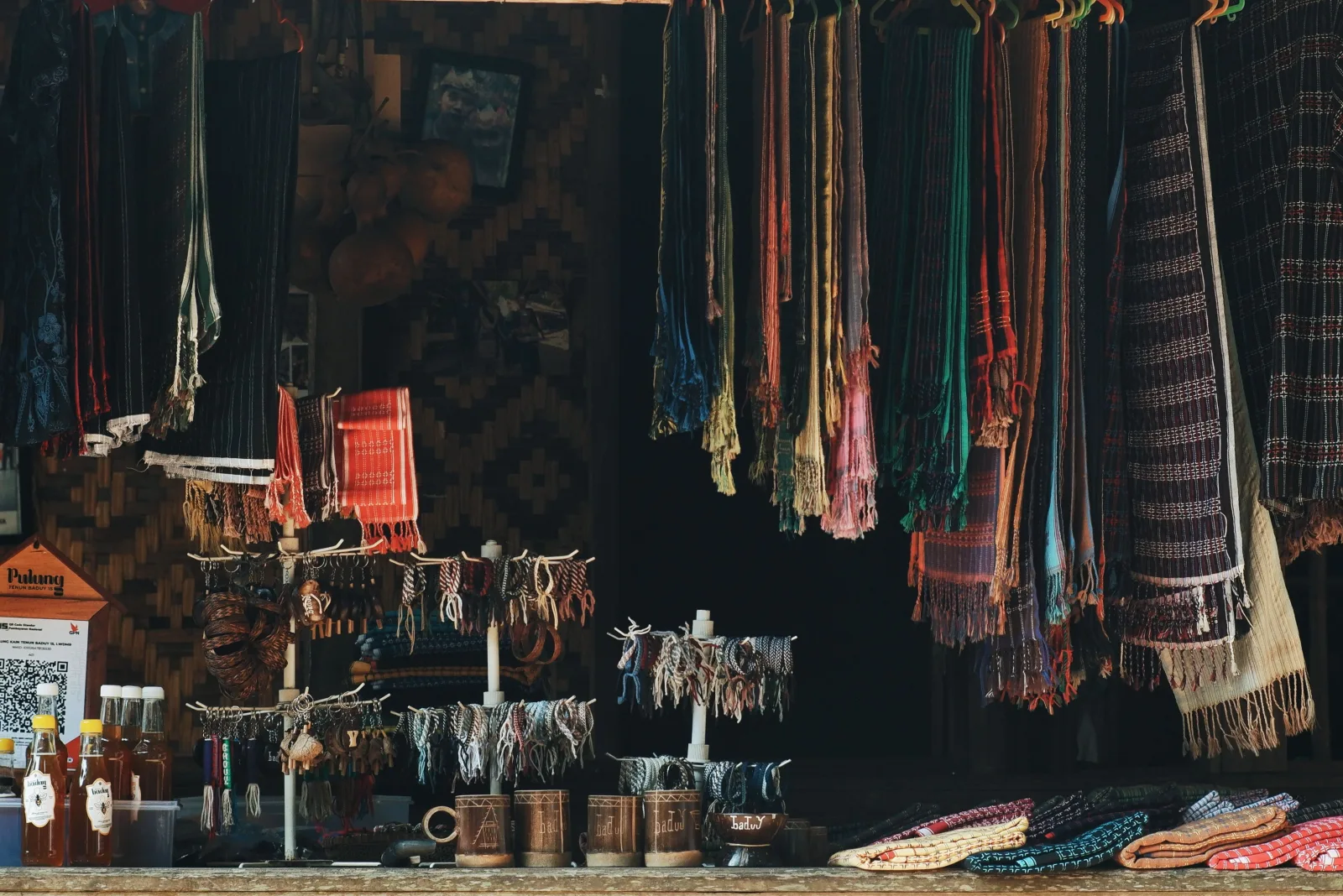
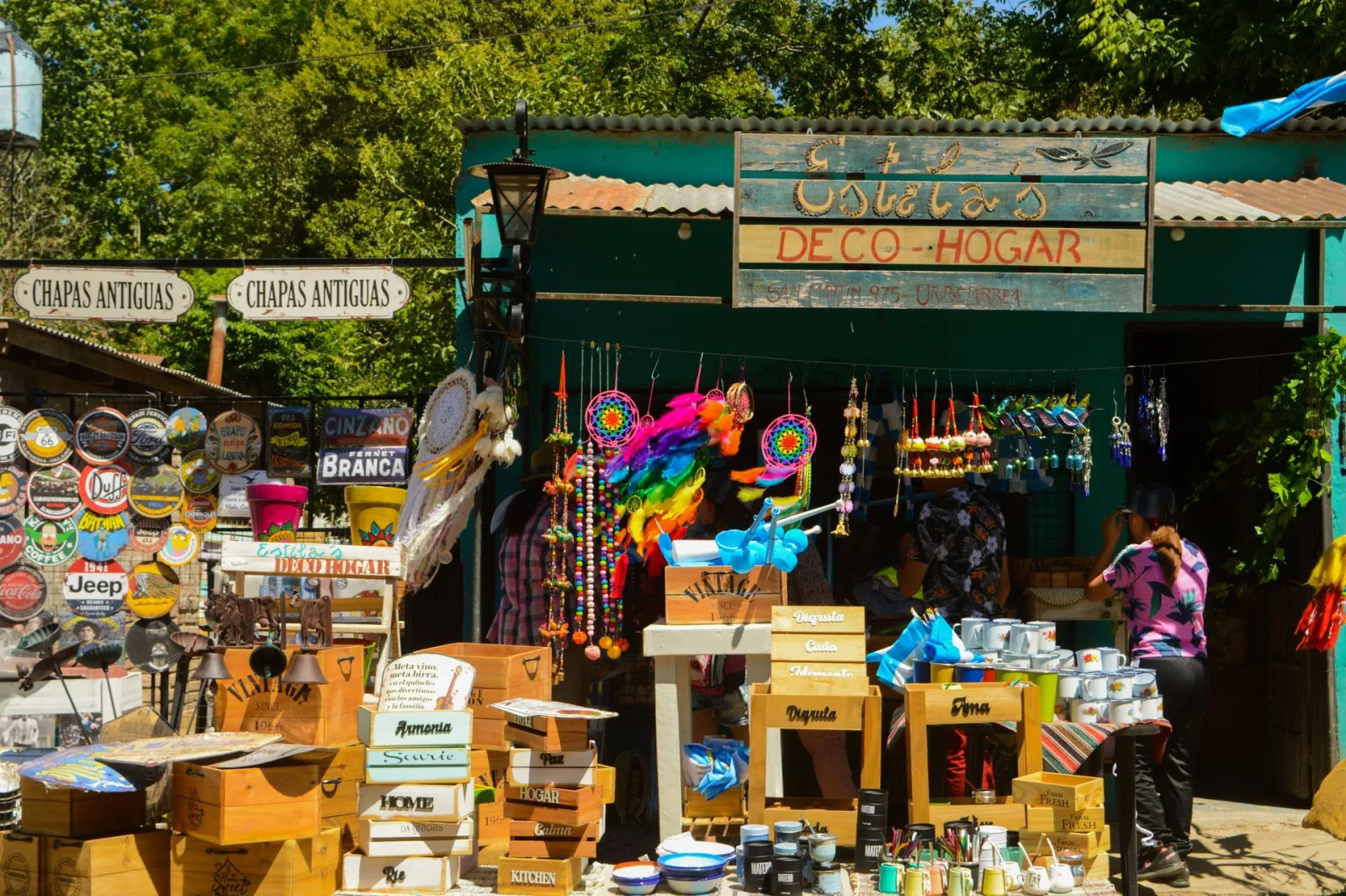
Best for batik: Yogyakarta (Pasar Beringharjo, Batik Museum Shop) — look for "Batik Indonesia" certification tag for authenticity.
Best for silver: Kotagede (Yogyakarta) and Celuk (Bali) — visit established workshops for 925 sterling silver with hallmarks.
Bargaining: Expected in traditional markets; start at 40-50% of asking price. Fixed prices in malls and galleries.
Payment: Cash (IDR) preferred in markets. International cards work in malls. UPI not accepted in Indonesia.
Tax refund: Available on purchases over IDR 500K (~₹2,700) at participating stores — claim at airport before departure.
Authentic Batik Shopping in Indonesia for Indian Travelers
UNESCO-recognized craft: where to buy, how to verify authenticity, and fair pricing for Indian tourists
Key insight: Indonesian batik was inscribed as UNESCO Intangible Cultural Heritage in 2009. Yogyakarta is its artistic heart — ideal for Indian travelers seeking authentic cultural souvenirs.
Yogyakarta: Pasar Beringharjo (traditional market), Batik Museum Shop (certified pieces), Malioboro galleriesBali: Sukawati Art Market (bargaining), Ubud galleries (fixed prices, authenticated), Sanur craft centersJakarta: Pasar Baru (budget options), Sarinah Department Store (curated selection), Taman Mini Indonesia IndahCertification: Look for "Batik Indonesia" tag from Ministry of Tourism — guarantees authentic hand-drawn or stamped batikIndian traveler tip: Hand-drawn (tulis) batik starts at IDR 500K (~₹2,700); printed versions start at IDR 50K (~₹270) — verify before purchasing
Pattern irregularities: Hand-drawn batik shows slight variations; printed batik is perfectly uniformReverse side: Authentic batik shows wax residue or color penetration on both sidesTexture: Tulis batik feels slightly raised where wax was applied; printed batik is flatPrice indicator: Authentic hand-drawn batik requires weeks of skilled labor — suspiciously low prices signal printed imitationCertification tag: "Batik Indonesia" hologram tag from Ministry of Tourism guarantees authenticityWorkshop visit: For high-value purchases, visit Kotagede or Celuk workshops to watch artisans create batik firsthand
Silver Jewelry Shopping in Indonesia for Indian Travelers
Kotagede and Celuk: Indonesia\'s silver hubs with authentic 925 sterling silver for Indian buyers
Kotagede, Yogyakarta: Historic silver village with family workshops; traditional Javanese designs; bargaining expectedCeluk, Bali: Concentrated silver artisan community; contemporary and traditional designs; English-speaking artisansVerification: Look for "925" hallmark indicating sterling silver; request certification for high-value piecesPricing: Silver jewelry priced by weight + craftsmanship; expect IDR 200K–2M+ (~₹1,100–11,000+) depending on design complexityIndian traveler advantage: Indian buyers familiar with silver quality can negotiate confidently; request hallmarked piecesCustom orders: Many workshops accept custom designs with 1–2 week production time; arrange shipping to India
Weight verification: Request pieces be weighed in front of you; silver priced per gram + craftsmanship feeHallmark check: Authentic sterling silver marked "925"; avoid unmarked pieces for investment-quality purchasesBargaining strategy: Start at 50% of asking price in traditional markets; fixed prices in established galleriesReceipt request: Always obtain detailed receipt with weight, purity, and price for customs declaration upon return to IndiaShipping option: For bulk purchases, request workshop arrange insured shipping to India via DHL or Pos IndonesiaCare tip: Indonesian silver may tarnish faster in humid climates; store with anti-tarnish strips or silica gel
Top Shopping Markets in Indonesia for Indian Travelers
Traditional pasar, art markets, and modern malls — where to find authentic crafts and fair prices
Pasar Beringharjo, Yogyakarta: Indonesia\'s most famous batik market; authentic hand-drawn and printed options; bargaining essentialSukawati Art Market, Bali: Largest art market in Bali; batik, wood carvings, paintings; start bargaining at 40% of asking pricePasar Baru, Jakarta: Historic market for textiles, souvenirs, electronics; cash preferred; arrive early for best selectionIndian traveler tip: Carry small IDR denominations for easier transactions; learn basic bargaining phrases in Bahasa IndonesiaBest time: Visit markets 8–10 AM for cooler temperatures, better selection, and vendor eagerness for first sales
Krisna Oleh-Oleh (Bali): Chain of fixed-price souvenir shops; no bargaining needed; reliable quality for budget travelersSarinah Department Store (Jakarta): Curated Indonesian crafts with authenticity guarantees; fixed prices; tax refund availableBeachwalk Mall (Bali): Mix of international brands and local craft boutiques; air-conditioned comfort; card payments acceptedIndian traveler advantage: Fixed-price shops eliminate bargaining stress; ideal for travelers short on time or unfamiliar with local negotiationTax refund: Look for "Tax Free Shopping" logo on purchases over IDR 500K (~₹2,700) — claim at airport before departure
Bargaining Etiquette in Indonesian Markets for Indian Travelers
Cultural norms, negotiation strategies, and respectful shopping practices
Cultural note: Bargaining in Indonesia is a social interaction — stay friendly, smile, and view it as cultural exchange, not confrontation.
Starting point: Begin at 40–50% of asking price in traditional markets; vendors expect negotiationPolite phrases: "Bisa kurang?" (Can you reduce?), "Terlalu mahal" (Too expensive) — said with smileWalk-away power: If price doesn\'t move, politely thank vendor and walk; often they\'ll call you back with better offerBundle discount: Buying multiple items? Ask for "harga khusus" (special price) for bulk purchaseIndian traveler advantage: Indians experienced in bargaining at home can apply similar respectful negotiation tactics in IndonesiaFixed-price zones: Malls, galleries, and certified shops have fixed prices — bargaining not appropriate in these settings
Handle with care: Ask before touching fragile items like ceramics or delicate wood carvingsPhotography: Request permission before photographing artisans or their work; some may declineLanguage effort: Learning basic Bahasa Indonesia greetings ("Terima kasih" = thank you) builds rapport with vendorsPatience: Bargaining takes time; allow 20–30 minutes per significant purchase in traditional marketsCultural respect: Avoid aggressive haggling over very low-priced items; focus negotiation on higher-value craftsSupport artisans: When possible, buy directly from workshops (Kotagede, Celuk) to ensure fair compensation for creators
Payment Methods for Indian Tourists in Indonesian Markets
Cash, cards, digital payments — what works where for Indian travelers
Key tip: Carry USD cash for best exchange rates at authorized money changers; convert to IDR for market shopping.
Cash (IDR): King in traditional markets; carry small denominations (IDR 10K, 20K, 50K) for easier bargainingInternational cards: Visa/Mastercard accepted in malls, galleries, and larger shops; inform bank before travel to avoid blocksUPI: Not accepted anywhere in Indonesia; do not rely on Indian digital payment appsQRIS: Indonesian QR payment system expanding but requires local bank account; not practical for touristsUSD strategy: Carry USD cash for best exchange rates at authorized money changers; avoid airport exchange countersATM tip: Use ATMs inside banks or malls for security; withdraw larger amounts to minimize transaction fees
Exchange strategy: Convert USD to IDR in city centers (not airports) for better rates; keep receipts for re-conversion if neededBudget allocation: Set daily shopping budget in INR before trip; track IDR spending to avoid overspendingReceipt keeping: Save all receipts for high-value purchases; required for tax refund claims and Indian customs declarationEmergency cash: Keep backup USD cash separate from daily spending money for emergenciesCard safety: Use credit cards for high-value purchases (fraud protection); debit cards for ATM withdrawalsIndian traveler tip: Notify your Indian bank of Indonesia travel dates to prevent card blocks on international transactions
Shipping Indonesian Purchases to India: Guide for Travelers
How to safely send batik, silver, and crafts home — costs, timelines, and customs considerations
Customs note: Indian customs allows personal effects duty-free; declare high-value purchases and keep receipts for verification.
Pos Indonesia: National postal service; economical for small packages; 10–21 days to India; tracking availableJNE/J&T Express: Private Indonesian couriers; faster than postal service; 7–14 days to India; good for medium packagesDHL/FedEx: International express; 3–7 days to India; best for high-value or time-sensitive shipments; higher costWorkshop assistance: Many batik/silver workshops arrange shipping for customers; request insured, tracked servicePackaging tip: Request vacuum-sealed packaging for batik to prevent moisture damage during tropical-to-temperate transitInsurance: Always insure high-value shipments; declare accurate value for customs and insurance purposes
Personal allowance: Indian customs allows personal effects duty-free; keep receipts for verification if questionedHigh-value items: Declare silver jewelry over ₹50,000 value upon return to India; keep purchase receipts and certificationDocumentation: Save shipping receipts, purchase invoices, and authenticity certificates for customs and insurance claimsProhibited items: Avoid purchasing wildlife products, antiquities, or protected cultural artifacts — illegal to export from IndonesiaIndian traveler tip: Photograph high-value purchases with receipts before shipping; creates digital backup for customs verificationDuty calculation: If customs assesses duty, it\'s typically 10–30% of declared value for crafts; budget accordingly
Need help arranging shipping for your Indonesian purchases? Our travel experts can connect you with trusted local partners.
Get Shopping Assistance →
Best Souvenirs to Buy in Indonesia for Indian Travelers
Culturally meaningful, vegetarian-friendly, and easy-to-transport gifts from Indonesia
Hand-drawn batik: Scarves, sarongs, wall hangings — culturally significant, lightweight, easy to packSilver jewelry: Earrings, pendants, bracelets from Kotagede/Celuk — timeless, high-value, compactWayang kulit puppets: Traditional shadow puppets — artistic, cultural, conversation-starting giftsIndonesian coffee: Sumatra Mandheling, Java Arabica — vacuum-packed for freshness; great for coffee-loving friendsWooden carvings: Masks, statues, decorative items from Bali/Yogyakarta — ensure sustainable wood sourcingTraditional textiles: Ikat, songket, tenun from various islands — unique regional patterns, cultural significanceJain traveler tip: Avoid food souvenirs containing shrimp paste (terasi) or fish sauce unless clearly labeled vegetarian
Prioritize portability: Choose lightweight, compact items for easy packing; batik scarves over large wall hangingsSupport artisans: Buy directly from workshops (Kotagede, Celuk, Ubud) to ensure fair compensation for creatorsQuality over quantity: One authentic hand-drawn batik piece holds more value than multiple printed imitationsCultural meaning: Select items with stories — ask artisans about patterns, techniques, and regional significanceGift planning: Buy small, affordable items (keychains, postcards) for casual gifts; save budget for meaningful keepsakesIndian traveler advantage: Indians appreciate craftsmanship; Indonesian batik and silver resonate with India\'s own textile and jewelry traditions
Frequently Asked Questions — Indonesia Shopping for Indian Travelers
Quick, practical answers to common shopping questions from Indian tourists
Note: Information provided is subject to change. Verify market hours, payment policies, and shipping regulations before your trip. Prices are approximate and may vary based on location, season, and negotiation. Always purchase from reputable vendors and request receipts for high-value items.