1Do Indians need a visa for Denmark? Has anything changed recently?
Yes. Indian passport holders require a Schengen tourist visa to enter Denmark. ETIAS will soon be mandatory for visa-exempt nationals, but Indians still need a full Schengen visa. Applications are processed via VFS Global India. Appointments should be booked 60–90 days in advance during peak season.
2Is Denmark expensive for Indian tourists?
A 7–10 day Denmark trip costs approximately ₹1.8–₹3.5 lakh per person including flights (₹65K–₹1.1L), visa (~₹7,200), hotels (₹6K–₹18K/night), food, and local transport. Denmark is premium-priced but offers exceptional quality, safety, and infrastructure. The Copenhagen Card significantly reduces museum and transit costs.
3How long is the flight from India to Denmark?
Flights take 10–14 hours with one layover, typically via Frankfurt (Lufthansa), Dubai (Emirates), Doha (Qatar), or Istanbul (Turkish). There are currently no direct flights. Booking 2–3 months ahead secures the best fares. Delhi and Mumbai offer the most competitive routing.
4What is the best time to visit Denmark from India?
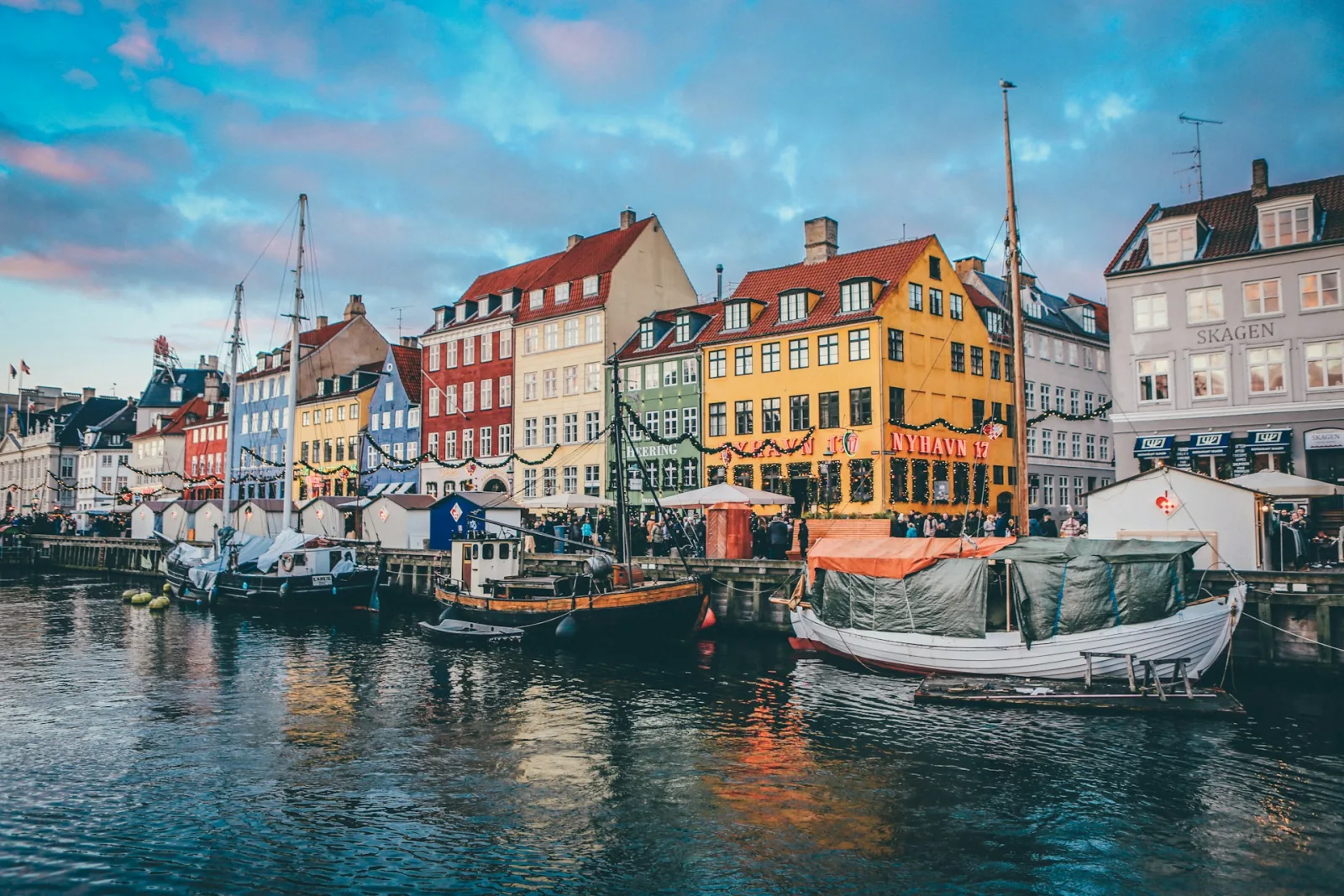
May to September offers mild weather (14–24°C), long daylight hours, and ideal conditions for cycling and coastal visits. December is magical for Christmas markets but cold (0–5°C). Shoulder months (April, October) provide fewer crowds and lower accommodation rates.
5Is Denmark safe for Indian tourists?
Denmark is exceptionally safe for Indian travelers. Copenhagen consistently ranks among the world's safest capitals. Violent crime is extremely rare. Standard urban precautions apply: watch belongings in tourist zones and use registered taxis. Indian families and solo travelers report highly comfortable experiences.
6Do Indians need a transit visa for Denmark flights?
If transiting through another Schengen country (Germany, France, Netherlands), you must hold a valid Schengen visa. Transit via UK requires a UK Direct Airside Transit Visa (DATV) or valid UK visa. Layovers in Middle Eastern hubs (Dubai, Doha, Abu Dhabi) are visa-free for Indian passport holders.
7What is the Denmark tourist visa fee for Indians?
The Schengen visa fee is €80 (~₹7,200) for adults and €40 for children aged 6–12. VFS Global service charges (~₹1,500–₹2,000) apply. Fees are subject to change. Payment is made at the VFS center during your biometric appointment. Travel insurance (€30,000 coverage) is mandatory and costs ~₹1,500.
8What plug type is used in Denmark?
Denmark uses Type C (European 2-pin) and Type K (3-pin grounded) outlets at 230V, 50Hz. Indian Type C plugs work directly without an adapter. Indian Type D plugs (3-pin round) require a Type C/K universal adapter. All modern hotels provide adapters, and most electronics auto-switch 100–240V.
9Can I use Indian Rupee or UPI in Denmark?
No. INR is not accepted and UPI does not work in Denmark. The local currency is Danish Krone (DKK). Denmark is highly cashless — international Visa/Mastercard, Apple Pay, and Google Pay are accepted everywhere. Carry DKK 500–1,000 only as backup for small vendors or public toilets. Exchange INR to DKK at home or withdraw DKK using an international debit card.
10What is the national dish of Denmark?
Stegt flæsk med persillesovs (crispy pork belly with parsley sauce) was officially voted Denmark's national dish in 2014. It is a weekend tradition served with boiled potatoes. Smørrebrød (open-faced rye sandwiches) is equally iconic and widely available for lunch.
11What is the time difference between India and Denmark?
Denmark is 3.5 to 4.5 hours behind IST depending on Daylight Saving Time. CEST (UTC+2, late Mar–Oct) is 3.5 hours behind. CET (UTC+1, Nov–Mar) is 4.5 hours behind. When it is 12:00 PM in Copenhagen (summer), it is 3:30 PM in India. Plan calls and sleep adjustments accordingly.
12Can vegetarian Indians find food in Denmark?
Yes, easily. Copenhagen is highly vegetarian and vegan-friendly. Most restaurants offer clear plant-based menus. Supermarkets stock extensive vegan products. Traditional dishes like potato salad, vegetable smørrebrød, and dairy-based pastries are widely available. Indian cuisine is also popular in major cities.
13Which is better for first-time visitors — Copenhagen or Legoland?
First-time visitors should prioritize Copenhagen (3–4 days) for museums, canals, royal palaces, and cultural immersion. Families with children often add Legoland Billund (1–2 days) via direct train. If time is limited, stick to Copenhagen and nearby attractions like Kronborg Castle or Helsingør.
14Is Denmark better than UK or France for Indian tourists on budget?
Denmark costs 20–30% more on-ground due to high VAT and labor costs. However, free museum days, Copenhagen Card discounts, and exceptional public infrastructure often offset expenses. Total trip cost remains comparable when factoring in shorter travel times and seamless logistics within Denmark.
15Does Destination To Plan offer group tour packages to Denmark?
Yes. Destination To Plan offers customised group and family tour packages to Denmark and wider Scandinavia from India — including return flights, Schengen visa assistance, hotels, guided city tours, Legoland access, airport transfers, and local transport. Contact us via the inquiry form below or visit our
Denmark tour packages page for details and pricing.