1Do Indians need a visa for Iceland? How do I apply?
Yes. Iceland is part of the Schengen Area. Indian passport holders must apply for a Schengen Tourist Visa (Type C). Applications are processed through VFS Global or the Danish Embassy in India. The fee is approximately ₹9,500 (€80) plus service charges. Apply 3–4 weeks before travel, and ensure your passport has 6 months validity and sufficient funds.
2Is Iceland expensive for Indian tourists?
Yes, Iceland is one of Europe's pricier destinations. A 7–10 day trip typically costs ₹1.8L–₹3.5L per person including flights (₹70K–₹1.2L), Schengen visa (~₹12K with VFS), accommodation (₹12K–₹25K/night), food (₹4K–₹7K/day), and car rental/tours. Costs can be managed by cooking some meals, staying in guesthouses, and travelling in shoulder seasons.
3How long is the flight from India to Iceland?
Flights from Delhi or Mumbai to Keflavik (KEF) take 10–14 hours with one layover, typically via London (LHR), Frankfurt (FRA), Copenhagen (CPH), or Amsterdam (AMS). There are no direct flights. Summer routes see increased capacity and better fares.
4What is the best time to visit Iceland from India?
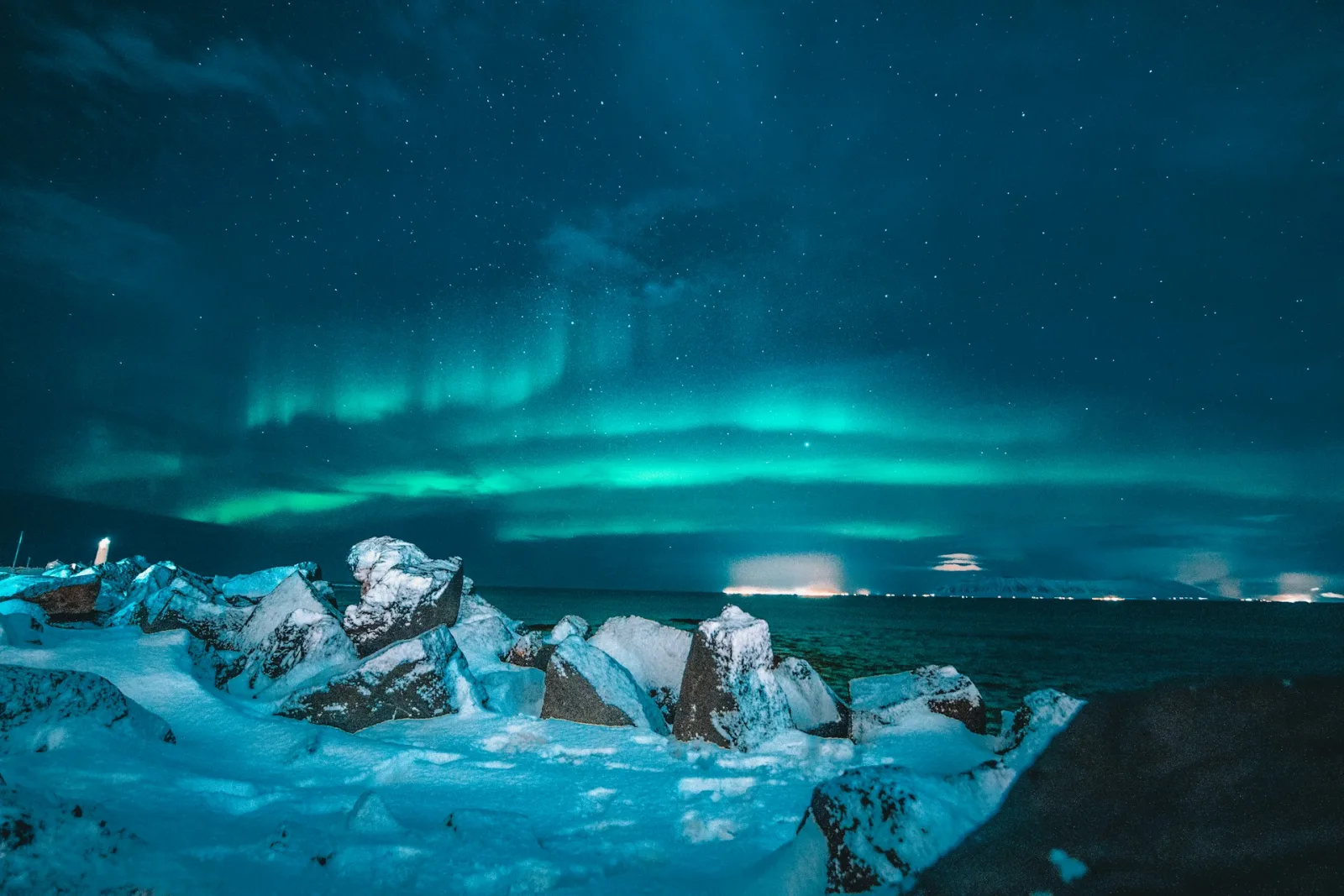
June to August offers midnight sun, accessible highlands, and ideal driving weather. September to March is best for Northern Lights, ice caves, and fewer crowds. Shoulder months (April–May & September–October) provide the best balance of mild weather, lower prices, and decent daylight. Avoid winter if you're uncomfortable with short days & variable road conditions.
5Is Iceland safe for Indian tourists?
Iceland consistently ranks among the safest countries globally. Violent crime and theft are extremely rare. The main safety concerns are rapidly changing weather, strong coastal sneaker waves, slippery ice, and off-road driving violations. Always check vedur.is (weather) and road.is before heading out, stay on marked paths, and never climb onto icebergs.
6Do Indians need a transit visa for Iceland flights?
If your layover is in a Schengen country (London, Frankfurt, Amsterdam), you need a valid Schengen visa or airport transit visa depending on routing and nationality. If transiting through the UK (Heathrow), a UK transit visa is required unless you hold a valid US, Canadian, Australian, or New Zealand visa. Plan routing to avoid extra transit visa requirements where possible.
7What is the Iceland tourist visa fee for Indians?
The standard Schengen visa application fee is €80 (~₹9,500) for adults, plus VFS Global service charges (~₹2,000–₹2,500). Children under 6 are free; ages 6–12 pay reduced fees. Fees are subject to change based on EUR/INR exchange rate and embassy updates.
8What plug type is used in Iceland?
Iceland uses Type F (Schuko 2-pin round with side grounding clips) and Type C (2-pin round) outlets at 230V, 50Hz. Indian Type C plugs (2-pin round) work without an adapter. Indian Type D (3-pin round) plugs require a universal travel adapter. Most modern chargers (laptops, phones) auto-switch between 100–240V and work fine.
9Can I use Indian Rupee or UPI in Iceland?
No. Iceland is a nearly 100% cashless society. Indian Rupees are not accepted. UPI is completely unavailable. Carry international Visa or Mastercard debit/credit cards for all transactions, including tolls, gas stations, and rural cafes. ATMs are available but withdrawing cash in ISK is rarely necessary for tourists.
10What is the national dish of Iceland?
Iceland's traditional dishes include Hákarl (fermented Greenland shark) and Plokkfiskur (creamed fish stew). Modern Icelandic cuisine heavily features free-range lamb, fresh cod/langoustine, Skýr (dairy), and Rúgbrauð (geothermal rye bread). Indian travelers should try Bæjarins Beztu Pylsur (famous hot dogs) and lamb soup (Kjötsúpa) at local cafés.
11What is the time difference between India and Iceland?
Iceland follows GMT/UTC+0 year-round with no daylight saving time. It is 5.5 hours behind IST during winter and 4.5 hours behind IST during summer (late March to late October). When it is 12:00 PM in Reykjavik, it is 4:30 PM (summer) or 5:30 PM (winter) in India.
12Can vegetarian Indians find food in Iceland?
Yes, especially in Reykjavik and larger towns. Dairy-heavy meals (Skýr, cheeses, yoghurt), soups, pasta, and fresh vegetables are widely available. Many restaurants now offer dedicated vegan/vegetarian menus. Outside the capital, inform your tour operator or hotel in advance to ensure suitable meals during road trips. Supermarkets stock excellent fresh produce and plant-based alternatives.
13Is self-drive better or guided tour in Iceland?
Both have merits. Self-drive offers maximum flexibility, ideal for photographers, honeymooners, and experienced drivers comfortable with left-hand traffic & changing weather. Guided small-group bus tours remove navigation stress, handle route planning, and provide expert commentary on geology, history, and hidden spots. First-time visitors or solo/family travelers often prefer guided tours for safety & logistics.
14Is Iceland better than Switzerland for Indian tourists on budget?
Both are premium European destinations with comparable on-ground costs. Iceland's unique geological features (volcanoes, black sand, glaciers, Northern Lights) differ from Switzerland's Alpine scenery & efficient rail network. Flight costs to Iceland via Europe can sometimes be lower than Switzerland routes, and self-driving can reduce daily expenses compared to Swiss transport passes. Overall, both fall in the ₹1.8L–₹3.5L range for 7–10 days.
15Does Destination To Plan offer group tour packages to Iceland?
Yes. Destination To Plan offers customised group, family, and honeymoon packages to Iceland from India including return flights, Schengen visa assistance, Reykjavik hotels, South Coast tours, Golden Circle excursions, Northern Lights trips, and self-drive rental coordination. Contact us via the inquiry form below or visit our
Iceland tour packages page for details and pricing.