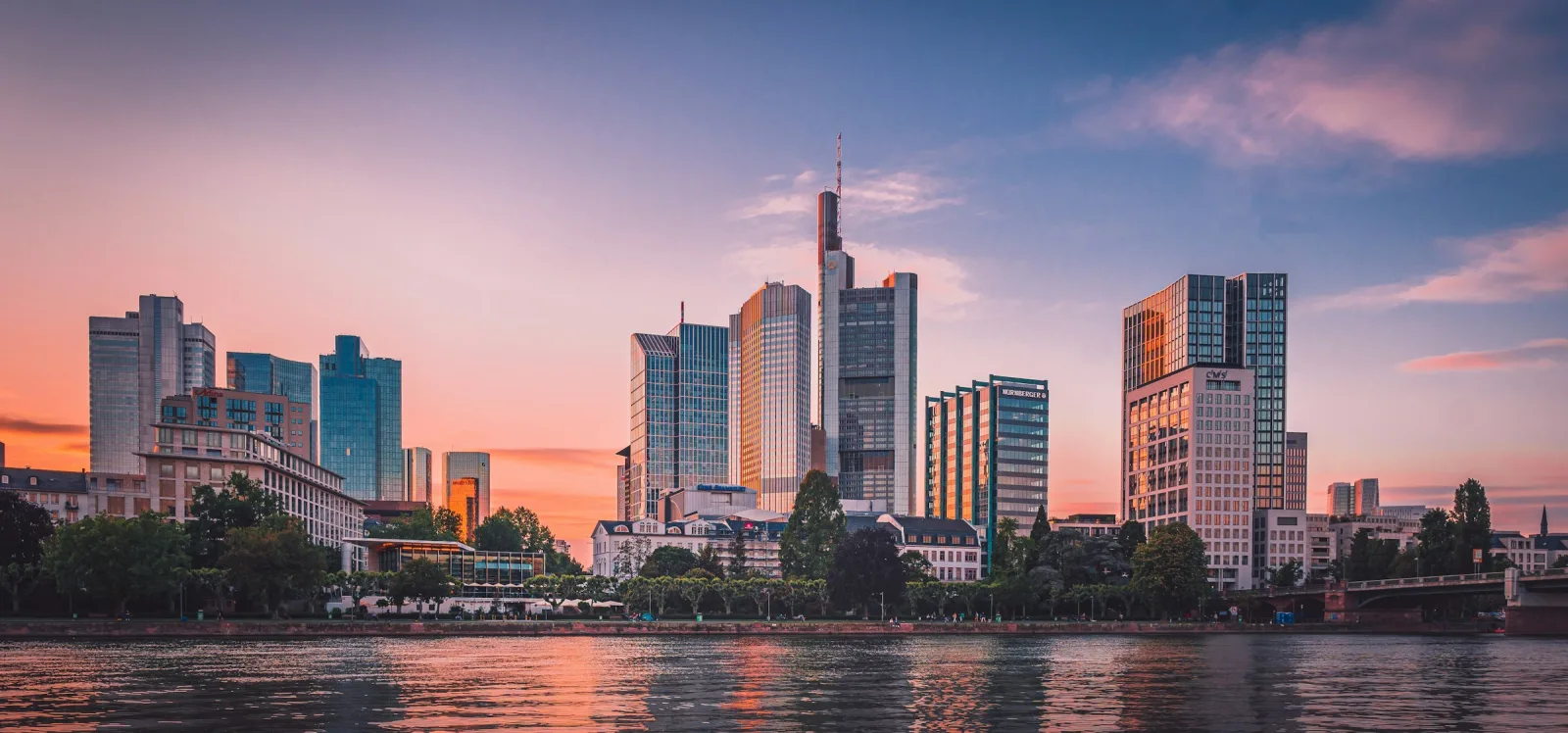
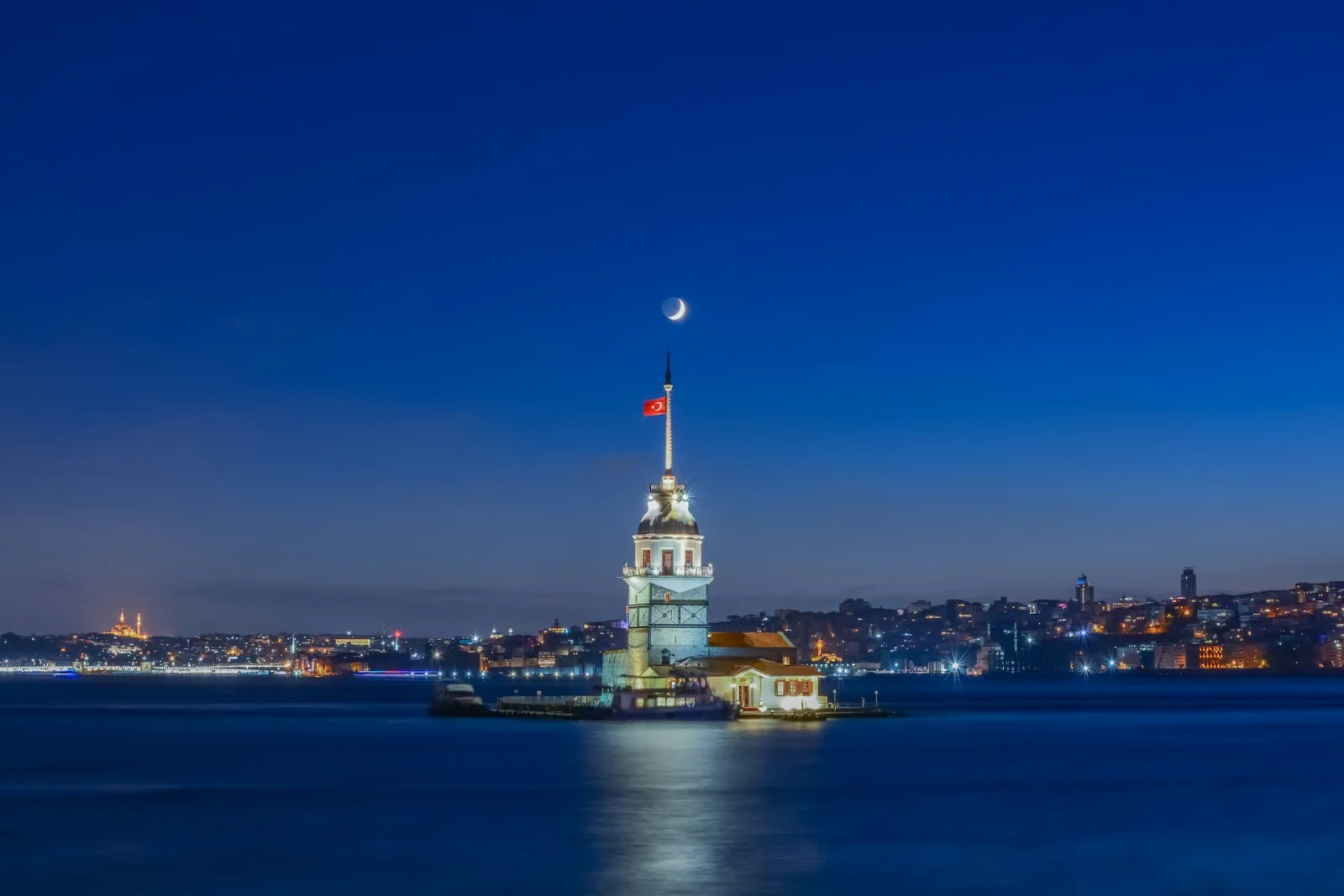
Panoramic view of Istanbul skyline featuring Hagia Sophia, Bosphorus strait, and modern cityscape under clear skies

Turkey Travel Guide
for Indian Travelers

Visa, cost, itinerary & tips — your complete guide to planning a trip to Turkey from India in 2026.

Updated for 2026 Travelers
Written by Bilas Munda — Europe Travel Specialist
Reviewed by Vijay Prasad · Europe Travel Reviewer
Last updated after reviewing:
  • Turkey e-Visa & Sticker visa policy updates for Indian nationals (Jan 2026)
  • Istanbul Airport (IST) domestic transfer route & baggage drop changes
  • Cappadocia hot air balloon flight safety regulations & 2026 booking advisory

Last updated: April 2026

Turkey Trip Cost from India (Detailed Breakdown)
Realistic cost breakdown for flights, visa, hotels, food, and total budget for 2026

Cost Breakdown 2026

  • Return Flights: ₹50,000 – ₹90,000
  • Visa (e-Visa): ₹3,500 – ₹4,500 (approx. $45–$55 USD)
  • Hotels (per night): ₹3,000 – ₹10,000
  • Food (per day): ₹1,500 – ₹4,000
  • Local Transport (per day): ₹800 – ₹2,500
  • Activities & Entry Fees: ₹8,000 – ₹18,000 total
  • Travel Insurance: ₹1,200 – ₹2,500
  • Total (7–10 days): ₹1.2L – ₹2.5L per person

Turkey offers excellent value for Indian travelers. Accommodation and dining are 30–40% cheaper than Western Europe, while domestic flights and intercity buses are highly affordable. Flights remain the largest upfront cost.

Best Departure Cities

  • Delhi (DEL) — Direct flights to Istanbul (IST), shortest travel time
  • Mumbai (BOM) — Frequent connections via Middle East & Europe
  • Bangalore (BLR) — One-stop options via Istanbul or Dubai
  • Hyderabad (HYD) — Connecting flights via Middle East hubs
  • Chennai (MAA) → Good Middle East routing to IST

Delhi and Mumbai offer the most competitive fares and direct flight options to Istanbul. Booking 3–4 months ahead yields better rates.

Ready to plan your Turkey trip? Let us handle flights, visa, hotels, and tours.

View Turkey Tour Packages →
Flight Routes from India to Turkey
Flights from India to Istanbul take 7–18 hours depending on layovers. Direct options are available from major metro cities.

Delhi to Istanbul

  • Direct: DEL → IST (Turkish Airlines, 8–9 hours)
  • Route 1: DEL → Dubai → IST (Emirates + Turkish)
  • Route 2: DEL → Doha → IST (Qatar Airways)
  • Route 3: DEL → Abu Dhabi → IST (Etihad)
  • Duration: 8 hours direct, 12–15 hours with 1 stop
  • Price Range: ₹55,000 – ₹90,000

Mumbai to Istanbul

  • Route 1: BOM → Dubai → IST (Emirates + Turkish)
  • Route 2: BOM → Muscat → IST (Oman Air)
  • Route 3: BOM → Doha → IST (Qatar Airways)
  • Duration: 10–14 hours (1 layover)
  • Price Range: ₹50,000 – ₹85,000

Note: Istanbul Airport (IST) is the main international hub. Domestic flights depart from IST or Sabiha Gökçen (SAW). Book Turkish domestic flights on AnadoluJet or Pegasus for lower fares. Check Europe travel guides for multi-destination planning.

Turkey vs Europe Cost for Indian Travelers
How does Turkey compare to popular European destinations on cost? Here is a practical comparison for Indian travelers.
Expense Turkey (7 days) Europe (7 days)
Flights₹50K – ₹90K₹60K – ₹1L
Visa₹4K (e-Visa)₹7K – ₹9K (Schengen)
Hotels/night₹3K – ₹10K₹8K – ₹20K
Food/day₹1.5K – ₹4K₹5K – ₹12K
Local Transport₹800 – ₹2.5K/day₹2K – ₹5K/day
Total Trip₹1.2L – ₹2.5L₹2L – ₹4.5L
Flights
Turkey₹50K – ₹90K
Europe₹60K – ₹1L
Visa
Turkey₹4K (e-Visa)
Europe₹7K – ₹9K
Hotels/night
Turkey₹3K – ₹10K
Europe₹8K – ₹20K
Food/day
Turkey₹1.5K – ₹4K
Europe₹5K – ₹12K
Total Trip
Turkey₹1.2L – ₹2.5L
Europe₹2L – ₹4.5L

Turkey offers excellent value on-ground compared to Western Europe. Lower hotel, food, and transport costs easily offset slightly higher flight fares, making it a budget-friendly European-style getaway.

Best Time to Visit Turkey from India
Turkey can be visited year-round, but seasonal weather varies significantly between coastal, central, and inland regions.
Month Turkey Season Istanbul Cappadocia Aegean Coast India Travel Note
JanWinterCold, rainy 3–8°CSnowy, -2–5°C, quietMild, quiet 8–14°CBudget season, fewer crowds
FebWinterChilly, rainySnowy, balloon seasonMild, off-seasonGood for photography trips
MarEarly SpringWarming 6–12°CCool, wildflowersSpring startsPost-Holi travel window
AprSpring ✓Pleasant 12–18°CIdeal ballooningExcellent beach weatherPeak Indian travel month
MaySpring ✓✓Warm 15–22°CPerfect, uncrowdedWarm, clear skiesBest overall weather window
JunSummer PeakWarm to hot 20–28°CHot days, cool nightsHot, busy beachesIndia summer hols overlap
JulSummer PeakHot 25–32°CVery hot, dryPeak season, crowdedBook 4–5 months ahead
AugSummer PeakHot, humidHot, balloon flights frequentVery busy, highest pricesHigh demand, premium pricing
SepAutumn ✓Warm 20–28°CExcellent weatherIdeal, fewer crowdsPost-rain India window
OctAutumn ✓✓Mild 15–22°CBest month, crisp airPleasant, water warmTop recommendation for Indians
NovLate AutumnCool, rainy 8–14°CChilly, balloon rides steadyQuiet, coolerGood shoulder season deals
DecWinterChilly, festiveSnowy, magicalClosed seasonNew Year & Christmas travel
7-Day Turkey Itinerary for Indian Travelers
A perfect one-week Turkey itinerary covering Istanbul, Pamukkale, and Cappadocia highlights.

Day-by-Day Plan

  • Day 1: Arrive Istanbul — rest, evening Bosphorus cruise
  • Day 2: Istanbul city tour — Hagia Sophia, Blue Mosque, Topkapi, Grand Bazaar
  • Day 3: Fly to Denizli — transfer to Pamukkale, explore travertines & Hierapolis
  • Day 4: Overnight bus or flight to Cappadocia — explore Goreme Open Air Museum
  • Day 5: Sunrise hot air balloon, underground city, Uchisar Castle
  • Day 6: Ihlara Valley hike, local pottery village, free evening
  • Day 7: Fly back to Istanbul — last-minute shopping, depart for India

Planning Notes

  • Domestic flights: Turkish Airlines, Pegasus, and AJet connect Istanbul to Denizli/Kayseri/Nevsehir
  • Budget option: Use overnight buses (Pamukkale, Metro Turizm) — comfortable, reclining seats, cheaper
  • Currency: Carry USD/EUR to exchange for Turkish Lira (TRY) at licensed Döviz offices
  • Language: English widely spoken in tourist zones. Learn basic Turkish greetings.
  • Connectivity: Tourist SIM (Turkcell, Vodafone TR) available at airport. eSIM options available pre-departure
  • Vegetarians: Lentil soups, meze, gözleme, and fresh salads are widely available. Inform hotels for excursion meals
  • Book ahead: Balloon flights & Hagia Sophia entries require advance booking during peak months

Want a hassle-free Turkey trip? Our packages include flights, hotels, transfers, and guided tours.

Book Turkey Tour Package →
Turkey Visa for Indians — Complete Guide & Travel Essentials
Essential information for Indian travelers — from visa requirements and time zones to plug adapters and local transport apps.

Tip: Exchange USD for Turkish Lira at city exchange offices (Döviz) for the best rates. Avoid airport counters for bulk exchange.

Turkey Visa for Indians — 2026 Update

Update (2025–2026): Indian nationals with a valid US, UK, or Schengen visa can apply for an official Turkey e-Visa online (instant to 48 hours). Indians without these must apply for a regular sticker visa via VFS Global (10–15 working days). Source: Official e-Visa Portal.

  • With valid US/UK/Schengen visa: Apply online at evisa.gov.tr. Pay ~$50 USD. Instant approval.
  • Without supporting visa: Apply at VFS Global centres in India. Submit passport, bank statements, itinerary, insurance. Fee: ₹4,000–₹5,000 + service charge.
  • Where to apply: VFS Global Turkey visa centres in Delhi, Mumbai, Bangalore, Hyderabad, Chennai, Kolkata
  • Documents: Valid passport (6+ months), application form, photos, return tickets, hotel bookings, bank statements (3 months), travel insurance
  • Processing time: 10–15 working days for sticker visa. e-Visa: instant to 48 hrs
  • Duration permitted: 30 days single/multiple entry (e-Visa), varies for sticker
CLICK TO KNOW MORE ABOUT VISA DOCUMENTATION & FEES

Time Zone

Turkey follows Turkey Time (TRT), which is UTC+3 and 2.5 hours behind Indian Standard Time (IST). There is no daylight saving time, so the difference remains constant year-round.

  • Turkey Time (TRT): UTC+3
  • Turkey is 2.5 hours behind Indian Standard Time (IST)
  • When it is 12:00 PM in Turkey, it is 2:30 PM in India
  • Turkey does not observe Daylight Saving Time
  • Business hours typically run from 9 AM to 6 PM TRT on weekdays
  • Shops and museums generally open from 9 AM/10 AM to 7 PM
  • Restaurants open for lunch around 12 PM, dinner from 7 PM onwards
  • Mosque visiting hours vary; check before visiting active sites

Country Code

To call Turkey from India, use the international dialing code +90 followed by the area code and local number.

  • International Dialing Code: +90
  • To call Turkey from India, dial: 00-90-XX-XXXX-XXXX
  • Istanbul area code: 212 (European) / 216 (Asian)
  • Antalya area code: 242
  • Cappadocia (Nevşehir): 384
  • Emergency services: 112 (Police/Ambulance/Fire)
  • Police direct: 155 | Fire: 110 | Ambulance: 112
  • Major telecom providers: Turkcell, Vodafone TR, Türk Telekom
  • Tourist SIM cards available at IST/SAW airport arrivals
  • Free Wi-Fi available in most hotels, cafes, and tourist sites

Socket & Plugs

Turkey uses Type C and Type F electrical outlets with 230V at 50Hz. Indian travelers will find most chargers compatible.

  • Type C and Type F — 230V, 50Hz
  • Turkey uses European 2-pin round outlets
  • Indian Type C plugs (2-pin round) work without adapter ✅
  • Indian Type D (3-pin round) plugs require a universal adapter
  • Universal travel adapters available at airports and electronics shops
  • Most hotels provide adapters at the front desk on request
  • Most modern devices (laptops, phone chargers) support 100–240V
  • Voltage converters generally not needed for modern electronics

Indian Embassy in Turkey

The Embassy of India in Ankara provides consular services for Indian nationals.

  • Address: 104. Cadde 27, Aşağı Ayrancı, 06540 Çankaya, Ankara
  • Contact: +90 312 446 6666
  • Email: [email protected]
  • Emergency (24/7): +90 312 446 6666
  • Working Hours: Mon–Fri, 9:30 AM – 5:00 PM
  • Services: passport renewal, emergency certificates, assistance to Indian nationals
  • Consulate General in Istanbul also available: +90 212 274 2002
  • Register with MADAD portal before travel for advisories and assistance

Turkey Embassy in India

The Embassy of Turkey in New Delhi and Consulates across India assist with visa and diplomatic queries.

  • Embassy New Delhi: 50 C, Shantipath, Chanakyapuri, New Delhi 110021
  • Contact Delhi: +91-11-2687-8500
  • Visa applications: Handled exclusively via VFS Global Turkey Centres
  • Contact Mumbai VFS: +91-22-6261-2888
  • Website: turkiyembassydelhi.gov.in
  • Note: VFS Global processes all tourist & business visa applications for India
  • Working Hours: Mon–Fri, 9:00 AM – 4:00 PM

Car Driving Orientation

Right-Hand Drive (Same as India)

  • Turkey follows right-hand driving, same as India
  • International Driving Permit (IDP) required along with valid home license
  • Speed limits: 50 km/h in cities, 90 km/h outside, 130 km/h on highways (Otoyol)
  • Seat belts mandatory for all passengers. Child seats required for under 12
  • Driving under influence strictly prohibited (zero tolerance)
  • Car rental available in Istanbul, Antalya, Izmir, and major airports
  • Public transport (metro, tram, dolmuş) recommended in Istanbul
  • Highway tolls paid via OGS/HGS electronic tags (rental agencies handle this)

App Based Taxi

BiTaksi, Uber, and iTaksi are Primary Ride-Hailing Apps

  • BiTaksi is the most widely used official taxi app in Istanbul
  • Uber operates in major cities and connects with licensed taxis
  • iTaksi is the Istanbul Metropolitan Municipality official app
  • Payment options include cash (TRY), credit/debit cards, or in-app
  • Average fare from IST to Taksim: 300–500 TRY (~₹800–₹1,300)
  • Traditional yellow & blue taxis are metered. Ensure meter is started
  • Use apps to avoid fare disputes and ensure safety
  • Dolmuş (shared minibuses) and trams are economical city alternatives

Need help with Turkey visa? Our visa team assists with e-Visa, VFS appointments, documentation, and follow-up.

Turkey Visa Assistance →
Turkey Culture, Language & Local Customs
Understand Turkish customs, basic phrases, and cultural norms to connect better with locals.

Official Language

Turkish (Türkçe) — Official Language

  • Turkish uses Latin script and is phonetically consistent
  • English widely spoken in Istanbul, Cappadocia, Antalya, and tourist hubs
  • Learning basic Turkish greetings earns warmth from locals
  • Street signs, menus, and transport info usually include English
  • Russian, German, and Arabic spoken in specific tourist areas
  • Translation apps work well offline in major cities
  • Respectful greetings: Merhaba (Hello), Teşekkür ederim (Thank you)

Local Vocabulary

Understanding these Turkish terms helps connect with locals and navigate markets smoothly.

  • Merhaba — Hello
  • Teşekkür ederim — Thank you
  • Evet / Hayır — Yes / No
  • Ne kadar? — How much?
  • Tamam — Okay / Alright
  • Lütfen — Please
  • Çay / Kahve — Tea / Coffee
  • Güle güle — Goodbye (said to person leaving)
  • Hoşça kal — Goodbye (said by person leaving)
  • Afiyet olsun — Enjoy your meal
  • Dolmuş — Shared minibus transport

Toilet Signs

Public restrooms are called "Tuvalet" in Turkey. Signs typically display WC icons with gender symbols.

  • Men's toilets marked with "Bay" or male symbol
  • Women's toilets marked with "Bayan" or female symbol
  • Public toilets in malls and tourist sites are generally clean
  • Some public facilities charge a small fee (10–20 TRY)
  • Restaurants, cafes, and hotels have free restrooms for customers
  • Always carry tissues as some public restrooms lack toilet paper
  • Western-style seated toilets are standard in urban areas
  • Squat toilets may still exist in older buildings and rural areas

Interesting Facts

Turkey spans two continents, blending Asian and European cultures. It has a rich history spanning empires.

  • Istanbul is the only city in the world straddling two continents
  • Turkey is the world's largest producer of hazelnuts
  • Tulips actually originated in Turkey, not the Netherlands
  • Turkish tea is consumed more per capita than almost anywhere else
  • The Santa Claus inspiration (St. Nicholas) was born in Patara, Turkey
  • Turkey has 19 UNESCO World Heritage Sites
  • The world's oldest known settlement, Çatalhöyük, is in central Turkey
  • Whirling Dervish ceremony is a UNESCO Intangible Cultural Heritage
Turkey Shopping & Markets Guide
From Grand Bazaar treasures and handmade carpets to ceramics, spices, and Turkish delight.

Shopping Hours

Most Shops: 9:00 AM – 7:00 PM (Weekdays)

  • Shopping malls typically operate from 10:00 AM to 10:00 PM, seven days a week
  • Sunday shopping is common in malls; independent shops may close early
  • İstinye Park, Mall of Istanbul, and Cevahir are popular shopping hubs
  • Grand Bazaar closes on Sundays
  • Supermarkets open from 8 AM to midnight; some 24-hour outlets
  • Markets and souks operate daily, best visited early morning
  • Best shopping season: Winter sales (Jan–Feb) and summer discounts
  • Tax-free shopping available for tourists on purchases over 500 TRY

Famous Markets

Turkey's historic bazaars offer unique souvenirs including carpets, spices, ceramics, and traditional crafts.

  • Grand Bazaar — Istanbul's historic covered market (over 4,000 shops)
  • Spice Bazaar — Egyptian Bazaar, best for spices, teas, dried fruits
  • Kapalıçarşı alleys — Haggling is expected, start at 40–50% of asking price
  • Arasta Bazaar — Quieter, near Blue Mosque, quality textiles
  • Spice Market (Mısır Çarşısı) — Authentic Turkish delight, saffron, lokum
  • Cash (TRY) preferred at bazaars though cards increasingly accepted
  • Bargaining is a cultural norm in souks, not in fixed-price stores

Famous Brands & Souvenirs

Shopping for carpets, ceramics, and leather offers excellent value. Turkish brands are globally recognized for quality.

  • Handmade Carpets/Rugs — Kilim, Hereke, silk carpets (check for authenticity)
  • Turkish Delight (Lokum) — Best from Hafiz Mustafa or Koska
  • Ceramics & Iznik Tiles — Hand-painted, traditional Ottoman designs
  • Turkish Tea & Spices — Çaykur brand, saffron, sumac, dried mint
  • Nazar Boncuğu — Evil eye glass amulet for protection
  • Leather Goods — High-quality jackets, bags, shoes
  • Copper & Brassware — Traditional coffee pots, trays
  • Olive Oil Soaps — Natural, handmade, widely available

Supermarkets

Major supermarket chains like Migros, CarrefourSA, and Şok offer wide product ranges with competitive prices.

  • Migros — Largest chain, premium & budget sections
  • CarrefourSA — French-Turkish joint venture, widespread
  • BİM / Şok — Discount supermarkets, great for snacks & basics
  • Macro Center — Upscale, imported goods
  • Most supermarkets open from 8 AM to 10 PM or later
  • Local products affordable and high quality (olive oil, nuts, dairy, bread)
  • Tap water not recommended for drinking; bottled water widely available
Turkey Food & Cuisine Guide
Turkish cuisine is known for kebabs, meze, baklava, pide, and vibrant street food culture.

Do: Try local kebabs and fresh gözleme — Turkish street food is a culinary highlight.

Famous Cuisines

Turkish cuisine blends Central Asian, Middle Eastern, and Balkan influences with fresh ingredients and spices.

  • Kebap — Adana (spicy), Iskender (yogurt/tomato), Döner (vertical rotisserie)
  • Meze — Small plates of dips, salads, stuffed vegetables (hummus, haydari, ezme)
  • Pide & Lahmacun — Turkish flatbread pizza, crispy thin dough with minced meat/veggies
  • Baklava — Layered pastry with pistachios/walnuts, soaked in syrup
  • Manti — Tiny dumplings with yogurt & chili butter sauce
  • Gözleme — Savory stuffed flatbread (spinach, cheese, potato, meat)
  • Simit — Sesame-crusted bread rings, popular breakfast street food
  • Künefe — Warm cheese pastry soaked in syrup, served hot
  • Turkish Breakfast (Serpme Kahvaltı) — Spread of cheeses, olives, eggs, jams, honey

Famous Fruits & Produce

Summer (June–August) offers peak fruit variety. Local markets (pazar) offer fresh, seasonal produce at great prices.

  • Incir (Figs) — Fresh in summer, dried year-round, highly prized
  • Üzüm (Grapes) — Table grapes and wine production regions
  • Elma (Apples) — Crisp varieties, used in teas and desserts
  • Çilek (Strawberries) — Spring/summer season, fresh markets
  • Karpuz (Watermelon) — Summer staple, sold in slices
  • Nar (Pomegranate) — Autumn harvest, juice and molasses
  • Ayva (Quince) — Used in jams, desserts, traditional preserves

Cultural Staple — Turkish Tea

Turkish tea (çay) is more than a drink — it's a daily ritual, hospitality symbol, and business custom.

  • Çay is served in small tulip-shaped glasses
  • Brewed using double teapot (çaydanlık) method
  • Offered free in shops, hotels, and tourist sites
  • Usually consumed with sugar (sweetness preference varies)
  • Apple tea and sage tea popular herbal alternatives
  • Turkish coffee (kahve) is thick, unfiltered, served with grounds
  • Fortune reading from coffee grounds is a traditional pastime
  • Tea houses (çay bahçesi) are social gathering spots

Avg Cost Of Food

Budget travelers can eat well for 150–300 TRY per day at local lokantas and street stalls. Tipping is optional but appreciated.

  • Street Food/Simit: 10–30 TRY
  • Döner/Kebap Wrap: 50–120 TRY
  • Lokanta (Local Eatery) Lunch: 150–250 TRY
  • Mid-range Restaurant: 300–600 TRY per person
  • Fine Dining / Meze Feast: 800–1,500+ TRY per person
  • Çay (Tea): 10–25 TRY
  • Turkish Coffee: 30–60 TRY

Tipping: 5–10% customary in sit-down restaurants. Round up taxi fares. Service charge sometimes included.

Turkey Weather & Packing Tips
Turkey spans multiple climate zones. Pack for your destinations — from coastal summers to Cappadocia's cold nights.

Tip: Pack layers — weather shifts quickly between Istanbul, Cappadocia, and coastal regions.

Weather

Turkey has diverse climates due to its size, coastline, and elevation differences.

  • Istanbul: Temperate, hot humid summers (25–32°C), cool rainy winters (3–10°C)
  • Cappadocia: Continental, hot dry days, cold nights. Summer 28°C, winter -5 to 5°C
  • Aegean/Mediterranean Coast: Hot dry summers (30–38°C), mild wet winters (5–15°C)
  • Black Sea Coast: Oceanic, mild year-round, frequent rainfall, lush green
  • Central Anatolia: Semi-arid, hot summers, cold snowy winters
  • Best time overall: Spring (Apr–Jun) and Autumn (Sep–Nov)
  • Summer (Jun–Aug): Peak tourist season, ideal for beaches and balloons
  • Winter (Dec–Feb): Fewer crowds, lower prices, snow in Cappadocia

Clothes To Wear

Turkey is moderately liberal in tourist zones, but modest clothing is respectful near religious sites.

For Istanbul & Cities:

  • Light, breathable clothing for summer (cotton, linen)
  • Layers for spring/autumn (light jacket, scarves)
  • Warm coat, gloves for winter (Dec–Feb)
  • Comfortable walking shoes (cobblestones, hills, long days)
  • Light shawl or scarf for mosque visits (shoulders/knees covered)
  • Compact umbrella (rain possible year-round, especially Istanbul)

For Cappadocia & Highlands:

  • Warm layers even in summer (fleece, light down jacket for dawn balloon rides)
  • Windproof outer layer (early morning temperatures drop fast)
  • Sturdy walking/hiking shoes (valley trails uneven)
  • Sunglasses, sun hat, sunscreen (strong UV at altitude)
Turkey Heritage & Cultural Highlights
UNESCO sites, Ottoman history, films, and souvenirs that capture Turkey's rich cultural identity.

UNESCO World Heritage Sites

Turkey has 19 UNESCO World Heritage Sites. Many sites offer guided tours and visitor centers.

  • Historic Areas of Istanbul (1985) — Hagia Sophia, Topkapi, Sultanahmet
  • Göreme National Park & Cappadocia (1985) — Rock churches, fairy chimneys
  • Great Mosque and Hospital of Divriği (1985) — Seljuk architectural masterpiece
  • Hattusha: Hittite Capital (1986) — Ancient Bronze Age capital
  • Hierapolis-Pamukkale (1988) — Travertine terraces & ancient spa city
  • Ephesus (2015) — Best-preserved ancient Greco-Roman city

National Symbols

Turkey's symbols reflect its bridge between East and West, Ottoman heritage, and republican founding.

  • National Animal: Gray Wolf (Bozkurt) — historical Turkic symbol
  • National Bird: Redwing (Kızılkuyruk)
  • National Flower: Tulip (Lale) — originally cultivated in Ottoman gardens
  • National Tree: Turkish Pine / Pine species
  • National Drink: Çay (Turkish Black Tea)
  • National Dish: Döner / Kebap / Manti
  • National Dance: Horon (Black Sea), Halay (Eastern), Zeybek (Aegean)

Films Shot in Turkey

Istanbul, Cappadocia, and Antalya are popular filming locations for their historic architecture and natural landscapes.

  • Skyfall (2012) — Opening sequence filmed in Istanbul
  • Argo (2012) — Istanbul and Ankara locations for Cold War era
  • The Water Diviner (2014) — Shot in Gallipoli and Istanbul
  • Midas Touch (2012) — Action thriller featuring Turkish settings
  • Mustang (2015) — French-Turkish film shot in Black Sea region
  • Winter Sleep (2014) — Palme d'Or winner, Cappadocia landscape

Film Festivals

Film festivals showcase Turkish and international cinema, often featuring historical themes and contemporary stories.

  • Istanbul International Film Festival — April, one of oldest in Turkey
  • Antalya Golden Orange Film Festival — Prestigious national awards
  • Ankara International Film Festival — October, focuses on independent cinema
  • Turkish State Theaters & Cultural Festivals — Year-round performances

Turkey has vibrant cinema culture with strong domestic industry and international co-productions.

Souvenirs

Best places to shop for souvenirs: Grand Bazaar, Spice Market, local artisan workshops, and airport duty-free.

  • Handmade Carpets — Kilim, silk, wool (verify authenticity certificates)
  • Nazar Boncuğu — Blue evil eye glass for home/travel protection
  • Lokum (Turkish Delight) — Best from Hafiz Mustafa, boxed for travel
  • Turkish Tea & Spices — Çaykur, saffron, sumac, dried herbs
  • Ceramics & Iznik Tiles — Hand-painted plates, tiles, ornaments
  • Leather Goods — High-quality jackets, bags, wallets
  • Copper Coffee Sets — Traditional cezve & cup sets
  • Olive Oil Soaps — Natural, handmade, widely exported
Notable Highlights for Indian Travelers
From founding figures to cultural traditions, discover what makes Turkey unique on the global stage.

Famous People

  • Mustafa Kemal Atatürk (1881–1938) — Founder of modern Republic of Turkey
  • Mimar Sinan (1488–1588) — Master Ottoman architect (Süleymaniye, Selimiye)
  • Mevlana Rumi (1207–1273) — Poet, mystic, founder of Mevlevi Order
  • Sinan Çetin (Contemporary) — Prominent Turkish film director
  • Nuri Bilge Ceylan — Internationally acclaimed director (Cannes, Berlin)
  • Orhan Pamuk — Nobel Prize-winning author (My Name is Red, Istanbul)
  • Hakan Şükür & Arda Turan — Legendary football figures

Famous Inventions & Contributions

Turkey has a strong tradition in medicine, architecture, and cultural arts that influenced Europe and Asia.

  • Modern Republic Foundations — Secular governance, women's voting rights (1934)
  • Islamic Architecture — Dome engineering, acoustics, courtyard mosques
  • Iznik Tile Making — Advanced ceramic glazing techniques
  • Tulip Cultivation — Originated in Turkey, later spread to Europe
  • Medical Texts — Ibn Sina (Avicenna) & Turkish scholars advanced early medicine

Rich tradition in arts, literature, and cross-cultural exchange between continents.

Cultural Staple — Turkish Tea & Coffee

  • Çay is a daily ritual — offered freely, shared in social settings
  • Double teapot brewing method ensures strong, clear liquid
  • Served in tulip-shaped glasses, usually with sugar cube
  • Turkish coffee is unfiltered, thick, brewed in cezve
  • Coffee fortune reading (tasseography) is a social tradition
  • Tea houses (çay bahçesi) serve as community hubs
  • Apple tea, sage tea, and rosehip tea popular herbal options
  • Best experienced in local neighborhoods, not tourist traps

Is Turkey expensive for Indians? A trip costs ₹1.2–2.5 lakh for 7–10 days including flights, visa (~₹4K e-Visa), hotels, and food.

Do Indians need a visa? Yes. With a valid US/UK/Schengen visa, apply online for an instant e-Visa. Otherwise, apply via VFS Global (10–15 days).

Flight duration? Direct flights from Delhi/Mumbai to Istanbul take 7–9 hours. One-stop flights take 12–18 hours.

Is Turkey safe for Indian tourists? Generally safe. Major tourist zones are well-policed. Standard precautions apply. Avoid unlicensed guides.

Currency? Turkish Lira (TRY). Carry USD/EUR for exchange at licensed Döviz offices. Cards accepted in cities. UPI not available.

Frequently Asked Questions — Turkey Travel for Indians
Quick, honest answers to the most common Turkey travel questions from Indian travellers
1Do Indians need a visa for Turkey? Has anything changed recently?
Yes. Since 2025, Indians with a valid US, UK, or Schengen visa can apply for a fast Turkey e-Visa online (~$50, instant approval). Without these, apply for a regular sticker visa via VFS Global (10–15 working days). Always verify on official evisa.gov.tr before travel.
2Is Turkey expensive for Indian tourists?
A 7–10 day Turkey trip from India costs approximately ₹1.2L–₹2.5L per person including flights. On-ground costs (food, transport, activities) are 30–40% cheaper than Western Europe, making it highly budget-friendly for Indian families and solo travelers.
3How long is the flight from India to Turkey?
Direct flights from Delhi/Mumbai to Istanbul take 7–9 hours. One-stop flights via Middle East or Europe take 12–18 hours. Turkish Airlines offers direct service from Delhi. No US transit required for most Indian routing.
4What is the best time to visit Turkey from India?
April to June and September to October offer mild weather, fewer crowds, and ideal conditions for Istanbul sightseeing and Cappadocia balloons. Summer is hot but perfect for Aegean beaches. Winter offers budget rates and snowy Cappadocia.
5Is Turkey safe for Indian tourists?
Turkey is generally safe for Indian tourists. Istanbul, Cappadocia, and coastal resorts are well-policed and tourist-friendly. Use licensed taxis/apps, avoid unregistered tour guides, keep valuables secure in bazaars, and follow local customs.
6Do Indians need a transit visa for Turkey flights?
No transit visa is required if you remain in the international transit zone of Istanbul Airport (IST) and do not pass through immigration. If leaving the airport or collecting baggage, a valid Turkey visa or e-Visa may be required. Check airline routing.
7What is the Turkey e-Visa cost for Indians?
The Turkey e-Visa costs approximately $50 USD (~₹4,000–₹4,500 depending on exchange rates). Payment is online via credit/debit card. Approval is usually instant or within 48 hours. Regular VFS visa fees are higher due to service charges.
8What plug type is used in Turkey?
Turkey uses Type C (European 2-pin round) and Type F outlets at 230V, 50Hz. Indian 2-pin round plugs work directly without an adapter. Indian 3-pin round plugs need a universal adapter. Most modern devices auto-switch voltage.
9Can I use Indian Rupee or UPI in Turkey?
No. Indian Rupee is not accepted. The local currency is Turkish Lira (TRY). UPI is not available. The best money tip: carry USD or EUR cash and exchange at licensed Döviz offices in the city. International cards work in hotels, malls, and major restaurants.
10What is the national dish of Turkey?
Kebap (especially Adana and Iskender kebap) and Döner are iconic. Other staples include meze (appetizer platters), lahmacun (thin flatbread), pide (Turkish pizza), baklava (sweet pastry), and Turkish tea (çay).
11What is the time difference between India and Turkey?
Turkey is 2.5 hours behind Indian Standard Time (IST). Turkey follows TRT (UTC+3) year-round with no daylight saving. When it is 12:00 PM in Istanbul, it is 2:30 PM in India. Dinner typically starts at 7–8 PM local time.
12Can vegetarian Indians find food in Turkey?
Yes. Vegetarian options are widely available. Dishes like mercimek çorbası (lentil soup), ezme, dolma, gözleme, meze platters, and fresh salads are common. Most restaurants can accommodate dietary requests with advance notice.
13Which is better for first-time visitors — Istanbul or Cappadocia?
Combine both. A first Turkey trip typically covers 3 days Istanbul (history, culture, food) + 2 days Cappadocia (balloons, valleys, underground cities) + optional Pamukkale day. Istanbul is essential; Cappadocia adds landscape magic.
14Is Turkey better than Europe for Indian tourists on budget?
Overall yes — Turkey costs 25–35% less than a comparable Western Europe trip. On-ground costs are significantly cheaper, visa process is faster, and cultural richness is comparable. Flights are slightly cheaper or similar.
15Does Destination To Plan offer group tour packages to Turkey?
Yes. Destination To Plan offers customised group and family tour packages to Turkey from India — including return flights, hotels, guided tours, balloon rides, domestic transfers, and visa assistance. Contact us via the inquiry form below or visit our Turkey tour packages page for details and pricing.
Have more questions? Our Turkey travel experts can help plan your perfect trip.

Talk to a Turkey Travel Expert →

Note: Information provided is subject to change. Verify visa requirements, exchange rates, opening hours, and travel advisories before your trip. Prices are approximate and may vary based on location, season, and inflation. Turkey experiences currency fluctuations; costs can change rapidly.

About This Turkey Travel Guide

This Turkey travel guide covers everything Indian travelers need from visa rules and Istanbul travel tips to local food, weather, shopping, and top attractions. Researched, regularly updated, and trusted by group tour planners and independent travelers.

Expert Curated Content

Every section — from Turkey e-Visa rules to Istanbul shopping hours — is verified by travel professionals with Turkey and Europe experience.

Regularly Updated Information

Turkey travel costs, visa rules, and embassy details are reviewed and refreshed to reflect current conditions including the latest e-Visa policy updates.

Trusted by Indian Travelers

Used by group tour organizers, corporate travel planners, and independent travelers from India researching Turkey itineraries, Cappadocia trips, and Istanbul city breaks.

Complete Turkey Resource

One guide covering visa requirements, cost, flights, itinerary, food, culture, weather, shopping, and heritage — all with India-specific context and 2026 accuracy.

More Travel Guides

Explore Other Destinations

Plan Your Turkey Trip from India

Fill out the enquiry form below and our travel experts will help you plan your Turkey tour — e-Visa, flights, hotels, and guided tours.

Get assistance with e-Visa/VFS appointments, flight bookings, Istanbul hotels, Cappadocia & Pamukkale tours, and complete Turkey packages.

Enquire About This Package