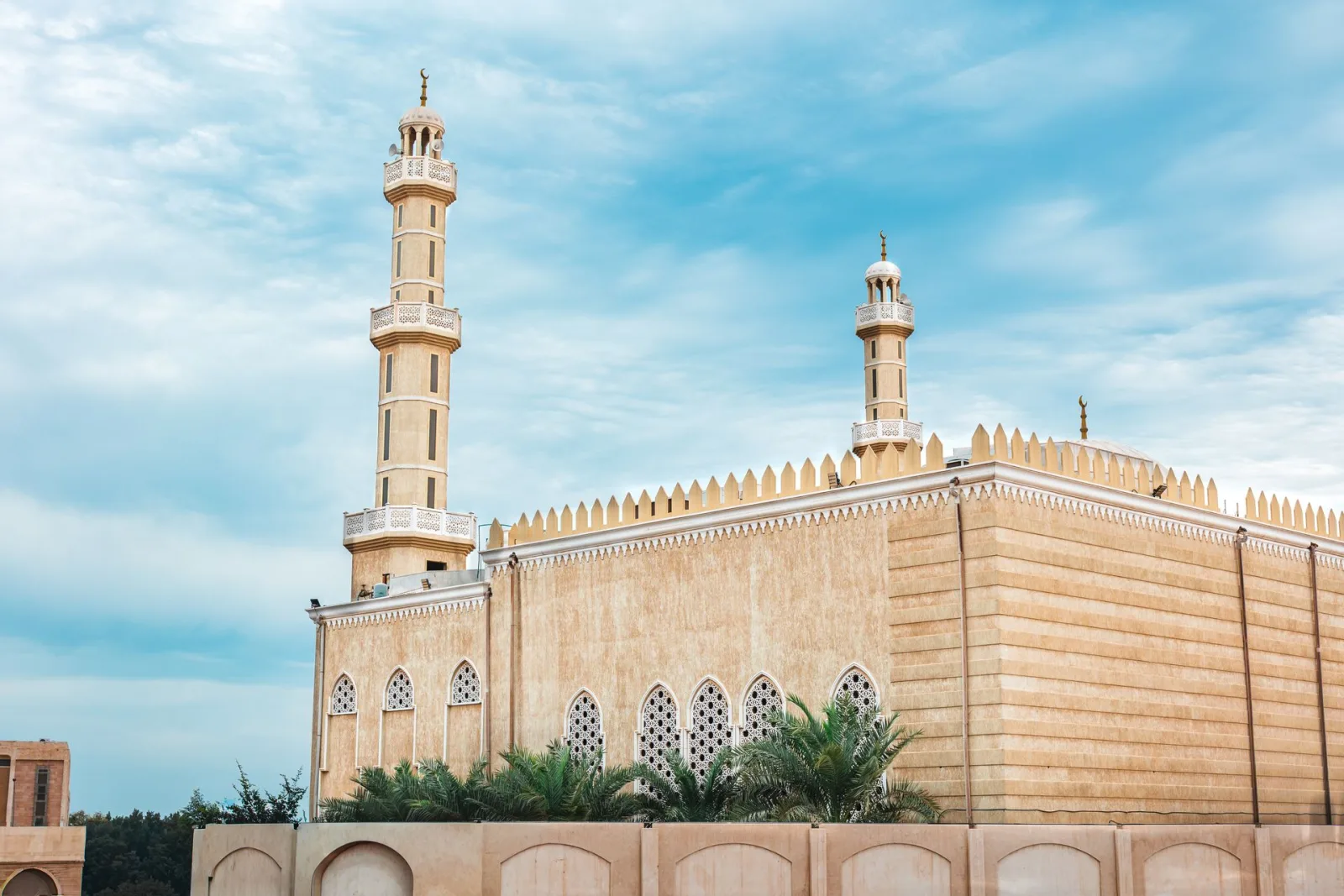
Kuwait Prayer Times & Mosques For Indian Muslim Travelers
Essential guidance for Indian Muslim travelers visiting Kuwait — prayer times, mosque visits, Islamic etiquette, Ramadan considerations & cultural tips for respectful, meaningful travel.
Reviewed by
Mariam Shah · Middle East Travel Reviewer
Last updated after reviewing:
Kuwait Ministry of Awqaf prayer time calculation method update for 2026
Grand Mosque Kuwait visitor access policy revision for non-Muslim tourists
Indian Embassy Kuwait Ramadan travel advisory enhancements for Muslim pilgrims 2026
Fact-checked April 2026
Last updated: April 2026
Islamic Travel Guidance for Indian Muslims in Kuwait
Your practical resource for prayer times, mosque visits, cultural etiquette & Ramadan considerations for respectful, meaningful travel to Kuwait.
Kuwait is a Muslim-majority country where Islamic traditions shape daily life, cultural norms, and travel experiences. For Indian Muslim travelers, understanding prayer schedules, mosque access, and local Islamic etiquette ensures a comfortable, respectful visit that honors both personal faith and host culture.
This guide focuses on practical, India-specific advice: finding accurate prayer times in Kuwait, visiting the Grand Mosque as a tourist, observing Islamic cultural norms, navigating Ramadan travel, and connecting with Indian Muslim community resources. All recommendations align with Kuwait Ministry of Awqaf guidelines and Indian Embassy advisories.
Planning your full Kuwait trip? Read our complete Kuwait Travel Guide for Indians for visa rules, cost breakdown, and itinerary ideas.
Finding Prayer Times in Kuwait for Indian Travelers
Official Prayer Time Sources
Kuwait Ministry of Awqaf: Official prayer times published daily on ministry website; most accurate for Kuwait locations
Muslim Pro app: Popular among Indian travelers; allows location-based prayer alerts with Kuwait settings
IslamicFinder: Reliable online prayer time calculator with Kuwait city options
Mosque announcement boards: Local mosques display daily prayer times; useful for travelers without smartphone access
Hotel concierge: Most hotels provide prayer time schedules and Qibla direction upon request
Pro tip: Prayer times vary slightly by location within Kuwait — use Kuwait City times for urban areas, adjust for desert travel
Prayer Time Considerations for Travelers
Fajr: Pre-dawn prayer; plan early morning activities accordingly
Dhuhr: Midday prayer; some shops/restaurants close briefly during prayer time
Asr: Afternoon prayer; schedule outdoor activities around this time
Maghrib: Sunset prayer; coincides with iftar during Ramadan
Isha: Evening prayer; many cultural events begin after Isha
Friday prayers: Jumu'ah prayers typically 12–1:30 PM; plan travel around this window
Pro tip: Download offline prayer time apps before travel — cellular coverage can be patchy in desert areas
Mosque Visits for Indian Travelers in Kuwait
Grand Mosque Kuwait City: Kuwait's largest mosque; offers guided tours for non-Muslims on specific days (typically Saturday–Thursday, 9 AM–12 PM, excluding prayer times)
Tour requirements: Modest dress (cover shoulders and knees), remove shoes, follow guide instructions; photography permitted in designated areas only
Other mosques: Most local mosques do not permit non-Muslim entry during prayer times; respect signage and local customs
Indian Muslim mosques: Several mosques in Salmiya and Hawalli serve Indian expat communities with Urdu/Hindi sermons
Pro tip: Contact Grand Mosque administration in advance to confirm tour availability and group size limits
Cultural note: Mosques are places of worship first, tourist attractions second. Approach visits with reverence, patience, and respect for local worshippers.
Islamic Etiquette for Indian Travelers in Kuwait
Cultural Respect Guidelines
Dress modestly: Cover shoulders and knees in public areas; modest attire shows respect for local Islamic culture
Public behavior: Avoid public displays of affection; maintain respectful volume in conversations and public spaces
Prayer time awareness: Some shops and attractions close briefly during prayer times; plan activities accordingly
Greetings: Use right hand for greetings, eating, and exchanging items; "As-salamu alaykum" is appreciated
Photography: Ask permission before photographing people, especially during prayer or in religious settings
Pro tip: Learning basic Arabic greetings enhances interactions and demonstrates cultural respect
India-Specific Considerations
Language: Many Kuwaitis understand Urdu/Hindi due to large Indian expat community; communication often easy for Indian travelers
Food: Halal certification is standard across all food outlets; Indian Muslim travelers need not worry about meat sourcing
Community support: Indian Islamic centers and mosques in Kuwait provide community support for travelers
Embassy assistance: Indian Embassy in Kuwait can connect travelers with community resources and emergency support
Pro tip: Carry a small prayer mat and compass for Qibla direction when traveling outside hotels
Ramadan Travel Considerations for Indian Muslims
Ramadan Travel Planning
Dining restrictions: Eating, drinking, or smoking in public during daylight hours is prohibited for everyone during Ramadan
Hotel arrangements: Most hotels provide screened dining areas or room service for guests during fasting hours
Iftar experiences: Evening iftar meals offer vibrant cultural experiences; many hotels host special iftar buffets
Activity timing: Plan outdoor activities for early morning or evening; many businesses operate on reduced hours during daylight
Pro tip: Book Ramadan-period travel well in advance; hotels and tours fill quickly during this sacred month
Ramadan Cultural Insights
Spiritual atmosphere: Ramadan brings heightened spiritual focus; respect quiet reflection in public spaces
Community gatherings: Evening iftar gatherings foster community bonding; visitors may be invited to share meals
Night activities: Kuwait comes alive after sunset with markets, cultural events, and family gatherings
Pro tip: Learn the greeting "Ramadan Kareem" (Generous Ramadan) to connect respectfully with locals during this holy month
Need coordinated Islamic travel support for your Kuwait trip? Our Kuwait tour packages include prayer time coordination, mosque visit arrangements, and culturally appropriate accommodations for Indian Muslim travelers.
Frequently Asked Questions — Kuwait Islamic Travel for Indians
1How can Indian Muslim travelers find prayer times in Kuwait?
Prayer times in Kuwait follow the Ministry of Awqaf calculation method. Indian travelers can check times via: Kuwait Ministry of Awqaf website, Muslim Pro app, IslamicFinder, or mosque announcement boards. Prayer times vary slightly by location — Kuwait City times apply to most urban areas.
2Can non-Muslim tourists visit mosques in Kuwait?
Yes, with restrictions. The Grand Mosque in Kuwait City offers guided tours for non-Muslims on specific days (typically Saturday–Thursday, 9 AM–12 PM, excluding prayer times). Dress modestly (cover shoulders and knees), remove shoes, and follow guide instructions. Other mosques generally do not permit non-Muslim entry during prayer times.
3What Islamic etiquette should Indian travelers follow in Kuwait?
Dress modestly in public (cover shoulders and knees). Avoid eating, drinking, or smoking in public during Ramadan daylight hours. Respect prayer times — some shops close briefly. Use right hand for greetings and eating. Avoid public displays of affection. These practices ensure respectful interactions with local culture.
4Are there Indian Muslim community resources in Kuwait?
Yes. Kuwait has a large Indian expat Muslim community. Indian Islamic centers, mosques with Urdu/Hindi sermons, and community groups provide support. The Indian Embassy in Kuwait can connect travelers with community resources. Many hotels also assist with prayer direction (Qibla) and prayer mat requests.
5How does Ramadan affect travel plans for Indian Muslims in Kuwait?
During Ramadan, eating, drinking, or smoking in public during daylight hours is prohibited for everyone. Restaurants operate with screened areas or room service only. Evening iftar meals are vibrant cultural experiences. Plan outdoor activities for early morning or evening. Hotels accommodate fasting guests with pre-dawn suhoor and sunset iftar arrangements.
Planning a culturally respectful Kuwait trip? Our packages include prayer time coordination, mosque visit arrangements, and culturally appropriate accommodations for Indian Muslim travelers.
Disclaimer: Prayer times, mosque access policies, and cultural guidelines may change. Verify current details with Kuwait Ministry of Awqaf, mosque administrations, and official tourism channels before travel. Destination To Plan is not responsible for third-party service changes or unforeseen circumstances affecting religious observances.
Fill out the enquiry form below and our travel experts will help you plan your Kuwait tour — visa, flights, hotels, and guided city tours.
Get assistance with prayer time coordination, mosque visit arrangements, culturally appropriate accommodations, and complete Kuwait packages for Indian Muslim travelers.