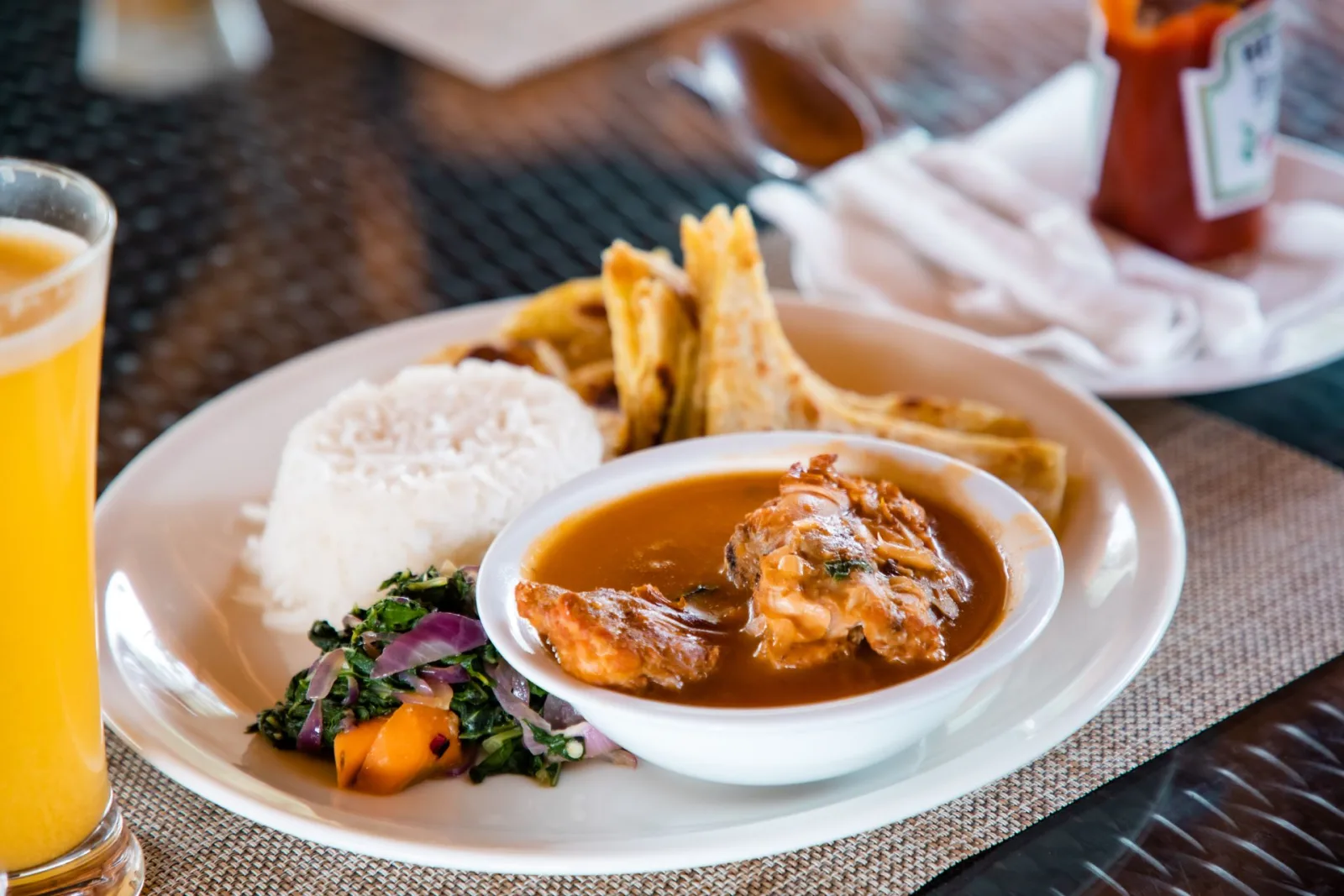
Traditional Qatari Machboos platter with spiced rice, grilled meat, dates, and Arabic coffee

Qatar Food Guide
Cuisine & Dining for Indians 2026

Traditional dishes, vegetarian hubs, halal dining norms, Ramadan etiquette & realistic meal costs for Indian travelers.

Updated for 2026 Travelers
Written by Neeta Parmar — Middle East Travel Specialist
Reviewed by Mariam Shah · Middle East Travel Reviewer
Last updated after reviewing:
  • Qatar Ministry of Public Health halal certification updates for Indian restaurants (Jan 2026)
  • Doha municipal dining zone pricing & seasonal buffet revisions
  • Ramadan 2026 Iftar/Suhoor operating hours for major Doha food courts

Last updated: April 2026

Traditional Qatari Cuisine — Must-Try Dishes
Core staples reflecting Bedouin heritage, Persian trade routes, and Indian subcontinental spice influences

Signature Dishes

  • Machboos: Qatar's national dish. Spiced basmati rice with marinated lamb, chicken, or hamour fish. Flavored with black lime, cardamom, and saffron. Served with yogurt and cucumber salad.
  • Al Harees: Slow-cooked wheat and meat porridge. Traditional during Ramadan and national celebrations. Smooth, hearty texture with minimal spices.
  • Thareed: Crispy flatbread layered beneath rich meat and vegetable stew. Bread absorbs broth, creating a comforting, familiar texture for Indian palates.
  • Luqaimat: Sweet fried dumplings drizzled with date syrup or honey. Popular evening dessert. Best paired with Arabic coffee (gahwa).
  • Margoog: Thin flatbread simmered in spiced vegetable and meat broth. Hearty, economical, and widely available in local family restaurants.

Beverages & Accompaniments

  • Gahwa (Arabic Coffee): Cardamom-infused light roast, served in small dallah pots. Symbolizes hospitality. Always accept with the right hand.
  • Karak Chai: Strong tea boiled with evaporated milk, cardamom, and sugar. Ubiquitous across Doha cafeterias. Costs QAR 3–5 (~₹70–₹115).
  • Tamar Hindi: Sweet-sour tamarind drink. Refreshing in summer heat. Widely sold in Souq Waqif and street stalls.
  • Vimto: Grape cordial heavily consumed during Ramadan. Often served chilled with iftar meals.
Indian Vegetarian & Vegan Dining in Doha
Neighborhood hubs, reliable restaurant zones, and Jain-friendly meal planning

Primary Vegetarian Hubs

  • Old Airport Road: Dense concentration of authentic North & South Indian vegetarian restaurants. Thalis, dosas, Gujarati/Jain options daily.
  • Al Sadd Neighborhood: Mid-range family restaurants with clear vegetarian labeling. Popular with Indian expats and corporate travelers.
  • Souq Waqif Food Court: Traditional Qatari & Lebanese stalls with clearly marked vegetarian sections. Affordable and culturally immersive.
  • Katara Cultural Village: Upscale vegetarian options in Mediterranean, Indian, and Asian cuisines. Ideal for evening dining after cultural events.
  • Hotel Buffets: 5-star properties in West Bay and The Pearl offer dedicated vegetarian/Indian sections during breakfast and dinner.

Jain & Strict Vegetarian Notes

  • Request "Jain thali" or "no onion/garlic" when booking or ordering. Most reputable Indian restaurants accommodate this with 24-hour notice.
  • Cross-contamination risk is low in dedicated vegetarian kitchens but verify preparation areas in mixed-cuisine buffets.
  • Packaged Indian snacks (Haldiram's, Bikaji) are widely available in Lulu Hypermarket and Al Meera chains for travel days.
  • Fruit markets and date stalls offer fresh, naturally vegan snacks ideal for desert tours or museum visits.
Dining Budget & Meal Costs for Indian Travelers
Realistic QAR/INR pricing across budget, mid-range, and premium tiers

Daily Food Budget Breakdown

  • Budget (₹1,500–₹2,500/day): Local cafeterias, street food, Indian thalis in Old Airport area.
  • Mid-Range (₹3,000–₹4,500/day): Indian/Lebanese restaurants, mall food courts, casual dining.
  • Fine Dining (₹6,000+/day): Waterfront restaurants, hotel buffets, premium cuisine experiences.

Vegetarian travelers typically spend 20–30% less than non-vegetarian diners due to lower ingredient costs and broader thali availability.

Sample Meal Pricing

  • Shawarma/Falafel Wrap: QAR 10–20 (~₹230–₹460)
  • Indian Thali (Unlimited): QAR 25–40 (~₹575–₹920)
  • Traditional Qatari Machboos: QAR 40–70 (~₹920–₹1,610)
  • Mid-range Restaurant Meal: QAR 80–150 per person (~₹1,840–₹3,450)
  • Fine Dining / Tasting Menu: QAR 250–500+ per person (~₹5,750–₹11,500+)
  • Karak Chai / Coffee: QAR 5–15 (~₹115–₹345)

Tipping: 10% customary in upscale restaurants (not mandatory). Service charge sometimes included in tourist areas. Leave small change in cafeterias.

Ramadan Dining Etiquette for Indian Tourists
Navigate fasting hours, iftar experiences, and restaurant operations respectfully

Key Guidelines

  • Daylight Restrictions: Eating, drinking, or smoking in public during fasting hours is prohibited. Use screened restaurant areas or hotel rooms.
  • Iftar Timing: Sunset marks iftar. Many hotels and Souq Waqif restaurants host communal iftar buffets (QAR 100–250 / ~₹2,300–₹5,750).
  • Suhoor Service: Pre-dawn meals available 2–3 hours before Fajr. Lighter menus featuring fruits, dairy, and breads.
  • Operating Hours: Most restaurants open late during Ramadan. Expect adjusted menus and potential 1-hour lunch closures.
  • Cultural Respect: Dress modestly, lower music volume, and avoid visible consumption in transit areas or near mosques.

Indian Traveler Tips

  • Book iftar buffets 24–48 hours in advance during peak Ramadan weekends.
  • Carry a small water bottle and snacks in your bag for private consumption during transit.
  • Vegetarian iftar options are abundant: dates, samosas, fruit salads, lentil soups, and bread stations.
  • Use metro and Karwa taxis post-iftar to avoid pedestrian-heavy souq zones and elevated taxi demand.
Food Safety & Halal Certification in Qatar
Municipal standards, water quality, and dietary compliance for confident dining

Hygiene & Standards

  • All restaurants operate under strict Ministry of Public Health (MOPH) licensing. Hygiene grades displayed at entrances.
  • Desalinated tap water is technically safe but bottled water is standard practice for visitors.
  • Ice in reputable restaurants and hotels uses filtered, municipal-grade water.
  • Street food stalls undergo monthly municipal inspections. Stick to high-turnover vendors with visible queues.

Halal & Alcohol Notes

  • Halal Certification: Mandatory for all meat, poultry, and seafood served in Qatar. Indian travelers can dine confidently at any licensed venue.
  • Alcohol Restrictions: Served only in licensed hotel bars and clubs. Not available in supermarkets or standard eateries. Carry ID for entry.
  • Pork Prohibition: Completely banned in Qatar. No pork derivatives, gelatin, or lard used in local food production.
  • Vegetarian Assurance: Naturally halal-compliant. Verify cross-contamination protocols only if following strict Jain or satvik diets.

Want curated dining recommendations included in your Qatar package? Our itineraries feature vetted vegetarian hubs, traditional Machboos experiences, and iftar reservations.

Get a Custom Qatar Food Itinerary →
Frequently Asked Questions — Qatar Food for Indians
Quick answers to common dining, vegetarian, and culinary questions from Indian travelers
1What is the national dish of Qatar?
Machboos is Qatar's national dish — spiced basmati rice cooked with marinated lamb, chicken, or fish and traditional Gulf spices like black lime, cardamom, and saffron. It is a symbol of hospitality and served during family gatherings and celebrations.
2Can Indian vegetarians find reliable meals in Qatar?
Yes. Doha has excellent vegetarian and vegan options, especially in the Old Airport Road and Al Sadd neighborhoods. Indian restaurants, Lebanese eateries, and Souq Waqif food courts clearly label vegetarian dishes. Hotel buffets also feature dedicated Indian/vegetarian sections.
3What is the average daily food budget for Indian travelers in Qatar?
Budget travelers spend ₹1,500–₹2,500/day at local cafeterias and street food stalls. Mid-range Indian/Lebanese restaurants cost ₹3,000–₹4,500/day. Fine dining ranges ₹6,000+/day. Indian thalis cost QAR 25–40 (~₹575–₹920) and offer excellent value.
4Is alcohol available in Qatar restaurants?
Alcohol is only served in licensed hotel bars, restaurants, and clubs. It is not available in regular eateries, supermarkets, or Souq Waqif. Public consumption of alcohol is strictly prohibited. Indian travelers should carry ID if visiting licensed venues.
5How does Ramadan affect dining in Qatar for Indian tourists?
During Ramadan, eating, drinking, or smoking in public during daylight hours is prohibited. Many restaurants operate with screened sections for non-fasting guests. Evening iftar experiences are culturally enriching and widely available. Plan meals accordingly and respect local customs.
6Are street food and local cafeterias safe in Doha?
Yes. Qatar maintains strict municipal hygiene standards. Street food stalls, Souq Waqif vendors, and Old Airport Road cafeterias are regularly inspected. Stick to high-turnover vendors with visible cleanliness ratings and avoid unchilled items during peak summer heat.
7What should Indian travelers know about halal food in Qatar?
All meat served in Qatar is strictly halal-certified by the Ministry of Public Health. Pork products are completely prohibited. Indian travelers can confidently dine at any licensed restaurant. Vegetarian/vegan dishes are inherently halal-compliant.
8Where can I find authentic Indian sweets and snacks in Doha?
The Old Airport and Al Sadd neighborhoods host numerous Indian sweet shops and bakeries offering jalebis, gulab jamun, samosas, and kachoris. Souq Waqif also features Gulf-Indian fusion confectioneries selling kunafa, halwa, and premium date varieties.
Need personalized dining recommendations for your Qatar trip? Our travel specialists map vegetarian routes, traditional food experiences, and cultural dining reservations.

Talk to a Qatar Food & Itinerary Expert →

Note: Restaurant operating hours, pricing, and halal certifications are subject to municipal updates and seasonal adjustments. Verify Ramadan dining rules, buffet availability, and alcohol licensing policies before travel. Qatar maintains dynamic food sector regulations; always check MOPH guidelines for current standards.

More Travel Guides

Explore Other Destinations

Plan Your Qatar Culinary Experience

Fill out the enquiry form below and our travel experts will design a personalized Qatar dining itinerary — vegetarian hub routing, traditional Machboos experiences, and cultural iftar reservations.

Get optimized food zone mapping, halal dining guidance, and complete Qatar culinary planning for Indian travelers.

Enquire About This Package