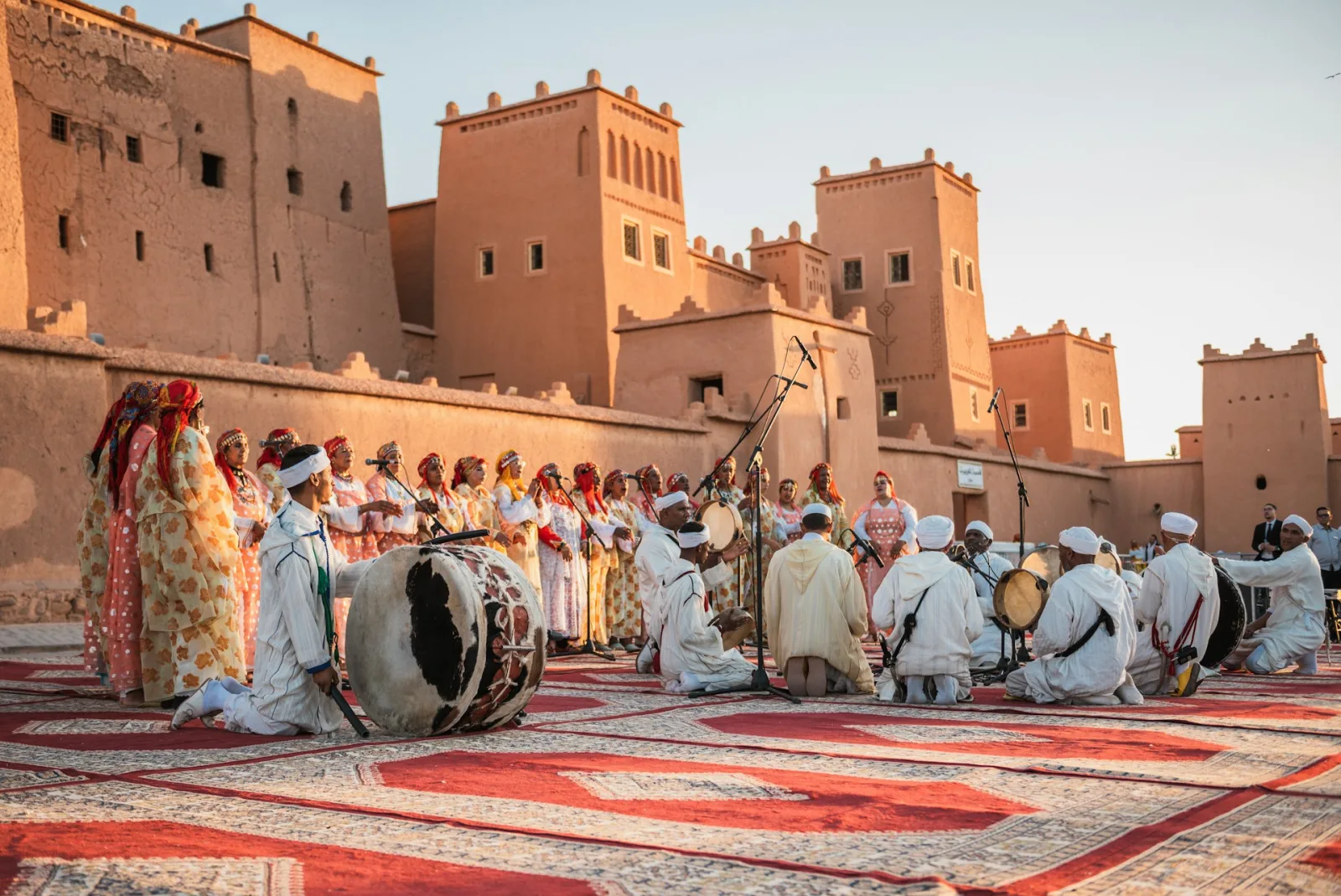
Respectful cultural interaction between Indian travelers and Saudi locals in traditional setting with modest attire

Saudi Arabia Cultural Etiquette Guide
for Indian Travelers

Essential customs, dress codes, prayer time etiquette, social norms & respectful travel practices for Indian tourists visiting Saudi Arabia in 2026.

Updated for 2026 Travelers
Written by Neeta Parmar — Middle East Travel Specialist
Reviewed by Mariam Shah · Middle East Travel Reviewer
Last updated after reviewing:
  • Saudi tourism authority updated cultural guidelines for international visitors (Q1 2026)
  • New visitor etiquette resources launched at RUH/JED airports for Indian travelers
  • Religious site access protocols revised for non-Muslim tourists in heritage locations

Last updated: April 2026

Dress Code Guidelines for Indian Travelers
Modest attire recommendations that respect local culture while ensuring comfort.

General Principle: Modest dress is culturally respectful but traditional Saudi clothing (abayas/thobes) is not required for tourists.

For Men:

  • Long pants or modest shorts (knee-length or longer)
  • Shirts with sleeves (avoid sleeveless tops in public)
  • Smart-casual attire for fine dining and cultural events
  • Comfortable closed shoes for heritage site visits

For Women:

  • Loose clothing covering shoulders and knees
  • Headscarves optional but appreciated in religious sites
  • Light layers for temperature changes and cultural sensitivity
  • Comfortable walking shoes with good grip for uneven terrain

For complete Saudi planning, refer to our Saudi Arabia travel guide and weather & packing guide.

Greetings & Respectful Interactions
Culturally appropriate ways to greet and interact with locals in Saudi Arabia.

Verbal Greetings

  • "As-salamu alaykum" (peace be upon you) — Standard respectful greeting
  • "Wa alaykum as-salam" — Appropriate response to the above greeting
  • "Shukran" — Thank you (widely appreciated)
  • "Afwan" — You're welcome / Excuse me
  • Learning basic Arabic phrases shows cultural respect and is warmly received
  • English is widely spoken in tourism and hospitality sectors

Physical Gestures

  • Handshakes: Common among men; follow the lead of Saudi counterparts
  • Women greeting men: Some conservative individuals may prefer not to shake hands — a slight nod with hand over heart is always appropriate
  • Personal space: Maintain respectful distance during conversations
  • Right hand custom: Use right hand for greetings, eating, and exchanging items
  • Avoid pointing: Use open hand gestures rather than pointing with index finger
Prayer Time Etiquette for Travelers
Understanding and respectfully navigating daily prayer schedules in Saudi Arabia.

Five Daily Prayers: Fajr (dawn), Dhuhr (midday), Asr (afternoon), Maghrib (sunset), Isha (evening). Prayer times vary daily based on sun position.

Impact on Travel:

  • Some smaller shops and businesses may close briefly during prayer calls
  • Major malls, hotels, and tourist attractions typically remain open
  • Restaurants in tourist areas often continue service; some may pause briefly
  • Heritage sites may have adjusted entry procedures during prayer times

Practical Tips:

  • Download a prayer time app for planning daily activities
  • Use prayer breaks as opportunities to rest, hydrate, or review your itinerary
  • Be patient and respectful if services pause briefly — this is part of local culture
  • Hotels and major tourist facilities are accustomed to international visitors and maintain continuous service
Social Norms & Cultural Considerations
Key social practices to ensure respectful and comfortable interactions during your Saudi visit.

Dining Etiquette

  • Right hand custom: Traditional dining uses right hand; cutlery standard in tourist restaurants
  • Sharing culture: Meals often feature shared platters — request individual portions if preferred
  • Host customs: Wait for host to begin eating; accepting second servings is polite
  • Tipping: 10% customary in sit-down restaurants; not mandatory but appreciated
  • Dietary needs: Inform restaurants in advance for vegetarian/halal requirements

Photography Guidelines

  • Allowed: Most public spaces, tourist attractions, heritage sites, landscapes
  • Avoid: Government buildings, military sites, people without permission
  • Religious sites: Follow posted guidelines; some areas may restrict photography
  • Local residents: Always ask permission before photographing individuals
  • Heritage sites: AlUla and Diriyah generally allow photography for personal use

Public Behavior

  • Public displays of affection: Beyond hand-holding are discouraged in public spaces
  • Volume levels: Maintain moderate voice levels in public areas
  • Alcohol & pork: Strictly prohibited; non-alcoholic beverages widely available
  • Respectful curiosity: Asking polite questions about culture is appreciated
  • Patience: Business operations may adjust for prayer times or cultural events
Visiting Religious & Heritage Sites Respectfully
Guidelines for culturally sensitive exploration of Saudi Arabia's significant locations.

General Principles: Approach religious and heritage sites with respect, curiosity, and awareness of local customs.

Before Visiting:

  • Research site-specific guidelines on official tourism websites
  • Check opening hours and any seasonal adjustments
  • Book guided tours in advance for UNESCO sites like Hegra and Diriyah
  • Confirm dress code requirements for specific locations

During Your Visit:

  • Follow posted signage and guide instructions
  • Stay on marked paths to protect archaeological sites
  • Keep voice levels moderate in sacred or contemplative spaces
  • Ask permission before photographing religious ceremonies or worshippers
  • Remove shoes when required; carry a small bag for footwear

Special Considerations:

  • Mecca & Medina: Access restricted to Muslims only; tourist eVisa does not permit entry
  • Al-Rahma Mosque (Jeddah): Open to non-Muslim visitors outside prayer times
  • Heritage sites: AlUla, Diriyah, and other UNESCO locations welcome respectful tourists
  • Local guides: Engage licensed guides for deeper cultural context and respectful navigation

Want culturally curated Saudi experiences with respectful heritage tours? Our packages include etiquette guidance and licensed local guides.

View Saudi Arabia Culturally Curated Packages →
Frequently Asked Questions — Saudi Cultural Etiquette for Indians
Clear answers to the most common cultural etiquette queries from Indian travelers.
1Do tourists need to wear abayas or thobes in Saudi Arabia?
No. Tourists are not required to wear traditional Saudi clothing. However, modest dress is culturally respectful: loose clothing covering shoulders and knees for both men and women. Headscarves are optional for non-Muslim women but appreciated in religious sites.
2How should Indian travelers greet locals in Saudi Arabia?
Use "As-salamu alaykum" (peace be upon you) as a respectful greeting. Handshakes are common among men; some conservative women may prefer not to shake hands with opposite gender — follow their lead. A slight nod with hand over heart is always appropriate.
3What should Indian travelers know about prayer times in Saudi Arabia?
Five daily prayers may pause business operations briefly. Many malls and restaurants remain open, but some smaller shops close temporarily. Plan activities around prayer schedules or choose hotels/malls with continuous service. Download a prayer time app for planning.
4Is photography allowed in Saudi Arabia for tourists?
Yes, in most public spaces and tourist attractions. Avoid photographing government buildings, military sites, or people without permission. Heritage sites like AlUla and Diriyah generally allow photography; be respectful when photographing locals.
5Can Indian women travel solo in Saudi Arabia?
Absolutely. Women can obtain tourist eVisas without a male guardian and travel solo. Ride-hailing apps, hotels, and public spaces are safe and welcoming. Many attractions offer dedicated family sections. Standard travel precautions apply as in any destination.
6What dining etiquette should Indian travelers follow in Saudi Arabia?
Traditional dining uses the right hand for eating; cutlery is standard in tourist restaurants. Sharing platters are common — request individual portions if preferred. Wait for the host to begin eating. Tipping 10% is customary but not mandatory in sit-down restaurants.
7Are public displays of affection acceptable in Saudi Arabia?
Public displays of affection beyond hand-holding are discouraged. Maintain modest behavior in public spaces. Private areas like hotel rooms are appropriate for personal interactions. Respecting local norms ensures a comfortable experience for all travelers.
8What should Indian travelers know about Ramadan etiquette in Saudi Arabia?
During Ramadan, avoid eating, drinking, or smoking in public during daylight hours out of respect. Non-Muslims can eat in hotel restaurants or private spaces. Evening iftar experiences are culturally rich — many hotels offer special Ramadan dining for guests.

Note: Cultural norms and practices may evolve. Verify current guidelines with official Saudi tourism sources before travel. When in doubt, observe local behavior and ask politely — most Saudis appreciate respectful curiosity from international visitors.

About This Saudi Cultural Etiquette Guide

This page provides verified, India-focused cultural guidance for Saudi Arabia travel. Updated quarterly to reflect etiquette updates, tourism policy changes, and visitor experience insights for Indian tourists.

Culture-Verified

Etiquette guidelines, dress recommendations, and interaction tips sourced from Saudi tourism authorities and verified Indian traveler experiences.

2026 Updated

Cultural guidelines, religious site access protocols, and visitor etiquette resources reflect current 2026 conditions for Indian travelers.

India-Focused Guidance

Dress recommendations, greeting customs, and social norm advice tailored specifically for Indian passport holders and cultural backgrounds.

Practical & Concise

Lightweight etiquette guide focused on actionable information — no fluff, no generic content, just what Indian travelers need for respectful Saudi experiences.

More Travel Guides

Explore Other Destinations

Get Culturally Curated Saudi Arabia Experiences

Need help planning respectful cultural experiences for your Saudi trip? Fill out the form below for personalized etiquette guidance.

Our experts can advise on dress codes, greeting customs, prayer time planning, religious site visits, and culturally appropriate interactions for your Saudi itinerary.

Enquire About This Package