Welcome to Banff: The Crown Jewel of the Rockies
Canada’s first national park and a UNESCO World Heritage site, offering some of the most dramatic mountain scenery on earth.
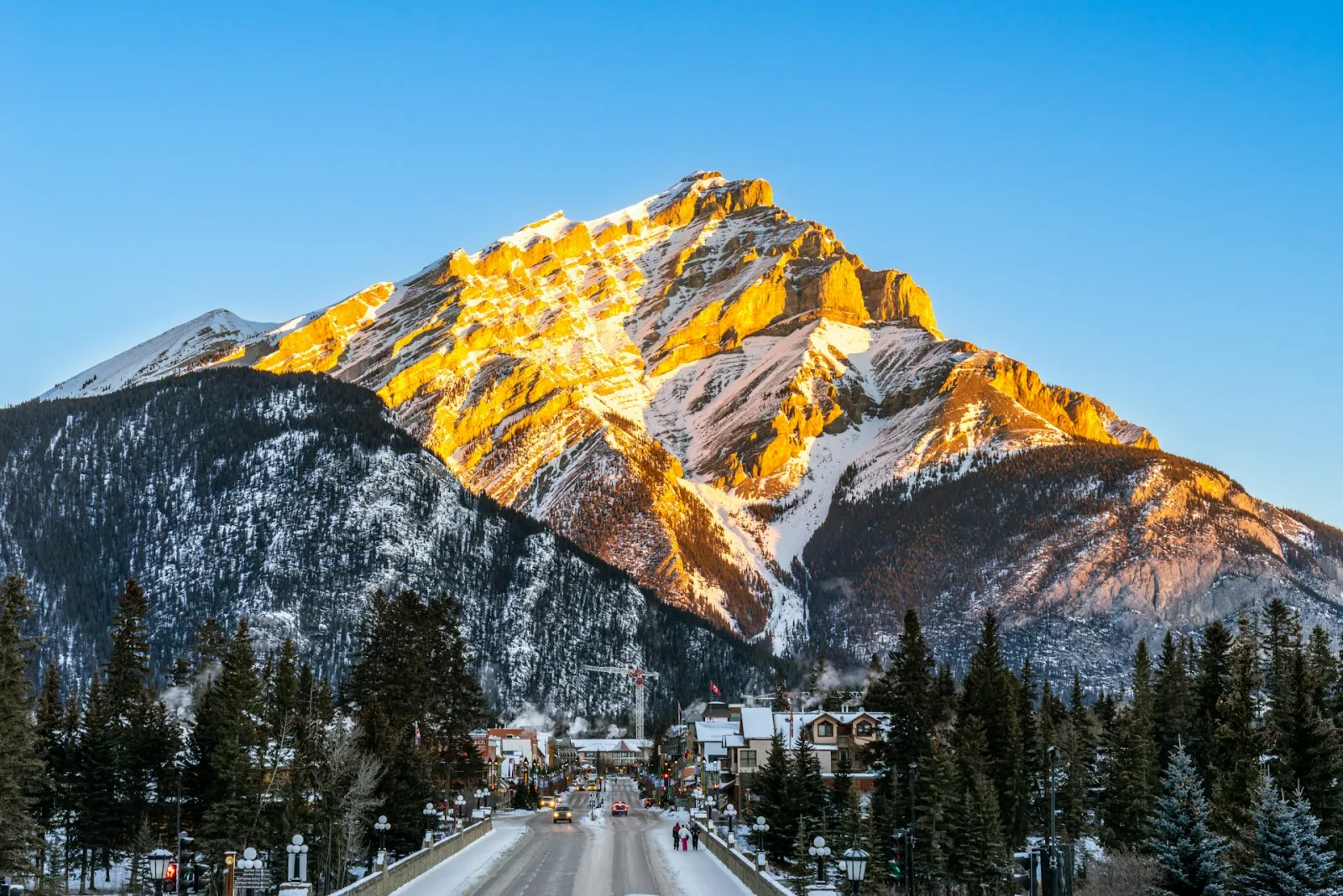
Established in 1885, Banff National Park spans 6,641 square kilometers of valleys, mountains, glaciers, and forests in the heart of the Canadian Rockies. For Indian travelers accustomed to the Himalayas, Banff offers a entirely different alpine experience—characterized by massive glaciers, impossibly turquoise glacial lakes, and abundant wildlife including elk, bighorn sheep, and occasionally, grizzly bears.
Integrating Banff into your broader Canadian adventure requires careful routing. To see how it fits into a 7, 10, or 14-day national itinerary, review our comprehensive Canada itinerary planner, which covers domestic flight logistics and cross-country routing.
Top Attractions in Banff National Park
The iconic landmarks and natural wonders that define the Rockies experience.
The two most famous lakes in Canada. Lake Louise is framed by the Fairmont Chateau and Victoria Glacier. Moraine Lake, located in the Valley of the Ten Peaks, is renowned for its vivid blue water and is featured on the Canadian $20 bill.
- Time needed: 2–3 hours per lake
- Cost: Free (Parks pass required)
- Tip: Arrive before 7:00 AM or book a mandatory shuttle to secure parking and avoid massive crowds.
Ride the Banff Gondola to the summit of Sulphur Mountain for a 360-degree panoramic view of the town of Banff and the surrounding six mountain ranges. The boardwalk at the top is an easy, scenic stroll.
- Time needed: 1.5–2 hours
- Cost: ~CAD 70 adult
- Tip: Book your ticket online in advance to guarantee your time slot, especially in July and August.
Considered one of the most scenic drives in the world, this 232-kilometer highway connects Banff (Lake Louise) to Jasper. It passes by turquoise lakes, waterfalls, and massive glaciers, including the Columbia Icefield.
- Time needed: Full day (minimum 8 hours driving + stops)
- Cost: Free (Parks pass required)
- Tip: Start early from Lake Louise. Cell service is non-existent for most of the route; download offline maps.
Parks Canada Passes & Essential Permits
You must pay an entry fee to enter Banff National Park. Here is how the system works.
- Daily Pass: CAD 10.50 per adult (18-64), CAD 9.00 per senior (65+). Children under 17 are free. You must display this pass on your dashboard at all times while in the park.
- Discovery Pass (Annual): CAD 72.25 per person. If you are spending 4 or more days in any Canadian National Parks (Banff, Jasper, Yoho, etc.), this pass pays for itself and saves you the hassle of daily purchases.
- Moraine Lake Shuttle: Personal vehicles are banned from the Moraine Lake road during peak season. You must book a Parks Canada shuttle or a private commercial bus in advance. These tickets sell out weeks ahead for summer dates.
- Camping Permits: If you plan to camp, reservations open in January via the Parks Canada portal and sell out within minutes for popular summer weekends.
Wildlife Safety: Banff is bear country. Always carry bear spray if hiking, make noise on trails, and never approach wildlife. Maintain a distance of at least 30 meters from elk and bighorn sheep, and 100 meters from bears.
Best Time to Visit Banff from India
The Rockies offer two completely different experiences depending on the season.
The Classic Season. The snow melts, the lakes turn their iconic turquoise color, and all hiking trails and parkways (including the Icefields Parkway) are fully open.
- Weather: 15°C to 25°C (59°F – 77°F). Nights are crisp and cold.
- Pros: Perfect for hiking, canoeing, and photography. All facilities open.
- Cons: Extremely crowded. Traffic jams at Lake Louise are common. Hotels are at peak pricing.
- Best for: First-time visitors, families, and photographers.
The Snow Season. The park transforms into a pristine winter wonderland. The lakes freeze over, and the focus shifts to world-class skiing and snowshoeing.
- Weather: -15°C to 5°C (5°F – 41°F). Can drop below -25°C with wind chill.
- Pros: Fewer crowds, stunning frozen waterfalls, excellent skiing at Lake Louise and Sunshine Village. Northern Lights visible.
- Cons: Icefields Parkway may close due to avalanches. Many hiking trails are inaccessible. Requires expensive thermal gear.
- Best for: Skiers, snowboarders, and winter photographers.
Aligning with Indian Holidays: The peak Indian travel window of June–July aligns perfectly with Banff's short summer season. However, because demand is so high, you must book your Canada trip budget and accommodations at least 6 months in advance.
Essential Tips for Indian Travelers
Practical advice to ensure a smooth and enjoyable experience in the Canadian Rockies.
If you are driving from Calgary to Banff, remember that Canada drives on the right side of the road (opposite to India). Mountain roads require extra caution.
- Watch for wildlife crossing the road, especially at dawn and dusk.
- Pull over completely in designated turnouts to take photos; never stop in the travel lane.
- In winter, winter tires are mandatory on many mountain highways.
- Gas stations are sparse on the Icefields Parkway; fill up in Lake Louise or Jasper.
Banff is a remote mountain town, and dining options are limited compared to Toronto or Vancouver. Vegetarian choices exist but are not as abundant.
- Most restaurants offer vegetarian pasta, pizzas, and salads.
- For authentic Indian food, you must drive 20 minutes east to the town of Canmore, which has a few Indian restaurants and grocery stores.
- Pro Tip: Book a hotel room with a kitchenette or breakfast included. Buying groceries in Calgary or Canmore and making your own meals will save you a significant amount of money.
Frequently Asked Questions — Banff National Park
Quick answers for Indian tourists planning their Rockies adventure.
1Do I need a car to explore Banff National Park?
While the town of Banff is walkable and has a local transit system (Roam), renting a car is highly recommended to explore the wider national park, including Lake Louise, Moraine Lake, and the Icefields Parkway. If you do not drive, you can rely on guided tours or the Parks Canada shuttles, but flexibility will be limited.
2How do I get to Moraine Lake in 2026?
Personal vehicles are strictly banned from the Moraine Lake road during the peak season (typically late May to mid-October). You must book a Parks Canada shuttle in advance via the Moraine Lake Bus ticketing portal, or use a private commercial tour operator. Shuttles sell out weeks in advance, so book as soon as your travel dates are confirmed.
3Is Banff expensive for Indian tourists?
Yes, Banff is one of the most expensive destinations in Canada. Hotels inside the park or in Lake Louise often exceed CAD 300–500 per night during summer. Dining is also pricier than in Toronto or Vancouver. Budget-conscious Indian travelers should consider staying in Canmore (just outside the park gates) and booking accommodations with kitchenettes to save on meals.
4Can I see the Northern Lights in Banff?
Yes, Banff is an excellent location for Aurora Borealis viewing, particularly between November and March. To see them, you must drive away from the town of Banff's light pollution toward Minnewanka Lake or along the Bow Valley Parkway on a clear, dark night.
5What is the best time to visit Banff from India?
For the iconic turquoise lakes and hiking, June to September is best. However, this is peak season and requires booking 6 months ahead. For snow sports, skiing, and a winter wonderland experience, December to March is ideal. The shoulder months of May and October offer fewer crowds but some facilities and roads may be closed.
Note: Parks Canada regulations, shuttle booking windows, and road conditions change frequently. Always verify current park alerts on the official Parks Canada website before your trip. Ensure you have adequate Canada visa documentation and travel insurance covering adventure activities.