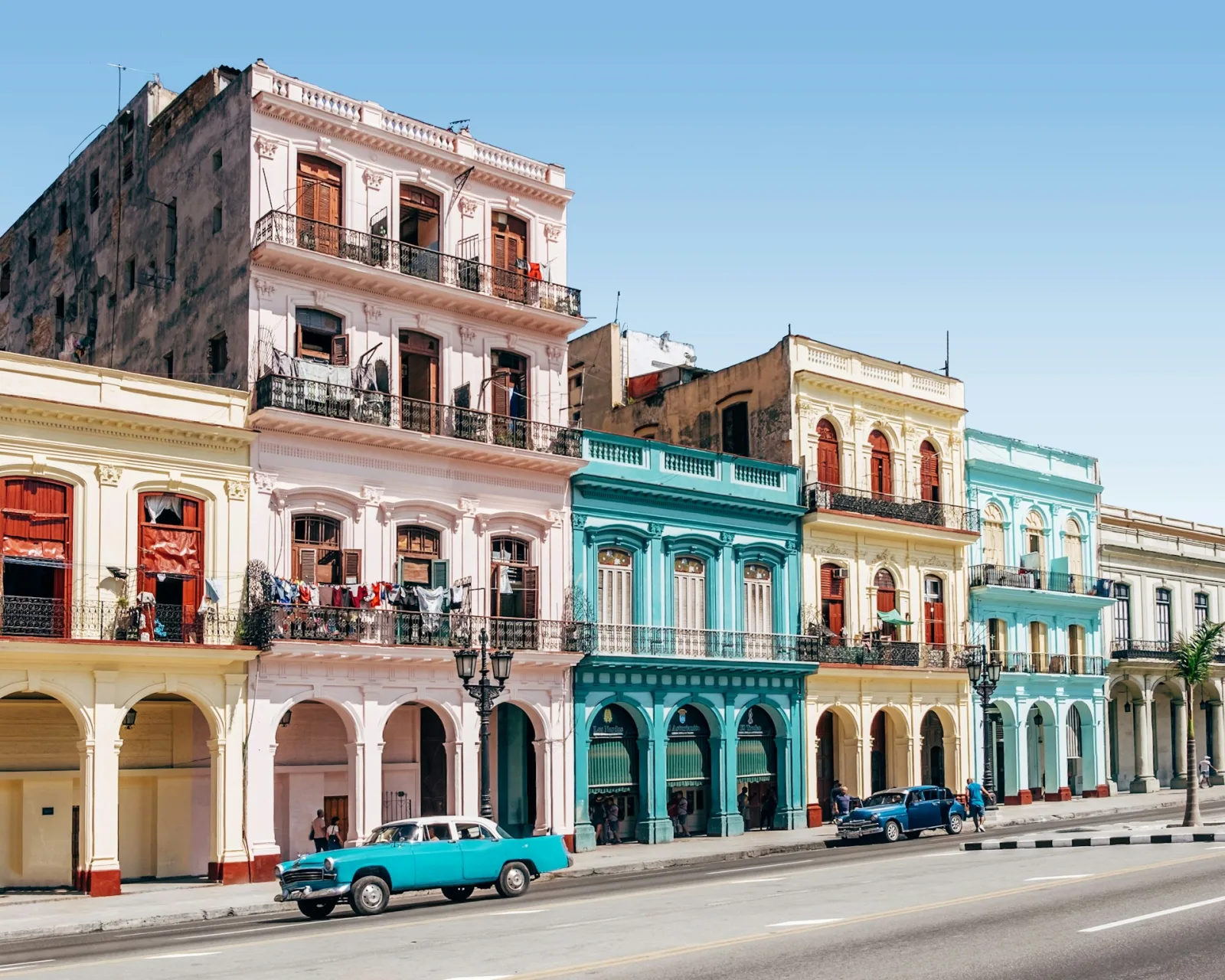
A brightly colored colonial doorway in Havana displaying the official blue anchor symbol of a licensed casa particular

Cuba Casas Particulares Guide
for Indian Travelers

How to book, what to expect, costs, and cultural etiquette for staying in authentic Cuban homestays in 2026.

Updated for 2026 Travelers
Written by Sunita Lal — North America Travel Specialist
Reviewed by Anita Pattigili · North America Travel Reviewer
Last updated after reviewing:
  • Casa particular registration and tax payment updates for private hosts in Havana and Trinidad (2025-2026)
  • Breakfast inclusion pricing and private transfer arrangement realities for Indian group tours
  • ETECSA Wi-Fi availability and power outlet configurations in licensed homestays

Last updated: April 2026

What is a Casa Particular?
The ultimate accommodation hack for traveling in Cuba. For a complete destination overview, refer to our comprehensive Cuba Travel Guide.

The Cuban Homestay

A casa particular is a legally licensed private homestay or bed-and-breakfast. It is not a hostel or a shared dorm.

  • You rent a private room (usually with an en-suite bathroom) in a local Cuban family's home.
  • They offer a far more authentic, safe, and comfortable experience than state-run hotels.
  • They are the backbone of Cuba's private tourism economy and are heavily regulated by the government.


Safety & Legality

Casas are incredibly safe and are the preferred choice for Indian families and solo travelers.

  • Hosts must register all foreign guests with the local police within 24 hours of arrival (they handle this for you).
  • They are heavily incentivized to maintain good reviews and provide excellent security.
  • Always ensure you are staying in a licensed casa to avoid legal issues or scams.
What to Expect & How to Identify Them
Understanding the physical realities and official symbols of a licensed casa particular.

The Official Icons

To identify a legal, licensed casa particular, look for a specific symbol painted on the door, gate, or window frame:

  • Inland Cities (Havana, Trinidad, Viñales): A red/brown inverted triangle (like a pyramid pointing down).
  • Coastal Areas (Varadero, Playa Ancón): A blue anchor.

Warning: If you do not see this official icon, the accommodation is operating illegally. Do not stay there, as you will not be registered with the police, and the quality/safety cannot be guaranteed.

Room Amenities

While they vary, a standard, good-quality casa particular will include:

  • Private En-suite Bathroom: Always verify this when booking. Some cheaper options offer shared facilities.
  • Air Conditioning: Essential in Cuba. Usually included, but confirm it works upon check-in.
  • Daily Cleaning: Fresh towels and basic room cleaning are standard.
  • Wi-Fi: Many casas now offer in-room Wi-Fi routers, but you still need to buy ETECSA Nauta cards from your host to activate it.

The Homemade Breakfast

One of the greatest perks of a casa particular is the optional homemade breakfast.

  • Cost: Typically ₹300–₹400 ($5 USD) per person.
  • What's Included: Fresh fruit, eggs, toast, butter, jam, juice, and strong Cuban coffee.
  • Why Take It: It saves you the hassle of finding a restaurant open early in the morning, and it is usually delicious and filling.
Costs & Budgeting for Casas
How staying in a casa particular impacts your overall trip budget. For a full financial breakdown, see our Cuba Trip Cost from India guide.
Accommodation Type Average Cost (Per Night) Verdict for Indian Travelers
Casa Particular (Standard)₹1,500 – ₹2,500 ($20–$30)Highly Recommended. Best value, authentic, safe.
Casa Particular (Luxury/Suite)₹3,000 – ₹5,000 ($40–$60)Excellent for families needing extra space or rooftop terraces.
State-Run 3-Star Hotel₹4,000 – ₹7,000 ($50–$80)Often poorly maintained. Avoid unless necessary.
International 5-Star Resort₹12,000 – ₹25,000+ ($150+)Only found in Varadero. Good for pure beach relaxation.

Payment Rule: Casas operate strictly on a cash-only basis. You must pay in Cuban Pesos (CUP) or sometimes in pristine USD/EUR cash. Foreign credit and debit cards are never accepted. For detailed currency exchange rules, see our Cuba Visa Guide.

How to Book Your Casas
The strategy for securing the best rooms across multiple Cuban cities.

The "Chain Booking" Strategy

The most effective way to book a multi-city Cuba itinerary is not through websites, but through your hosts.

  • Step 1: Book your first 1-2 nights in Havana online or via an agency before leaving India.
  • Step 2: When you arrive, tell your Havana host where you are going next (e.g., Viñales or Trinidad).
  • Step 3: The host will call their trusted friend or colleague in that city and reserve a room for you.
  • Step 4: You arrive at the next casa, and the host has already been expecting you. This "chain" continues throughout your trip.

Online vs. On Arrival

While the chain strategy is best, you can also book online or walk in.

  • Online Platforms: Sites like Booking.com, Airbnb, and TripAdvisor list many licensed casas. This is useful for securing peak-season (Dec-Jan) stays in advance.
  • Walking In: In smaller towns like Viñales, you can often just walk around and look for the blue anchor or red triangle icons. The hosts will come out to negotiate with you.
  • Peak Season Warning: If traveling in December or January, do not rely on walking in. Book everything at least 3 months in advance.
Cultural Etiquette & Essential Tips
How to be a respectful guest and get the most out of your Cuban homestay experience.

Being a Great Guest

  • Interact: Cuban hosts love to chat. Take a moment in the evening to sit in the common area and talk to them. It is the best way to learn about real Cuban life.
  • Ask for Help: Your host is your best resource. They can book your Viazul bus tickets, arrange a private taxi (alfonsino), and recommend the best local paladares.
  • Tipping: If the housekeeping staff does a great job, leave a small tip of ₹100–₹200 (1-2 CUP) per day. If your host goes above and beyond to help you, a larger tip at the end of your stay is highly appreciated.
  • Vegetarian Indians: Inform your host a day in advance if you want a vegetarian breakfast or dinner. They are usually happy to prepare fresh fruit, eggs, and cheese if they know ahead of time.

Want pre-vetted, high-quality casas for your entire Cuba itinerary? Our packages include hand-picked homestays and 24/7 on-ground support.

View Cuba Tour Packages →
Frequently Asked Questions — Cuba Casas Particulares
Quick, honest answers to accommodation and booking questions from Indian travellers.
1What exactly is a casa particular in Cuba?
A casa particular is a legally licensed private homestay or bed-and-breakfast. It is not a hostel or a shared dorm; it is a private room (usually with an en-suite bathroom) in a local Cuban family's home. They offer a far more authentic, safe, and comfortable experience than state-run hotels.
2How much does a casa particular cost per night?
A standard double room in a casa particular typically costs between ₹1,500 and ₹3,500 ($20–$40 USD) per night. This is significantly cheaper than state hotels and often includes excellent amenities like air conditioning, private bathrooms, and daily cleaning.
3How do I identify a legal, licensed casa particular?
Look for a specific symbol painted on the door, gate, or window frame: a blue anchor (for coastal areas) or a red/brown inverted triangle (for inland cities like Havana and Trinidad). If you do not see this official icon, the accommodation is operating illegally and should be avoided.
4Should I book my casas in advance or find them on arrival?
For peak season (December to March), you must book your first few nights in advance. However, the best way to book the rest of your trip is to ask the host of your first casa to call ahead and reserve your next rooms. They have a trusted network and can secure better rooms than you can find online.
5Do casas particulares accept credit cards from India?
No. Casas particulares operate strictly on a cash-only basis. You must pay in Cuban Pesos (CUP) or sometimes in pristine USD/EUR cash. Foreign credit and debit cards are not accepted. Always carry enough cash for your entire stay.

Note: The quality of casas particulares can vary. While the government regulates them, maintenance standards depend on the individual host. Always inspect the room (especially the air conditioning and hot water) upon check-in and politely request a different room if there are major issues.

About This Cuba Accommodation Guide

This guide provides Indian travelers with practical, on-ground insights for navigating Cuba's unique homestay system. Researched using recent traveler experiences and updated for 2026 hospitality realities.

Expert Verified

Every booking strategy and etiquette tip is cross-checked with recent traveler experiences and current Cuban hospitality regulations.

Regularly Updated

Pricing realities, booking strategies, and amenity standards are reviewed quarterly to reflect current on-ground conditions in Cuba.

Plan Your Cuba Homestay Experience

Fill out the enquiry form below and our travel experts will help you plan a customized Cuba itinerary featuring hand-picked, high-quality casas particulares.

Get assistance with casa reservations, private transfers, guided city tours, and complete Cuba packages.

Enquire About This Package