Vegetarian Food in the Dominican Republic (2026 Guide)
Navigating a meat-heavy Caribbean cuisine as an Indian vegetarian traveler.
Dominican cuisine is deeply rooted in Spanish, Taíno, and African influences, with meat (chicken, pork, and beef) acting as the centerpiece of almost every traditional meal. For Indian vegetarians, this can initially seem daunting. However, with the right knowledge and a few essential Spanish phrases, you can eat very well without compromising your diet.
The strategy differs vastly depending on whether you are eating inside a Punta Cana resort or exploring local towns. For a complete overview of itineraries and travel logistics, refer to our comprehensive Dominican Republic Travel Guide.
Eating Inside All-Inclusive Resorts
Why Punta Cana resorts are the easiest option for Indian vegetarians.
Most Indian travelers stay in all-inclusive resorts in Punta Cana. These massive properties cater to an international crowd and always feature extensive vegetarian options.
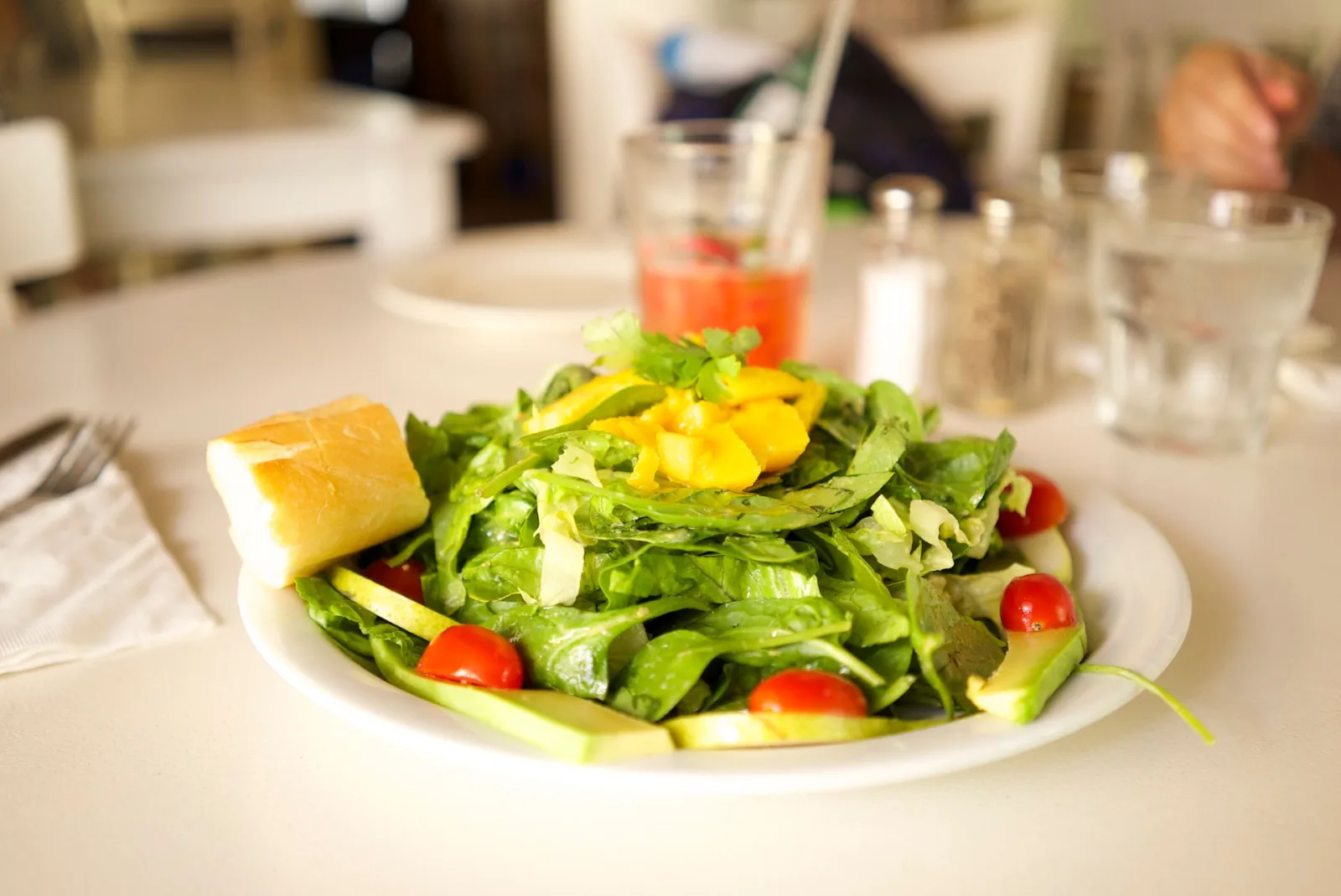
- Buffets: Expect dedicated pasta stations, pizza, fresh salad bars, fruit platters, and vegetable stir-fry stations at every meal.
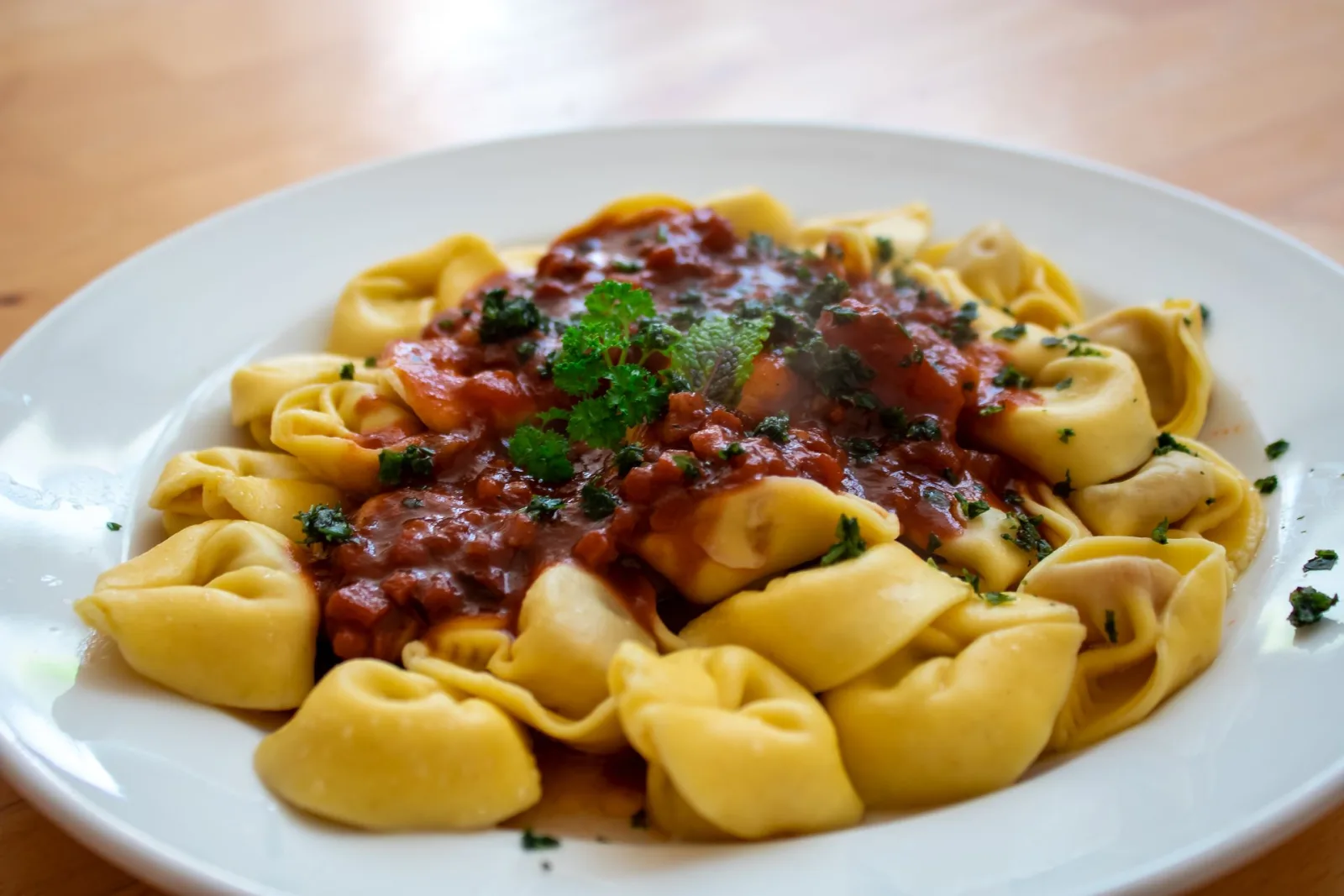
- A La Carte Restaurants: Italian and Mexican specialty restaurants within the resort offer excellent vegetarian pastas, pizzas, and bean dishes.
- Crucial Step: You must inform the resort of your vegetarian requirements at the time of booking. While they can accommodate vegetarians easily, strict vegans may need special arrangements for breakfast (e.g., plant-based milk).
For detailed resort dining tips and booking advice, see our Punta Cana City Guide.
Safe Local Foods & Street Snacks
What to order when you venture outside the resort into local comedores and towns.
When eating at local restaurants or street stalls, stick to these naturally vegetarian Dominican staples:
- Tostones: Twice-fried green plantain slices. Crispy, savory, and completely vegan. Often served with garlic mojo sauce.
- Maduros: Sweet fried ripe plantains. A delicious side dish or snack.
- Queso Frito: Fried white cheese. A popular breakfast or snack item.
- Pastelitos de Queso: Fried pastry pockets filled with sweet or savory cheese.
- Arroz Blanco & Ensalada: Plain white rice and a basic fresh salad are safe, standard sides.
- Aguacate: Dominican avocados are large, creamy, and served with almost every meal.
- Fresh Fruit: Papaya, mango, pineapple, and coconut water are abundant and cheap.
Hidden Dangers for Vegetarians
Crucial warnings about traditional Dominican dishes that appear vegetarian but are not.
⚠️ Crucial Warning: The concept of "vegetarian" is not widely understood in traditional Dominican kitchens. Meat is often used as a flavoring base even in vegetable dishes.
- Habichuelas (Beans): Dominican red and black beans are almost always cooked with pork, ham, or chicken broth for flavor. Never assume they are vegetarian.
- Mangu: While the mashed plantains themselves are vegan, Mangu is traditionally served with fried salami, eggs, and cheese. You must order it "sin salami ni huevos" (without salami or eggs).
- Sancocho & Locrio: These are hearty stews and rice dishes that always contain meat or meat broth as the base.
- Vegetable Soups: Often start with a "sofrito" base that includes ground meat or bacon.
For a complete breakdown of local cuisine and dining costs, check our Dominican Republic Food Guide.
Essential Spanish Phrases for Vegetarians
Show these to your waiter or chef to ensure your meal is meat-free.
- "Soy vegetariano/a." — I am vegetarian.
- "No como carne, pollo, ni pescado." — I do not eat meat, chicken, or fish.
- "¿Esto tiene carne o caldo de pollo?" — Does this have meat or chicken broth? (Crucial for beans and soups).
- "¿Está cocinado con manteca de cerdo?" — Is it cooked with pork lard?
- "Sin salami, por favor." — Without salami, please.
Pro Tip: Print a small dietary restriction card in Spanish and hand it directly to the waiter or chef. This eliminates translation errors and ensures the kitchen understands your restrictions.
Frequently Asked Questions — Vegetarian Dining
Quick answers to the most common vegetarian food questions from Indian travelers.
1Is it easy to find vegetarian food in the Dominican Republic?
Inside all-inclusive resorts in Punta Cana, vegetarian food is very easy to find with dedicated pasta, pizza, and salad stations. Outside resorts, traditional Dominican cuisine is heavily meat-based. Vegetarians can rely on cheese empanadas, fried cheese, tostones, and rice, but must explicitly ask if meat broth was used in the beans.
2Are Dominican beans (habichuelas) vegetarian?
No, traditionally they are not. Dominican red and black beans are almost always cooked with pork, ham, or chicken broth for flavor. Vegetarians must explicitly ask: "¿Esto tiene carne o caldo de pollo?" (Does this have meat or chicken broth?) before eating them.
3What are the best vegetarian dishes to try locally?
Safe local options include Tostones (twice-fried green plantains), Maduros (sweet fried plantains), Queso Frito (fried cheese), Pastelitos de Queso (cheese empanadas), and fresh tropical fruit smooths. Arroz blanco (white rice) and plain avocado are also staple sides.
4Do all-inclusive resorts in Punta Cana cater to strict vegetarians and vegans?
Yes, all major 4- and 5-star resorts in Punta Cana cater to vegetarians. However, vegan options can be limited unless requested in advance. It is highly recommended to inform your resort of your strict dietary requirements at the time of booking so the kitchen can prepare accordingly.
5What Spanish phrases should I use to order vegetarian food?
Learn these key phrases: "Soy vegetariano/a" (I am vegetarian), "Sin carne, por favor" (Without meat, please), and "¿Tiene caldo de pollo o cerdo?" (Does it have chicken or pork broth?). Showing a translated dietary card to the waiter is also highly effective.
Note: Restaurant menus and cooking practices can vary. Always verify ingredients with your server, as hidden meat broths and pork lard are common in traditional Dominican cooking. Ensure your e-Ticket and visa are sorted well in advance of your culinary adventure.