Chichicastenango market operating days and vendor safety guidelines for 2026
Certified jade retailers and authentic textile cooperative verification in Guatemala 2026
Guatemalan Quetzal (GTQ) cash availability and card acceptance updates at artisan markets 2026
Fact-checked April 2026
Last updated: April 2026
The Art of Guatemalan Shopping
From ancient Mayan weaving traditions to world-class coffee and imperial jade, Guatemala offers some of the most authentic and high-quality handicrafts in the Americas.
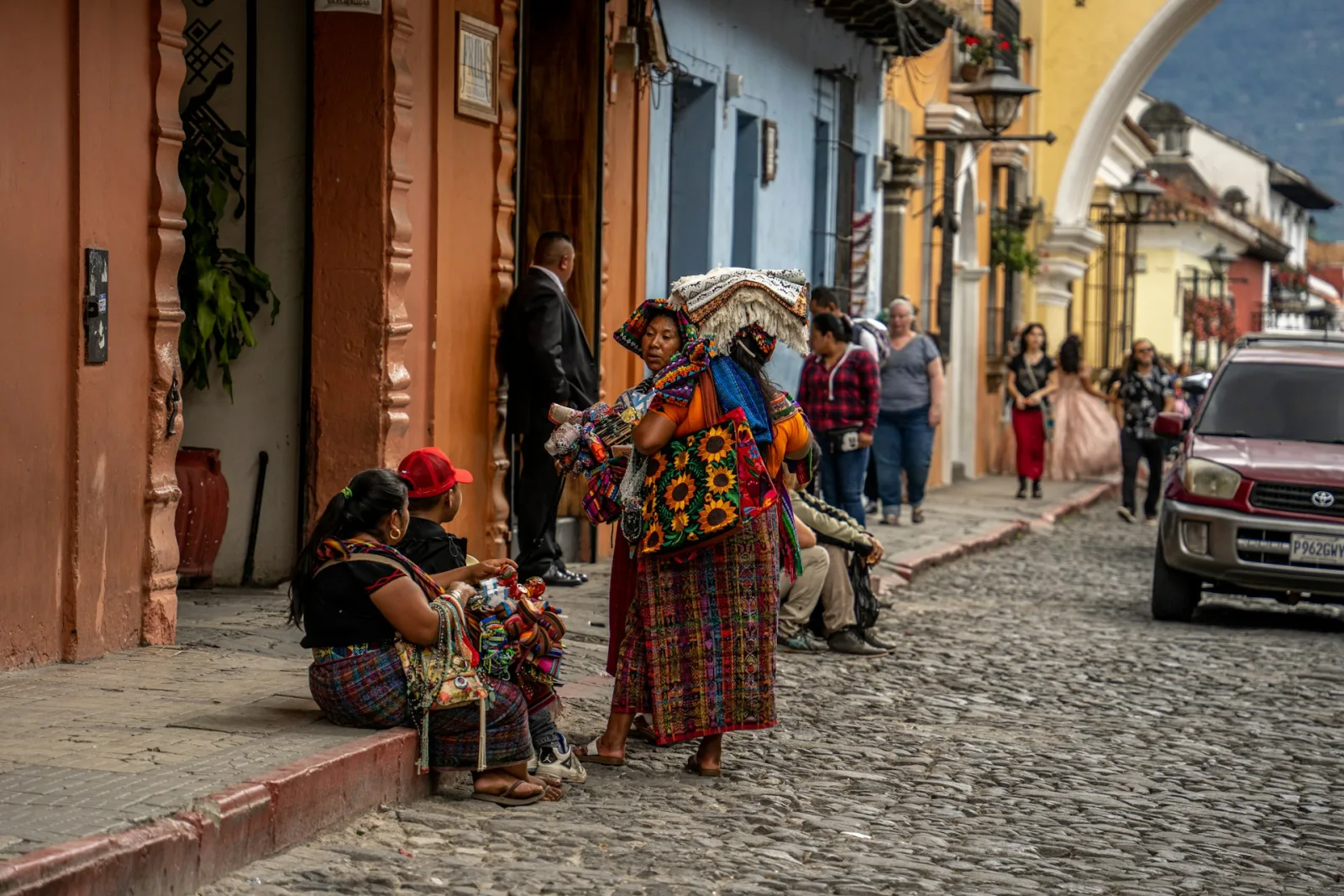
Shopping in Guatemala is a cultural experience in itself. Unlike mass-produced souvenirs found in many tourist destinations, Guatemalan artisans still use traditional backstrap looms, natural dyes, and centuries-old techniques to create their goods. For Indian travelers, the vibrant colors and intricate patterns of the textiles will feel both exotic and deeply familiar in their craftsmanship. Whether you are exploring the cobblestone streets of Antigua or taking a boat to the villages of Lake Atitlán, you will find incredible treasures. For a complete overview of national logistics and budgets, refer to the ultimate Guatemala travel guide.
Top Markets to Visit in Guatemala
Guatemala's markets range from massive indigenous gatherings to curated artisan boutiques.
Chichicastenango Market
Known locally as "Chichi," this is the largest and most famous indigenous market in Central America. It transforms the town square every Thursday and Sunday into a sea of color, incense, and traditional goods.
Best For: Authentic Mayan textiles, wooden masks, and pottery.
Tip: Arrive early (around 7:00 AM) to beat the tour buses and see the locals lighting incense at the church steps.
Logistics: It is a 2.5-hour shuttle ride from Antigua. Check our Guatemala itinerary guide on how to fit it into your route.
Mercado de Artesanías (Antigua)
Located near the Santa Teresa ruin in Antigua, this permanent market is a maze of stalls selling high-quality handicrafts. It is much more relaxed and organized than Chichicastenango.
Best For: Leather goods, silver jewelry, hammocks, and table runners.
Tip: Bargaining is expected here. Start at 50% of the asking price and negotiate with a smile.
Panajachel Market (Lake Atitlán)
As you walk from the boat dock in Panajachel toward the main strip (Calle Santander), you will pass hundreds of stalls. It is highly commercial but offers great variety.
Best For: Colorful huipiles (traditional blouses), woven bags, and paintings.
Tip: Walk past the first few stalls near the dock; the prices drop and the quality often improves as you go deeper into the market.
What to Buy: Authentic Guatemalan Souvenirs
Invest in pieces that support local artisans and carry the rich heritage of the Mayan world back to India.
Handwoven Textiles
Guatemalan textiles are world-renowned. The traditional huipil (blouse) can take months to weave on a backstrap loom. Each village has its own distinct patterns and colors.
What to look for: Table runners, cushion covers, and laptop bags made from recycled or authentic vintage huipiles.
Where to buy: Weaving cooperatives in San Juan La Laguna (Lake Atitlán) ensure the money goes directly to the female artisans.
Guatemalan Coffee
Guatemala produces some of the finest coffee in the world, thanks to its volcanic soil and high-altitude microclimates.
Top Regions: Antigua, Huehuetenango, and Atitlán.
Tip: Buy whole beans from local roasters like Café San Rafael in Antigua. It makes for a lightweight, premium gift back home.
Authentic Jade
The ancient Maya valued jade above gold. Guatemala is the only source of the rare "imperial green" jadeite in the world.
Warning: The tourist markets are flooded with fake jade (often dyed opalite or glass).
Safe Bet: Only purchase from certified, reputable jewelers like Jade Maya or El Rey del Jade in Antigua. Always ask for a certificate of authenticity.
Wooden Masks & Chocolate
Guatemala's folkloric dances use incredibly detailed, hand-carved wooden masks. They make striking wall art. Additionally, Guatemala is the birthplace of cacao.
Chocolate: Visit the ChocoMuseo in Antigua to buy artisanal, bean-to-bar chocolate and even take a workshop.
Masks: Look for masks representing the "Moros y Cristianos" or "Danza de la Conquista" in Chichicastenango.
Shopping Tips for Indian Travelers
Navigate the markets safely and smartly with these essential local tips.
Currency & Bargaining
Always carry Guatemalan Quetzales (GTQ) in small denominations (Q10, Q20, Q50) when visiting markets. Vendors often struggle to break large Q100 or Q400 notes.
Bargaining: Expected at flea markets and street stalls. Be polite, smile, and treat it as a friendly interaction, not a confrontation.
Fixed Prices: Do not try to bargain in supermarkets, established boutiques, or certified jade shops.
Cards: Credit cards are accepted in malls and nice restaurants, but never at outdoor market stalls.
Safety & Etiquette
Markets like Chichicastenango can get extremely crowded, which creates opportunities for pickpockets.
Security: Wear your backpack on your front in crowded aisles. Keep your phone and wallet in zipped pockets.
Photography: Always ask permission before photographing the artisans. Some may ask for a small tip (Q5 or Q10) for posing.
Etiquette: Handle textiles with clean hands. Avoid placing bags directly on the ground where food is being prepared.
Want a hassle-free Guatemala trip with expert-guided market tours? Our packages include visits to authentic weaving cooperatives and certified jade shops.
Quick answers to shopping and market questions from Indian travelers.
1What is the best market to visit in Guatemala?
The Chichicastenango Market (El Mercado de Chichicastenango) is the most famous and vibrant indigenous market in Central America. It operates primarily on Thursdays and Sundays. For a more relaxed experience, the Mercado de Artesanías in Antigua is excellent for high-quality textiles and souvenirs.
2Can I use credit cards at Guatemalan markets?
No, cash is king at local markets. You must pay in Guatemalan Quetzales (GTQ). While some larger stalls in Antigua or Panajachel may accept cards, you should always carry small denomination cash for bargaining and buying from individual artisans.
3Is bargaining expected in Guatemala?
Yes, bargaining is expected and encouraged at flea markets and artisan stalls. A good rule of thumb is to start at about 50% of the asking price and negotiate politely. However, in established boutiques, malls, and certified shops (like jade jewelers), prices are fixed.
4How can I tell if Guatemalan jade is real?
Guatemala is the original source of imperial jade, but fakes are common in tourist areas. To ensure authenticity, only buy from certified, reputable jewelers like Jade Maya in Antigua. Real jade is cold to the touch, heavy, and will come with a certificate of authenticity.
5What are the best souvenirs to bring back to India from Guatemala?
The best souvenirs include handwoven Mayan textiles (huipiles and table runners), premium Guatemalan coffee beans (from Antigua or Huehuetenango), authentic jade jewelry, traditional wooden dance masks, and artisanal bean-to-bar chocolate.
Note: When buying textiles, check the stitching quality and whether the dyes are natural or synthetic. Natural dyes (made from insects, plants, and minerals) are more expensive but produce richer, more authentic colors. For a deeper dive into local culture and crafts, refer to the ultimate Guatemala travel guide.