Guatemala rainy season road conditions and landslide risk updates for 2026
Semuc Champey water levels and accessibility changes during the wet season 2026
Indian traveler advisories and budget accommodation availability during monsoon months 2026
Fact-checked April 2026
Last updated: April 2026
The Guatemalan "Invierno" (Winter)
Running from May to October, the wet season transforms the country into a vibrant, emerald paradise with fewer crowds and better deals.
While the dry season gets all the fame, the wet season (locally called "Invierno") offers a completely different, deeply authentic side of Guatemala. The landscapes explode into vivid greens, the waterfalls are at their most powerful, and the tourist crowds vanish. For Indian travelers, this window aligns perfectly with the summer school holidays (May–July), offering a chance to explore the classic Guatemala itinerary at a fraction of the peak-season cost. To understand how this fits into your overall routing, refer to the ultimate Guatemala travel guide.
Wet Season Weather by Region
Rainfall varies significantly across Guatemala's diverse topography. Here is what to expect in the major hubs.
Antigua & The Highlands
The highlands experience frequent, heavy afternoon showers, but the mornings are often clear and misty.
Daytime: 18–24°C (64–75°F) — Mild and overcast.
Nighttime: 12–15°C (54–59°F) — Chilly and damp.
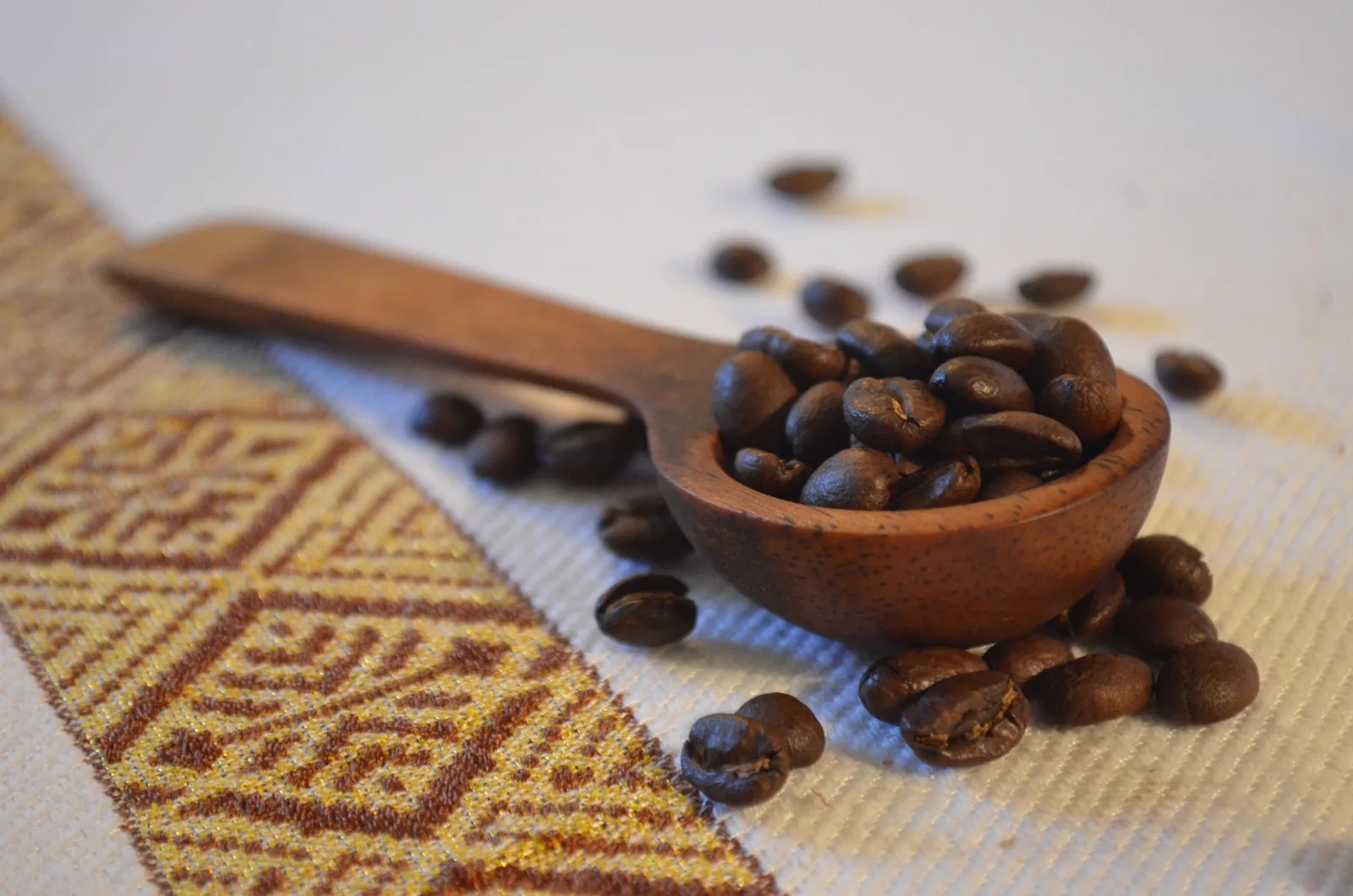
Verdict: Perfect for cozying up in a cafe with local coffee, but keep your rain jacket handy for afternoon walks.
Tikal & The Petén Lowlands
The jungle region becomes intensely humid, with heavy, dramatic thunderstorms that can flood the jungle trails.
Daytime: 28–34°C (82–93°F) — Very hot and sticky.
Nighttime: 22–25°C (72–77°F) — Warm and humid.
Verdict: The ruins are incredibly atmospheric in the mist, but you must start your Tikal sunrise tour very early to beat the afternoon downpours.
Lake Atitlán
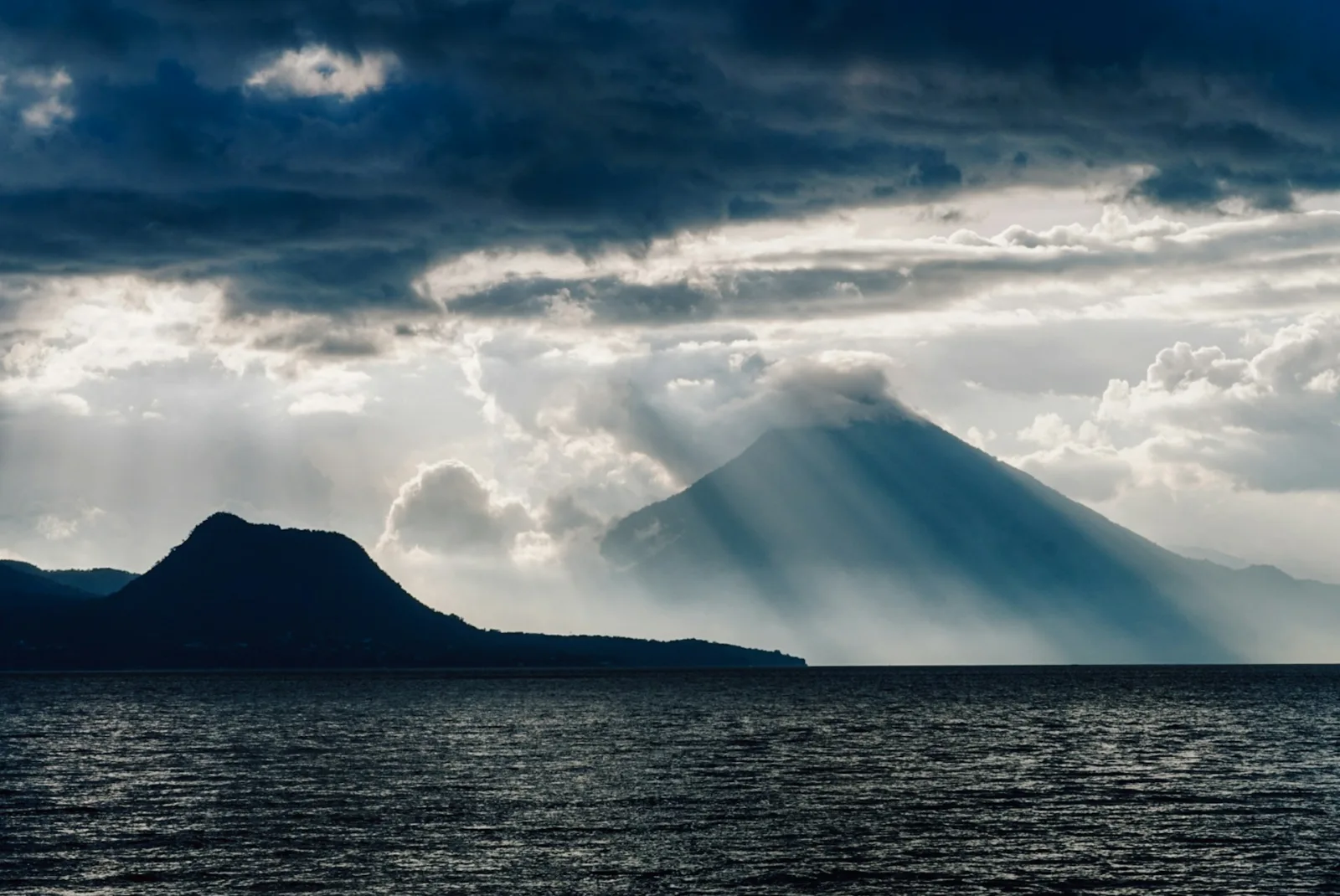
The lake region is famous for its dramatic cloud cover and misty mornings during the wet season.
Daytime: 20–26°C (68–79°F) — Warm, but often cloudy.
Nighttime: 14–16°C (57–61°F) — Cool and damp.
Verdict: The volcanoes are often hidden in clouds, but the lush, green slopes and waterfalls are breathtaking. Boat tours may be canceled during severe storms.
Pros & Cons of Traveling in the Rainy Season
Is the wet season right for your Guatemala trip? Here is an honest breakdown for Indian travelers.
The Advantages
Lower Prices: Hotels and tours drop their rates by 20-40%. See our Guatemala budget travel tips for more savings.
Fewer Crowds: You will have major sites like Tikal and Antigua's churches almost to yourself.
Lush Landscapes: The coffee plantations, jungles, and volcanoes are vibrantly green and incredibly photogenic.
Veranillo de San Juan: A brief, predictable dry spell often occurs in mid-July, offering a perfect window for travel.
The Challenges
Unpredictable Rain: Downpours can be heavy and sudden, disrupting afternoon plans.
Muddy Trails: Hiking volcanoes like Pacaya or Acatenango becomes much more difficult and slippery.
Cloudy Views: The iconic volcano views from Lake Atitlán or Antigua may be obscured by mist.
Road Delays: Mountain roads can suffer from occasional landslides, causing shuttle delays.
Monsoon Travel Tips for Indian Tourists
How to adapt your itinerary and packing list to make the most of the rainy season.
Itinerary Flexibility
The golden rule of the wet season is to do your outdoor sightseeing early.
Morning Exploration: Start your Tikal ruins tour or Antigua walking tours by 7:00 AM to finish before the afternoon rain hits.
Afternoon Indoors: Save museums, coffee tasting workshops, or long lunches for the 2:00 PM – 5:00 PM window when rain is most likely.
Semuc Champey Warning: During heavy rains, the famous limestone pools of Semuc Champey can turn brown and muddy. Check local conditions before making the long trek there.
Packing for the Rain
Umbrellas are useless in the wind; you need proper rain gear.
Footwear: Waterproof hiking shoes with excellent grip are mandatory. The cobblestones in Antigua become like ice when wet.
Clothing: Quick-dry trousers and moisture-wicking t-shirts. Avoid heavy denim, which takes days to dry in the humidity.
Gear: A lightweight, packable rain jacket and a waterproof dry bag for your camera and phone.
Layers: The rain brings a chill. A warm fleece is still required for the evenings in the highlands.
Want a flexible, hassle-free Guatemala trip with expert guidance on navigating the seasons? Our packages include everything.
Quick answers to rainy season questions from Indian travelers.
1What months make up the wet season in Guatemala?
The wet season, locally known as "Invierno" (winter), runs from May to October. During this period, the landscape turns incredibly lush and green, but you can expect heavy, dramatic rainfall, particularly in the afternoons and evenings.
2Does it rain all day during the Guatemalan rainy season?
No, it rarely rains all day. The typical pattern is sunny or cloudy mornings, followed by heavy, dramatic downpours in the late afternoon or evening. This means you can still enjoy plenty of sightseeing and outdoor activities if you plan them for the first half of the day.
3Is the wet season a good time for budget travelers from India?
Absolutely. The wet season is the low tourist season, meaning you will find significantly lower prices on boutique hotels, hostels, and tours. It is an excellent time for Indian backpackers and budget travelers to experience Guatemala for 20-30% less than the peak dry season rates.
4Are roads and tourist shuttles safe during the rainy season?
Major tourist routes between Antigua, Lake Atitlán, and Guatemala City remain open and are generally safe. However, heavy rains can cause occasional landslides or delays on mountain roads. Always use reputable tourist shuttles with experienced drivers who know how to navigate wet conditions, and avoid traveling at night.
5What should I pack for the Guatemalan wet season?
Pack a high-quality, lightweight rain jacket or poncho, waterproof hiking shoes with good grip, and a dry bag for your electronics. Quick-dry clothing is essential. You will still need a warm fleece for the chilly, misty evenings in the highlands, even during the rainy months.
Note: The rainy season is a time of incredible natural beauty, but it requires flexibility. Always have a backup indoor plan, and trust your local guides when they advise against hiking due to slippery trails. For a complete overview of national logistics and alternative travel windows, refer to the ultimate Guatemala travel guide.