Aerial view of Diamond Head, Waikiki Beach and the Pacific Ocean in Honolulu, Hawaii

Hawaii Travel Guide
for Indian Travelers

Visa, cost, itinerary & tips — your complete guide to planning a trip to Hawaii from India in 2026.

Updated for 2026 Travelers
Written by Sunita Lal — North America Travel Specialist
Reviewed by Anita Pattigili · North America Travel Reviewer
Last updated after reviewing:
  • Hawaii ESTA & US Visa processing delays for Indian passport holders (Jan 2026)
  • Inter-island ferry suspensions & new direct flight routes from Delhi/Mumbai
  • Honolulu hotel tax changes & updated visitor bureau guidelines for 2026

Last updated: April 2026

Hawaii Trip Cost from India (Detailed Breakdown)
Realistic cost breakdown for flights, US visa, hotels, food, inter-island travel, and total budget for 2026

Cost Breakdown 2026

  • Return Flights: ₹1,10,000 – ₹1,80,000
  • US Visa (B1/B2): ~₹15,500 (non-refundable fee)
  • Hotels (per night): ₹12,000 – ₹35,000
  • Food (per day): ₹4,500 – ₹9,000
  • Local Transport (per day): ₹2,500 – ₹5,000 (car rental + fuel)
  • Activities & Entry Fees: ₹15,000 – ₹30,000 total
  • Travel Insurance: ₹2,000 – ₹3,500
  • Total (8–10 days): ₹2.5L – ₹4.5L per person

Hawaii is a premium tropical destination. While on-ground costs for food and lodging are higher than Southeast Asia, the infrastructure, safety standards, and natural attractions justify the expense. Inter-island flights add to the budget but save travel time.

Best Departure Cities

  • Delhi (DEL) — Most connections to Tokyo, Seoul, or West Coast US
  • Mumbai (BOM) — Direct flights to US hubs, easy connections to HNL
  • Bangalore (BLR) — Limited options, usually require 2+ layovers
  • Hyderabad (HYD) — Good connectivity via Middle East or US West Coast
  • Chennai (MAA) — Routes typically connect via Singapore or Tokyo

Delhi and Mumbai offer the most streamlined routing to Honolulu with minimal layovers and competitive premium cabin fares.

Ready to plan your Hawaii island-hopping trip? Let us handle flights, visa, inter-island transfers, and guided tours.

View Hawaii Tour Packages →
Flight Routes from India to Hawaii
Flights from India to Honolulu (HNL) take 22–30 hours with one or two layovers. Here are the most reliable routing options.

Delhi to Honolulu

  • Route 1: DEL → Tokyo Narita → HNL (Air India + United / Japan Airlines)
  • Route 2: DEL → Los Angeles → HNL (Air India + Hawaiian Airlines)
  • Route 3: DEL → Seoul Incheon → HNL (Korean Air)
  • Route 4: DEL → San Francisco → HNL (United Airlines)
  • Duration: 24–30 hours
  • Price Range: ₹1.1L – ₹1.7L

Mumbai to Honolulu

  • Route 1: BOM → Tokyo Haneda → HNL (ANA + United)
  • Route 2: BOM → Los Angeles → HNL (Air India + Alaska Airlines)
  • Route 3: BOM → Vancouver → HNL (Air Canada + Hawaiian)
  • Duration: 22–28 hours
  • Price Range: ₹1.0L – ₹1.6L

Note: Daniel K. Inouye International Airport (HNL) in Honolulu is the main gateway to Hawaii. For inter-island travel, Hawaiian Airlines, Southwest, and Mokulele operate frequent short-haul flights. Check North America travel guides for more regional information.

Hawaii vs Caribbean Cost for Indian Travelers
How does Hawaii compare to popular Caribbean island destinations on cost and travel convenience? Here is a practical comparison for Indian travelers.
Expense Hawaii (8 days) Caribbean (8 days)
Flights₹1.1L – ₹1.8L₹1.2L – ₹2.0L (via US/Europe)
Visa~₹15.5K (US B1/B2)Varies (Schengen/UK/Caricom)
Hotels/night₹12K – ₹35K₹10K – ₹25K
Food/day₹4.5K – ₹9K₹3K – ₹7K
Local Transport₹2.5K – ₹5K/day (rental)₹2K – ₹4K/day
Total Trip₹2.5L – ₹4.5L₹2.2L – ₹4.0L
Flights
Hawaii₹1.1L – ₹1.8L
Caribbean₹1.2L – ₹2.0L
Visa
Hawaii~₹15.5K (US B1/B2)
CaribbeanVaries
Hotels/night
Hawaii₹12K – ₹35K
Caribbean₹10K – ₹25K
Food/day
Hawaii₹4.5K – ₹9K
Caribbean₹3K – ₹7K
Total Trip
Hawaii₹2.5L – ₹4.5L
Caribbean₹2.2L – ₹4.0L

Hawaii offers superior infrastructure, safety standards, and activity diversity compared to most Caribbean destinations. While daily expenses are slightly higher, the seamless US domestic travel network and world-class healthcare make it highly reliable for Indian families and first-time visitors.

Best Time to Visit Hawaii from India
Hawaii can be visited year-round due to its tropical climate, but seasonality impacts weather, crowds, and pricing.
Month Hawaii Season Oahu & Honolulu Maui Big Island India Travel Note
JanPeak / Whale WatchPleasant 22–28°C, rain possibleExcellent for whale spottingCooler highlands, clear skiesIndia school holidays — premium pricing
FebPeak / Whale WatchWarm, trade winds moderatePeak humpback seasonVolcanoes accessibleHigh demand, book 5 months ahead
MarSpring ✓Warming 23–29°CShoulder, fewer crowdsDry, excellent hikingGood post-Holi travel window
AprSpring ✓✓Best weather, low rainExcellent, calm seasOptimal for stargazingIdeal Indian travel month
MayLate Spring ✓Warm, pre-summer calmGreat for road tripsClear, mild eveningsPre-summer booking window
JunSummer StartHot 26–32°C, humidCrowds increaseVolcano tours busyIndia school holidays begin
JulSummer PeakHot, high tourist trafficResorts at capacityWarm, clear nightsPremium rates, advance booking needed
AugSummer PeakHottest month, calm seasSurf competitionsStargazing festivalsPeak Indian travel season
SepShoulder ✓✓Warming down, fewer crowdsExcellent weatherIdeal hiking conditionsBest value for money
OctShoulder ✓Pleasant, trade winds returnLow rainfallCooler eveningsGood post-Diwali window
NovPre-WinterMild 21–27°CShoulder pricingClear, dryFestive travel planning begins
DecWinter PeakCool, big wave surfingHoliday resort ratesVolcanoes active seasonChristmas/New Year premium
8-Day Hawaii Itinerary for Indian Travelers
A balanced island-hopping plan covering Oahu, Maui, and the Big Island — optimized for first-time Indian visitors.

Day-by-Day Plan

  • Day 1: Arrive in Honolulu (HNL) — rest, check into Waikiki hotel, sunset beach walk
  • Day 2: Oahu highlights — Pearl Harbor, Diamond Head hike, Ala Moana Shopping
  • Day 3: North Shore day trip — Waimea Bay, shrimp trucks, surf culture, turtle spotting
  • Day 4: Fly Oahu → Maui — check in Lahaina/Kaanapali, afternoon snorkeling
  • Day 5: Road to Hana — waterfalls, black sand beach, bamboo forest, return to resort
  • Day 6: Fly Maui → Big Island (Kona) — visit Kona coffee farms, sunset at Mauna Kea base
  • Day 7: Hawaii Volcanoes National Park — Crater Rim Drive, lava tubes, steam vents
  • Day 8: Morning cultural tour — fly back to Honolulu, depart HNL

Planning Notes

  • Inter-island flights: Book Hawaiian Airlines or Southwest 6–8 weeks in advance for best fares
  • Budget option: Skip the Big Island — Oahu + Maui is the most cost-effective 6-day combination
  • Currency: USD only. Use international credit/debit cards; carry small bills for tips and markets
  • Language: English is official. "Aloha" means hello, goodbye, and love. Basic English is universally understood
  • Connectivity: Indian SIMs do not work seamlessly. Buy a US eSIM or local carrier SIM on arrival
  • Vegetarians: Honolulu and Maui have excellent vegan options. Poke shops offer tofu/seaweed bowls
  • Book ahead: For Dec–Jan travel, secure hotels and car rentals 5–6 months in advance

Want a seamless Hawaii island-hopping experience? Our packages include US visa assistance, inter-island flights, oceanfront resorts, and guided excursions.

Book Hawaii Tour Package →
Hawaii Visa for Indians — Complete Guide & Travel Essentials
Essential information for Indian travelers — from US visa requirements and time zones to plug adapters, driving rules, and emergency contacts.

Tip: Hawaii uses US Dollars (USD) exclusively. Notify your Indian bank before activating international transactions on your cards.

Hawaii Visa for Indians — 2026 Update

Update (Jan 2026): Hawaii is a US state. Indian nationals require a valid US B1/B2 tourist visa. Processing times currently average 4–8 weeks. Appointment slots at Delhi, Mumbai, and Chennai fill rapidly. Source: US Embassy & Consulates in India.

  • Visa Type: US B1/B2 Tourist Visa (required for all Indian passport holders)
  • Application Fee: USD 185 (non-refundable)
  • Where to apply: US Embassy/Consulates in New Delhi, Mumbai, Chennai, Hyderabad, or Kolkata
  • Documents: Valid passport, DS-160 confirmation, appointment letter, financial statements, employment proof, detailed itinerary, hotel bookings
  • Interview: Mandatory for first-time applicants. Be prepared to explain travel plans and ties to India
  • Processing time: 3–8 weeks (varies by season and administrative review)
  • Validity: Typically 10 years, multiple entry (max 6 months per stay)
  • ESTA not available: India is not part of the US Visa Waiver Program
CLICK TO KNOW MORE ABOUT US VISA DOCUMENTATION & FEES

Time Zone

Hawaii follows Hawaii-Aleutian Standard Time (HST), which is UTC-10. It does not observe Daylight Saving Time, making the offset from IST consistent year-round.

  • Hawaii Time (HST): UTC-10
  • Hawaii is 18.5 hours behind Indian Standard Time (IST)
  • When it is 12:00 PM in Hawaii, it is 6:30 AM (next day) in India
  • Hawaii does not observe Daylight Saving Time
  • Business hours typically run from 8 AM to 5 PM HST on weekdays
  • Tourist information centers open 9 AM – 6 PM daily
  • Restaurants serve lunch 11:30 AM – 2:30 PM and dinner 5 PM – 9 PM (early compared to India)
  • Plan calls to India in the early morning HST (8–10 PM IST)

Country Code

To call the US/Hawaii from India, use the international dialing code +1 followed by the area code and local number.

  • International Dialing Code: +1 (US & Hawaii)
  • To call Hawaii from India, dial: 00-1-808-XXXXXXX
  • Hawaii Area Code: 808
  • Emergency services: 911 (Police, Ambulance, Fire)
  • Tourist Police & Non-Emergency: (808) 532-8333
  • Major telecom providers: AT&T, T-Mobile, Verizon, and Hawaiian Telcom
  • Tourist eSIMs (Airalo, Nomad) work instantly on arrival
  • Free Wi-Fi widely available in hotels, resorts, and public areas

Socket & Plugs

Hawaii uses Type A (2-pin flat) and Type B (3-pin with ground) electrical outlets at 120V, 60Hz. Indian travelers need an adapter.

  • Type A and Type B — 120V, 60Hz
  • Hawaii uses flat-pin plugs standard to North America
  • Standard voltage is 120V with a frequency of 60Hz
  • Indian Type D plugs (3-pin round) require a universal travel adapter ✅
  • Most modern chargers (phones, laptops) support 100–240V — check labels
  • Universal travel adapters available at Honolulu airport and ABC Stores
  • Hotels often have USB charging ports built into desks/lamps
  • High-power appliances (hair dryers, heaters) may require a voltage converter

Indian Consulate in USA

India has a Consulate General in San Francisco that covers Hawaii for consular services.

  • Address: 1750 N Street NW, Suite 600, Washington D.C. 20036 (Embassy) / SF Consulate handles West Coast
  • Emergency Contact (24/7): +1-202-939-9788
  • Services: Passport renewal, emergency certificates, OCI assistance, legal referrals
  • MADAD Portal: Register before travel for real-time advisories
  • For Hawaii-specific emergencies, call local 911 and notify hotel front desk
  • Keep scanned copies of passport, visa, and insurance accessible digitally
  • Travel insurance with US medical coverage is mandatory for peace of mind

US Embassy in India

The US Embassy and Consulates in India process B1/B2 visa applications for all Indian nationals traveling to Hawaii.

  • New Delhi Embassy: Shantipath, Chanakyapuri, New Delhi 110021
  • Contact: +91-11-2419-8000
  • Consulate Mumbai: C-49, G-Block, Bandra Kurla Complex
  • Contact Mumbai: +91-22-2363-1011
  • Online Portal: ustraveldocs.com/in
  • Appointments: Fill DS-160 → Pay fee → Schedule biometrics & interview
  • Processing: Standard 3-8 weeks; premium/express options unavailable
  • Interview Prep: Bring original financial docs, employment proof, and clear travel itinerary

Car Driving Orientation

Right-Hand Drive (Same as India)

  • Hawaii follows right-hand driving, identical to India's system
  • Valid Indian driving license + International Driving Permit (IDP) recommended
  • Speed limits: 25–35 mph (40–55 km/h) urban, 45–55 mph (70–85 km/h) highways
  • Seat belts mandatory for all passengers, including back seats
  • Strict laws against distracted driving and open alcohol containers
  • Car rental available at all major airports (HNL, OGG, KOA)
  • Parking fees apply in Waikiki and Lahaina — use resort lots or public garages
  • Roads are well-maintained; mountain roads require cautious driving

App Based Taxi & Transport

Uber & Lyft are Widely Available

  • Uber and Lyft operate extensively in Honolulu, Maui, and Big Island
  • Average fare from HNL Airport to Waikiki: $25–$40 USD
  • Traditional taxis available at airport ranks and hotel zones
  • Oahu's "TheBus" system is reliable for budget travelers ($3 per ride)
  • Waikiki Trolley offers scenic hop-on/hop-off routes for tourists
  • Inter-island travel requires flights (Hawaiian, Southwest, Mokulele) or ferries (Maui-Lanai)
  • Road to Hana shuttles available for those avoiding mountain driving
  • Always confirm driver identity and license plate before boarding rideshares

Need help with US Visa for Hawaii? Our visa team assists with DS-160, appointment booking, document checklist, and interview preparation.

US Visa Assistance →
Hawaii Culture, Language & Local Customs
Understand the Aloha spirit, local Hawaiian phrases, and cultural norms to connect respectfully with island communities.

Official Language

English & Hawaiian — Official Languages

  • English is universally spoken; Hawaiian is co-official and preserved in schools and signage
  • Pronunciation is phonetic — practice "Aloha," "Mahalo," and "Ohana"
  • Hawaiian has only 13 letters: 8 consonants and 5 vowels
  • Tourist areas, hotels, and tours operate entirely in English
  • Indigenous cultural protocols are respected in ceremonies and protected sites
  • Learning basic Hawaiian phrases shows respect and enhances local interactions
  • Translation apps not required; English is fully sufficient for travel

Local Vocabulary

Understanding these Hawaiian terms helps you navigate islands respectfully and embrace the local lifestyle.

  • Aloha — Hello, goodbye, love, compassion
  • Mahalo — Thank you
  • Ohana — Family (extended, chosen, or community)
  • Kuleana — Responsibility, privilege, duty to land
  • Pau — Finished, done
  • Ono — Delicious
  • Hale — House, home
  • Keiki — Child, children
  • Kupuna — Elder, respected senior
  • Malama ʻaina — Care for the land/environment
  • Lūʻau — Traditional Hawaiian feast

Toilet Signs

Public restrooms are labeled "Restroom" or "Washrooms." Facilities in resorts and public beaches are well-maintained.

  • Gender-neutral and family restrooms increasingly available in public spaces
  • Beach parks provide free outdoor shower and restroom facilities
  • Public beach facilities are generally free but can be basic
  • Shopping centers and airports have premium, well-stocked facilities
  • Some remote trailheads have pit toilets — carry toilet paper and sanitizer
  • Western-style seated toilets are standard across all islands
  • Accessible facilities meet ADA standards nationwide

Interesting Facts

Hawaii is the only US state in Oceania, formed by volcanic activity, and the birthplace of surfing. It has the highest life expectancy in the US.

  • Hawaii is the most isolated population center in the world
  • It is the only US state where coffee is commercially grown
  • The Hawaiian alphabet has only 13 letters
  • King Kamehameha I united the islands into a single kingdom in 1810
  • Surfing was born in Hawaii over 1,000 years ago
  • Hawaii has no snakes or dangerous native land mammals
  • The islands grow 80% of the world's pineapple (historically)
  • Halema'uma'u Crater is the most continuously active volcano site in the US
Hawaii Shopping & Markets Guide
From local crafts and coffee to luxury boutiques and beach markets.

Shopping Hours

Most Shops: 10:00 AM – 7:00 PM (Weekdays)

  • Shopping centers (Ala Moana, Whalers Village) operate 10 AM – 9 PM, 7 days a week
  • Sunday hours often match weekdays; some smaller boutiques close
  • Ala Moana Center is the largest open-air mall in the US
  • ABC Stores are 24-hour convenience shops found everywhere
  • Local farmers' markets run Saturday/Sunday mornings (7 AM – 1 PM)
  • Tourist zones offer tax-free pricing on select items
  • Sales tax in Hawaii is 4.712% (GET + CHA), lower than most US states

Flea & Local Markets

Hawaii's markets offer handmade crafts, fresh produce, vintage finds, and authentic island souvenirs.

  • KCC Farmers Market — Saturdays, Diamond Head, organic produce & crafts
  • Aloha Stadium Swap Meet — Wed/Sat/Sun, massive flea market, souvenirs
  • Hilo Farmers Market — Daily on Big Island, tropical fruits, local art
  • Lahaina Artisan Market — Weekdays, handmade jewelry, wood carvings
  • Kauai Artisan Market — Sundays, eco-friendly crafts, island foods
  • Cash preferred at smaller stalls; cards widely accepted at established markets
  • Bargaining is uncommon; prices are fixed but discounts may apply for bulk

Famous Brands

Shopping for island wear and local products offers unique souvenirs you cannot find elsewhere in the US.

  • Island Clothing: Tommy Bahama, Reyn Spooner, Kahala (Aloha shirts)
  • Kona Coffee: Freshly roasted beans, vacuum-packed for travel
  • Macadamia Nuts: Chocolate-coated, honey-roasted, raw
  • Hawaiian Quilts: Traditional handcrafted textiles
  • Pandanus (Lauhala) Crafts: Woven mats, hats, baskets
  • Surf Gear: Quiksilver, Billabong, local shaper boards
  • Shave Ice: Matsumoto, Uncle Clay's (premium syrups, condensed milk)
  • Hawaiian Chocolate: Original Hawaiian Chocolate Company, Theo's

Supermarkets

Major chains like Foodland, Times Supermarket, and Costco offer quality groceries with island-friendly options.

  • Foodland — Hawaii's largest local grocery chain, excellent produce
  • Times Supermarket — Affordable, strong Asian & local food sections
  • Costco — Bulk buys, cheap gas, Kona coffee, mac nuts, travel snacks
  • Don Quijote — Discount store, souvenirs, cosmetics, electronics
  • Open 6 AM – 11 PM; some Costco/Walmart locations are 24-hour
  • Tap water is safe and highly regulated; bottled water widely available
  • Plastic bag bans in effect — bring reusable bags or pay $0.15–$0.25 per bag
Hawaii Food & Cuisine Guide
Hawaiian cuisine is a vibrant fusion of Polynesian, Asian, and American influences — centered around fresh seafood, tropical produce, and slow-cooked meats.

Do: Try fresh poke bowls, kalua pig from a lūʻau, and shave ice — Hawaiian food culture is a top highlight for travelers.

Famous Cuisines

Hawaiian cuisine reflects its multicultural history, blending Polynesian roots with Japanese, Chinese, Filipino, and Portuguese influences.

  • Poke — Marinated raw fish cubes, the iconic Hawaiian dish
  • Kalua Pig — Slow-roasted in an underground imu, smoky & tender
  • Poi — Mashed taro root, traditional staple, earthy flavor
  • Lomi Lomi Salmon — Salted tomatoes, salmon, onions (refreshing side)
  • Spam Musubi — Rice, spam, nori wrapper (portable & popular)
  • Loco Moco — Rice, hamburger patty, fried egg, brown gravy (comfort food)
  • Shave Ice — Fine ice with tropical syrups, condensed milk, azuki beans
  • Malasadas — Portuguese fried dough, sugar-coated, often filled with custard

Famous Fruits

Tropical fruits are abundant, affordable at local markets, and exceptionally fresh due to island cultivation.

  • Pineapple — Dole & Del Monte plantations, ultra-sweet & juicy
  • Mango — Seasonal (Jun–Sep), eaten fresh or in smoothies
  • Lilikoi (Passion Fruit) — Tart, used in juices, desserts, sauces
  • Papaya — Rainbow & Kapoho varieties, eaten with lime juice
  • Guava — Used in jellies, juices, and traditional desserts
  • Coconut — Fresh water, meat, oil; ubiquitous in Hawaiian cuisine
  • Soursop / Cherimoya — Creamy texture, tropical flavor, sold at farmers markets

National Dish — Poke Bowl

Poke is Hawaii's culinary signature — a fresh, healthy, and deeply cultural dish now globally popular.

  • Traditional poke uses ahi (yellowfin tuna) or aku (skipjack tuna)
  • Cut into cubes, marinated in soy sauce, sesame oil, limu (seaweed), and chili
  • Served over rice, with avocado, cucumber, and sesame seeds
  • Vegetarian/tofu poke widely available in Honolulu and Maui
  • Best enjoyed fresh from local markets (Foodland, Ono Seafood, Maguro Brothers)
  • Reflects Polynesian fishing traditions and Asian culinary influence
  • A staple at lūʻau and casual beach gatherings

Avg Cost Of Food

Budget travelers can eat well for $30–$50 USD per day at local markets, food trucks, and casual diners. Tipping 15–20% is expected.

  • Food Truck / Plate Lunch: $12 – $18 USD
  • Poke Bowl: $10 – $16 USD
  • Shave Ice: $6 – $10 USD
  • Mid-range Restaurant: $25 – $45 USD per person
  • High-end Resort Dining: $60 – $150+ USD per person
  • Lūʻau Ticket (includes dinner & show): $120 – $250 USD
  • Coffee (Specialty/Local): $4 – $8 USD
  • Beer / Cocktail: $7 – $15 USD

Tipping: 18–20% customary in sit-down restaurants. Counter service often has tip jars. Resort dining expects premium gratuity.

Hawaii Weather & Packing Tips
Hawaii's microclimates vary by island and elevation. Pack for beach warmth, mountain chill, and sudden tropical showers.

Tip: Pack layers and quick-dry fabrics — Hawaii's weather shifts rapidly between sunny beaches and rainy highlands.

Weather

Hawaii has a tropical climate moderated by trade winds, but microclimates differ sharply by island and altitude.

  • Coastal Areas: Warm year-round (24–30°C), low humidity due to trade winds
  • Windward Sides: Rainfall common (east-facing), lush, green, sudden showers
  • Leeward Sides: Dry, sunny, ideal for beaches and resorts (west-facing)
  • Highlands (Mauna Kea/Volcanoes): Cold at night (0–10°C), require warm layers
  • Summer (Jun–Aug): Hottest, calm seas, peak tourist season
  • Winter (Nov–Feb): Cooler, bigger surf, whale watching season
  • Shoulder (Apr–May, Sep–Oct): Best balance of weather, crowds, and pricing
  • UV Index: Extremely high (10–12) — sunscreen mandatory daily

Clothes To Wear

Hawaii dress code is resort-casual. Pack breathable fabrics, sun protection, and a light jacket for highlands or flights.

For Beaches & Cities:

  • Light, quick-dry clothing (linen, cotton, moisture-wicking fabrics)
  • Swimwear, rash guards, waterproof sandals
  • Wide-brim hat, polarized sunglasses, reef-safe sunscreen (SPF 50+)
  • Comfortable walking shoes for resort paths and light hiking
  • Light rain jacket or poncho (sudden tropical showers are common)

For Highlands & Volcanoes:

  • Fleece jacket or light down layer (temperatures drop sharply at elevation)
  • Long pants, closed-toe hiking boots (volcanic rock is sharp & uneven)
  • Windbreaker (Mauna Kea summit is exposed & windy)
  • Gloves & beanie if visiting observatory zones at dawn/dusk
Hawaii Heritage & Cultural Highlights
UNESCO tentative sites, Polynesian navigation, lūʻau traditions, and sustainable island practices.

Heritage & Protected Sites

Hawaii protects its natural and cultural landmarks through national parks, marine sanctuaries, and state conservation programs.

  • Hawaiʻi Volcanoes National Park (UNESCO tentative) — Active volcanoes, lava tubes, rainforests
  • Papahānaumokuākea Marine Monument — World's largest protected marine area (remote NW islands)
  • Iao Valley State Monument — Sacred valley, historic battle site, lush trails (Maui)
  • Kaloko-Honokohau National Historical Park — Ancient fishponds, native Hawaiian settlements
  • Puʻuhonua o Hōnaunau — City of Refuge, sacred grounds, traditional carving
  • Bishop Museum — Premier repository of Polynesian history & natural science

Natural & Cultural Symbols

The yellow hibiscus symbolizes the islands' native flora. The humpback whale represents conservation and oceanic heritage.

  • State Flower: Yellow Hibiscus (Pua Aloalo)
  • State Bird: Nēnē (Hawaiian goose) — endemic, conservation success
  • State Tree: Kukui (Candlenut) — symbol of enlightenment & peace
  • State Fish: Humuhumunukunukuāpuaʻa (Reef Triggerfish)
  • State Sport: Surfing — born in Hawaii, now global
  • State Gem: Black Coral (rare, protected)
  • Traditional Dance: Hula — storytelling through movement & chant

Films & Media in Hawaii

Hawaii's dramatic landscapes make it a top filming destination for Hollywood productions and documentaries.

  • Lost (2004–2010) — Filmed extensively on Oahu
  • Jurassic Park / World — Kauai & Oahu jungles featured prominently
  • Pirates of the Caribbean — Filming locations across multiple islands
  • Moana (2016) — Inspired by Polynesian navigation & Hawaiian culture
  • The Descendants (2011) — George Clooney, set & filmed in Hawaii
  • Blue Hawaiian (1961) — Elvis Presley classic, Waikiki & Kailua

Souvenirs

Best places to shop: Ala Moana Center, ABC Stores, local artisans' markets, and resort boutiques.

  • Macadamia Nuts — Chocolate-covered, honey-roasted, travel packs
  • Kona Coffee — 100% Kona labeled beans, vacuum-sealed
  • Hawaiian Quilts — Hand-stitched, traditional patterns
  • Lauhala Crafts — Woven mats, hats, baskets
  • Reef-Safe Sunscreen — Mineral-based, Hawaii-compliant brands
  • Shave Ice Kits — Local syrup flavors, metal shavers
  • Surf Apparel - Aloha shirts, board shorts, local brand tees
  • Pukalani Pearls — Freshwater & cultured, island jewelry
Notable Highlights for Indian Travelers
From surfing origins to astronomy leadership, discover what makes Hawaii a globally unique island destination.

Notable Figures & History

  • King Kamehameha I — Unified the Hawaiian islands into a single kingdom (1810)
  • Duke Kahanamoku — Olympic swimmer, "Father of Modern Surfing"
  • Queen Liliʻuokalani — Last reigning monarch, composed "Aloha ʻOe"
  • Barack Obama — Born in Honolulu, 44th US President
  • Bette Midler — Iconic actress & singer, born & raised in Hawaii
  • Israel Kamakawiwoʻole — Legendary musician, famous for "Over the Rainbow"
  • Nainoa Thompson — Navigator, revived traditional Polynesian wayfinding
  • Don Ho — Entertainer who popularized Hawaiian music globally

Scientific & Cultural Contributions

Hawaii leads in astronomy, marine biology, and sustainable tourism practices.

  • Mauna Kea Observatories — World's premier ground-based astronomy site
  • Marine Conservation — Pioneer in reef-safe sunscreen bans & shark protection laws
  • Polynesian Navigation Revival — Hōkūleʻa voyaging canoe proves ancient Pacific migration routes
  • Sustainable Agriculture - Taro, coffee, and macadamia nut farming models for organic cultivation
  • Renewable Energy — Leading US state in solar & geothermal adoption per capita

Hawaii's cultural preservation efforts and environmental policies serve as global models for island sustainability.

Iconic Dish — Poke Bowl

  • Poke is Hawaii's culinary and cultural signature — fresh, healthy, globally adapted
  • Traditional preparation uses sashimi-grade ahi tuna, sea salt, limu, kukui nut
  • Modern variations include salmon, octopus, tofu, and vegetarian options
  • Served over rice with avocado, edamame, and sesame dressing
  • Reflects Polynesian fishing heritage + Japanese/Chinese culinary techniques
  • Best experienced at local seafood counters (Foodland, Ono Seafood, Maguro Bros)
  • Vegetarian poke widely available in Honolulu & Maui

Is Hawaii expensive for Indians? A trip costs ₹2.5–4.5 lakh for 8–10 days including flights, US visa, resorts, food, and inter-island travel. Premium pricing reflects US infrastructure and safety standards.

Do Indians need a visa? Yes. Hawaii is a US state. Indian passport holders require a US B1/B2 visa. Processing takes 3-8 weeks. No ESTA eligibility.

Flight duration? Flights from India to Honolulu typically take 22–30 hours with 1-2 layovers via Tokyo, Seoul, or US West Coast.

Is Hawaii safe for Indian tourists? Extremely safe. Crime rates are low, healthcare is top-tier, and tourist zones are well-managed.

Currency? US Dollars (USD). Indian cards work widely; carry small bills for tips and markets.

Frequently Asked Questions — Hawaii Travel for Indians
Quick, honest answers to the most common Hawaii travel questions from Indian travellers
1Do Indians need a visa to visit Hawaii?
Yes. Hawaii is a US state, so Indian passport holders require a valid US B1/B2 tourist visa. There is no separate Hawaii visa. The application fee is USD 185 (non-refundable). Processing typically takes 4–8 weeks. Book your US embassy interview slot well in advance, as appointment availability fluctuates seasonally.
2How expensive is a Hawaii trip from India?
An 8–10 day Hawaii trip costs approximately ₹2.5L–₹4.5L per person. This includes return flights (₹1.1L–₹1.8L), US visa fees (~₹15.5K), beachfront or mid-range hotels (₹12K–₹35K/night), inter-island flights, meals, and activities. While on-ground costs are premium, Hawaii offers world-class infrastructure, safety, and diverse natural attractions.
3How long is the flight from India to Hawaii?
Flights take 22–30 hours with 1–2 layovers, typically via Tokyo, Seoul, Los Angeles, or San Francisco. There are no direct flights from India to Honolulu (HNL). The Tokyo routing (Japan Airlines or ANA) often offers the most seamless connection for Indian passport holders with shorter transit times.
4What is the best time to visit Hawaii from India?
April to June and September to November are ideal. These shoulder months offer warm, calm weather, fewer crowds, and better hotel rates. December–February is peak whale-watching season but more expensive. July–August sees peak family travel and higher resort pricing. Indian travelers should book 5–6 months ahead for holiday windows.
5Is Hawaii safe for Indian tourists?
Yes. Hawaii is one of the safest tourist destinations in the Pacific. Crime rates are low, emergency services are highly responsive, and tourist zones (Waikiki, Lahaina, Kailua-Kona) are well-policed. Standard precautions against petty theft in crowded areas apply. Indian families and solo travelers consistently report highly positive, secure experiences.
6Which islands should first-time Indian visitors choose?
A first trip should combine Oahu (Honolulu, Pearl Harbor, Waikiki) and Maui (Road to Hana, snorkeling, resort areas). Add the Big Island (Volcanoes National Park, Kona coast) for a 9–10 day itinerary. Skip Kauai on short trips unless focusing specifically on hiking and quiet nature retreats.
7What is the US tourist visa fee for Indians?
The US B1/B2 visa application fee is USD 185 (approx. ₹15,500). It is strictly non-refundable. Processing takes 3-8 weeks depending on embassy workload. Appointment slots at Delhi, Mumbai, and Chennai fill quickly during peak travel seasons. Complete the DS-160 accurately and carry original financial and employment documents to the interview.
8What plug type is used in Hawaii?
Hawaii uses Type A (2-pin flat) and Type B (3-pin with ground) outlets at 120V, 60Hz. Indian travelers need a universal plug adapter. Most modern chargers (phones, laptops) support 100–240V and will work directly. Verify your devices' voltage compatibility before plugging in. Adapters are available at Honolulu airport and ABC Stores.
9Can I use Indian Rupee, UPI, or Paytm in Hawaii?
No. Only US Dollars (USD) are accepted. UPI, Paytm, and Indian digital wallets do not function in Hawaii. Carry an international credit/debit card (Visa/Mastercard) for hotels, restaurants, and activities. Keep a small amount of USD cash for tips, local markets, and transport. Notify your Indian bank before departure to activate international transactions.
10What is the iconic dish of Hawaii?
Poke is Hawaii's signature dish — fresh, cubed raw fish marinated in soy sauce, sesame oil, limu (seaweed), and chili. Served over rice, it's healthy, widely available, and deeply tied to Polynesian fishing traditions. Vegetarian/tofu poke is common in Honolulu and Maui. Lūʻau feasts feature kalua pig (slow-roasted pork) as the centerpiece.
11What is the time difference between India and Hawaii?
Hawaii is 18.5 hours behind Indian Standard Time (IST). Hawaii follows HST (UTC-10) and does not observe Daylight Saving Time, so the gap is constant year-round. When it is 12:00 PM in Hawaii, it is 6:30 AM (next day) in India. Plan calls to India early morning HST. Adjust your sleep schedule gradually during the first 2 days.
12Can vegetarian Indians find food in Hawaii?
Yes. Honolulu, Maui, and Big Island have excellent vegetarian and vegan dining scenes. Options include poke bowls (tofu/seaweed), fresh fruit stands, vegan cafes, and Indian restaurants (especially in Honolulu & Kailua). Most resorts accommodate dietary requests if notified 48 hours in advance. Inform your tour operator early for seamless meal planning during excursions.
13Do I need to rent a car in Hawaii?
Yes, highly recommended on Maui and the Big Island for exploring scenic routes like Road to Hana and Volcanoes National Park. Oahu has "TheBus" and Waikiki Trolley for city travel, but a car offers flexibility for North Shore trips. Parking in Waikiki costs $20–$40/day. Book rentals early during peak season. Valid Indian license + IDP recommended.
14Is Hawaii better than the Caribbean for Indian tourists?
Hawaii offers superior infrastructure, safety standards, and activity diversity compared to most Caribbean destinations. Flights may be longer, but Hawaii's US domestic travel network, world-class healthcare, and seamless English-speaking environment make it highly reliable for Indian families, honeymooners, and first-time international travelers.
15Does Destination To Plan offer group tour packages to Hawaii?
Yes. Destination To Plan offers customised group and family tour packages to Hawaii from India — including US visa guidance, inter-island flights, oceanfront hotels, guided excursions (Volcanoes National Park, Road to Hana, Pearl Harbor), airport transfers, and emergency support. Contact us via the inquiry form or visit our Hawaii tour packages page for details and pricing.
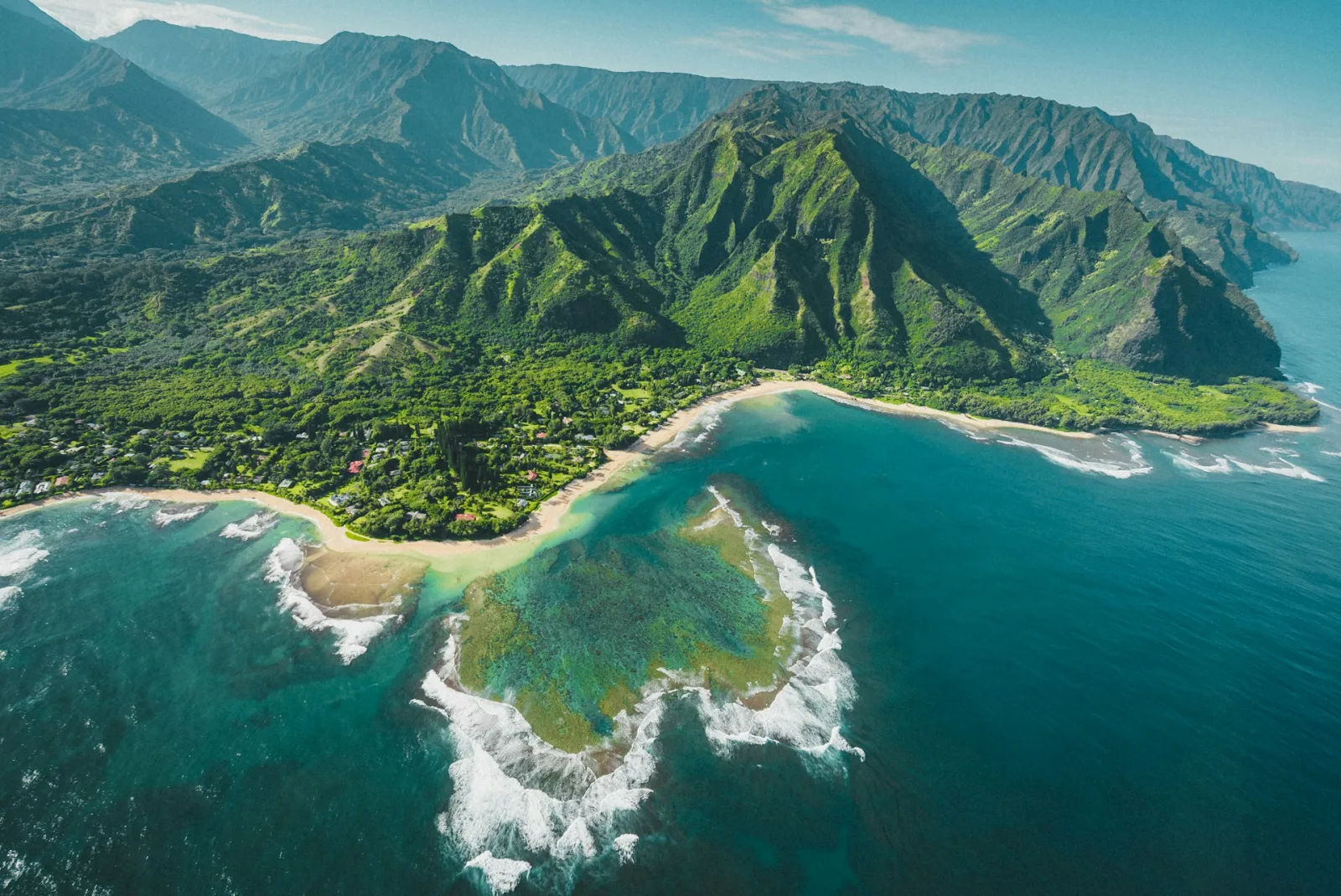
Have more questions? Our Hawaii travel experts can help plan your perfect island-hopping itinerary.

Talk to a Hawaii Travel Expert →

Note: Information provided is subject to change. Verify US visa requirements, flight schedules, hotel rates, and park opening hours before your trip. Prices are approximate and may vary based on season, exchange rates, and US domestic inflation. Hawaii tourism costs can fluctuate rapidly during peak holidays.

About This Hawaii Travel Guide

This Hawaii travel guide covers everything Indian travelers need from US visa requirements and Honolulu travel tips to local food, island-hopping logistics, weather, shopping, and top attractions. Researched, regularly updated, and trusted by group tour planners and independent travelers.

Expert Curated Content

Every section — from US visa processing timelines to Hawaii inter-island transport — is verified by travel professionals with North America travel experience.

Regularly Updated Information

Hawaii travel costs, US embassy processing times, and national park guidelines are reviewed and refreshed to reflect current 2026 conditions and seasonal variations.

Trusted by Indian Travelers

Used by group tour organizers, corporate travel planners, and independent travelers from India researching Hawaii itineraries, honeymoon packages, and US West Coast island breaks.

Complete Hawaii Resource

One guide covering US visa requirements, cost, flights, itinerary, food, culture, weather, shopping, and heritage — all with India-specific context and 2026 accuracy.

More Travel Guides

Explore Other Destinations

Plan Your Hawaii Trip from India

Fill out the enquiry form below and our travel experts will help you plan your Hawaii tour — US visa, flights, hotels, and island excursions.

Get assistance with visa processing, inter-island flights, Waikiki & Maui hotels, Volcanoes National Park tours, and complete Hawaii packages.

Enquire About This Package