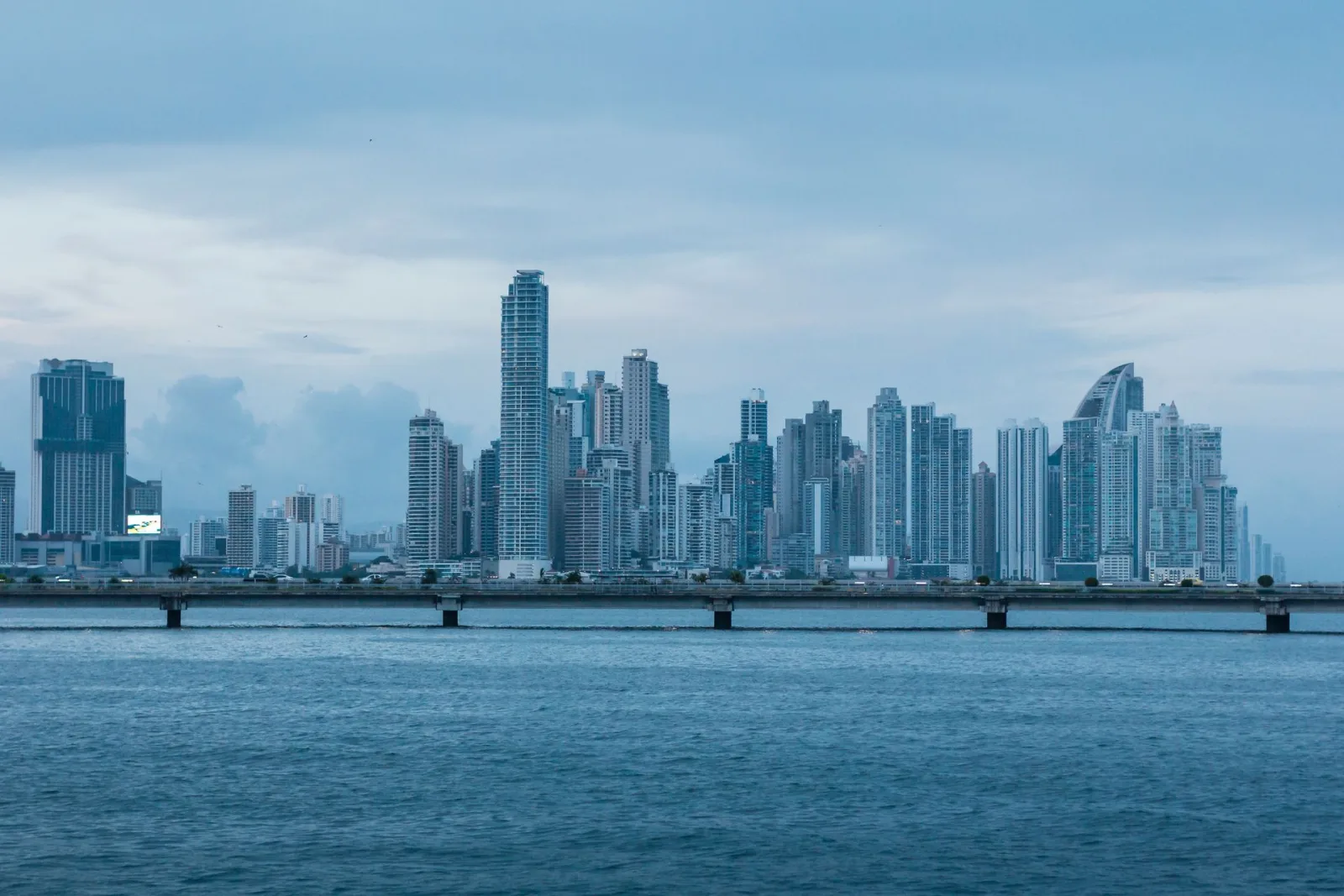
Tourist police patrolling the historic cobblestone streets of Casco Viejo in Panama City

Panama Safety Guide
Complete 2026 Guide for Indians

Is Panama safe for Indian travelers? Real advice on city safety, island security, health, and transport.

Updated for 2026 Travelers
Written by Sunita Lal — North America Travel Specialist
Reviewed by Anita Pattigili · North America Travel Reviewer
Last updated after reviewing:
  • Panama Ministry of Security (MINSEG) tourist police deployment updates for 2026
  • WHO/CDC health advisories for Dengue and waterborne illnesses in Panama 2026
  • Indian traveler advisories for Panama City transit and San Blas Islands 2026
Is Panama Safe for Indian Travelers?
The short answer is yes. Panama is one of the safest and most stable countries in Central America, but standard travel precautions are essential.

The Reality on the Ground

Panama's economy is heavily reliant on tourism and the Canal, making safety a top government priority. Violent crime against tourists is rare.

  • Petty Crime: Pickpocketing and bag snatching are the most common issues, especially in crowded markets, bus stations, and busy streets in Panama City.
  • Tourist Police: Panama has a dedicated tourist police force (Policía de Turismo) that patrols major areas like Casco Viejo, Amador Causeway, and popular beaches.
  • Indian Travelers: Indian tourists are generally welcomed. The main challenges are language barriers and occasional overcharging by informal taxi drivers, not physical safety.
Golden Rules for Safety

Follow these basic rules to ensure a trouble-free trip to Panama.

  • Don't Flash Wealth: Avoid wearing expensive jewelry or flashing large amounts of cash in public.
  • Use Ride-Hailing Apps: Uber and InDrive are vastly safer and more reliable than hailing random street taxis.
  • Nighttime Awareness: Do not walk alone in unfamiliar or poorly lit areas after dark. Take an Uber even for short distances at night.
  • Secure Your Documents: Leave your original passport in the hotel safe and carry a color photocopy when exploring the city.

For a complete overview of the destination, including visa rules and flight routing from India, refer to our comprehensive Panama travel guide for Indians.

Panama City Safety: Neighborhood Guide
Panama City is a modern metropolis with distinct neighborhoods. Knowing where to go and where to avoid is key to staying safe.

Safe Zones (Green)

These areas are heavily frequented by tourists and expats, with a strong security presence.

  • Casco Viejo: The historic district is beautifully restored, highly walkable, and very safe day and night. It has its own dedicated tourist police station.
  • Punta Pacifica & Paitilla: Upscale, modern neighborhoods with high-rise hotels, hospitals, and shopping malls. Extremely safe.
  • El Cangrejo: A lively, safe area filled with restaurants, bars, and mid-range hotels. Popular with locals and tourists alike.
  • Amador Causeway: A secure, paved roadway perfect for cycling and walking, with excellent visibility and security.

Areas to Avoid or Exercise Caution (Red/Yellow)

These neighborhoods are not typically on the tourist itinerary and should be avoided, especially at night.

  • El Chorrillo: Located just next to Casco Viejo, this neighborhood is impoverished and can be dangerous. Do not walk here from Casco Viejo.
  • Curundu & San Miguelito: Residential areas with higher crime rates. No reason for tourists to visit.
  • Colon City: While the port area is fine for transit, the city of Colón itself has a high crime rate. Do not explore it independently.
  • Bus Terminals (Albrook & Gran Terminal): Highly crowded and chaotic. Keep your bags zipped and in front of you to avoid pickpockets.
Safety in San Blas & Bocas del Toro
The islands offer a completely different safety profile compared to the mainland. The risks here are environmental, not criminal.

San Blas Islands (Guna Yala)

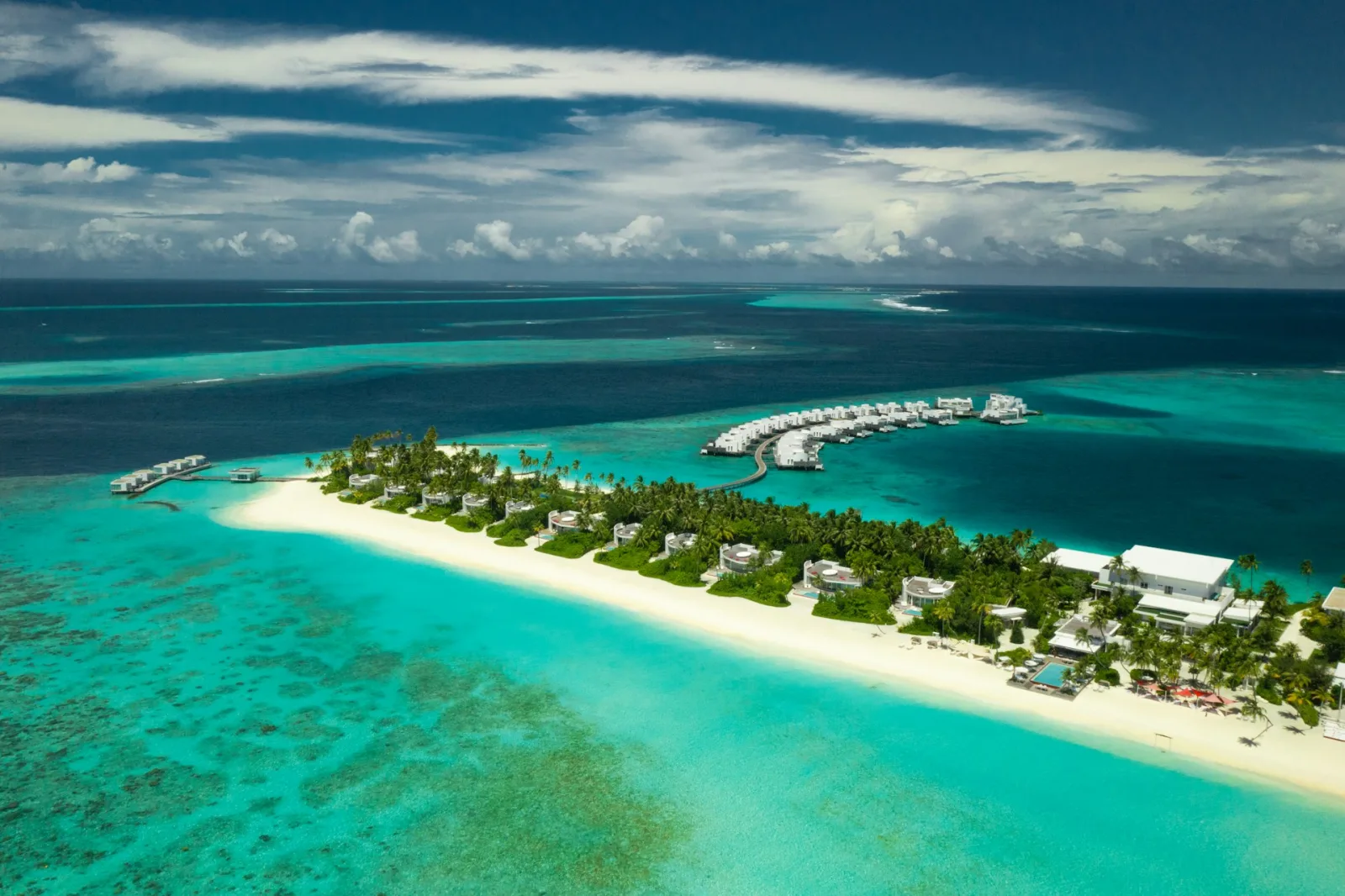
The San Blas Islands are governed by the indigenous Guna people. They are incredibly safe from crime, but you must respect their rules.

  • Crime: Virtually non-existent. The Guna police strictly control who enters and leaves the territory.
  • Environmental Hazards: Sea urchins and sharp coral are common in the shallow waters. Always wear water shoes when swimming.
  • Medical: There are no hospitals or advanced medical facilities on the islands. Bring a comprehensive first-aid kit and any personal medications.
  • Cultural Respect: Do not fly drones without explicit permission. Ask before taking photos of the Guna people. Respect their autonomous laws.

Bocas del Toro

Bocas Town is a laid-back Caribbean hub. It is generally safe, but standard precautions apply.

  • Crime: Petty theft can occur. Do not leave laptops or phones unattended on the beach or in open-air restaurants.
  • Nightlife: Stick to well-lit, populated areas in Bocas Town at night. Avoid walking alone on dark, unpaved paths.
  • Water Safety: Strong currents can occur on certain beaches. Always swim where locals swim and heed warning flags.
  • Sloth Sanctuaries: When visiting wildlife centers, maintain a safe distance and do not feed the animals. It is for their safety and yours.

Pro Tip: If you are planning an island-hopping itinerary, check our detailed 7-day Panama itinerary from India for the safest and most efficient routing.

Health, Water & Food Safety
Staying healthy in the tropics requires a few simple habits, especially regarding water and mosquitoes.

Water & Food Safety

  • Tap Water: Safe to drink in Panama City, Boquete, and most major cities. The water is treated and chlorinated.
  • Islands & Rural Areas: In San Blas, Bocas del Toro, and remote interior towns, drink ONLY bottled or purified water. Even brushing your teeth with bottled water is a good precaution.
  • Street Food: Generally safe if the stall is busy and the food is cooked fresh and served hot. Avoid raw salads or pre-cut fruits from street vendors.
  • Ice: Ice in restaurants and bars in the city is made from purified water and is safe. On the islands, ask if the ice is made from purified water.

Mosquitoes & Tropical Illnesses

Panama is a tropical country, and mosquito-borne illnesses like Dengue and Zika are present.

  • Repellent: Bring a high-quality insect repellent containing DEET or Picaridin from India. It is more expensive in Panama.
  • Peak Hours: Mosquitoes are most active at dawn and dusk. Wear long sleeves and pants during these times, especially in the jungle or islands.
  • Malaria: Malaria risk is very low in tourist areas (Panama City, Casco Viejo, San Blas, Bocas). It is primarily a concern in deep, remote jungle regions like the Darien Gap, which tourists do not visit.
  • Sun Protection: The equatorial sun is intense. High-SPF sunscreen, a hat, and UV-blocking sunglasses are mandatory.
Transport Safety & Getting Around
Navigating Panama is easy, but knowing which transport options are safe will save you money and stress.

Ride-Hailing vs Taxis

Uber, InDrive, and Yango are the safest options.

  • Why Apps? They provide a digital record of your ride, driver details, and a fixed price. This eliminates the risk of overcharging or unsafe driving.
  • Street Taxis: If you must hail a yellow cab, ensure it has a red "Taxi Libre" plate. Always negotiate the fare before getting in, as meters are rarely used. A ride from Tocumen Airport to Casco Viejo should cost $25–$35 USD.
  • Airport Transfers: Official airport taxis are available at PTY. They are safe but more expensive than Uber. Look for the official taxi desk inside the arrivals hall.

Public Transport & Driving

  • Metro & Bus: The Panama Metro is modern, air-conditioned, and very safe. You need a reusable Metro card. Public buses (Metrobús) are safe but can be extremely crowded and confusing for first-timers.
  • 4x4 to San Blas: The overland transfer to San Blas involves a 3-4 hour drive on rough, unpaved roads. It is safe, but the driving can be bumpy. Ensure your tour operator uses well-maintained 4x4 vehicles.
  • Driving: If you rent a car, be aware that Panamanian driving can be aggressive. Stick to major highways during daylight hours. Do not drive at night in rural areas due to poor lighting and stray animals.

Want a hassle-free, safe Panama trip? Our packages include vetted drivers, secure hotels, and 24/7 on-ground support.

Book a Safe Panama Package →
Frequently Asked Questions — Panama Safety
Quick, honest answers to the most common safety questions from Indian travellers
1Is Panama safe for Indian tourists?
Yes, Panama is generally safe for Indian tourists. Panama City is a modern, cosmopolitan capital with a strong tourist police presence in areas like Casco Viejo. The islands (San Blas and Bocas del Toro) are extremely safe, remote communities with very low crime rates. Standard big-city precautions apply in the capital.
2Is it safe to travel to the San Blas Islands?
Yes, the San Blas Islands (Guna Yala) are very safe. The islands are governed by the indigenous Guna people, who maintain strict security and order in their territory. Violent crime is virtually non-existent. The main safety considerations are environmental: wearing water shoes to avoid sea urchins and respecting local customs.
3Can Indian women travel safely in Panama?
Yes, Panama is considered one of the safer countries in Central America for solo female travelers, including Indian women. Catcalling can occur but is generally less aggressive than in some neighboring countries. Avoid walking alone in poorly lit or unfamiliar areas at night, and use Uber or registered taxis after dark.
4Is tap water safe to drink in Panama?
Tap water is generally safe to drink in Panama City and most major urban areas. However, in remote regions like the San Blas Islands, Bocas del Toro, and rural interior towns, it is highly recommended to drink only bottled or purified water to avoid stomach upsets.
5What are the common scams to watch out for in Panama?
The most common issue for tourists is taxi overcharging. Always use Uber, InDrive, or ensure the meter is running. Other minor scams include "mustard spills" (where someone spills something on you to distract you while an accomplice steals) in crowded areas. Stay aware of your surroundings in busy markets and bus stations.

Ready to explore Panama with peace of mind? Let our travel experts customize your safe and secure itinerary.

Plan My Safe Panama Trip →

Note: Safety conditions can change. Always check the latest travel advisories from the Indian Ministry of External Affairs (MEA) and register on the MADAD portal before your trip. This guide provides general advice; always use your best judgment and consult local authorities or your tour operator for real-time safety information.

More Travel Guides

Explore Other Destinations

Plan Your Safe Panama Trip

Fill out the enquiry form below and our travel experts will help you plan a secure, hassle-free Panama tour — vetted drivers, safe hotels, and 24/7 support.

Get assistance with secure airport transfers, safe neighborhood hotel recommendations, San Blas and Bocas del Toro tours, and complete Panama packages.

Enquire About This Package