Welcome to Santo Domingo (2026 City Guide)
The vibrant capital of the Dominican Republic, where Caribbean energy meets 500 years of history.
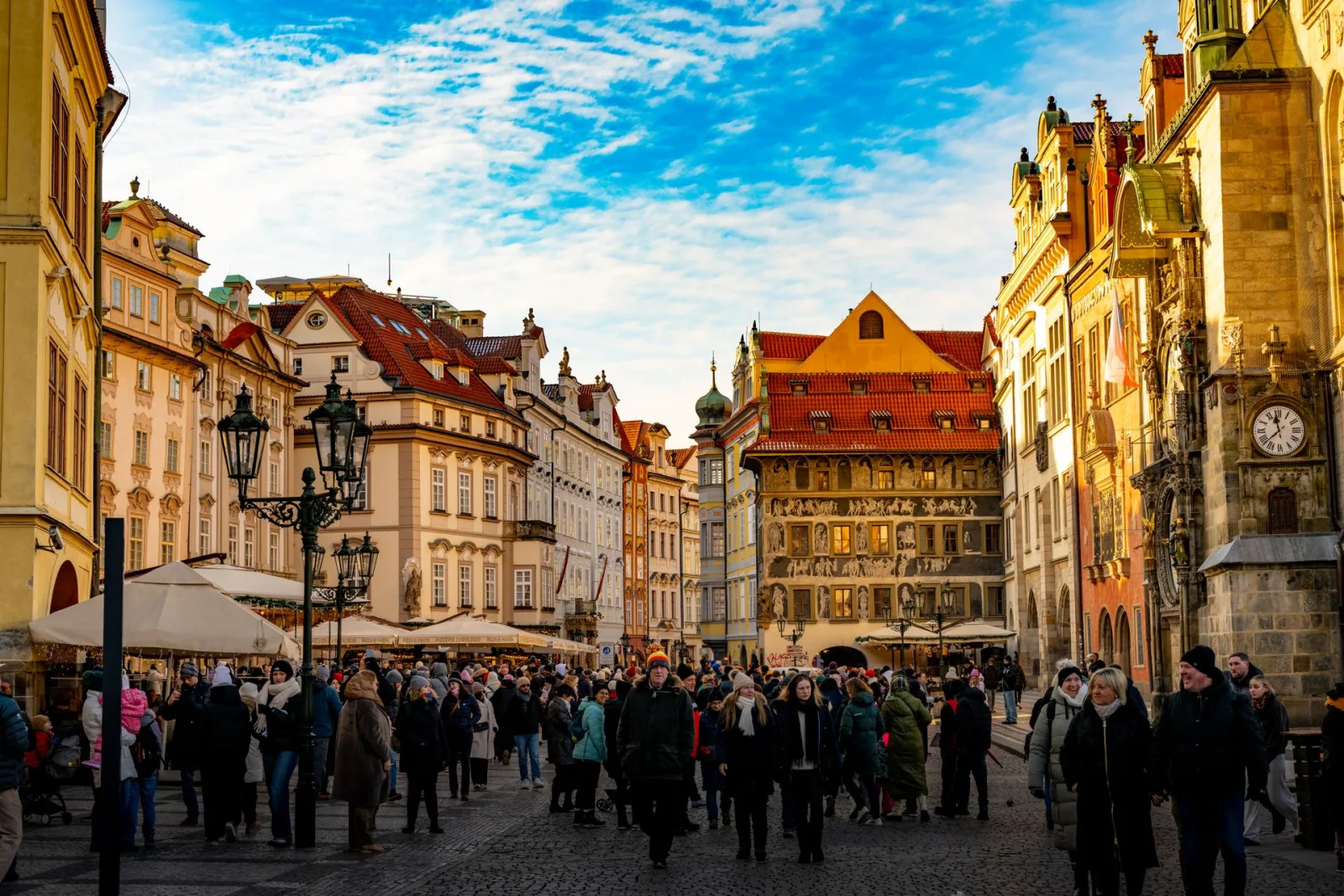
Santo Domingo is the heartbeat of the Dominican Republic. As the site of the first permanent European settlement in the Americas (founded in 1496), it offers a stark, fascinating contrast to the beach resorts of Punta Cana. For Indian travelers, it provides a rich cultural immersion, incredible colonial architecture, and a taste of authentic Dominican life.
Most itineraries allocate 2 days to the capital before heading to the coast. For a complete breakdown of how to fit Santo Domingo into your vacation, refer to our comprehensive Dominican Republic Travel Guide.
The Zona Colonial (UNESCO World Heritage Site)
Walk through history on cobblestone streets lined with 16th-century buildings, plazas, and cafes.
The Zona Colonial is a pedestrian-friendly maze where you can explore the "firsts" of the New World:
- First Cathedral: Cathedral of Santa María la Menor (construction began 1514).
- First Hospital: Hospital de San Nicolás de Bari.
- First University: Universidad Autónoma de Santo Domingo (UASD, founded 1538).
- First Fortress: Fortaleza Ozama, offering panoramic views of the Ozama River.
The area comes alive at night with street performers, local artisans, and open-air restaurants. It is highly recommended to take a guided walking tour to fully appreciate the historical context.
Top Attractions Beyond the Colonial Walls
Santo Domingo offers world-class museums, natural parks, and iconic waterfront avenues.
- Alcázar de Colón: The former palace of Diego Columbus, son of Christopher Columbus. Now a museum featuring medieval and Renaissance art.
- Los Tres Ojos (Three Eyes National Park): A stunning series of open-air limestone caves and cenotes filled with crystal-clear turquoise water. Located just outside the city center.
- El Malecón (George Washington Avenue): A 10 km seawall promenade perfect for an evening stroll, featuring monuments, casinos, and ocean breezes.
- Plaza de España: A grand, picturesque square in front of the Alcázar, surrounded by upscale cafes and restaurants.
- Museo de las Casas Reales: A comprehensive museum detailing the colonial history of the island, housed in a beautiful 16th-century building.
Food & Dining in Santo Domingo
From traditional Dominican comfort food to upscale Caribbean fusion in the Zona Colonial.
Santo Domingo is the best place to try authentic Dominican cuisine. Look for these local staples:
- La Bandera: The national dish (rice, beans, meat, and salad). Best eaten for lunch.
- Mangu: Mashed green plantains topped with pickled onions. The ultimate Dominican breakfast.
- Sancocho: A hearty, slow-cooked meat and root vegetable stew. Traditionally eaten on weekends.
- Pastelitos: Fried empanadas filled with seasoned meat or cheese. Perfect street food snack.
Vegetarian Note: While Dominican cuisine is meat-heavy, you will find excellent cheese empanadas, fried cheese (queso frito), tostones (fried plantains), and fresh salads. Inform your restaurant in advance for the best experience.
Safety & Transport for Indian Travelers
Navigating the capital safely and efficiently using trusted local options.
- Zona Colonial: Very safe during the day and early evening due to heavy tourist and police presence.
- Nighttime: Avoid walking alone in poorly lit areas late at night. Use app-based taxis to move between neighborhoods.
- Valuables: Keep phones and cameras discreet when not in use. Use the hotel safe for passports and excess cash.
- Scams: Only exchange money at official banks or casas de cambio. Decline unsolicited help from strangers on the street.
- Uber & DiDi: The safest and most reliable way to get around Santo Domingo. Fares are fixed, and you don't need to negotiate or handle cash.
- Official Taxis: Available at hotels and malls. Always agree on a fare before getting in if the meter isn't used.
- Public Transport: The Oficina de Reordenamiento del Transporte (OPT) runs modern buses, and there is a Metro system. However, these are often crowded and not recommended for first-time tourists.
- Airport Transfer: Pre-booking a private transfer from Las Américas (SDQ) to your hotel is highly recommended for a stress-free arrival.
For a detailed look at how to connect Santo Domingo with the rest of the country, check our Dominican Republic Itinerary Guide.
Practical Travel Tips
Essential information to make your stay in the capital smooth and enjoyable.
The best time to explore Santo Domingo is during the dry season, from December to April. The weather is warm and sunny, making walking tours of the Zona Colonial much more comfortable. The summer months (June–November) are hot, humid, and carry a risk of tropical showers. For a detailed month-by-month breakdown, see our Best Time to Visit the Dominican Republic guide.
The local currency is the Dominican Peso (DOP). While credit cards are accepted in most restaurants and hotels in Santo Domingo, you will need cash for street food, small shops, and tips. Carry USD from India and exchange it at official banks in the city for the best rates. UPI is not available.
Frequently Asked Questions — Santo Domingo
Quick answers to the most common city-specific questions from Indian travelers.
1Is Santo Domingo safe for Indian tourists?
Yes, Santo Domingo is generally safe for Indian tourists, especially in the Zona Colonial and upscale neighborhoods like Piantini. Standard precautions apply: use Uber or DiDi at night, avoid flashing valuables, and stick to well-lit, populated areas after dark.
2How many days do I need in Santo Domingo?
Two full days are perfect for Santo Domingo. Day 1 can be dedicated to exploring the UNESCO-listed Zona Colonial, and Day 2 can cover Los Tres Ojos, the Malecón, and local shopping. This fits seamlessly into a 7-day Dominican Republic itinerary.
3What is the best area to stay in Santo Domingo?
For first-time visitors, staying in or near the Zona Colonial is highly recommended for its walkability, historic charm, and proximity to top attractions. For a more modern, upscale experience with luxury hotels and shopping, choose the Piantini or Naco neighborhoods.
4How do I get from Santo Domingo airport to Zona Colonial?
Las Américas International Airport (SDQ) is about 30 km from the city center. The most convenient and safe option for Indian travelers is to pre-book a private airport transfer or use the official airport taxi desk. Uber is also available and typically costs between USD 25 and USD 35.
5Can I drink tap water in Santo Domingo?
It is highly recommended to drink bottled or filtered water in Santo Domingo. While tap water is treated, the mineral composition can cause stomach upset for travelers. All hotels and restaurants provide safe bottled water, and ice in established venues is made from purified water.
Note: City conditions, transport options, and attraction hours can change. Always verify opening times for museums and check local advisories before your visit. Ensure your e-Ticket and visa are sorted well in advance of your arrival in the Dominican Republic.