
Koala holding eucalyptus branch with Australian bushland background

Australia Wildlife Guide
for Indian Travelers 2026

Safe kangaroo/koala encounters, sanctuary recommendations, marine life tips & photography advice for Indian families visiting Australia.

Updated for 2026 Travelers
Written by Keerthi Reddy — Oceania Travel Specialist
Reviewed by Monika Kulkarni · Oceania Travel Reviewer
Last updated after reviewing:
  • Australian wildlife sanctuary licensing updates for tourist interactions 2026
  • Marine safety guidelines for Great Barrier Reef stinger season (Nov–May)
  • Ethical wildlife tourism certification standards for Indian tour operators

Last updated: April 2026

Native Australian Wildlife for Indian Travelers
Meet Australia's iconic animals safely and ethically during your trip.

Iconic Land Animals

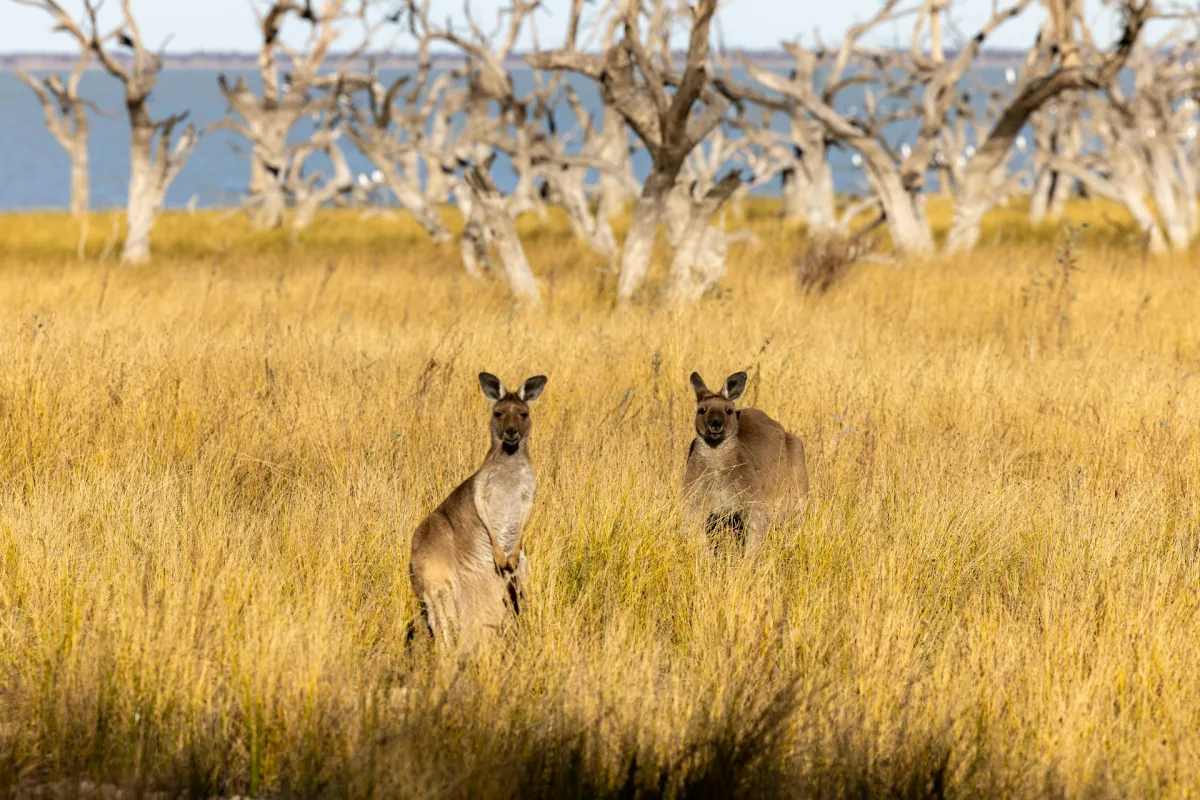
  • Kangaroos & Wallabies: Best viewed at dawn/dusk in national parks; never approach wild individuals
  • Koalas: Handle only at licensed sanctuaries with expert supervision; wild koalas should not be disturbed
  • Wombats & Platypus: Nocturnal; best seen on guided night tours in Tasmania or Queensland
  • Emus & Cassowaries: Observe from distance; cassowaries can be aggressive if threatened
  • Tip: Carry binoculars for ethical wildlife viewing without disturbing animals
Unique Birdlife

  • Kookaburras: Famous laughing call; common in eastern forests and suburban parks
  • Rainbow Lorikeets: Colorful parrots; feed on nectar in gardens and parks
  • Cockatoos & Galahs: Social birds often seen in flocks; do not feed them
  • Wedge-tailed Eagles: Australia's largest bird of prey; spot soaring over open landscapes
  • Tip: Download the Merlin Bird ID app for offline bird identification during travels

Reference: For complete Australia planning including visa rules, itineraries, and safety tips, see our Australia Travel Guide for Indians and Australia Safety Tips.

Wildlife Safety Guidelines for Indian Families
Simple precautions to ensure safe, memorable wildlife encounters in Australia.
🐍

Snakes & Spiders

• Wear closed shoes when hiking in bushland • Check boots, shoes, and clothing before wearing • Do not approach or handle any snake • Most bites occur when people try to kill or capture snakes • Funnel-web spiders in Sydney region — shake out outdoor clothing

🦘

Kangaroos & Large Wildlife

• Maintain 10+ meters distance from wild kangaroos • Never feed wildlife — it's illegal and harmful • Kangaroos can kick if threatened; give them space • Drive cautiously at dawn/dusk in rural areas (wildlife crossing risk)

🌊

Marine Life Precautions

• Swim only between red/yellow flags at patrolled beaches • Wear stinger suits in tropical waters Nov–May • Do not touch coral, jellyfish, or marine animals • Follow guide instructions on reef tours • Check local warnings for box jellyfish or crocodile alerts

Top Wildlife Sanctuaries for Indian Travelers
Licensed, ethical venues offering safe koala/kangaroo encounters across Australia.
SanctuaryLocationHighlights for Indians
Lone Pine Koala SanctuaryBrisbane, QLDWorld's first koala sanctuary; koala holding photos; kangaroo feeding; vegetarian lunch options
Currumbin Wildlife SanctuaryGold Coast, QLDFree-flight bird show; wildlife hospital tours; accessible paths; multilingual guides available
Taronga Zoo SydneySydney, NSWHarbour views; native animal encounters; ferry access from Circular Quay; vegetarian dining
Healesville SanctuaryYarra Valley, VICNative wildlife focus; platypus viewing; Aboriginal cultural experiences; day-trip friendly from Melbourne
Cleoland Wildlife ParkAdelaide, SAClose kangaroo encounters; reptile shows; family packages; easy access from Adelaide CBD
Brisbane
Lone Pine — koala holding ✅
Gold Coast
Currumbin — bird shows ✅
Sydney
Taronga — harbour views ✅

Pro Tip: Book sanctuary tickets online in advance for 10–15% savings and guaranteed entry. For more itinerary ideas, see our Australia itinerary guide.

Marine Wildlife Experiences for Indian Travelers
Safe, ethical ways to experience Australia's incredible ocean life.

Great Barrier Reef

  • Best Time: June–October for clearest water and lowest stinger risk
  • Tour Tips: Choose operators with Eco Tourism certification; request vegetarian meals when booking
  • Safety: Wear provided stinger suits Nov–May; follow guide instructions for snorkeling/diving
  • Photography: Underwater cameras available for rent; avoid touching coral (damages reef and may cause injury)
  • Accessibility: Many reef tours offer glass-bottom boats for non-swimmers and families with young children

Whale Watching & Penguins

  • Whale Season: May–November along east coast; peak viewing Sep–Oct
  • Top Locations: Hervey Bay (QLD), Sydney Harbour, Byron Bay, Perth
  • Penguin Parades: Phillip Island (VIC) year-round; book sunset viewing tickets in advance
  • Family Tips: Bring warm layers for evening penguin viewing; most whale tours provide blankets
  • Ethical Note: Choose operators following Australian Marine Wildlife Tourism guidelines for minimal disturbance
Wildlife Photography Tips for Indian Travelers
Capture memorable moments while respecting Australian wildlife and conservation rules.

Best Practices

  • Golden Hours: Dawn and dusk offer best light and most active wildlife
  • Telephoto Lenses: Use 200mm+ lenses to photograph wildlife without approaching
  • Silent Mode: Enable camera silent shutter to avoid startling animals
  • No Flash: Never use flash on nocturnal animals — it can disorient or harm them
  • Respect Barriers: Stay on marked paths and viewing platforms in national parks

Ethical Photography

  • No Baiting: Never use food to attract wildlife for photos — it's illegal and harmful
  • Sanctuary Photos: Koala holding photos permitted only at licensed venues with expert supervision
  • Share Responsibly: Tag locations thoughtfully to avoid overcrowding sensitive habitats
  • Support Conservation: Choose tours that contribute to wildlife conservation efforts
  • Tip: Many sanctuaries offer professional photo packages — consider supporting their conservation work

Planning wildlife experiences for your Australia trip? Our packages include licensed sanctuary visits, ethical tour operators, and photography guidance for Indian travelers.

Get Free Australia Quote →
Frequently Asked Questions — Australia Wildlife for Indians
Quick, direct answers to common wildlife queries from Indian travelers.
1Is it safe for Indian families to encounter kangaroos and koalas in Australia?
Yes, when visiting licensed sanctuaries like Lone Pine (Brisbane), Currumbin (Gold Coast), or Featherdale (Sydney). Never approach wild kangaroos — they can kick if threatened. Koala handling is permitted only at accredited sanctuaries with expert supervision.
2Should Indian travelers worry about snakes and spiders in Australia?
Most encounters are avoidable with basic precautions. Wear closed shoes when hiking, check boots before wearing, and do not approach wildlife. Urban areas have minimal risk. Guided tours significantly reduce exposure to venomous species.
3What is the best time for wildlife viewing in Australia for Indian tourists?
Spring (Sep–Nov) and autumn (Mar–May) offer mild weather and active wildlife. Dawn and dusk are optimal viewing times. Whale watching peaks May–Nov along east coast. Penguin parades at Phillip Island are year-round but best in cooler months.
4Can Indian travelers see the Great Barrier Reef marine life safely?
Yes. Book tours with licensed operators who provide stinger suits (Nov–May), briefings on marine safety, and snorkeling gear. Swim only in designated areas. Avoid touching coral or marine animals. Most reef tours cater to international visitors with multilingual guides.
5Are wildlife photography tours available for Indian travelers in Australia?
Yes. Many sanctuaries and national parks offer photography-focused tours with expert guides. Popular locations: Kangaroo Island (SA), Cradle Mountain (TAS), Daintree Rainforest (QLD). Book in advance and inform operators about equipment needs.
6Is ethical wildlife tourism important for Indian travelers in Australia?
Yes. Choose sanctuaries certified by Eco Tourism Australia or ZAA (Zoo and Aquarium Association). Avoid venues offering wild animal selfies or performances. Ethical tours prioritize animal welfare and conservation — supporting responsible tourism benefits both wildlife and local communities.

Need help planning wildlife experiences for your Australia trip? Our experts arrange licensed sanctuary visits and ethical tour operators.

Return to Complete Australia Guide →

Disclaimer: Wildlife behavior, sanctuary policies, and tour availability are subject to change. Always verify current conditions with official park authorities and licensed operators before travel. Destination To Plan provides guidance only and does not guarantee specific wildlife sightings or experiences.

About This Australia Wildlife Guide

This wildlife guide covers practical encounter information for Indian travelers planning Australia trips in 2026. Regularly updated with sanctuary insights and India-specific guidance.

Verified Wildlife Information

All sanctuary recommendations, safety guidelines, and tour operator details are cross-referenced with Parks Australia, Eco Tourism Australia, and licensed wildlife venues for 2026 accuracy.

India-Focused Guidance

Recommendations consider Indian traveler concerns including family safety, vegetarian meal options, photography needs, and ethical tourism practices relevant to Indian passport holders.

Trusted by Indian Planners

Used by families, corporate groups, and independent travelers from Delhi, Mumbai, Bangalore, and Chennai planning Australia wildlife experiences.

Part of Australia Cluster

This wildlife guide links to our complete Australia Travel Guide and sibling pages on safety, itineraries, and best time to visit.

More Travel Guides

Explore Other Destinations

Need Help Planning Wildlife Experiences for Your Australia Trip?

Fill out the form below and our travel experts can arrange licensed sanctuary visits, ethical wildlife tours, and photography guidance for your Australia journey.

We handle sanctuary bookings, tour operator selection, and safety briefings — all optimised for Indian travelers and ethical wildlife tourism.

Enquire About This Package