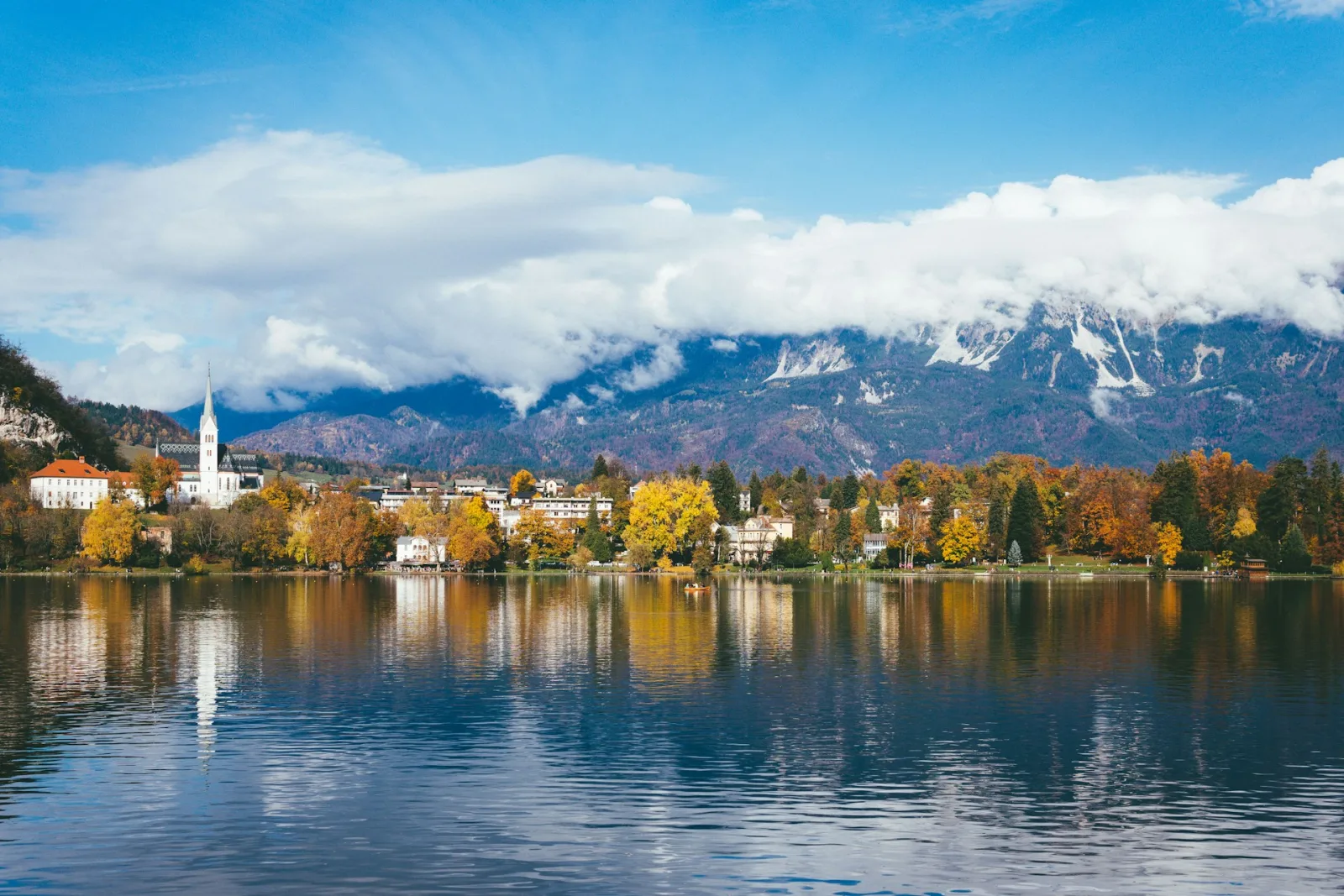
Organized travel packing layout with clothing layers, adapter, sunscreen, and hiking gear for New Zealand trip

New Zealand Packing List
for Indian Travelers

Weather-appropriate clothing, adapters, medicines & activity gear — your complete NZ packing guide in 2026.

Updated for 2026 Travelers
Written by Keerthi Reddy — Oceanic Travel Specialist
Reviewed by Monika Kulkarni · Oceanic Travel Reviewer
Last updated after reviewing:
  • Updated NZ biosecurity declaration requirements for Indian travelers entering 2026
  • New Zealand airlines baggage allowance changes for India-NZ routes
  • Revised customs regulations for medicines and food items carried by Indian tourists

Last updated: April 2026

Essential Clothing for New Zealand Weather
Pack layers for "four seasons in one day" — NZ weather changes rapidly regardless of season.

Pack for layering, not for a single forecast. New Zealand's maritime climate means sunshine, rain, wind, and cool temperatures can all occur in one day.

  • Base layers: Moisture-wicking t-shirts and thermals (merino wool ideal for temperature regulation)
  • Mid layers: Fleece jacket or lightweight down vest for warmth without bulk
  • Outer layer: Waterproof, windproof jacket with hood — essential year-round
  • Bottoms: Quick-dry travel pants, jeans for cities, thermal leggings for winter/South Island
  • Footwear: Sturdy waterproof walking shoes or hiking boots; comfortable sandals for summer
  • Accessories: Wide-brim sun hat, warm beanie, lightweight gloves, scarf or buff
  • Sun protection: SPF50+ sunscreen (NZ UV is extreme), UV-blocking sunglasses, lip balm with SPF

Seasonal adjustments: Summer (Dec–Feb): add light breathable clothing, swimwear. Winter (Jun–Aug): add thermal base layers, insulated jacket, warm socks. Always pack a waterproof layer.
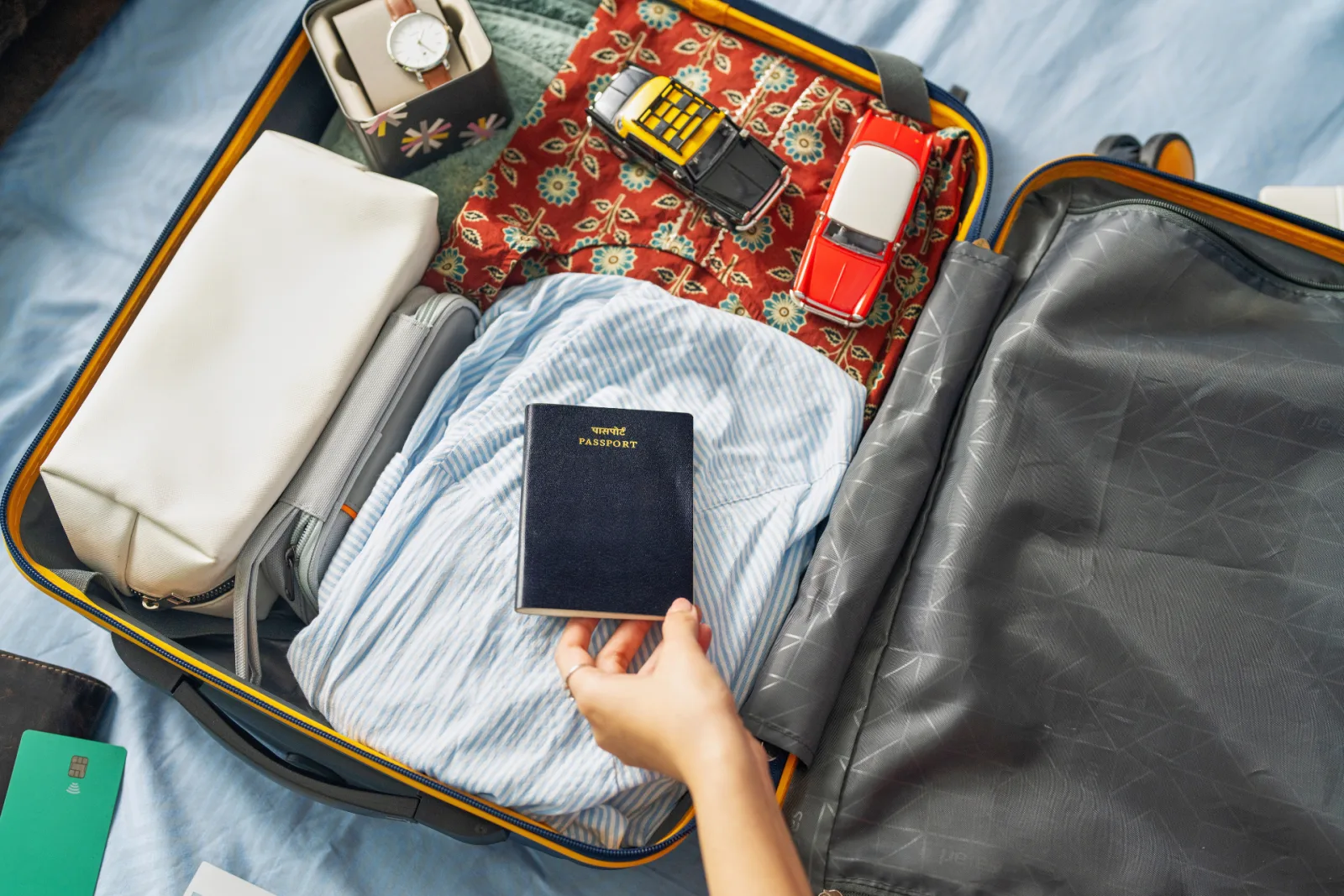

Electronics, Adapters & Power Essentials
Stay connected and powered up with the right gear for New Zealand's electrical system.

Power & Connectivity

  • Plug adapter: Type I (3-pin angled, Australia/NZ standard). Indian Type C/D plugs will NOT fit — carry a universal adapter with Type I support.
  • Voltage: NZ uses 230V/50Hz. Most modern chargers (phones, laptops) auto-switch 100–240V and work with just an adapter.
  • Power bank: 10,000–20,000 mAh for day trips; essential for hiking, fjord cruises, and remote areas.
  • eSIM or local SIM: Activate before arrival or buy at Auckland Airport (Spark, OneNZ, 2degrees). Good coverage in cities; limited in remote areas.
  • Offline maps: Download Google Maps offline areas for South Island and hiking trails — mobile signal drops frequently.

Camera & Photography

  • Camera: Smartphone is sufficient for most travelers; DSLR/mirrorless for enthusiasts.
  • Memory cards: Bring extras — NZ landscapes are photo-intensive; cloud backup may be slow in remote areas.
  • Waterproof case/dry bag: Essential for Milford Sound, boat tours, and unpredictable weather.
  • Tripod: Compact travel tripod for sunrise/sunset shots at lakes and mountains.
  • Extra batteries: Cold weather drains batteries faster — carry spares and keep them warm.
Health, Medicines & Biosecurity Tips
Pack safely and declare correctly to avoid delays at New Zealand customs.
  • Prescription medicines: Carry in original packaging with doctor's prescription and a letter explaining medical need. Declare ALL medicines at NZ customs on arrival.
  • Common OTC medicines: Pain relievers, antihistamines, anti-diarrheal, motion sickness tablets. NZ pharmacies stock similar brands but may differ from Indian formulations.
  • First-aid basics: Band-aids, antiseptic cream, blister pads (essential for hiking), rehydration salts.
  • Insect repellent: Sandflies are common in Fiordland and West Coast — pack DEET-based repellent.
  • Travel insurance documents: Carry printed and digital copies of policy details, emergency contact numbers, and coverage summary.
  • Biosecurity warning: NZ has strict biosecurity laws. Declare ALL food, plant, animal products, hiking boots (cleaned), and outdoor gear. Fines for non-declaration can exceed NZD $400.

Pro Tip: Clean hiking boots thoroughly before arrival and declare them. NZ customs may inspect and clean footwear to prevent invasive species introduction.

Activity-Specific Packing for NZ Adventures
Tailor your packing list to your planned activities — hiking, skiing, water sports, or cultural tours.

Hiking & Outdoor Activities

  • Footwear: Waterproof hiking boots with ankle support; break them in before travel
  • Clothing: Quick-dry pants, moisture-wicking socks, waterproof jacket, warm mid-layer
  • Daypack: 20–30L waterproof pack with rain cover for trails
  • Hydration: Reusable water bottle or hydration bladder (tap water is safe everywhere)
  • Navigation: Download offline maps; carry printed trail map as backup
  • Safety: Personal locator beacon (PLB) for remote multi-day hikes; check DOC trail alerts

Winter & Ski Activities

  • Base layers: Thermal merino wool top and bottom
  • Insulation: Down or synthetic puffer jacket; fleece mid-layer
  • Outer shell: Waterproof, windproof ski jacket and pants
  • Accessories: Thermal gloves, warm beanie, neck gaiter, ski socks
  • Eyewear: UV-blocking sunglasses or ski goggles (glare from snow is intense)
  • Rental note: Ski equipment can be rented at Queenstown/Wanaka resorts — pack light if renting
Customs Declaration & Luggage Tips for Indian Travelers
Avoid delays at NZ borders with these practical packing and declaration tips.
  • Declare everything: When in doubt, declare. NZ customs officers are helpful if you're honest. Non-declaration of restricted items can result in fines or visa issues.
  • Food restrictions: No fresh fruit, vegetables, meat, dairy, honey, or seeds. Packaged snacks are usually fine but declare them.
  • Luggage weight: Check airline baggage allowances for India-NZ routes (often 23–30kg checked + 7kg cabin). Pack a foldable duffel for souvenirs on return.
  • Liquid limits: Carry-on liquids must be in containers ≤100ml, all fitting in one transparent 1L bag. Pack larger toiletries in checked luggage.
  • Valuables: Carry passports, visas, cash, cards, and electronics in cabin baggage. Keep digital copies of important documents in cloud storage.
  • Leave space: Reserve ~20% luggage capacity for NZ souvenirs: pounamu, Manuka honey, merino wool, wine.

Quick checklist: Before packing, review the official NZ Customs website for latest restricted items and declaration requirements.

Need help planning your NZ packing strategy? Our travel experts provide personalized packing lists based on your itinerary and season.

Get Personalized Packing Advice →
Frequently Asked Questions — NZ Packing for Indians
Quick answers to common packing queries from Indian travelers.
1What type of plug adapter do I need for New Zealand?
New Zealand uses Type I electrical outlets (3-pin angled, like Australia) at 230V/50Hz. Indian Type C (2-pin round) and Type D (3-pin round) plugs will NOT fit. Carry a universal travel adapter or Type I-specific adapter. Most modern chargers auto-switch 100–240V and work fine with just an adapter.
2What clothes should I pack for New Zealand weather?
Pack layers — NZ weather changes rapidly. Essential items: waterproof jacket, warm fleece, light breathable clothing for summer, thermal base layers for winter, sturdy walking shoes, and sun protection. Always prepare for "four seasons in one day".
3Can I carry Indian medicines to New Zealand?
Yes, but you must declare all medicines at NZ customs. Carry prescriptions in original packaging with a doctor's letter. Some Indian medicines containing controlled substances may require prior approval — check with NZ Customs before travel.
4Is a universal travel adapter enough for New Zealand?
Yes, a quality universal travel adapter that includes Type I (Australia/NZ) will work. Ensure it supports 230V. Most modern chargers (phones, laptops) auto-switch 100–240V and work fine with just an adapter.
5What should I pack for hiking in New Zealand?
For NZ hiking: sturdy waterproof hiking boots, moisture-wicking socks, quick-dry pants, waterproof jacket, warm mid-layer, sun hat, sunscreen, and a small daypack with water and snacks. Always check trail conditions before departing.
6Do I need to pack winter clothes if visiting New Zealand in summer?
Yes, especially for South Island. Even in summer (Dec–Feb), mountain areas and evenings can be cool. Pack at least one warm layer and a waterproof jacket regardless of season. NZ weather is unpredictable.
More Travel Guides

Explore Other Destinations

Get Personalized Packing Advice for Your NZ Trip

Our experts provide customized packing lists based on your itinerary, season, and activities — optimized for Indian travelers.

Receive a detailed packing checklist, customs declaration guidance, and activity-specific gear recommendations before your New Zealand departure.

Enquire About This Package