Peru Rail & Inca Rail schedule adjustments for Sacred Valley access
Cusco tap water safety & San Pedro Market hygiene standards verified
Fact-checked April 2026
Last updated: April 2026
Cusco Essentials for Indian Travelers
Practical guidance for navigating Peru's Inca capital safely, managing altitude, and preparing for Machu Picchu
Key Warning: Cusco sits at 3,400m (11,150ft). Altitude sickness is common on arrival. Plan 24–48 hours of rest before trekking or high-altitude activities. This city is your gateway to Machu Picchu and the Sacred Valley.
Best Areas to Stay
Historic Center: Convenient, colonial architecture, walkable to Plaza de Armas, higher altitude (3,400m)
San Blas: Artistic neighborhood, cobblestone streets, boutique stays — steep walks but charming
Wanchaq: Residential, near train station, lower altitude (3,300m) — better for sensitive travelers
India-Specific Tip: Choose hotels with oxygen availability on request and warm bedding — nights in Cusco can drop to 0–5°C even in summer.
Vegetarian Food in Cusco
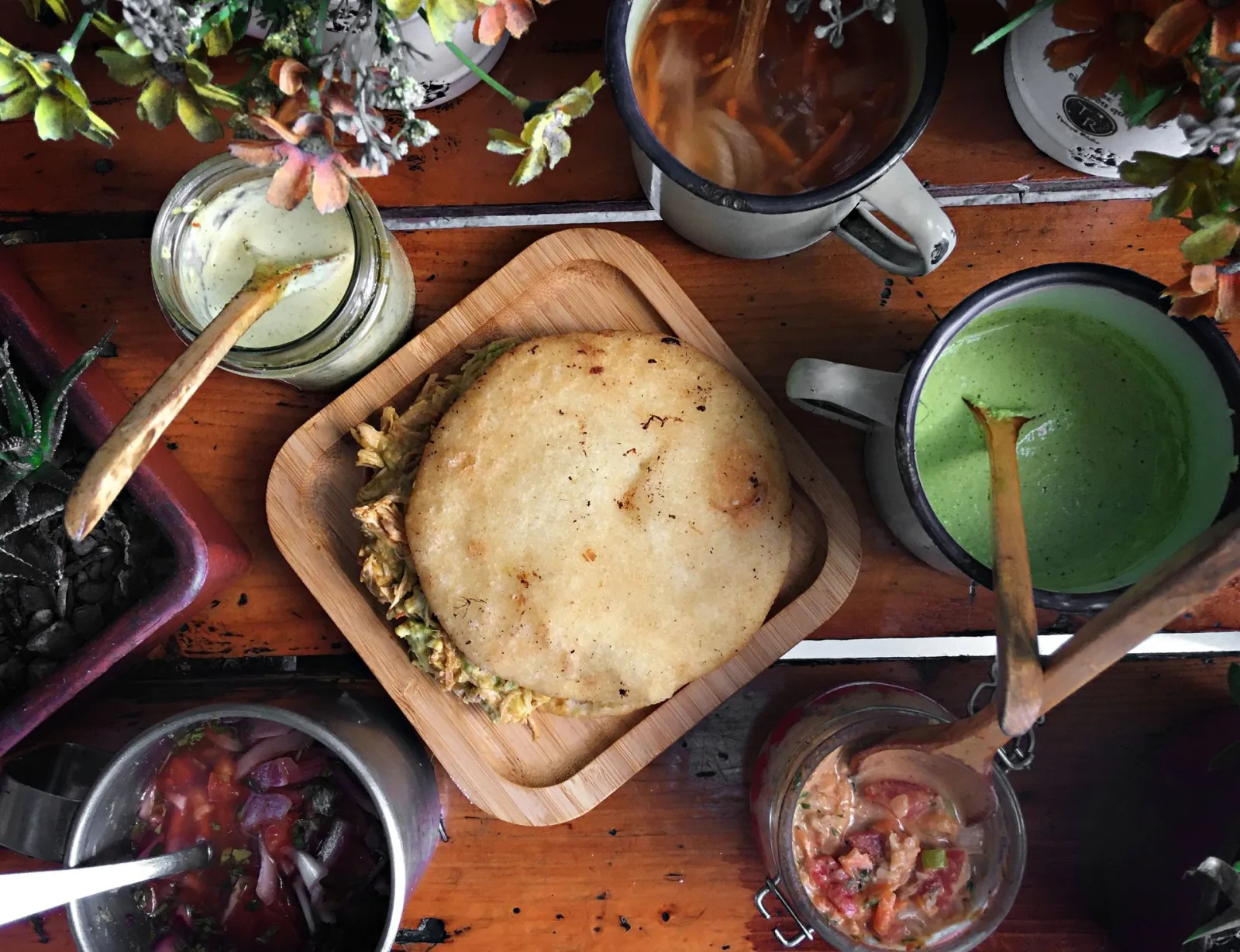
Must-Try Vegetarian Dishes: Quinoa soup, Papa a la Huancaína (potato sauce), Causa rellena (potato terrine), Humita (steamed corn cake)
Best Markets: San Pedro Market (vast selection, tourist-friendly), Wanchaq Market (local, cheaper)
Vegetarian-Friendly Restaurants: Green Point, Organika, Kiska Mich'iy (vegan options)
Caution: Many "vegetable" dishes include chicken broth; explicitly request "sin carne ni pollo"
Inform trekking operators 2 weeks in advance — mountain meals are meat-heavy, but agencies can prepare vegetarian quinoa/pasta meals if notified early.
Essential steps to prevent altitude sickness (Soroche) for Indian travelers arriving from sea level
Day 1–2: Arrival & Rest
Arrive Cusco early morning: Fly from Lima (1.5 hrs) to maximize daylight rest
Do not rush to sightsee: Stay at hotel, light walking only, avoid Plaza de Armas crowds initially
Hydration: Drink 3–4L of water/day; avoid alcohol first 48 hours
Coca Tea: Locally available, mild stimulant — helps with altitude adjustment and digestion
Medication: Consult your doctor in India about Acetazolamide (Diamox) if prone to AMS
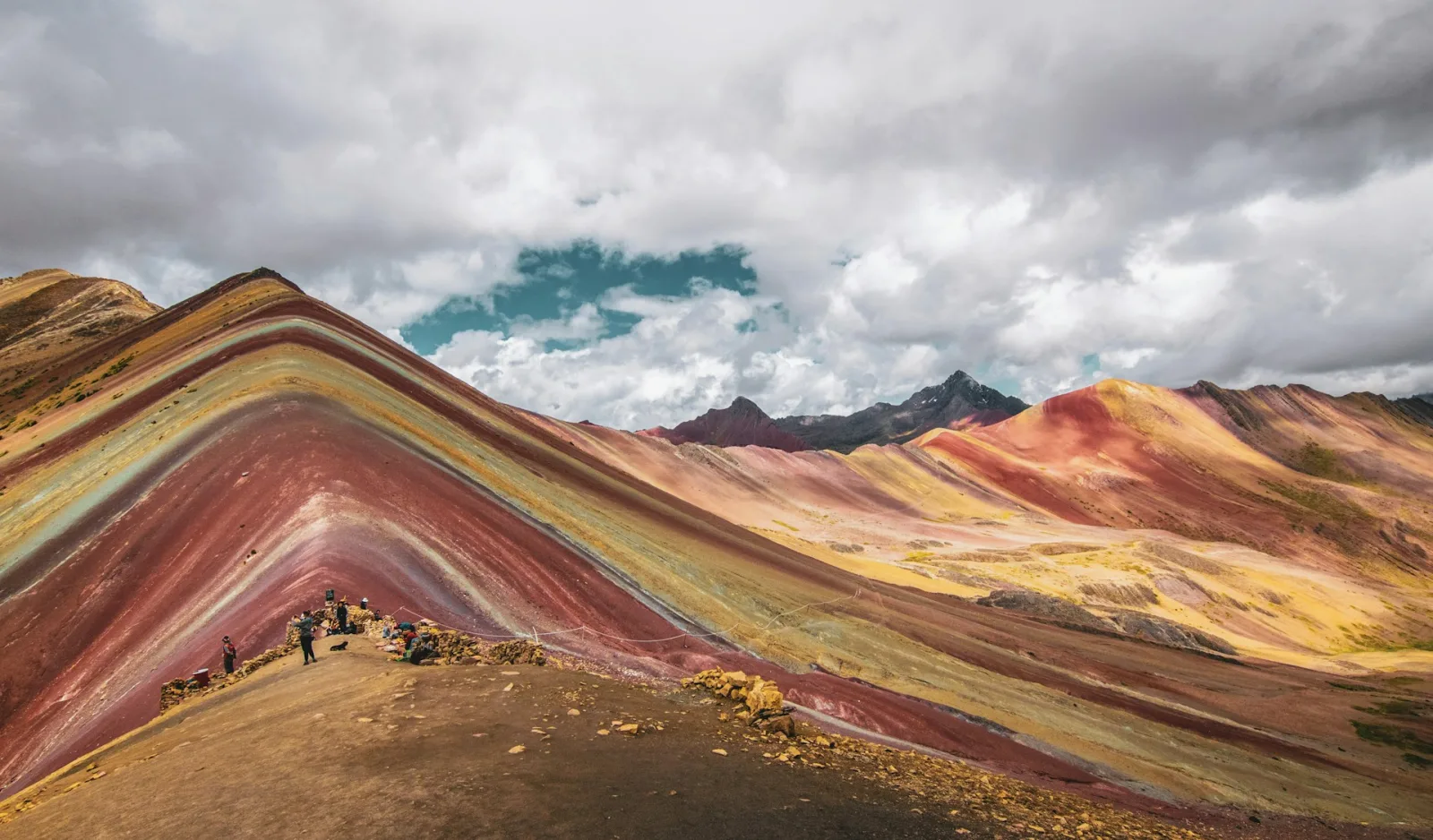
Sleep high, walk low: If adding Rainbow Mountain (5,200m), only do so after 2+ nights in Cusco
Indian travelers from Mumbai/Chennai (sea level) should prioritize rest. Mild headache and breathlessness are common on day 1; descend to Sacred Valley (2,800m) if symptoms worsen.
Pisac, Ollantaytambo, and Machu Picchu train connections — essential for Indian itineraries
Pro Tip: The Sacred Valley sits at ~2,800m — lower than Cusco. Many Indian travelers sleep here to acclimatize better before visiting Machu Picchu.
Key Stops & Train Connections
Pisac: 45 mins from Cusco, famous market & Inca ruins — visit morning, return by afternoon
Ollantaytambo: 2 hrs from Cusco, fortress town, main train station to Machu Picchu
Train to Aguas Calientes: 3.5 hrs from Ollantaytambo, book 2–3 months ahead via Peru Rail/Inca Rail
Bus to Machu Picchu: 25 mins from Aguas Calientes to citadel entrance, tickets sold separately
Booking Advice: Train seats sell out fast for July–August. Coordinate your train booking with your Machu Picchu entry slot — mismatches are a common travel disruption.
Cusco Food & Transport Safety for Indians
Navigating San Pedro Market, using taxis, and staying safe in transit
Transport in Cusco
Official Taxis Only: Use radio taxis or apps (Uber is limited but available); avoid street hailing
Airport Pickup: Most hotels provide pre-booked pickup (~₹600–₹900) — highly recommended for first arrival
Walking: Historic center is compact but steep; wear comfortable shoes with good grip
Colectivos: Shared vans to Sacred Valley (PEN 5–8) — cheap but crowded, watch valuables
Indian travelers report consistent safety using pre-booked hotel transfers and registered tour operators for Sacred Valley day trips.
Cusco Safety Tips for Indian Tourists
Practical precautions for a comfortable, worry-free Cusco experience
Bottom Line: Cusco is generally safe for Indian tourists. Standard precautions apply — use official transport, avoid displaying valuables in markets, and stick to well-lit streets after 9 PM.
Safe Zones & Areas to Watch
Safe Walking Zones: Plaza de Armas (day/evening), San Blas (day), Calle Loreto (tourist hub)
Crowded Areas: San Pedro Market — high pickpocket risk; keep wallets in front pockets
Night Safety: Avoid unlit alleys in San Blas after 10 PM; use registered taxis for evening returns
Drink Safety: Tap water is NOT safe. Always drink bottled/filtered water; avoid ice in street stalls
Scam Alert: "Free" coca leaf readings or fake tour guides — politely decline and walk away
Indian families and groups consistently report comfortable experiences in Cusco with basic awareness and registered transport.
Frequently Asked Questions — Cusco for Indian Travelers
Quick answers to altitude, routing, and safety questions from Indian tourists
1How do I manage altitude sickness in Cusco as an Indian traveler?
Arrive in Cusco (3,400m) 24–48 hours before trekking or Machu Picchu visits. Rest on day 1, drink coca tea, avoid heavy meals initially, and stay hydrated. Consult your doctor about acetazolamide if you are prone to altitude sickness.
2Is Cusco safe for Indian tourists?
Cusco is generally safe for Indian tourists, especially in the historic center and San Blas. However, pickpocketing can occur in San Pedro Market and crowded plazas. Use official taxis or apps, and avoid poorly lit streets late at night.
3How do I get from Cusco to Machu Picchu?
Most Indian travelers take a train from Poroy or Ollantaytambo station to Aguas Calientes (Machu Picchu Pueblo). From there, bus tickets take you up to the citadel. Book trains 2–3 months in advance via Peru Rail or Inca Rail.
4Is tap water safe to drink in Cusco?
No. Tap water is not safe for drinking in Cusco. Always use bottled or filtered water for drinking and brushing teeth. Most hotels provide filtered water dispensers.
5Can vegetarian Indians find food in Cusco?
Yes. Cusco has many vegetarian-friendly restaurants offering Quinoa soup, Papa a la Huancaína, and vegetable stir-fries. Inform your tour operator about dietary needs for trekking days, as mountain menus are typically meat-heavy.
Note: Cusco's altitude affects everyone differently, regardless of fitness level. Verify current train schedules, Machu Picchu entry rules, and local transport advisories before your trip. Prices and availability fluctuate significantly during peak season (June–August).
About This Cusco City Guide
This Cusco city guide provides India-focused altitude management strategies, Sacred Valley routing, and safety tips for Indian travelers visiting Peru's Inca capital. Researched, regularly updated, and trusted by Indian group tour planners and independent travelers.
India-Aligned Guidance
Altitude protocols, vegetarian food options, and transport tips tailored to Indian traveler priorities: health safety, dietary needs, and Machu Picchu access.
Practical & Concise
No fluff — just actionable advice for acclimatizing safely, booking trains to Machu Picchu, and navigating Cusco's historic center securely.
Verified by Experts
Content cross-checked with Destination To Plan's Peru tour operations, Cusco hotel partners, and on-ground traveler feedback from Indian groups.
Fill out the enquiry form below and our Peru travel experts will help you include Cusco acclimatization, Sacred Valley tours, and Machu Picchu train tickets in your itinerary.
We assist with altitude management planning, Machu Picchu permit booking, safe transport coordination, and seamless Lima-Cusco routing for optimal Indian traveler experiences.