Sunrise view of Machu Picchu ruins surrounded by Andean mountain peaks, Peru

Peru Travel Guide
for Indian Travelers

Visa-free entry, Machu Picchu permits, altitude tips & realistic trip costs — your complete 2026 guide to exploring Peru from India.

Updated for 2026 Travelers
Written by Abbhay Singh — South America Travel Specialist
Reviewed by Abhilash Dutta · South America Travel Reviewer
Last updated after reviewing:
  • Peru visa-free entry for Indians (183 days) confirmed for 2026
  • Machu Picchu timed entry slots & Inca Trail permit allocation 2026
  • Cusco altitude acclimatization & domestic flight schedule updates

Last updated: April 2026

Peru Trip Cost from India (Detailed Breakdown)
Realistic cost breakdown for flights, visa, hotels, food, and total budget for 2026

Cost Breakdown 2026

  • Return Flights: ₹85,000 – ₹1,30,000
  • Tourist Visa: FREE (183-day visa-free for Indians)
  • Hotels (per night): ₹3,000 – ₹10,000
  • Food (per day): ₹2,000 – ₹5,000
  • Local Transport (per day): ₹1,500 – ₹3,500
  • Activities & Entry Fees: ₹15,000 – ₹30,000 total (incl. Machu Picchu, Inca Trail, trains)
  • Travel Insurance: ₹1,500 – ₹3,000
  • Total (8–10 days): ₹1.2L – ₹2.5L per person

Peru offers excellent value for Indian travelers. While flights are longer and slightly pricier than Southeast Asia, on-ground costs, visa fees, and domestic experiences remain highly affordable.

Best Departure Cities

  • Delhi (DEL) — Most connections via Europe or North America
  • Mumbai (BOM) — Strong links via Panama City or Madrid
  • Bangalore (BLR) — Limited, usually via Middle East or US hubs
  • Hyderabad (HYD) — Fewer direct options, 2 layovers typical
  • Chennai (MAA) — Options via Middle East + US/South America

Delhi and Mumbai provide the best flight routing to Lima (Jorge Chávez International Airport) with competitive fares and manageable layover times.

Ready to plan your Peru trip? Let us handle flights, Machu Picchu tickets, hotels, and guided tours.

View Peru Tour Packages →
Flight Routes from India to Peru
Flights from India to Peru take 22–30 hours with one or two layovers. Here are the most popular routing options.

Delhi to Lima

  • Route 1: DEL → Amsterdam → Lima (KLM)
  • Route 2: DEL → Madrid → Lima (Iberia / LATAM)
  • Route 3: DEL → Miami → Lima (American Airlines)
  • Route 4: DEL → Panama City → Lima (Copa Airlines)
  • Duration: 24–28 hours
  • Price Range: ₹88,000 – ₹1,35,000

Mumbai to Lima

  • Route 1: BOM → Paris → Lima (Air France / LATAM)
  • Route 2: BOM → Frankfurt → Lima (Lufthansa)
  • Route 3: BOM → Panama City → Lima (Copa Airlines)
  • Duration: 22–30 hours
  • Price Range: ₹85,000 – ₹1,30,000

Note: Lima Jorge Chávez International Airport (LIM) is Peru's main international gateway. Domestic flights to Cusco (CUZ), Arequipa, and Iquitos operate from the same terminal or nearby domestic concourses. Check South America travel guides for regional routing advice.

Peru vs Europe Cost for Indian Travelers
How does Peru compare to popular European destinations on cost? Here is a practical comparison for Indian travelers.
Expense Peru (8 days) Europe (8 days)
Flights₹85K – ₹1.3L₹65K – ₹1.1L
VisaFREE (183-day visa-free)₹7K – ₹9K (Schengen)
Hotels/night₹3K – ₹10K₹9K – ₹22K
Food/day₹2K – ₹5K₹6K – ₹14K
Local Transport₹1.5K – ₹3.5K/day₹3K – ₹7K/day
Total Trip₹1.2L – ₹2.5L₹2.5L – ₹5L
Flights
Peru₹85K – ₹1.3L
Europe₹65K – ₹1.1L
Visa
PeruFREE
Europe₹7K – ₹9K
Hotels/night
Peru₹3K – ₹10K
Europe₹9K – ₹22K
Food/day
Peru₹2K – ₹5K
Europe₹6K – ₹14K
Total Trip
Peru₹1.2L – ₹2.5L
Europe₹2.5L – ₹5L

Peru offers highly competitive on-ground value for Indian travelers. While flight routes are longer, the visa-free policy and lower daily expenses make total trip costs significantly more affordable than a comparable European itinerary.

Best Time to Visit Peru from India
Peru has three distinct climate zones. The best time to visit depends on whether you're exploring the Andes, coast, or Amazon.
Month Peru Season Cusco & Andes Coastal Lima Amazon (Iquitos) India Travel Note
JanRainy / SummerWet, muddy trailsWarm, sunny 25°CHigh water, boat accessIndia school holidays — book early
FebInca Trail ClosedHeavy rains, maintenancePleasant coastal weatherPeak rainfall, lushTrail closed; avoid trekking
MarTransitionRains easing, greenWarming up, clearRiver levels dropGood post-Holi shoulder window
AprDry Start ✓Excellent trekking weatherCoastal fog liftingGood visibility, coolerTrail opens, fewer crowds
MayPeak Dry ✓✓Cold nights, clear skiesOvercast, cool morningsDry season beginsIdeal for Indian travelers
JunWinter / DrySunny days, freezing nightsGrey, humid 15°CCooler, fewer mosquitoesIndia summer holidays align
JulPeak Dry ✓✓Best Machu Picchu weatherCoastal winter, mistyDry, accessible trailsPeak tourist season — book 4 months ahead
AugDry SeasonClear, busy with trekkersMild, occasional drizzleGood wildlife spottingGood post-monsoon planning window
SepLate Dry ✓Warming days, stableCoastal clearing upTransition periodShoulder season, better rates
OctRain ReturnOccasional showers, lushSpring-like, pleasantHeavier rains beginGood pre-Diwali travel window
NovWet Season StartsRains increase, slipperyWarm, sunnyHigh water, boat routesOff-season discounts available
DecFull WetHeavy rain, landslides possibleBeach weather, 28°CFlooded trails, wildlifeIndia school holidays — coastal focus
8-Day Peru Itinerary for Indian Travelers
A perfect one-week+ Peru itinerary covering Lima, Cusco, Sacred Valley, and Machu Picchu highlights.

Day-by-Day Plan

  • Day 1: Arrive Lima — rest, explore Miraflores coastal walkway & Larcomar
  • Day 2: Lima historical center, Barranco district, local food markets
  • Day 3: Fly to Cusco — acclimatize, Plaza de Armas, San Pedro market
  • Day 4: Sacred Valley day tour — Pisac ruins, Ollantaytambo fortress
  • Day 5: Train to Aguas Calientes — Machu Picchu afternoon entry
  • Day 6: Machu Picchu sunrise — return to Cusco, evening city tour
  • Day 7: Fly to Puno — Lake Titicaca boat tour (Uros & Taquile islands)
  • Day 8: Return flight to Lima, depart or extend to Amazon/Colca Canyon

Planning Notes

  • Altitude: Spend 24 hours in Cusco (3,400m) before trekking or high-altitude visits
  • Machu Picchu tickets: Book 3–6 months in advance via MINCETUR official portal
  • Currency: Exchange USD to Peruvian Sol (PEN) at banks or authorized casas de cambio
  • Language: Spanish is official; English limited outside tourist hubs. Download offline translation
  • Connectivity: Local SIM (Claro, Movistar, Entel) or eSIM for reliable 4G coverage
  • Vegetarians: Cusco & Lima have vegetarian options; inform guides for trekking days
  • Book ahead: July–August is peak season — secure flights, trains, and hotels early

Want a hassle-free Peru trip? Our packages include flights, Machu Picchu permits, hotels, transfers, and guided tours.

Book Peru Tour Package →
Peru Visa for Indians — Complete Guide & Travel Essentials
Essential information for Indian travelers — from visa-free entry rules and time zones to plug adapters and local transport apps.

Tip: Carry USD cash for easy exchange. Peruvian Sol is the local currency, and ATMs are widely available in cities.

Peru Visa for Indians — 2026 Update

Update (Confirmed 2025/2026): Indian passport holders enjoy visa-free entry to Peru for up to 183 days for tourism. No visa application, fees, or embassy visit required. Source: Peruvian Ministry of Foreign Affairs.

  • Visa requirement: None for Indian citizens (Tourist stay up to 183 days)
  • Passport validity: Minimum 6 months from date of entry
  • Blank pages: At least 2 for immigration stamps
  • Entry documents: Return/onward ticket, hotel bookings, proof of funds, travel insurance recommended
  • Immigration card (TAM): Filled on arrival or online; keep it safe — required for departure
  • Customs: Declare electronics, large cash sums, and commercial goods if applicable
CLICK TO KNOW MORE ABOUT PERU ENTRY RULES

Time Zone

Peru follows Peru Time (PET), which is UTC-5 and 10.5 hours behind Indian Standard Time (IST). There is no daylight saving time, so the difference remains constant year-round.

  • Peru Time (PET): UTC-5
  • Peru is 10.5 hours behind Indian Standard Time (IST)
  • When it is 12:00 PM in Peru, it is 10:30 PM in India
  • Peru does not observe Daylight Saving Time
  • Business hours typically run from 8:30 AM to 6:00 PM PET
  • Banks operate from 9:00 AM to 12:30 PM / 2:30 PM to 4:30 PM
  • Shopping centers open from 10:00 AM to 9:00 PM
  • Lunch served 12:30–2:00 PM, dinner typically 7:30–9:30 PM

Country Code

To call Peru from India, use the international dialing code +51 followed by the area code and local number.

  • International Dialing Code: +51
  • To call Peru from India, dial: 00-51-XX-XXXX-XXXX
  • Lima area code: 1
  • Cusco area code: 84
  • Arequipa area code: 54
  • Emergency services: 105 (Police), 116 (Ambulance), 116 (Fire)
  • Tourist police (Lima): (01) 460-1060
  • Major telecom providers: Claro, Movistar, Entel, Bitel
  • Tourist SIM/eSIM available at Lima airport

Socket & Plugs

Peru uses Type A (US 2-pin flat) and Type C (European 2-pin round) electrical outlets at 220V, 60Hz.

  • Type A and Type C — 220V, 60Hz
  • Type A (flat pins) common in older buildings
  • Type C (round 2-pin) standard in modern outlets ✅
  • Indian Type D (3-pin round) plugs require a universal adapter
  • Universal travel adapters available at airports
  • Most hotels provide adapters at reception on request
  • Most modern devices support 100–240V and will work fine

Indian Embassy in Peru

The Embassy of India in Lima provides consular services for Indian nationals traveling or residing in Peru.

  • Address: Av. Jorge Basadre 705, San Isidro, Lima 27, Peru
  • Contact: +51 1 441 7270 / 441 7271
  • Email: [email protected]
  • Emergency (24/7): +51 99 131 2700
  • Working Hours: Mon–Fri, 9:00 AM – 5:30 PM
  • Services: passport renewal, emergency certificates, consular assistance
  • Register with MADAD portal before travel for advisories

Peru Embassy in India

The Embassy of Peru in New Delhi handles diplomatic relations and provides visa information for Indian nationals (though visa-free entry applies).

  • Embassy Address: N-47, Greater Kailash Part-I, New Delhi 110048
  • Contact: +91-11-2923 1988 / 1989
  • Email: [email protected]
  • Working Hours: Mon–Fri, 9:00 AM – 5:00 PM
  • Services: diplomatic affairs, trade, cultural promotion, consular queries
  • Indians do not require a visa for tourist stays up to 183 days
  • Always verify entry rules on official portals before travel

Car Driving Orientation

Right-Hand Drive (Opposite to India)

  • Peru drives on the right side of the road, opposite to India's left-hand system
  • International Driving Permit (IDP) required with valid home license
  • Speed limits: 40 km/h urban, 90–100 km/h highways, 100 km/h toll roads
  • Seat belts mandatory; strict penalties for violations
  • Driving under influence strictly prohibited
  • Car rental available in Lima and Cusco
  • Public transport or registered tours recommended for tourists
  • Mountain roads require experienced drivers and 4x4 vehicles

App Based Taxi

Uber, InDrive, Yango, and DiDi are Primary Ride-Hailing Apps

  • Uber operates extensively in Lima, Cusco, Arequipa
  • InDrive allows fare negotiation, popular for airport transfers
  • Yango and DiDi have expanded coverage in major cities
  • Payment options: credit/debit cards, cash, or in-app wallets
  • Average fare from LIM to Lima center: PEN 40–60 (~₹900–₹1,400)
  • Traditional radio taxis available but app-based recommended for transparency
  • Use registered services for safety; verify license plate before boarding
  • Intercity buses (Cruz del Sur, Oltursa) reliable for long distances

Need help with Peru travel planning? Our team assists with itinerary design, Machu Picchu permits, and domestic transfers.

Peru Travel Assistance →
Peru Culture, Language & Local Customs
Understand Peruvian Spanish, indigenous languages, and cultural norms to connect better with locals.

Official Language

Spanish — Primary official language. Quechua & Aymara — Recognized co-official languages in Andean regions.

  • Peruvian Spanish is clear, slower-paced, and easy for beginners to understand
  • Quechua (Inca language) widely spoken in Cusco, Sacred Valley, and Puno
  • Aymara spoken around Lake Titicaca and southern highlands
  • English limited outside Lima, tourist hotels, and tour companies
  • Indigenous languages coexist alongside Spanish in rural communities
  • Learning basic Spanish phrases greatly improves local interactions
  • Locals appreciate respectful attempts to use indigenous greetings
  • Offline translation apps essential for trekking and rural travel

Local Vocabulary

Understanding these Peruvian slang terms helps connect with locals and navigate daily interactions.

  • Causa — Friend, buddy, dude
  • Chamba — Work, job
  • Chévere — Cool, awesome
  • Plata — Money
  • Yapa — Extra bit, small gift from vendor
  • Cancha — Confidence, street smarts (also means stadium/skill)
  • Pata — Friend, close companion
  • Jato — House, home
  • Bacán — Excellent, fantastic
  • Miski — Sweet, tasty (Quechua origin)
  • Pachamanca — Traditional underground cooking method

Toilet Signs

Public restrooms are called "Baños" in Peru. Signs typically display "Baños" or "Servicios Higiénicos" with standard pictograms.

  • Men's toilets marked with "Hombres" or Caballero
  • Women's toilets marked with "Mujeres" or Damas
  • Public facilities in Lima & Cusco generally clean and maintained
  • Some public toilets charge small fee (PEN 1–2)
  • Shopping malls, restaurants, and hotels offer free restrooms
  • Carry tissues or wet wipes as paper is not always provided
  • Western seated toilets standard; squat toilets rare in tourist areas
  • Accessible restrooms available in modern commercial centers

Interesting Facts

Peru is the cradle of the Inca Empire, home to diverse ecosystems, and a global culinary powerhouse.

  • Lima is known as the "Gastronomic Capital of South America"
  • Peru has over 3,000 varieties of native potatoes
  • The Amazon River originates in the Peruvian Andes
  • Peru has 13 UNESCO World Heritage Sites
  • Machu Picchu was brought to global attention in 1911 by Hiram Bingham
  • Peru has the highest number of endemic plant species in South America
  • Traditional weaving techniques date back over 2,000 years
  • Pisco Sour is the national cocktail, celebrated on first Saturday of February
Peru Shopping & Markets Guide
From alpaca textiles and silver jewelry to traditional crafts and vibrant local markets.

Shopping Hours

Most Shops: 9:00 AM – 8:00 PM (Weekdays)

  • Shopping malls operate 10:00 AM – 10:00 PM, seven days a week
  • Sunday shopping common in urban centers; smaller shops may close early
  • Larcomar, Jockey Plaza, and Plaza San Miguel are popular Lima malls
  • Rural markets operate mornings to late afternoon (6 AM – 4 PM)
  • Supermarkets open 8 AM – 10 PM; convenience stores often 24/7
  • Weekend artisan fairs run 10 AM – 6 PM
  • Best deals during Fiestas Patrias (July) and holiday sales
  • Tax refunds available at airport for eligible purchases

Flea Markets

Peru's markets offer authentic souvenirs, handwoven textiles, ceramics, and traditional crafts at local prices.

  • San Pedro Market (Cusco) — Largest traditional market, food & textiles
  • Pisac Market — Famous for alpaca goods, silver, and handicrafts
  • Miraflores Artisan Market (Lima) — Quality crafts, jewelry, art
  • Chorrillos Flea Market — Antiques, vintage items, collectibles
  • 28 de Julio Market (Arequipa) — Regional wool products, ceramics
  • Cash (Soles) preferred at markets; cards accepted in larger stalls
  • Polite bargaining expected; 10–15% discount is fair
  • Verify authenticity of silver and alpaca items with vendors

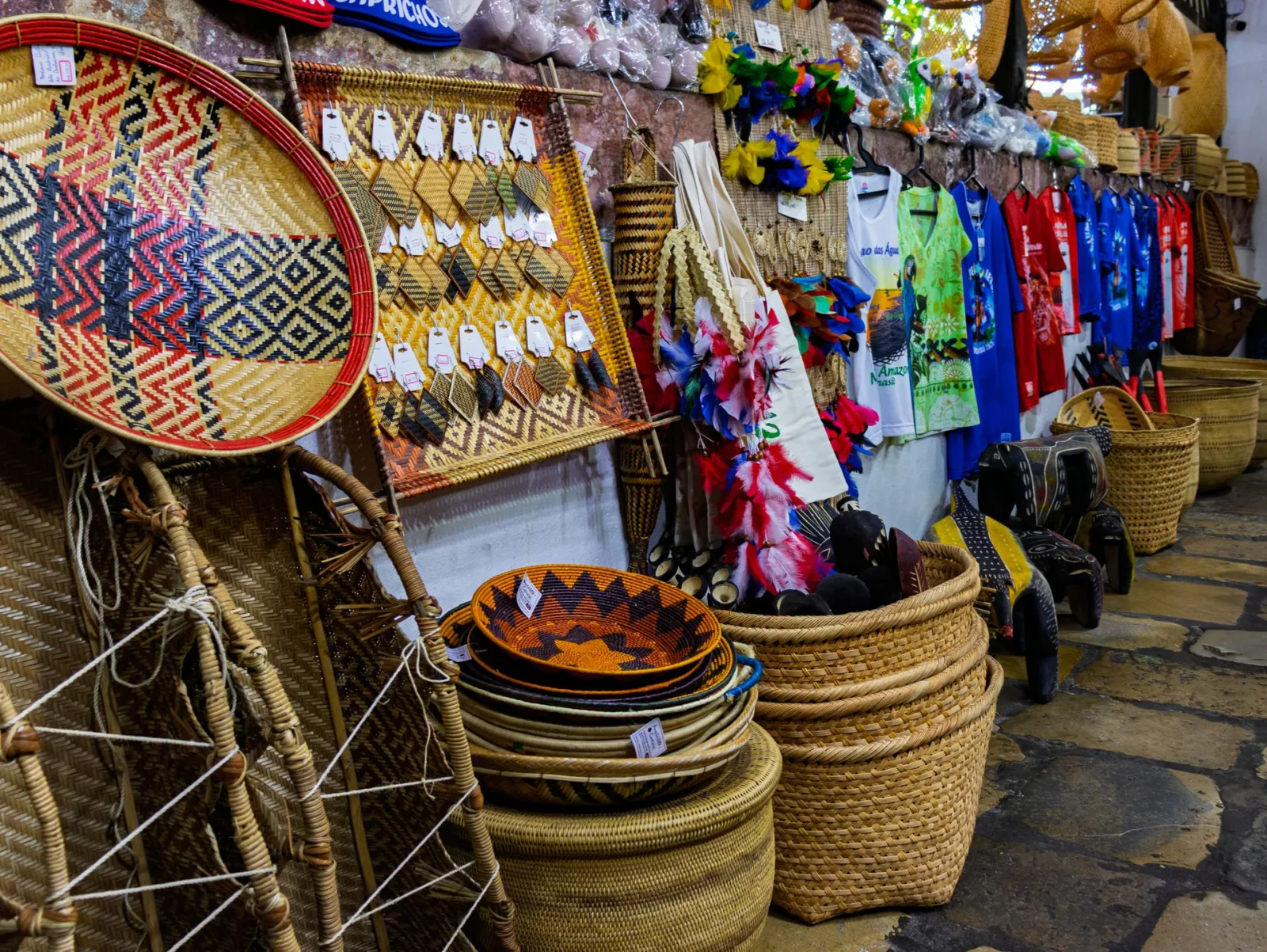
Famous Brands & Crafts

Shopping for alpaca textiles offers exceptional quality. Peruvian silver and ceramics are highly valued internationally.

  • Alpaca Textiles: Scarves, ponchos, sweaters (100% baby alpaca premium)
  • Silver Jewelry: Cusco & Arequipa known for handcrafted silverwork
  • Pisco & Wine: Local spirits and Ica valley wines excellent value
  • Textiles & Tapestries: Traditional Andean patterns, natural dyes
  • Ceramics: Shipibo-Conibo geometric designs, Ayacucho retablos
  • Chocolate & Coffee: Single-origin Peruvian cacao beans & organic blends
  • Chullos: Traditional knitted hats with ear flaps (Alpaca wool)
  • Panama Hats: Actually woven in Peru (Toquilla palm)

Supermarkets

Major chains like Wong, Metro, Plaza Vea, and Tottus offer wide product ranges with competitive prices.

  • Wong — Premium supermarket, excellent fresh produce & bakery
  • Plaza Vea — Mid-range chain, widely available, good selection
  • Metro — Hypermarket format, competitive pricing
  • Tottus — Value-focused, household essentials
  • Most supermarkets open 8 AM – 10 PM; 24-hour outlets in Lima
  • Local markets (mercados) cheaper for fruits, vegetables, meat
  • Tap water safe in Lima; use filtered/bottled in highlands & Amazon
  • ATMs widely available; notify bank before international travel
Peru Food & Cuisine Guide
Peruvian cuisine blends indigenous, Spanish, African, Chinese, and Japanese influences into one of the world's most celebrated culinary traditions.

Do: Try local ceviche, lomo saltado, and causa rellena — Peruvian cuisine is a major trip highlight.

Famous Cuisines

Peruvian food is globally recognized for its diversity, fresh ingredients, and unique flavor combinations.

  • Ceviche — Raw fish cured in lime juice, chili, onions (national dish)
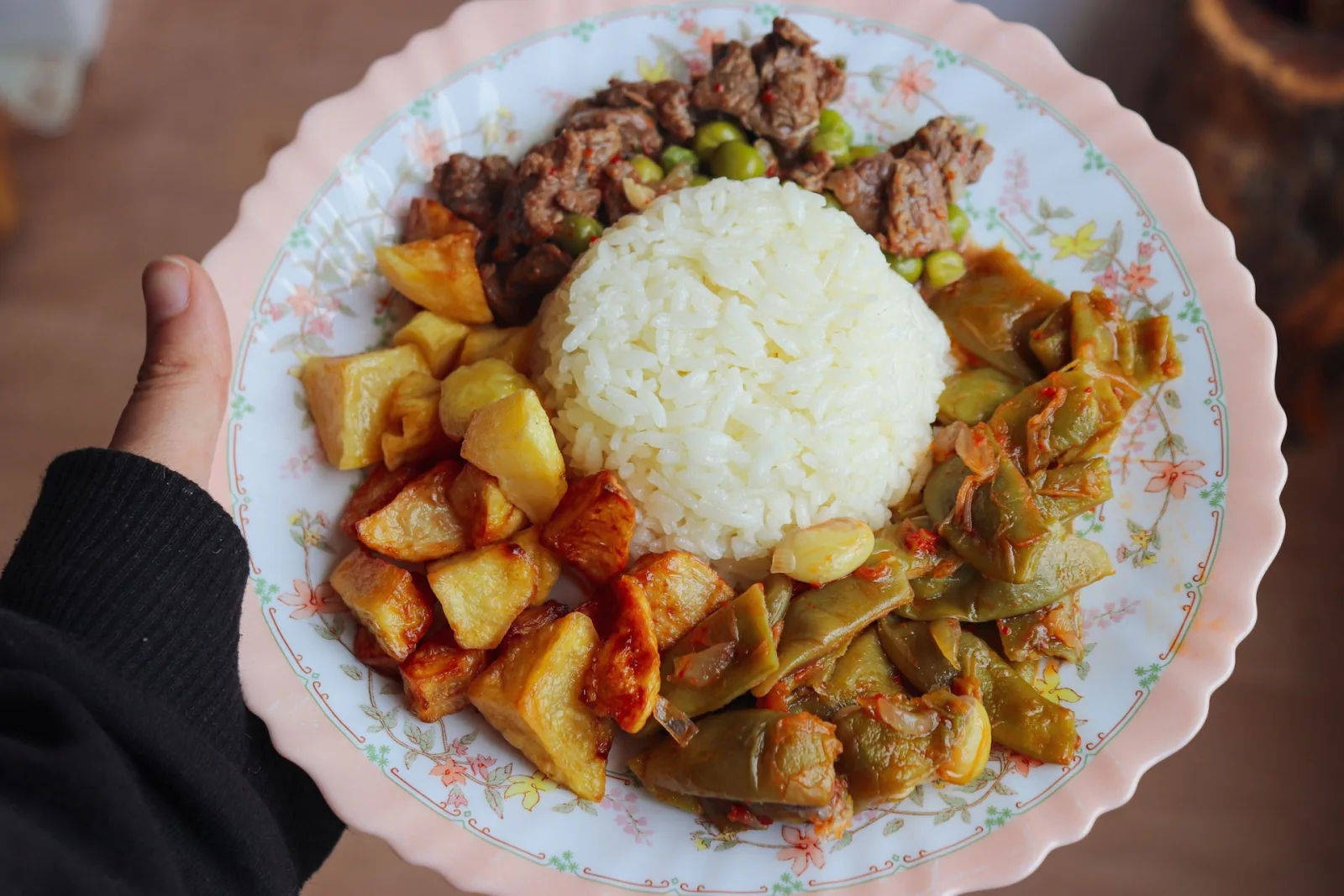
  • Lomo Saltado — Beef stir-fry with tomatoes, onions, fries, soy sauce
  • Anticuchos — Grilled beef heart skewers (traditional street food)
  • Causa Rellena — Mashed potato terrine layered with chicken/tuna
  • Aji de Gallina — Shredded chicken in creamy yellow chili sauce
  • Rocoto Relleno — Stuffed spicy peppers with meat & cheese (Arequipa)
  • Chifa — Peruvian-Chinese fusion (Lomo Saltado originated here)
  • Nikkei — Japanese-Peruvian fusion, high-end Lima restaurants

Famous Fruits

Peru's microclimates produce exotic fruits year-round. Markets offer affordable, fresh, and rarely exported varieties.

  • Lúcuma — Sweet, custard-like fruit (ice cream flavour)
  • Chirimoya — "Custard apple", creamy sweet flesh
  • Aguaymanto — Peruvian goldenberry, tart-sweet (vitamin C rich)
  • Carambola (Starfruit) — Sweet, juicy, star-shaped slices
  • Camu Camu — Amazonian berry, highest natural vitamin C
  • Sacha Inchi — Amazon nut, high protein, healthy fats
  • Manzana (Apple) — Andean varieties crisp and sweet

National Drink — Pisco Sour

Pisco Sour is Peru's signature cocktail — a blend of pisco grape brandy, lime juice, egg white, syrup, and bitters.

  • Made with Quebranta or Acholado grape brandy from Ica/Lima valleys
  • Shaken vigorously to create signature foamy top
  • Served chilled with Angostura bitters & cinnamon dust
  • First Saturday of February is National Pisco Sour Day
  • Non-alcoholic alternatives: Chicha Morada (purple corn drink), Emoliente
  • Try local craft beers & Amazonian fruit juices as well
  • Responsible drinking advised at high altitudes

Avg Cost Of Food

Budget travelers eat well for PEN 20–40/day at local markets. Tipping 10% is customary in sit-down restaurants.

  • Street Food/Menu del Día: PEN 8–15 (~₹180–₹350)
  • Mid-range Restaurant: PEN 30–60 (~₹700–₹1,400)
  • High-end/Fine Dining: PEN 150–300+ (~₹3,500–₹7,000)
  • Ceviche Plate: PEN 25–45 (~₹600–₹1,000)
  • Coffee/Juice: PEN 5–12 (~₹120–₹280)
  • Water (1.5L): PEN 2–4 (~₹45–₹90)

Tipping: 10% customary in restaurants. Not mandatory but appreciated for good service.

Peru Weather & Packing Tips
Peru spans three distinct regions — coast, highlands, and Amazon. Pack strategically for varying climates and altitudes.

Tip: Pack layers — coastal warmth, Andean cold, and jungle humidity require versatile clothing.

Weather

Peru has three major climate zones with distinct seasonal patterns.

  • Costa (Coast): Lima, dry/sunny Dec–Mar (20–30°C), cool/misty Jun–Sep (12–18°C)
  • Sierra (Highlands): Cusco, Machu Picchu — dry season May–Sep, wet Nov–Mar. Nights freeze Jun–Aug.
  • Selva (Amazon): Iquitos, Puerto Maldonado — hot/humid year-round (25–35°C), heavy rains Dec–Apr
  • Best time overall: May to September for Andean travel & trekking
  • Shoulder months: April & October offer fewer crowds & stable weather
  • UV Index: Very high in Andes (3,000m+) — sun protection essential
  • Microclimates: Weather changes rapidly in mountains; pack for all conditions

Clothes To Wear

Dress codes are casual. Pack lightweight, breathable fabrics and warm layers for high-altitude regions.

For Lima & Coast:

  • Light summer clothing (cotton, linen) for beach cities
  • Light jacket or sweater for coastal fog evenings
  • Comfortable walking shoes for city exploration
  • Smart-casual attire for upscale restaurants in Miraflores/Barranco
  • Rain jacket not needed Dec–Mar, but useful Apr–Oct

For Cusco & Andes:

  • Thermal base layers & fleece mid-layers
  • Windproof/waterproof outer shell
  • Sturdy hiking boots with ankle support
  • Warm hat, gloves, scarf for early mornings
  • Sun hat, sunglasses, SPF 50+ (high-altitude UV)
Peru Heritage & Cultural Highlights
UNESCO sites, Inca engineering, national symbols, and cultural landmarks that define Peru's historical identity.

UNESCO World Heritage Sites

Peru has 13 UNESCO World Heritage Sites total. Most offer guided tours and visitor centers with historical context.

  • Historic Sanctuary of Machu Picchu (1983) — Iconic Inca citadel, engineering marvel
  • City of Cusco (1983) — Capital of Inca Empire, colonial & indigenous architecture
  • Chan Chan Archaeological Zone (1986) — Largest mud-brick city in pre-Columbian Americas
  • Chavin Archaeological Site (1985) — Ancient ceremonial center, stone carvings
  • Huascarán National Park (1985) — Andean peaks, glaciers, endemic wildlife
  • Líneas y Geoglifos de Nasca y Palpa (1994) — Ancient desert geoglyphs & lines

National Symbols

The Peruvian national coat of arms features the vicuña, cinchona tree, and cornucopia representing flora, fauna, and wealth.

  • National Animal: Vicuña — elegant Andean camelid, symbol of freedom
  • National Bird: Andean Cock-of-the-rock (Tunqui) — vibrant orange plumage
  • National Flower: Cantuta (Kantuta) — sacred Inca flower, "flower of the Incas"
  • National Tree: Quina (Cinchona) — source of anti-malarial quinine
  • National Drink: Pisco Sour & Chicha Morada
  • National Dish: Ceviche
  • National Dance: Marinera (elegant coastal courtship dance)

Historical Events

Peru's history spans pre-Inca civilizations, Inca dominance, Spanish conquest, and modern independence.

  • 1533 — Spanish conquest & fall of Inca Empire
  • 1821 — Declaration of independence by José de San Martín
  • 1824 — Battle of Ayacucho, final Spanish defeat
  • 1980s–1990s — Internal conflict & economic recovery era
  • 2000s–Present — Democratic consolidation, tourism boom, gastronomic recognition
  • Machu Picchu Discovery — 1911 by Hiram Bingham III

Souvenirs

Best places to shop for authentic souvenirs: Pisac, San Pedro Market, Miraflores Artisan Fair, and Cusco craft centers.

  • Alpaca Textiles — Ponchos, scarves, sweaters (verify 100% baby alpaca)
  • Silver Jewelry — Cusco & Arequipa handcrafted pieces
  • Pisco & Wines — Ica valley bottles (duty-free airport option)
  • Chullos — Traditional Andean knitted hats
  • Ceramics & Retablos — Ayacucho dioramas, Shipibo pottery
  • Peruvian Chocolate — Single-origin cacao bars
  • Panama Hats — Toquilla palm woven in Peru
Notable Highlights for Indian Travelers
From literary legends to ancient engineering feats, discover what makes Peru unique on the global stage.

Famous People

  • Mario Vargas Llosa (1936–) — Nobel Prize-winning novelist & essayist
  • César Vallejo (1892–1938) — Influential Peruvian poet
  • Tekashi (Yma Sumac) (1922–2008) — Legendary soprano with extraordinary vocal range
  • Hiram Bingham (1875–1956) — Explorer who brought Machu Picchu to global attention
  • Pachacuti Inca Yupanqui — Visionary Inca emperor who expanded the empire
  • Claudio Pizarro (1978–) — Record-breaking Bundesliga footballer
  • Paolo Guerrero (1984–) — National team striker & football icon

Engineering Marvels

Peru's ancient civilizations built infrastructure that withstands earthquakes, extreme weather, and centuries of time.

  • Machu Picchu Dry-Stone Masonry — Precise cutting, no mortar, seismic resistance
  • Inca Road System (Qhapaq Ñan) — 30,000 km network across mountains & valleys
  • Moray Agricultural Terraces — Microclimate experimentation, altitude agriculture
  • Pisaq Irrigation Channels — Gravity-fed stone water management
  • Nazca Geoglyphs — Massive desert drawings visible from air, precise geometry

National Dish — Ceviche

  • Ceviche is Peru's culinary crown jewel and cultural symbol
  • Fresh fish (corvina, lenguado) cured in acidic lime juice
  • Leche de Tigre (tiger's milk) — citrus marinade with chili & ginger
  • Served with sweet potato, corn (choclo), cancha, lettuce
  • Prepared same-day for maximum freshness & food safety
  • Coastal towns & Lima markets offer best authentic versions
  • Festival de la Virgen del Carmen features regional variations

Is Peru expensive for Indians? An 8–10 day trip costs ₹1.2–2.5 lakh including flights, visa (FREE), hotels, and domestic transport.

Do Indians need a visa? No. Indian passport holders enjoy visa-free entry up to 183 days for tourism.

Flight duration? Flights from India to Lima typically take 22–30 hours with one or two layovers.

Is Peru safe for Indian tourists? Generally safe in tourist zones. Standard precautions apply. Use registered transport.

Currency? Peruvian Sol (PEN). Carry USD for exchange. Cards widely accepted in cities. UPI not available.

Frequently Asked Questions — Peru Travel for Indians
Quick, honest answers to the most common Peru travel questions from Indian travellers
1Do Indians need a visa for Peru? Has anything changed recently?
No visa is required. Indian passport holders enjoy visa-free entry to Peru for up to 183 days for tourism. No fees, applications, or embassy visits needed. Carry a valid passport (6+ months), return ticket, and proof of accommodation. Source confirmed for 2026 travel.
2Is Peru expensive for Indian tourists?
An 8–10 day Peru trip costs approximately ₹1.2–₹2.5 lakh per person including flights (₹85K–₹1.3L), visa (FREE), hotels, domestic transport, Machu Picchu tickets, and meals. On-ground costs are affordable; flights are the largest expense.
3How long is the flight from India to Peru?
Flights take 22–30 hours with one or two layovers, typically via Amsterdam, Madrid, Miami, or Panama City. There are no direct flights from India to Lima (LIM). Book multi-city or open-jaw tickets for efficient routing.
4What is the best time to visit Peru from India?
May to September is the dry season, ideal for Machu Picchu, Cusco, and trekking. December to March suits coastal Lima and the Amazon. Shoulder months (April & October) offer fewer crowds and stable weather for Indian travelers.
5Is Peru safe for Indian tourists?
Peru is generally safe for Indian tourists. Tourist zones in Lima, Cusco, and Arequipa are well-policed. Use app-based taxis, guard valuables in markets, avoid unlicensed guides in remote areas, and travel with reputable operators for trekking.
6Do Indians need a transit visa for Peru flights?
If transiting through the US, a valid US visa or ESTA is required. Transit via Madrid, Amsterdam, Panama City, or Bogotá does not require a transit visa for Indian passport holders. Verify layover terminal rules before booking.
7What is the Machu Picchu entry process for Indians?
Entry requires pre-booked timed tickets via the official MINCETUR website. Inca Trail permits sell out 6–8 months in advance. Carry your original passport; entry checkpoints cross-check names against ticket IDs. No on-site ticket sales available.
8Can I use Indian Rupee or UPI in Peru?
No. Indian Rupee is not accepted. The official currency is Peruvian Sol (PEN). UPI is not available. The key tip: carry USD cash for easy exchange at banks or casas de cambio. Visa/Mastercard are widely accepted in cities, hotels, and restaurants.
9What plug type is used in Peru?
Peru uses Type A (US 2-pin flat) and Type C (European 2-pin round) outlets at 220V, 60Hz. Indian Type C plugs work directly. Indian Type D (3-pin round) plugs require a universal adapter. Most modern chargers auto-switch 100–240V.
10What is the national dish of Peru?
Ceviche is Peru's signature dish — fresh raw fish cured in lime juice with onions, chili, and cilantro. Peru is also globally famous for Lomo Saltado, Anticuchos, Causa Rellena, and Pisco Sour.
11What is the time difference between India and Peru?
Peru is 10.5 hours behind Indian Standard Time (IST). Peru follows PET (UTC-5) year-round. When it is 12:00 PM in Lima, it is 10:30 PM in India. Adjust sleep schedule gradually upon arrival.
12Can vegetarian Indians find food in Peru?
Yes, especially in Lima and Cusco. Look for Quinoa-based dishes, Papa a la Huancaína, vegetarian anticuchos, chifa stir-fries, and extensive salad bars. Inform tour operators in advance for trekking days, as mountain menus are meat-heavy.
13Is altitude sickness a concern for Indian travelers?
Cusco sits at 3,400m. Mild altitude sickness is common on day 1. Arrive 24 hours before trekking, drink coca tea, avoid heavy meals initially, stay hydrated, and consult a doctor for acetazolamide if prone to AMS. Acclimatization is essential.
14Which is better — Machu Picchu trek or train?
For first-time visitors or limited fitness, the scenic train from Cusco/Ollantaytambo is recommended. Trekkers with time and fitness can book the classic 4-day Inca Trail (permits limited) or the 2-day short trek. Both require advance booking.
15Does Destination To Plan offer group tour packages to Peru?
Yes. Destination To Plan offers customised group and family tour packages to Peru including flights, Machu Picchu tickets, hotels, guided tours, domestic transfers, and visa-free entry assistance. Contact us for a personalised quote.


Have more questions? Our Peru travel experts can help plan your perfect Andean & Amazon adventure.

Talk to a Peru Travel Expert →

Note: Information provided is subject to change. Verify visa-free entry rules, flight schedules, Machu Picchu ticket policies, and travel advisories before your trip. Prices are approximate and may vary based on season, exchange rates, and local demand.

About This Peru Travel Guide

This Peru travel guide covers everything Indian travelers need from visa-free entry and Machu Picchu permits to altitude tips, local food, weather, shopping, and top attractions. Researched, regularly updated, and trusted by group tour planners and independent travelers.

Expert Curated Content

Every section — from Peru visa-free rules to Machu Picchu booking tips — is verified by travel professionals with South America trekking & high-altitude experience.

Regularly Updated Information

Peru travel costs, domestic transport, Machu Picchu entry rules, and embassy details are reviewed and refreshed to reflect current 2026 conditions.

Trusted by Indian Travelers

Used by group tour organizers, corporate travel planners, and independent travelers from India researching Peru itineraries, Inca Trail treks, and Lima city breaks.

Complete Peru Resource

One guide covering visa-free entry, cost, flights, itinerary, food, culture, weather, shopping, and heritage — all with India-specific context and 2026 accuracy.

More Travel Guides

Explore Other Destinations

Plan Your Peru Trip from India

Fill out the enquiry form below and our travel experts will help you plan your Peru tour — visa-free entry, flights, hotels, Machu Picchu permits, and guided tours.

Get assistance with visa-free documentation, flight bookings, Lima & Cusco hotels, Sacred Valley transfers, and complete Peru packages.

Enquire About This Package