Denmark is one of Europe’s most rewarding destinations for families, especially for those travelling from India. It offers a combination that is hard to find elsewhere: a deep sense of history that children can actually experience, world-class interactive museums, and theme parks that redefine the meaning of imagination. The country is safe, efficient, and incredibly family-friendly, with a culture that prioritises 'hygge' (coziness) and children's well-being.
For Indian families, Denmark has another advantage: it is a well-established route with convenient one-stop flights from Delhi and Mumbai to Copenhagen. The Schengen visa process is familiar, the domestic transport network is excellent, and the tourism infrastructure is geared towards international visitors. This guide focuses on the family travel experience: what to do with children of different ages, how to pace an itinerary, and what practical considerations matter when travelling from India. It does not repeat the full visa process, flight routes and cost breakdowns already covered in our complete Denmark Travel Guide; instead, it helps you decide how to structure a family trip and which experiences are worth prioritising.
Why consider Denmark for a family holiday?
Denmark works for families because it offers variety without requiring exhausting travel days. The country’s rail and road networks are excellent, connecting Copenhagen, Odense, and Billund in a few hours each. The food is child-friendly, the culture is welcoming to families, and there is a genuine mix of city sightseeing, interactive museums, and world-class theme parks.
- World-class theme parks: LEGOLAND Billund and Tivoli Gardens are not just amusement parks; they are immersive experiences that captivate children and adults alike.
- Fairy-tale history: Odense, the birthplace of Hans Christian Andersen, brings the stories of The Little Mermaid and The Ugly Duckling to life.
- Food culture: Danish food is a universal favourite with children. Pastries, meatballs, and the tradition of 'fika' are everywhere, and the relaxed pace suits families perfectly.
- Welcoming culture: Danish people are family-oriented, with playgrounds in most towns, child-friendly restaurants and a relaxed pace outside the major cities.
The main family-friendly regions are Copenhagen (history, Tivoli, museums), Odense (Hans Christian Andersen, open-air museum), and Billund (LEGOLAND). For a broader overview of regions and general planning, see the Denmark travel guide.
Best regions for Denmark family holidays
These regions suit different family styles. You do not need to visit all of them in one trip; choose two or three that match your children's ages and your appetite for moving between hotels.
1. Copenhagen — the fairy-tale capital
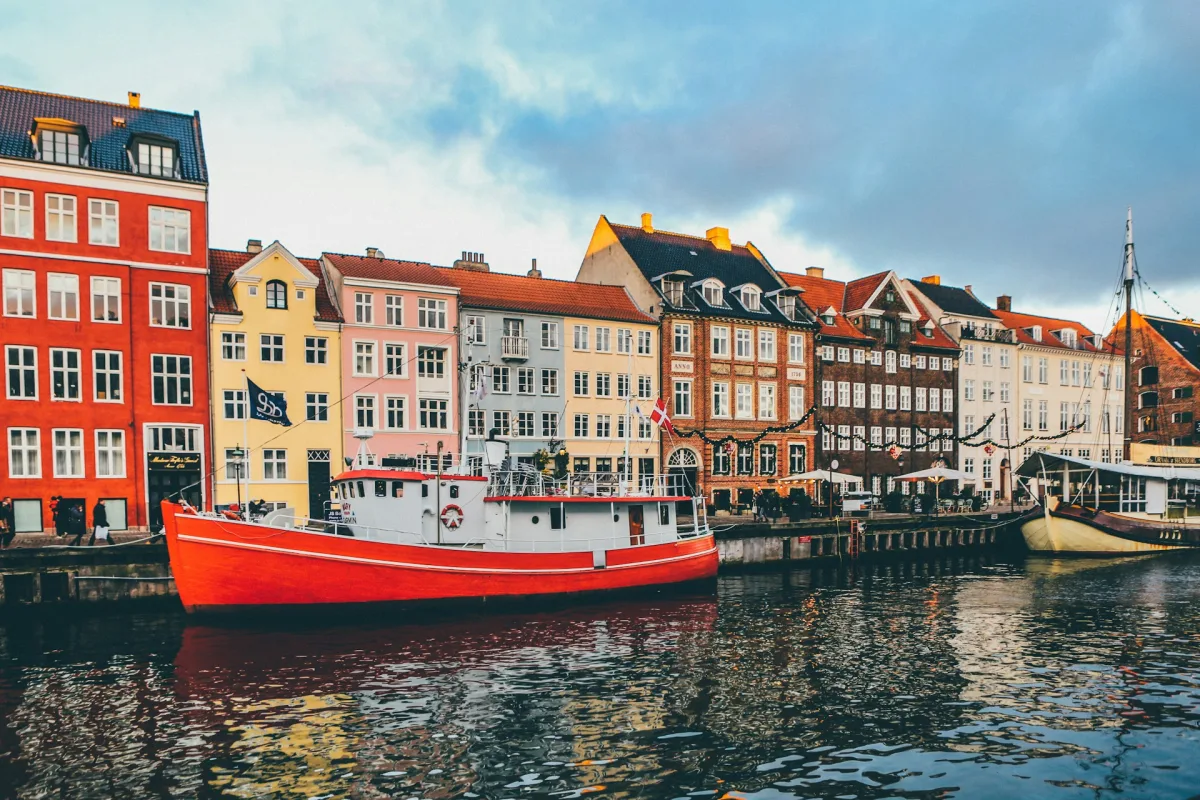
Copenhagen is an excellent starting point for a family trip. The Tivoli Gardens is a must-visit, offering a mix of historic charm and thrilling rides. The Experimentarium is a hands-on science center that children love. For a change of pace, the Nyhavn harbor offers colorful photo opportunities, and the Little Mermaid statue is a quick, iconic stop. The city is also home to the National Museum of Denmark, which has an excellent Children's Museum.
Best for: Families with children of any age; first-time visitors who want a low-stress base with excellent museums and easy day trips.
2. Billund — the LEGOLAND adventure
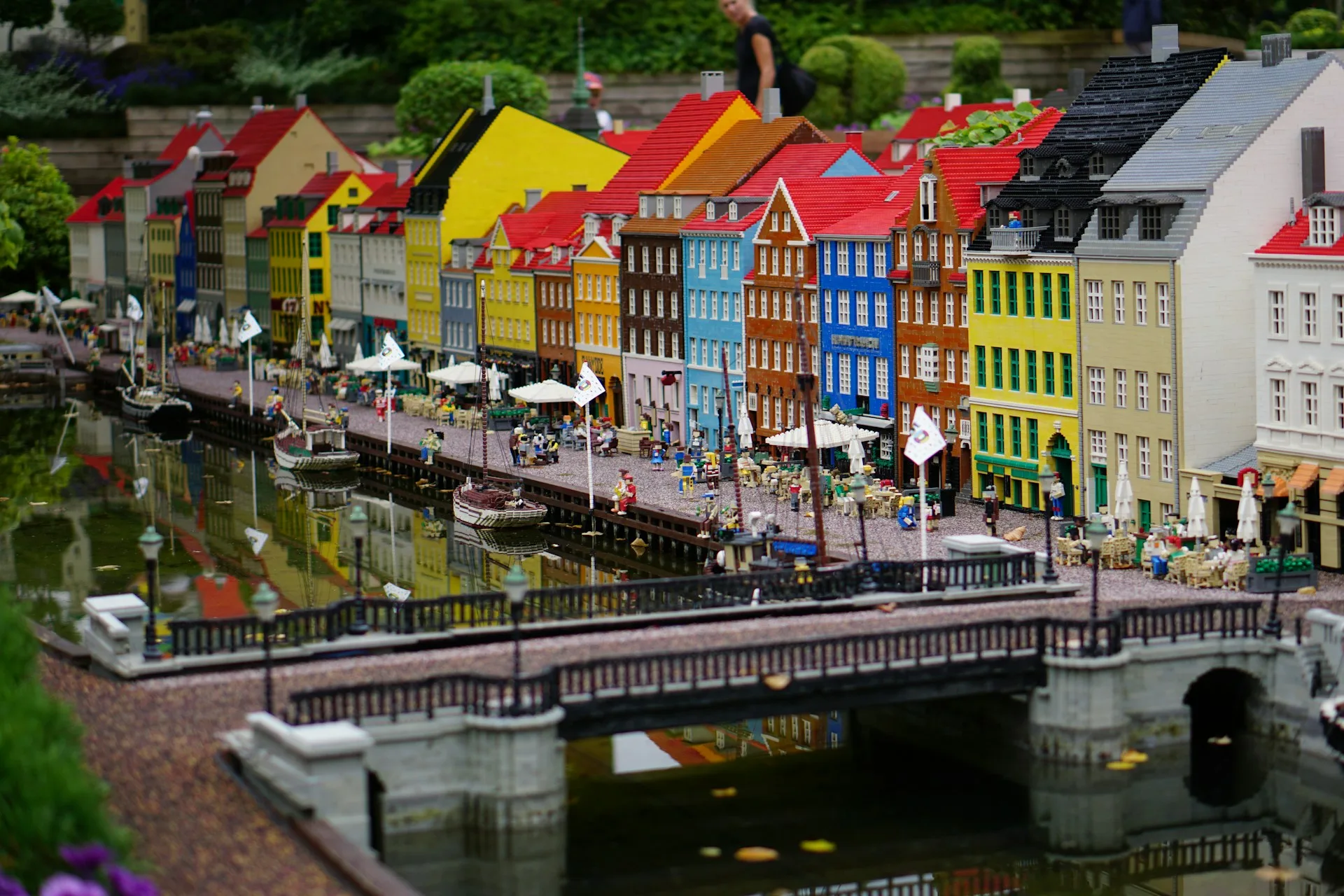
Billund is the home of the original LEGOLAND park. This is a full-day (or even multi-day) experience for families with children of all ages. From the intricate Miniland recreations to the thrilling roller coasters and the gentle Duplo Land for toddlers, there is something for everyone. It is the highlight of many family trips to Denmark.
Best for: Families with children of all ages; a memorable, storybook experience.
3. Odense — Hans Christian Andersen's hometown
Odense is a charming city that brings the fairy tales of Hans Christian Andersen to life. The modernised Hans Christian Andersen Museum uses interactive exhibits to tell his story, and the old town features his childhood home. For a hands-on history experience, the Funen Village open-air museum recreates rural life from the 1800s.
Best for: Families with school-age children who enjoy history and exploration; a manageable base for exploring the island of Funen.
4. North Zealand — castles and coast
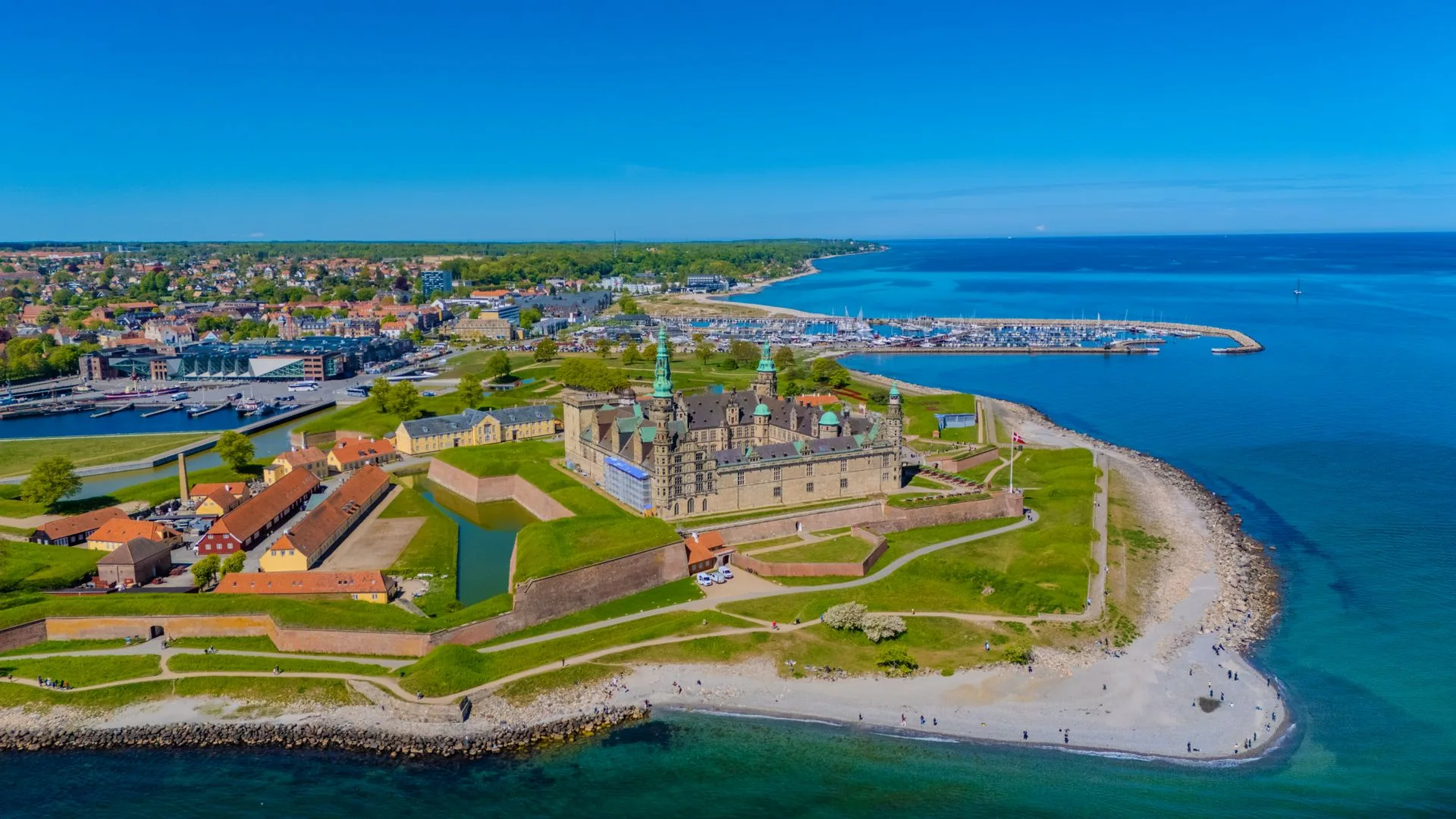
Just north of Copenhagen, the Kronborg Castle in Helsingør is a UNESCO World Heritage Site and the legendary setting of Shakespeare's Hamlet. Families can explore the royal chambers and underground casemates. The nearby M/S Maritime Museum is a fascinating underground museum designed by Bjarke Ingels.
Best for: Families with older children and teenagers; a mix of high-altitude fun and cultural highlights.
Best family activities in Denmark
These experiences form the core of a family itinerary. They are not the only things to do, but they cover the highlights that most families find memorable.
1. LEGOLAND Billund
The original LEGOLAND park is a must for families. With over 50 rides and attractions, including Miniland (incredible LEGO recreations of world landmarks) and Duplo Land for younger children, it is a full day of imagination and thrills.
2. Tivoli Gardens in Copenhagen
The historic Tivoli Gardens is one of the world's oldest amusement parks and a magical experience for families. With beautiful gardens, thrilling rides, live performances, and evening illuminations, it is a perfect blend of nostalgia and excitement.
3. Kronborg Castle in Helsingør
The legendary Kronborg Castle is a UNESCO World Heritage Site and the setting of Shakespeare's Hamlet. Families can explore the royal chambers, underground casemates, and maritime history exhibits.
4. Experimentarium in Copenhagen
The Experimentarium is Denmark's premier science center, with over 300 hands-on exhibits that make learning fun. Children can create giant soap bubbles, explore the human body, and conduct scientific experiments.
A suggested 7-day Denmark family itinerary
This outline assumes you are flying into Copenhagen (CPH) and out of Copenhagen. It balances city sightseeing, theme parks, and historical exploration without excessive travel.
| Day | Suggested plan | Family pacing tip |
|---|---|---|
| 1 | Arrive in Copenhagen, transfer to hotel, gentle evening stroll and welcome dinner. | Keep the first day light after the long-haul flight. |
| 2 | Gamla Stan (Old Town), Royal Palace, and the Little Mermaid statue. | Book a family-friendly guided tour; carry water and snacks. |
| 3 | Vasa Museum, Skansen open-air museum, and the ABBA Museum. | Book museum tickets in advance; keep the afternoon flexible. |
| 4 | Day trip to Kronborg Castle and Helsingør. | Book train tickets in advance; keep the afternoon light. |
| 5 | Day trip to LEGOLAND Billund. | Book park tickets in advance; plan a rest after the early start. |
| 6 | Day trip to Odense: Hans Christian Andersen Museum and Funen Village. | Book museum tickets in advance; keep the evening free. |
| 7 | Final morning in Copenhagen, transfer to airport for departure. | Allow buffer time for check-in and security. |
If you have more time, add a night in Aarhus for the ARoS Art Museum or extend your stay in Copenhagen to explore more of the city's neighborhoods. If you have less time, focus on Copenhagen and LEGOLAND, which is the most manageable combination for a first family trip.
Practical planning for Indian families
Visa and entry
Indian passport holders need a Schengen short-stay visa to enter Denmark. The application requires proof of accommodation, travel insurance, flight reservations, and financial documents. Apply well in advance, especially during peak travel seasons. Full details on the process, documents and fees are in the Denmark travel guide.
Flights from India
There are no direct flights from India to Denmark. The most practical routings go via a European hub such as Frankfurt, Munich, Paris, or Helsinki. Flight times range from 11 to 15 hours depending on the layover. Booking a single ticket through a major airline or codeshare partner usually makes the journey smoother.
Best time to visit
The best months for family travel are late spring (May–June) and early autumn (September), when the weather is pleasant, crowds are manageable, and attractions are fully open. Summer (July–August) is peak season: expect higher prices and larger crowds, but also the warmest weather and the most festivals. Winter (November–March) is quieter and cheaper, but some attractions have reduced hours and the weather can be cold and grey.
Food and dining
Danish food is hearty and child-friendly. Traditional dishes include smørrebrød (open-faced sandwiches), frikadeller (meatballs), and the famous Danish pastries. Vegetarian options are increasingly common. Tap water is safe to drink, and bottled water is widely available. Be aware that some restaurants charge a cover charge (couvert) per person.
Getting around
Denmark has an efficient public transport network. In Copenhagen, the metro and trams are the fastest way to get around, but it can be crowded during peak hours. For families, pre-arranged private transfers can be easier for airport and city-to-city travel. The train network connects major cities efficiently; booking tickets in advance can save money. For LEGOLAND and Odense, the train is the most convenient option.
Safety and health
Denmark is generally safe for families, but take normal precautions with belongings, especially in crowded tourist areas like the Nyhavn harbor and Tivoli Gardens. The main health considerations are sun exposure in summer and cold weather in winter. Routine vaccinations should be up to date; consult a travel clinic before departure.
Budgeting
Denmark is one of Europe's more expensive destinations. A realistic cost breakdown for 2026 from India: return flights ₹50,000–₹80,000, Schengen visa ₹8,000–₹10,000, hotels (per night) ₹12,000–₹20,000, food (per day) ₹4,000–₹8,000, local transport (per day) ₹1,500–₹3,000, activities ₹15,000–₹25,000 total. A 7-day trip typically costs ₹2L–₹3.5L per person.
Packing essentials
- Comfortable walking shoes for cobblestone streets and long museum visits.
- Layers for variable weather, especially in spring and autumn.
- A waterproof jacket or umbrella (rain is possible year-round).
- Refillable water bottles.
- A lightweight stroller for younger children (cobblestones can be challenging).
- Snacks for children during long days out.
- A power adapter (Denmark uses Type C and K plugs, 230V).
How to choose the right Denmark family tour package
Start with your family's priorities. If history and museums are the main draw, base yourself in Copenhagen. If theme parks are the dream, add LEGOLAND and Tivoli. The classic Copenhagen–Odense–Billund route is a proven favourite for first-time family visits. When comparing packages, ask whether airport transfers, hotel, train tickets and guided excursions are included. Check the room configuration for your family size and confirm cancellation terms.
At Destination To Plan, we can discuss a custom Denmark itinerary that matches your family's interests and pace. You can explore our Denmark family tour package or get in touch with our travel team to start planning.
Ready to plan your Denmark family holiday?
Explore our Denmark travel guide for visa and cost details, and speak with Destination To Plan about shaping an itinerary around your family's ages and interests.
View Denmark Family TourFrequently asked questions
1. Is Denmark a good destination for a family holiday?
Yes. It combines iconic sights like LEGOLAND and Tivoli Gardens with interactive museums, natural wonders, and family-friendly food. The train network makes it easy to travel between regions without long road transfers.
2. Do Indian citizens need a visa for Denmark?
Yes, Indian passport holders need a Schengen short-stay visa. The application requires proof of accommodation, travel insurance, flight reservations, and financial documents. Apply at least 6–8 weeks in advance.
3. What is the best time to visit Denmark with kids?
Late spring (May–June) and early autumn (September) offer pleasant weather and manageable crowds. Summer is warmest but busiest, while winter is quieter but colder.
4. Is LEGOLAND Billund suitable for young children?
Yes, LEGOLAND is designed for families. It has gentle rides and Duplo Land for young children, as well as thrilling roller coasters for older kids and teens. It is a full-day highlight.
5. How many days do I need in Denmark?
Seven to ten days is a good starting point for a family trip covering Copenhagen, Odense, and Billund. More time allows a more relaxed pace or additional regions like Aarhus.
6. Is Danish food suitable for children?
Yes, Danish food is very child-friendly. Meatballs, pastries, and open-faced sandwiches are universally popular, and most restaurants offer children's menus. Vegetarian options are increasingly common.
7. What should I pack for a family trip to Denmark?
Pack comfortable walking shoes, layers for variable weather, a waterproof jacket, refillable water bottles, and a lightweight stroller for younger children. Snacks for children are also useful.
8. Is Denmark expensive for Indian travellers?
Yes, Denmark is one of Europe's more expensive destinations. A 7-day trip typically costs ₹2L–₹3.5L per person. Careful planning, advance bookings, and self-catering can help manage costs.
A European family adventure with something for everyone
Denmark is not just a destination for history buffs and nature lovers. It is a country that can delight children with LEGO creations, fairy-tale castles, scenic train rides, and the simple pleasure of a warm Danish pastry. With a thoughtful itinerary and a flexible attitude, a family trip to Denmark can be one of the most rewarding holidays you take together.
Start with the Denmark travel guide for visa and cost basics, then use this guide to shape the family adventure side of your trip. When you are ready to discuss a custom itinerary, our team can help.
Travel information in this article is general planning guidance. Visa rules, prices, opening hours and tour availability can change. Confirm current details with official sources and your travel provider before departure.