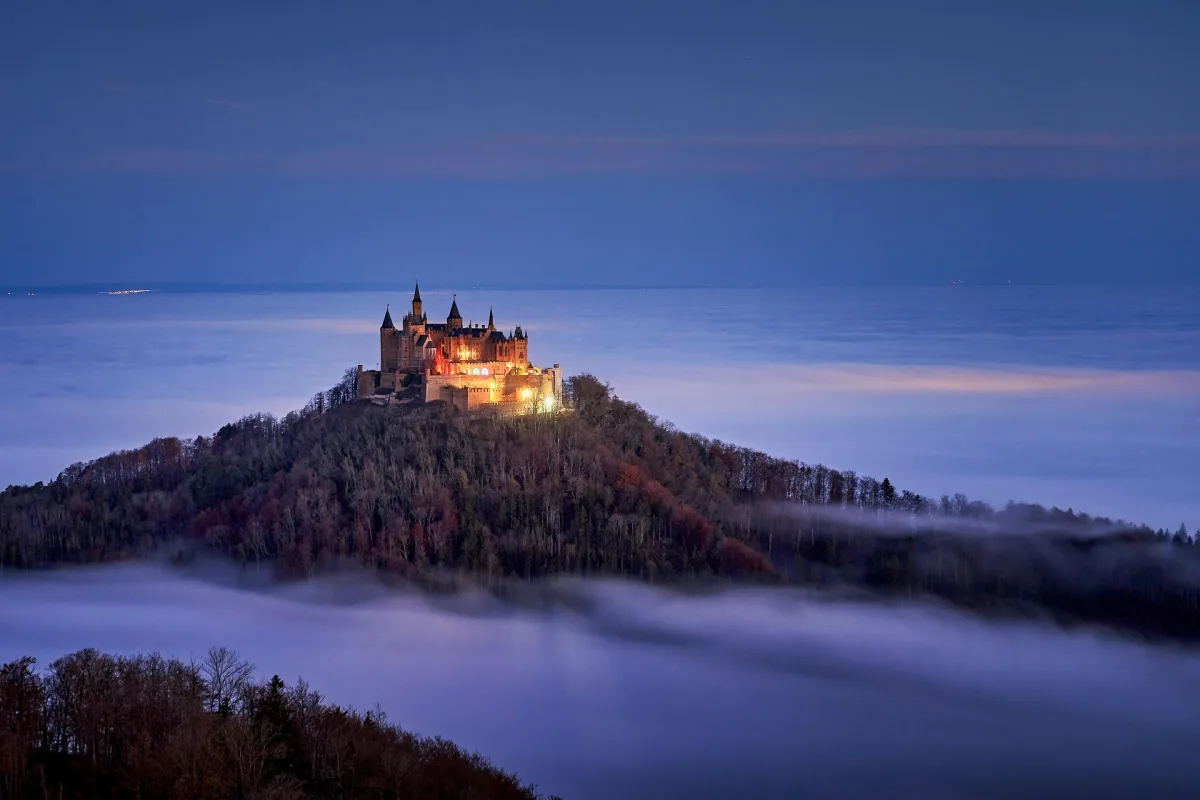
Germany is one of Europe's most underrated destinations for families, especially for those travelling from India. It offers a combination that is hard to find elsewhere: genuine historical depth, world-class interactive museums, and a culture that embraces children. Unlike some European destinations where you might feel self-conscious taking young kids to a restaurant, Germany is welcoming and family-oriented. Children are welcomed in biergartens, the pace is relaxed, and the food — from pretzels to schnitzel to Black Forest cake — is universally popular.
For Indian families, Germany has another advantage: it is a well-established route with direct flights from Delhi and Mumbai to Frankfurt or Munich. The Schengen visa process is familiar, the rail network is exceptional, and the tourism infrastructure is geared towards international visitors. Germany places a strong emphasis on children's science education, and many museums have dedicated interactive areas that encourage hands-on experiences rather than passive viewing. This guide focuses on the family travel experience: what to do with children of different ages, how to pace an itinerary, and what practical considerations matter when travelling from India. It does not repeat the full visa process, flight routes and cost breakdowns already covered in our complete Germany Travel Guide; instead, it helps you decide how to structure a family trip and which experiences are worth prioritising.
Why consider Germany for a family holiday?
Germany works for families because it offers variety without requiring exhausting travel days. The country's rail network is exceptional, connecting Berlin, Munich and the Bavarian countryside in a few hours each. The food is child-friendly, the culture is welcoming to families, and there is a genuine mix of city sightseeing, hands-on museums and outdoor adventure.
- World-class interactive museums: The Deutsches Museum in Munich and the Museum für Naturkunde in Berlin are genuinely engaging for children, with hands-on exhibits covering science, technology and dinosaurs.
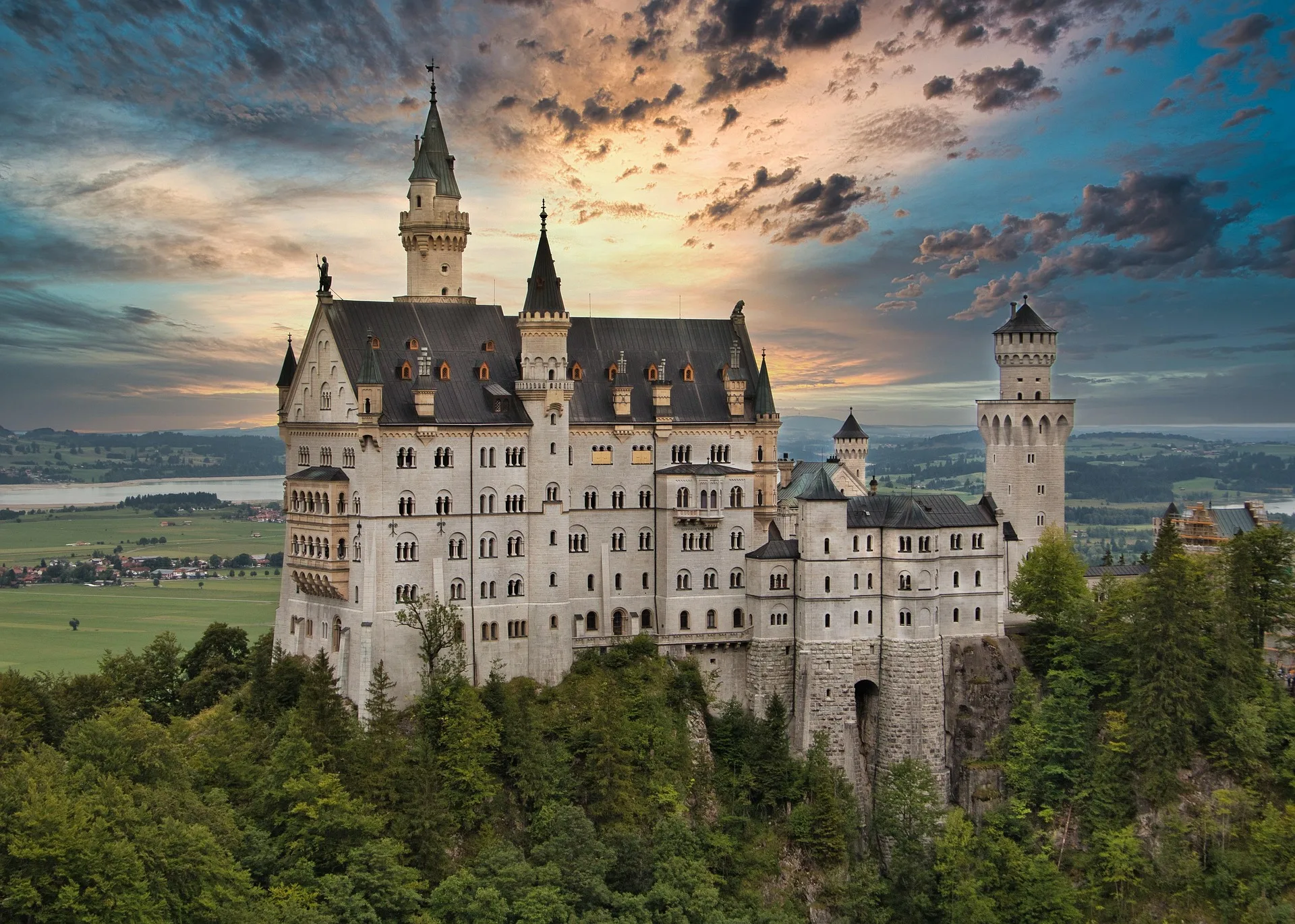
- Fairy-tale castles: Neuschwanstein Castle is the prototype for Disney's castle, and standing on Marienbrücke feels like stepping into a storybook. The Grimm fairy-tale towns of Bavaria add to the magic.
- Family-friendly transport: Germany's rail system is one of the best in the world, and children travel free or at reduced rates on most trains.
- Welcoming culture: Germany is family-oriented, with playgrounds in most towns, child-friendly restaurants and a relaxed pace outside the major cities.
The main family-friendly regions are Berlin (history, museums, parks), Munich (science museums, biergartens, day trips), Bavaria (Neuschwanstein, the Romantic Road, alpine lakes), and the Black Forest or Rhine Valley for outdoor adventure. For a broader overview of regions and general planning, see the Germany travel guide.
Best regions for German family holidays
These regions suit different family styles. You do not need to visit all of them in one trip; choose two or three that match your children's ages and your appetite for moving between hotels.
1. Berlin — hands-on history and science
Berlin is an excellent starting point for a family trip, combining gritty history with world-class museums. The Museum für Naturkunde has an enormous brachiosaurus skeleton that dinosaur fans will love, plus fossil touch experiences. The DDR Museum is interactive and engaging, letting children explore everyday life in East Germany. The Berlin Zoo is one of the oldest and most comprehensive in Europe, and the sprawling Tiergarten offers space to run and playgrounds to burn off energy. For a change of pace, the Berlin Wall Memorial and East Side Gallery provide a visual, accessible introduction to the city's divided history.
Best for: Families with school-age children; first-time visitors who want a low-stress base; travellers who prefer city sightseeing with easy day trips.
2. Munich — science, parks and Bavarian charm
Munich is a fantastic base for families, combining the Deutsches Museum (one of the world's largest science and technology museums, with hands-on exhibits covering aerospace and mechanics) with the vast English Garden, where you can watch surfers on the Eisbach river and let children run free. The Hellabrunn Zoo is a highlight, and the BMW Museum offers interactive racing games and seven themed exhibition halls that appeal to car-loving kids. The Marienplatz and the Residenz add a dose of Bavarian history and culture.
Best for: Families with children interested in science and technology; a comfortable base for day trips to the Alps and castles.
3. Bavaria — fairy-tale castles and alpine adventure
Bavaria is the Germany of children's imaginations. Neuschwanstein Castle is the undisputed highlight — the castle that inspired Disney's Sleeping Beauty castle — and the view from Marienbrücke is genuinely magical. Nearby, Hohenschwangau Castle and the Tegelberg luge add to the adventure. For a full fairy-tale experience, visit the Märchenwald Isartal (fairy-tale forest) or explore the medieval town of Rothenburg ob der Tauber, with its walkable walls and Night Watchman tour. The Zugspitze cable car offers alpine views, and the Black Forest is a short drive away for forest walks and cake.
Best for: Families with children of all ages; a memorable, storybook end to a German trip.
4. The Romantic Road and Rothenburg — medieval charm
The Romantic Road is a scenic route through medieval towns and rolling countryside. Rothenburg ob der Tauber is the standout stop, with its fully intact medieval walls, cobblestone streets and the famous Night Watchman tour — a hit with children. The town also has playgrounds and is small enough to explore on foot. It is a convenient stop between Frankfurt and Munich, and makes a pleasant contrast to the big cities.
Best for: Families with younger children; a slower-paced, storybook interlude between city stops.
Best family activities in Germany
These experiences form the core of a family itinerary. They are not the only things to do, but they cover the highlights that most families find memorable.
1. Deutsches Museum, Munich — science comes to life
The Deutsches Museum is one of the world's largest science and technology museums, and it is perfectly suited to children. Hands-on exhibits cover aerospace, mechanics, energy and more, so children can learn while they play. Allow at least half a day here. The museum is close to the Isar river and the English Garden, making it easy to combine with outdoor time.
2. Neuschwanstein Castle — the fairy-tale experience
Neuschwanstein Castle is the reason many families come to Bavaria. The castle itself is spectacular, but the real magic is the view from Marienbrücke, the bridge that offers the classic postcard perspective. Book tickets online in advance (they sell out), and be prepared for a uphill walk or a horse-drawn carriage ride. Combine the visit with a trip to Hohenschwangau Castle or the Tegelberg luge for a full day of adventure.
3. Berlin's Museum für Naturkunde — dinosaurs and beyond
The Museum für Naturkunde in Berlin is home to one of the world's largest dinosaur skeletons — an enormous brachiosaurus that has strong visual impact for children. The museum also offers fossil touch experiences and interactive exhibits that bring natural history to life. It is a manageable size for younger children and pairs well with a visit to the nearby Berlin Zoo or a walk in the Tiergarten.
4. Miniatur Wunderland, Hamburg — the world's largest model railway
Miniatur Wunderland in Hamburg is a must-visit for families with children of any age. It recreates cities and railways in miniature with incredible detail that keeps children mesmerised for hours. The attention to detail is astonishing, and there are interactive buttons to press that bring the scenes to life. It is one of Germany's most popular attractions, so book tickets online in advance.
5. Rothenburg's Night Watchman tour — medieval adventure
Rothenburg ob der Tauber is a beautifully preserved medieval town, and the Night Watchman tour is a fun, theatrical way to explore it with children. The tour is led by a costumed guide carrying a lantern, and it brings the town's history to life through stories and anecdotes. The town walls are walkable, and there are playgrounds for a mid-day break.
A suggested 8-day Germany family itinerary
This outline assumes you are flying into Berlin (BER) and out of Munich (MUC), or vice versa. It balances city sightseeing, fairy-tale castles and outdoor adventure without excessive travel. It follows a relaxed 8-day family itinerary recommendation.
| Day | Suggested plan | Family pacing tip |
|---|---|---|
| 1 | Arrive in Berlin, transfer to hotel, gentle evening stroll near the Brandenburg Gate. | Keep the first day light after the long-haul flight. |
| 2 | Museum für Naturkunde (dinosaurs), Berlin Zoo or Tiergarten. | Start early to avoid crowds; carry snacks. |
| 3 | DDR Museum and East Side Gallery, afternoon at leisure. | Keep the pace flexible; let children choose between museum and park. |
| 4 | Train to Munich (about 4 hours). Afternoon at the English Garden or Deutsches Museum. | Book train tickets in advance; carry snacks for the journey. |
| 5 | Day trip to Neuschwanstein Castle and Hohenschwangau. | Book castle tickets online; bring a light jacket for the mountain. |
| 6 | Munich: BMW Museum, Hellabrunn Zoo, or a relaxed day at the biergarten. | Let children choose between cars and animals. |
| 7 | Day trip to Rothenburg ob der Tauber (Night Watchman tour if timing allows). | Book the train; walk the medieval walls. |
| 8 | Final morning in Munich, transfer to airport for departure. | Allow buffer time for check-in and security. |
If you have more time, add a night in Hamburg for Miniatur Wunderland or extend your stay in the Black Forest or Rhine Valley. If you have less time, focus on Munich and Bavaria, which is the most manageable combination for a first family trip.
Practical planning for Indian families
Visa and entry
Indian passport holders need a Schengen short-stay visa to enter Germany. The application requires a valid passport with at least three months' validity beyond your planned return date and at least two blank pages, two recent passport-size photographs (35×45 mm, white background), a completed and signed application form, confirmed flight and hotel bookings, and travel medical insurance with minimum coverage of €30,000. You will also need bank statements for the last 3–6 months, salary slips or ITR, an employment letter and a cover letter explaining your itinerary.
As of 2026, the visa fee for adults is €90 (approximately ₹9,900), with a VFS service fee of around ₹1,933–₹2,420. Children aged 6–12 pay €45, and children under 6 are free. Apply at least 6–8 weeks in advance, especially during peak travel seasons. Full details on the process, documents and fees are in the Germany travel guide.
Flights from India
There are direct flights from Delhi and Mumbai to Frankfurt and Munich with Lufthansa, Air India and other carriers. Flight times are about 7.5 hours to Frankfurt and 7 hours to Munich. Off-peak return fares (January–March, excluding Christmas) are typically ₹35,000–45,000, shoulder season (April–May, October) is ₹45,000–55,000, and peak summer/Oktoberfest is ₹55,000–70,000. Booking a single ticket through a major airline or codeshare partner usually makes the journey smoother.
Best time to visit
The best months for family travel are late spring (May–June) and early autumn (September). These periods offer pleasant weather, fewer crowds, and plenty of seasonal festivals and outdoor activities. September is a sweet spot with fewer crowds, warm days and lower prices outside Munich during Oktoberfest. Summer (June–August) brings long days and the best weather, but also peak prices and crowds. Winter (November–March) is cold and grey, though the Christmas markets are magical for children.
Food and dining
German food is a universal favourite with children, and there are plenty of familiar options: pretzels, bratwurst, schnitzel, potato pancakes, and Black Forest cake. Vegetarian options are widely available, and many restaurants offer children's menus. Tap water is safe to drink, and bottled water is widely available. German meal times are earlier than in Spain or Portugal, which suits families with young children.
Getting around
Germany's rail network is one of the best in the world for families. Children under 6 travel free, and up to two children aged 6–11 travel free with each paying adult. The new DB family ticket (€99.99) allows up to five people unlimited travel on ICE, IC and EC trains in second class for a day, with a maximum of two adults and at least one child under 15. For regional travel, the Deutschland-Ticket (€49/month) covers all regional transport nationwide. Book ICE Sparpreis tickets 90 days early for the best fares.
Safety and health
Germany is generally safe for families, with low crime rates and excellent healthcare. Take normal precautions with belongings, especially in crowded tourist areas like the Brandenburg Gate and Marienplatz. The main health considerations are sun exposure in summer and cold weather in winter. Routine vaccinations should be up to date; consult a travel clinic before departure.
Budgeting
Germany offers good value compared to other Western European destinations like Switzerland or Scandinavia. A realistic cost breakdown for 2026 from India: return flights ₹65,000–₹1,10,000, Schengen visa ₹7,500–₹9,900, hotels (per night) ₹8,000–₹18,000, meals and activities, and DB trains. A 7-day mid-range trip typically costs ₹1.8L–₹3.5L per person, while budget travellers can manage ₹1.4L–₹2.2L with hostels and regional trains.
Packing essentials
- Comfortable walking shoes for cobblestone streets and castle visits.
- Layers for variable weather, especially in spring and autumn.
- A light jacket for mountain areas (Bavaria has big temperature swings).
- Refillable water bottles.
- A lightweight stroller for younger children (cobblestones can be challenging).
- Snacks for children during long days out.
- A power adapter (Germany uses Type F plugs, 230V).
How to choose the right Germany family tour package
Start with your family's priorities. If history and hands-on museums are the main draw, base yourself in Berlin and Munich. If fairy-tale castles and alpine scenery are more important, focus on Bavaria and the Romantic Road. The classic Berlin–Munich–Bavaria route is a proven favourite for first-time family visits. When comparing packages, ask whether airport transfers, hotel, train tickets and guided excursions are included. Check the room configuration for your family size and confirm cancellation terms.
At Destination To Plan, we can discuss a custom Germany itinerary that matches your family's interests and pace. You can explore our Germany family tour package or get in touch with our travel team to start planning.
Ready to plan your Germany family holiday?
Explore our Germany travel guide for visa and cost details, and speak with Destination To Plan about shaping an itinerary around your family's ages and interests.
View Germany Family TourFrequently asked questions
1. Is Germany a good destination for a family holiday?
Yes. Germany combines world-class interactive museums, fairy-tale castles, family-friendly transport and a welcoming culture. It is safe, efficient and offers excellent value compared to other Western European destinations.
2. Do Indian citizens need a visa for Germany?
Yes, Indian passport holders need a Schengen short-stay visa. The 2026 fee is €90 (₹9,900) for adults, €45 for children aged 6–12, and free for children under 6, plus a VFS service fee of around ₹1,933–₹2,420. Apply at least 6–8 weeks in advance.
3. What is the best time to visit Germany with kids?
Late spring (May–June) and early autumn (September) offer pleasant weather and manageable crowds. September is a sweet spot with warm days and lower prices outside Oktoberfest.
4. Is Neuschwanstein Castle suitable for young children?
Yes, especially if you book tickets in advance and prepare for the uphill walk. The view from Marienbrücke is the highlight, and the horse-drawn carriage ride adds to the experience for younger children.
5. How many days do I need in Germany?
Seven to eight days is a good starting point for a family trip covering Berlin, Munich and the Bavarian castles. Ten days allows a more relaxed pace or additional regions like Hamburg or the Black Forest.
6. Is German food suitable for children?
Yes, German food is very child-friendly. Pretzels, bratwurst, schnitzel, potato pancakes and Black Forest cake are universally popular. Vegetarian options are widely available, and many restaurants offer children's menus.
7. Do children need a train ticket in Germany?
Children under 6 travel free. Up to two children aged 6–11 travel free with each paying adult. The new DB family ticket (€99.99) allows up to five people unlimited travel on ICE trains for a day.
8. What should I pack for a family trip to Germany?
Pack comfortable walking shoes, layers for variable weather, a light jacket for mountain areas, refillable water bottles, a lightweight stroller for younger children, and a power adapter (Germany uses Type F plugs, 230V).
9. Is Germany expensive for Indian travellers?
Germany offers good mid-range value compared to other Western European destinations. A 7-day trip typically costs ₹1.8L–₹3.5L per person, including flights, visa, hotels, trains and activities. Budget travellers can manage ₹1.4L–₹2.2L with hostels and regional trains.
A European family adventure with something for everyone
Germany is not just a destination for history buffs and car enthusiasts. It is a country that can delight children with dinosaur skeletons, hands-on science museums, fairy-tale castles, and the simple pleasure of a warm pretzel on a medieval street. With a thoughtful itinerary and a flexible attitude, a family trip to Germany can be one of the most rewarding holidays you take together.
Start with the Germany travel guide for visa and cost basics, then use this guide to shape the family adventure side of your trip. When you are ready to discuss a custom itinerary, our team can help.
Travel information in this article is general planning guidance. Visa rules, prices, opening hours and tour availability can change. Confirm current details with official sources and your travel provider before departure.