Neuschwanstein Castle reflected in calm Alpine lake waters, Bavaria, Germany

Germany Travel Guide
for Indian Travelers

Schengen visa, trip cost, itinerary & transport tips — your complete guide to planning a trip to Germany from India in 2026.

Updated for 2026 Travelers
Written by Bilas Munda — Europe Travel Specialist
Reviewed by Vijay Prasad · Europe Travel Reviewer
Last updated after reviewing:
  • Schengen visa appointment wait times & biometric updates for Indians in 2026
  • Deutsche Bahn (DB) long-distance train ticket pricing & Deutschland-Ticket expansion
  • Germany ETIAS implementation timeline & impact on Indian passport holders

Last updated: April 2026

Germany Trip Cost from India (Detailed Breakdown)
Realistic cost breakdown for flights, visa, hotels, trains, and total budget for 2026

Cost Breakdown 2026

  • Return Flights: ₹65,000 – ₹1,10,000
  • Schengen Visa: ₹7,500 – ₹8,500 (including VFS service charge)
  • Hotels (per night): ₹8,000 – ₹18,000
  • Food (per day): ₹3,000 – ₹7,000
  • Local Transport (per day): ₹1,500 – ₹4,000 (DB trains + city passes)
  • Activities & Entry Fees: ₹15,000 – ₹30,000 total
  • Travel Insurance: ₹1,800 – ₹3,500
  • Total (7–10 days): ₹1.8L – ₹3.5L per person

Germany is moderately priced for Western Europe. Excellent rail networks reduce internal travel costs. Berlin and Munich are slightly more expensive than regional cities. Booking trains 60 days in advance saves up to 60% on fares.

Best Departure Cities

  • Delhi (DEL) — Highest number of direct & one-stop flights to Frankfurt/Munich
  • Mumbai (BOM) — Excellent Lufthansa, Emirates & Qatar connectivity
  • Bangalore (BLR) — Good options via Middle East or European hubs
  • Kolkata (CCU) & Hyderabad (HYD) — Mostly 1-2 stop routes, longer transit times

Delhi and Mumbai consistently offer the most competitive economy and premium economy fares to German hubs.

Ready to plan your Germany trip? Let us handle flights, Schengen visa, hotels, and guided rail itineraries.

View Germany Tour Packages →
Flight Routes from India to Germany
Flights from India to Germany take 8–14 hours. Here are the most reliable routing options for Indian passport holders.

Delhi to Frankfurt/Munich

  • Direct: DEL → FRA (Air India, Lufthansa) ~ 8.5 hrs
  • One Stop: DEL → DXB/Doha → FRA/MUC (Emirates, Qatar) ~ 10–12 hrs
  • Via Istanbul: DEL → IST → FRA/MUC (Turkish Airlines) ~ 11–13 hrs
  • Price Range: ₹70,000 – ₹1,20,000

Mumbai to Frankfurt/Berlin

  • Direct: BOM → FRA (Lufthansa) ~ 9 hrs
  • One Stop: BOM → DOH/IST → MUC/BER (Qatar, Turkish) ~ 12–14 hrs
  • Via Middle East: BOM → AUH → FRA (Etihad) ~ 11–13 hrs
  • Price Range: ₹65,000 – ₹1,10,000

Note: Frankfurt (FRA) and Munich (MUC) are primary international gateways. Berlin Brandenburg (BER) has fewer long-haul flights. Book domestic DB ICE trains to reach cities like Cologne or Hamburg within 2–4 hours. Check Europe travel guides for multi-country routing tips.

Germany vs France Cost for Indian Travelers
How does Germany compare to France on travel expenses? Practical comparison for Indian tourists planning a 7-day European trip.
ExpenseGermany (7 days)France (7 days)
Flights (from India)₹65K – ₹1.1L₹70K – ₹1.2L
Visa₹7.5K – ₹8.5K (Schengen)₹7.5K – ₹8.5K (Schengen)
Hotels/night₹8K – ₹18K₹10K – ₹22K
Food/day₹3K – ₹7K₹4K – ₹9K
Local Transport₹1.5K – ₹4K/day₹2K – ₹5K/day
Total Trip₹1.8L – ₹3.5L₹2.1L – ₹4L
Flights
Germany₹65K – ₹1.1L
France₹70K – ₹1.2L
Visa
Germany₹7.5K – ₹8.5K
France₹7.5K – ₹8.5K
Hotels/night
Germany₹8K – ₹18K
France₹10K – ₹22K
Total Trip
Germany₹1.8L – ₹3.5L
France₹2.1L – ₹4L

Germany offers better value on public transport (DB discounts, Deutschland-Ticket) and slightly lower food costs compared to Paris or Lyon. Both share identical Schengen visa fees.

Best Time to Visit Germany from India
Germany is a year-round destination. The ideal travel window depends on your itinerary goals and festival preferences.
MonthSeasonWeatherKey EventsIndia Travel Note
Jan–FebWinter0°C to 5°C, snow likelyWinter sports, BerlinaleCold & short days. Good for ski trips
MarEarly Spring4°C to 10°C, crispOktoberfest planning, Easter marketsShoulder season. Fewer crowds
Apr–MaySpring ✓✓10°C to 20°C, mildMay Day, Asparagus festivalsIdeal weather. Book 3–4 months ahead
Jun–AugSummer Peak18°C to 28°C, sunnyCultural fests, lake swimmingPeak tourist season. Higher hotel prices
Sep–OctAutumn ✓✓12°C to 20°C, crispOktoberfest, Wine harvestBest overall. Book Oktoberfest hotels early
NovLate Autumn5°C to 10°C, dampPre-Christmas markets openShort days, good for city breaks
DecWinter Festive-2°C to 6°C, snow possibleChristmas Markets (Weihnachtsmärkte)High demand for markets. Book 5+ months ahead
7-Day Germany Itinerary for Indian Travelers
A balanced week covering Berlin’s history, Bavaria’s castles, and efficient rail connections.

Day-by-Day Plan

  • Day 1–2: Berlin — Brandenburg Gate, Reichstag, East Side Gallery, Museum Island
  • Day 3: Berlin to Munich via ICE train (4 hrs). Marienplatz & English Garden
  • Day 4: Day trip to Neuschwanstein Castle & Hohenschwangau (guided bus/train tour)
  • Day 5: Munich to Stuttgart/Frankfurt. Explore Altstadt, Main River walk
  • Day 6: Cologne Cathedral, Rhine Valley cruise, Koblenz fortress
  • Day 7: Frankfurt departure or extended stay in Heidelberg

Planning Notes

  • Rail passes: DB Sparpreis tickets sell out fast. Book 90 days early or use the €49 Deutschland-Ticket for regional travel
  • Budget tip: Berlin & Leipzig are cheaper for accommodation than Munich or Frankfurt
  • Currency: ATMs offer better exchange rates than airport kiosks. Notify your Indian bank before travel
  • Language: English widely spoken. Download offline German packs for navigation
  • Vegetarians: Berlin & Munich have extensive vegan/vegetarian menus. Supermarkets label clearly
  • Luggage: Use DB luggage lockers (€3–€6) at major stations for day trips
  • Tourist tax: Many cities charge €2–€5/night. Usually added to hotel bill automatically

Want a seamless Germany itinerary? Our packages include DB rail passes, Schengen visa guidance, guided tours & 4-star stays.

Book Germany Tour Package →
Germany Visa for Indians — Complete Guide & Travel Essentials
Essential information for Indian travelers — Schengen visa process, CET timezone, plug types, and German transport apps.

Tip: Purchase the Deutschland-Ticket (€49/month) if traveling across multiple states. Covers all regional trains, trams & buses.

Germany Schengen Visa for Indians — 2026 Update

Update (2026): VFS Global now requires biometric enrollment for all Indian applicants regardless of prior Schengen visits. Appointments fill 4–6 weeks out. Germany Visa Details & Documentation

  • Visa Type: Schengen C-type (Tourist/Business) — max 90 days in 180-day window
  • Where to Apply: VFS Global centers across major Indian cities (Delhi, Mumbai, Bangalore, Chennai, Kolkata)
  • Documents: Passport (valid 3+ months post-return), application form, photos, flight itinerary, hotel bookings, travel insurance (€30K+ coverage), bank statements (6 months), employment proof, cover letter
  • Processing Time: 7–15 working days. Peak season (May–Sep, Dec) may extend to 3 weeks
  • Fee: €80 (₹7,200 approx) + VFS service charge. Non-refundable
  • ETIAS Note: Expected rollout in late 2026/2027. Indians will need prior online authorization + Schengen visa
CLICK TO KNOW MORE ABOUT SCHENGEN DOCUMENTATION & FEES

Time Zone

Germany follows Central European Time (CET, UTC+1) and Central European Summer Time (CEST, UTC+2) from March to October.

  • CET: UTC+1 (Nov–Mar) — 4.5 hours behind IST
  • CEST: UTC+2 (Mar–Oct) — 3.5 hours behind IST
  • When it is 12:00 PM in Berlin (Summer), it is 3:30 PM in India
  • Business hours: 9 AM – 6 PM (Mon–Fri)
  • Shops typically open 9 AM – 8 PM. Sundays: Most shops closed (except bakeries, train station stores)
  • Dinner served 6 PM – 9 PM (earlier than Southern Europe)

Country Code

International dialing code: +49. Major telecoms: Telekom, Vodafone, O2. Tourist eSIMs available online before travel.

  • Dialing from India: 00-49-[Area Code]-[Number]
  • Berlin area code: 30
  • Munich area code: 89
  • Emergency: 112 (Police/Ambulance/Fire across EU)
  • Tourist Police: Varies by city; dial 110 for non-emergency police
  • Wi-Fi: Free in most hotels, cafes, and DB long-distance trains

Socket & Plugs

Germany uses Type F (Schuko) plugs with 230V at 50Hz.

  • Type F (Schuko): 2-pin round with grounding clips
  • Standard voltage: 230V / 50Hz
  • Indian Type C (2-pin round) plugs work directly ✅
  • Indian Type D/M (3-pin round) plugs require a universal adapter
  • Hotels & hostels frequently provide adapters at reception
  • All modern phone/laptop chargers support 100–240V auto-switching

Indian Embassy in Germany

Embassy of India in Berlin & Consulates in Frankfurt & Hamburg provide consular support.

  • Embassy Berlin: Tiergartenstraße 17, 10785 Berlin
  • Contact: +49 30 2579 5102
  • Email: [email protected]
  • Consulate Frankfurt: Eschborner Landstraße 48, Frankfurt
  • Emergency (24/7): +49 176 2159 0355
  • Services: Passport renewal, attestation, emergency certificates, POA
  • MADAD Portal: Register before travel for real-time advisories

German Missions in India

German diplomatic missions handle visa processing via VFS Global. Direct embassy appointments are rare.

  • Embassy New Delhi: 6/50G Shanti Path, Chanakyapuri
  • Consulate General Mumbai: Cuffe Parade, Mumbai
  • Consulate General Bangalore: UB City, Bangalore
  • Consulate General Chennai: Express Avenue Mall area
  • Visa Processing: Handled exclusively through VFS Global centers
  • Website: germany.travel / vfsvisa.com
  • Working Hours: VFS centers typically 8 AM – 4 PM (Mon–Fri)

Car Driving Orientation

Right-Hand Drive (Opposite to India)

  • Germany drives on the right. Opposite steering wheel placement to India
  • International Driving Permit (IDP) + valid Indian license required
  • Autobahn: 80% have no speed limits. Advisory speed 130 km/h
  • Zero tolerance for alcohol (0.05% limit, 0.00% for new drivers)
  • Seatbelts mandatory. Child seats required under 12 years / 1.5m
  • Car rentals: Sixt, Europcar, Hertz widely available
  • City driving not recommended; use public transport or rent in rural areas
  • Parking fines are strict & frequently enforced via camera

Public Transport & Apps

DB Navigator & BVG Apps are Essential

  • DB Navigator: Official Deutschebahn app. Real-time schedules, mobile tickets, seat reservations
  • BVG Fahrinfo: Berlin U-Bahn, S-Bahn, tram & bus routing
  • FlixBus: Affordable long-distance coach alternative
  • Taxis: Freie Taxis, MyTaxi, Free Now. Uber operates in select cities
  • Payment: Contactless cards & mobile wallets widely accepted at ticket machines
  • Tip: Validate regional paper tickets before boarding. Fines: €60+
  • Cycling: Nextbike & Lime bikes available in major cities
  • Rail Passes: Deutschland-Ticket covers all regional transport for €49/month

Need Schengen visa documentation assistance? Our visa team ensures complete, error-free applications for German approvals.

Germany Visa Assistance →
Germany Culture, Language & Local Customs
Understand German etiquette, basic phrases, and social norms to navigate cities smoothly.

Official Language

German (Deutsch) — Official Language

  • Standard German (Hochdeutsch) used nationwide for official & tourist communication
  • Regional dialects (Bavarian, Swabian, Saxon, Plattdeutsch) vary significantly
  • English fluency is high, especially in Berlin, Munich, Hamburg & Cologne
  • Business & tourism sectors operate comfortably in English
  • Basic German phrases show respect: Guten Tag (Hello), Danke (Thank you), Entschuldigung (Excuse me)
  • Formal address uses Sie instead of du in professional settings
  • Translation apps work flawlessly in urban centers with 5G coverage

Essential Phrases

Master these quick German phrases to interact confidently with locals and transit staff.

  • Guten Tag — Good day (formal greeting)
  • Bitte — Please / You're welcome
  • Danke schön — Thank you very much
  • Sprechen Sie Englisch? — Do you speak English?
  • Entschuldigung — Excuse me / Sorry
  • Wo ist der Bahnhof? — Where is the train station?
  • Einen Kaffee, bitte — One coffee, please
  • Die Rechnung, bitte — The bill, please
  • Tschüss — Bye (informal)
  • Alles klar — All good / Understood

Public Etiquette

Germany values order, punctuality, and quiet public spaces. Following local norms ensures respectful travel.

  • Punctuality is highly valued. Arrive 5 mins early for tours & meetings
  • Keep quiet on U-Bahn/S-Bahn. Loud conversations draw stares
  • Jaywalking is illegal. Wait for green pedestrian lights even if roads are empty
  • Recycling is mandatory. Sort waste: Papier (Blue), Plastik/Gelbe Tonne (Yellow), Restmüll (Black/Gray)
  • Tipping 5–10% is standard. Round up to nearest €1 or €5 for small bills
  • Queue strictly at bakeries, ticket counters, and transit platforms
  • Photography of strangers is frowned upon. Ask permission first
  • Restaurants do not provide free tap water unless specifically requested

Interesting Facts

Germany leads in engineering, renewable energy, and automotive innovation. Cultural diversity thrives in every region.

  • Over 5,000 beer varieties and 1,300 breweries across the country
  • Autobahn covers 13,000+ km. 52% has no federally mandated speed limit
  • Germany recycles 67% of municipal waste — highest in Europe
  • Berlin has more bridges than Venice (approx. 2,100 vs 400)
  • Cologne Cathedral took 632 years to complete (1248–1880)
  • Free university education at public institutions (even for some international students)
  • Bread culture is UNESCO-recognized. Over 300 bread types nationwide
  • Frankfurt Stock Exchange (DAX) is Europe’s third-largest trading center
Germany Shopping & Markets Guide
From traditional Christmas markets to high-street fashion, automotive gear, and artisan crafts.

Shopping Hours

Weekdays: 9:00 AM – 8:00 PM | Saturdays: 9:00 AM – 6:00 PM

  • Sunday shopping is restricted by law. Most retail stores closed
  • Exceptions: Bakeries, train station shops, gas stations, museums, restaurants
  • Department stores (Galeria, KaDeWe) open 10 AM – 9 PM on Thursdays
  • Shopping centers operate 9 AM – 8 PM (Mon–Sat)
  • Tax-free shopping available for non-EU residents. Ask for Export document
  • Refund process: Mail export form upon departure or claim at airport refund desk
  • Black Friday & January sales offer 30–50% discounts
  • VAT (Mehrwertsteuer) is 19%. Some stores offer 11–14% refund

Flea & Christmas Markets

Germany’s markets blend historic craftsmanship, seasonal cheer, and sustainable trading.

  • Berlin Mauerpark Flea Market: Sundays. Vintage clothes, records, antiques, street food
  • Munich Viktualienmarkt: Daily. Fresh produce, cheese, spices, crafts since 1807
  • Cologne Christmas Market: Nov–Dec. Wooden stalls, glühwein, gingerbread, crafts
  • Dresden Striezelmarkt: One of Germany’s oldest (1434). Nutcrackers & Stollen cake
  • Nuremberg Christkindlesmarkt: Famous for handcrafted ornaments & bratwurst
  • Cash preferred at smaller stalls. Cards accepted at major markets
  • Haggling is uncommon in fixed markets. Polite negotiation acceptable at flea events

Famous German Brands

Germany excels in engineering, outdoor gear, automotive parts, and premium consumer goods.

  • Automotive: BMW, Mercedes-Benz, Porsche, Audi (parts & merchandise widely available)
  • Outdoor Gear: Jack Wolfskin, Deuter, Vaude, Salomon
  • Kitchenware: WMF, Zwilling, Fissler, Le Creuset
  • Cosmetics & Pharma: Nivea, Bioderma, Rossmann, dm drogerie markt
  • Fashion: Hugo Boss, Adidas, Puma, Escada, Marc O'Polo
  • Optics & Cameras: Leica, Zeiss, Minox
  • Food & Drink: Ritter Sport, Milka, Haribo, Lindt, German wines & beers
  • Stationery: Faber-Castell, Pelikan, Staedtler, Lamy pens

Supermarkets

Discount grocery chains dominate German retail. High-quality fresh food at remarkably low prices.

  • Aldi, Lidl, Netto: Budget supermarkets with weekly rotating non-food items
  • Rewe, Edeka: Mid-to-premium range. Extensive organic (Bio) sections
  • dm, Rossmann, Müller: Health & beauty chains. Affordable cosmetics & supplements
  • Opening hours: Typically 7 AM – 9 PM (weekdays). Closed Sundays
  • Plastic bag fee: €0.10–€0.30 per bag. Bring reusable tote
  • Deposit system (Pfand): €0.08–€0.25 refundable per bottle/can. Return to store machines
  • Indian spices & lentils available in Asian markets (Asia Markt, Dong Xuan Center)
Germany Food & Cuisine Guide
Bavarian specialties, regional breads, vegetarian options, and realistic meal pricing for Indian travelers.

Do: Try local Schnitzel, Currywurst, and regional pretzels. German bakeries are exceptional for breakfast.

Famous Dishes

German cuisine varies heavily by region. Bavarian, Rhineland, and Northern coastal flavors dominate menus.

  • Schnitzel: Breaded pork/chicken cutlet served with potato salad or fries
  • Bratwurst: Grilled sausage (over 1,200 regional varieties nationwide)
  • Currywurst: Berlin street staple. Sliced sausage in curry-ketchup sauce
  • Spätzle: Swabian egg noodles with cheese (Käsespätzle) or gravy
  • Sauerbraten: Marinated pot roast, usually beef, served with red cabbage & dumplings
  • Pretzel (Brezel): Soft, salted bread baked fresh daily at bakeries
  • Rouladen: Beef rolls stuffed with bacon, onions, pickles & mustard
  • Kartoffelsalat: Potato salad. Northern (mayo) vs Southern (vinegar/oil) styles

Beer & Beverages

Germany’s brewing tradition spans 500+ years. The Reinheitsgebot (Purity Law) still influences quality standards.

  • Pilsner: Crisp, hoppy. Dominates Northern Germany
  • Hefeweizen: Unfiltered wheat beer. Bavarian specialty
  • Kölsch: Light, crisp ale from Cologne
  • Riesling: Germany’s flagship wine. Mosel & Rhine valleys
  • Apfelschorle: Apple juice + sparkling water. Non-alcoholic favorite
  • Glühwein: Hot mulled wine. Winter market staple
  • Kaffee und Kuchen: Afternoon coffee & cake tradition (2–5 PM)

Vegetarian & Vegan Options

Germany leads Europe in plant-based dining. Berlin ranks among the world’s top vegan cities.

  • Look for V (vegetarian) and VG (vegan) labels on menus
  • Döner Kebab: Widely available vegetarian/vegan versions in Berlin
  • Supermarkets: Lidl & Rewe stock plant-based meats, cheeses & milks
  • Indian Food: Excellent curries, dosa, and thali restaurants in all major cities
  • Allergies: German menus clearly mark gluten (Glutenfrei), dairy, nuts
  • Fallback options: Pommes, salads, pasta, cheese plates widely available
  • Bakery snacks: Pretzels, Brezeln, fruit tarts, vegan muffins
  • Tell staff: "Ich esse vegetarisch" (I am vegetarian) or "vegan"

Avg Cost Of Food

Food costs vary by city and dining style. Street food & bakeries offer excellent value.

  • Bakery Breakfast: €3–€5 (Brezel + coffee + apple strudel)
  • Döner Kebab: €5–€7 (full wrap with salad & sauces)
  • Currywurst + Pommes: €6–€9
  • Mid-range Restaurant Dinner: €18–€30 per person
  • High-end Fine Dining: €60–€120+ per person
  • Beer (0.5L) in pub: €4–€5.50
  • Supermarket Meal Prep: €5–€8 per day
  • Tipping: Round up to nearest €1–€5 or 5–10% for table service
Germany Weather & Packing Tips
Germany’s climate shifts from maritime coastal to continental inland. Pack layers for unpredictable daily changes.

Tip: Always carry a lightweight waterproof jacket. Sudden showers are common year-round.

Weather

Germany has four distinct seasons. Coastal areas are milder; inland & alpine regions face sharper temperature swings.

  • Summer (Jun–Aug): 18°C–28°C. Long daylight, occasional heatwaves
  • Autumn (Sep–Nov): 8°C–18°C. Crisp air, golden foliage, frequent rain
  • Winter (Dec–Feb): -2°C–6°C. Snow in Bavaria & alpine regions. Foggy in valleys
  • Spring (Mar–May): 8°C–20°C. Unpredictable. Pack both jackets & light layers
  • Bavaria/Alps: Colder year-round. Summer nights drop to 5°C–8°C
  • Rhine Valley: Mildest. Ideal for vineyards & river cruises
  • Rainfall: Highest in Oct & Nov. Always carry compact umbrella

Clothes To Wear

Germans dress practically & smart-casual. Avoid overly athletic wear in cities.

For City Sightseeing:

  • Light layers: T-shirts, cardigans, lightweight sweaters
  • Waterproof windbreaker or compact umbrella
  • Comfortable walking shoes (cobblestones wear out thin soles fast)
  • Smart-casual attire for dinner & theater evenings
  • Sun protection (sunglasses, hat) essential June–August

For Winter/Alpine Travel:

  • Insulated waterproof jacket & thermal base layers
  • Wool scarves, gloves, warm socks
  • Waterproof boots with grip (ice & snow common)
  • Hand warmers useful for early morning & late evening walks
Germany Heritage & Cultural Highlights
UNESCO sites, historical landmarks, classical music legacy, and regional cultural identities.

UNESCO World Heritage Sites

Germany has 52 UNESCO sites. Architecture, industrial heritage, and natural landscapes are well represented.

  • Cologne Cathedral: Gothic masterpiece. Construction spanned 6 centuries
  • Sanssouci Palace (Potsdam): Frederick the Great’s summer residence
  • Würzburg Residence: Baroque architecture & Tiepolo frescoes
  • Upper Middle Rhine Valley: Vineyards, medieval castles, river folklore
  • Völklingen Ironworks: Industrial heritage site
  • Bauhaus Sites: Weimar, Dessau, Berlin. Modernist architecture birthplace

National Symbols

Germany’s symbols reflect unity, engineering excellence, and cultural depth post-reunification.

  • National Bird: Imperial Eagle (Bundesadler) — symbol of sovereignty
  • National Flower: Cornflower (Blaukorn) — historically linked to Prussia
  • National Colors: Black, Red, Gold (Schwarz-Rot-Gold)
  • National Anthem: "Das Lied der Deutschen" (3rd stanza)
  • National Tree: Oak — represents strength & resilience
  • National Sport: Football (Fußball) — 4 World Cup wins, Bundesliga culture
  • Unity Day: October 3 (Tag der Deutschen Einheit)

Films & Music Legacy

Germany shaped classical music, expressionist cinema, and electronic music culture.

  • Composers: Bach, Beethoven, Brahms, Wagner, Handel
  • Modern Music: Kraftwerk (electronic pioneers), Rammstein, Nena
  • Cinema: Fritz Lang, Werner Herzog, Wim Wenders, Tom Tykwer
  • Berlin International Film Festival (Berlinale): Top-tier global cinema event (February)
  • Documentaries: Strong public funding for historical & nature films
  • Museums: Berlin’s Museum Island, Deutsches Museum Munich

Souvenirs

Authentic German crafts, engineering tools, and edible treats make durable, thoughtful gifts.

  • Nutcrackers & Smokers: Erzgebirge region hand-carved wooden figures
  • Steins & Glassware: Beer mugs from Bavaria & Rhineland
  • Cuckoo Clocks: Black Forest craftsmanship. Buy from certified workshops
  • Lederhosen & Dirndls: Traditional Bavarian attire
  • Marzipan: Lübeck & Niederegger brands. Premium almond paste
  • Engineered Pens & Tools: Lamy, Faber-Castell, WMF kitchen knives
  • Local Wines: Riesling bottles from Mosel valley
  • Christmas Ornaments: Glass-blown Lauscha decorations
Notable Highlights for Indian Travelers
From automotive engineering to philosophical movements, discover Germany’s global impact.

Famous People

  • Albert Einstein: Theoretical physicist, Nobel laureate
  • Ludwig van Beethoven: Classical composer, revolutionized symphonic form
  • Immanuel Kant: Enlightenment philosopher
  • Marlene Dietrich: Iconic actress & singer, Hollywood pioneer
  • Michael Schumacher: 7-time Formula 1 World Champion
  • Angela Merkel: Former Chancellor, longest-serving modern German leader
  • Johann Sebastian Bach: Baroque composer, master of counterpoint
  • Günter Grass: Nobel Prize-winning novelist ("The Tin Drum")

Famous Inventions

Germany leads in engineering, medical science, and industrial automation. Countless modern technologies trace back to German labs.

  • Automobile: Karl Benz patented first gasoline-powered car (1886)
  • Printing Press: Johannes Gutenberg revolutionized mass communication (1440)
  • Diesel Engine: Rudolf Diesel (1893)
  • Jet Engine: Hans von Ohain & Frank Whittle parallel development
  • Magnetic Resonance Imaging (MRI): Developed by German physicists
  • MP3 Format: Fraunhofer Institute compressed audio standard
  • Modern Keyboard Layout (QWERTZ): Optimized for German language typing

National Dish — Currywurst

  • Currywurst is Berlin’s iconic street food. Invented in 1949 by Herta Heuwer
  • Steamed then fried pork sausage sliced & covered in curry-ketchup sauce
  • Served with fries or bread roll. Typically eaten standing at market stalls
  • Symbol of post-war German resilience & working-class culture
  • Over 800 million portions consumed annually nationwide
  • Vegetarian versions available using plant-based sausages
  • Deutsches Currywurst Museum (Berlin) dedicated to its history
  • Best stalls: Curry 36 (Kreuzberg), Konnopke’s (Prenzlauer Berg)

Is Germany expensive for Indians? A 7–10 day trip costs ₹1.8L–₹3.5L per person including flights, Schengen visa, mid-range hotels, trains & meals.

Do Indians need a visa? Yes. Schengen C-type tourist visa required. €80 fee + VFS charge. Processing 7–15 working days.

Flight duration? 8–10 hours direct from Delhi/Mumbai to Frankfurt/Munich. 11–14 hours with one stop.

Is Germany safe? Very safe. Standard urban precautions recommended. Emergency number: 112.

Currency? Euro (€). Cards widely accepted. Carry small cash for bakeries & transit ticket machines.

Frequently Asked Questions — Germany Travel for Indians
Quick, honest answers to the most common Germany travel questions from Indian travellers
1Do Indians need a visa to visit Germany? Has the process changed?
Yes. Indian passport holders require a Schengen C-type tourist visa. The process remains standardized through VFS Global. Biometrics are mandatory. Appointment slots fill 4–6 weeks out during peak seasons. Fees are €80 (adults) + service charges. Processing takes 7–15 working days.
2Is Germany expensive for Indian tourists?
Moderately priced for Western Europe. A 7–10 day trip costs ₹1.8L–₹3.5L per person including flights (₹65K–₹1.1L), visa, mid-range hotels (₹8K–₹18K/night), DB trains, and meals. Public transport discounts & budget bakeries help control daily expenses.
3How long is the flight from India to Germany?
Direct flights take 8–10 hours (Delhi/Mumbai to Frankfurt/Munich). One-stop routes via Dubai, Doha, Istanbul, or Zurich take 11–14 hours. Lufthansa, Air India, Emirates, Qatar, and Turkish Airlines operate daily services.
4What is the best time to visit Germany from India?
May–September offers optimal weather & long daylight hours. October is ideal for Oktoberfest & autumn foliage. December is best for Christmas markets. Shoulder months (April, May, Sep, Oct) balance crowds, pricing, & weather perfectly.
5Is Germany safe for Indian tourists?
Yes, Germany ranks among the safest European destinations. Violent crime is rare. Standard precautions against pickpocketing in major transit hubs (Berlin Hbf, Munich Hbf, Frankfurt Airport) are advised. Emergency number 112 works nationwide.
6What currency is used? Can I use UPI or INR?
Euro (€) is the sole legal tender. UPI & INR are not accepted. International Visa/Mastercard debit & credit cards work widely. ATMs offer competitive exchange rates. Carry €100–€200 in small notes for cash-only cafes & transit kiosks.
7Can vegetarians find food in Germany?
Absolutely. Germany leads Europe in plant-based dining. Berlin, Munich, & Hamburg have extensive vegan/vegetarian menus. Supermarkets clearly label V/VG products. Indian restaurants are widely available. Tell staff: "Ich esse vegetarisch".
8What plug type is used in Germany?
Type F (Schuko) with 230V/50Hz. Indian Type C (2-pin round) plugs work directly. Type D/M plugs need a universal adapter. Hotels provide adapters upon request. Modern chargers auto-switch 100–240V.
9Do I need to carry cash or are cards enough?
Cards cover 80% of transactions (hotels, restaurants, retail). However, many bakeries, street food stalls, & older transit ticket machines accept only cash. Keep €50–€100 in small denominations daily. Contactless payments are rapidly expanding.
10How does the German train system work for tourists?
Deutsche Bahn (DB) operates ICE, IC, & regional trains. Book Sparpreis tickets 90 days early for 40–60% savings. The Deutschland-Ticket (€49/month) covers all regional transport. DB Navigator app provides real-time routing & mobile tickets.
11What is the time difference between India and Germany?
Germany is 3.5 or 4.5 hours behind IST. CET (Nov–Mar) is UTC+1 (4.5 hrs behind). CEST (Mar–Oct) is UTC+2 (3.5 hrs behind). No DST in India. Adjust sleep schedule first day. Dinner in Germany starts 5:30–8 PM (IST midnight–3 AM).
12Can I visit multiple Schengen countries on one German visa?
Yes. A Schengen visa issued by Germany permits travel across all 29 Schengen states for up to 90 days in a 180-day period. Ensure Germany is your primary destination or first point of entry to avoid border questioning.
13Is English widely spoken? Do I need German?
English fluency is high, especially in Berlin, Munich, Hamburg, Frankfurt, & tourist zones. Hotel staff, transit employees, & younger generations communicate comfortably in English. Basic German phrases (Hallo, Danke, Bitte) are appreciated but not mandatory.
14How much should I tip in Germany?
Tipping is customary but not legally required. Round up to nearest €1 or €5 for taxis, cafes, & small bills. Add 5–10% at sit-down restaurants if service was satisfactory. Do not leave tips on tables; hand cash directly to staff with your total amount.
15Does Destination To Plan offer group tours to Germany?
Yes. We design fully customized Germany & multi-country European packages for Indian families & groups — including flights, Schengen visa documentation, DB rail passes, 4-star hotels, guided city tours, & airport transfers. Request a detailed itinerary & transparent pricing.
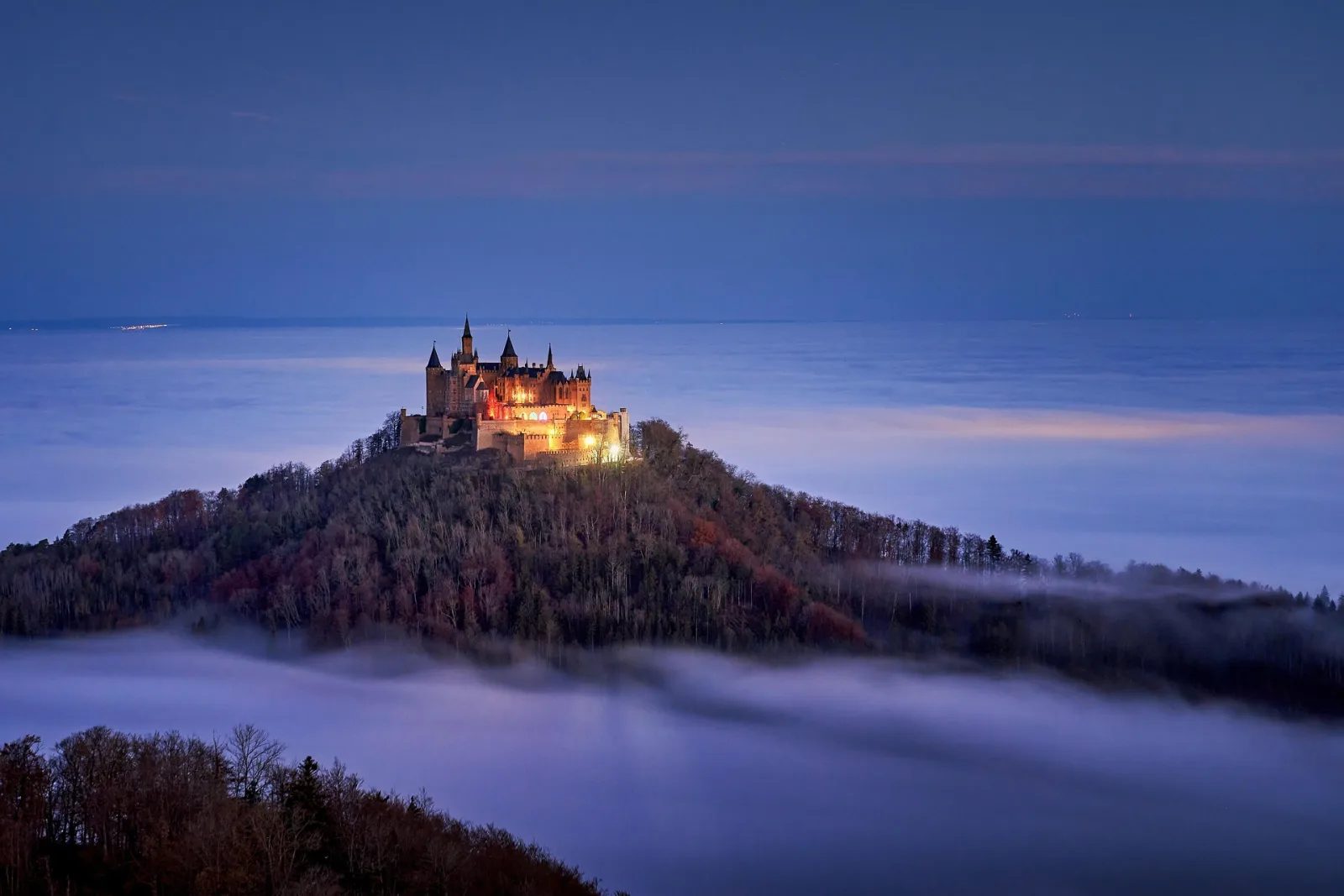
Have more questions? Our Germany travel experts can help plan your perfect Central European trip.

Talk to a Germany Travel Expert →

Note: Information provided is subject to change. Verify Schengen visa rules, exchange rates, train schedules, and travel advisories before your trip. Prices are approximate & may vary by season, city, & inflation. Germany experiences moderate cost fluctuations.

About This Germany Travel Guide

This Germany travel guide covers everything Indian travelers need from Schengen visa requirements & Berlin transport tips to regional food, weather, shopping, & top attractions. Researched, regularly updated, & trusted by group tour planners & independent travelers.

Expert Curated Content

Every section — from Germany Schengen rules to Munich shopping hours — is verified by travel professionals with Central Europe experience.

Regularly Updated Information

Germany travel costs, visa processing times, & DB train pricing are reviewed & refreshed to reflect current conditions including 2026 ETIAS developments.

Trusted by Indian Travelers

Used by group tour organizers, corporate travel planners, & independent travelers from India researching Germany itineraries, Bavaria trips, & Berlin city breaks.

Complete Germany Resource

One guide covering Schengen visa, cost, flights, itinerary, food, culture, weather, shopping, & heritage — all with India-specific context & 2026 accuracy.

More Travel Guides

Explore Other Destinations

Plan Your Germany Trip from India

Fill out the enquiry form below and our travel experts will help you plan your Germany tour — Schengen visa, flights, hotels, and guided rail tours.

Get assistance with visa documentation, DB train passes, Berlin & Munich hotels, Rhine cruises, and complete Germany packages.

Enquire About This Package