Hungary is one of Europe's most rewarding destinations for families, especially for those travelling from India. It offers a combination that is hard to find elsewhere: a deep sense of history that children can actually experience, world-class thermal baths that feel like giant playgrounds, and a beautiful lake that serves as the country's summer capital.
For Indian families, Hungary has another advantage: it is a well-established route with direct flights from Delhi and Mumbai to Budapest. The Schengen visa process is familiar, the rail network is excellent, and the tourism infrastructure is geared towards international visitors. This guide focuses on the family travel experience: what to do with children of different ages, how to pace an itinerary, and what practical considerations matter when travelling from India. It does not repeat the full visa process, flight routes and cost breakdowns already covered in our complete Hungary Travel Guide; instead, it helps you decide how to structure a family trip and which experiences are worth prioritising.
Why consider Hungary for a family holiday?
Hungary works for families because it offers variety without requiring exhausting travel days. The country's rail network is excellent, connecting Budapest, Lake Balaton, and Eger in a few hours each. The food is hearty and child-friendly, the culture is welcoming to families, and there is a genuine mix of city sightseeing, interactive museums, and outdoor adventure.
- World-class thermal baths: Hungary is famous for its thermal springs, and the baths in Budapest (like Széchenyi) are like giant, warm playgrounds with pools, whirlpools, and water slides for children.
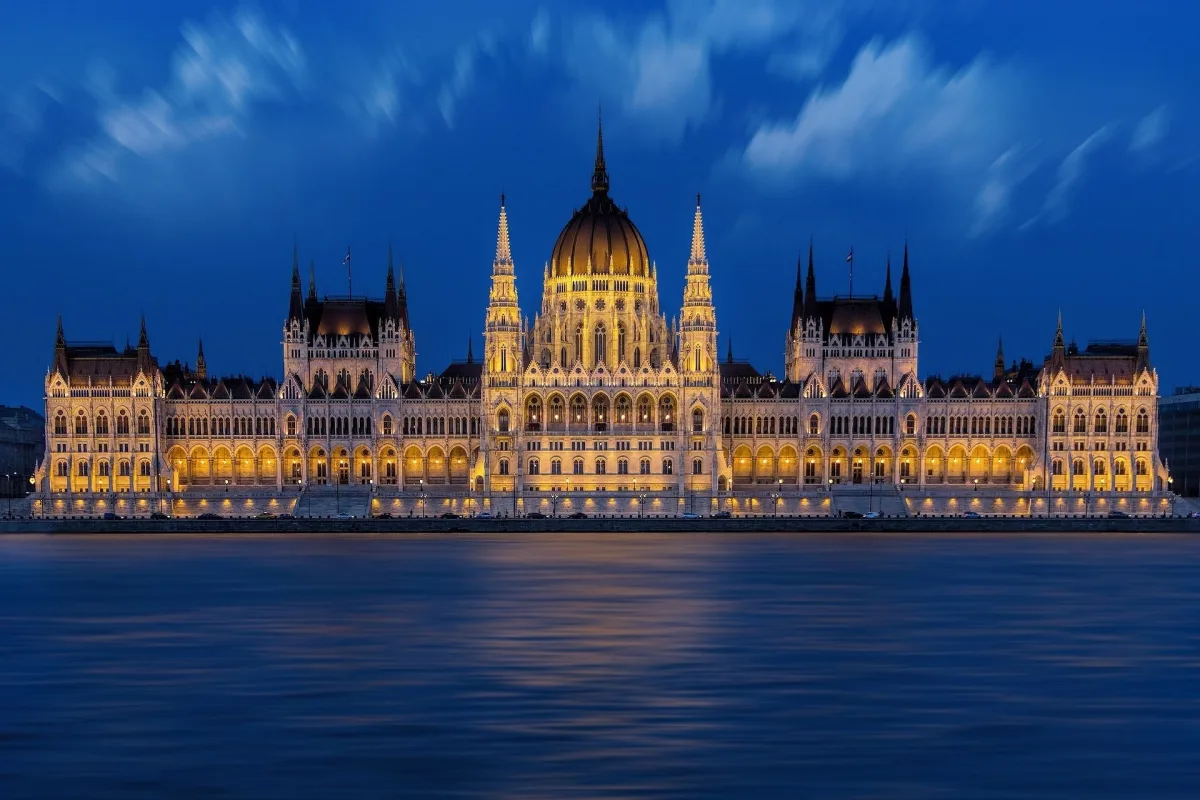
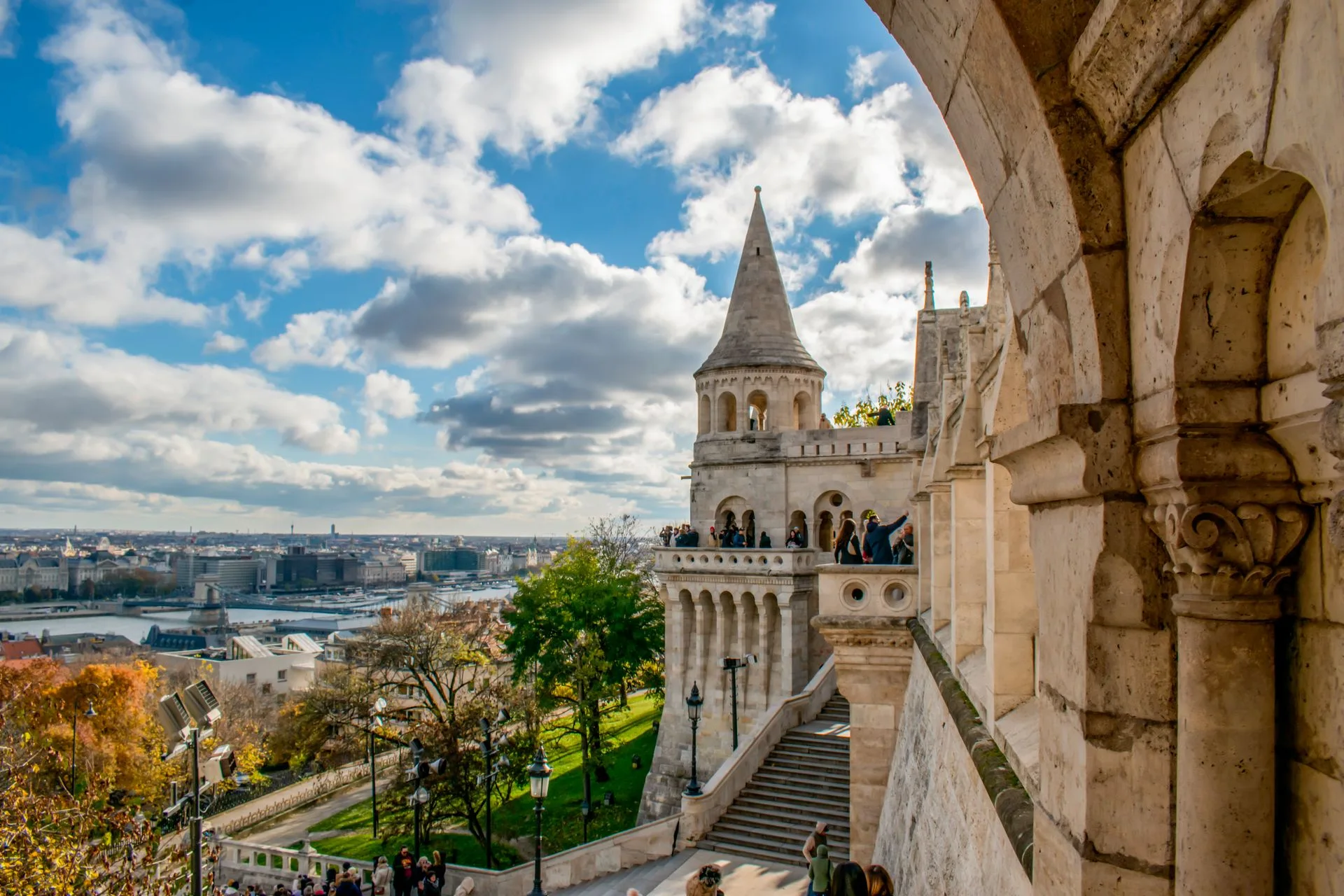
- Fairy-tale architecture: The Fisherman's Bastion and Buda Castle look like they belong in a storybook, and the Hungarian Parliament is one of Europe's most impressive buildings.
- Food culture: Hungarian food is a universal favourite with children. Goulash, langos, and the famous chimney cake (kürtőskalács) are everywhere, and the tradition of eating outside in a sunny courtyard suits families perfectly.
- Welcoming culture: Hungarian people are family-oriented, with playgrounds in most towns, child-friendly restaurants and a relaxed pace outside the major cities.
The main family-friendly regions are Budapest (history, thermal baths, castles), Lake Balaton (beaches, sailing, cycling), Eger (castle, wine region, caves), and the Danube Bend (scenic towns, river activities). For a broader overview of regions and general planning, see the Hungary travel guide.
Best regions for Hungary family holidays
These regions suit different family styles. You do not need to visit all of them in one trip; choose two or three that match your children's ages and your appetite for moving between hotels.
1. Budapest — the Pearl of the Danube
Budapest is an excellent starting point for a family trip. The Buda Castle and Fisherman's Bastion offer stunning views and fairy-tale architecture. The Széchenyi Thermal Bath is a must-visit, with warm outdoor pools and whirlpools that children love. A Danube River cruise offers a unique perspective of the city. For a change of pace, Margaret Island offers green spaces, playgrounds, and a musical fountain.
Best for: Families with children of any age; first-time visitors who want a low-stress base with excellent museums and easy day trips.
2. Lake Balaton — the Hungarian Sea
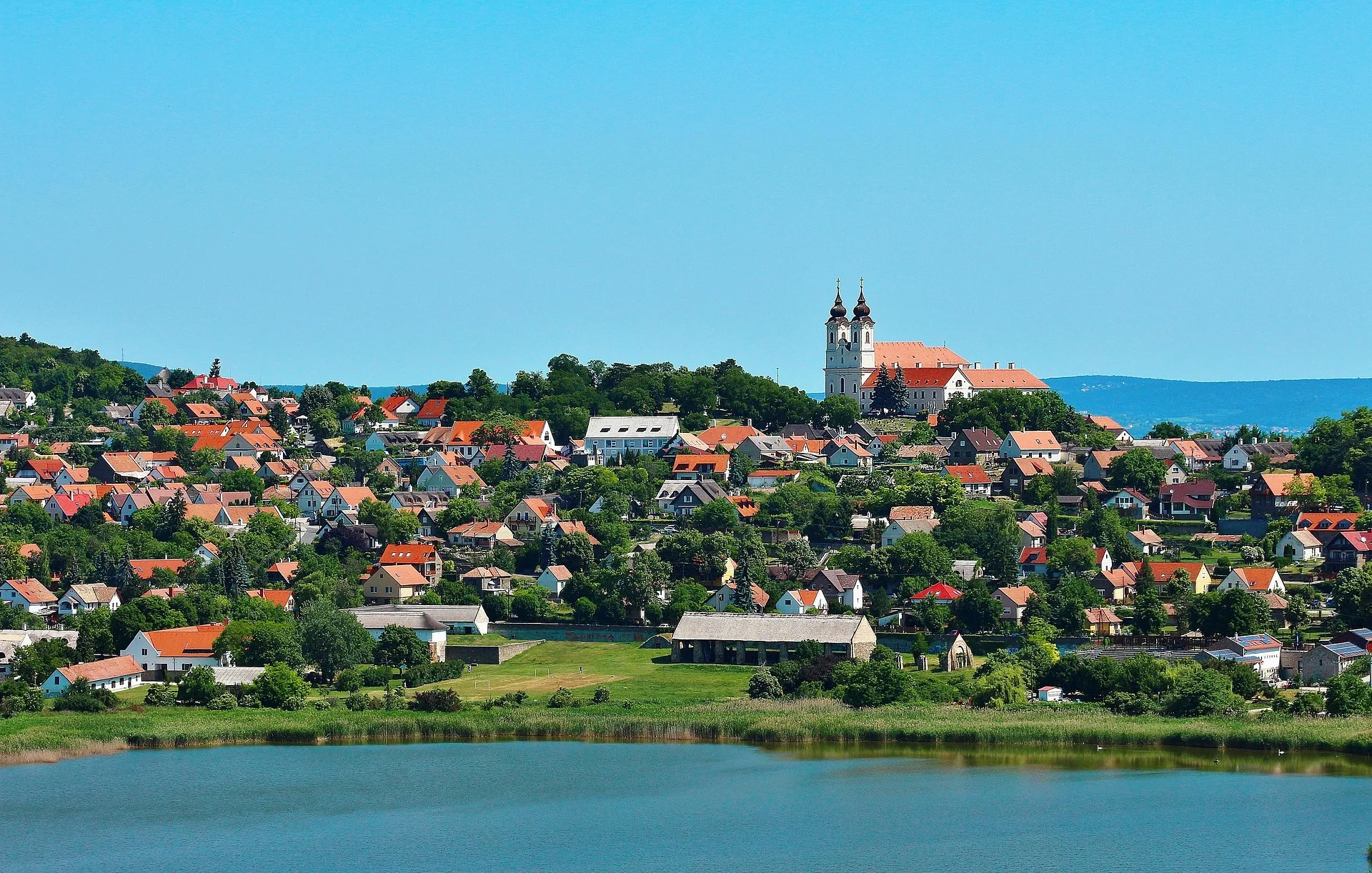
Lake Balaton is Central Europe's largest lake and a perfect family destination. The lake's shallow, warm waters are ideal for swimming and paddling, and the surrounding resorts offer a variety of family activities. Families can enjoy beach activities, sailing, and cycling along the lake's many paths. The Tihany Peninsula, with its beautiful Abbey and lavender fields, offers a cultural and scenic excursion.
Best for: Families with younger children; a relaxed interlude between cities; travellers who want lake swimming and gentle outdoor time.
3. Eger — castles and caves
Eger is a historic city famous for its heroic castle and wine region. Families can explore the Eger Castle, learning about the 1552 siege and walking through the underground tunnels. The city's beautiful Baroque centre is perfect for strolling. Nearby, the Aggtelek Caves offer a spectacular underground adventure with stunning stalactite formations.
Best for: Families with school-age children who enjoy history and exploration; a manageable base for exploring northern Hungary.
4. Danube Bend — scenic beauty
The Danube Bend is one of Hungary's most scenic regions. Families can explore the charming town of Szentendre with its Mediterranean-style streets and art galleries, or visit the hilltop Visegrád Castle for panoramic views of the river. The region offers a peaceful escape from the city and a chance to enjoy nature.
Best for: Families with older children and teenagers; a mix of high-altitude fun and cultural highlights.
Best family activities in Hungary
These experiences form the core of a family itinerary. They are not the only things to do, but they cover the highlights that most families find memorable.
1. Széchenyi Thermal Bath — a giant warm playground
The Széchenyi Thermal Bath is one of Europe's largest spa complexes and a must-visit for families in Budapest. The outdoor pools are heated by natural thermal springs, making them enjoyable even in cooler weather. Children love the water slides and the sheer size of the pools. The bath's beautiful yellow Neo-Baroque building is an architectural landmark.
2. Buda Castle and Fisherman's Bastion
Buda Castle is the historical heart of Budapest, perched on Castle Hill. Families can explore the castle complex and enjoy stunning panoramic views of the city. The Fisherman's Bastion, with its fairy-tale towers and turrets, is a favourite for children. The funicular railway that climbs the hill adds a sense of adventure to the visit.
3. Danube River cruise
A Danube River cruise is a magical experience for families, offering breathtaking views of Budapest's iconic landmarks from the water. The cruise passes under the Chain Bridge, past the Parliament building, and along the Buda Castle hill. Night cruises are particularly spectacular, with the illuminated buildings creating a fairy-tale atmosphere.
4. Lake Balaton beach day
A day at Lake Balaton is a must for families. The shallow, warm waters are perfect for swimming, and the surrounding resorts offer a variety of family activities. Families can enjoy beach activities, sailing, and cycling along the lake's many paths.
A suggested 10-day Hungary family itinerary
This outline assumes you are flying into Budapest (BUD) and out of Budapest. It balances city sightseeing, lake time, and historical exploration without excessive travel.
| Day | Suggested plan | Family pacing tip |
|---|---|---|
| 1 | Arrive in Budapest, transfer to hotel, gentle evening stroll and welcome dinner. | Keep the first day light after the long-haul flight. |
| 2 | Buda Castle, Fisherman's Bastion, and the Castle District. | Book a family-friendly guided tour; carry water and snacks. |
| 3 | Széchenyi Thermal Bath, Hungarian Parliament, and a Danube River cruise. | Book bath tickets in advance; keep the afternoon flexible. |
| 4 | Transfer to Lake Balaton. Afternoon at the Tihany Peninsula and beach time. | Break the journey with a stop; keep the evening free. |
| 5 | Full day at Lake Balaton: swimming, sailing, or cycling. | Let children choose between beach and water activities. |
| 6 | Transfer to Eger. Afternoon at Eger Castle and the Baroque city centre. | Book castle tickets in advance; wear comfortable shoes. |
| 7 | Day trip to the Aggtelek Caves. | Wear warm clothing for the caves; keep the evening light. |
| 8 | Transfer to the Danube Bend (Szentendre). Afternoon exploring the town. | Let children explore the art galleries and craft shops. |
| 9 | Visit Visegrád Castle, then return to Budapest for a farewell dinner. | Keep the morning light; enjoy a final Hungarian meal. |
| 10 | Final morning in Budapest, transfer to airport for departure. | Allow buffer time for check-in and security. |
If you have more time, add a night in Vienna or Bratislava, which are easily reachable by train. If you have less time, focus on Budapest and Lake Balaton, which is the most manageable combination for a first family trip.
Practical planning for Indian families
Visa and entry
Indian passport holders need a Schengen short-stay visa to enter Hungary. The application requires proof of accommodation, travel insurance, flight reservations, and financial documents. Apply well in advance, especially during peak travel seasons. Full details on the process, documents and fees are in the Hungary travel guide.
Flights from India
There are direct flights from Delhi and Mumbai to Budapest (BUD) with Air India and other carriers. Flight times range from 9 to 11 hours depending on the route. Booking a single ticket through a major airline or codeshare partner usually makes the journey smoother. Middle East carriers like Emirates, Qatar Airways, and Etihad offer convenient connections with Indian meal options.
Best time to visit
The best months for family travel are late spring (May–June) and early autumn (September–October), when the weather is pleasant, crowds are manageable, and attractions are fully open. Summer (July–August) is peak season: expect higher prices and larger crowds, but also the warmest weather and the most festivals. Winter (November–March) is quieter and cheaper, but some attractions have reduced hours and the weather can be cold and grey.
Food and dining
Hungarian food is hearty and child-friendly: goulash, chicken paprikash, langos, and chimney cake are widely available. Vegetarian options are increasingly common. Tap water is safe to drink, and bottled water is widely available. Be aware that some restaurants charge a cover charge (couvert) per person.
Getting around
Hungary has an efficient public transport network. In Budapest, the metro and trams are the fastest way to get around, but it can be crowded during peak hours. For families, pre-arranged private transfers can be easier for airport and city-to-city travel. The train network connects major cities efficiently; booking tickets in advance can save money. For Lake Balaton, renting a car or using local buses is the best option.
Safety and health
Hungary is generally safe for families, but take normal precautions with belongings, especially in crowded tourist areas like the Fisherman's Bastion and the Danube promenade. The main health considerations are sun exposure in summer and cold weather in winter. Routine vaccinations should be up to date; consult a travel clinic before departure.
Budgeting
Hungary offers good value compared to other Western European destinations. A realistic cost breakdown for 2026 from India: return flights ₹50,000–₹80,000, Schengen visa ₹8,000–₹10,000, hotels (per night) ₹6,000–₹12,000, food (per day) ₹2,500–₹5,000, local transport (per day) ₹1,000–₹2,000, activities ₹10,000–₹20,000 total. A 7-10 day trip typically costs ₹1.5L–₹2.5L per person.
Packing essentials
- Comfortable walking shoes for cobblestone streets and long museum visits.
- Layers for variable weather, especially in spring and autumn.
- Swimwear and towel for the thermal baths and Lake Balaton.
- Refillable water bottles.
- A lightweight stroller for younger children (cobblestones can be challenging).
- Snacks for children during long days out.
- A power adapter (Hungary uses Type C and F plugs, 230V).
How to choose the right Hungary family tour package
Start with your family's priorities. If history and thermal baths are the main draw, base yourself in Budapest. If beaches and relaxation are more important, add Lake Balaton. If castles and caves appeal, include Eger and the Danube Bend. The classic Budapest–Lake Balaton–Eger–Danube Bend route is a proven favourite for first-time family visits. When comparing packages, ask whether airport transfers, hotel, train tickets and guided excursions are included. Check the room configuration for your family size and confirm cancellation terms.
At Destination To Plan, we can discuss a custom Hungary itinerary that matches your family's interests and pace. You can explore our Hungary family tour package or get in touch with our travel team to start planning.
Ready to plan your Hungary family holiday?
Explore our Hungary travel guide for visa and cost details, and speak with Destination To Plan about shaping an itinerary around your family's ages and interests.
View Hungary Family TourFrequently asked questions
1. Is Hungary a good destination for a family holiday?
Yes. It combines iconic sights like Buda Castle and Fisherman's Bastion with thermal baths, interactive museums, and family-friendly food. The train network makes it easy to travel between regions without long road transfers.
2. Do Indian citizens need a visa for Hungary?
Yes, Indian passport holders need a Schengen short-stay visa. The application requires proof of accommodation, travel insurance, flight reservations, and financial documents. Apply at least 6–8 weeks in advance.
3. What is the best time to visit Hungary with kids?
Late spring (May–June) and early autumn (September–October) offer pleasant weather and manageable crowds. Summer is warmest but busiest, while winter is quieter but colder.
4. Are the thermal baths suitable for children?
Yes, thermal baths like Széchenyi and Gellért are suitable for children. The outdoor pools are shallow and warm, and children love the water slides and whirlpools. Always supervise children and follow the bath's rules.
5. How many days do I need in Hungary?
Seven to ten days is a good starting point for a family trip covering Budapest, Lake Balaton, Eger, and the Danube Bend. More time allows a more relaxed pace or additional regions like Pécs.
6. Is Hungarian food suitable for children?
Yes, Hungarian food is very child-friendly. Goulash, chicken paprikash, langos, and chimney cake are universally popular, and most restaurants offer children's menus. Vegetarian options are increasingly common.
7. What should I pack for a family trip to Hungary?
Pack comfortable walking shoes, layers for variable weather, swimwear for the thermal baths and Lake Balaton, refillable water bottles, and a lightweight stroller for younger children. Snacks for children are also useful.
8. Is Hungary expensive for Indian travellers?
Hungary offers good mid-range value compared to other European destinations. A 7-10 day trip typically costs ₹1.5L–₹2.5L per person. Careful planning, advance bookings, and self-catering can help manage costs.
A European family adventure with something for everyone
Hungary is not just a destination for history buffs and spa lovers. It is a country that can delight children with thermal baths, fairy-tale castles, underground caves, and the simple pleasure of a warm chimney cake. With a thoughtful itinerary and a flexible attitude, a family trip to Hungary can be one of the most rewarding holidays you take together.
Start with the Hungary travel guide for visa and cost basics, then use this guide to shape the family adventure side of your trip. When you are ready to discuss a custom itinerary, our team can help.
Travel information in this article is general planning guidance. Visa rules, prices, opening hours and tour availability can change. Confirm current details with official sources and your travel provider before departure.