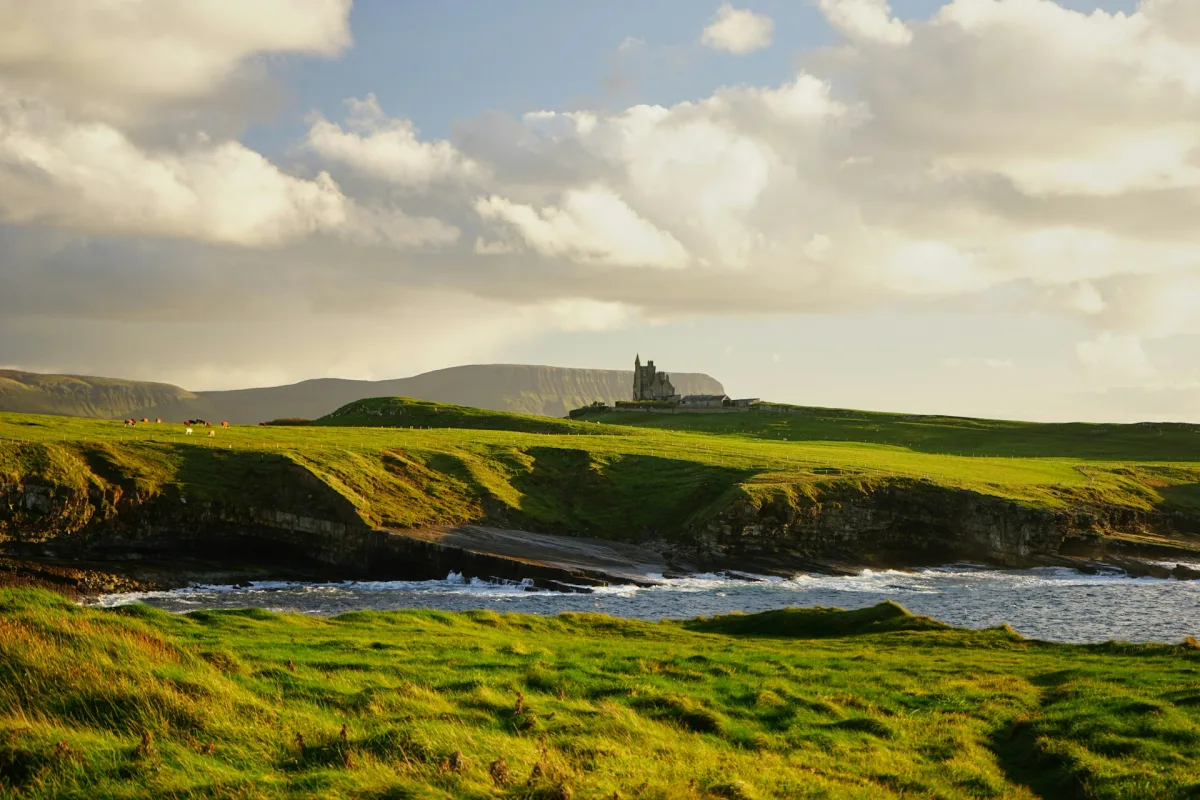
Some family holidays are about doing as little as possible. Others become a shared adventure of discovery, where children and parents learn something new together. Ireland sits comfortably in the second category. It is a country where medieval castles, dramatic coastal cliffs, living history museums and warm, welcoming towns create a travel experience that feels both educational and genuinely fun.
Imagine climbing the spiral stairs of a 600-year-old castle to kiss a legendary stone, standing on cliffs that plunge hundreds of feet into the Atlantic, or wandering through a reconstructed 19th-century village where costumed characters bring the past to life. Ireland’s headline attractions are not just for adults; they are the kind of places that spark a child’s imagination. And between the big sights, there is a warmth and ease to travelling here that many families find deeply appealing.
This guide focuses on the family planning decisions: which places work best for children, how to pace an itinerary, what to eat and what to prepare for. For a broader overview of the country, read our complete Ireland travel guide. When you are ready to look at a structured itinerary, see our Ireland family tour package.
Why Ireland works well for families
Ireland may be famous for its literature and music, but it is also an unexpectedly brilliant destination for children. The country’s compact size, friendly culture and abundance of castles, coastlines and storybook landscapes make it a natural fit for family travel.
- Attractions that feel like adventures: Climbing a castle tower, kissing the Blarney Stone, exploring a folk park with animals and costumed characters, or standing on cliffs above the Atlantic all turn sightseeing into something memorable.
- Manageable distances: Ireland is small enough that you can see a lot without spending entire days in the car. Even the drive from Dublin to Galway takes around two and a half hours.
- A welcoming culture: Irish people are generally warm and helpful towards families. Restaurants often accommodate children, and the pace of life in smaller towns is relaxed.
- Food that children actually eat: Irish cuisine is built on comforting staples like potatoes, bread, stews and dairy. It is easy to find simple, familiar food for even the fussiest eaters.
- Natural beauty that feels magical: The green landscapes, dramatic coastlines and ancient ruins have a storybook quality that appeals to children’s imaginations.
The best family trips are built on a realistic rhythm. Ireland rewards that approach, allowing you to mix a morning of sightseeing with an afternoon of play and downtime without feeling like you have missed the point of being there.
Is Ireland suitable for children of different ages?
Ireland can work for a wide range of families, but the ideal itinerary shifts with the ages and interests of your children. Rather than trying to see everything, choose the experiences that match your family’s energy and comfort level.
- Under 5 years: Keep days short and flexible. Focus on sensory experiences—a boat trip, a playground, a gentle walk—and avoid long tours or late nights. Bunratty Folk Park, with its animals, cottages and open spaces, is a great option for younger children.
- About 6–11 years: This is a sweet spot for Ireland’s interactive attractions. The Blarney Castle climb, the Cliffs of Moher visitor centre and the Ring of Kerry’s scenic stops are likely to be highlights. Balance longer visits with downtime and snacks.
- Teenagers: Older children can engage with Ireland’s history, from Viking Dublin to the Easter Rising. They may also appreciate the music scene in Galway, the food scene in Cork and the photography opportunities at scenic viewpoints.
These are planning suggestions, not rigid rules. Consider your child’s temperament, walking stamina and interest in history when shaping the daily schedule.
Best places to visit in Ireland with family
These destinations and experiences form a strong backbone for a family trip. You do not need to include all of them; select the ones that best fit your time and your family’s interests.
1. Dublin – the gateway city
Dublin is usually the starting point for an Irish family trip, and it is worth a couple of days. Trinity College and the Book of Kells offer a glimpse into Ireland’s scholarly heritage, while Dublin Castle and St. Patrick’s Cathedral bring the city’s long history to life. For children, the interactive exhibits at the Little Museum of Dublin and the open spaces of St. Stephen’s Green provide a welcome change of pace.
The city is compact enough to explore on foot, and Grafton Street’s street performers often entertain younger visitors. A gentle stroll along the River Liffey and a crossing of the Ha’penny Bridge makes a simple but memorable family moment.
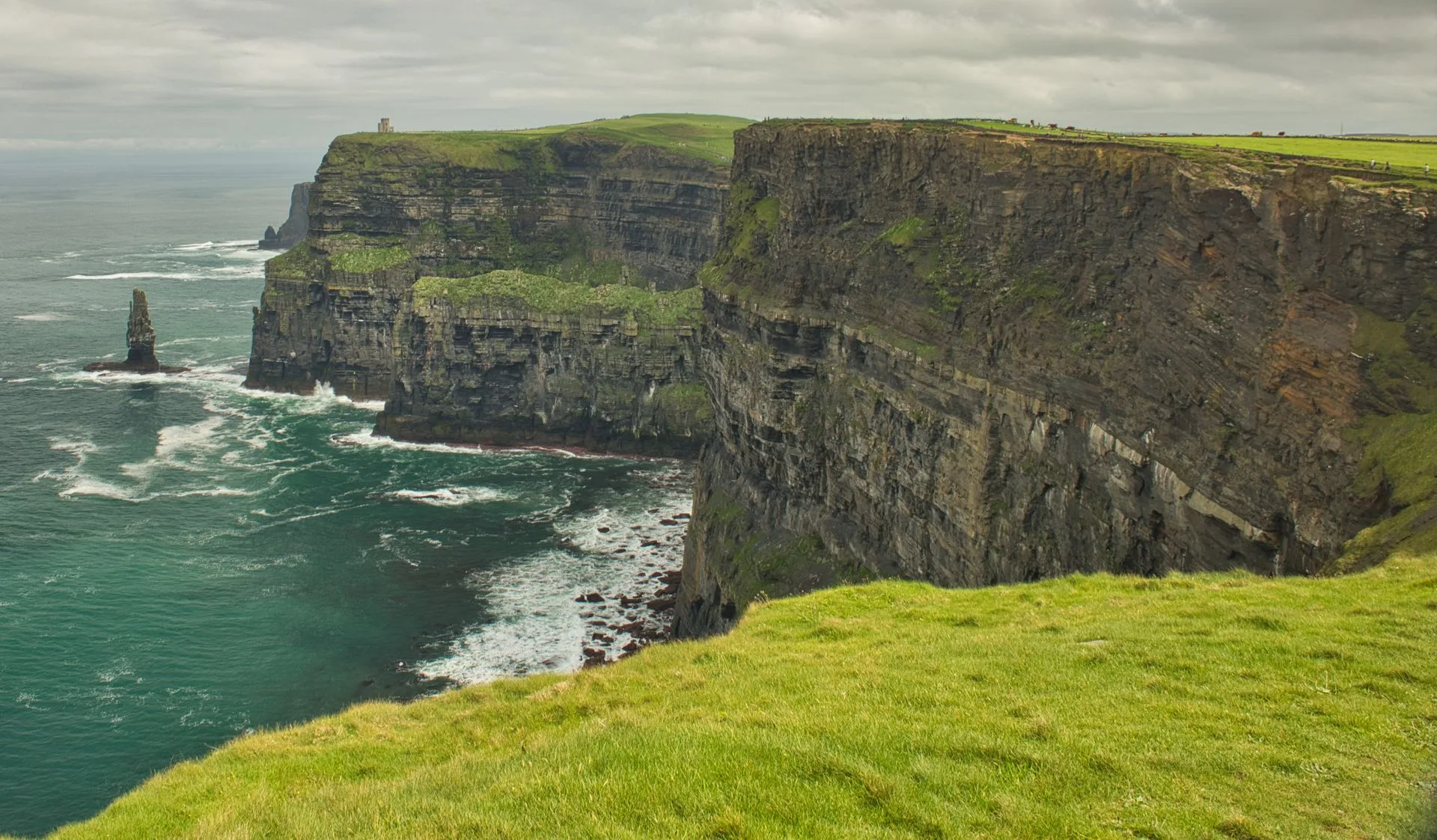
2. The Cliffs of Moher – nature’s drama
The Cliffs of Moher are one of Ireland’s most iconic sights. Rising hundreds of feet above the Atlantic, they offer a safe but thrilling experience for families. The visitor centre has engaging exhibits about the cliffs’ geology and wildlife, including the puffins that nest on the cliffs in season. The viewing platforms are fenced and safe for children, though supervision is essential, especially on windy days.
The cliffs are a good half-day stop, and combining them with a visit to the Burren’s lunar-like limestone landscape and the Poulnabrone Dolmen, a 5,000-year-old portal tomb, makes for a rich and varied day out.
Official resource: For current opening times, safety advice and ticket information, check the official Cliffs of Moher website.
3. Blarney Castle – a legend to remember
Blarney Castle is a highlight for many families. The climb up the castle’s spiral staircases to kiss the Blarney Stone is a memorable experience, though it is not suitable for those with limited mobility or young children who may struggle with the narrow, steep steps. The castle grounds are extensive and include the Poison Garden, the mystical Rock Close with its druid sites, and beautiful gardens that are perfect for a family walk.
For children who may not be able to climb the castle, the grounds alone are worth a visit. The Rock Close, with its ancient stones and fairy-tale atmosphere, sparks the imagination.
Official resource: For visitor information, ticket prices and accessibility details, use the official Blarney Castle website.
4. Bunratty Castle and Folk Park – living history
Bunratty Castle and Folk Park is a fantastic family attraction that brings Irish history to life. The 15th-century castle is atmospheric and impressive, but the real draw for children is the Folk Park. This outdoor museum recreates 19th-century Irish village life with over 30 buildings, including cottages, shops and farmhouses, where costumed characters demonstrate traditional crafts. Children can meet farm animals, watch bread being baked, and experience what life was like for ordinary people in the past.
It is an easy, engaging and educational half-day out that works well for families with children of all ages.
Official resource: For opening times and ticket information, check the official Bunratty Castle and Folk Park website.
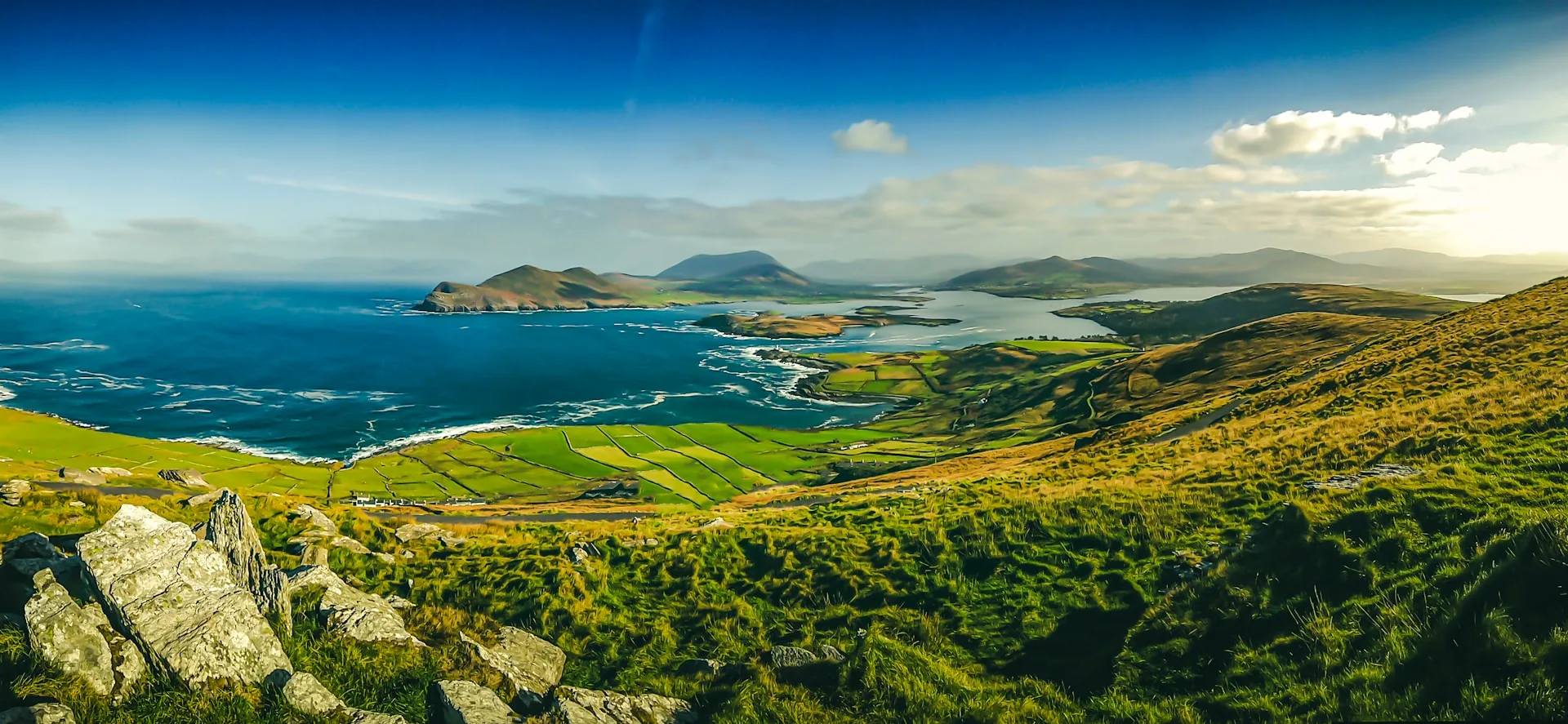
5. Ring of Kerry – scenery that tells a story
The Ring of Kerry is a 111-mile scenic drive around the Iveragh Peninsula, taking in mountains, lakes, coastline and traditional villages. For families, the best approach is to take it slowly, stopping at the viewpoints and villages along the way. Ladies View, with its panoramic outlook over the Killarney lakes, is a highlight, and the colourful village of Sneem is a lovely place to stretch your legs.
The drive can be done as a day trip from Killarney, and the scenic stops make it engaging for children. It is a chance to see a side of Ireland that feels wild and untouched.
6. Galway – culture and colour
Galway is one of Ireland’s most vibrant cities, with a compact centre that is easy to explore on foot. The Latin Quarter’s colourful streets, buskers and lively atmosphere make it a pleasant place for a family wander. The Spanish Arch and the city’s waterfront offer a relaxed spot to watch the world go by, and the city is known for its family-friendly cafés and restaurants.
Galway also makes a good base for exploring the Wild Atlantic Way and the nearby Connemara region.
7. Glendalough – a storybook setting
Glendalough, a monastic settlement founded in the 6th century, is set in a beautiful glacial valley in the Wicklow Mountains. The round tower, stone churches and ancient graveyard have an atmosphere that captures children’s imaginations. There are gentle walks around the lakes, and the visitor centre explains the history of the site in an accessible way.
It pairs well with a visit to Powerscourt Estate, whose gardens are among the finest in Ireland and offer plenty of space for children to explore.
More family-friendly experiences
Beyond the headline attractions, Ireland offers plenty of activities that children will enjoy. Consider adding a few of these to your itinerary:
- Try a traditional music session: Many pubs host family-friendly trad sessions, often in the early evening. The sound of fiddles and tin whistles is a memorable part of any Irish trip.
- Visit a working farm: Ireland has many open farms where children can meet animals and learn about rural life.
- Take a boat trip: From Dublin’s River Liffey to the lakes of Killarney, a short boat ride offers a different perspective.
- Explore a castle ruin: Beyond the famous sites, there are countless smaller castle ruins to discover, often in beautiful settings and with fewer crowds.
- Build in playground time: Ireland has many well-equipped playgrounds, and a quick stop can be a great way to reset a tired child’s mood.
A relaxed 9-day Ireland family itinerary
This outline is a starting point for a first family visit, following a route from Dublin to Cork via Galway and Killarney. It is designed to be an idea rather than a fixed schedule. Flight timings, your children’s energy levels and the weather may require adjustments.
| Day | Suggested plan | Family-friendly pacing tip |
|---|---|---|
| 1 | Arrive in Dublin, transfer to the hotel and enjoy a gentle orientation walk. | Keep the first day light after your journey. |
| 2 | Explore Dublin: Trinity College, Dublin Castle and St. Stephen’s Green. | Include a playground stop or a break in the park. |
| 3 | Day trip to the Wicklow Mountains, Glendalough and Powerscourt Estate. | Wear comfortable shoes and bring waterproofs. |
| 4 | Travel to Galway, stopping at Clonmacnoise. | The journey is part of the experience; pack snacks and entertainment. |
| 5 | Visit the Cliffs of Moher and the Burren. | Check the weather and dress in layers; the cliffs can be windy. |
| 6 | Travel to Killarney via Limerick and King John’s Castle. | Aim for an afternoon arrival to avoid a rushed morning. |
| 7 | Drive the Ring of Kerry with scenic stops. | Let the children choose a village to stop in for lunch. |
| 8 | Visit Blarney Castle and travel to Cork. | Book castle tickets in advance and allow time for the grounds. |
| 9 | Departure from Cork. | Allow plenty of time for the airport transfer. |
If you have more time, add a night in Belfast or the Giants Causeway in Northern Ireland. If you have less time, a Dublin and Galway trip with a Cliffs of Moher day trip makes an excellent, manageable family holiday.
When is the best time to visit Ireland with family?
Ireland has a mild, temperate climate with four distinct seasons. The best time for a family trip depends on your priorities: warmer weather, longer days, or fewer crowds.
- June to August: The warmest and brightest months, with long daylight hours and the best chance of dry weather. This is also the busiest and most expensive period, especially in popular coastal areas.
- May and September: Often the sweet spot, offering pleasant weather with fewer crowds than the peak summer months. These shoulder seasons can provide an excellent balance for families.
- October to April: Cooler and wetter, but cities like Dublin and Galway have a quiet charm. Winter brings a cosy atmosphere, and Christmas in Dublin is particularly magical. However, be prepared for short daylight hours and unpredictable weather.
For a trip focused on outdoor exploration and scenic drives, late spring to early autumn is usually the easiest choice for families. Check the forecast before you travel and pack layers, as the weather can change quickly.
What can families eat in Ireland?
Irish food is hearty, comforting and generally very child-friendly. Staples like potatoes, bread, cheese and soups are likely to go down well with even fussy eaters. Children often enjoy fish and chips, shepherd’s pie, or a simple bowl of soup with brown bread.
Ireland is also a great place for dairy, with excellent butter, cheese and ice cream. Seafood is superb along the coast, especially in places like Galway and Cork. For parents, the food scene in cities like Dublin and Cork has grown increasingly diverse and exciting, with everything from modern Irish cuisine to international options.
If your child has allergies or specific dietary needs, it is helpful to learn a few key phrases or carry a translation card. Tap water is generally safe to drink in Ireland.
Choosing family-friendly accommodation
The right base can make a big difference. In Dublin, staying near the city centre puts you within walking distance of most attractions. In Galway, the Latin Quarter is lively but can be noisy; a quieter spot nearby may suit families better. In Killarney, the town is compact and easy to navigate.
Before booking, check the details that matter for a family:
- Room occupancy and bed configuration. A “family room” may not always comfortably fit a family of four.
- Whether cots or extra beds are available and if there is an additional charge.
- Heating, which can be important even in summer.
- Lift access, especially if you are travelling with a pram.
- Breakfast options that suit children.
- Cancellation policies, in case your plans change.
Bed and breakfasts and self-catering cottages are popular choices for families in Ireland, offering more space and sometimes kitchen facilities, which can be useful for preparing simple meals.
How much should you budget for an Ireland family trip?
Ireland is generally considered a mid-to-higher budget destination compared to some other European countries, but costs still vary based on your travel style, dates and itinerary. Rather than quoting a single figure, it is more useful to understand the main cost components:
- Flights: The largest variable, depending on your departure city and how far in advance you book.
- Accommodation: Hotels and B&Bs range from budget-friendly to premium. Family rooms may carry a supplement.
- Transport: Hiring a car gives you the most flexibility for exploring the countryside, but comes with fuel and insurance costs. Train and bus services connect major cities.
- Attractions: Many of Ireland’s best experiences, like the Cliffs of Moher and Blarney Castle, have entrance fees. Family tickets and child discounts are often available.
- Food: Eating out can be expensive in cities, but pub food and self-catering can help keep costs down.
When comparing an Ireland family tour package, ask for a clear breakdown of what is included. Check whether international flights, car hire, entrance fees, meals and transfers are covered, as these can significantly affect the total cost.
Practical Ireland travel tips for parents
- Pack for all seasons: Irish weather is famously changeable. Bring layers, a waterproof jacket and sturdy shoes, even in summer.
- Book popular attractions in advance: The Cliffs of Moher, Blarney Castle and the Book of Kells can have long queues, especially in peak season.
- Use a car or private transfers: While trains connect major cities, a car gives you the flexibility to explore the countryside and stop at scenic spots. Private transfers are a stress-free alternative.
- Carry cash: While cards are widely accepted, some smaller establishments and rural pubs may prefer cash.
- Learn a few Irish phrases: A simple “Dia dhuit” (hello) and “Go raibh maith agat” (thank you) are always appreciated.
- Respect the landscape: Ireland’s natural beauty is fragile. Follow marked paths, take your litter home and be mindful of wildlife.
- Keep the schedule flexible: Children need downtime. Leave room in your plan for a spontaneous playground stop or an early return to the hotel.
- Check visa requirements: Entry rules depend on your nationality. Indian passport holders need a visa. Check the latest requirements on the official Irish Immigration Service website and see our dedicated Ireland travel guide for more planning details.
Family packing checklist
A little preparation goes a long way. Consider packing:
- Layered clothing, including a warm jumper and a waterproof jacket.
- Comfortable, waterproof walking shoes for everyone.
- Sun protection (hats, sunscreen, sunglasses) for summer.
- A reusable water bottle.
- Snacks for travel days and between meals.
- A basic first-aid kit and any prescription medicines.
- Entertainment for car journeys (books, small games, downloaded content).
- A universal power adapter (Ireland uses Type G plugs, 230V).
- Copies of travel documents and insurance details.
How to choose the right Ireland family tour package
Start by deciding on your priorities: are you most interested in the cities, the coastal scenery, the castles, or a mix of everything? Next, consider your children’s ages and how much moving around they can comfortably handle. A tour that looks perfect on paper may feel too rushed if it involves a new hotel every night.
When speaking with a travel planner, be clear about your preferred travel dates, the number of adults and children, your children’s ages, and your approximate budget. Ask whether the itinerary can be customised and request written confirmation of what is included and what is not.
At Destination To Plan, our Ireland family tour package is designed to cover the highlights at a comfortable pace, with family-friendly hotels and guides. It provides a solid foundation that can be discussed and adjusted to suit your family’s specific needs.
Ready to plan your Ireland family holiday?
Explore our Ireland family tour package and speak with Destination To Plan about shaping the journey around your travel dates, family size and interests.
Explore Ireland Family TourFrequently asked questions
1. Is Ireland a good destination for a family holiday?
Yes, Ireland is generally considered a very good destination for families. It is safe, welcoming, and offers a wide range of attractions that appeal to children, from castle adventures to dramatic coastal scenery. The food is child-friendly and the distances between major sights are manageable.
2. How many days are enough for Ireland with family?
Around 9 days is a good starting point for a first family visit, allowing you to see Dublin, Galway, the Cliffs of Moher and the Ring of Kerry without feeling rushed. A shorter trip can focus on Dublin and Galway, while a longer holiday can include Northern Ireland or more of the Wild Atlantic Way.
3. Are the Cliffs of Moher and Blarney Castle suitable for young children?
The Cliffs of Moher are safe for children as long as they are supervised closely, especially near the edge. The visitor centre is engaging and the viewing platforms are fenced. Blarney Castle involves climbing narrow spiral staircases, which may be difficult for very young children or those with limited mobility. The grounds, however, are wonderful for families and include gardens and the Rock Close.
4. What is the best time to visit Ireland with kids?
June to August offers the warmest weather and longest days, but it is also the busiest period. May and September often provide the best balance of pleasant weather and fewer crowds. Winter can be cold and wet, but cities like Dublin have a cosy charm and Christmas markets.
5. Do Indian travellers need a visa for Ireland?
Yes, Indian passport holders require a visa to travel to Ireland. The application process involves submitting a valid passport, photographs, travel insurance, proof of funds and other documents. Always check the latest requirements and fees through the official Irish Immigration Service website or the nearest Irish embassy before applying.
6. What currency is used in Ireland and is it easy to use cards?
The Republic of Ireland uses the Euro (€). Credit and debit cards are widely accepted in cities, hotels and restaurants, but it is wise to carry some cash for smaller establishments, rural pubs and markets.
7. Is it better to hire a car or use public transport in Ireland?
For families, hiring a car or arranging private transfers gives you the most flexibility to explore the countryside at your own pace. Public transport connects major cities well, but many of Ireland’s most beautiful spots are in rural areas that are easier to reach by road.
8. Can the Ireland family itinerary be customised for younger children?
Absolutely. A good family itinerary should be flexible. You can reduce the number of daily activities, include more downtime, skip sites that involve too much walking or climbing, and prioritise the experiences that match your children’s interests.
A family adventure filled with stories and landscapes
Ireland is a country that rewards curiosity. Its attractions are not just educational; they are genuinely fun. A climb to kiss the Blarney Stone, a walk through a reconstructed 19th-century village, a drive along a coastline that feels like the edge of the world—these are the kinds of experiences that children remember long after the holiday ends.
The key to a successful family trip here is not seeing everything, but seeing the right things at the right pace. Mix the big sights with plenty of downtime, embrace the local food and allow yourself to be surprised by the country’s warmth and beauty. Whether you are planning your first European family adventure or adding a new destination to your list, Ireland offers a friendly, memorable and endlessly interesting welcome.
For more detailed planning, explore our Ireland travel guide or view the full itinerary of our Ireland family tour package.
Travel information in this article is general planning guidance. Opening arrangements, transport, weather, entry rules, prices and activity availability can change. Confirm current details with official sources and your travel provider before departure.