Japan Family Tour Package - 11 Days & 10 Nights
Tokyo
20°C
Mainly clear
Feels
20°C
Humidity
76%
Wind
7 km/h
Embark on an unforgettable Japan family tour that blends ancient traditions with cutting-edge modernity across 11 days and 10 nights. This carefully curated family vacation takes you through the vibrant streets of Tokyo, the serene temples of Kyoto, the culinary delights of Osaka, and the majestic beauty of Mount Fuji. Experience the perfect harmony of cultural immersion and family-friendly adventures as you explore historic shrines, witness traditional tea ceremonies, marvel at cherry blossoms, and discover Japan's unique blend of tranquility and innovation.
Your journey begins in Tokyo, where towering skyscrapers meet peaceful gardens, and continues to Kyoto's timeless temples and geisha districts. From the deer-filled parks of Nara to Osaka's bustling food markets, every day brings new discoveries for the entire family. Witness the iconic Mount Fuji, ride the lightning-fast Shinkansen bullet train, and immerse yourselves in experiences that range from samurai sword-making demonstrations to robot restaurants. This thoughtfully designed itinerary ensures comfortable accommodations, verified dining experiences, and private transfers throughout, making your Japanese adventure both enriching and effortless.
Whether your family seeks cultural enlightenment, culinary exploration, or simply quality time together in one of the world's most fascinating destinations, this Japan tour package delivers an authentic experience that respects Japanese customs while catering to international travelers. From the neon-lit energy of Shibuya Crossing to the peaceful bamboo groves of Arashiyama, create memories that will last a lifetime in the Land of the Rising Sun.
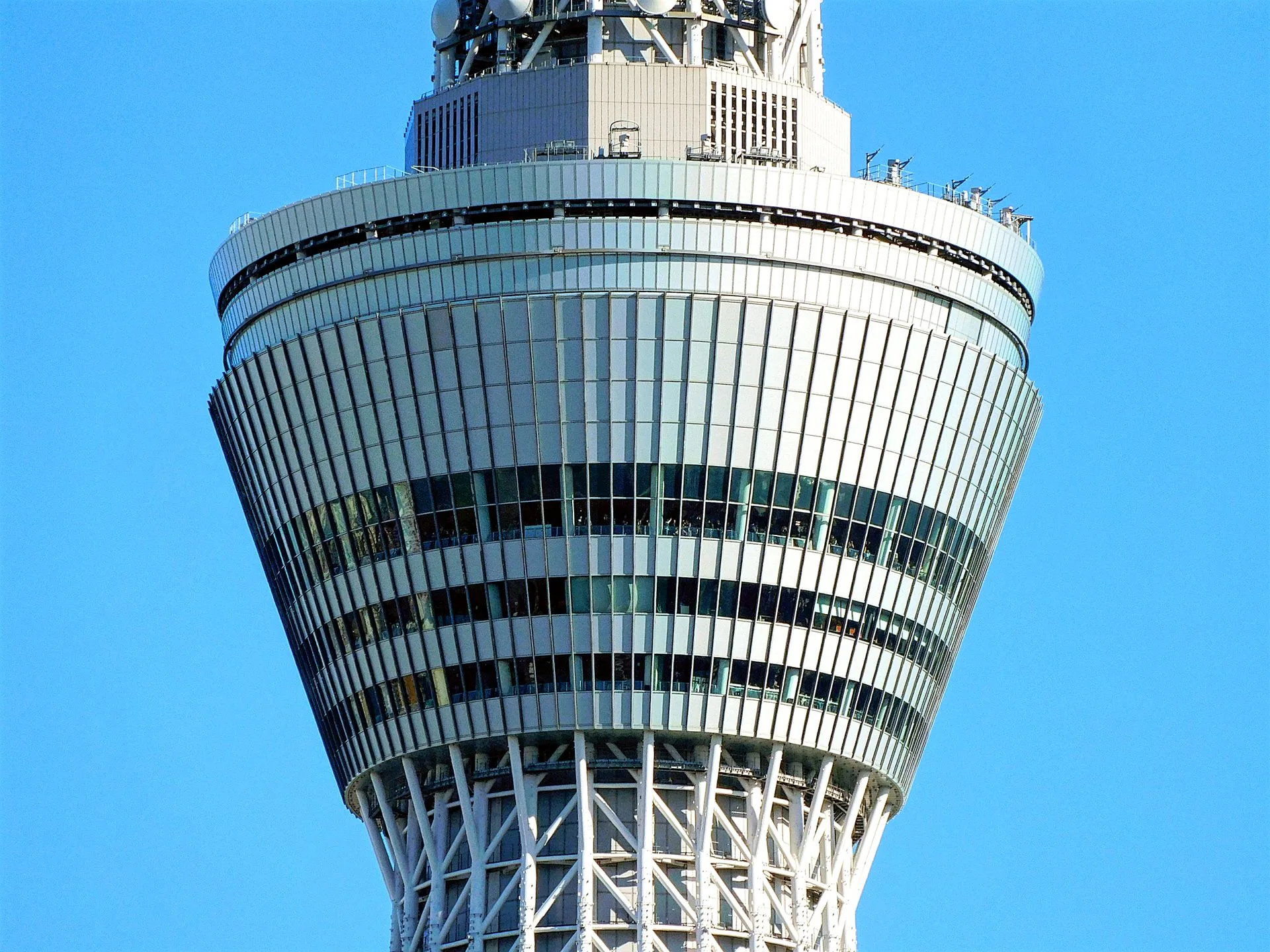
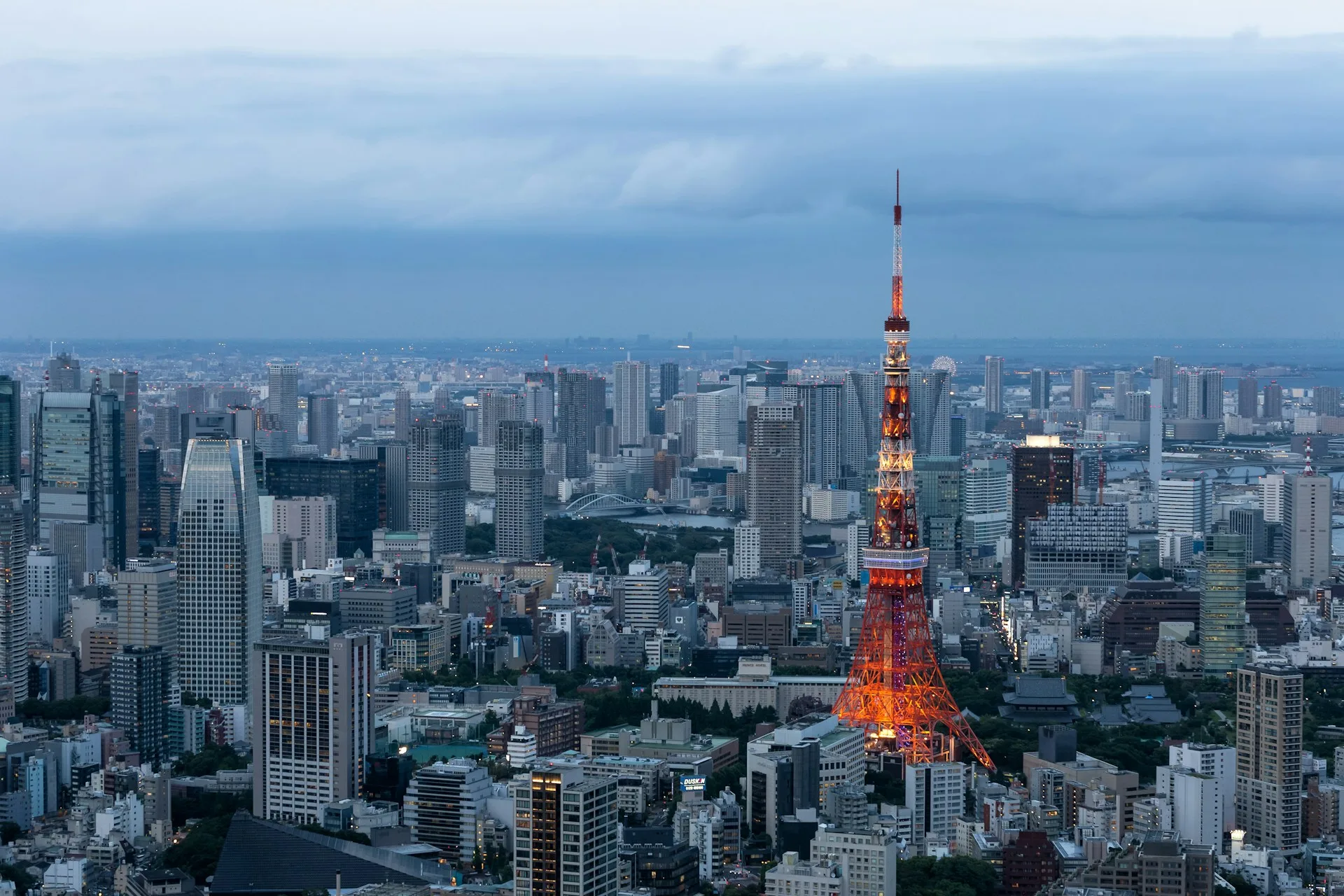
Standing at 634 meters, Tokyo Skytree is Japan's tallest structure and offers breathtaking panoramic views of the entire Tokyo metropolitan area. The observation decks at 350 and 450 meters provide stunning vistas, especially during sunset when the city lights begin to sparkle. The Skytree Town complex at the base features shopping, dining, and an aquarium, making it a full-day family destination. On clear days, you can even spot Mount Fuji in the distance, creating perfect photo opportunities for the entire family.
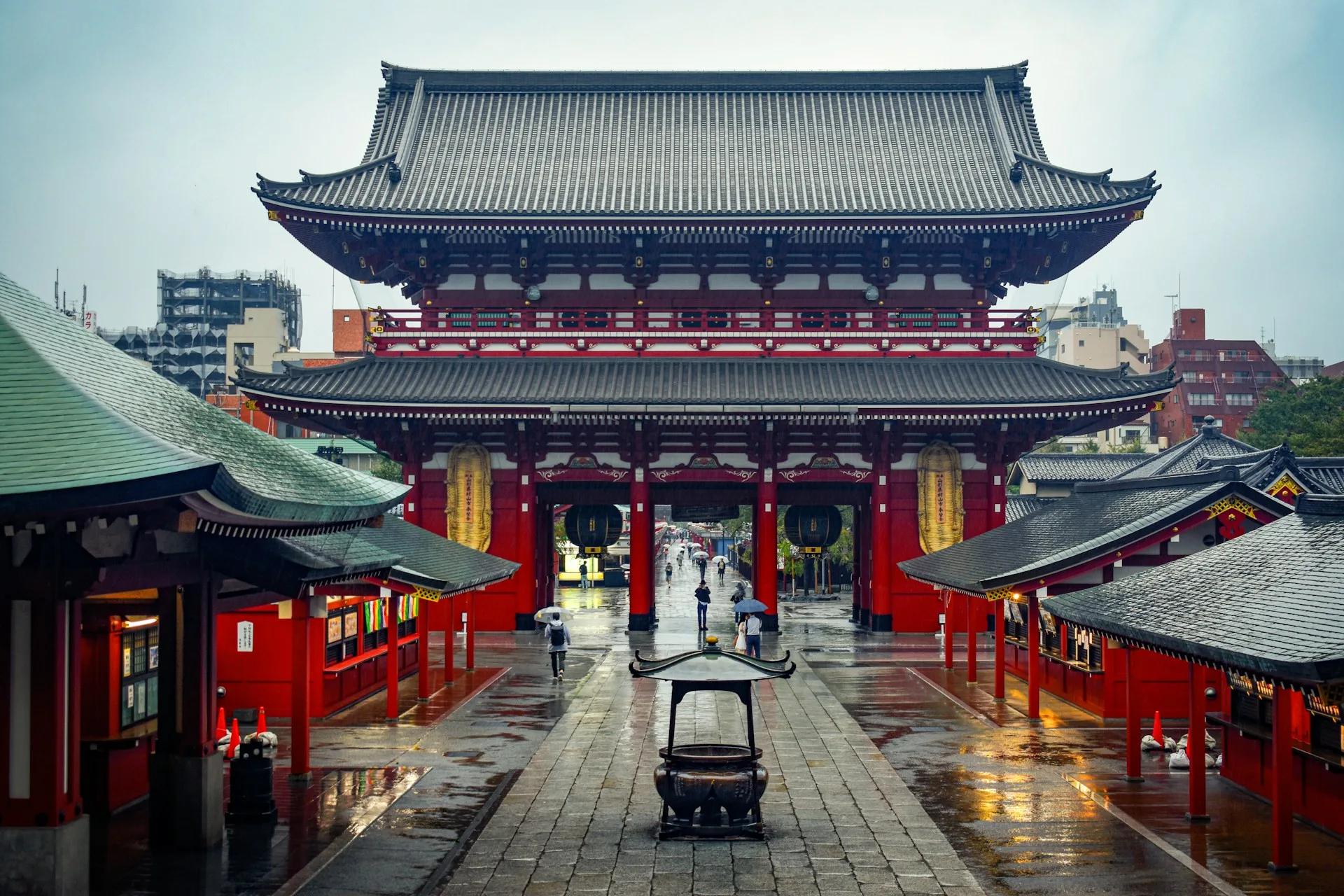
Tokyo's oldest and most visited temple, Senso-ji in Asakusa offers an authentic glimpse into traditional Japanese Buddhism and culture. The approach through Nakamise Shopping Street is lined with traditional shops selling local snacks, souvenirs, and crafts that have delighted visitors for centuries. The massive red lantern at Kaminarimon Gate has become an iconic symbol of Tokyo. Families can participate in traditional fortune-telling rituals, offer prayers at the main hall, and enjoy the peaceful atmosphere despite being in the heart of bustling Tokyo.
Nestled in a serene forest in the heart of Tokyo, Meiji Shrine is dedicated to Emperor Meiji and Empress Shoken. The peaceful walking path through towering trees provides a tranquil escape from the city's energy. The shrine's impressive torii gates, traditional architecture, and spiritual atmosphere offer families a meaningful cultural experience. Visitors can witness traditional Shinto weddings, write wishes on wooden plaques called ema, and learn about Japanese imperial history in this beautifully maintained sanctuary.
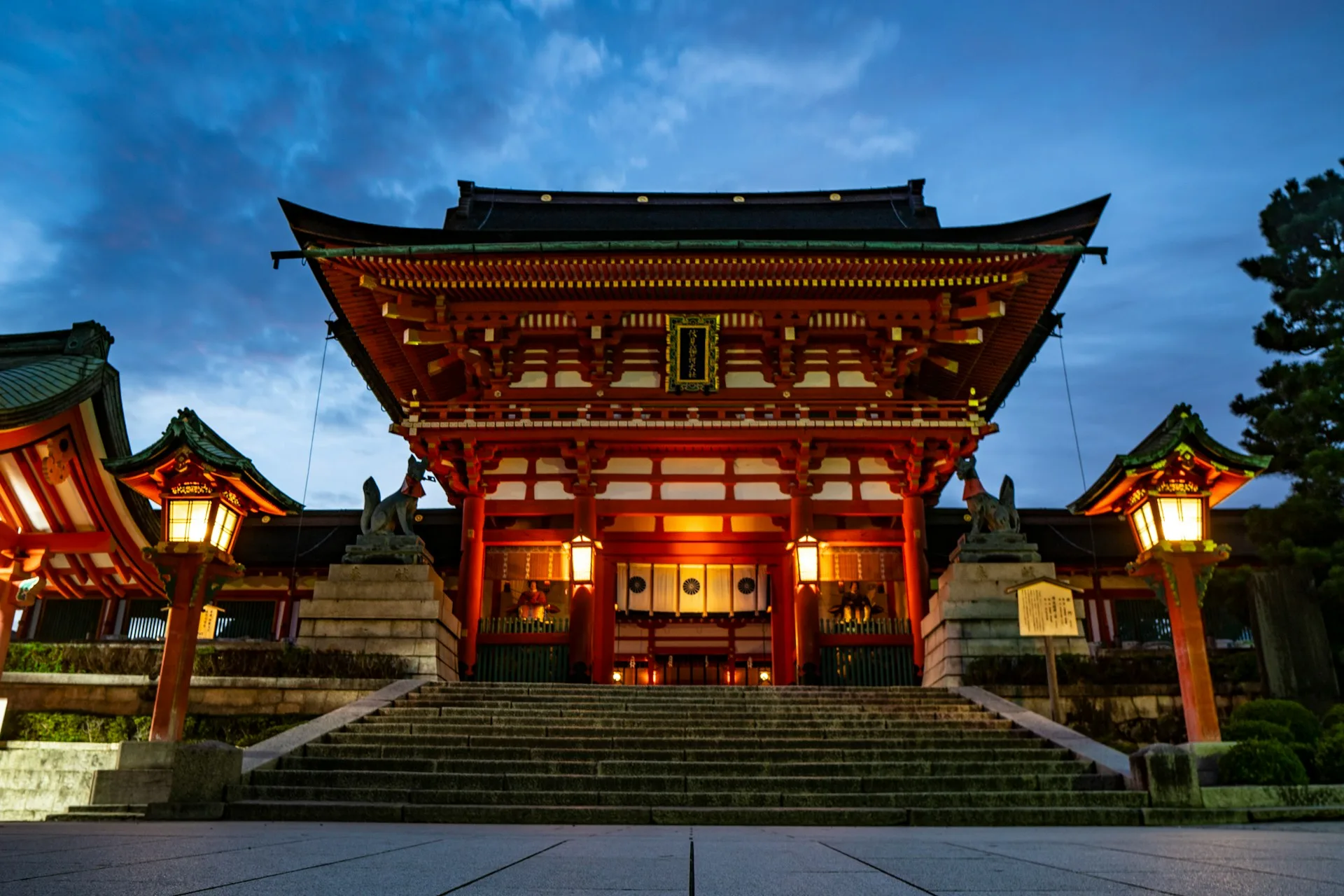
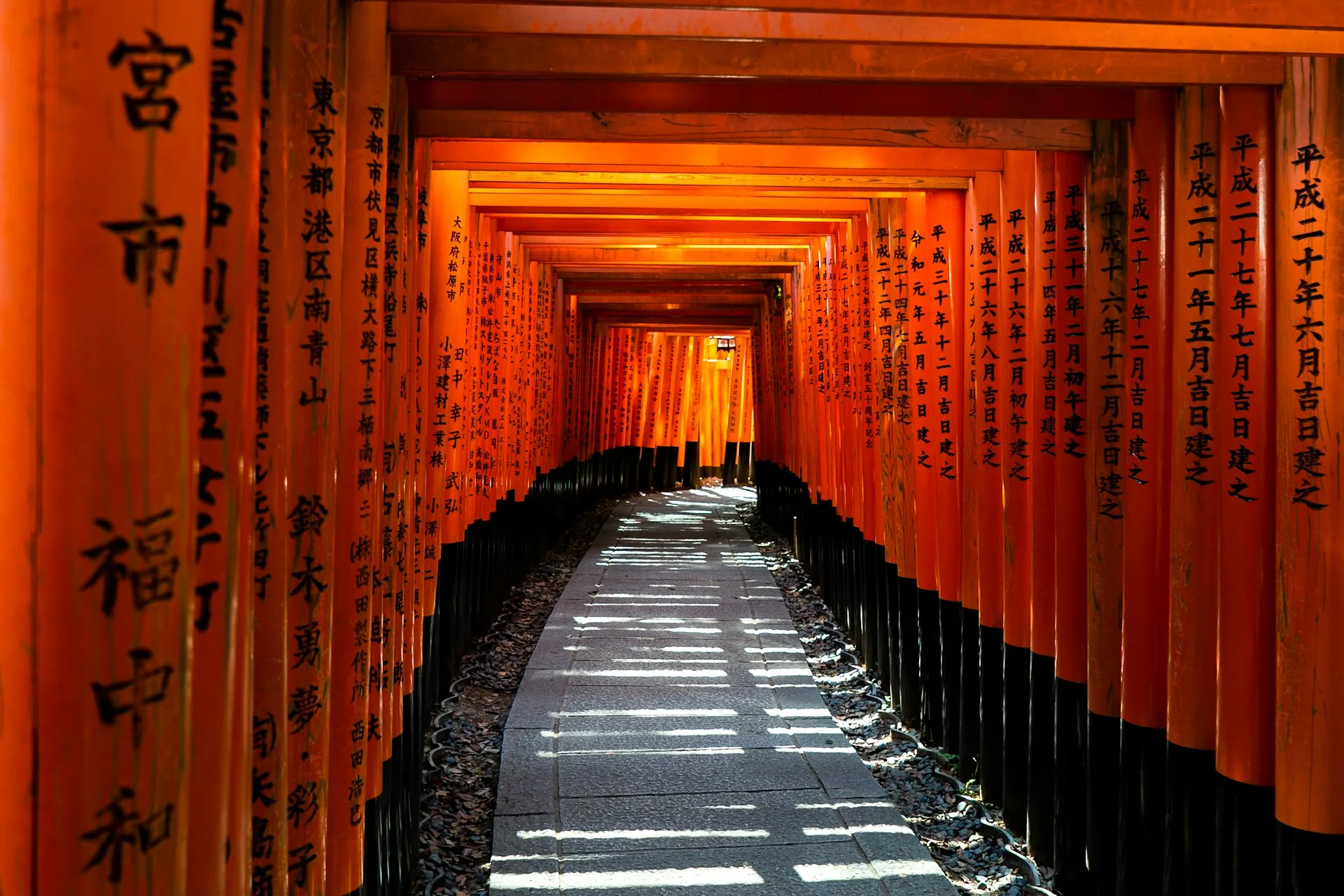
Famous for its thousands of vibrant orange torii gates that create mesmerizing tunnels up the mountainside, Fushimi Inari Shrine is one of Kyoto's most iconic landmarks. This shrine dedicated to Inari, the Shinto god of rice and prosperity, features multiple trails of varying lengths suitable for families. The main trail to the summit takes about 2-3 hours, but shorter walks still offer magical photo opportunities. Stone fox statues guard the shrine grounds, and families can enjoy the spiritual atmosphere while getting moderate exercise in a beautiful natural setting.
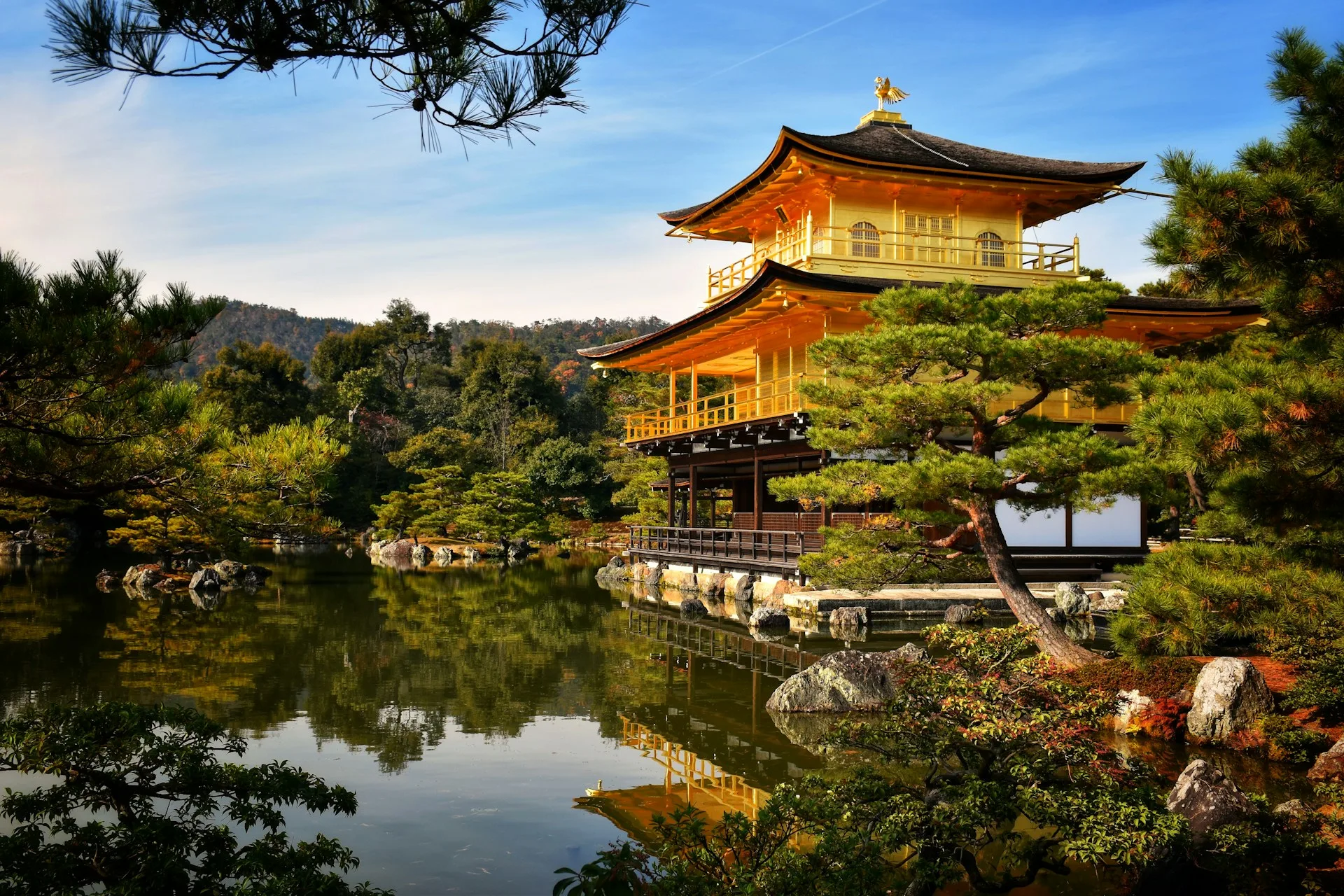
The stunning Golden Pavilion is one of Japan's most photographed landmarks, with its top two floors completely covered in gold leaf that shimmers brilliantly against its reflection in the surrounding pond. This Zen Buddhist temple showcases classical Japanese garden design and architecture at its finest. The carefully landscaped grounds feature walking paths that wind through meticulously maintained gardens, offering different perspectives of this magnificent structure. The combination of natural beauty and architectural splendor makes Kinkaku-ji an unforgettable stop on any Kyoto itinerary.
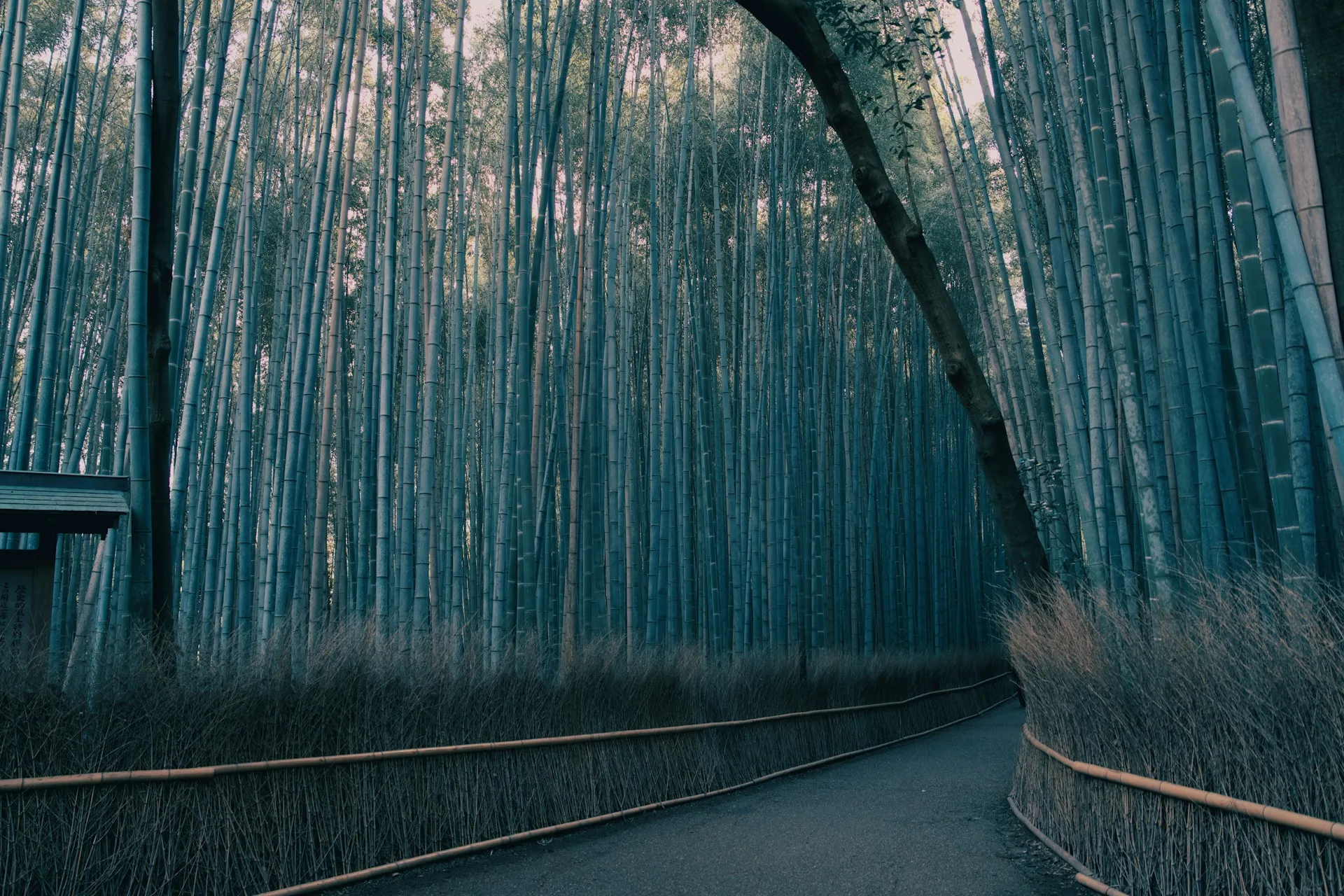
Walk through towering bamboo stalks that create a natural cathedral of green in one of Japan's most photographed locations. The Arashiyama Bamboo Grove offers a surreal experience as sunlight filters through dense bamboo creating ethereal patterns. The path extends for about 500 meters and leads to various temples and gardens. Early morning visits provide the most peaceful experience with fewer crowds. The nearby Tenryu-ji Temple and scenic Togetsukyo Bridge complement this natural wonder, making Arashiyama a must-visit destination for nature-loving families.
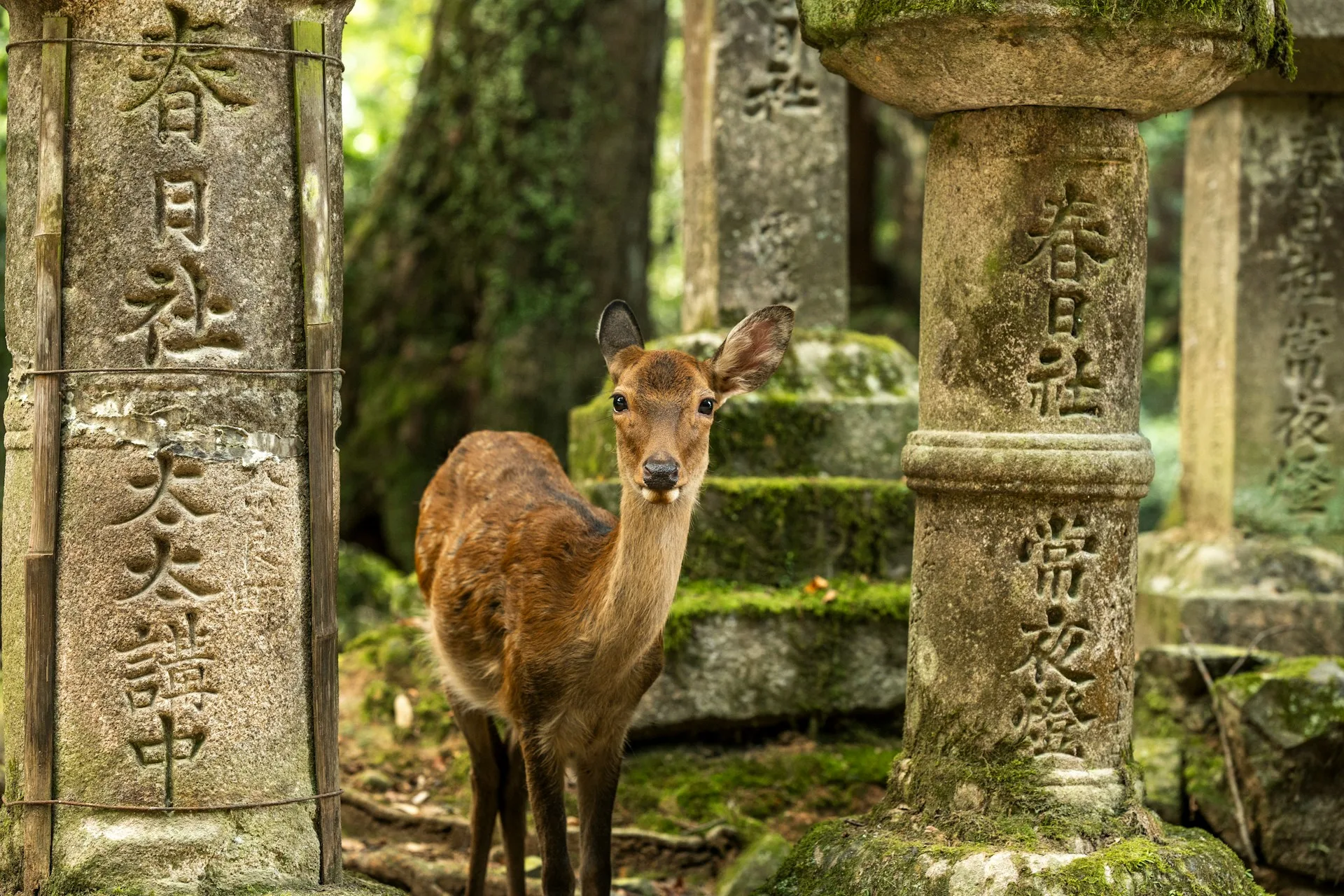
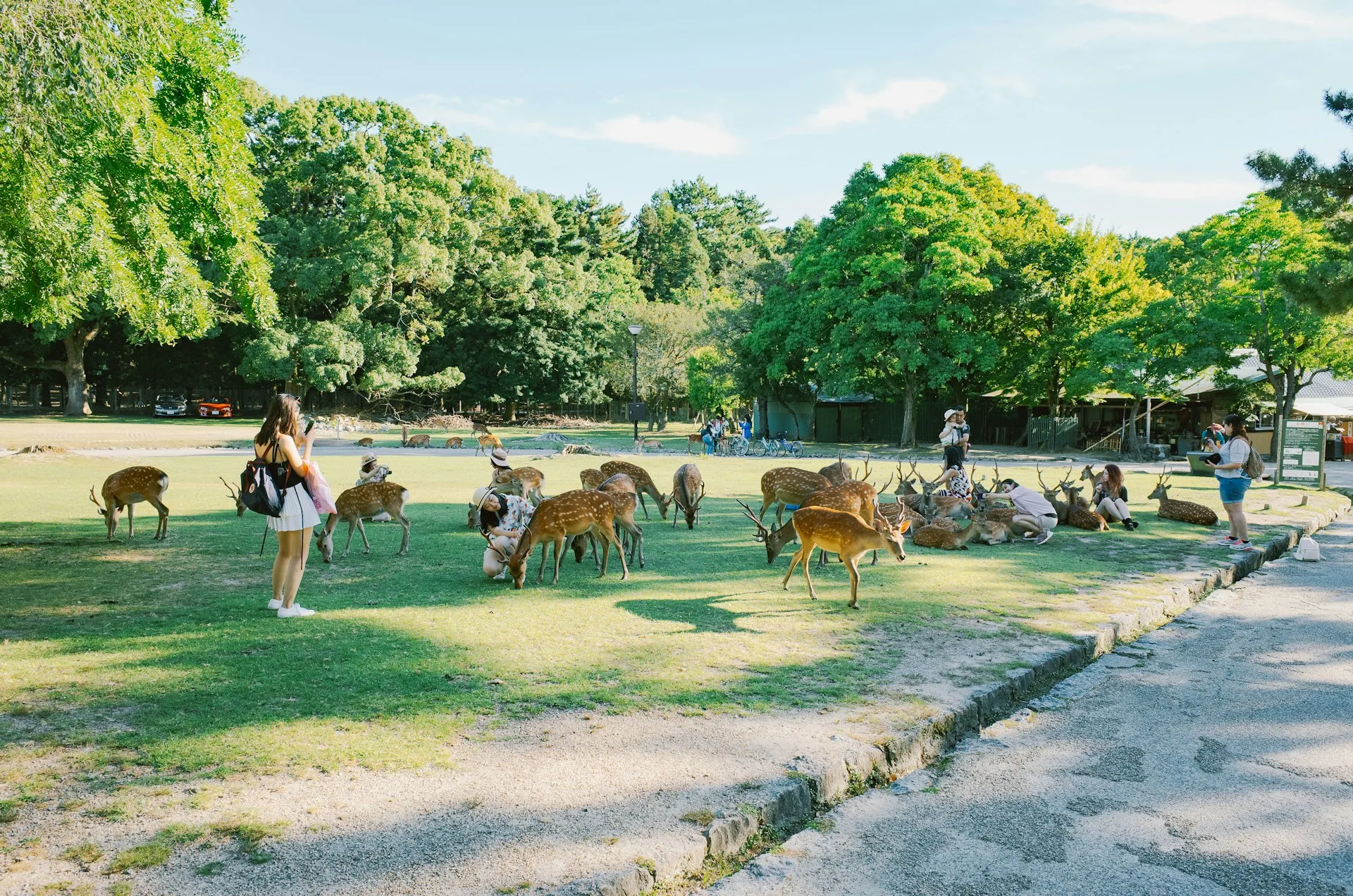
Home to over 1,200 friendly deer that roam freely throughout the park, Nara Park offers a unique wildlife experience where families can feed and interact with these sacred messengers of the Shinto gods. The deer have learned to bow to visitors when requesting special deer crackers available for purchase. The expansive park also contains several important temples including Todai-ji with its massive bronze Buddha statue. The combination of nature, wildlife, and cultural heritage makes Nara Park an engaging destination for children and adults alike.
Housing the world's largest bronze Buddha statue, Todai-ji Temple is an architectural marvel and spiritual centerpiece of Nara. The Daibutsuden (Great Buddha Hall) is one of the largest wooden buildings in the world, showcasing ancient Japanese construction techniques. Children are fascinated by the pillar with a hole that supposedly grants enlightenment to those who can squeeze through it. The temple grounds feature beautiful gardens, smaller halls with additional treasures, and opportunities to learn about Japanese Buddhism in an approachable way suitable for all ages.
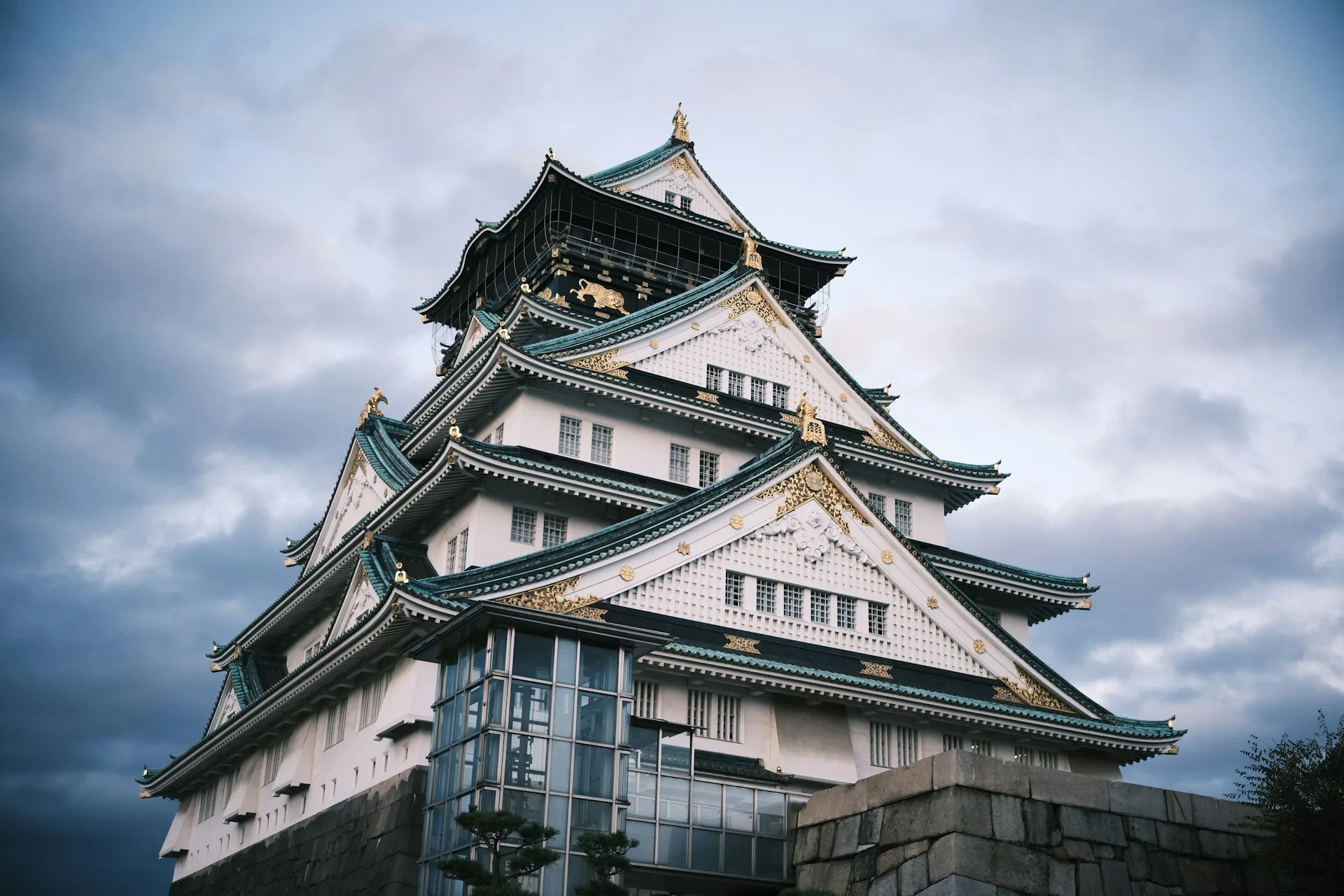
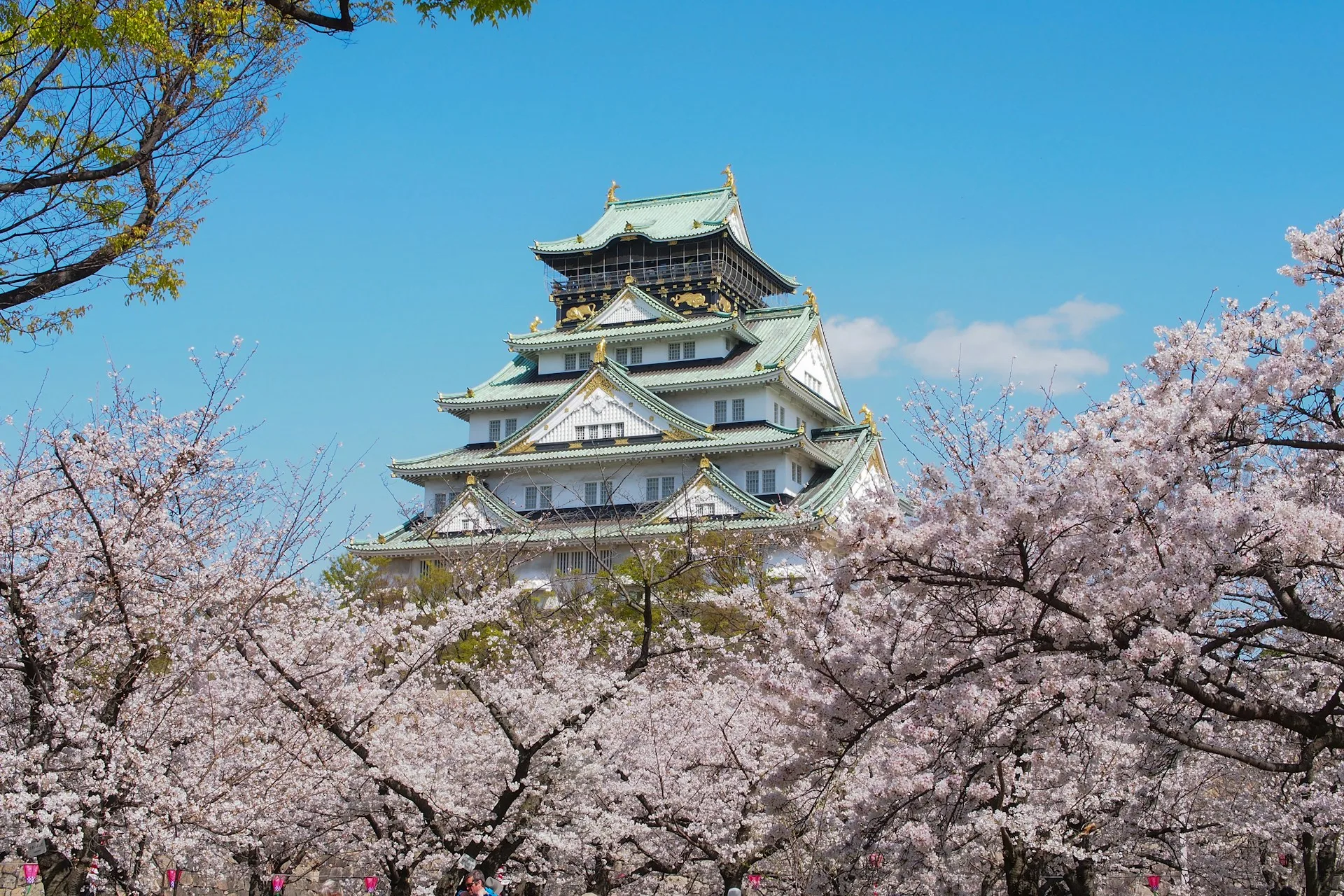
One of Japan's most famous castles, Osaka Castle stands majestically on elevated grounds surrounded by moats and stone walls. The main tower offers panoramic city views and houses a museum displaying samurai armor, weapons, and historical artifacts that bring feudal Japan to life. The surrounding Osaka Castle Park is particularly beautiful during cherry blossom season, offering picnic spots and leisurely walks. The castle's impressive architecture and engaging exhibits make Japanese history accessible and exciting for younger visitors while satisfying history enthusiasts.
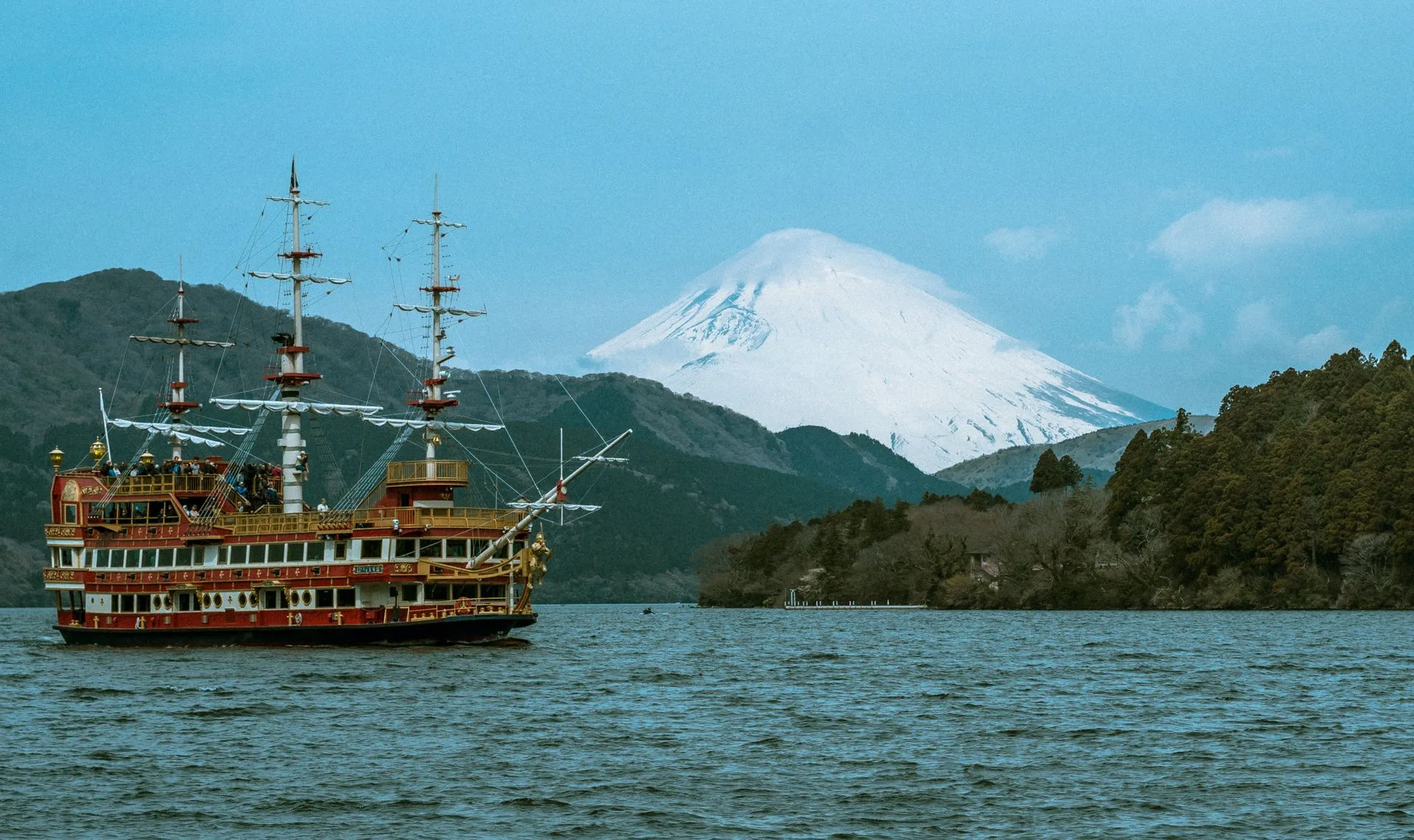
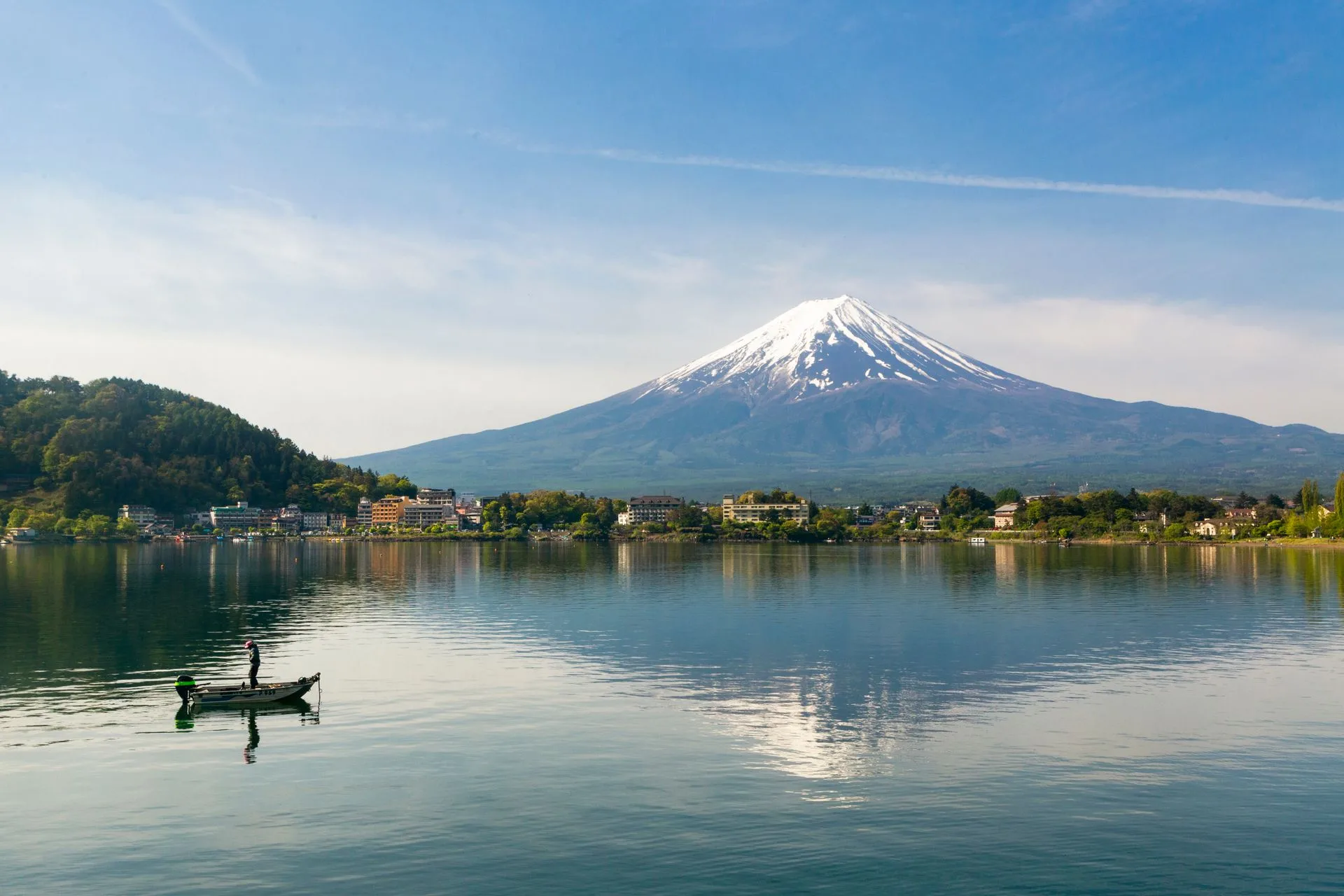
Located at 2,300 meters above sea level, the Fifth Station offers the closest accessible viewpoint of Mount Fuji for families not climbing to the summit. On clear days, the panoramic views of the surrounding lakes, forests, and the iconic snow-capped peak are absolutely spectacular. The station features shops, restaurants, and observation points where families can experience the mountain's majesty without strenuous hiking. The journey to the Fifth Station itself offers scenic mountain roads and opportunities to appreciate Japan's most recognizable natural landmark from multiple perspectives.
Your Japanese adventure begins as you arrive at Narita or Haneda International Airport. After clearing immigration and customs, you'll be greeted by your English-speaking representative who will assist with your private transfer to your family-friendly hotel in central Tokyo. The pre-arranged transport ensures a smooth, comfortable journey to your accommodation without the stress of navigating public transport with luggage.
After checking into your hotel, take time to settle in and rest from your journey. If energy permits, take a gentle evening stroll around your hotel neighborhood to get your first impressions of Tokyo's unique blend of traditional and modern culture. The streets come alive with neon signs, the aroma of local cuisine, and the fascinating rhythm of Japanese city life. Enjoy dinner at a verified family-friendly restaurant near your hotel, where you can sample your first authentic Japanese meal.
Overnight: Tokyo | Meals: Dinner at verified restaurant (optional)
After a hearty breakfast, begin your Tokyo exploration with a private guided tour of the city's most iconic attractions. Start at the serene Meiji Shrine, nestled in a peaceful forest in the heart of the city. Walk through towering torii gates and learn about Shinto traditions and Japanese imperial history. The tranquil atmosphere provides a perfect introduction to Japan's spiritual side.
Continue to the historic Senso-ji Temple in Asakusa, Tokyo's oldest Buddhist temple. Stroll through Nakamise Shopping Street lined with traditional shops selling local snacks, souvenirs, and handcrafts. Experience the iconic Thunder Gate with its massive red lantern before exploring the temple grounds. After lunch at a curated restaurant, visit the trendy Harajuku district known for its youth culture and unique fashion. End your day at Shibuya Crossing, the world's busiest pedestrian intersection, and witness the organized chaos of Tokyo's modern life. Enjoy shopping and dinner in the vibrant Shibuya area before returning to your hotel.
Overnight: Tokyo | Meals: Breakfast, Lunch, Dinner
Today's adventure begins with a visit to Tokyo Skytree, Japan's tallest structure standing at 634 meters. Ascend to the observation decks at 350 and 450 meters for breathtaking panoramic views of the entire metropolitan area. On clear days, you can spot Mount Fuji in the distance. The Skytree Town complex at the base offers shopping, dining, and entertainment options for the whole family.
In the afternoon, experience traditional Japanese culture with a tea ceremony demonstration. Learn about the history and significance of this ancient ritual while enjoying matcha tea and traditional sweets. Later, explore the Imperial Palace East Gardens, the former site of Edo Castle, where you can walk through beautifully maintained gardens and learn about Japan's imperial history. The evening is free for you to explore at your leisure—perhaps visit an electronic district like Akihabara or enjoy a themed cafe experience that Tokyo is famous for.
Overnight: Tokyo | Meals: Breakfast, Lunch
Embark on an unforgettable day trip to Mount Fuji, Japan's most iconic natural landmark. Your private transfer will take you to the Mount Fuji Fifth Station at 2,300 meters above sea level, where you'll enjoy spectacular views of the snow-capped peak and surrounding landscape. The observation areas provide perfect photo opportunities with this sacred mountain as your backdrop.
Continue to the scenic Hakone region, famous for its hot springs and natural beauty. Experience a cruise on Lake Ashi with stunning views of Mount Fuji reflected in the crystal-clear waters. If time permits, ride the Hakone Ropeway for aerial views of the volcanic valley and steaming vents of Owakudani. Try the famous black eggs boiled in volcanic springs, said to add seven years to your life. After this enriching day surrounded by nature, return to your Tokyo hotel in the evening with memories of Japan's most celebrated mountain.
Overnight: Tokyo | Meals: Breakfast, Lunch
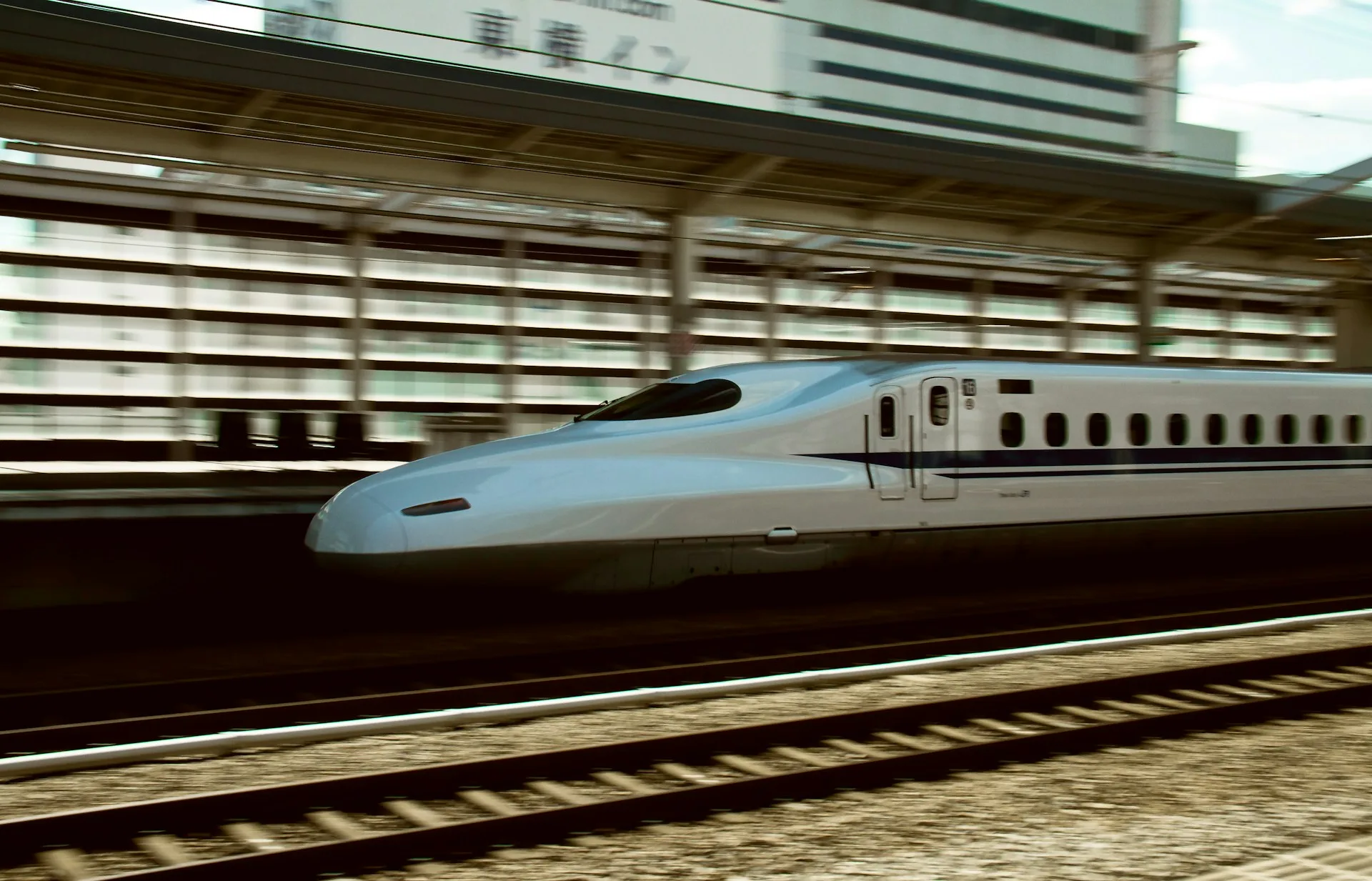
After breakfast and hotel checkout, experience one of Japan's technological marvels—the Shinkansen bullet train. Your reserved seats on this high-speed rail journey to Kyoto will reach speeds of up to 320 km/h, yet the ride remains incredibly smooth and comfortable. The approximate 2-hour journey offers views of the Japanese countryside, small towns, and if you're lucky, glimpses of Mount Fuji from the train window.
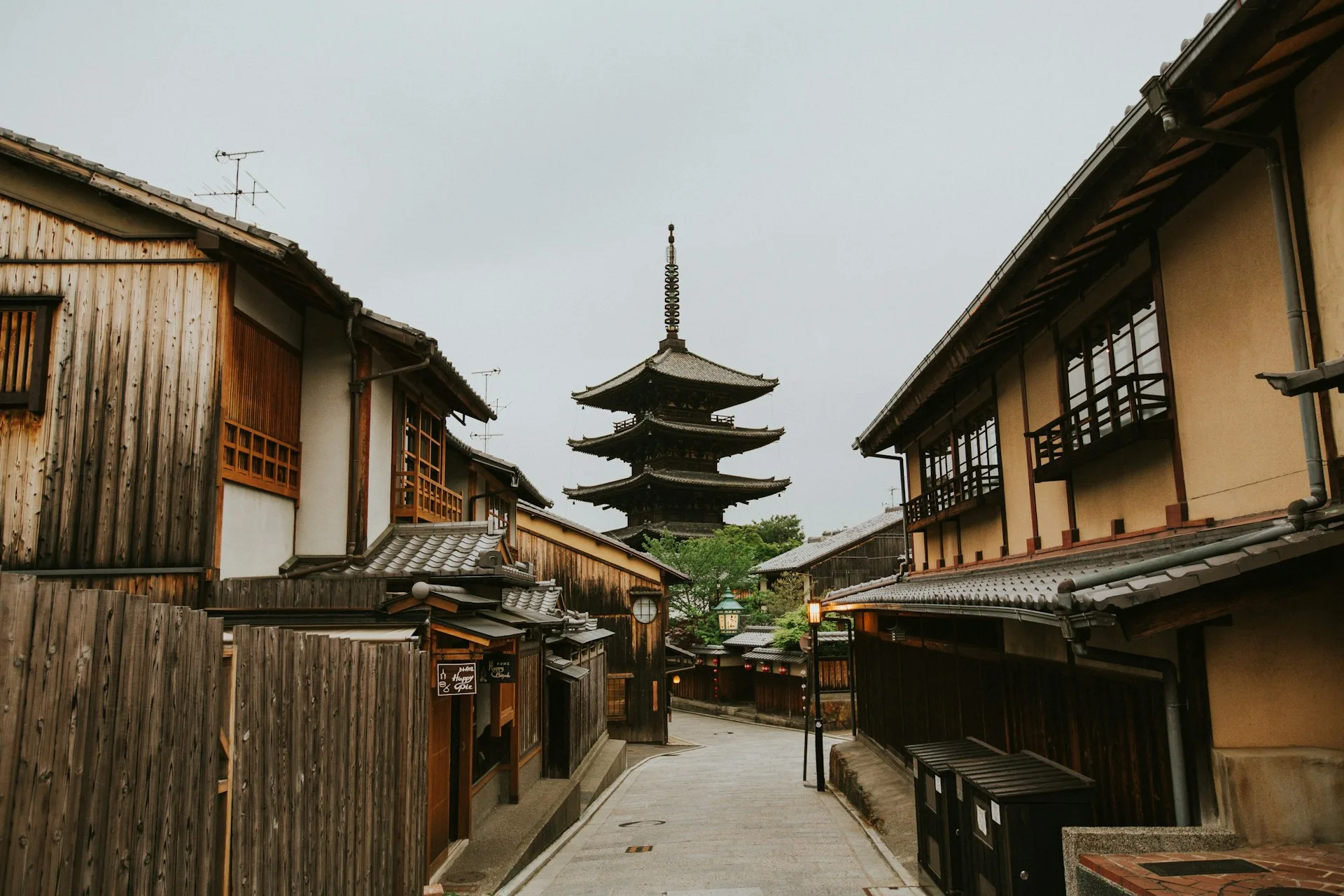
Upon arrival in Kyoto, you'll be transferred to your family-friendly hotel via pre-arranged private transport. After checking in and freshening up, take an evening stroll through the historic Gion district, Kyoto's famous geisha quarter. Walk along the atmospheric Hanami-koji Street lined with traditional wooden machiya houses, teahouses, and restaurants. If fortunate, you might spot a geisha or maiko (apprentice geisha) on their way to an appointment. Enjoy dinner at a verified restaurant serving Kyoto's refined cuisine before retiring for the night.
Overnight: Kyoto | Meals: Breakfast, Dinner
Begin your day with a visit to Kinkaku-ji, the famous Golden Pavilion, one of Kyoto's most photographed landmarks. The top two floors of this Zen Buddhist temple are completely covered in gold leaf, creating a stunning reflection in the surrounding pond. Walk through the meticulously maintained gardens designed to complement the temple's architecture and learn about its fascinating history spanning several centuries.
After lunch at a curated restaurant, journey to the Arashiyama district to experience the enchanting Bamboo Grove. Walk through towering bamboo stalks that create a natural green cathedral with sunlight filtering through the dense foliage. Visit the nearby Tenryu-ji Temple, a UNESCO World Heritage site with beautiful gardens. Cross the iconic Togetsukyo Bridge spanning the Katsura River and explore the charming shops and cafes lining the streets. If time permits, consider visiting the Iwatayama Monkey Park where you can observe Japanese macaques in their natural habitat with panoramic views of Kyoto below.
Overnight: Kyoto | Meals: Breakfast, Lunch
Today's highlight is the spectacular Fushimi Inari Shrine, famous for its thousands of vibrant orange torii gates that create mesmerizing tunnels winding up the mountainside. This shrine dedicated to Inari, the Shinto god of rice and prosperity, features multiple trails of varying lengths. Even a short walk through the initial gates provides magnificent photo opportunities and a spiritual atmosphere. Stone fox statues, considered Inari's messengers, guard the shrine grounds throughout.
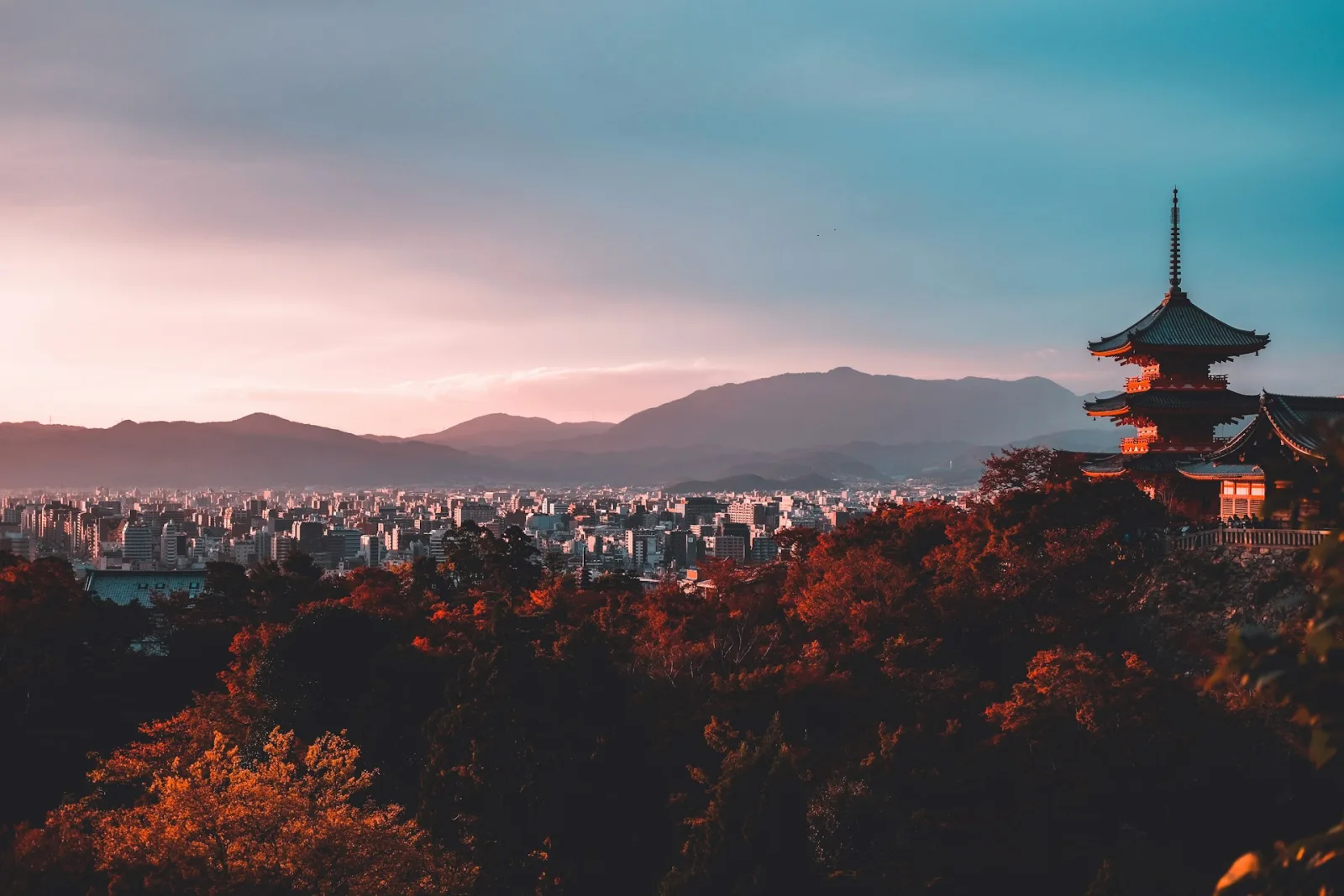
Continue to Kiyomizu-dera Temple, one of Kyoto's most celebrated temples, perched on a hillside with stunning views over the city. The main hall's large wooden terrace, supported entirely by pillars without nails, offers breathtaking vistas especially during cherry blossom or autumn foliage seasons. Stroll down the atmospheric Ninenzaka and Sannenzaka slopes lined with traditional shops, teahouses, and pottery stores. Visit Yasaka Shrine in the nearby Higashiyama district before returning to your hotel. The evening offers free time to explore more of Kyoto or relax at your accommodation.
Overnight: Kyoto | Meals: Breakfast, Lunch
After breakfast, take a day trip to nearby Nara, Japan's first permanent capital. Nara Park is home to over 1,200 friendly deer that roam freely and are considered sacred messengers of the Shinto gods. These gentle creatures have learned to bow to visitors when requesting special deer crackers available for purchase. Children and adults alike delight in feeding and photographing these charming animals in this unique wildlife experience.
Visit Todai-ji Temple, housing the world's largest bronze Buddha statue in one of the world's largest wooden buildings. The impressive scale and spiritual significance of this UNESCO World Heritage site leaves visitors in awe. After exploring Nara's treasures, continue to Osaka, Japan's third-largest city known for its modern architecture, vibrant nightlife, and delicious food culture. Check into your Osaka hotel and spend the evening exploring the lively Dotonbori district with its neon lights, iconic Glico Running Man sign, and countless dining options. Experience Osaka's famous street food culture at verified restaurants.
Overnight: Osaka | Meals: Breakfast, Dinner
Begin your Osaka exploration with a visit to the magnificent Osaka Castle, one of Japan's most famous landmarks. The castle tower stands majestically on elevated grounds surrounded by impressive stone walls and moats. Inside, the castle museum displays samurai armor, weapons, and historical artifacts that bring feudal Japan to life. Climb to the top floor for panoramic views of Osaka city. The surrounding castle park is particularly beautiful with seasonal flowers and offers pleasant walking paths.
After lunch, visit the Osaka Aquarium Kaiyukan, one of the world's largest aquariums featuring marine life from the Pacific Rim. The impressive facility includes a massive tank where whale sharks and manta rays glide gracefully. The interactive exhibits and feeding demonstrations are particularly engaging for younger family members. Later, explore the Umeda Sky Building with its unique floating garden observatory offering 360-degree views of the city. End your day with dinner in the bustling Namba district, sampling Osaka's renowned takoyaki (octopus balls) and okonomiyaki (savory pancakes) at verified family-friendly establishments.
Overnight: Osaka | Meals: Breakfast, Lunch, Dinner
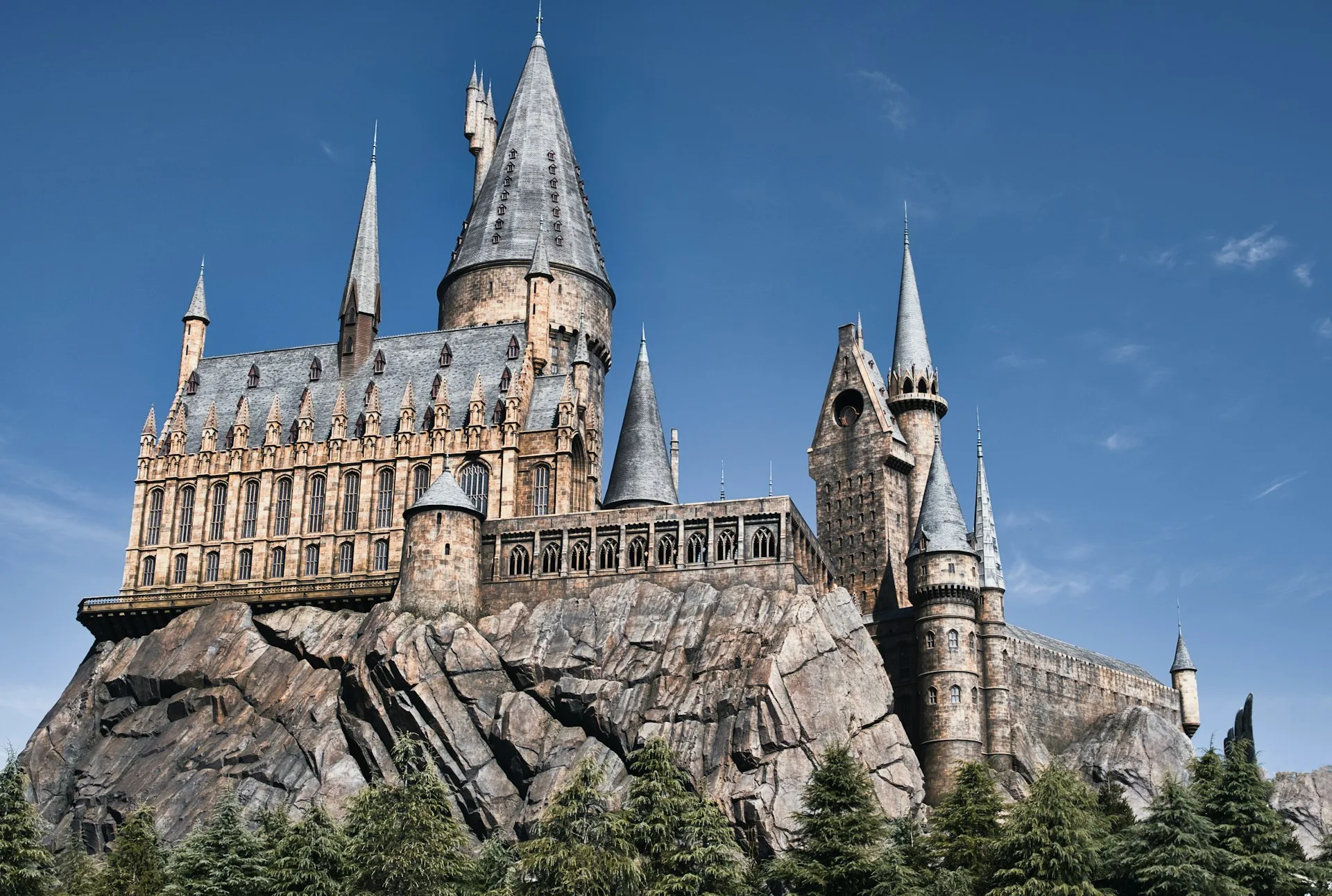
Today offers flexibility based on your family's interests. Option one is to spend the full day at Universal Studios Japan, one of Asia's most popular theme parks. Experience thrilling rides, shows, and attractions themed around popular movies and characters. The Wizarding World of Harry Potter is a particular highlight, faithfully recreating Hogwarts Castle and Hogsmeade village. Other popular areas include Minion Park, Jurassic Park, and various seasonal events and parades throughout the year.
Alternatively, enjoy a more relaxed day exploring Osaka at your own pace. Visit the Shitennoji Temple, one of Japan's oldest Buddhist temples, or the Sumiyoshi Taisha Shrine with its unique architectural style. Shop for souvenirs at Shinsaibashi Shopping Arcade, one of Osaka's main shopping destinations with both traditional and modern stores. In the evening, consider taking a river cruise along the Dotonbori canal for a different perspective of Osaka's neon-lit entertainment district. Enjoy a farewell dinner at a premium Japanese restaurant, celebrating your memorable journey through Japan.
Overnight: Osaka | Meals: Breakfast, Dinner
After breakfast and hotel checkout, your private transfer will take you to Kansai International Airport for your departure flight. The comfortable pre-arranged transport ensures you arrive at the airport with plenty of time for check-in and security procedures. As you journey to the airport, reflect on the incredible experiences you've shared as a family—from ancient temples and serene gardens to bullet trains and modern cities, from feeding deer in Nara to gazing at Mount Fuji.
Depending on your flight schedule, you may have time for some last-minute shopping at the airport, which offers an excellent selection of Japanese souvenirs, snacks, and duty-free products. Board your flight home carrying wonderful memories of Japan's perfect blend of tradition and innovation, the kindness of its people, the beauty of its landscapes, and the unique experiences that make this country truly special. Sayonara, and we hope to welcome you back to Japan in the future!
Meals: Breakfast
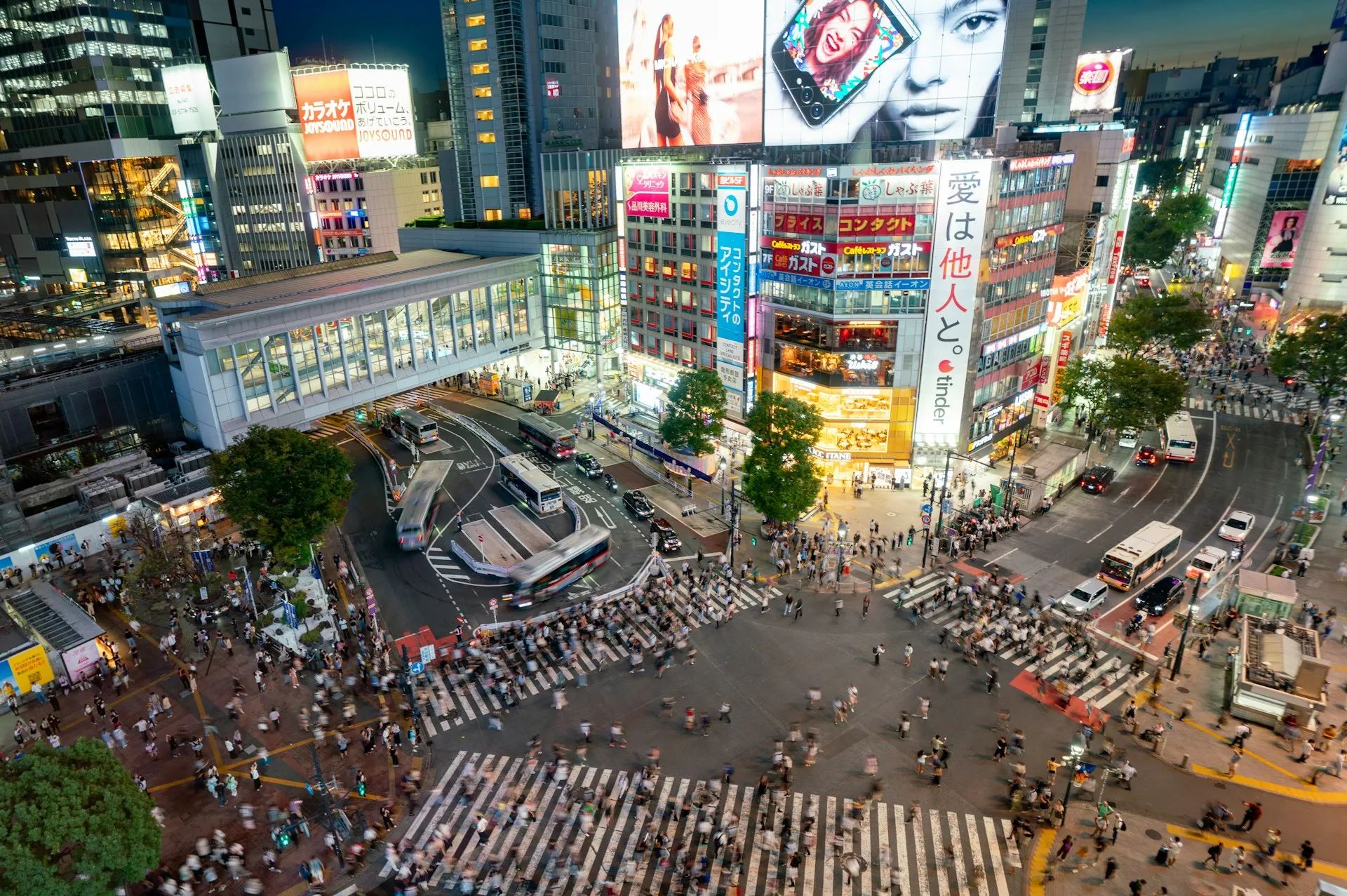
Capture the organized chaos of the world's busiest pedestrian intersection from elevated viewpoints in surrounding buildings. The best shots come after sunset when neon signs illuminate the crossing and hundreds of people traverse in perfect synchronization. Try the Starbucks overlooking the crossing or the Shibuya Sky observation deck for aerial perspectives. The rhythmic flow of pedestrians, towering video screens, and urban energy create dynamic compositions perfect for showcasing Tokyo's modern face.
Best Time: Evening (7:00 PM - 9:00 PM) | Photography Tip: Use slower shutter speeds to capture motion blur of pedestrians while keeping buildings sharp. Arrive early to secure window seats at popular viewing spots.
The thousands of vibrant orange torii gates creating tunnels up the mountainside offer one of Japan's most iconic and photographically striking scenes. The best photographs come from walking into the tunnels where the gates create natural leading lines and repeating patterns. Early morning visits (6:00 AM - 8:00 AM) provide soft light and fewer crowds, allowing for cleaner compositions. The contrast between the bright vermillion gates and surrounding green forest creates powerful visual impact in both color and black-and-white photography.
Best Time: Early morning or late afternoon | Photography Tip: Position family members in the gate tunnels for scale and human interest. The lower sections near the main shrine are most photogenic and accessible.
The towering bamboo stalks create a surreal natural cathedral perfect for atmospheric photography. The filtered green light and vertical lines of bamboo create a sense of scale and tranquility. Visit early morning (6:00 AM - 8:00 AM) to avoid crowds and capture the grove's peaceful essence. The path curves gently, offering various composition opportunities. Include people in your shots for scale and to show the impressive height of the bamboo. Overcast days actually work well here as they eliminate harsh shadows while maintaining the ethereal green light.
Best Time: Early morning (6:00 AM - 8:00 AM) | Photography Tip: Use wider apertures to create depth in compositions. Shoot both portrait and landscape orientations to emphasize the vertical nature of bamboo or the path's journey through the grove.
Lake Kawaguchi offers some of the most stunning reflection shots of Mount Fuji when conditions are right. The northern shore provides the classic postcard view with the symmetrical mountain perfectly mirrored in calm water. Early morning offers the highest probability of still water and clear visibility before afternoon clouds obscure the peak. Cherry blossom season (late April) adds colorful foreground elements, while autumn provides fiery foliage contrast. Weather is unpredictable, so allow multiple days in the area if capturing Mount Fuji is a priority.
Best Time: Early morning (5:00 AM - 7:00 AM) | Photography Tip: Use polarizing filters to enhance sky and reduce glare on water. Scout locations the evening before to plan morning compositions. The iconic view requires perfectly calm conditions for mirror reflections.
Kyoto's historic geisha district comes alive in the evening with atmospheric lanterns illuminating traditional wooden machiya buildings. Hanami-koji Street offers the most photogenic setting with its preserved architecture and cobblestone paths. If fortunate enough to spot a geisha or maiko, photograph respectfully from a distance—never block their path or use flash. The warm glow of paper lanterns, traditional architecture, and occasional kimono-clad figures create timeless Japanese scenes. Rain actually enhances the atmosphere, creating reflections on wet stones and a moody ambiance.
Best Time: Evening (6:00 PM - 8:00 PM) | Photography Tip: Use higher ISOs and wider apertures for low-light situations. Respect locals and geishas—never obstruct their paths for photographs. The best shots come from patient observation rather than staged interactions.
Osaka Castle surrounded by over 3,000 cherry trees creates a spectacular scene during sakura season (late March to early April). The contrast between the imposing castle architecture and delicate pink blossoms exemplifies Japan's blend of strength and beauty. The castle park offers multiple vantage points, from formal entrance gates to informal picnic spots under blossoming trees. Even outside cherry blossom season, the castle's impressive stone walls and moats create powerful architectural photographs. Golden hour (sunrise and sunset) provides the most dramatic lighting on the castle's facade.
Best Time: Cherry blossom season (late March - early April), early morning or late afternoon | Photography Tip: Use cherry blossoms as natural frames for castle shots. Visit during weekdays to avoid extreme crowds during sakura season. The castle is also beautifully illuminated at night.
Nara Park's friendly deer provide unique opportunities for wildlife and interaction photography. The deer are accustomed to humans and can be approached closely, though it's important to be respectful and follow park guidelines. Morning visits (7:00 AM - 9:00 AM) offer softer light and more active deer behavior. Photograph feeding interactions, the famous bowing deer, or contemplative moments of deer resting near temple structures. The combination of wildlife and cultural heritage sites in the background creates distinctly Japanese compositions. Wide-angle lenses capture environmental portraits while telephoto lenses isolate individual deer expressions.
Best Time: Morning (7:00 AM - 9:00 AM) | Photography Tip: Get down to deer eye level for more engaging portraits. Be patient for natural moments rather than forcing interactions. Keep equipment protected as curious deer may try to nibble cameras or bags.
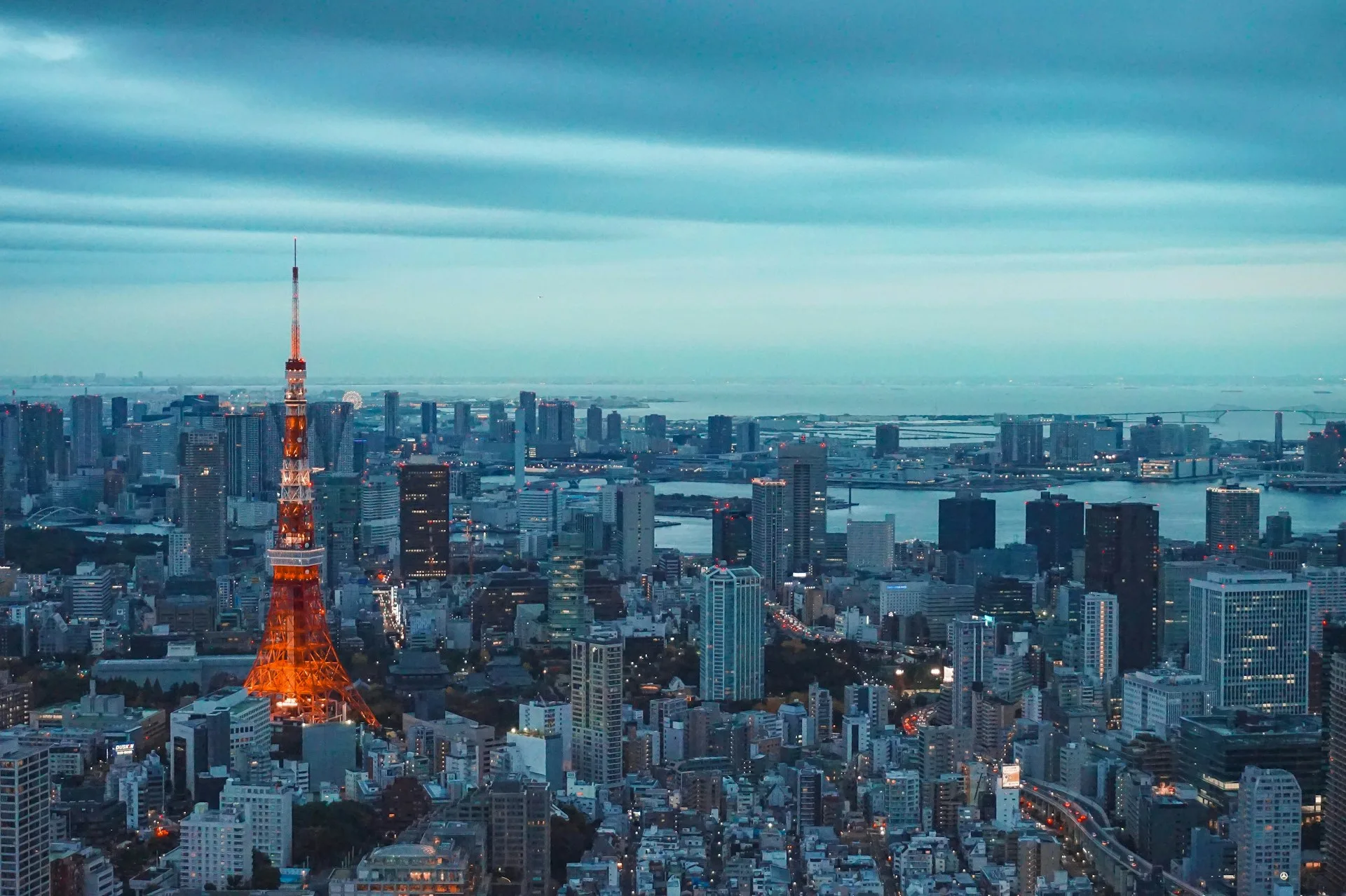
The Sumida River provides excellent vantage points for photographing Tokyo Skytree, especially during blue hour when the tower's illumination complements the twilight sky. Various bridges and riverside parks offer composition opportunities with water reflections and urban context. The Azumabashi Bridge area is particularly popular, providing the famous view with the Asahi Beer Hall's distinctive golden flame sculpture in the foreground. Spring cherry blossoms along the riverbank add seasonal interest. Consider river cruise perspectives for unique moving viewpoints of the tower from water level.
Best Time: Blue hour (30 minutes before/after sunset) | Photography Tip: Use tripods for long exposures capturing light trails from boats or traffic. The tower changes illumination colors seasonally and for special events, offering variety throughout the year.
Note: Opening and closing times are subject to change and may vary depending on the day of the week, public holidays, maintenance schedules, or special events. Please verify current timings before your visit.
Spring (March to May) is arguably Japan's most beautiful season, with cherry blossoms creating magical pink landscapes across the country. Peak bloom varies by region, typically occurring late March to early April. Autumn (September to November) offers equally stunning scenery with vibrant fall foliage, comfortable temperatures, and clear skies ideal for Mount Fuji viewing. Summer (June to August) brings hot, humid weather and rainy season in June-July, though festivals and fireworks add cultural appeal. Winter (December to February) sees cold temperatures, occasional snow, and fewer tourists, making it excellent for those seeking peaceful temple visits and winter illuminations. Japan's seasonal diversity means any time can be rewarding depending on your preferences and tolerance for crowds versus weather conditions.
Yes, Indian passport holders require a visa to enter Japan for tourism purposes. The visa application process typically takes 5-7 working days through the Japanese Embassy or authorized travel agents. You'll need a valid passport with at least 6 months validity, completed application forms, recent photographs, proof of financial stability, confirmed flight tickets, and hotel reservations. Apply at least 2-3 weeks before your intended departure date. For detailed requirements and application procedures, visit the Embassy of Japan in India consular section. Our team can provide guidance and documentation support for your visa application.
Absolutely! This itinerary is specifically designed with families in mind, offering a balanced mix of cultural experiences, interactive activities, and comfortable pacing. The daily schedule allows for flexibility and rest periods to accommodate children's energy levels. Activities like feeding deer in Nara, experiencing bullet trains, visiting themed districts, and exploring castles engage children naturally. Private transfers eliminate the stress of navigating public transport with kids and luggage. Hotels are selected for family-friendly amenities including spacious rooms and breakfast options suitable for children. We can customize the itinerary further based on your children's ages and specific interests.
Spring (March-May) and autumn (September-November) are ideal for family travel to Japan. Spring features the spectacular cherry blossom season with mild temperatures perfect for outdoor activities and sightseeing. Autumn brings vibrant foliage, comfortable weather, and clear skies excellent for Mount Fuji viewing. Both seasons avoid the humidity and heat of summer and the cold of winter, making them comfortable for families with children. However, these popular seasons attract more tourists and higher prices. If you prefer fewer crowds and don't mind cold weather, winter (December-February) offers peaceful temple visits, winter illuminations, and potential snow experiences. Summer brings festivals and cultural events but also hot, humid conditions and rainy season in June-July.
Yes, we offer complete flexibility to customize this itinerary according to your family's preferences and interests. Popular additions include Hiroshima with its Peace Memorial and Miyajima Island, the traditional village of Takayama, the snow monkeys of Nagano, or extended time in any city. We can adjust the pace to include more free time, add specific cultural experiences like kimono wearing or calligraphy classes, or incorporate special interests such as anime culture or traditional crafts. If your family prefers fewer destinations with deeper exploration or more cities with quicker visits, we'll design an itinerary that matches your travel style. Contact us to discuss your specific requirements, and we'll create a personalized Japan experience tailored to your family.
Japan has become increasingly accommodating of dietary restrictions, though it requires some planning. For vegetarian families, Buddhist vegetarian cuisine (shojin ryori) is available at many temple areas. Major cities have restaurants catering to various dietary needs including halal, vegan, and allergy-friendly options. We provide recommendations for family-friendly restaurants that understand international dietary requirements and can prepare meals accordingly. It's helpful to learn basic Japanese phrases or carry translation cards explaining dietary restrictions. Many convenience stores and supermarkets offer packaged foods with ingredient lists. Our guides assist with communicating dietary needs at restaurants. We also recommend packing some familiar snacks for children with specific dietary needs.
With over a decade of experience in curating authentic Japanese experiences, we understand what makes family travel truly memorable. Our Japan tour packages are designed specifically for families, balancing cultural immersion with comfort and convenience. We work exclusively with verified local guides who are not only knowledgeable about history, culture, and cuisine but also skilled at engaging children and making learning fun through storytelling, interactive activities, and hands-on cultural experiences.
Safety and comfort are our top priorities. We carefully select family-friendly hotels that meet international standards while retaining traditional Japanese hospitality, ensure all transportation is private and comfortable, and maintain constant communication throughout your journey. Our itineraries build in flexibility and rest time, recognizing that families with children need a different pace than typical group tours. We've removed the stress of planning by handling all logistics, from visa guidance to restaurant reservations, allowing you to focus entirely on creating memories with your loved ones.
What sets us apart is our commitment to authentic experiences without compromising on safety or comfort. We avoid rushed, overcrowded group tours in favor of private experiences that allow your family to explore at your own pace, ask questions freely, and truly connect with Japan's rich cultural heritage. Our local expertise means you'll discover hidden gems beyond the standard tourist sites, taste the best regional specialties, and receive insider tips that transform a good vacation into an extraordinary adventure. Choose us for a seamlessly organized, culturally enriching, and genuinely memorable family journey through the Land of the Rising Sun.
 Europe
 Africa
 Europe
 Africa
 Asia
Asia
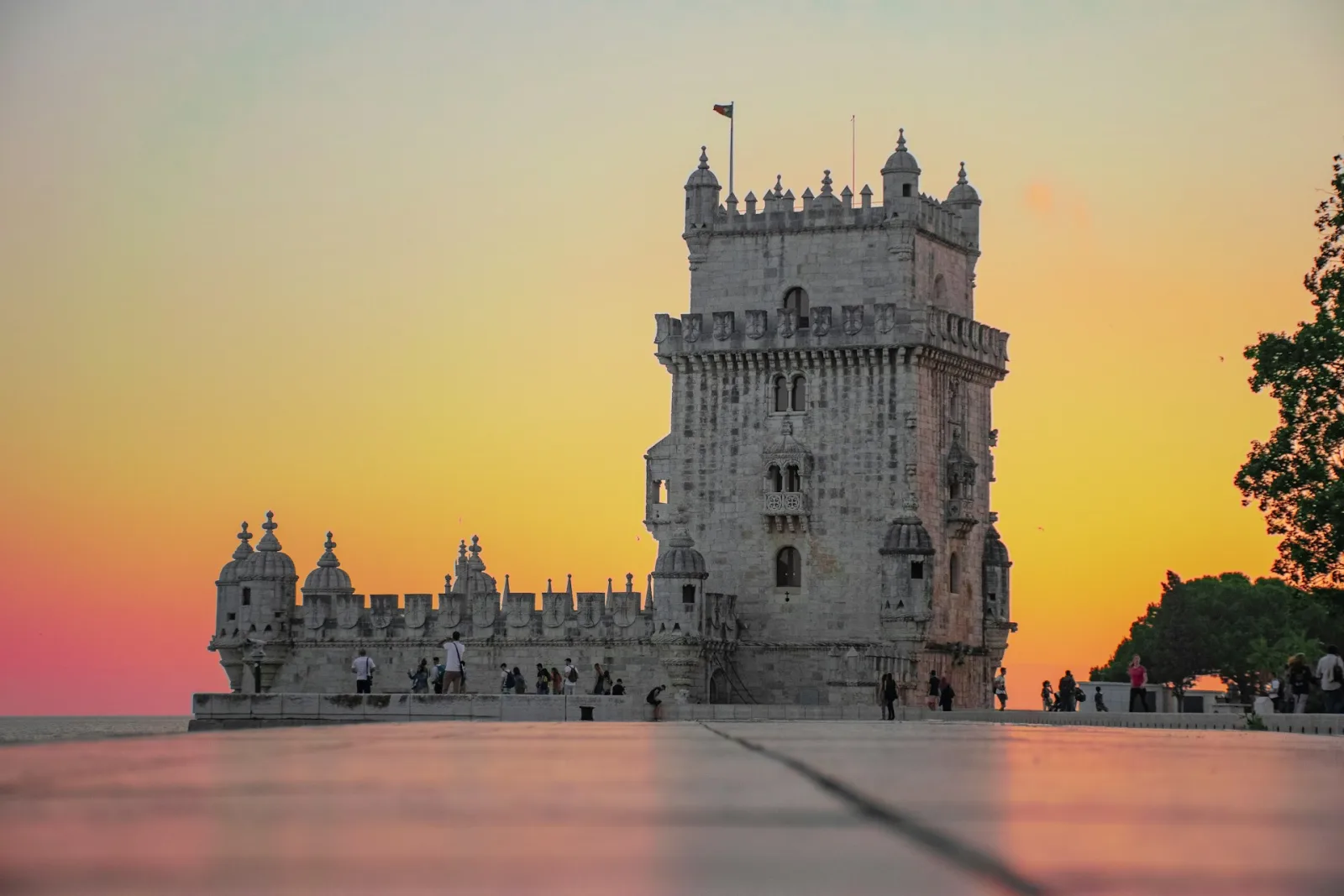 Europe
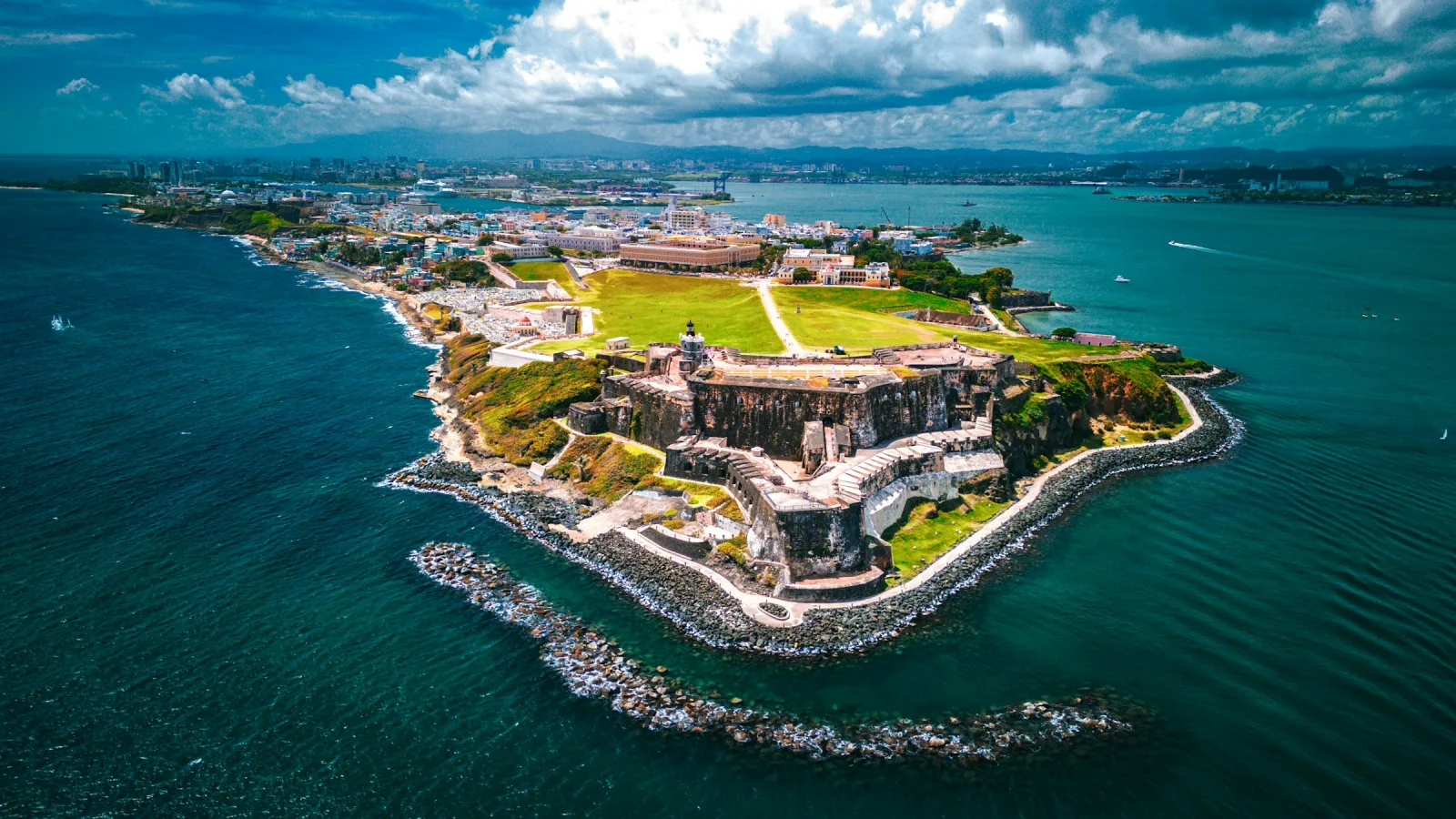 Americas
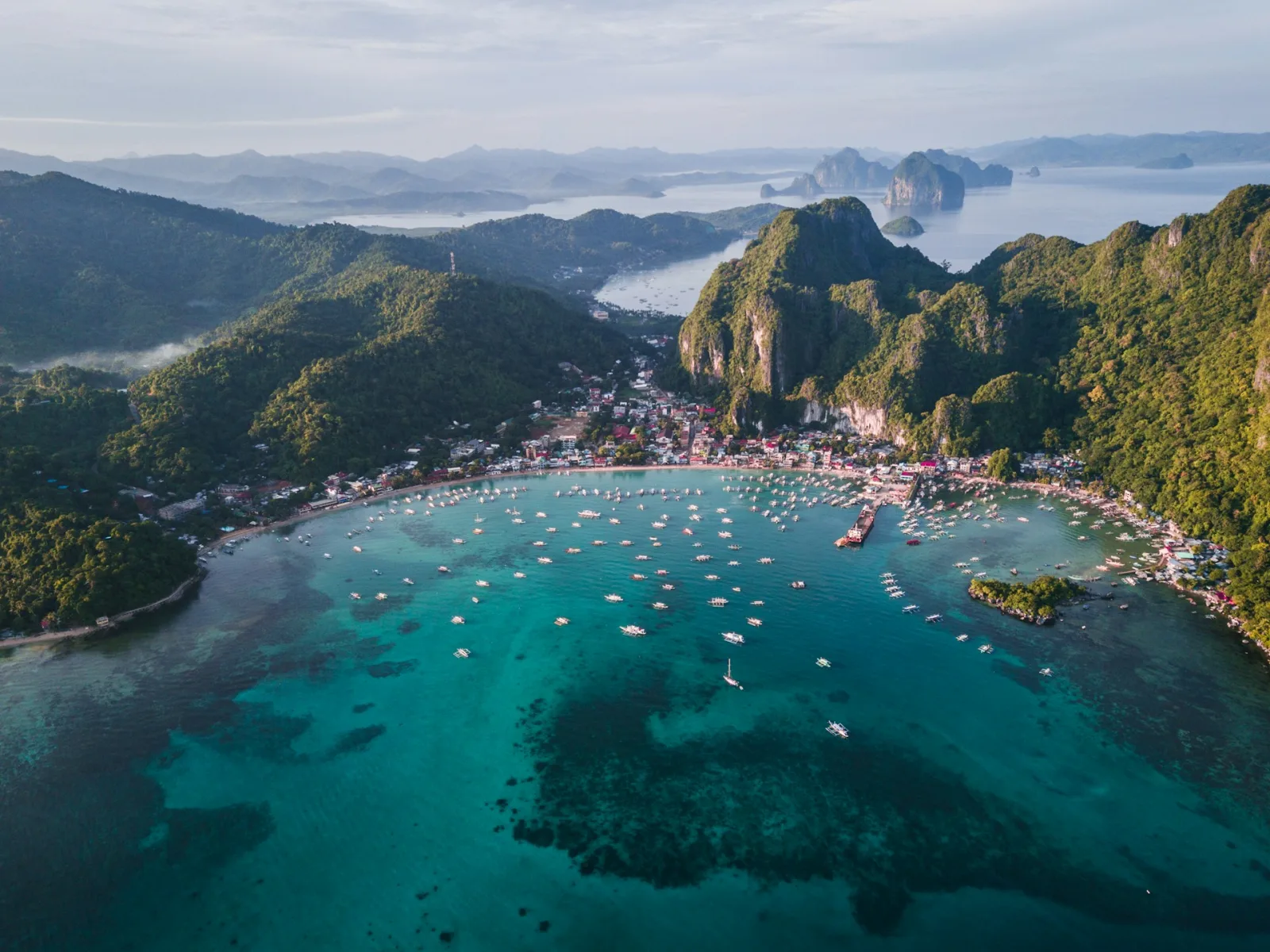 Asia
Asia
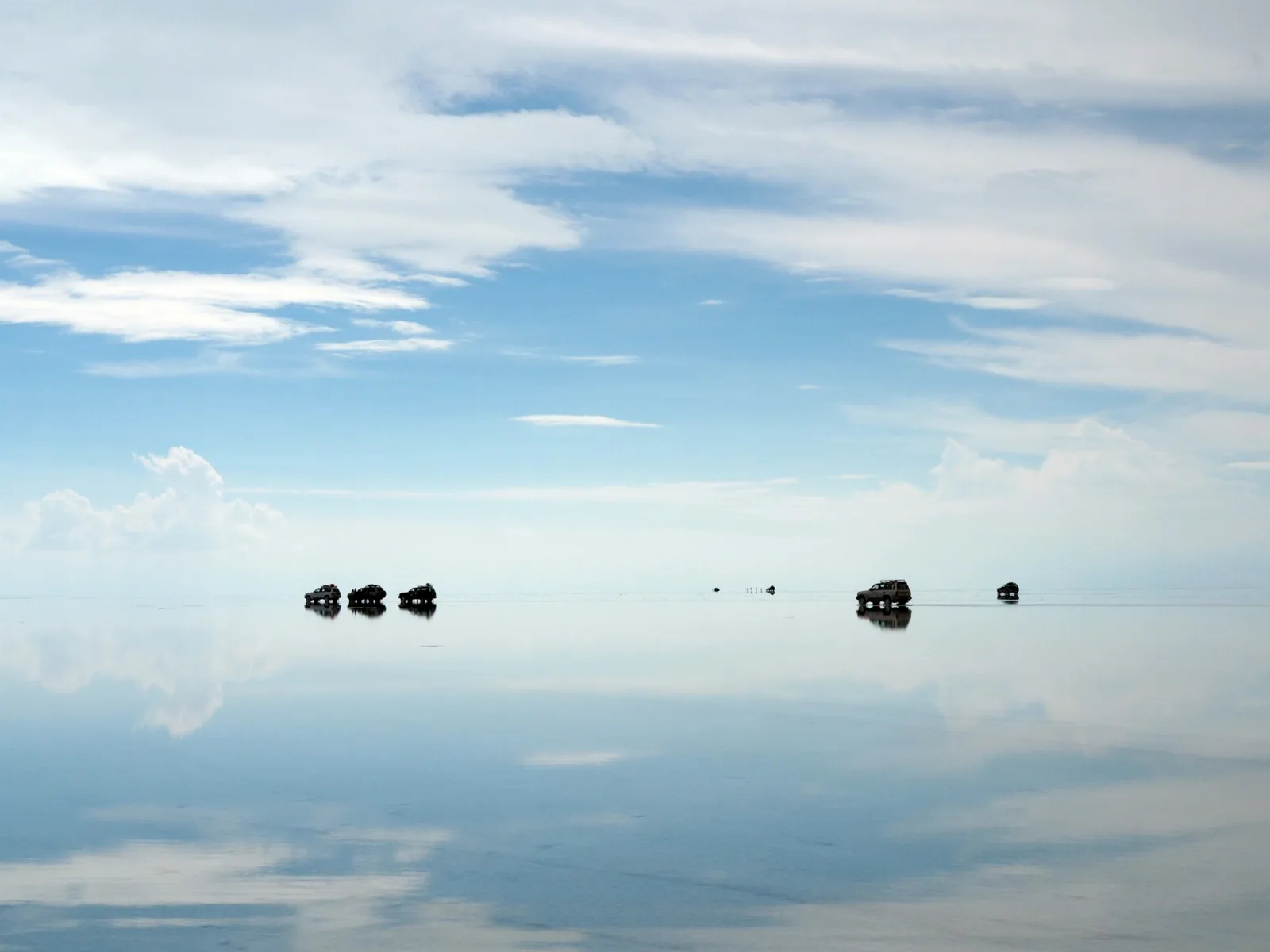 Americas
Ready to explore the enchanting blend of ancient traditions and modern wonders with your family? Fill out the form below and our travel experts will contact you within 24 hours to customize your perfect 11-day Japan journey through Tokyo, Mount Fuji, Kyoto, Nara, and Osaka.
Share your travel dates, family size, and any special requirements. We'll craft a personalized itinerary that brings Japan's rich culture, cuisine, and natural beauty to life for your entire family.