Nepal Family Tour Package - 7 Days & 6 Nights
Kathmandu
14°C
Clear sky
Feels
15°C
Humidity
93%
Wind
4 km/h
Embark on an unforgettable Nepal family tour that combines rich cultural heritage, breathtaking mountain vistas, and thrilling wildlife encounters. This thoughtfully curated 7-day journey takes your family through the sacred temples of Kathmandu Valley, the serene lakeside beauty of Pokhara, and the exotic wilderness of Chitwan National Park.
Experience the spiritual heart of Nepal as you explore UNESCO World Heritage Sites including ancient Durbar Squares, magnificent stupas, and sacred temples. Watch the sunrise paint the Himalayan peaks golden from Sarangkot, enjoy peaceful boat rides on Phewa Lake, and get up close with endangered wildlife during an exciting jungle safari.
Our family-friendly package ensures comfortable accommodations, safe private transfers, and age-appropriate activities that engage travelers of all generations. From the bustling streets of Kathmandu to the tranquil mountains of Pokhara and the jungle adventures in Chitwan, every moment is designed to create lasting family memories while respecting local culture and traditions.
One of the most sacred Hindu temples dedicated to Lord Shiva, Pashupatinath stands majestically on the banks of the Bagmati River. This UNESCO World Heritage Site showcases stunning pagoda-style architecture with gilded roofs and intricate wood carvings. Families can observe religious ceremonies, witness traditional cremation rituals from a respectful distance, and experience the spiritual atmosphere that draws pilgrims from across the world. The temple complex features several smaller shrines, and the peaceful riverside setting offers opportunities for cultural learning and photography.
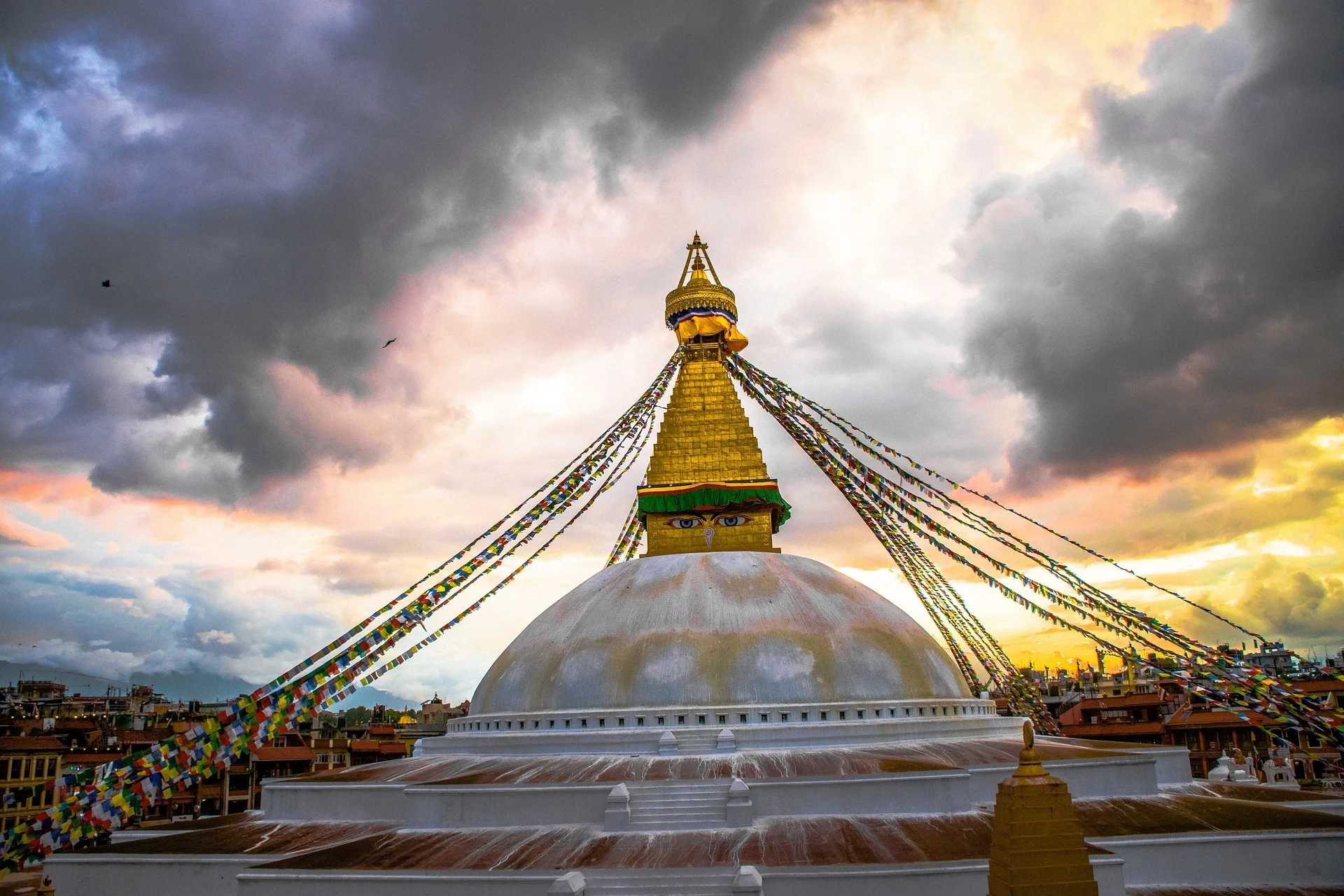
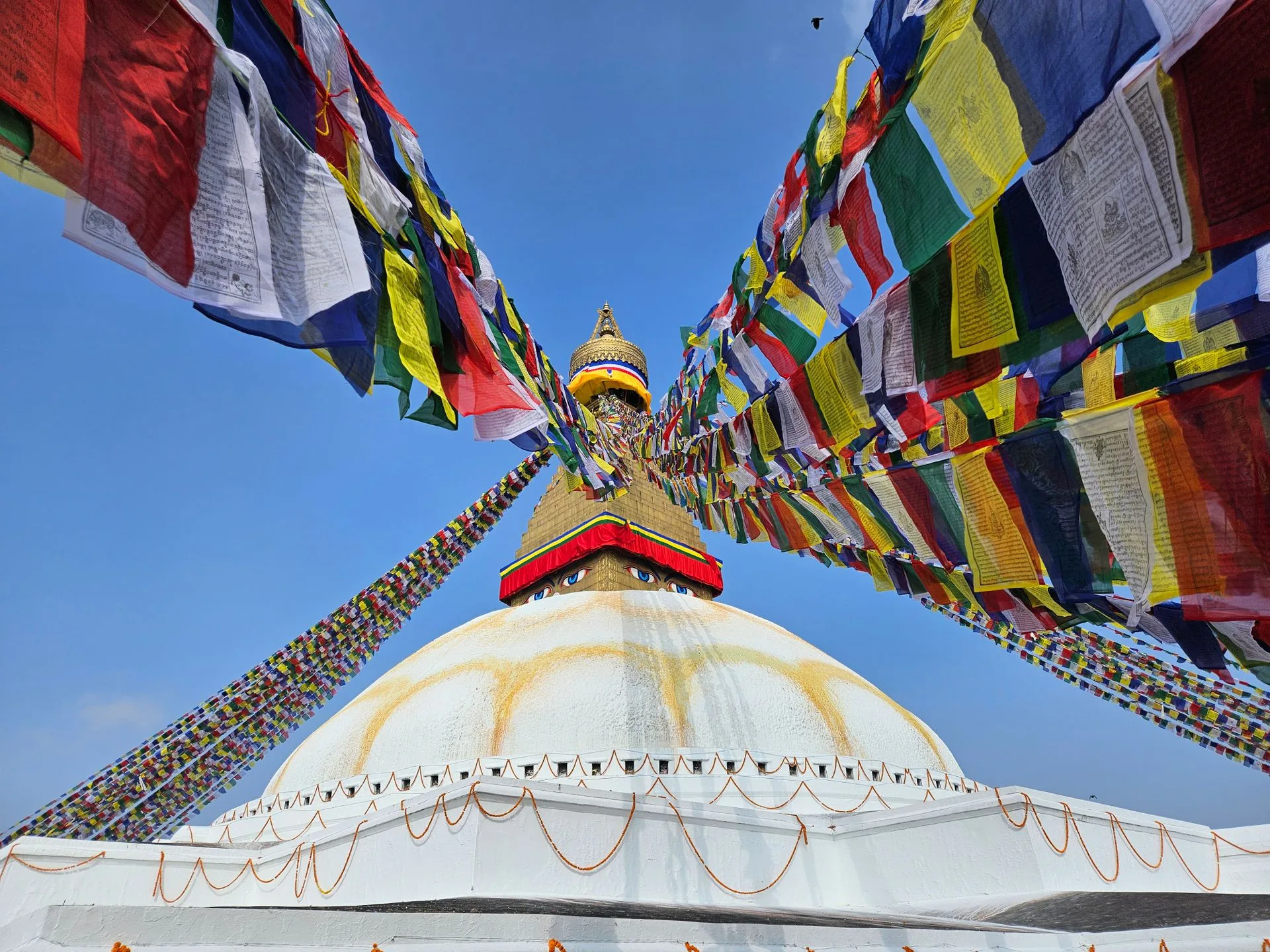
The massive white dome of Boudhanath Stupa dominates the skyline as one of the largest spherical stupas in Nepal and a UNESCO World Heritage Site. The all-seeing eyes of Buddha painted on the golden spire watch over visitors as they walk clockwise around the monument spinning prayer wheels. Families can explore the surrounding Tibetan Buddhist monasteries, watch monks in prayer, and enjoy authentic Tibetan cuisine at rooftop restaurants overlooking the stupa. The peaceful atmosphere, especially during evening prayers when butter lamps illuminate the structure, creates a memorable spiritual experience for visitors of all ages.
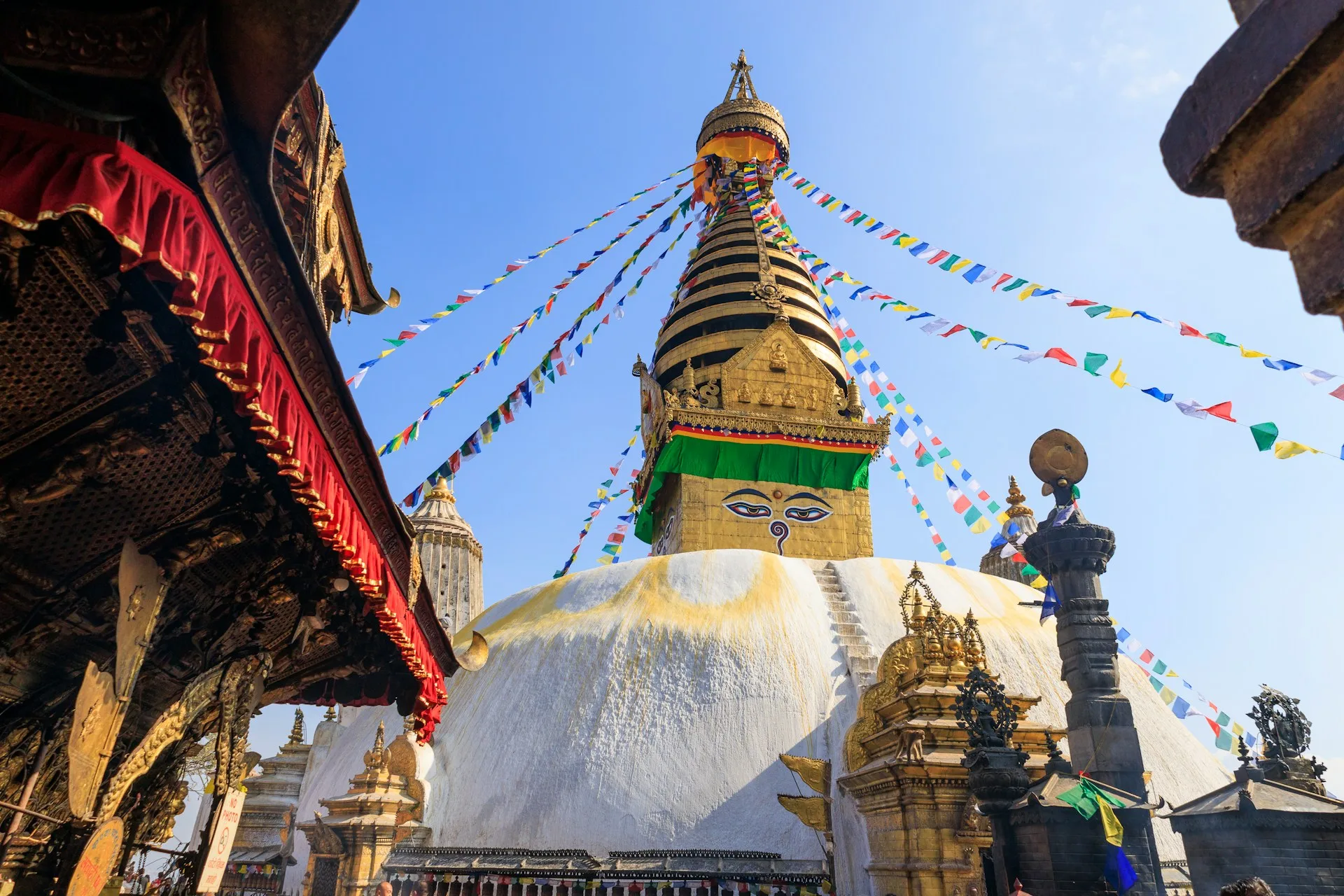
Perched atop a hill overlooking Kathmandu Valley, Swayambhunath offers panoramic views and spiritual significance. The ancient Buddhist stupa with its iconic golden spire and watchful Buddha eyes has stood for over 2,500 years. Families must climb 365 steps to reach the top, passing playful monkeys that give the temple its nickname. The complex features colorful prayer flags, spinning prayer wheels, and smaller shrines that showcase both Buddhist and Hindu harmony. The climb rewards visitors with stunning valley views, cultural immersion, and the chance to observe religious practices in an active worship site.
Step into Nepal's royal history at Kathmandu Durbar Square, a UNESCO World Heritage Site featuring palaces, courtyards, and temples that served as the seat of Nepali royalty. The intricate wood carvings on ancient buildings showcase exceptional Newari craftsmanship, while Kumari Ghar houses the living goddess Kumari, who occasionally appears at her window to bless visitors. Families can explore museums displaying royal artifacts, admire the towering Taleju Temple, and watch craftsmen creating traditional art. Despite earthquake damage, ongoing restoration efforts maintain the square's historical significance and architectural beauty.
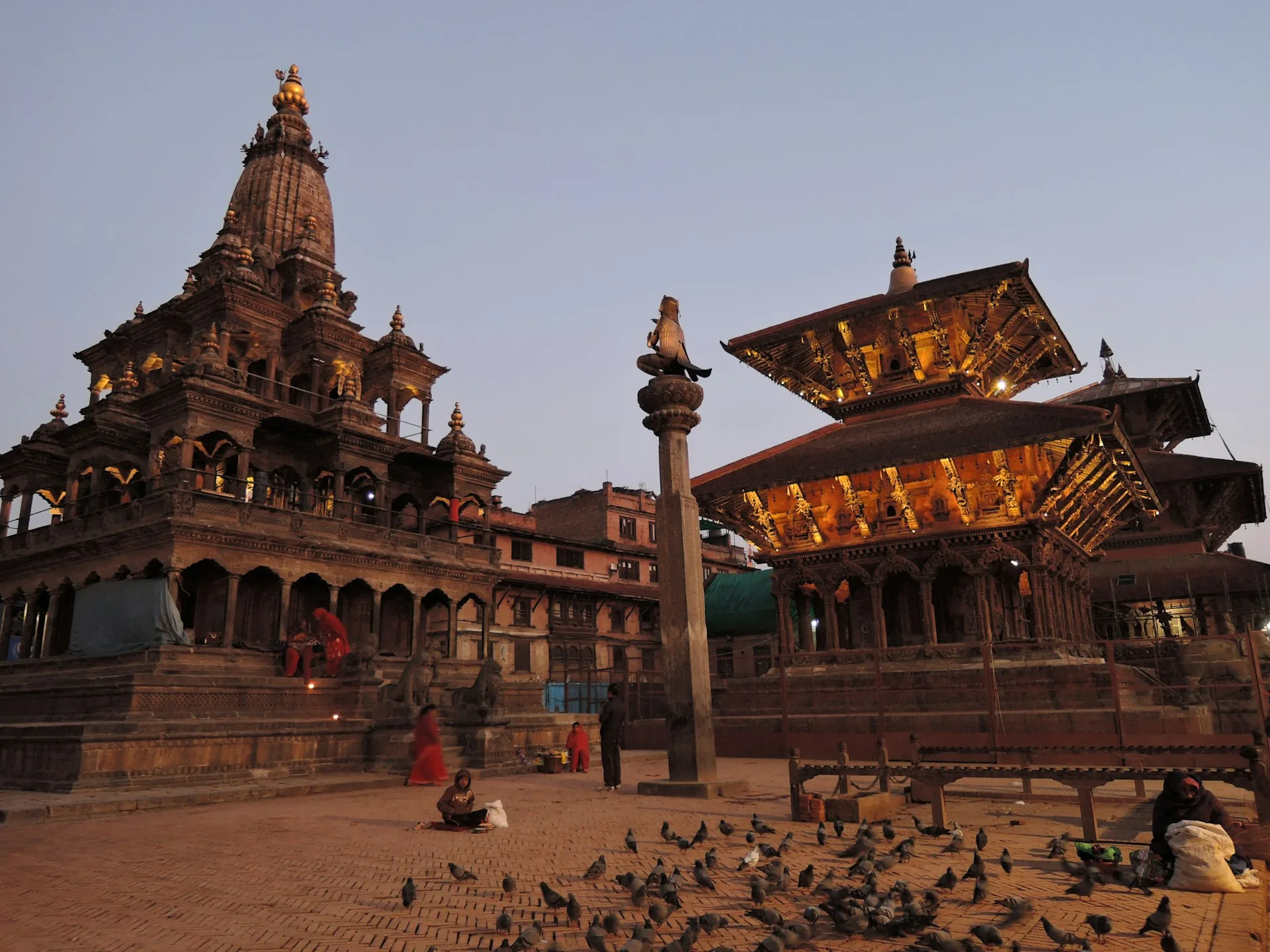
Patan Durbar Square represents the finest example of Newari architecture and urban planning in Nepal. This UNESCO World Heritage Site features magnificent temples, ornate palaces, and the famous Krishna Mandir built entirely of stone. The Patan Museum, housed in a beautifully restored palace, displays an exceptional collection of bronze statues, religious artifacts, and traditional Nepali art. Families can watch local artisans practicing traditional metalwork and woodcarving in nearby workshops, explore hidden courtyards, and experience authentic Newari culture in this well-preserved historical complex.
Travel back in time at Bhaktapur Durbar Square, where medieval Nepal comes alive through remarkably preserved architecture and traditional lifestyle. This UNESCO World Heritage Site features the magnificent 55-Window Palace, the Golden Gate with its stunning metalwork, and Nyatapola Temple, Nepal's tallest pagoda. Families can watch potters creating traditional ceramics in Pottery Square, taste authentic Newari dishes like king curd (juju dhau), and explore narrow medieval streets unchanged for centuries. The square serves as a living museum where ancient traditions continue in daily life.
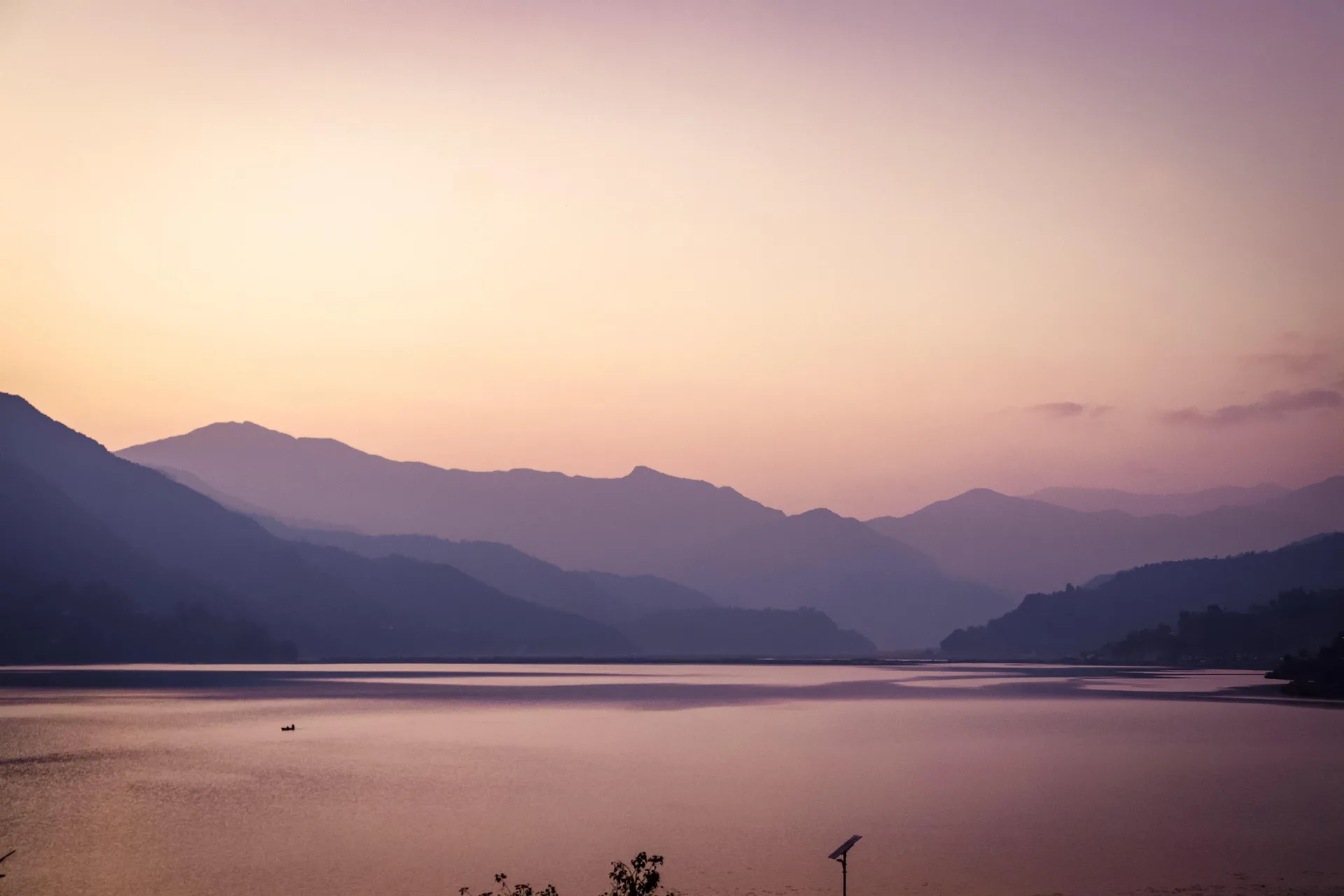
Pokhara's jewel, Phewa Lake offers a tranquil escape with the Annapurna range reflecting on its calm waters. Families can enjoy peaceful boat rides across the lake, visiting the island temple Barahi Mandir at its center. The lakeside promenade features cafes, shops, and restaurants where visitors can relax while enjoying mountain views. Colorful wooden boats dot the water, and the surrounding forested hills create a perfect setting for family photographs. The lake area provides opportunities for bird watching, especially during migration seasons, and serves as a base for exploring Pokhara's many attractions.
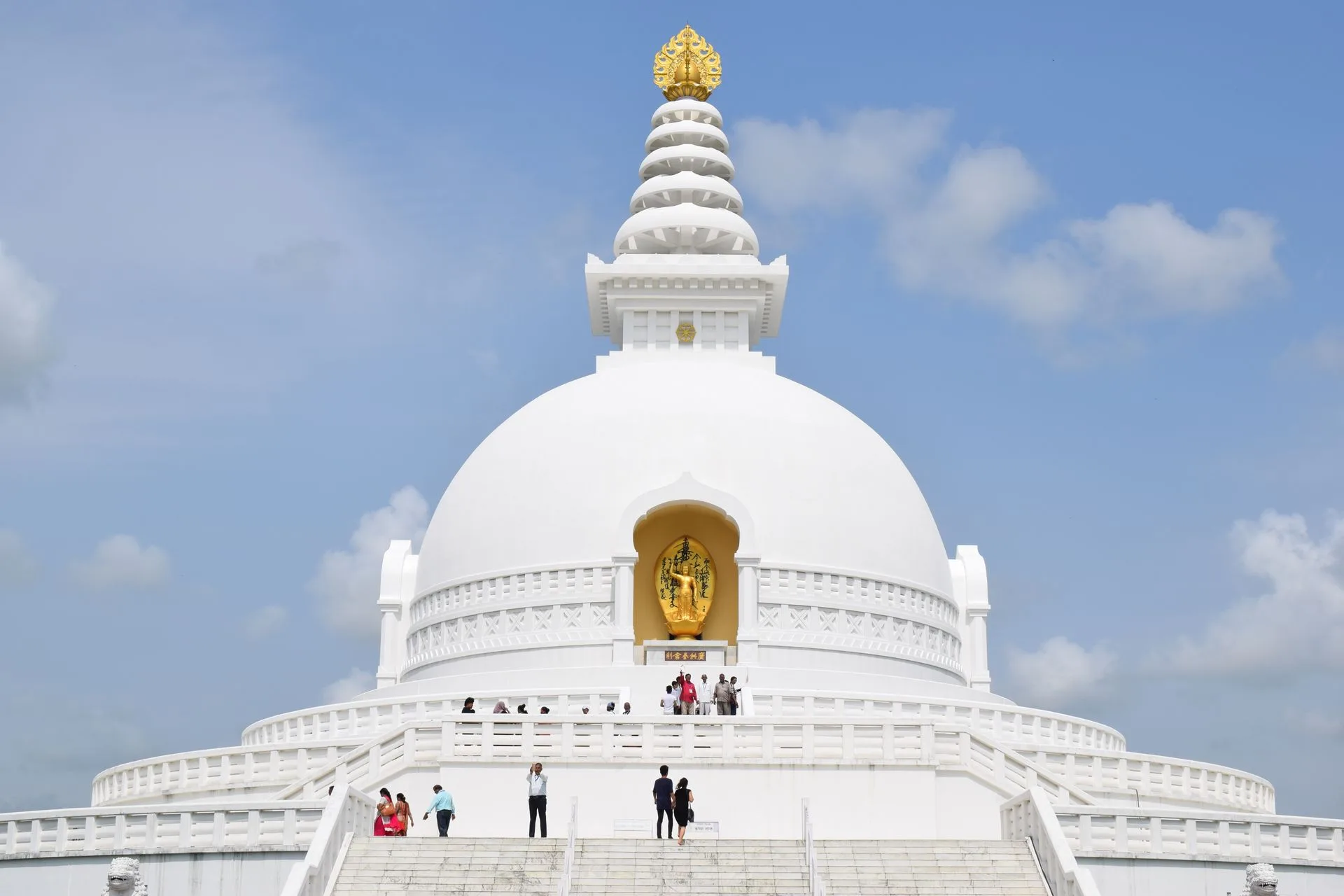
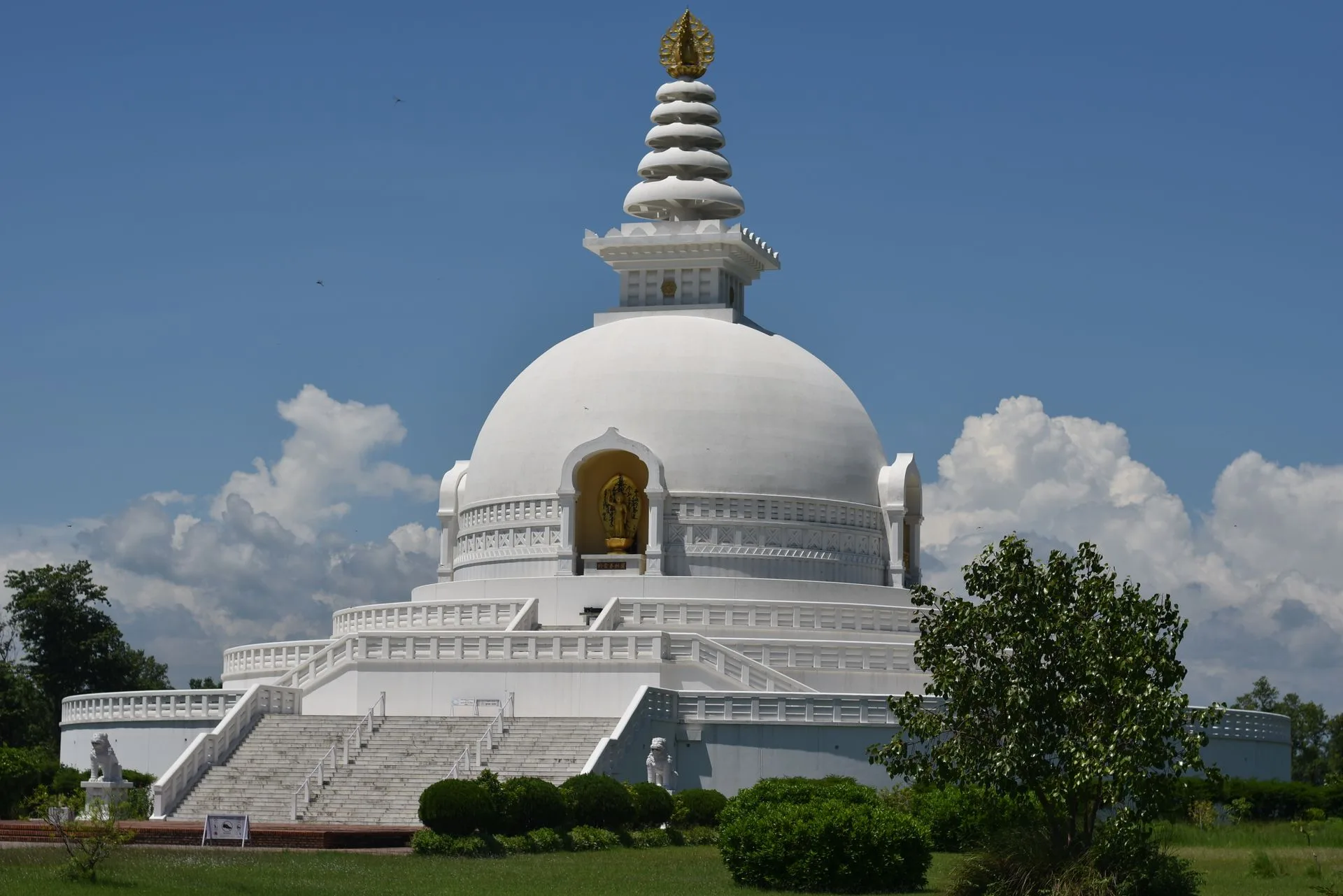
Standing prominently on a hilltop overlooking Phewa Lake, the World Peace Pagoda symbolizes harmony and offers spectacular panoramic views. This brilliant white Buddhist stupa features four statues of Buddha representing his birth, enlightenment, teaching, and death. Families can reach the pagoda via a moderate hike through forests or take a boat across Phewa Lake followed by a climb. The peaceful atmosphere, prayer flags fluttering in the breeze, and 360-degree views of the Annapurna range, Pokhara city, and Phewa Lake make this a memorable destination for reflection and photography.
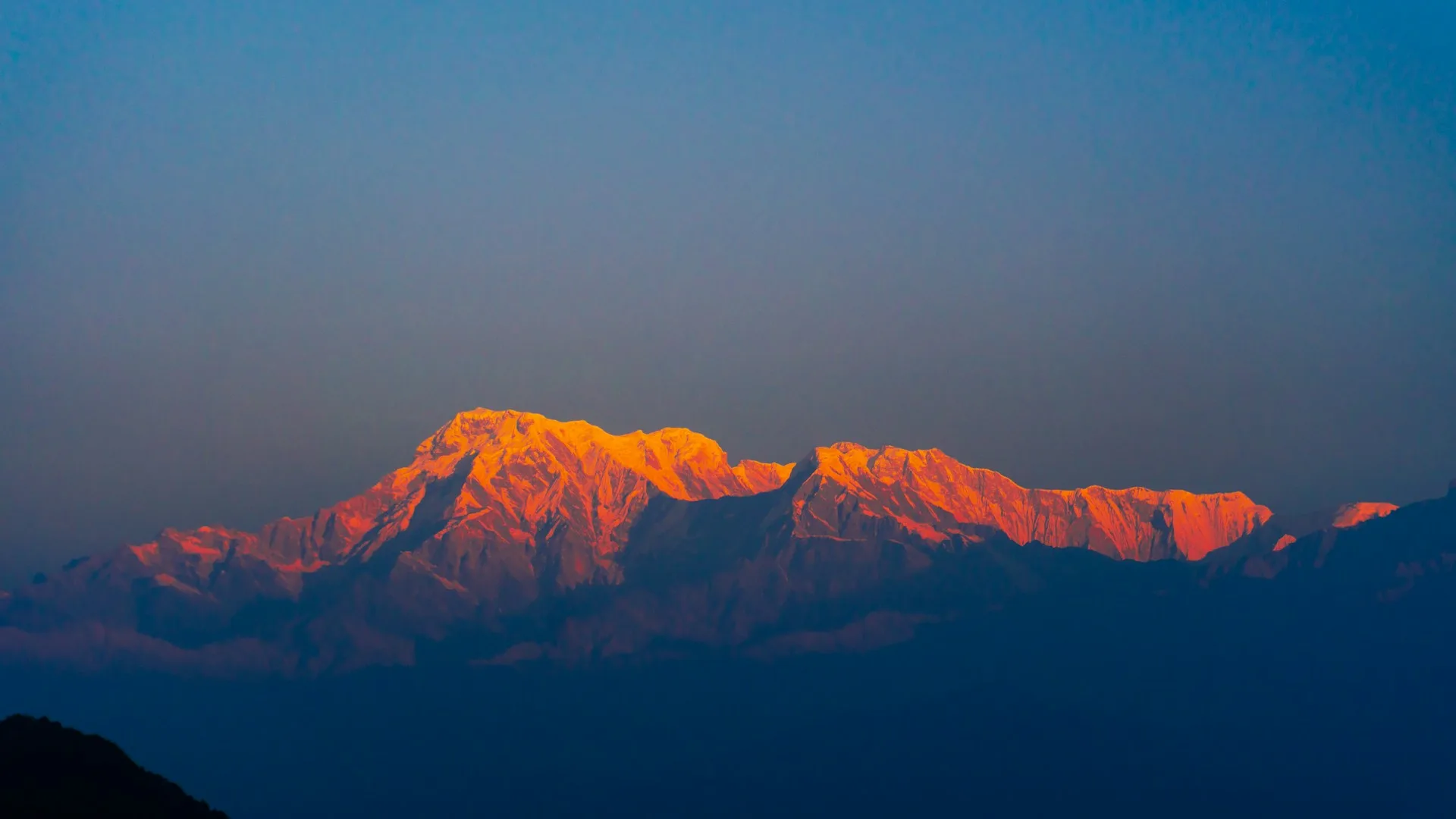
Sarangkot stands as one of Nepal's premier viewpoints for witnessing spectacular Himalayan sunrises. Located on a hilltop above Pokhara, this vantage point offers unobstructed views of the Annapurna range, including Machhapuchhre (Fishtail Mountain), Dhaulagiri, and Manaslu. Families wake early to watch the sun paint snow-capped peaks in shades of gold and pink, creating unforgettable photographic moments. The viewpoint also serves as a popular paragliding launch site, and visitors can watch colorful parachutes soaring above the valley. Clear morning skies provide the best visibility for mountain viewing.
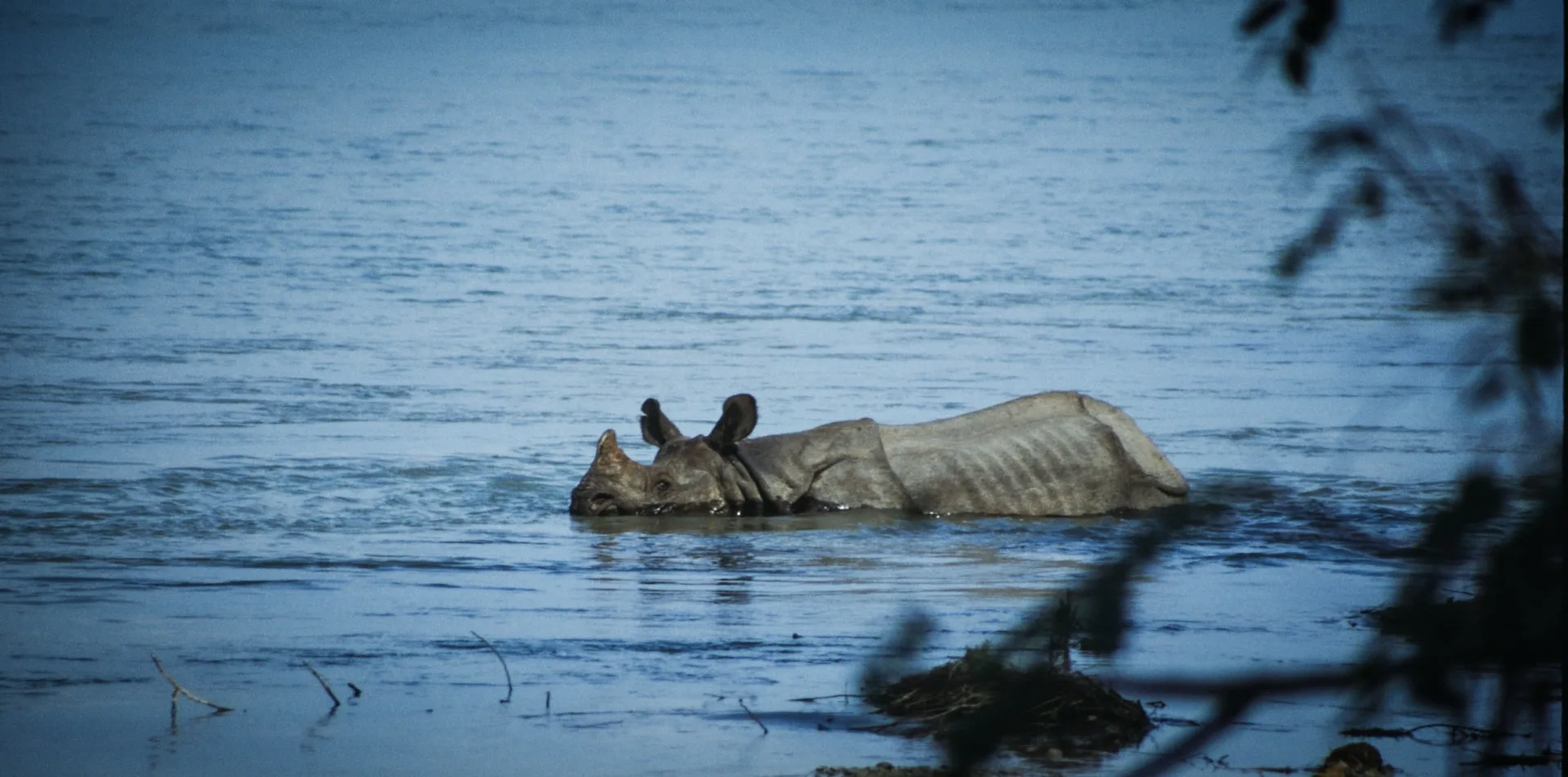
Nepal's first national park, Chitwan protects diverse wildlife including endangered one-horned rhinoceros, Bengal tigers, and gharial crocodiles across its subtropical jungle habitat. Families can experience thrilling elephant-back safaris or jeep drives through dense forests, spotting deer, monkeys, and exotic birds. Guided nature walks along the Rapti River offer close encounters with wildlife and opportunities to learn about conservation efforts. Cultural programs featuring traditional Tharu stick dances provide evening entertainment, while visits to elephant breeding centers educate children about wildlife protection. The park's rich biodiversity and adventure activities create an exciting jungle experience suitable for all ages.
Your Nepal family adventure begins as you arrive at Tribhuvan International Airport in Kathmandu. Our representative will greet you with traditional khadas (ceremonial scarves) and escort you to your pre-arranged private transfer to your family-friendly hotel. After check-in and settling into your comfortable accommodations, enjoy leisure time to rest and adjust to the new environment. Take a gentle stroll around the nearby Thamel area to get your first glimpse of Nepali culture, browse colorful markets selling traditional handicrafts, and sample authentic Nepali cuisine at a verified family restaurant. In the evening, attend a comprehensive trip briefing where our tour coordinator will explain the exciting week ahead and answer any questions. Rest well tonight as tomorrow begins your cultural exploration of Kathmandu Valley's magnificent heritage sites.
After a hearty breakfast, embark on a full-day guided tour of Kathmandu's most sacred sites. Begin at Pashupatinath Temple, where you'll witness Hindu cremation ceremonies and religious rituals along the Bagmati River while learning about Nepali spiritual traditions. Continue to the magnificent Boudhanath Stupa, walking clockwise around this massive Buddhist monument while spinning prayer wheels and observing monks in meditation. Enjoy lunch at a verified restaurant offering panoramic stupa views. In the afternoon, climb the ancient steps to Swayambhunath (Monkey Temple), where playful monkeys entertain visitors and the hilltop location provides spectacular panoramic views of Kathmandu Valley. Your knowledgeable guide will explain the religious significance of each site, share fascinating stories, and ensure age-appropriate explanations for younger family members. Return to your hotel in the evening, with time to reflect on the day's spiritual journey.
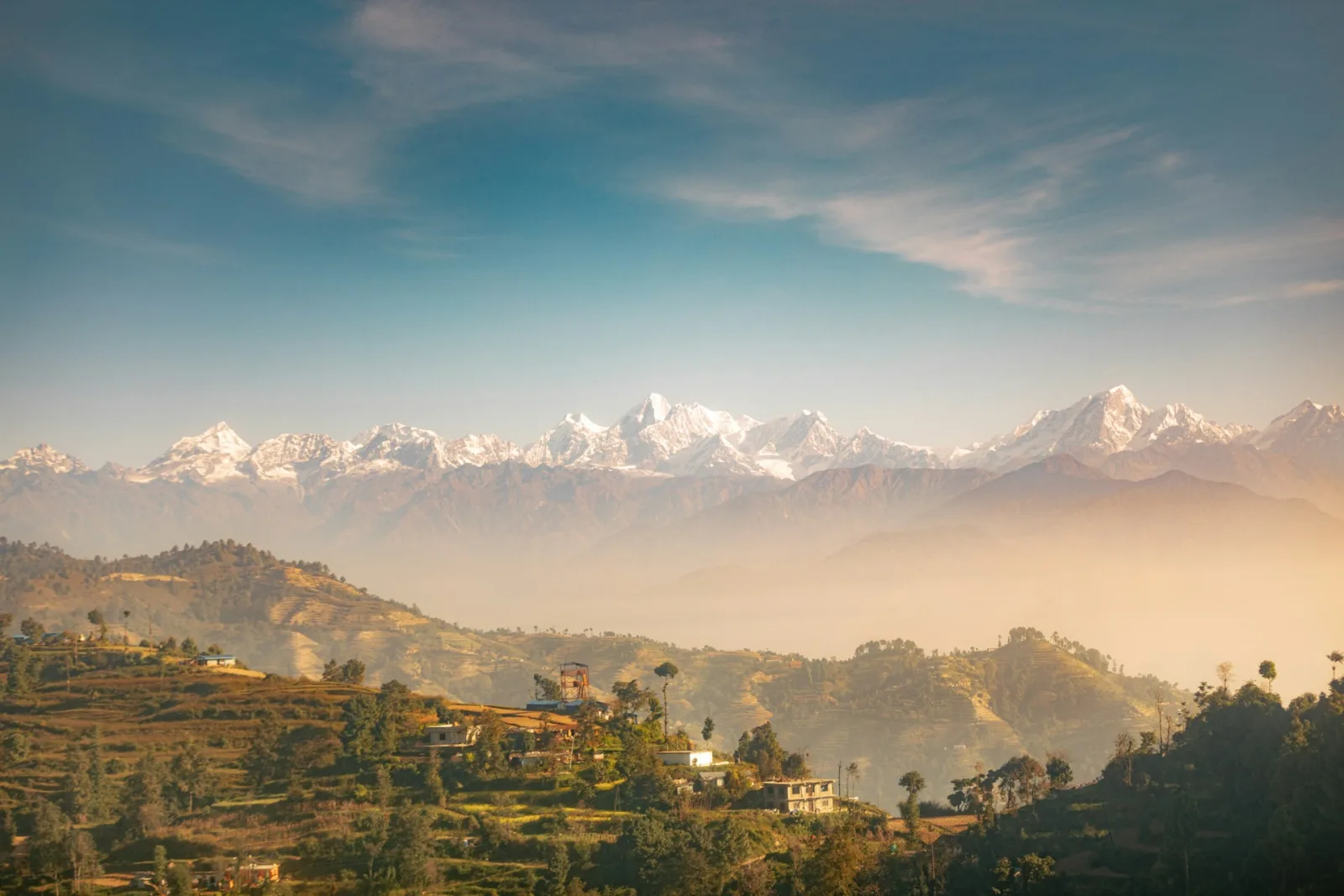
After breakfast, check out and begin your scenic journey to Pokhara with an enriching stop at Patan Durbar Square. Explore this UNESCO World Heritage Site featuring exquisite Newari architecture, the famous Krishna Mandir temple, and the Patan Museum displaying ancient artifacts and religious art. Watch local craftsmen creating traditional metalwork in nearby workshops, preserving centuries-old techniques. Continue your drive through winding mountain roads, passing terraced hillsides, traditional villages, and rivers cutting through dramatic gorges. Stop for lunch at a scenic restaurant along the route with mountain views. As you approach Pokhara, the landscape transforms into lush valleys with the snow-capped Annapurna range emerging on the horizon. Arrive in Pokhara by evening, check into your lakeside hotel, and enjoy a peaceful evening stroll along Phewa Lake's promenade. Dinner at your hotel or a nearby restaurant completes your first day in this mountain paradise.
Wake up to stunning mountain views and enjoy breakfast overlooking Phewa Lake. Begin your day with a peaceful boat ride across the lake's calm waters, with the Annapurna range reflected in the mirror-like surface. Visit the small island temple Barahi Mandir in the lake's center, an important pilgrimage site dedicated to the Hindu goddess Barahi. Continue to the World Peace Pagoda perched on a hilltop, accessible via a moderate hike through lush forests. The brilliant white stupa offers 360-degree panoramic views of Pokhara Valley, Phewa Lake, and the surrounding Himalayan peaks. After lunch at a lakeside restaurant, explore Devi's Fall, where water plunges into an underground tunnel, and visit Gupteshwor Cave with its sacred underground waterfall and natural limestone formations. Spend the late afternoon relaxing by the lake, browsing shops for local handicrafts, or enjoying optional activities like visiting the International Mountain Museum to learn about Himalayan climbing history. Return to your hotel for dinner and rest.
Rise before dawn for an unforgettable experience as your private transfer takes you to Sarangkot viewpoint. Watch in awe as the sun slowly illuminates the snow-covered peaks of the Annapurna range, Machhapuchhre (Fishtail), Dhaulagiri, and Manaslu in brilliant shades of gold, pink, and orange. This magical moment creates perfect family photographs against the backdrop of the world's highest mountains. Return to your hotel for breakfast and check out. Begin your scenic drive to Chitwan, descending from the mountains into Nepal's subtropical Terai plains. The landscape transitions from alpine hills to lush jungle forests as you approach Chitwan National Park. Stop for lunch along the route, arriving at your jungle lodge by late afternoon. After check-in, receive a briefing about tomorrow's wildlife safari activities. Enjoy a cultural evening program featuring traditional Tharu stick dance performances by the indigenous community. Dinner at the lodge and overnight stay surrounded by jungle sounds.
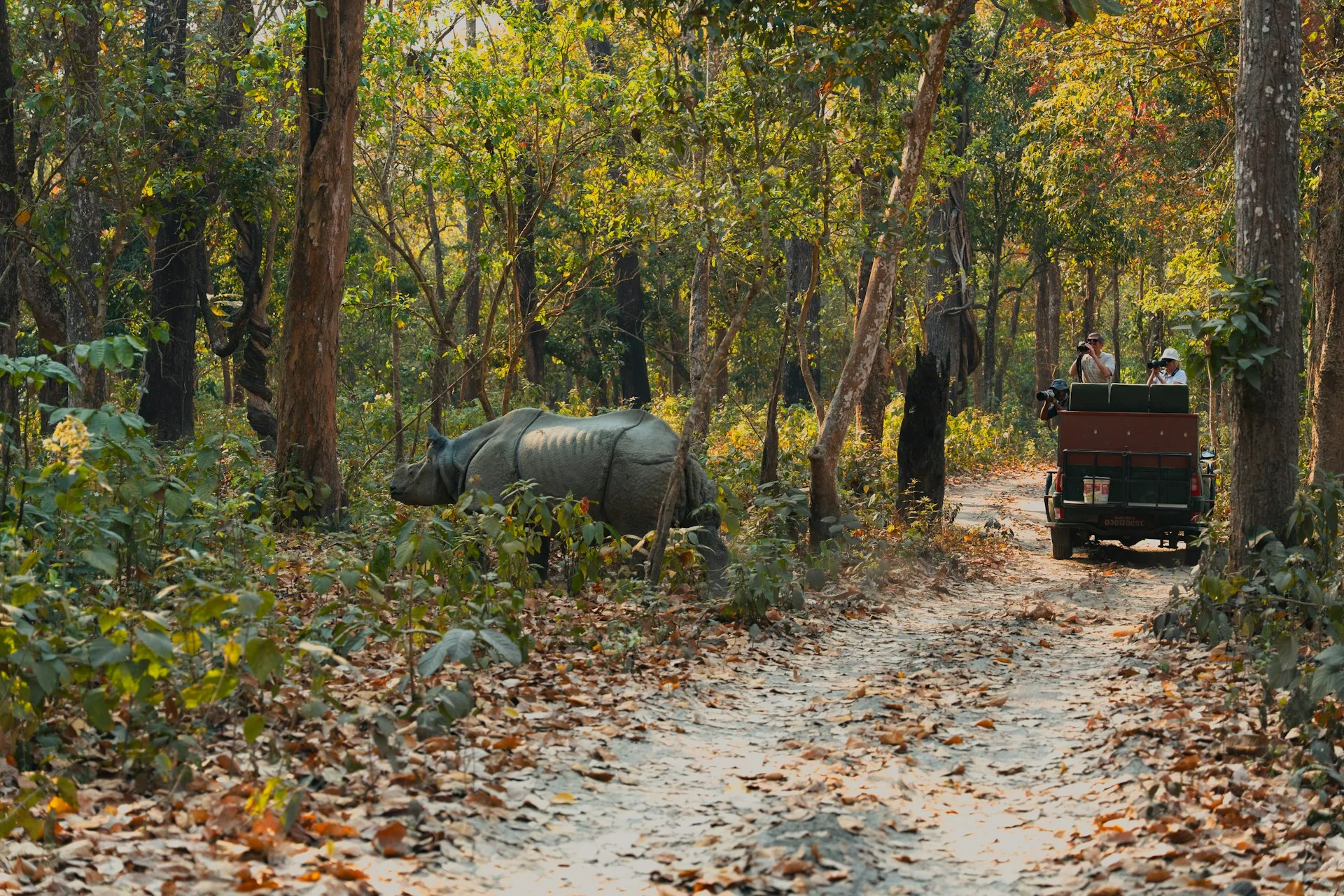
Wake up to the sounds of the jungle and enjoy an early breakfast before your exciting day of wildlife exploration. Embark on a thrilling jeep safari through Chitwan National Park's dense Sal forests and grasslands, searching for the endangered one-horned rhinoceros, spotted deer, wild boar, and if fortunate, the elusive Bengal tiger. Your experienced naturalist guide will share fascinating information about the park's ecosystem, animal behaviors, and conservation efforts. Visit the elephant breeding center to learn about elephant conservation and see adorable baby elephants. After lunch at the lodge, take a guided nature walk along the Rapti River, spotting various bird species including kingfishers, hornbills, and peacocks. Later, enjoy a traditional canoe ride on the river, observing gharial crocodiles basking on riverbanks and marsh mugger crocodiles in their natural habitat. Return to the lodge for refreshments, followed by another cultural program. Dinner at the lodge and overnight stay, surrounded by the peaceful jungle atmosphere.
Enjoy a final jungle breakfast before checking out from your lodge. Begin your return journey to Kathmandu via private transfer, retracing your route through changing landscapes from tropical jungles back to mountain valleys. Stop for lunch at a scenic restaurant along the highway. Depending on your departure flight schedule, you may have time for last-minute shopping in Kathmandu's Thamel district for traditional Nepali handicrafts, pashmina shawls, singing bowls, or prayer flags as souvenirs. Our representative will ensure timely transfer to Tribhuvan International Airport for your departure flight. As you bid farewell to Nepal, carry with you cherished memories of sacred temples, majestic mountains, peaceful lakes, and thrilling wildlife encounters. The spiritual atmosphere, warm hospitality, and natural beauty of Nepal will remain in your family's hearts long after you return home. Safe travels and we hope to welcome you back to the Himalayan kingdom soon!
Capture the magnificent Boudhanath Stupa when evening light bathes the massive white dome in warm golden tones. Position yourself at one of the rooftop restaurants surrounding the stupa for elevated shots showing the full mandala design from above. The all-seeing eyes of Buddha painted on the golden spire create a striking focal point. Include colorful prayer flags radiating from the central pinnacle, pilgrims circumambulating the monument, and monks in maroon robes for added context. The blue hour immediately after sunset offers magical lighting with the stupa illuminated by hundreds of butter lamps, creating a spiritual atmosphere perfect for atmospheric photography. Use a wide-angle lens to capture the scale of this UNESCO World Heritage Site.
The hilltop location of Swayambhunath offers unparalleled panoramic views of Kathmandu Valley, making it ideal for wide landscape photography. Arrive early morning when clear skies provide the best visibility and soft light illuminates the white dome and golden spire. Include the iconic Buddha eyes in your composition along with colorful prayer flags creating dynamic leading lines. Capture candid moments of playful monkeys interacting with visitors, adding character to your shots. The 365 steps leading up to the temple create excellent composition opportunities with pilgrims ascending and descending. From the top platform, photograph the sprawling city below with mountains visible on clear days. Sunset photography here captures the valley lights beginning to twinkle as day transitions to night.
Phewa Lake provides Nepal's most photogenic water reflections with the Annapurna range mirrored on calm evening waters. Position yourself along the eastern shore facing west for spectacular sunset compositions showing colorful wooden boats in the foreground and mountains behind. The small island temple Barahi Mandir creates an interesting mid-ground element. Photograph during the golden hour when warm light paints both the mountains and lake surface in beautiful hues. Use a polarizing filter to enhance reflections and reduce glare. The lakeside promenade offers multiple vantage points, and renting a boat allows you to capture unique on-water perspectives. Early morning photography captures different lighting with mountains often shrouded in mist, creating ethereal atmospheric conditions perfect for moody landscape shots.
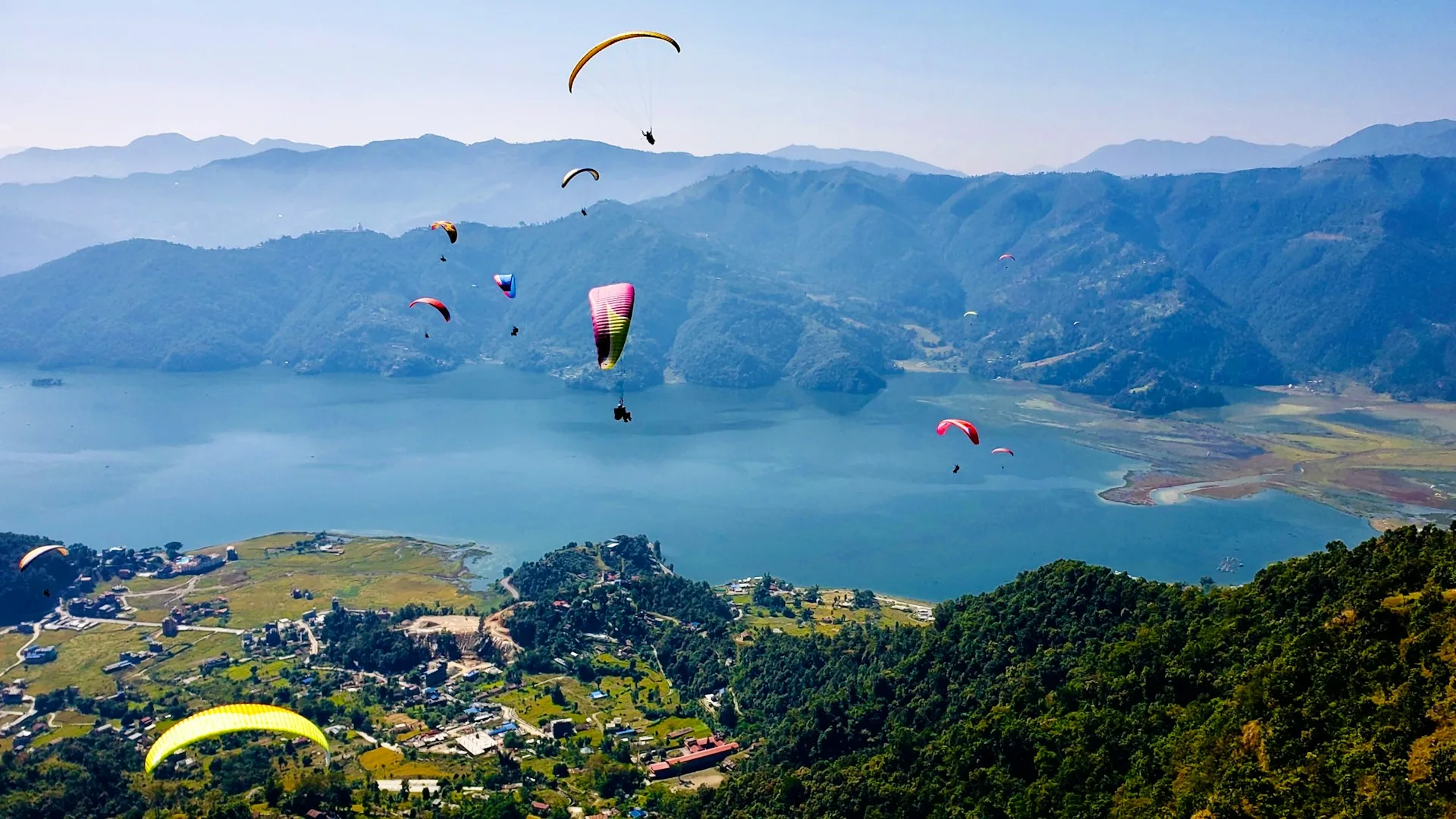
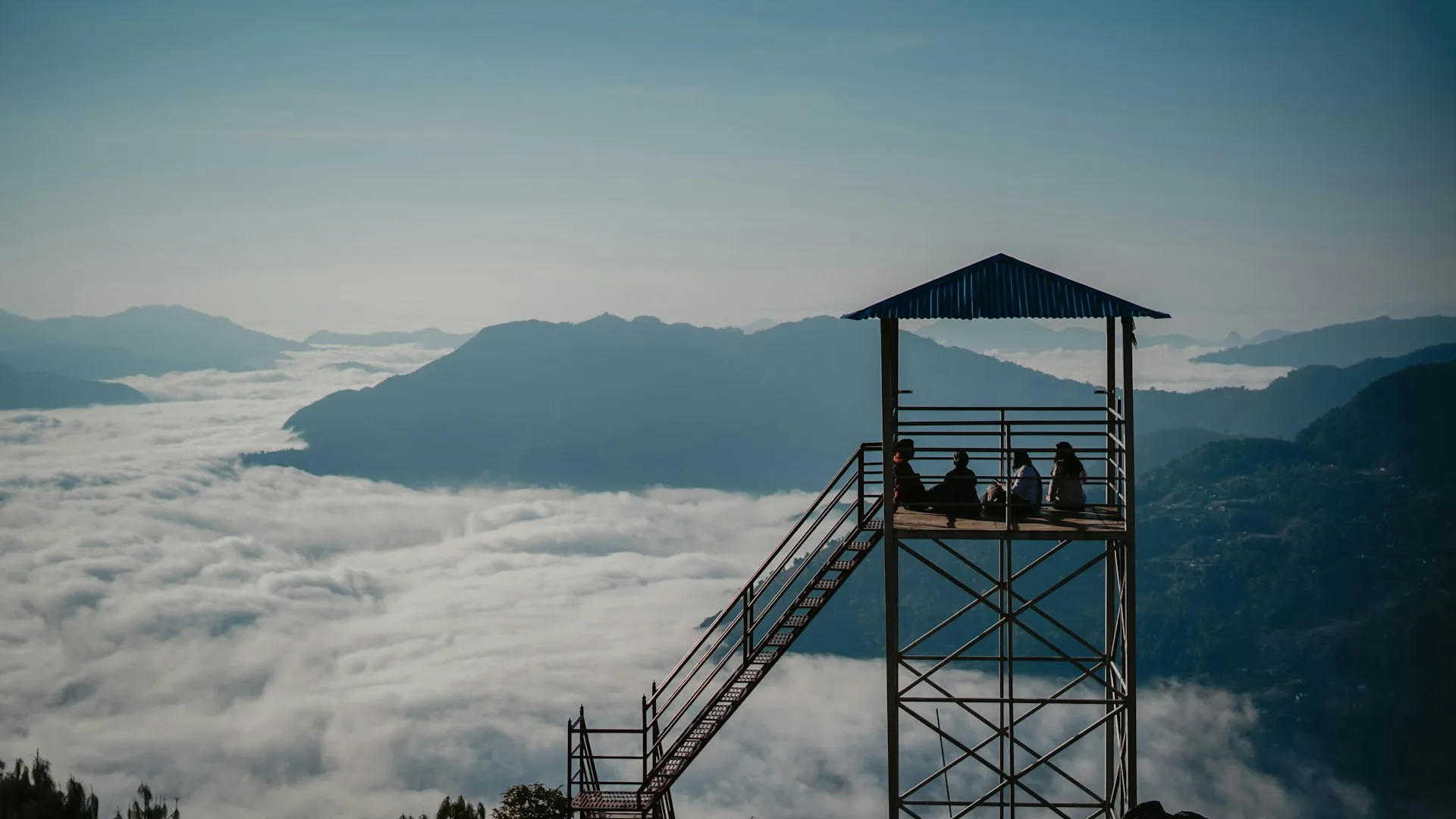
Sarangkot viewpoint delivers Nepal's most spectacular mountain sunrise photography opportunities with unobstructed views of the Annapurna range, Machhapuchhre, Dhaulagiri, and Manaslu. Arrive before dawn to set up your equipment and secure a prime position. Use a telephoto lens to capture detailed shots of individual peaks as they change color during sunrise, or a wide-angle lens for panoramic compositions showing the entire range. The play of light transforms snow-covered peaks from pink to gold to white within minutes, creating dramatic photographic moments. Include foreground elements like prayer flags or silhouettes of other photographers for scale and context. Bring a tripod for sharp images in low light conditions, and dress warmly as pre-dawn temperatures can be quite cold at this elevation.
Chitwan National Park offers incredible wildlife photography opportunities in natural jungle settings. The endangered one-horned rhinoceros makes an impressive subject grazing in grasslands or wallowing in mud. Use a telephoto lens (300mm or longer) to maintain safe distances while capturing detailed shots of rhinos, spotted deer, wild boar, and exotic birds. The morning jeep safari provides the best lighting conditions with animals most active during cooler hours. Photograph from inside the safari vehicle following your guide's instructions for safety. The Rapti River canoe ride allows unique perspectives for photographing gharial crocodiles basking on riverbanks. Capture the lush jungle environment with sunlight filtering through dense canopy. The elephant breeding center provides excellent opportunities for adorable baby elephant portraits in controlled, safe settings.
Patan Durbar Square showcases Nepal's finest Newari architecture offering rich photographic opportunities. The intricate wood carvings, ornate metalwork on the Golden Gate, and detailed stone sculptures demand close-up macro photography to capture craftsmanship details. The Krishna Mandir temple with its unique stone construction and detailed bas-reliefs provides excellent architectural photography subjects. Early morning light creates dramatic shadows emphasizing the three-dimensional carvings and architectural depth. Include local life with craftsmen working in traditional workshops or pilgrims performing religious rituals. The museum courtyard features beautiful traditional windows (jhilmili) perfect for architectural detail shots. Use a wide-angle lens to capture entire temple facades and palace structures, while a standard lens works well for capturing architectural details and cultural moments in this UNESCO World Heritage Site.
The World Peace Pagoda provides 360-degree photographic opportunities combining Buddhist architecture with spectacular mountain and lake views. The brilliant white stupa contrasts beautifully against blue skies and green forested hillsides. Position yourself to include both the pagoda and the Annapurna range in single compositions showing the spiritual monument against the majestic Himalayan backdrop. The four golden Buddha statues around the pagoda offer excellent subjects for religious architecture photography. Colorful prayer flags strung around the structure add vibrant splashes of color to compositions. Photograph Phewa Lake spread below with Pokhara city in the distance from this elevated vantage point. Late afternoon light creates the most dramatic conditions with warm tones on the white pagoda and mountains. Wide-angle lenses capture the expansive views while telephoto lenses isolate architectural details and distant mountain peaks.
Note: Opening and closing times are subject to change and may vary depending on the day of the week, public holidays, maintenance schedules, or special events. Please verify current timings before your visit.
The ideal time for a Nepal family tour is during the post-monsoon autumn months of October and November when clear skies provide spectacular mountain views, comfortable temperatures range between 15-25°C, and minimal rainfall ensures smooth travel. Spring months of March and April offer another excellent window with blooming rhododendrons painting hillsides, pleasant weather, and good visibility, though occasional afternoon clouds may obscure mountain vistas. Winter (December-February) brings colder temperatures but crystal-clear mountain views, fewer tourists, and lower prices, while summer monsoon season (June-September) should generally be avoided due to heavy rainfall, cloudy conditions blocking mountain views, and slippery trails, though it offers lush green landscapes and significant discounts for budget-conscious travelers.
Yes, Nepal is generally very safe for family travel and is known for its warm hospitality toward children. Our carefully curated itinerary focuses on family-friendly activities at moderate altitudes with comfortable accommodations and safe private transportation. The temples, cultural sites, and wildlife experiences are suitable for all ages. We ensure age-appropriate activities and maintain flexible schedules to accommodate family needs. Your professional guide will prioritize your family's safety throughout the journey, and medical facilities are available in all major cities we visit. However, we recommend comprehensive travel insurance and bringing any specific medications your children may need.
Nepal offers diverse cuisine options suitable for families including traditional Nepali dishes like dal bhat (lentils and rice), momos (dumplings), and thukpa (noodle soup) that children often enjoy. Tourist areas in Kathmandu and Pokhara feature restaurants serving familiar international cuisines including pizza, pasta, sandwiches, and continental breakfast options. We can arrange meals at verified family-friendly restaurants that maintain high hygiene standards. Most hotels provide both local and continental menu options. If you have specific dietary requirements, allergies, or prefer vegetarian/vegan meals, please inform us in advance so we can make appropriate arrangements throughout your tour.
Indian citizens can enter Nepal with valid photo identification such as passport, voter ID card, or driving license without requiring a visa. Citizens of most other countries need a tourist visa which can be easily obtained on arrival at Tribhuvan International Airport in Kathmandu or applied for online through the Nepal Immigration Department before departure. Visa fees vary by nationality and intended duration of stay. This tour does not involve any restricted areas requiring special trekking permits. Entry fees for national parks and heritage sites are included in the package and will be handled by your guide. Ensure all family members have passports valid for at least six months beyond your travel dates.
The Chitwan jungle safari offers exciting wildlife viewing opportunities in a safe, family-friendly environment. You'll travel in sturdy jeeps accompanied by experienced naturalist guides who prioritize safety while maximizing animal sightings. Chitwan National Park is home to the endangered one-horned rhinoceros, which you'll likely spot during your safari, along with spotted deer, wild boar, monkeys, and numerous bird species. While Bengal tigers inhabit the park, sightings are rare as they're elusive creatures. The canoe ride along the Rapti River provides close-up views of gharial and marsh mugger crocodiles from a safe distance. Your guide will explain animal behaviors, conservation efforts, and ensure all activities are appropriate for your family's comfort level. The jungle lodge provides a secure base with comfortable amenities surrounded by natural beauty.
This family tour involves moderate walking suitable for most fitness levels, though some temple visits require climbing stairs. Swayambhunath Monkey Temple involves ascending 365 steps to reach the top, which can be challenging but manageable with breaks and takes approximately 15-20 minutes at a comfortable pace. Durbar Squares feature uneven cobblestone surfaces requiring careful footing. The Peace Pagoda hike in Pokhara involves a moderate 45-minute uphill walk through forest paths, though boat-and-hike combinations make it easier. Wildlife safari activities in Chitwan require minimal walking beyond short nature walks along flat riverbank trails. We maintain flexible schedules allowing plenty of rest time between activities. If family members have mobility concerns, alternative arrangements can be made for certain activities. Comfortable walking shoes with good grip are essential for safe exploration.
At Destination To Plan, we understand that family vacations require careful planning, safety considerations, and age-appropriate experiences that engage every family member. Our Nepal family tour packages are meticulously crafted by travel experts who have personally explored these destinations and understand what makes family travel successful. We partner exclusively with verified family-friendly hotels that maintain international safety and hygiene standards, provide comfortable accommodations suitable for families, and offer amenities that cater to both adults and children.
Our experienced tour guides are not just knowledgeable about Nepal's history and culture—they're skilled at engaging children with interesting stories, answering curious questions, and ensuring every family member has a memorable experience. We use only private, well-maintained vehicles with professional drivers, eliminating the stress of navigating unfamiliar roads or dealing with unreliable transportation. Every activity in our itinerary has been carefully selected to balance cultural enrichment, natural beauty, and family fun, with flexible schedules that accommodate rest time, meal breaks, and the varying energy levels of different age groups.
We provide 24/7 support throughout your journey, with dedicated trip coordinators available to assist with any questions, concerns, or unexpected situations. Our transparent pricing includes all major expenses upfront with no hidden costs, and we clearly specify what's included and excluded so you can budget accurately. Years of positive feedback from families who have traveled with us demonstrate our commitment to creating stress-free, enriching vacations that become cherished family memories. When you choose Destination To Plan, you're choosing a partner dedicated to making your Nepal family adventure safe, comfortable, educational, and truly unforgettable.
 Americas
 Asia
Asia
 Africa
 Europe
 Europe
 Americas
 Middle East
 Asia
Asia
 Americas
Embark on an unforgettable journey through Nepal's cultural treasures, majestic mountains, and exotic wildlife. Our family-friendly tour ensures safe travel, comfortable accommodations, and experiences that will create lasting memories.
Fill out the form below and our travel experts will create a personalized Nepal itinerary tailored to your family's interests, budget, and travel dates.