Jordan Family Tour Package - 7 Days & 6 Nights
Amman
16°C
Mainly clear
Feels
16°C
Humidity
75%
Wind
4 km/h
Discover the magical wonders of Jordan on this unforgettable 7-day family adventure through one of the Middle East's most fascinating destinations. This Jordan family tour package takes you through ancient civilizations, breathtaking desert landscapes, and unique natural wonders that will captivate travelers of all ages. From exploring the rose-red city of Petra to floating in the therapeutic waters of the Dead Sea, every day brings new discoveries and cherished family memories.
Your journey begins in Amman, Jordan's vibrant capital, where modern city life blends seamlessly with ancient history. Visit the remarkably preserved Roman ruins of Jerash, often called the "Pompeii of the East," and marvel at its grand colonnaded streets and ancient theaters. Experience the otherworldly beauty of Wadi Rum's desert landscapes, where towering sandstone mountains and vast red dunes create a stunning backdrop for family adventures.
The highlight of your trip awaits at Petra, one of the New Seven Wonders of the World. Walk through the dramatic Siq canyon to discover the magnificent Treasury, carved directly into rose-colored cliffs over 2,000 years ago. Your family will be awestruck by this UNESCO World Heritage Site's grandeur and the Nabataean civilization's incredible engineering feats.
Relax and rejuvenate at the Dead Sea, the lowest point on Earth, where the unique mineral-rich waters allow you to float effortlessly. This natural spa experience is both fun and therapeutic for the whole family. Visit Mount Nebo, where Moses is said to have viewed the Promised Land, and explore the beautiful Byzantine mosaics in Madaba's ancient churches.
This thoughtfully designed package ensures comfortable accommodations, reliable private transfers, and expertly guided tours throughout your journey. Our itinerary balances cultural exploration with leisure time, allowing families to experience Jordan's treasures at a comfortable pace. With professional guides, family-friendly activities, and carefully selected experiences, this tour creates the perfect introduction to Jordan's rich heritage and natural beauty for travelers of all ages.
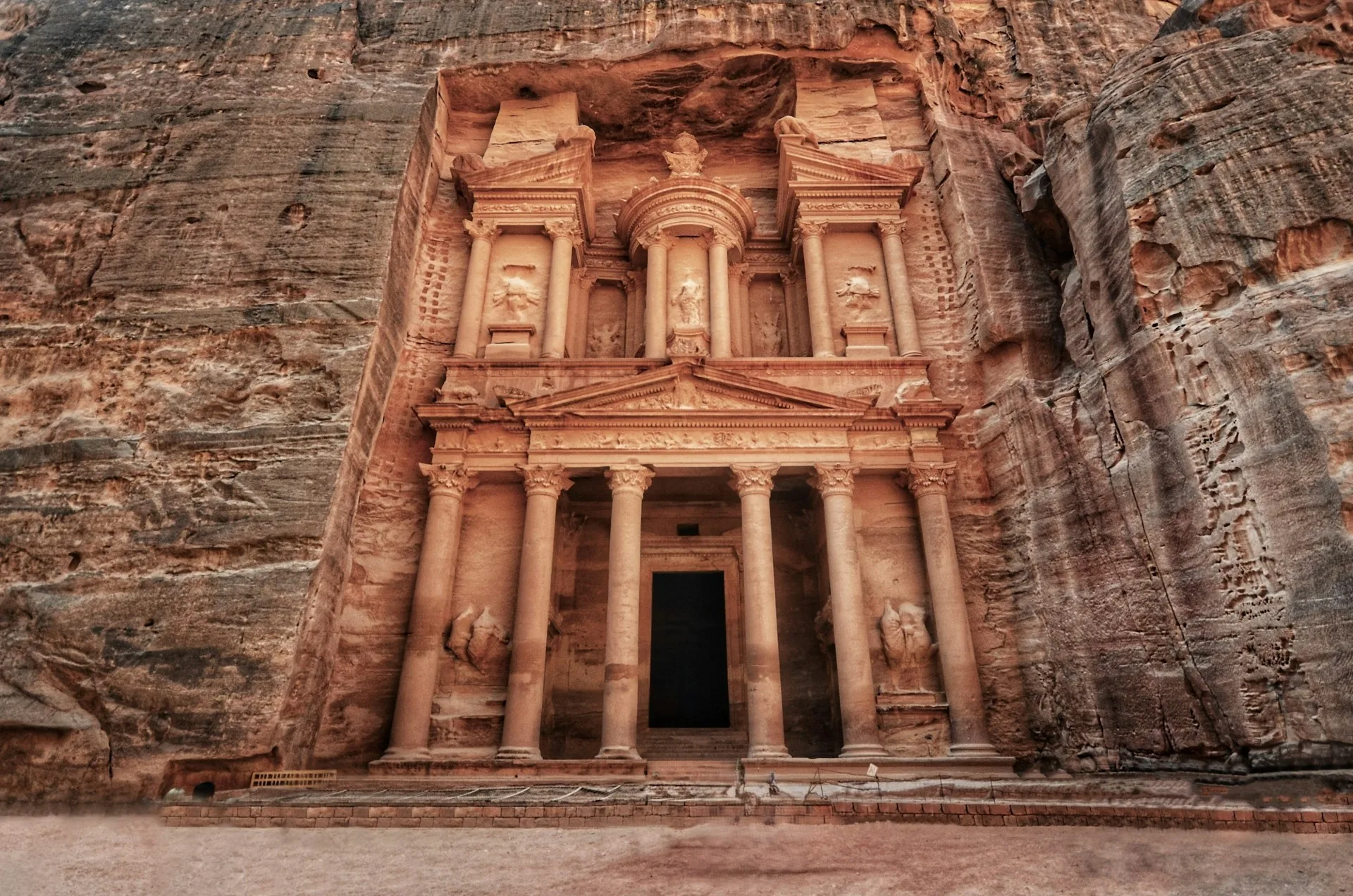
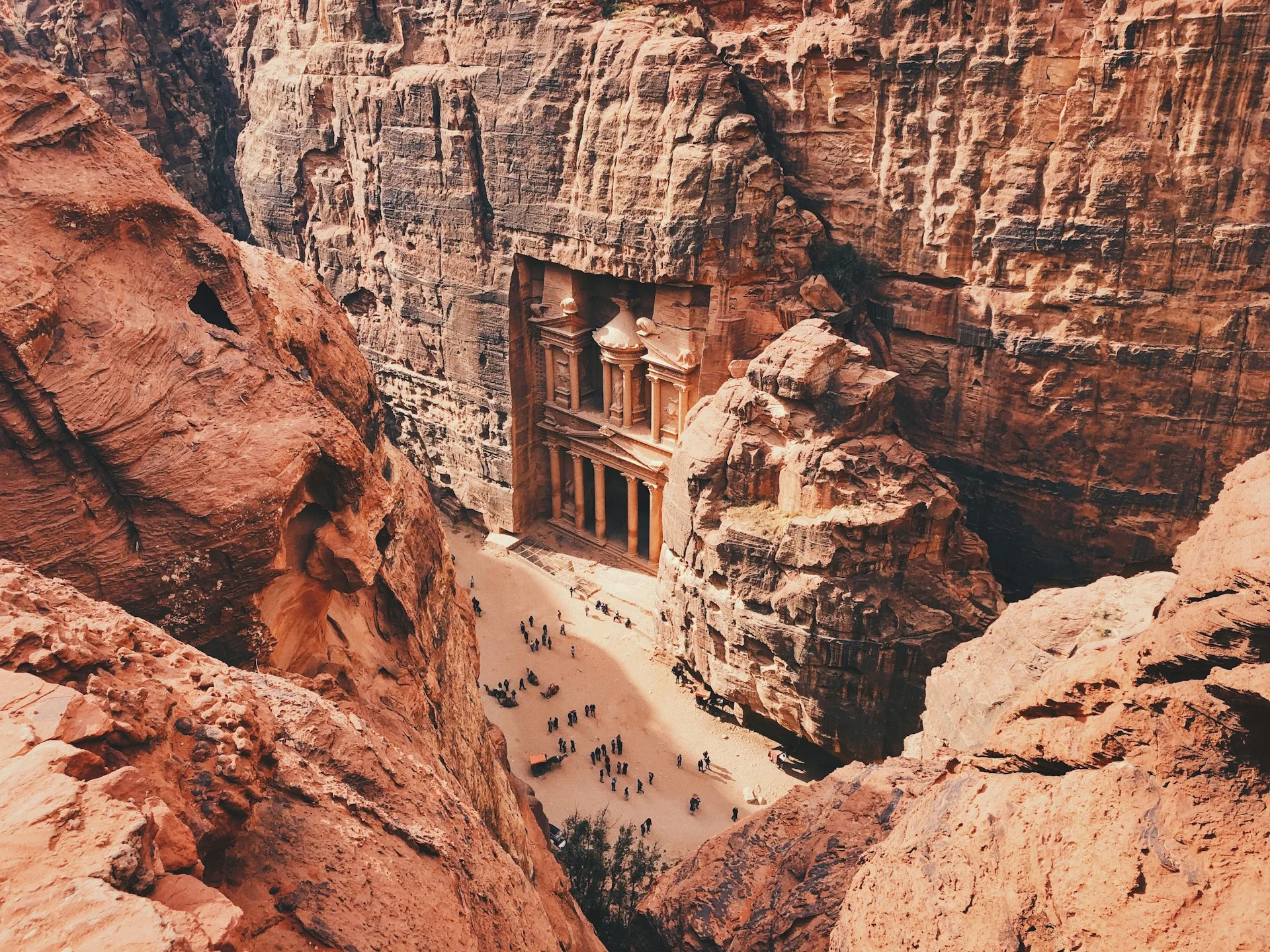
The legendary rose-red city of Petra stands as Jordan's most iconic treasure and one of the New Seven Wonders of the World. This ancient Nabataean capital, carved directly into towering sandstone cliffs over 2,000 years ago, showcases remarkable architectural achievements and engineering prowess. Walk through the dramatic Siq, a narrow gorge flanked by 80-meter high cliffs, to witness the breathtaking moment when the magnificent Treasury (Al-Khazneh) first comes into view. This UNESCO World Heritage Site features hundreds of elaborate rock-cut tombs, temples, and monuments spread across a vast archaeological landscape. Families can explore the Street of Facades, climb to the Monastery, and discover the Royal Tombs while learning about the sophisticated water management systems that sustained this desert civilization.
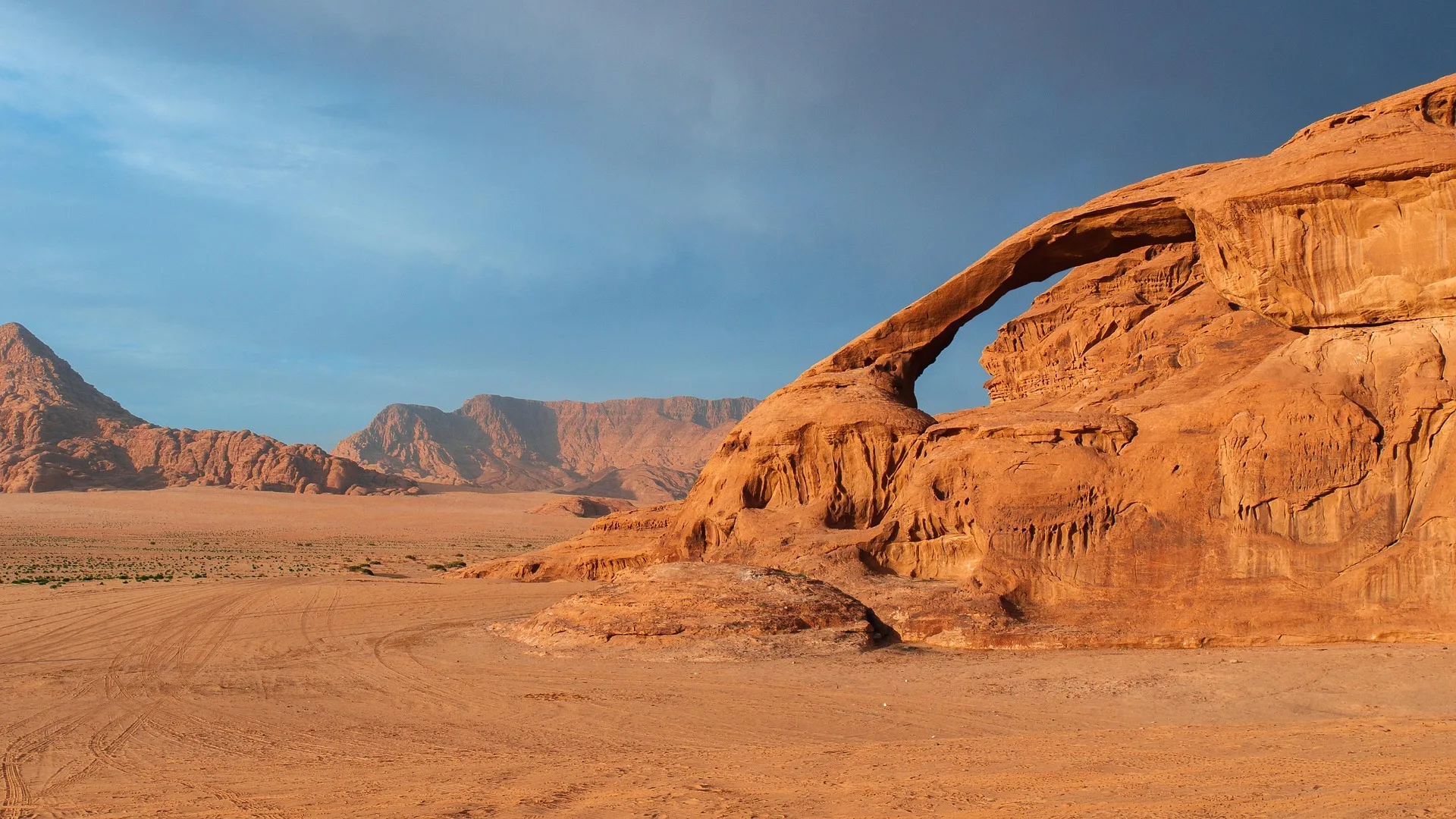
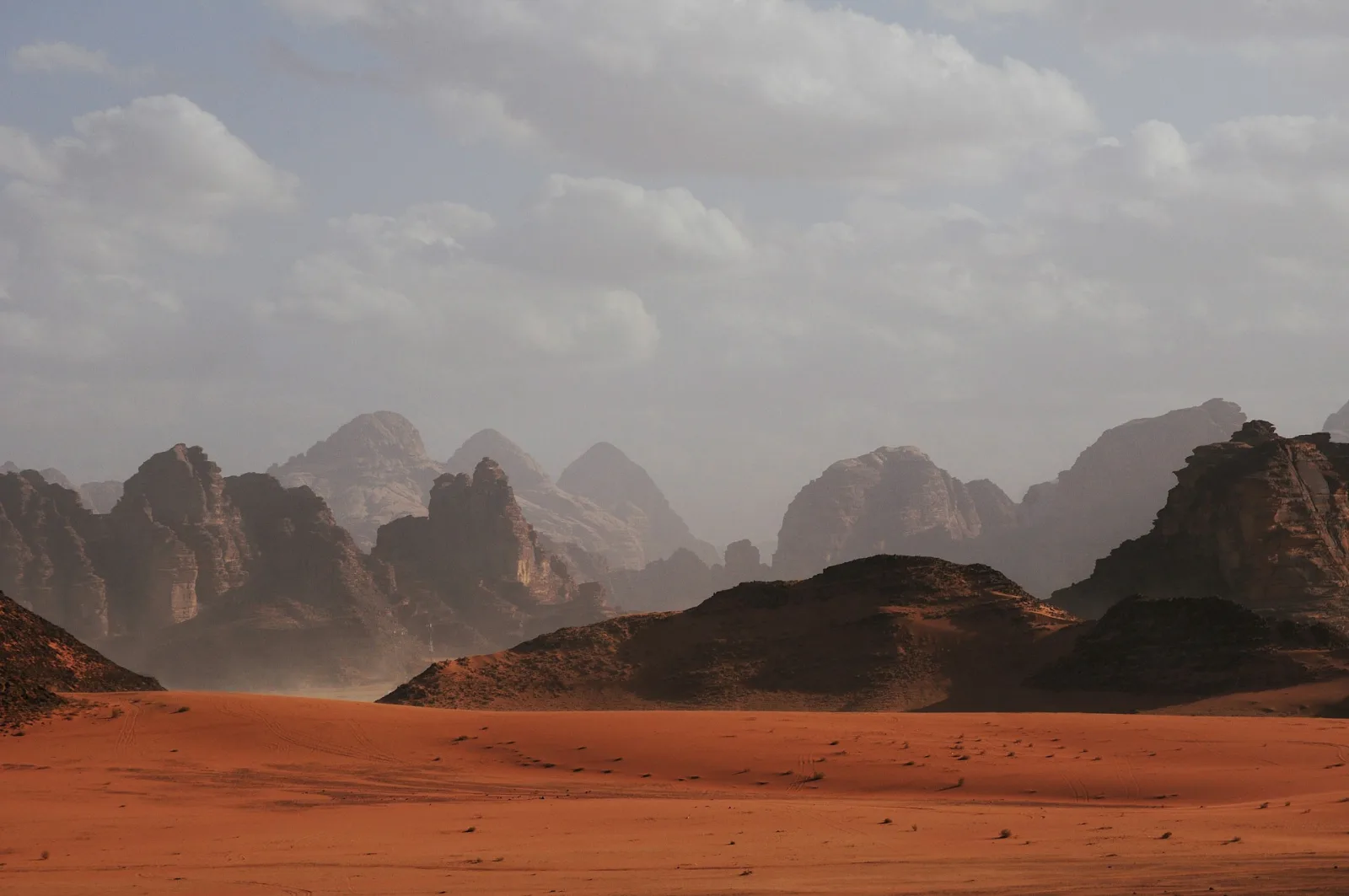
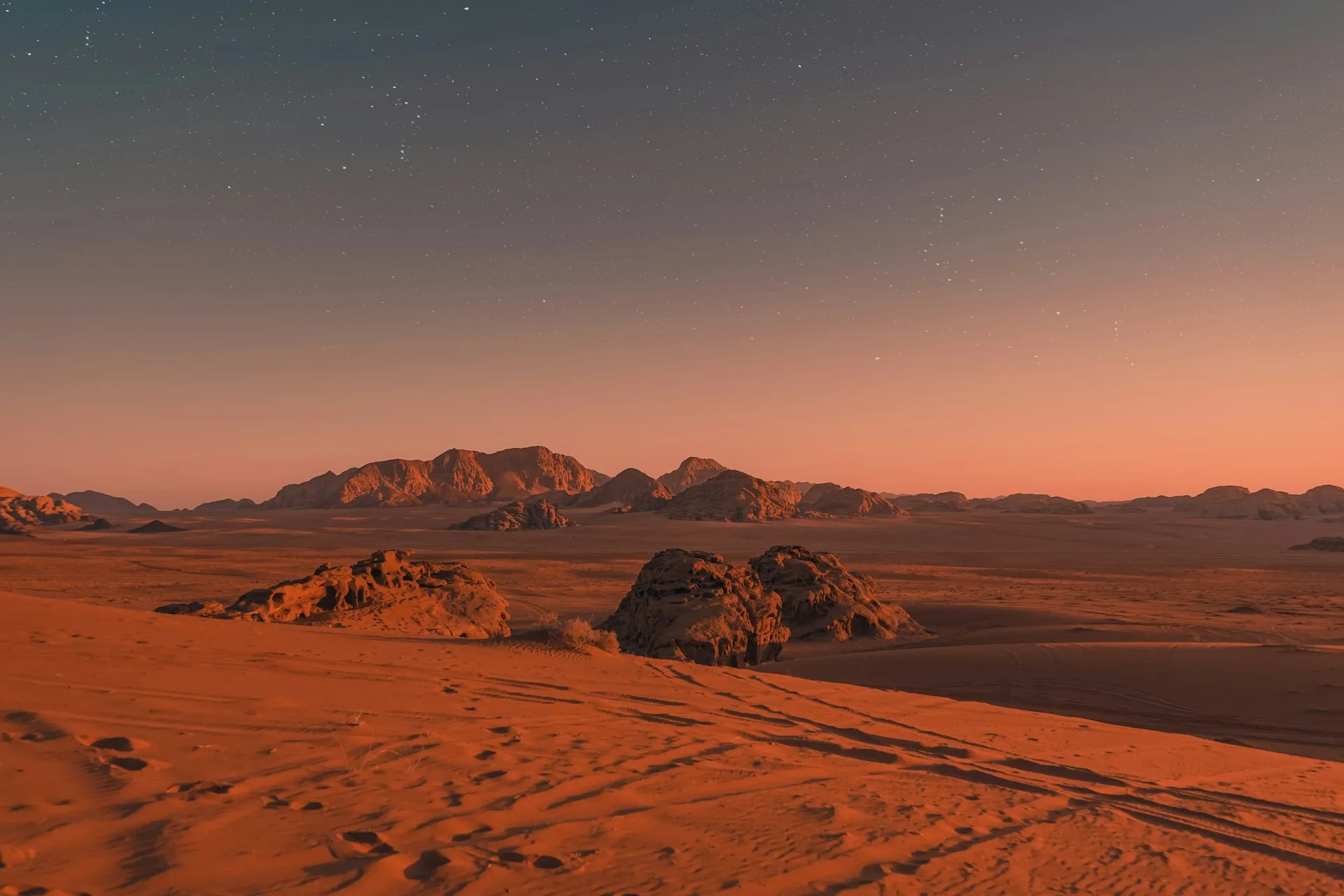
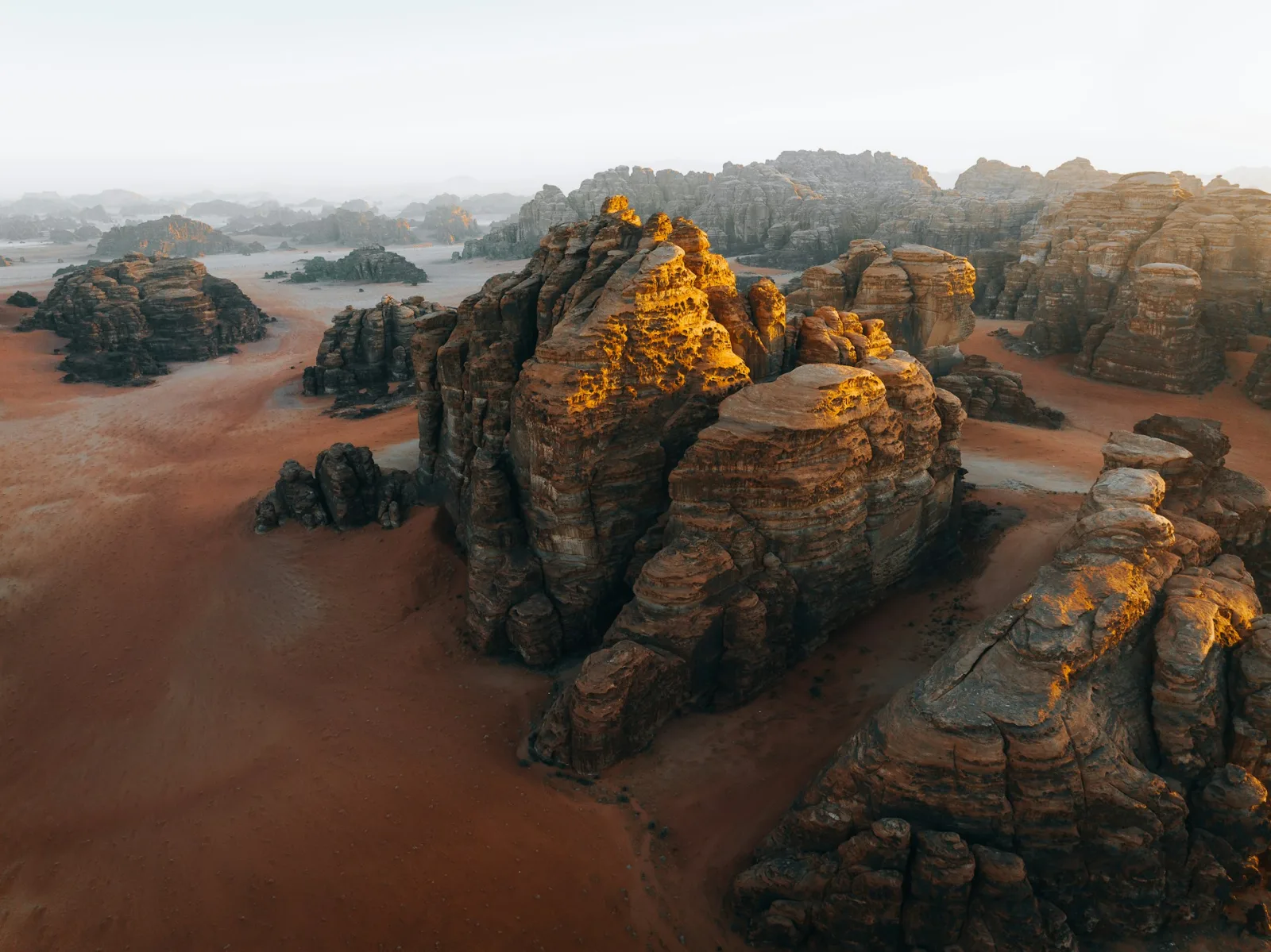
Known as the "Valley of the Moon," Wadi Rum presents one of the world's most spectacular desert landscapes. This protected area features towering sandstone mountains, massive granite rock formations, and vast stretches of red and golden sand dunes that create an otherworldly atmosphere. Families can experience the desert's majesty through private jeep tours that visit ancient petroglyphs, natural rock bridges, and scenic viewpoints offering panoramic vistas. The dramatic landscape has served as a filming location for numerous movies, including Lawrence of Arabia and The Martian. Children will be fascinated by the unique rock formations, Bedouin culture, and the opportunity to witness stunning desert sunsets that paint the landscape in vibrant hues of red, orange, and purple.
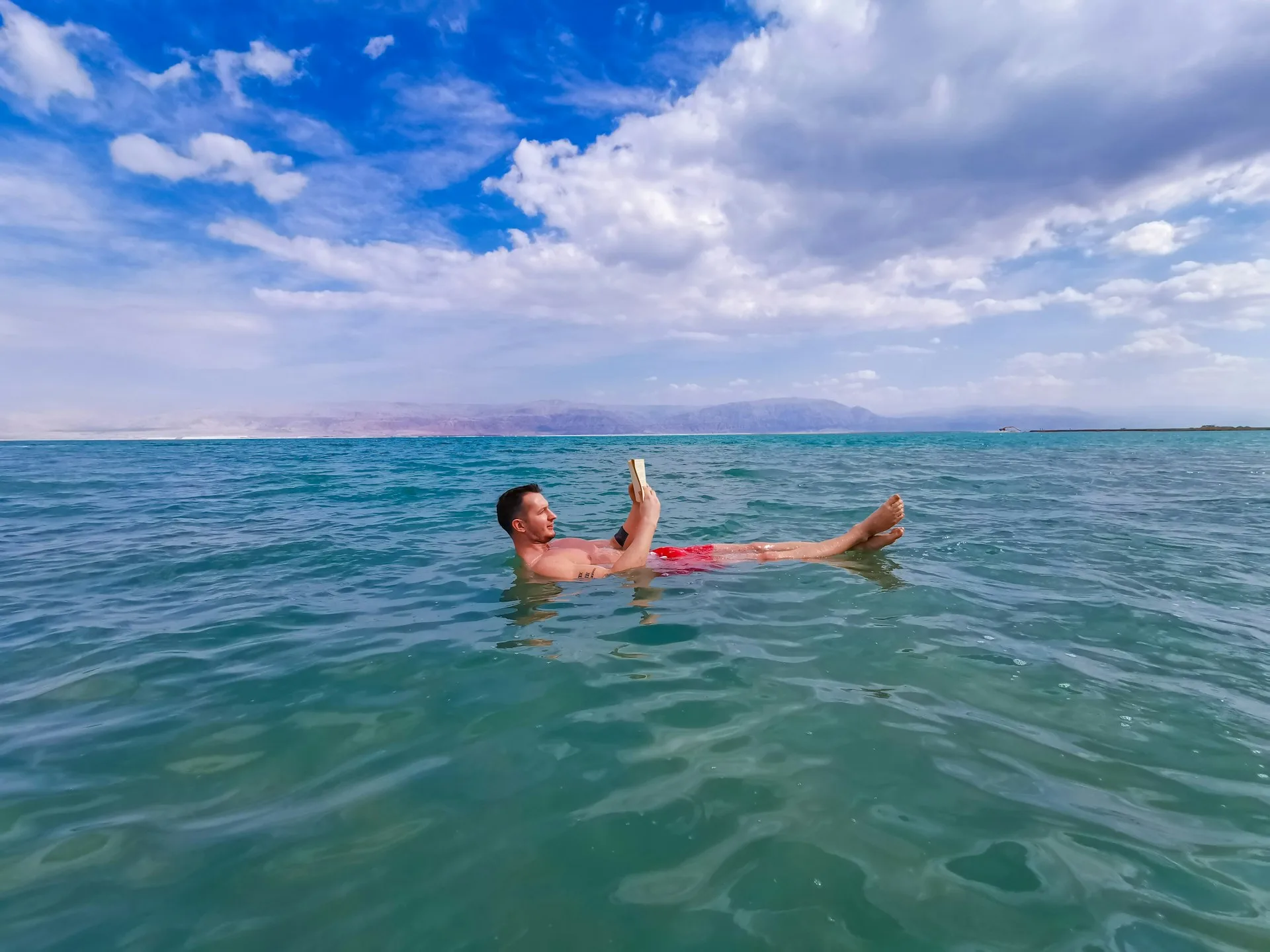
The Dead Sea offers a truly unique natural experience that delights families with its extraordinary properties. As the lowest point on Earth at 430 meters below sea level, this hypersaline lake contains mineral-rich waters that allow effortless floating—a sensation that amazes children and adults alike. The high concentration of magnesium, potassium, and other minerals provides therapeutic benefits for skin and muscles. Families can enjoy the novelty of floating while reading a book, apply mineral-rich mud for natural spa treatments, and relax on private beaches with stunning views of the surrounding desert mountains. The calm, warm waters create a safe environment for children to experience this natural wonder, while parents appreciate the rejuvenating properties of this geological marvel.
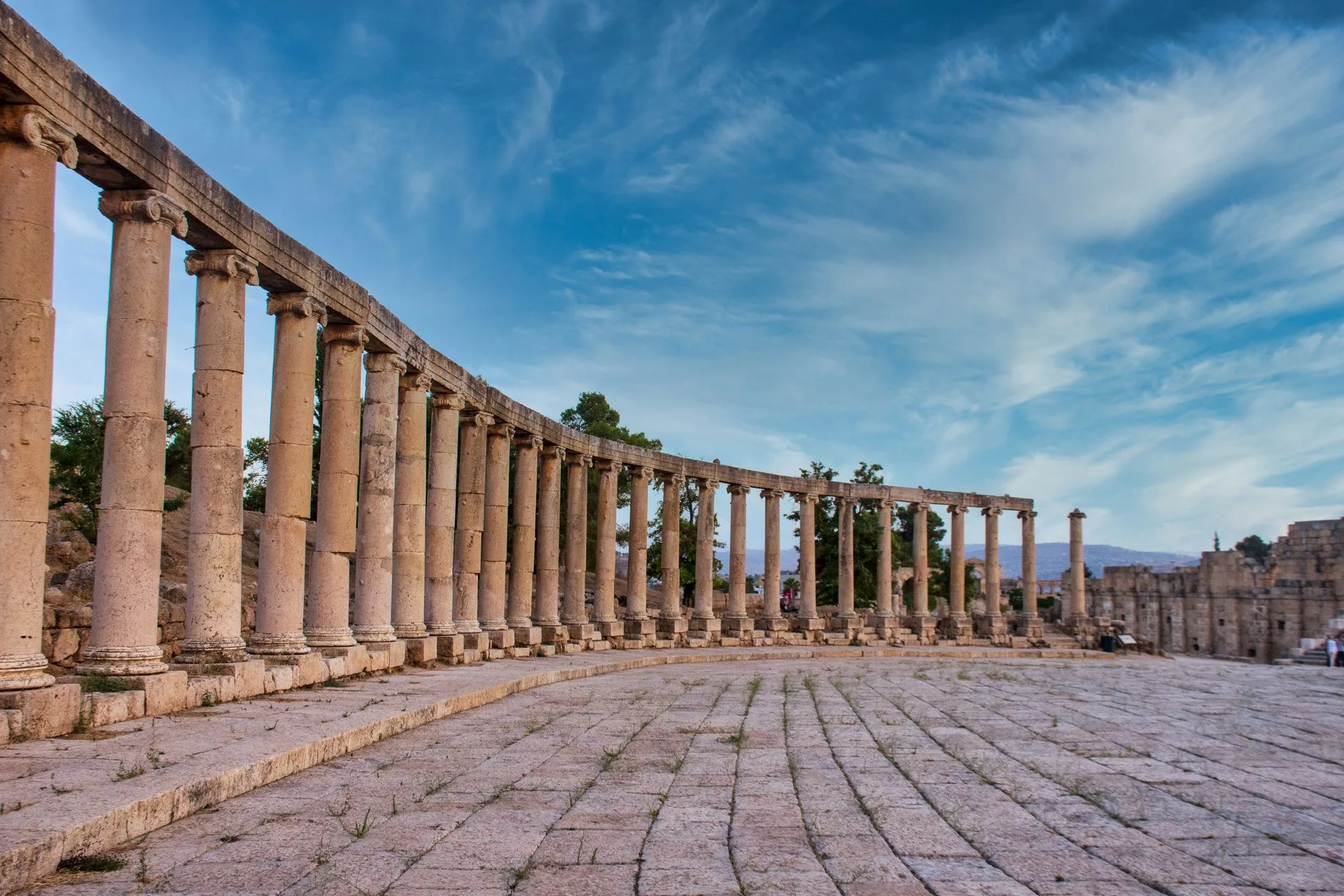
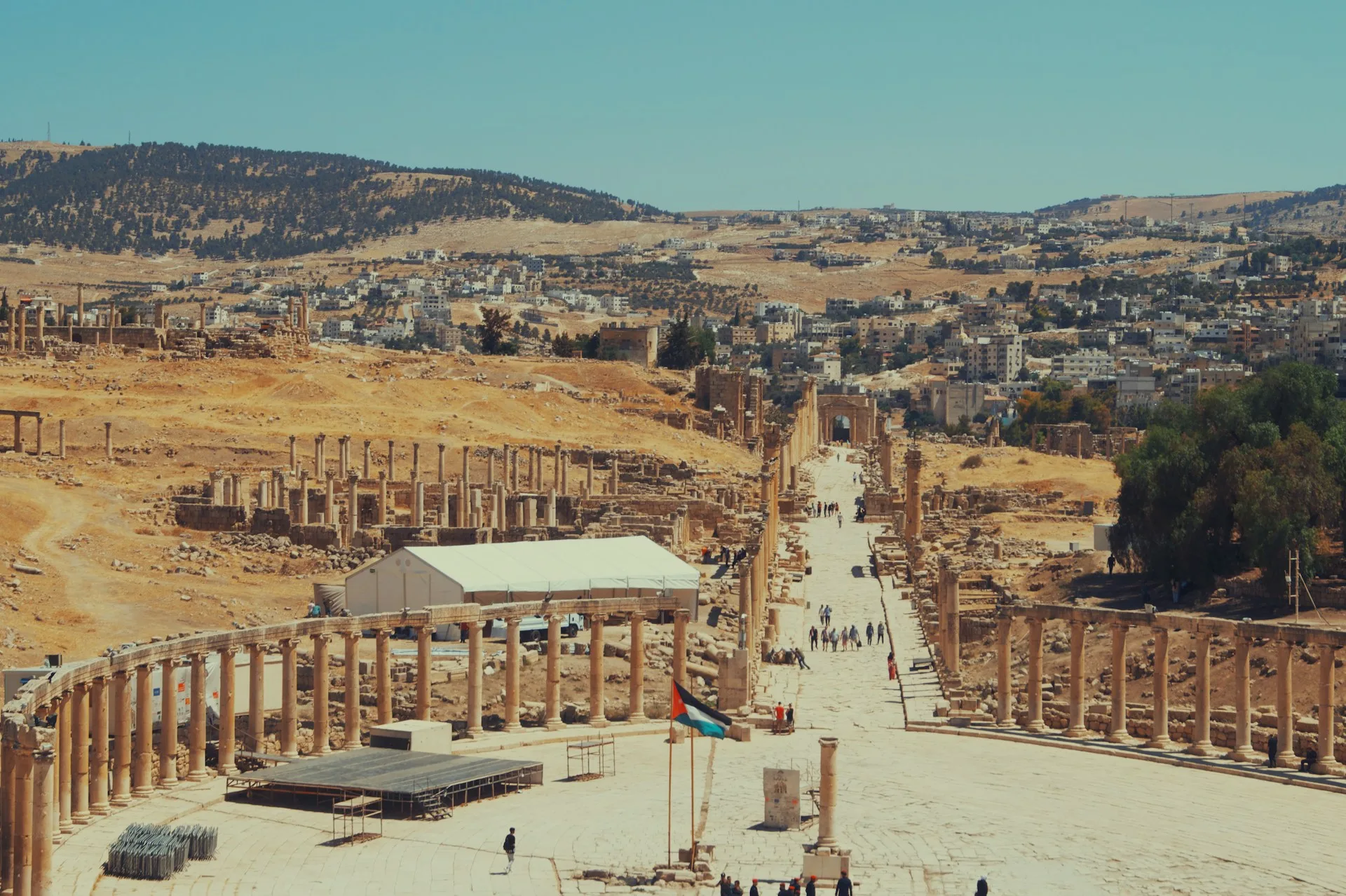
Often called the "Pompeii of the East," Jerash ranks among the world's best-preserved Roman provincial cities. This remarkable archaeological site showcases the grandeur of Roman urban planning with its colonnaded streets, hilltop temples, theaters, spacious public squares, and fountains. Walk along the 600-meter-long Cardo Maximus, the city's main thoroughfare lined with original columns, and explore the impressive Oval Plaza with its 56 ionic columns. The South Theater, which seats 3,000 spectators, demonstrates remarkable acoustics that still function perfectly today. Families can watch reenactments of Roman military formations and gladiator demonstrations, bringing ancient history to life. The Hadrian's Arch, built to honor Emperor Hadrian's visit in 129 AD, serves as a magnificent entrance to this ancient wonder.
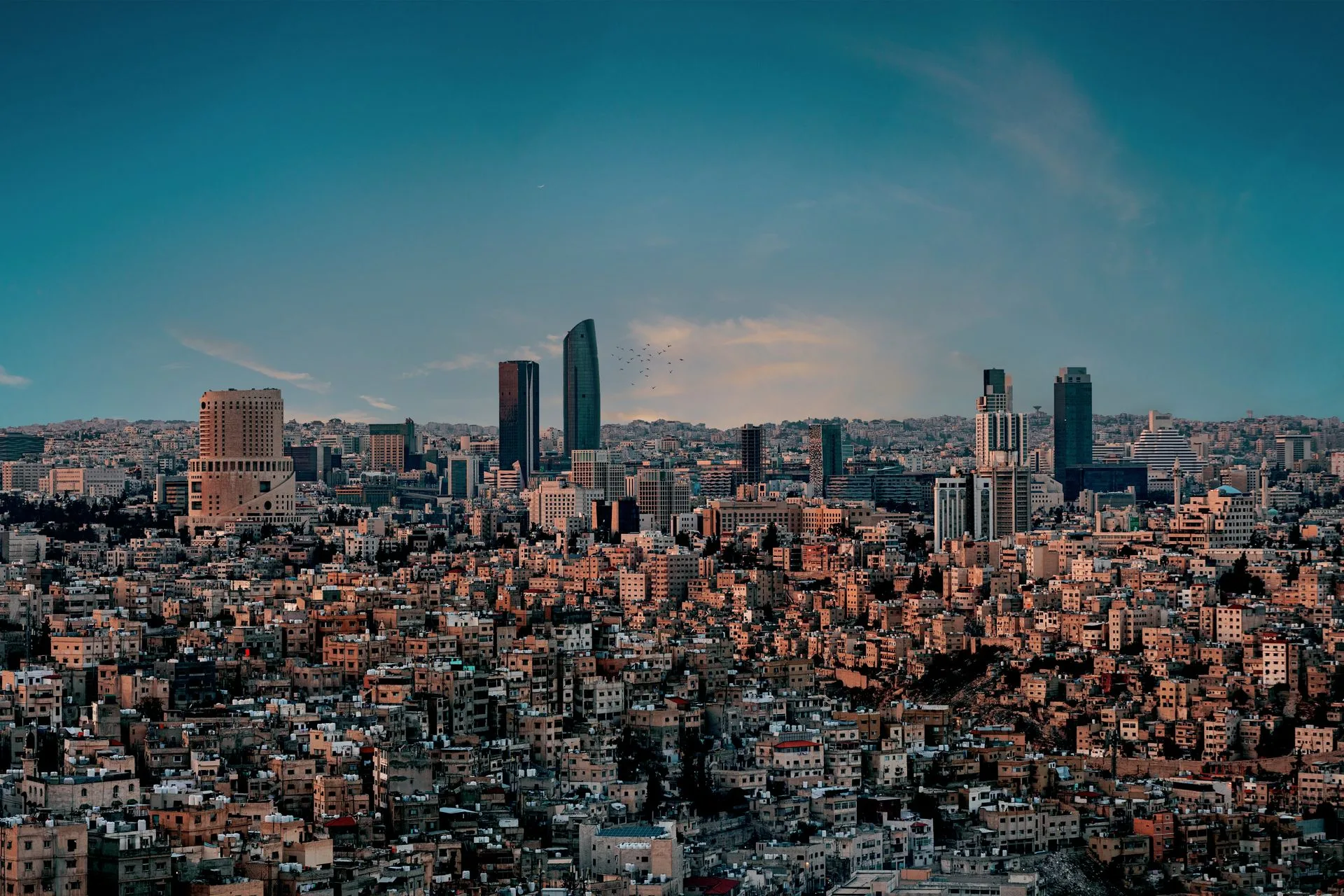
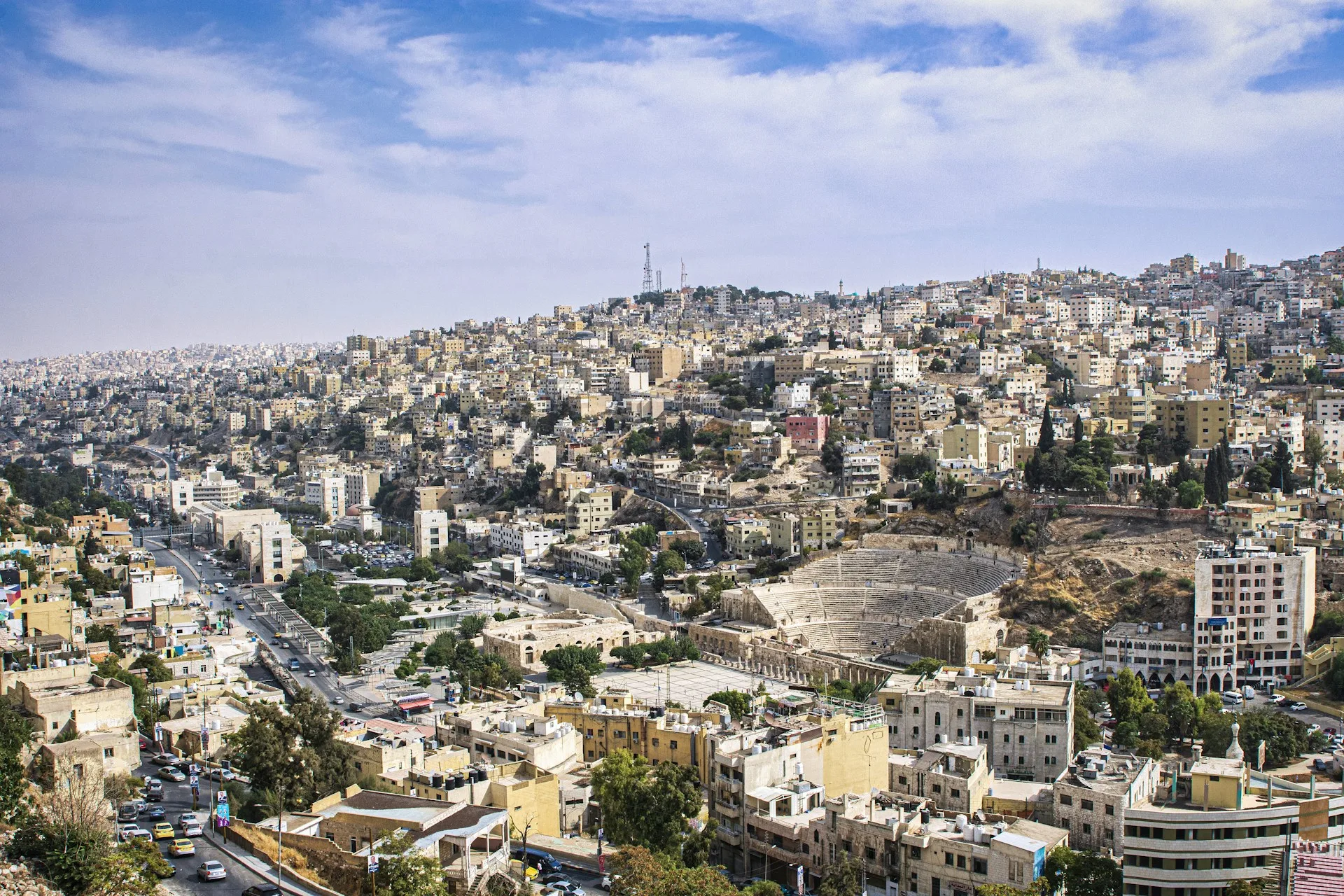
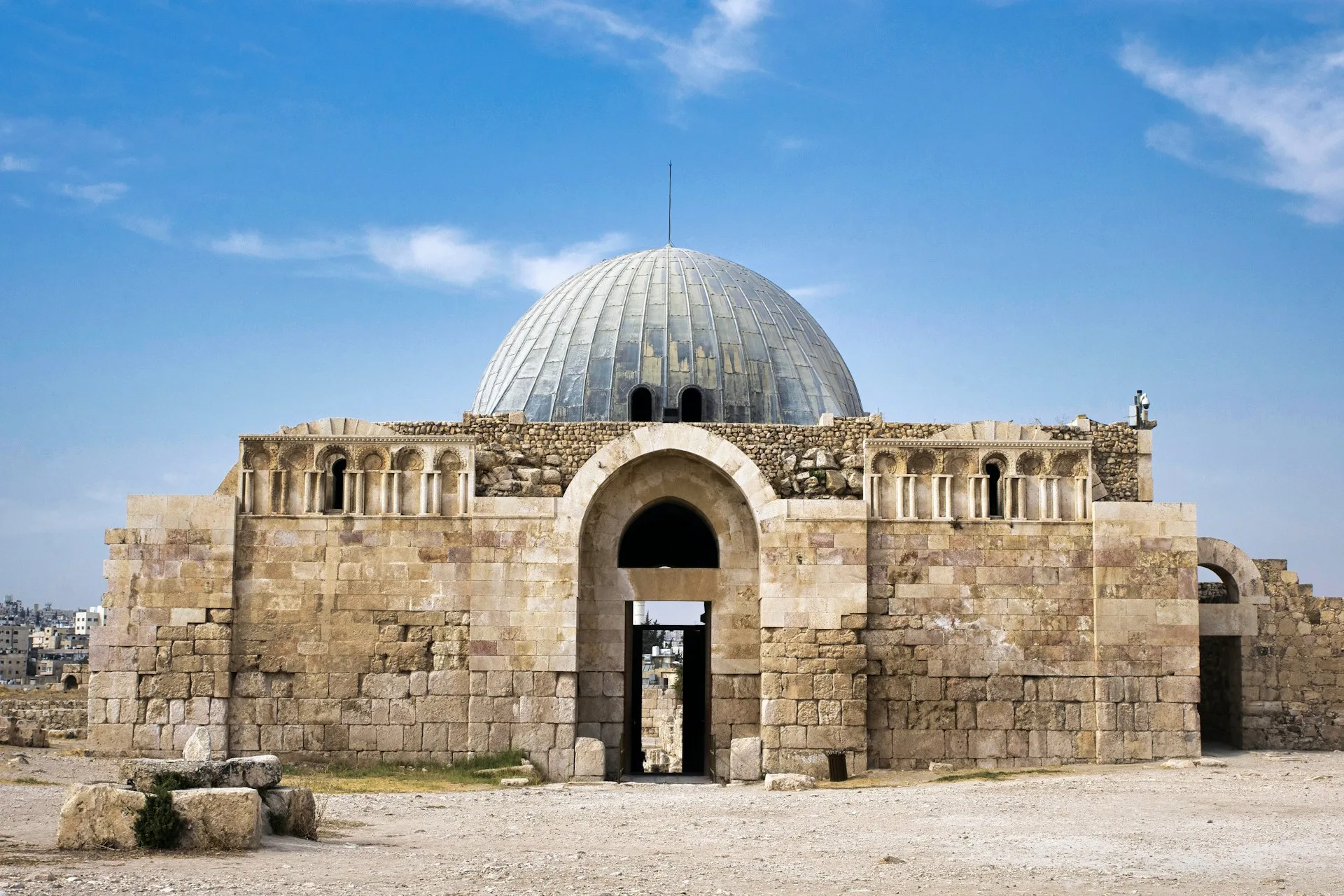
Perched atop Jabal al-Qal'a, the highest hill in Amman, the Citadel offers a journey through 7,000 years of continuous human occupation. This archaeological site features impressive ruins from Roman, Byzantine, and early Islamic periods, including the Temple of Hercules with its massive columns and the Umayyad Palace complex. The Jordan Archaeological Museum housed on the site displays fascinating artifacts from across the country, including some of the Dead Sea Scrolls. Families can explore the ancient ruins while enjoying panoramic views of Amman's sprawling cityscape and the well-preserved Roman Theater below. The site provides an excellent introduction to Jordan's layered history, with information panels explaining the significance of each structure.
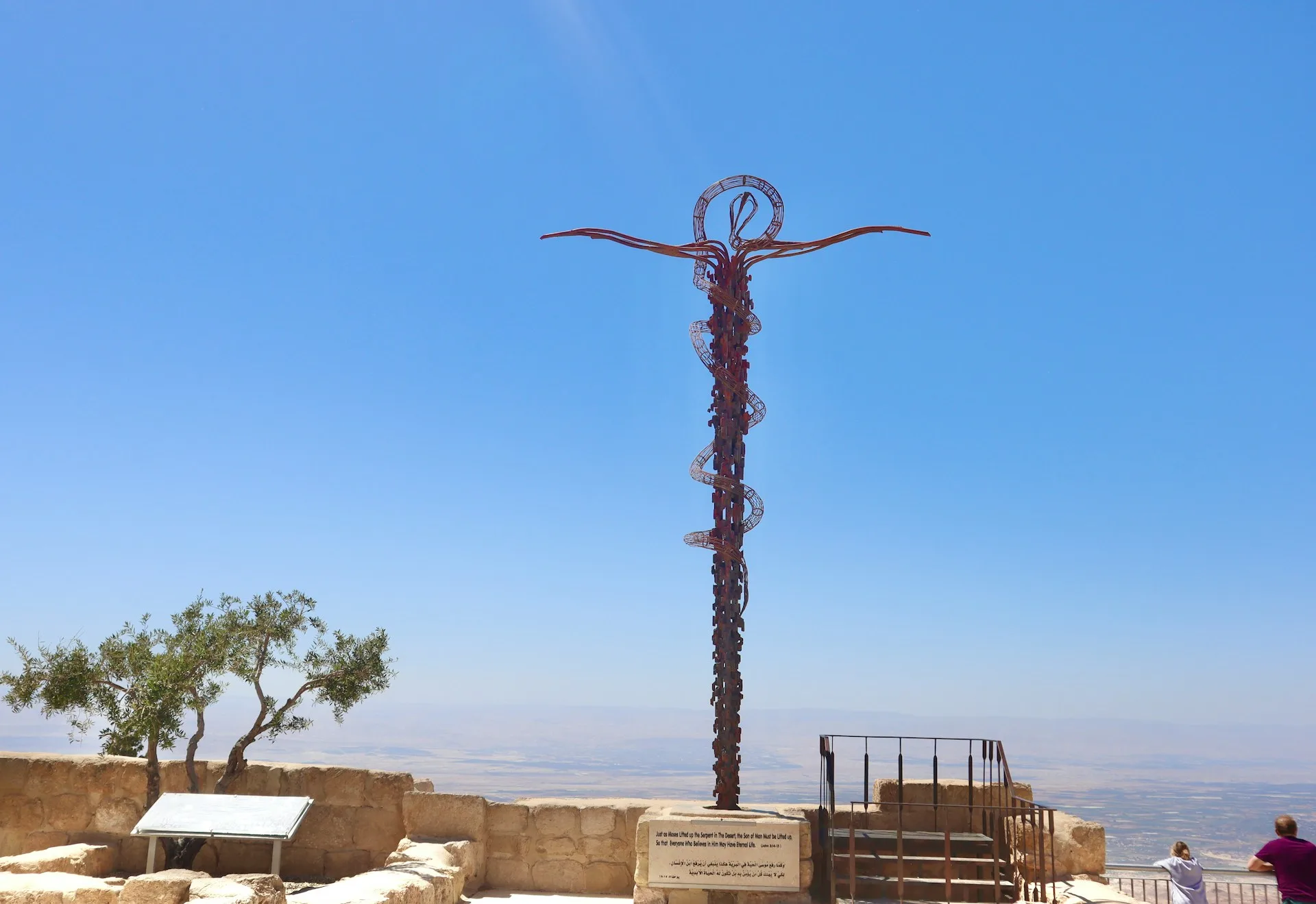
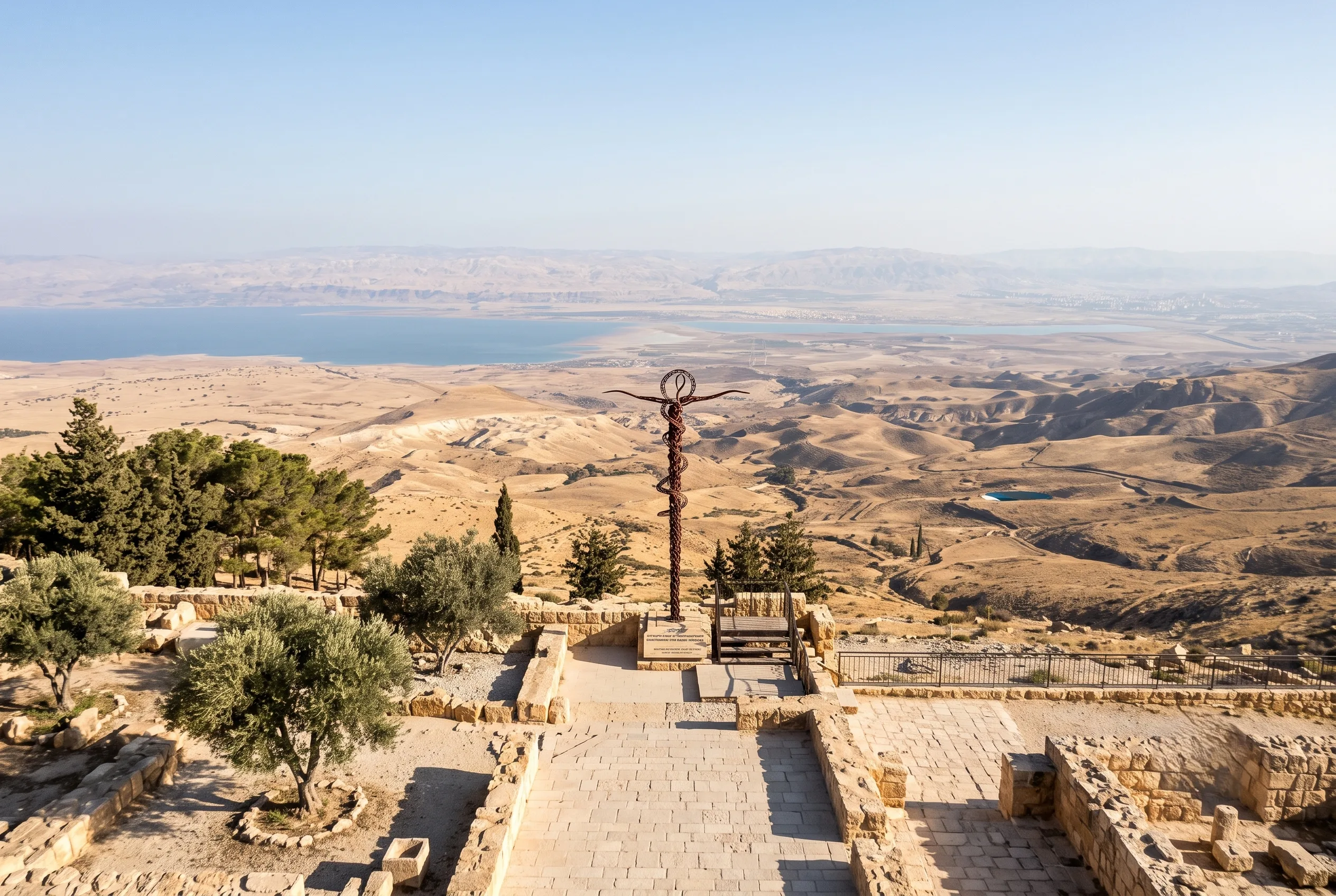
This sacred mountain holds immense religious and historical significance as the site where Moses is believed to have viewed the Promised Land before his death. Standing at 817 meters above sea level, Mount Nebo offers breathtaking panoramic views stretching across the Jordan Valley, Dead Sea, and on clear days, even Jerusalem and Bethlehem. The Memorial Church of Moses houses beautiful Byzantine mosaics dating back to the 4th and 6th centuries, depicting hunting scenes and exotic animals. Families can explore the archaeological excavations, visit the serpentine cross monument commemorating Moses's bronze serpent, and reflect on the mountain's profound spiritual heritage. The peaceful hilltop setting provides a contemplative experience combined with spectacular natural beauty.
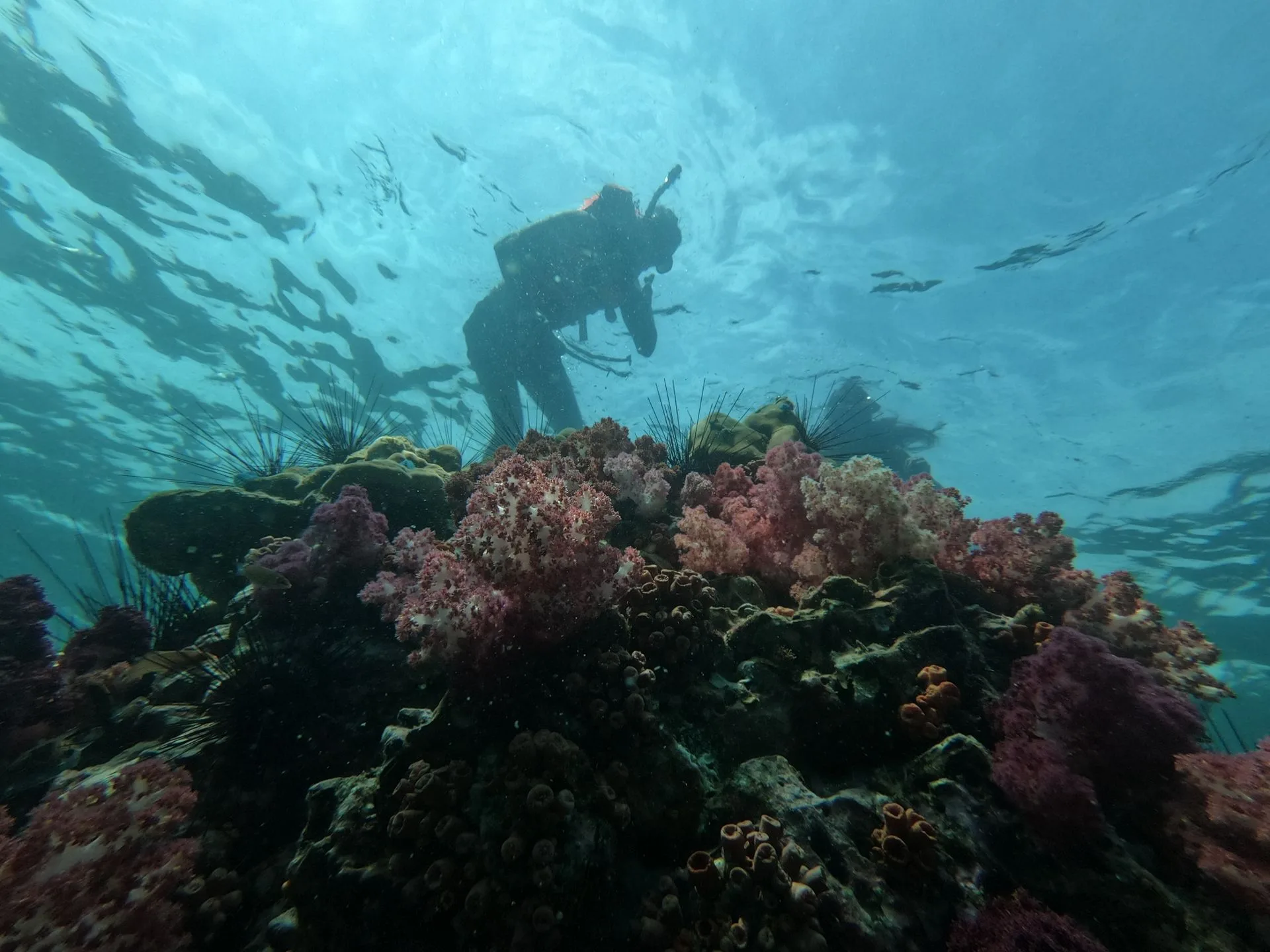
Jordan's only coastal city, Aqaba sits on the shores of the Red Sea and offers a perfect blend of beach relaxation and water activities. The warm, crystal-clear waters teem with colorful coral reefs and diverse marine life, making it a paradise for families interested in snorkeling and marine exploration. The city's protected marine park preserves pristine coral gardens just meters from the shore, where families can encounter tropical fish, sea turtles, and unique underwater ecosystems. Beyond the beach, Aqaba features the historic Aqaba Fort, traditional souks, and waterfront promenades. The year-round sunshine and pleasant temperatures make it an ideal destination for families seeking both relaxation and adventure in a stunning coastal setting.
Jordan's largest nature reserve, Dana Biosphere Reserve encompasses 320 square kilometers of diverse ecosystems ranging from sandstone cliffs to rocky mountain peaks. This protected area showcases Jordan's remarkable biodiversity, home to over 800 plant species and 450 animal species, including rare birds of prey and endangered mammals. Families can enjoy nature walks along well-maintained trails offering spectacular views of Wadi Araba and the desert landscape below. The reserve features traditional stone villages where local communities practice sustainable living and traditional crafts. The dramatic landscape transitions from lush Mediterranean woodlands at higher elevations to arid desert wadis, providing educational opportunities about ecology and conservation while enjoying outdoor adventures in pristine natural settings.
Known as the "City of Mosaics," Madaba preserves some of the finest Byzantine-era mosaic artworks in the Middle East. The famous 6th-century Madaba Map, housed in St. George's Church, represents the oldest surviving mosaic map of the Holy Land, depicting Jerusalem and other biblical sites with remarkable detail. Families can explore the Archaeological Park, which contains well-preserved mosaics from Byzantine churches and Roman villas, showcasing intricate geometric patterns and vivid scenes from mythology and daily life. The Madaba Museum displays additional mosaic treasures and artifacts from various historical periods. Walking through this charming town provides insights into early Christian communities while admiring the artistic achievements that have survived for over 1,400 years.
This impressive 12th-century Muslim castle, built by one of Saladin's generals, commands strategic hilltop positions overlooking the Jordan Valley. Ajloun Castle (Qal'at ar-Rabad) served as a military fortress designed to protect the region from Crusader attacks and control iron mines in the area. Families can explore the castle's towers, chambers, and underground passages while learning about medieval Islamic military architecture. The castle features a unique design with seven towers connected by thick walls, offering panoramic views of the surrounding pine-forested hills and valleys. Archaeological exhibits within the castle display artifacts and provide context about the fortress's role in regional history. The surrounding Ajloun Forest Reserve, with its hiking trails and wildlife, adds natural beauty to this historical experience.
Your Jordan family adventure begins with arrival at Queen Alia International Airport in Amman. After clearing immigration and customs, you'll be greeted by your professional guide who will assist with a smooth private transfer to your family-friendly hotel in the heart of Amman. The drive into the city provides your first glimpses of Jordan's unique blend of ancient history and modern development, as gleaming white buildings spread across the rolling hills.
After checking into your comfortable accommodations and freshening up from your journey, take some time to relax and adjust to the local time. If you arrive in the morning or early afternoon, consider a gentle introduction to Amman with a walk around the hotel neighborhood. Your guide can recommend nearby family-friendly restaurants serving authentic Jordanian cuisine, where you can sample local specialties like mansaf, hummus, and fresh-baked flatbreads.
In the evening, enjoy a welcome orientation session where your guide will provide an overview of the exciting week ahead, answer any questions about local customs and traditions, and ensure your family feels comfortable and prepared for the adventures to come. Rest well tonight as tomorrow brings your first full day of exploration in this fascinating country.
After a hearty breakfast at your hotel, begin your exploration of Jordan's rich heritage with a visit to the Amman Citadel, perched atop the city's highest hill. This archaeological treasure showcases 7,000 years of continuous human occupation with impressive ruins from Roman, Byzantine, and early Islamic periods. Walk among the towering columns of the Temple of Hercules, explore the Umayyad Palace complex, and visit the Jordan Archaeological Museum to see fascinating artifacts including some of the Dead Sea Scrolls. The panoramic views of Amman's sprawling cityscape provide excellent photo opportunities for the family.
Continue to the well-preserved Roman Theater, a magnificent 6,000-seat amphitheater carved into the hillside in the 2nd century AD. The theater's remarkable acoustics still function perfectly, demonstrated by your guide who will show how even whispers can be heard throughout the structure. Adjacent to the theater, explore the traditional souks and experience the vibrant atmosphere of downtown Amman's markets.
After lunch at a local restaurant, journey north to Jerash, often called the "Pompeii of the East" and one of the best-preserved Roman provincial cities in the world. Enter through the magnificent Hadrian's Arch and walk along the Cardo Maximus, the main colonnaded street lined with original columns. Explore the impressive Oval Plaza, the Temple of Artemis, and the South Theater where your family might witness reenactments of Roman military formations. Your guide will bring ancient history to life with stories of daily life in this thriving Roman city. Return to Amman in the evening for dinner and overnight stay.
Begin your day with breakfast before checking out and embarking on the scenic journey south toward Petra. Your first stop is Madaba, the "City of Mosaics," home to stunning Byzantine-era artwork. Visit St. George's Church to marvel at the famous 6th-century Madaba Map, the oldest surviving mosaic map of the Holy Land. This intricate floor mosaic depicts Jerusalem, the Dead Sea, and other biblical sites with remarkable detail, using over two million colored stone pieces. Explore the Archaeological Park to see additional well-preserved mosaics showcasing geometric patterns and mythological scenes.
Continue to nearby Mount Nebo, one of Christianity's most sacred sites where Moses is believed to have viewed the Promised Land before his death. Stand at the summit, 817 meters above sea level, and take in the breathtaking panoramic views stretching across the Jordan Valley, Dead Sea, and on clear days, even Jerusalem. Visit the Memorial Church of Moses with its beautiful Byzantine mosaics depicting hunting scenes and exotic animals. Your guide will explain the site's profound religious significance while your family enjoys the peaceful hilltop atmosphere.
After lunch, continue your journey south through the scenic King's Highway, one of the oldest continuously used trade routes in the world, offering stunning views of wadis and desert landscapes. Arrive in Petra by late afternoon, check into your family-friendly hotel near the archaeological site, and enjoy a relaxing evening. Your guide will provide a briefing about tomorrow's exploration of one of the world's most magnificent ancient cities. Rest well tonight in anticipation of experiencing the wonders of Petra.
Today is dedicated to exploring Petra, Jordan's crown jewel and one of the New Seven Wonders of the World. After an early breakfast, enter the archaeological site and begin your journey through the dramatic Siq, a narrow gorge extending over a kilometer with towering 80-meter-high cliffs on both sides. Watch as your children's eyes widen with wonder when the magnificent Treasury (Al-Khazneh) first comes into view at the Siq's end—a magical moment that families never forget. This incredible structure, carved directly into the rose-colored sandstone cliff face over 2,000 years ago, stands 40 meters high and showcases the Nabataeans' extraordinary architectural skills.
Continue through the ancient city along the Street of Facades, lined with elaborate rock-cut tombs that served as final resting places for Nabataean nobility. Explore the impressive Royal Tombs, including the Urn Tomb and Palace Tomb, which demonstrate sophisticated engineering and artistic achievement. Visit the Roman Theater, carved into the mountainside to seat 3,000 spectators, and walk along the Colonnaded Street to see remnants of the city's commercial heart. Your expert guide will share fascinating stories about the Nabataean civilization, their advanced water management systems, and the thriving trade routes that brought wealth to this desert capital.
For families with energy and adventurous spirits, consider the optional climb to the Monastery (Ad-Deir), Petra's largest monument accessible via 800 rock-cut steps. The journey takes about 45 minutes but rewards visitors with spectacular views and a sense of achievement. The Monastery's massive facade, even larger than the Treasury, sits in a peaceful mountain setting offering dramatic desert vistas. Take breaks at various viewpoints along the way, and pace yourselves according to your family's comfort level. Return to the main area for lunch before spending the afternoon exploring additional sections or revisiting favorite spots. Exit the site in the late afternoon, return to your hotel, and reflect on this extraordinary day spent in one of humanity's greatest archaeological treasures.
After breakfast and checking out from your Petra hotel, embark on a scenic drive south to Wadi Rum, the stunning desert wilderness known as the "Valley of the Moon." The journey takes approximately 1.5 hours, offering changing landscapes as you transition from rocky mountains to the vast desert terrain. Upon arrival at the Wadi Rum village, meet your Bedouin guides who will lead your desert adventure with genuine hospitality and deep knowledge of this protected landscape.
Board a private 4x4 vehicle for an exciting jeep tour through Wadi Rum's otherworldly landscape of towering sandstone mountains, massive rock formations, and sweeping red sand dunes. Your family will visit ancient petroglyphs carved into rock faces thousands of years ago, showcasing early human presence in this region. Explore natural rock bridges and canyons while your guide explains the desert's geological formation and Bedouin cultural traditions. Stop at scenic viewpoints for spectacular photos of the dramatic landscape that has served as a filming location for movies like Lawrence of Arabia and The Martian.
Experience the magic of a Wadi Rum sunset as the desert transforms into a palette of vibrant reds, oranges, and purples. If your family enjoys camping, consider an optional overnight stay in a traditional Bedouin camp under the stars, where you can enjoy authentic Bedouin hospitality, traditional music, and the most spectacular stargazing imaginable in this dark-sky preserve. Otherwise, continue to Aqaba on the Red Sea coast for accommodation at a comfortable seaside hotel. Dinner and overnight in Aqaba or Wadi Rum, depending on your family's preference.
After breakfast, begin your journey north toward the Dead Sea, the lowest point on Earth at 430 meters below sea level. The scenic drive takes approximately 3-4 hours, following the dramatic desert highway that runs parallel to the Israeli border. Watch as the landscape transforms from sandy desert to the dramatic Jordan Valley, with views of rugged mountains and wadis along the way. Your guide will point out interesting geological features and explain the unique ecosystem of this remarkable region.
Arrive at the Dead Sea by midday and check into your family-friendly resort hotel with direct beach access. After settling in and changing into swimwear, it's time to experience one of Jordan's most unique natural wonders. Walk down to the private beach and carefully enter the hypersaline waters—the sensation of effortless floating will amaze and delight your entire family. The extraordinarily high salt concentration (nearly 10 times saltier than ocean water) creates buoyancy that allows you to float on your back while reading a book or newspaper, creating memorable photo opportunities.
Apply the mineral-rich Dead Sea mud, renowned for its therapeutic and cosmetic properties, for a natural spa treatment. The mud contains beneficial minerals like magnesium, calcium, and potassium that nourish and rejuvenate skin. Children particularly enjoy the fun of covering themselves in the smooth black mud before rinsing it off in the salty water. Spend the afternoon alternating between floating, relaxing by the pool, and enjoying the resort's family amenities. Watch the stunning sunset over the water as the surrounding desert mountains turn golden. Important safety note: Be careful not to splash water in your eyes, avoid shaving before swimming, and rinse off thoroughly afterward. Enjoy a leisurely dinner at the resort and overnight stay at the Dead Sea.
Enjoy a relaxed final morning at the Dead Sea with one more opportunity to float in the therapeutic waters or simply relax by the pool while soaking up the unique atmosphere of the lowest point on Earth. After a leisurely breakfast at the resort, take time for last-minute swimming, floating, or relaxation before checking out. Some families enjoy purchasing Dead Sea cosmetic products from the hotel shops as thoughtful gifts or personal souvenirs of this special experience.
Depending on your flight departure time, begin your private transfer back to Amman and Queen Alia International Airport. The drive takes approximately one hour, following the scenic route through the Jordan Valley with views of agricultural terraces and desert mountains. If time permits before your flight, your guide can arrange a brief stop at a local souk for last-minute shopping, where you can find traditional Jordanian handicrafts, spices, or souvenirs to remember your family adventure.
Arrive at the airport with plenty of time before your flight, where your guide will assist with check-in procedures and ensure a smooth departure process. As you board your flight home, you'll carry wonderful memories of Jordan's ancient wonders, natural beauty, and warm hospitality. This journey through Petra's rose-red ruins, Wadi Rum's desert landscapes, the Dead Sea's therapeutic waters, and Jordan's rich cultural heritage will remain in your family's hearts for years to come. Safe travels, and we hope to welcome you back to Jordan for more adventures in the future!
The Treasury (Al-Khazneh) provides Petra's most iconic photography opportunity. The best lighting occurs during mid-morning when the sun directly illuminates the rose-colored facade, bringing out the warm pink and orange hues of the sandstone. Position yourself at the end of the Siq for the classic frontal view, or climb the rocks to the right for elevated perspectives. Early morning visits offer the additional benefit of fewer crowds in your frame. The intricate Hellenistic-style columns, statues, and decorative elements create stunning details when photographed with a telephoto lens. Capture your family's first glimpse as they emerge from the Siq—their expressions of wonder make priceless photos. The changing light throughout the day transforms the Treasury's appearance, so consider multiple visits during your time in Petra for varied shots.
Wadi Rum's desert landscape transforms into a photographer's paradise during the golden hour before sunset. The towering sandstone mountains and red sand dunes create dramatic silhouettes against skies painted in vivid oranges, reds, and purples. Position yourself at elevated viewpoints or atop large rock formations to capture sweeping panoramic vistas of the desert valley. The famous rock bridges, such as Burdah Rock Bridge, offer unique framing opportunities for creative compositions. During sunset, the low-angle sun casts long shadows across the dunes, adding depth and texture to your images. Include your family in silhouette against the colorful sky for memorable portraits. The clear desert air and lack of light pollution also make Wadi Rum exceptional for night sky photography—capture the Milky Way arching over the ancient desert landscape for truly magical images.
The Dead Sea offers unique photography opportunities that capture one of nature's most extraordinary phenomena. The classic shot shows people floating effortlessly on their backs while reading a newspaper or book—a visual representation of the water's incredible buoyancy. Position your camera on the shore to capture family members floating with the dramatic desert mountains and sky in the background. The contrast between the deep blue water and the arid surrounding landscape creates striking images. Sunrise and sunset provide the best lighting, when warm golden hues illuminate both the water and mountains. For creative shots, photograph the application and removal of Dead Sea mud, capturing the fun and relaxation of this therapeutic experience. The salt crystal formations along the shore, with their unique textures and patterns, make excellent close-up subjects. Remember to protect your camera equipment from salt water and use underwater housings if available.
The ancient Roman city of Jerash offers exceptional architectural photography opportunities. The Cardo Maximus, the main colonnaded street extending over 600 meters, creates powerful leading lines that draw viewers into your images. Position yourself at one end to capture the perspective of towering columns stretching into the distance, or shoot from elevated positions for overhead views of the limestone columns against the ancient paving stones. The Oval Plaza's unique elliptical colonnade provides dynamic circular compositions. Morning light casting shadows from the columns creates dramatic patterns across the plaza. The South Theater's curved tiers and the Temple of Artemis's surviving columns make impressive subjects, especially when photographed against blue skies. Include people walking among the ruins to provide scale and context. The Roman chariots and gladiator reenactments, when scheduled, add action and historical atmosphere to your photographs.
The Amman Citadel, perched on Jabal al-Qal'a, offers commanding views perfect for capturing the sprawling modern city below juxtaposed with ancient ruins in the foreground. The Temple of Hercules's massive columns create striking silhouettes against the cityscape, particularly during sunset when warm light illuminates both the ancient stones and contemporary buildings. The Byzantine Church ruins provide interesting architectural details and frames for wider city views. Look down toward the Roman Theater carved into the hillside below—its white limestone seats stand out dramatically against the urban landscape. Visit during late afternoon for the best lighting when the setting sun creates a warm glow across Amman's white buildings spreading across the seven hills. The combination of ancient ruins, Islamic architecture, and modern development visible from this vantage point tells the story of Jordan's continuous habitation through millennia.
Mount Nebo's summit provides sweeping panoramic views that stretch across the Jordan Valley to the Dead Sea and, on clear days, to Jerusalem and Bethlehem. The elevated position at 817 meters above sea level offers exceptional photography of layered mountain ridges fading into the distance, creating natural depth in landscape images. The serpentine cross monument, commemorating Moses's bronze serpent, makes a powerful foreground element against the expansive valley views. Visit during early morning or late afternoon when low-angle sunlight enhances the terrain's textures and contours. The contrast between the fertile Jordan Valley and the arid mountains beyond creates visually compelling images. The Memorial Church's Byzantine mosaics provide colorful indoor photography opportunities, though check about photography permissions and lighting conditions inside. Capture your family standing at this historic site where Moses is believed to have viewed the Promised Land, combining spiritual significance with breathtaking natural beauty in your photographs.
Aqaba's crystal-clear Red Sea waters offer spectacular underwater photography opportunities for families with waterproof cameras or housings. The protected coral reefs teem with colorful tropical fish, sea turtles, and unique marine life just meters from the shore. The visibility often exceeds 20-30 meters, creating ideal conditions for capturing the vibrant underwater world. Photograph the intricate patterns and textures of coral formations in various colors—from purple and orange to green and blue. Schools of tropical fish create dynamic moving subjects, while slower-moving species like lionfish and moray eels allow for detailed close-up shots. The shallow reef areas provide safe environments for children to snorkel while parents photograph their underwater explorations. Early morning snorkeling sessions offer the calmest water and best light penetration. Even simple waterproof cameras or phone housings can capture amazing images in these pristine waters. Remember to maintain safe distances from marine life and never touch or disturb the delicate coral ecosystems.
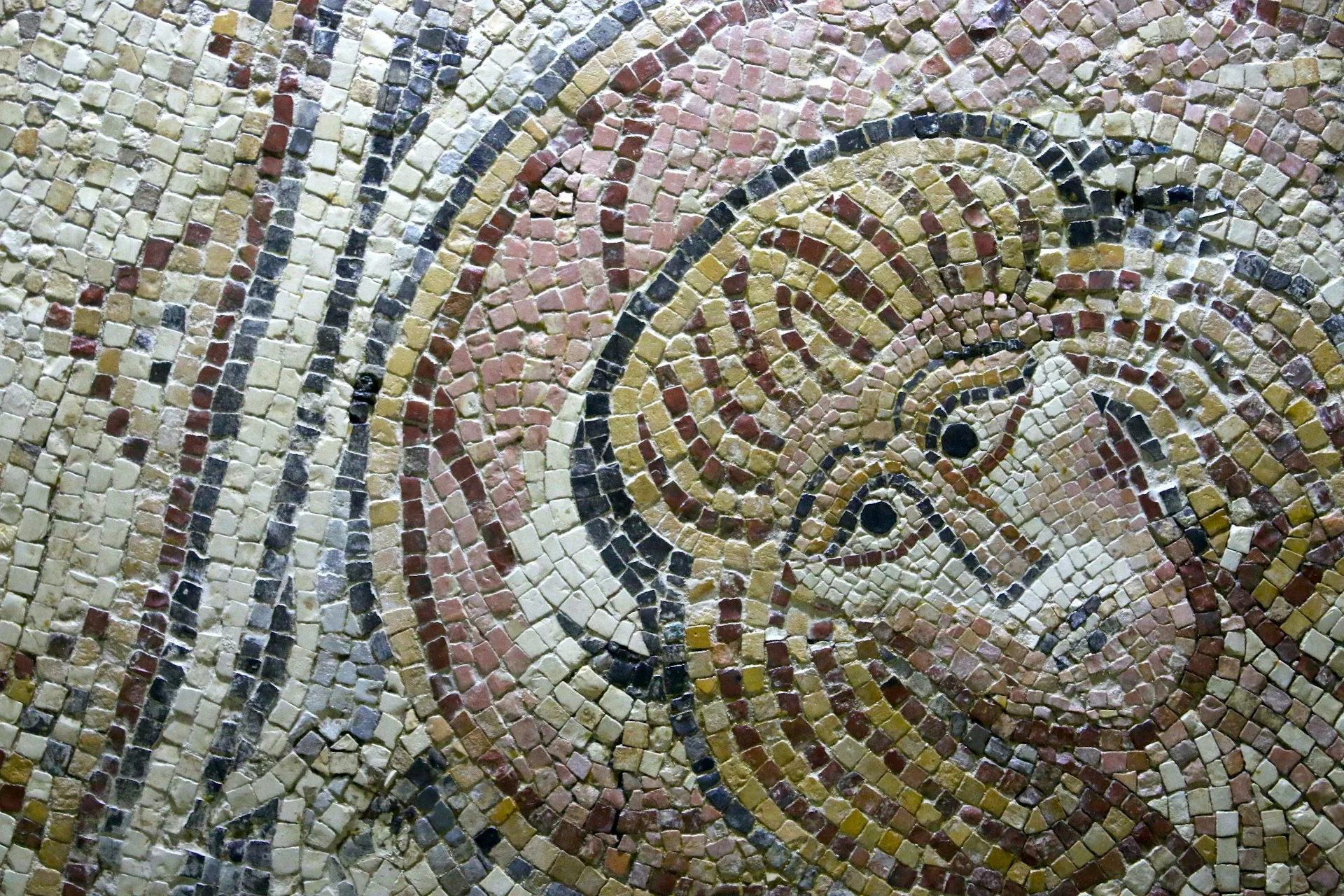
The ancient Byzantine mosaics in Madaba provide exceptional opportunities for detailed architectural and art photography. The famous Madaba Map in St. George's Church showcases intricate 6th-century craftsmanship with its depiction of Jerusalem and the Holy Land created from over two million colored stone pieces. The challenge lies in photographing these floor mosaics evenly, as you'll typically need to shoot from elevated positions. Wide-angle lenses capture the map's full context, while telephoto or macro lenses reveal the remarkable detail of individual tesserae (small colored stones). The Archaeological Park offers additional mosaic treasures with vivid geometric patterns and mythological scenes that photograph beautifully. Pay attention to lighting—natural light filtering through windows creates the most authentic appearance, though you may need to adjust exposure settings to avoid reflections on the protective glass coverings. The vibrant blues, reds, yellows, and greens of the ancient stones remain remarkably preserved, creating images that celebrate human artistic achievement across centuries.
Note: Opening and closing times are subject to change and may vary depending on the day of the week, public holidays, maintenance schedules, or special events. Please verify current timings before your visit.
The ideal time for Jordan family travel is during spring (March to May) and autumn (September to November) when temperatures are pleasant for outdoor exploration, ranging from 20-30°C (68-86°F). These seasons offer comfortable weather for visiting Petra, Wadi Rum, and other archaeological sites without the extreme heat of summer or occasional winter chill. Spring brings wildflowers blooming in the desert, while autumn provides clear skies perfect for photography. Summer months (June-August) can be intensely hot, especially in Petra and Wadi Rum where temperatures exceed 35°C (95°F), making extended outdoor activities challenging for families with children. Winter (December-February) brings cooler temperatures and occasional rain, though the Dead Sea remains enjoyable year-round due to its low elevation and warm climate. Consider avoiding major Islamic holidays when attractions may have altered schedules, and book accommodations well in advance for peak travel periods.
Yes, Jordan is considered one of the safest countries in the Middle East for family travel. The country has a stable government, low crime rates, and a well-established tourism infrastructure. Jordanians are known for their warm hospitality and friendliness toward visitors, especially families with children. Tourist areas like Petra, Wadi Rum, the Dead Sea, and Amman have strong security presence and are regularly visited by millions of international tourists. The local culture is welcoming and moderate, making it comfortable for families from diverse backgrounds. As with any travel destination, follow standard safety precautions such as staying aware of your surroundings, keeping valuables secure, and following your guide's recommendations. The Jordanian government prioritizes tourist safety and maintains excellent security at all major attractions and hotels.
Jordan offers rewarding experiences for children of all ages, though different attractions appeal to various age groups. Children aged 6 and above typically appreciate the historical and archaeological sites more fully, as they can understand the stories and significance behind places like Petra and Jerash. The desert adventures in Wadi Rum, floating in the Dead Sea, and exploring ancient castles fascinate children as young as 4-5 years old. For families with very young children (toddlers and preschoolers), the trip is certainly manageable with proper planning, though you may need to adjust the pace and duration of site visits. The walking involved at Petra can be challenging for young children—consider shorter routes or occasional stops for rest. Teenagers often find Jordan particularly engaging due to the adventure activities, historical significance, and unique cultural experiences. Many attractions offer family-friendly facilities, and Jordanian culture is very welcoming toward children, making families feel comfortable throughout their journey.
The amount of walking varies by location, with Petra requiring the most significant physical activity. At Petra, the walk from the visitor center to the Treasury is approximately 1.2 kilometers through the Siq, taking about 30-45 minutes at a comfortable family pace. Exploring the main archaeological area involves another 2-4 kilometers of walking on uneven terrain, rocky paths, and occasional steps. Families can adjust the extent of exploration based on their fitness levels—you can see the highlights with moderate walking, or pursue longer routes like the climb to the Monastery (800 steps). Jerash involves about 2 kilometers of walking on relatively flat ancient paving stones. Amman Citadel and other sites require moderate walking with some uphill sections. Wadi Rum's jeep tour minimizes walking, with optional short hikes to specific viewpoints. The Dead Sea resort requires minimal walking. Overall, a moderate fitness level is suitable for this tour, and the itinerary can be adjusted for families who prefer less walking. Comfortable, broken-in walking shoes are essential for all family members.
Jordanian cuisine offers delicious and family-friendly options that most children enjoy. Traditional dishes include mezze (small appetizers like hummus, baba ghanoush, and falafel), grilled meats, fresh flatbreads, and the national dish mansaf (lamb cooked in fermented dried yogurt sauce served over rice). Most restaurants offer familiar international options like pasta, pizza, grilled chicken, and French fries for children who prefer less adventurous dining. Fresh fruits, vegetables, and salads are abundant and safe to eat at established restaurants. Hotels typically offer both Middle Eastern and Western breakfast buffets. Food hygiene standards at tourist restaurants and hotels are generally excellent. Vegetarian options are plentiful, as many traditional dishes are plant-based. Tap water in major cities is technically safe but bottled water is recommended for tourists to avoid any digestive issues. Most restaurants are family-friendly and welcoming to children. Your guide can recommend reliable dining options suited to your family's preferences and any dietary restrictions. Jordanians take pride in their hospitality, and sharing meals becomes a memorable part of the cultural experience.
Most nationalities require a visa to enter Jordan, which can be obtained on arrival at Queen Alia International Airport or through the Jordan Pass purchased online before travel. The Jordan Pass is highly recommended for tourists as it includes visa fees plus entrance to over 40 tourist attractions including Petra, Jerash, Wadi Rum, and many others, providing significant cost savings. The pass comes in three tiers based on the number of days at Petra (one, two, or three days), with prices starting around $99 USD per person. To qualify for the free visa through the Jordan Pass, you must stay in Jordan for at least three consecutive nights and purchase the pass before arrival. Children under 12 years receive free entry to sites when accompanied by adults with the Jordan Pass. The pass must be purchased at least 48 hours before your arrival. If you don't purchase the Jordan Pass, visa fees are approximately 40 JOD (about $56 USD) per person payable on arrival. Check the official Jordan Pass website and the Jordanian Ministry of Foreign Affairs website for the most current visa requirements for your specific nationality, as regulations may change.
With years of experience crafting memorable family journeys across the Middle East, Destination To Plan understands the unique needs of families traveling with children. Our Jordan family tour package is thoughtfully designed to balance cultural exploration, adventure, and relaxation while ensuring comfort and safety throughout your journey. We work exclusively with carefully vetted family-friendly hotels that provide spacious rooms, clean facilities, and child-appropriate amenities. Our professional guides are not only knowledgeable about Jordan's history and culture but also skilled at engaging children with age-appropriate stories and interactive experiences that bring ancient civilizations to life.
We prioritize reliable private transportation with modern, air-conditioned vehicles and experienced drivers who navigate Jordan's roads safely. Our itineraries are paced specifically for families, allowing adequate rest time and avoiding the rushed schedules of group tours. We maintain strong relationships with local service providers, ensuring priority access and excellent service at attractions, restaurants, and accommodations. Our 24/7 support team is always available to assist with any needs during your journey. We understand that traveling with children requires flexibility, and our guides accommodate spontaneous adjustments to the itinerary based on your family's energy levels and interests. By choosing Destination To Plan, you gain peace of mind knowing that every detail has been carefully planned by experienced travel professionals who specialize in creating stress-free, enriching family adventures in Jordan.
 Oceania
 Europe
 Europe
 Europe
 Asia
Asia
 Oceania
 Africa
 Middle East
 Americas
Ready to explore the ancient wonders of Petra, experience the magic of Wadi Rum, and float in the Dead Sea? Contact us now to customize your perfect Jordan family tour package.
Our travel experts will help you plan an unforgettable journey through Jordan's most spectacular destinations with personalized itineraries, family-friendly accommodations, and professional guides who make history come alive.