Venezuela Family Tour Package - 9 Days & 8 Nights

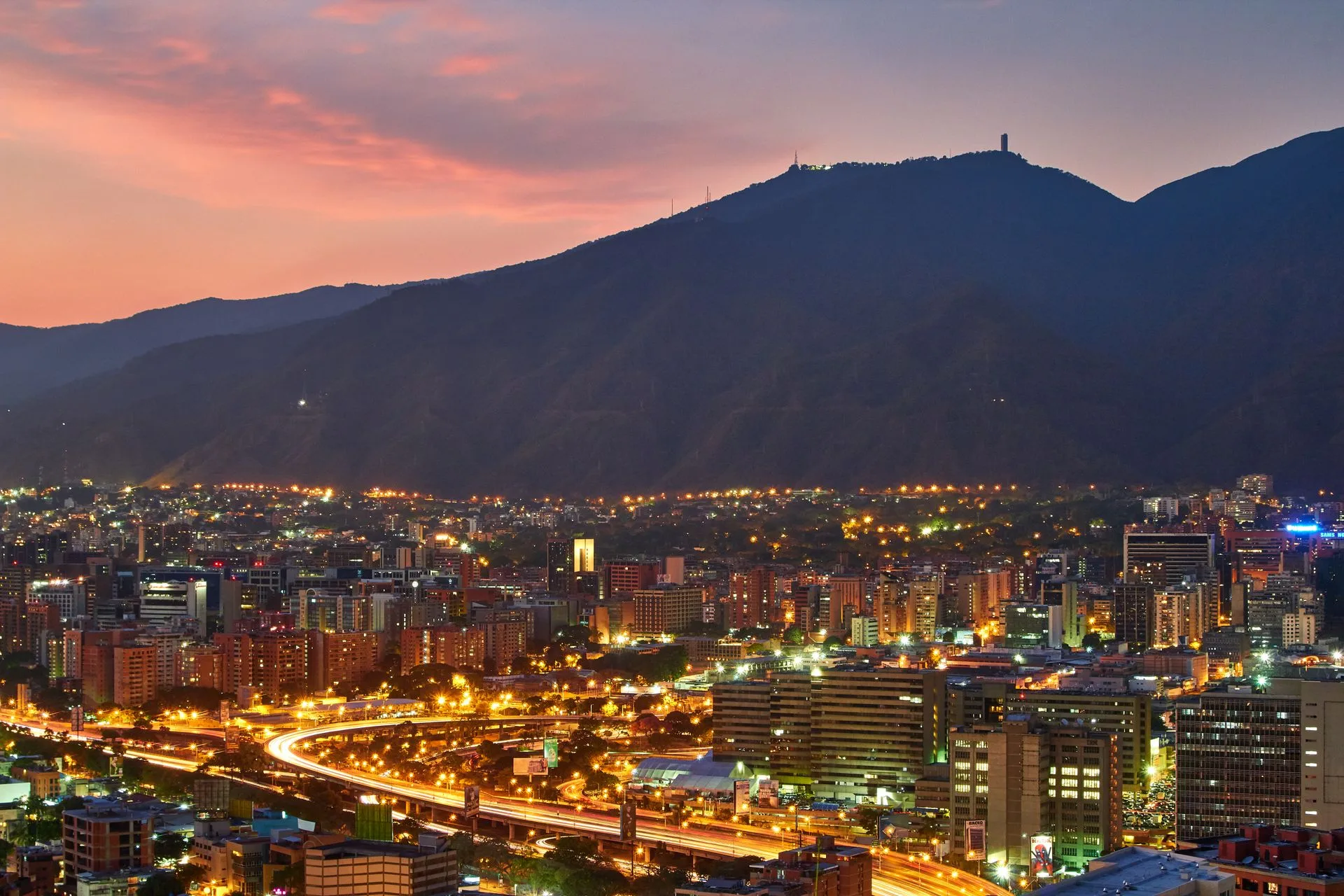
Caracas
22°C
Mainly clear
Feels 26°C
Humidity 94%
Wind 4 km/h

Venezuela Family Tour Package Overview

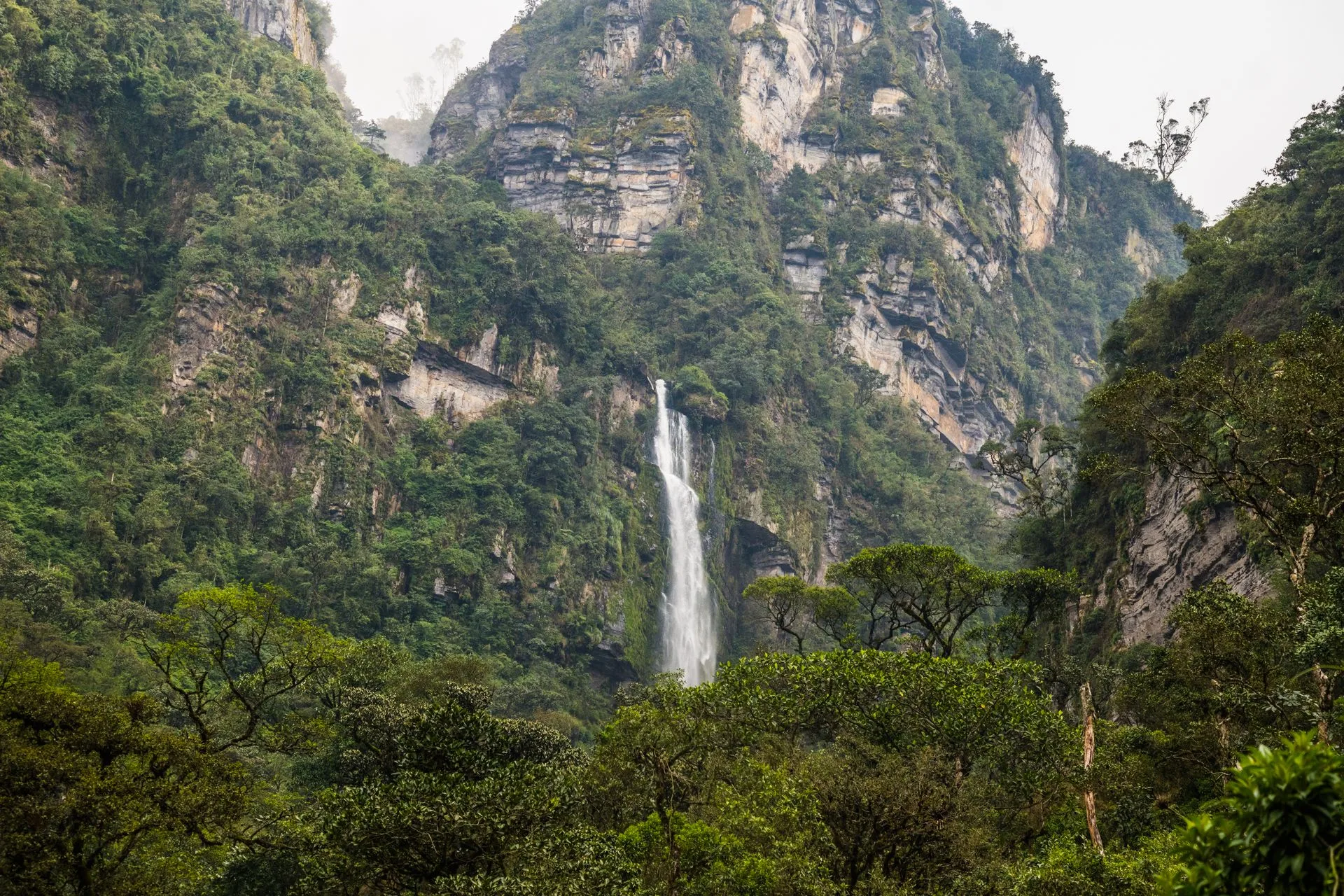
Embark on an unforgettable Venezuela family tour that showcases South America's most spectacular natural wonders. This carefully curated 9-day journey takes your family through the majestic Angel Falls, the world's highest uninterrupted waterfall, the pristine wilderness of Canaima National Park, and the turquoise waters of the Caribbean coast. Experience the raw beauty of Gran Sabana's ancient tepuis, explore vibrant wildlife in the Orinoco Delta, and relax on white-sand beaches that rival any tropical paradise. Our family-friendly itinerary combines adventure with comfort, ensuring safe exploration of Venezuela's diverse ecosystems while providing age-appropriate activities for children and adults alike.

Venezuela offers families a unique opportunity to witness geological formations millions of years old, encounter indigenous cultures preserving ancient traditions, and explore ecosystems found nowhere else on Earth. From navigating jungle rivers to marveling at cascading waterfalls, from spotting exotic wildlife to learning about sustainable tourism practices, every day brings new discoveries. This package includes pre-arranged private transfers, stays at carefully selected family-friendly accommodations, guided experiences with certified naturalists, and all necessary permits for national park visits. Your family will return home with incredible memories of one of South America's most biodiverse and geologically fascinating destinations.

Starting From
1,62,000
Per Person
ENQUIRE NOW

Package Highlights

Visit Angel Falls, the world's highest uninterrupted waterfall plunging 979 meters
Explore UNESCO-listed Canaima National Park with its ancient tepui formations
Boat through pristine rivers surrounded by untouched jungle ecosystems
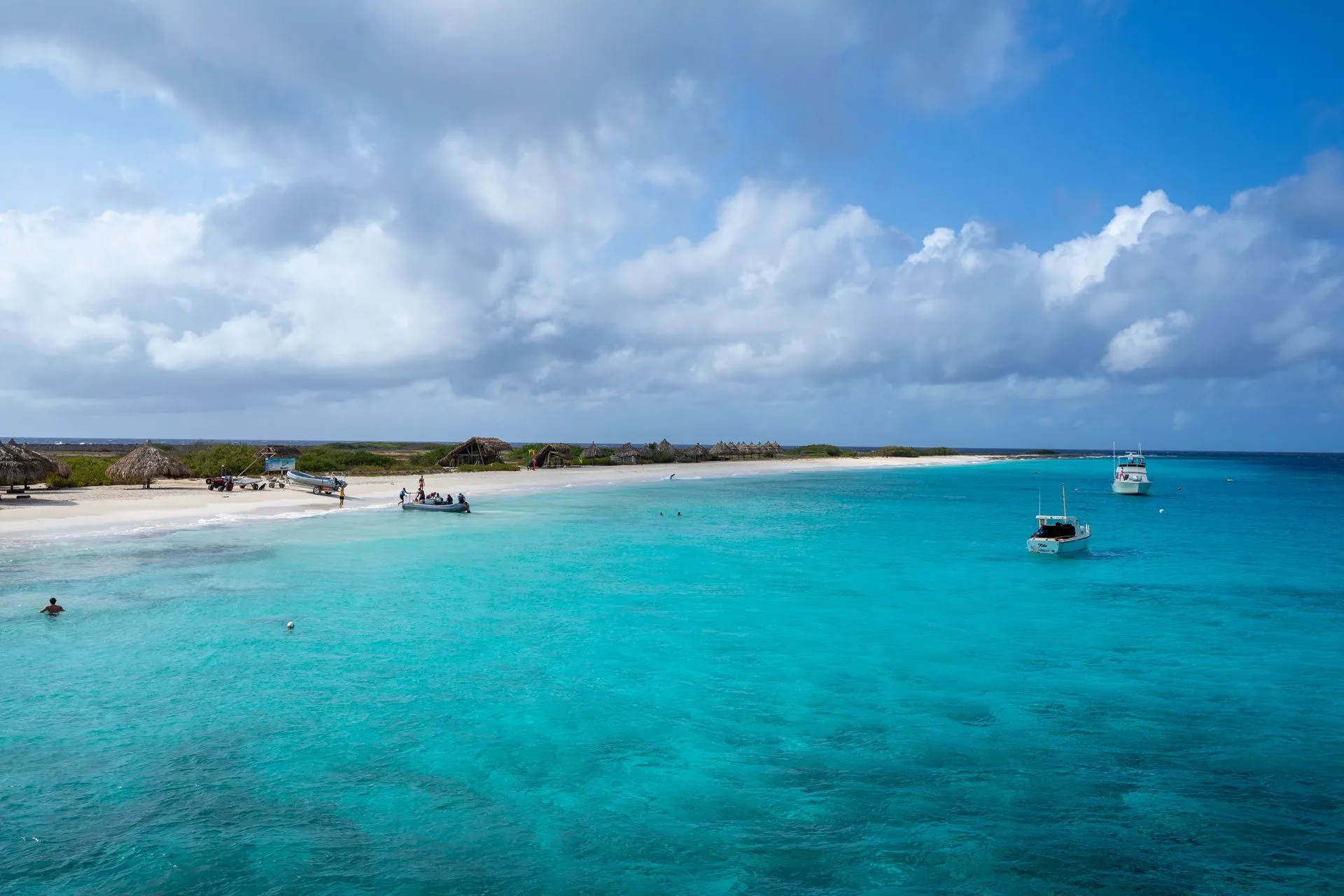
Discover the turquoise lagoons and pink beaches of Los Roques Archipelago
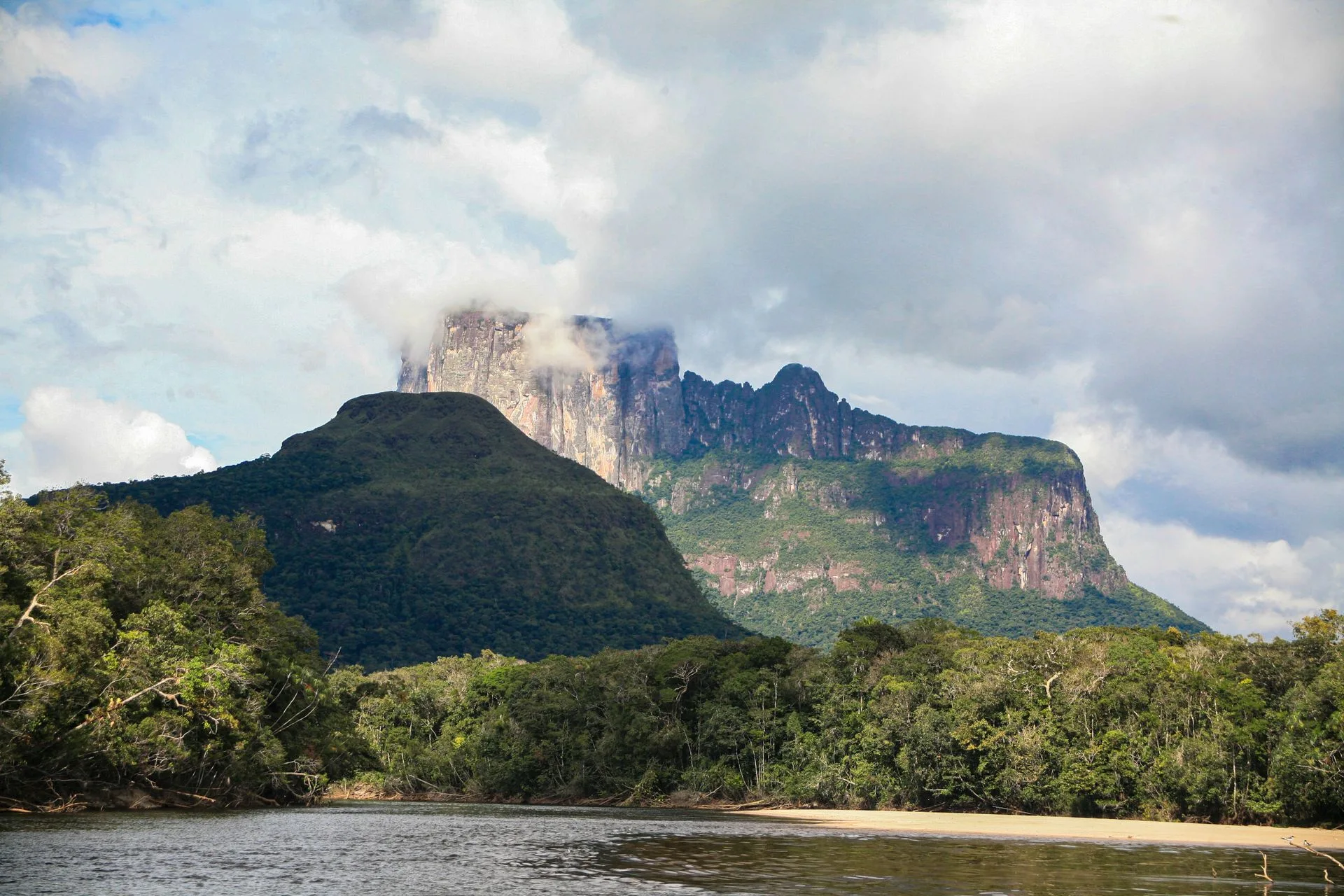
Experience Gran Sabana's otherworldly landscape of table-top mountains
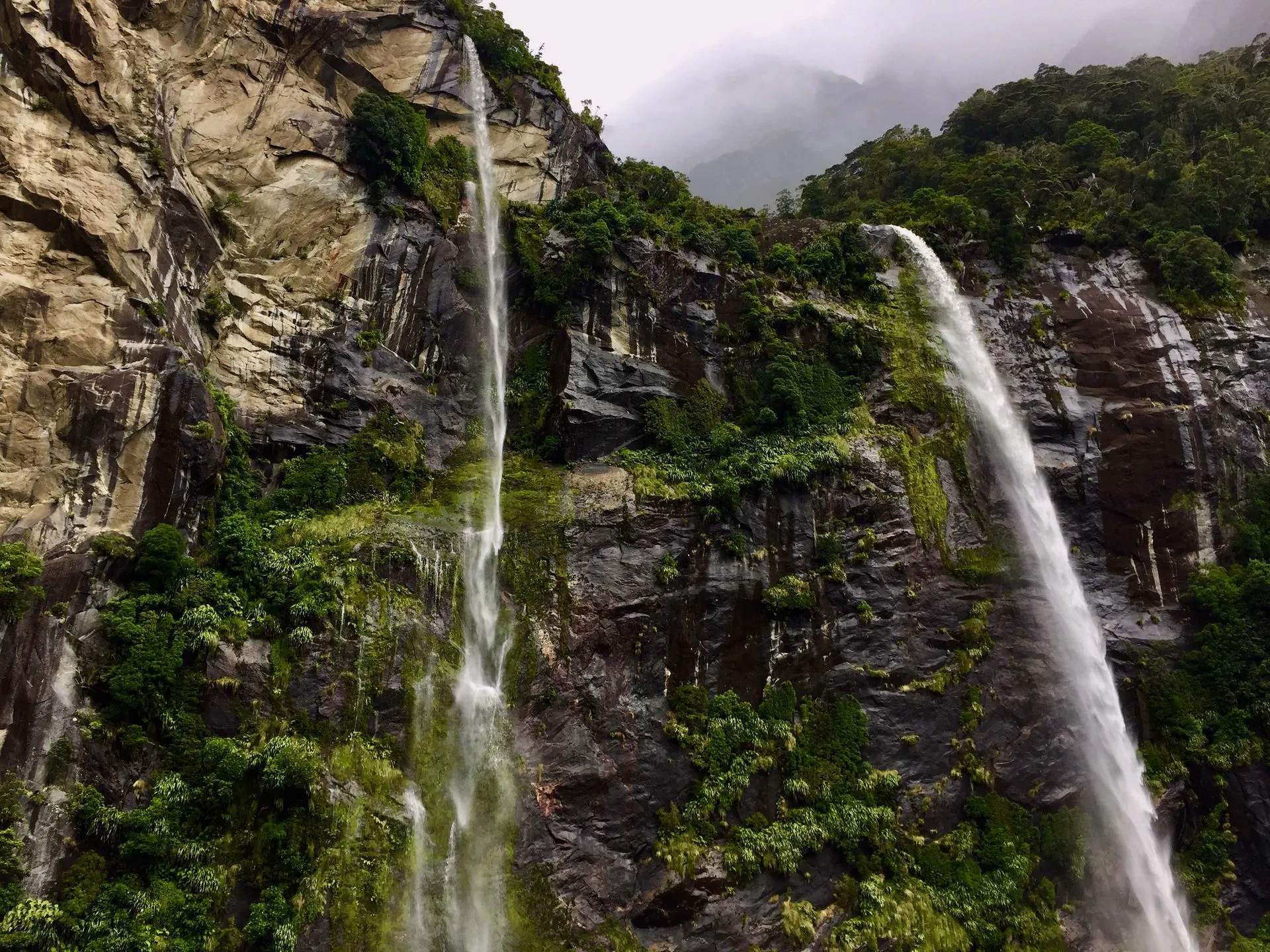
Swim in natural pools beneath cascading waterfalls
Learn about indigenous Pemon culture and traditional practices
Wildlife spotting including capybaras, caimans, and tropical birds
Stay in eco-lodges and family-friendly accommodations in natural settings
All national park permits and guided tours with certified naturalists included

Top Attractions in Venezuela

Angel Falls (Salto Ángel)

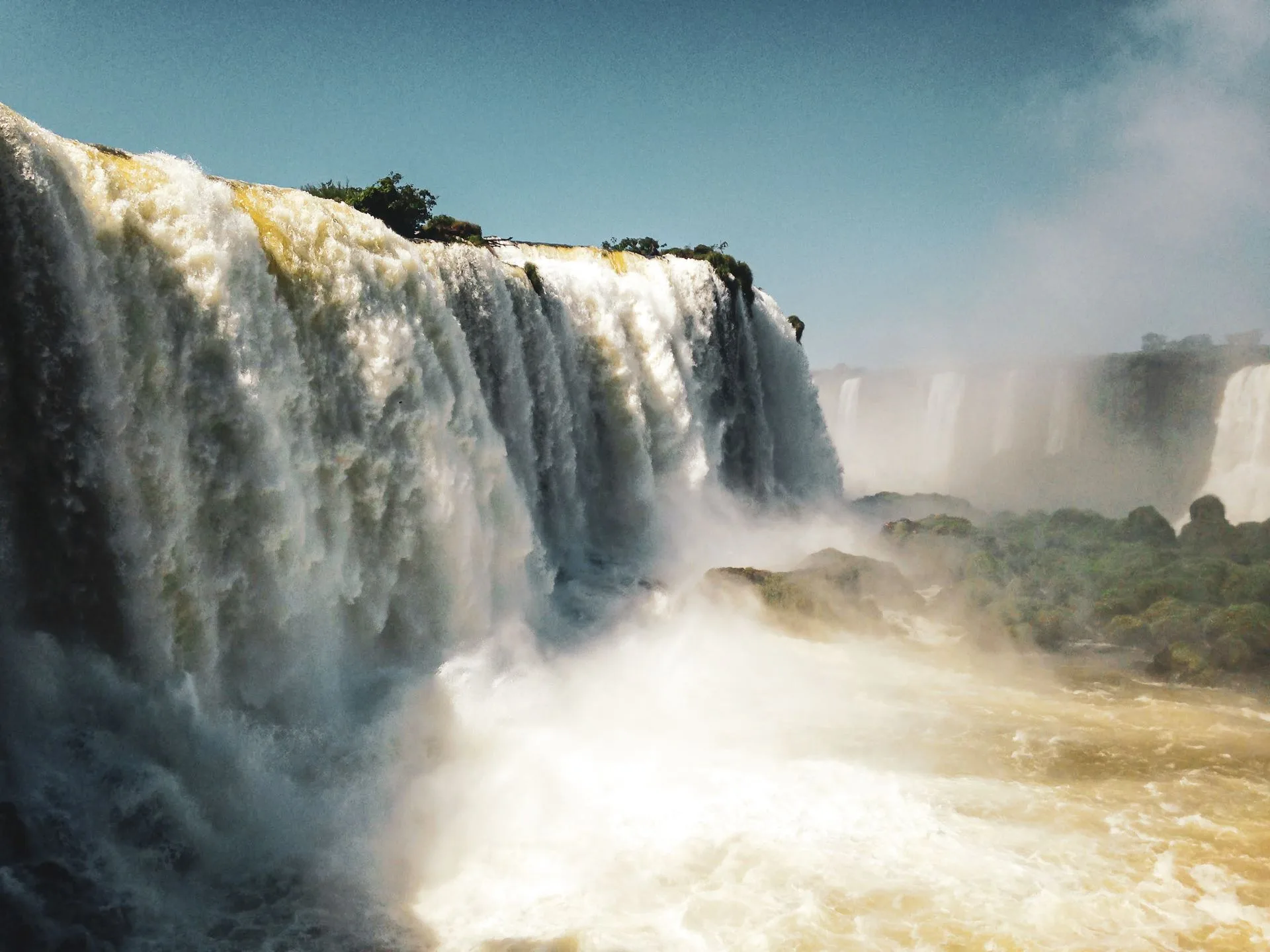
The crown jewel of Venezuela and the world's tallest uninterrupted waterfall, Angel Falls cascades an astounding 979 meters from the summit of Auyán-tepui in Canaima National Park. Reaching this natural wonder requires a combination of small aircraft flight and river journey through pristine jungle, making the experience even more memorable. During the wet season, the falls flow with tremendous power, while the dry season reveals the sheer rock face in dramatic detail. Indigenous Pemon people call it Kerepakupai Merú, meaning "waterfall of the deepest place." Families can view the falls from various vantage points, including boat positions on the Churún River and hiking trails leading to lookout points. The mist created by the falling water can be felt from hundreds of meters away, and rainbows frequently appear in the spray. UNESCO recognizes the surrounding Canaima National Park as a World Heritage Site for its unique geological features and biodiversity.

Canaima National Park

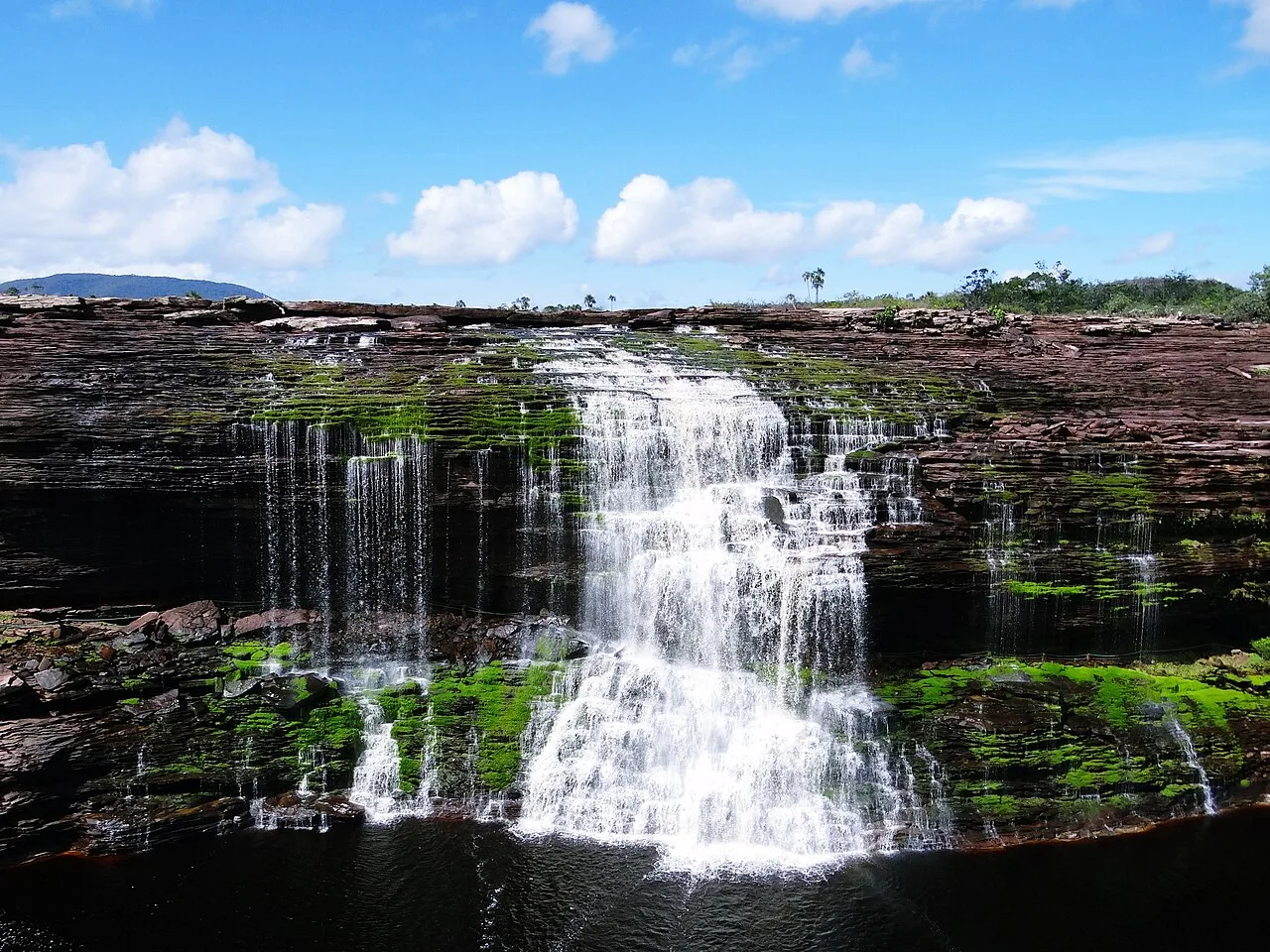
Spanning over three million hectares in southeastern Venezuela, Canaima National Park protects one of Earth's most ancient geological formations and diverse ecosystems. The park is characterized by its distinctive tepuis, massive table-top mountains that rise abruptly from the jungle floor and represent some of the oldest rock formations on the planet, dating back over two billion years. These isolated plateaus have created unique evolutionary environments, hosting plant and animal species found nowhere else on Earth. The park contains numerous spectacular waterfalls beyond Angel Falls, including Salto El Sapo where visitors can walk behind the curtain of water. Indigenous Pemon communities live within the park boundaries, maintaining their traditional way of life and serving as guides and stewards of this remarkable landscape. The park's rivers, colored by tannins from decaying vegetation, create stunning contrasts against golden beaches and pink sandstone formations.

Los Roques Archipelago

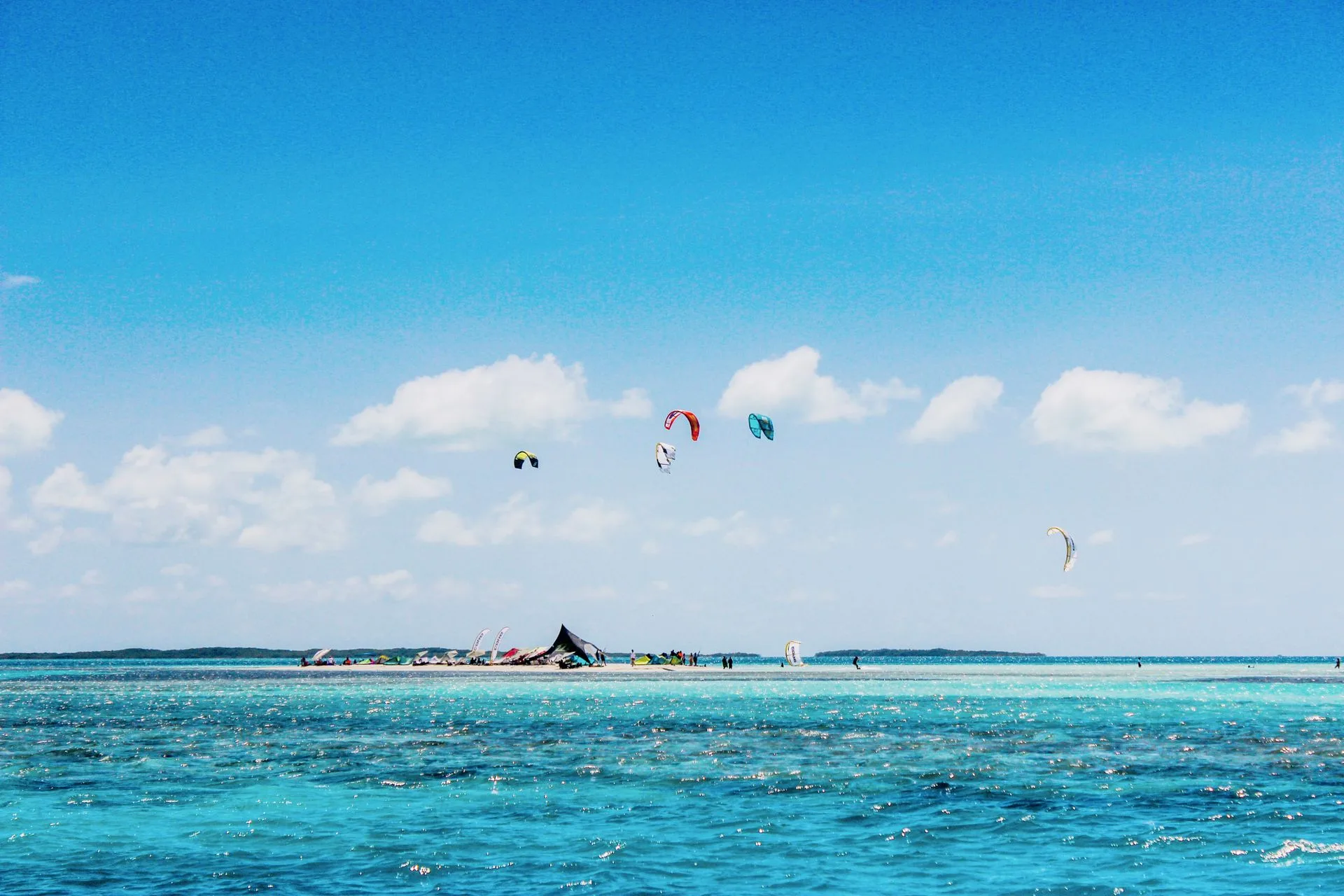
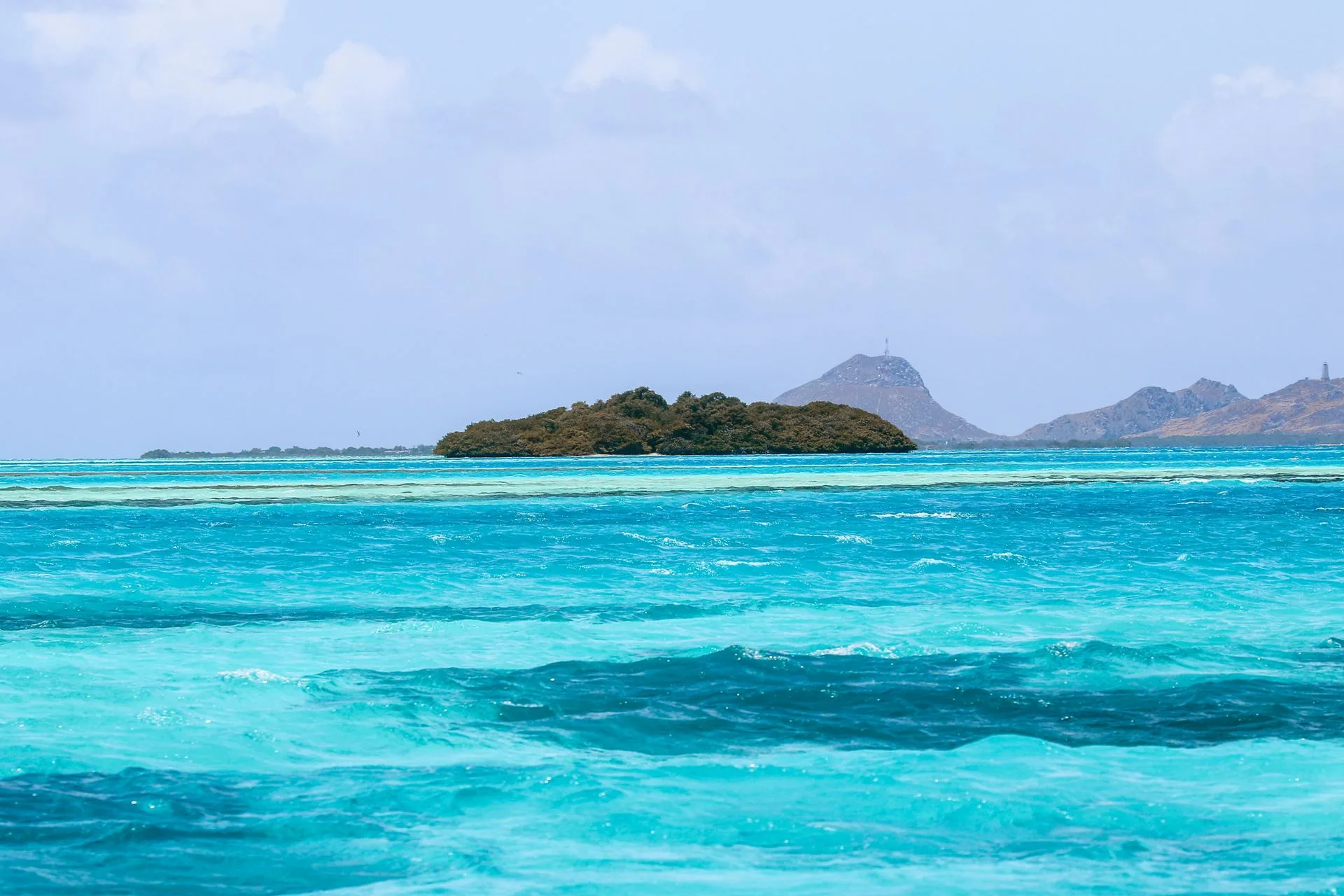
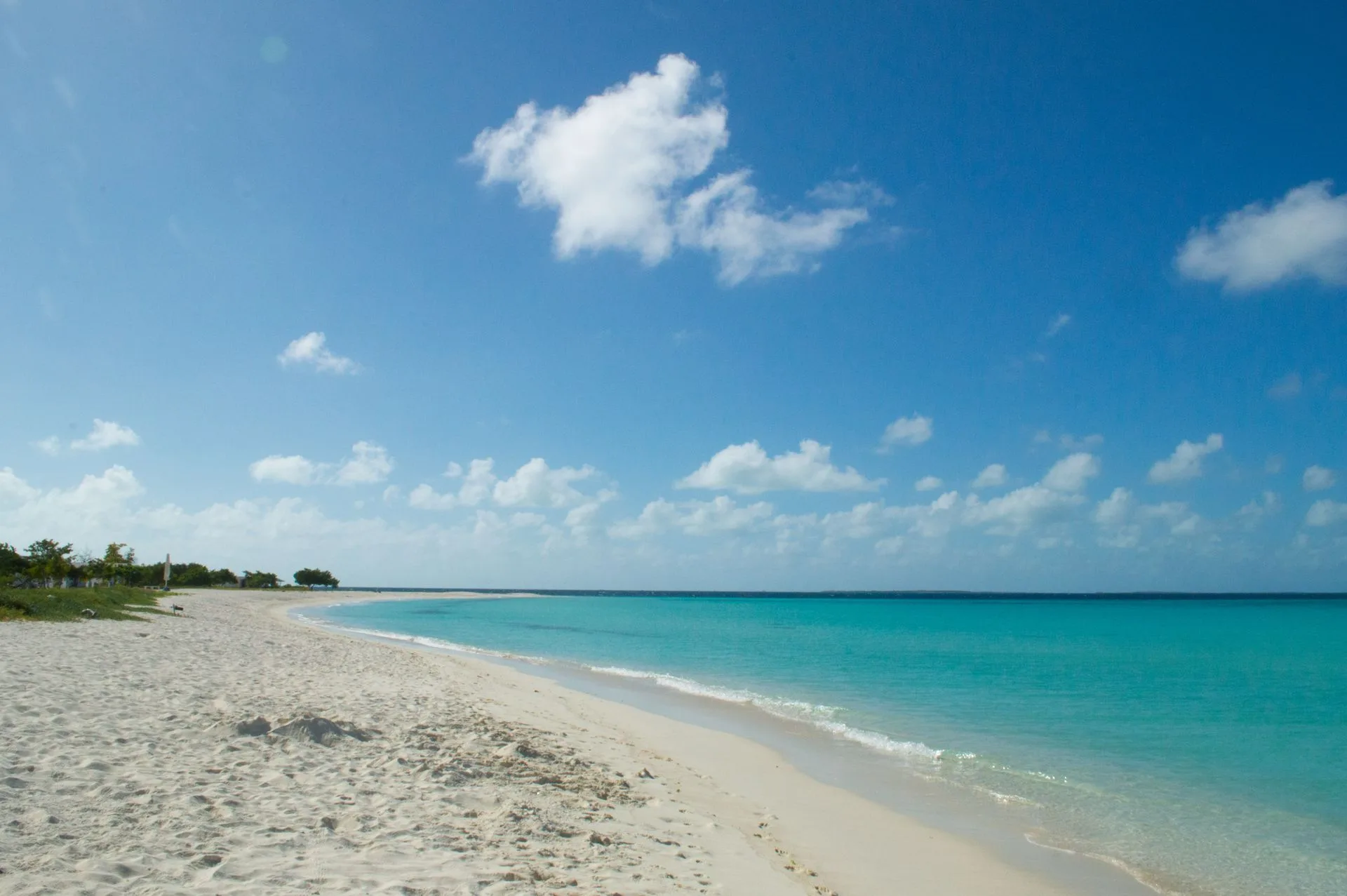
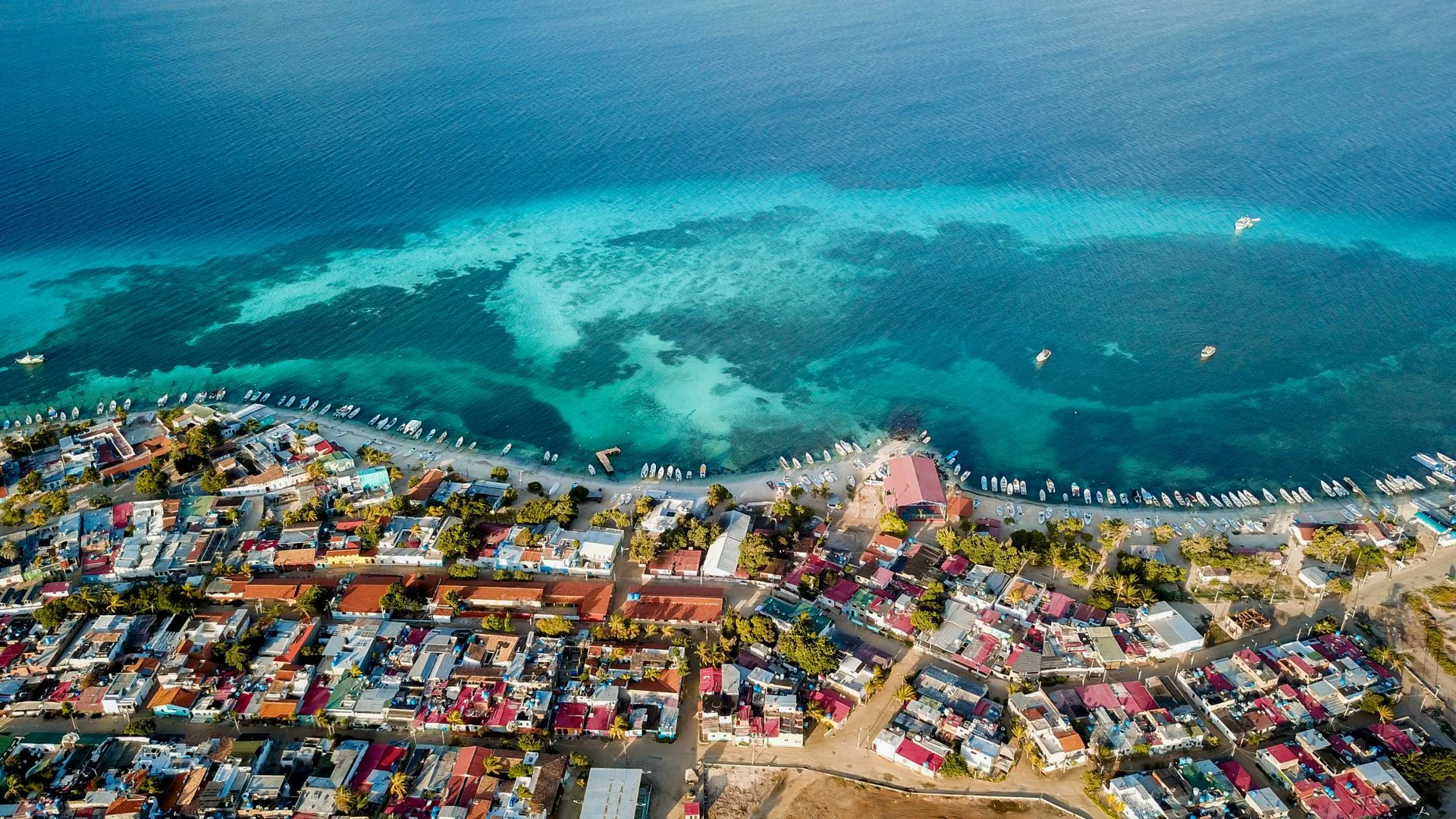
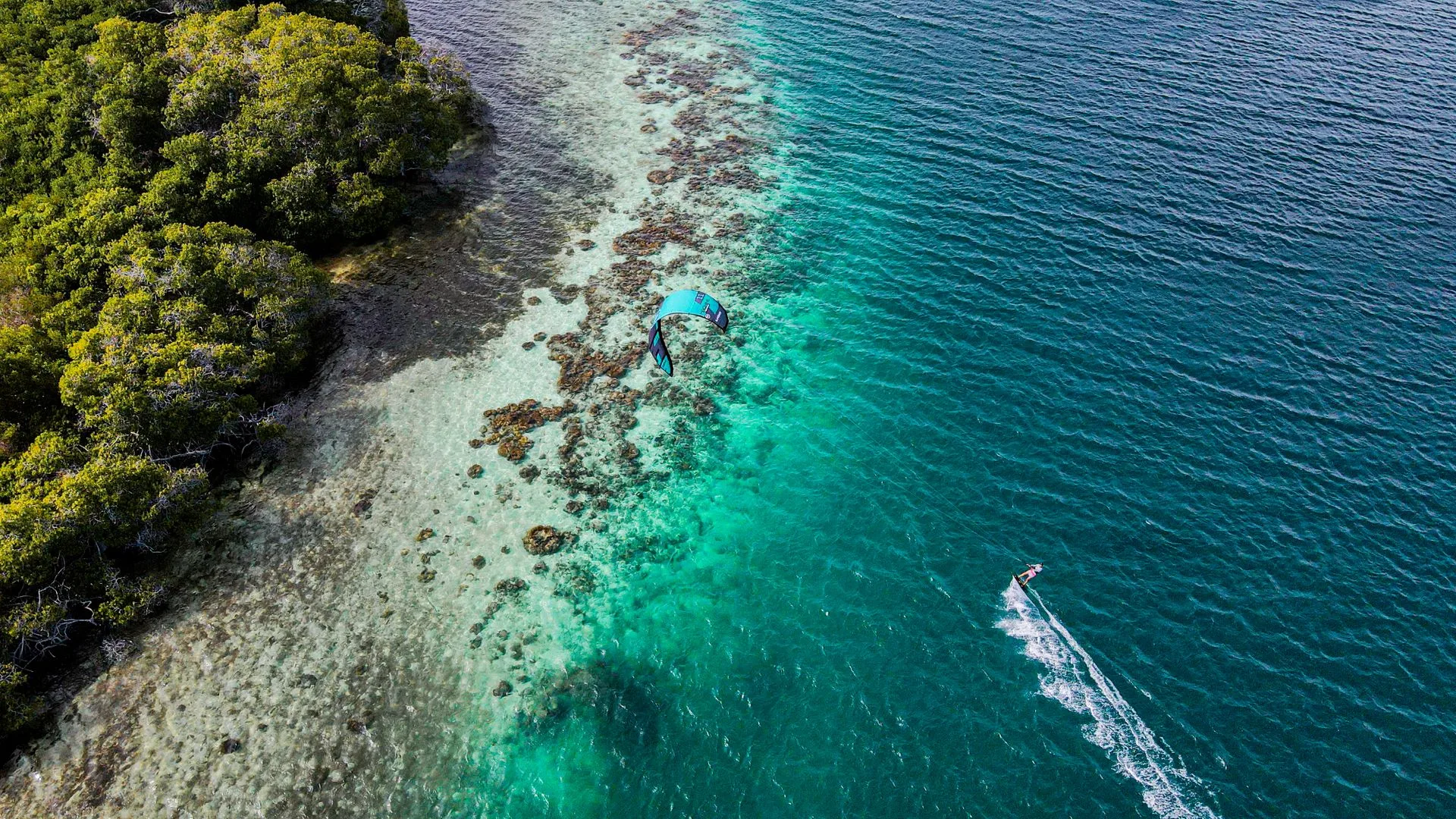
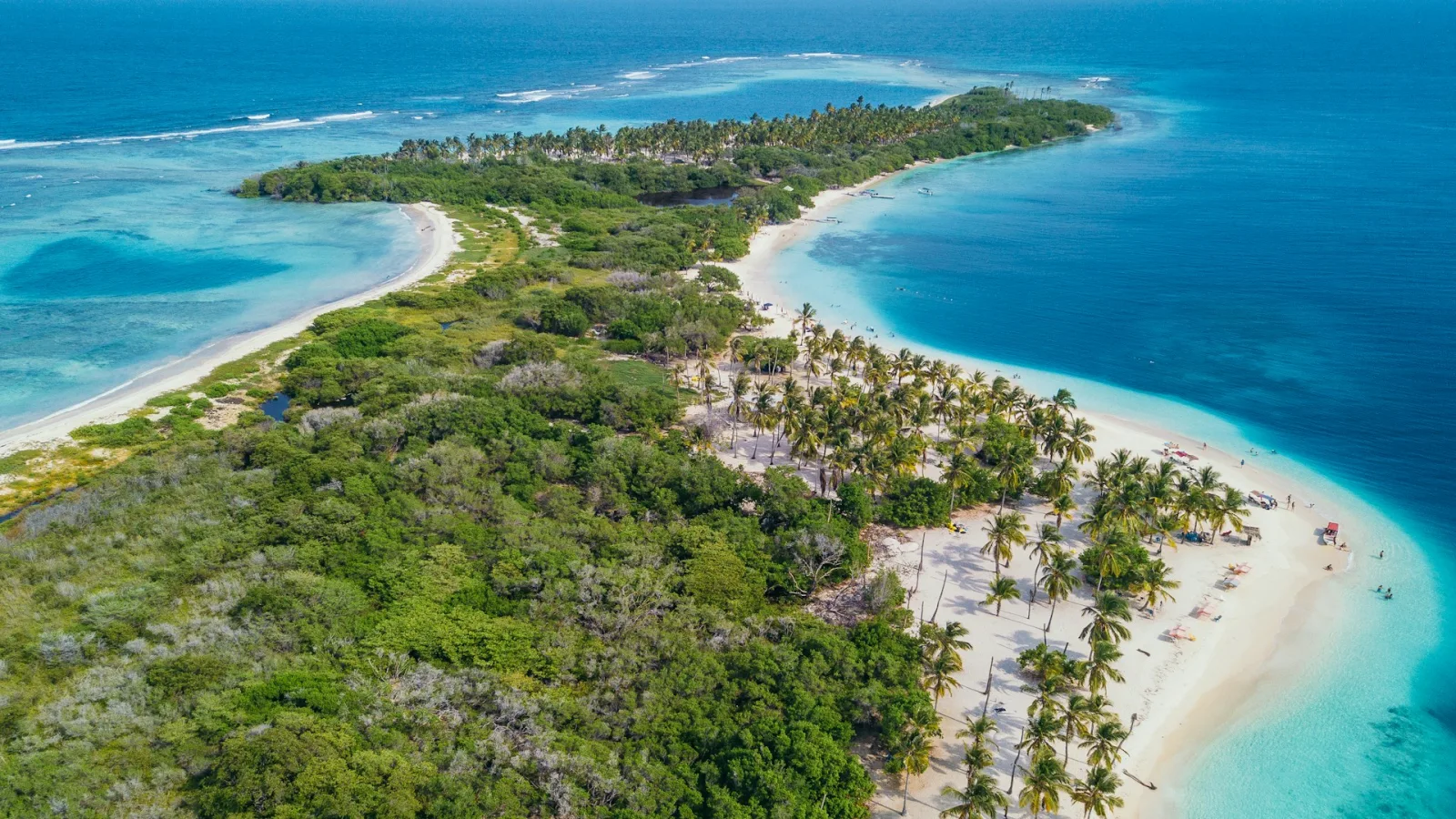
This Caribbean paradise consists of over 300 islands and cays surrounded by crystalline turquoise waters and extensive coral reef systems. Los Roques National Park protects one of the Caribbean's largest and best-preserved coral reefs, making it exceptional for snorkeling and marine life observation. The islands feature powdery white and pink sand beaches, shallow lagoons in impossible shades of blue, and minimal development that preserves their pristine character. Families can enjoy island-hopping adventures, exploring deserted cays, swimming in calm protected waters, and observing sea turtles, rays, and tropical fish. The main settlement of Gran Roque offers colorful Caribbean architecture and fresh seafood dining. The archipelago's remote location and protected status ensure uncrowded beaches and unspoiled natural beauty that feels like a private tropical paradise.

Gran Sabana

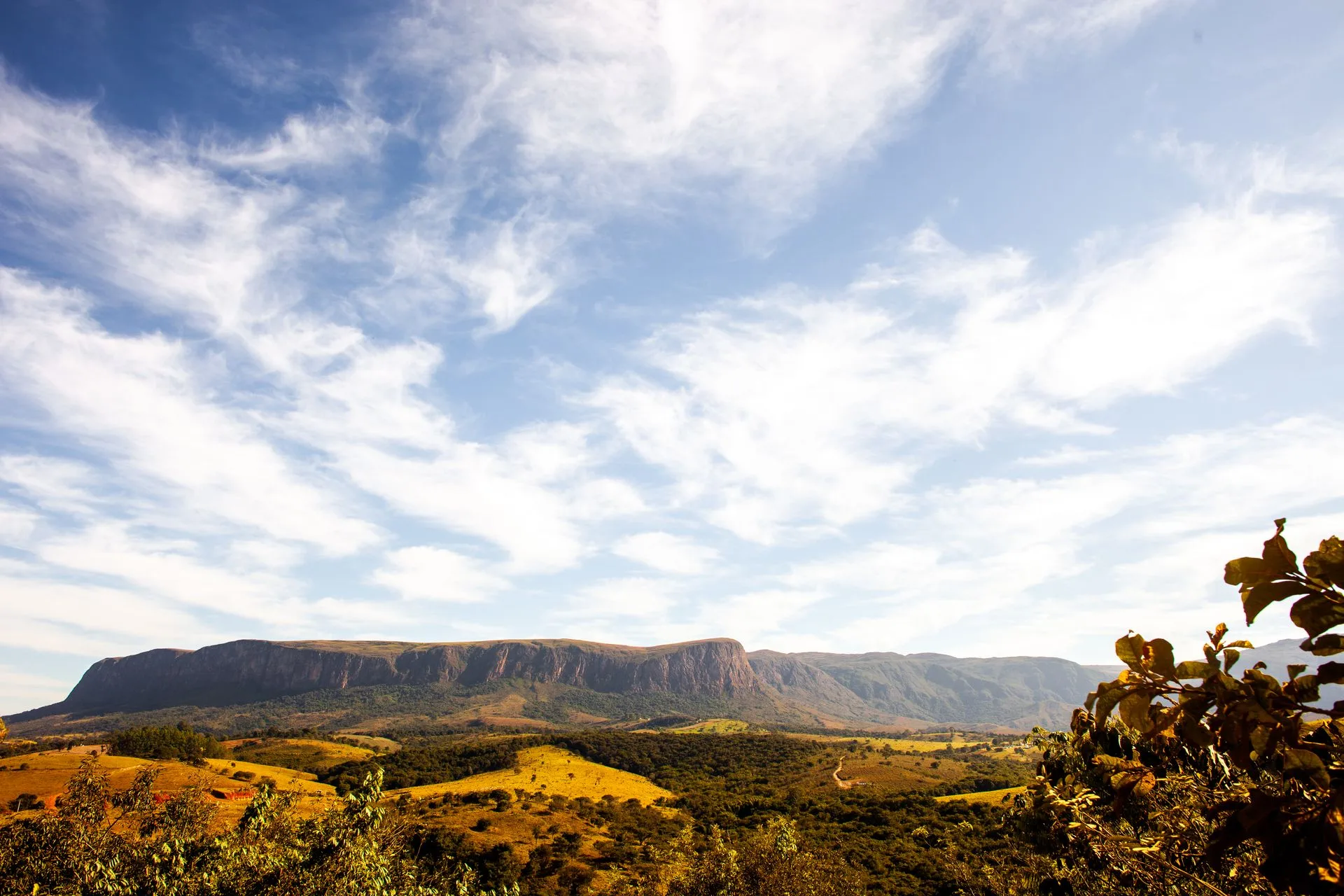
This vast savanna landscape in southeastern Venezuela presents an otherworldly scenery of rolling grasslands dotted with ancient tepui mountains, countless waterfalls, and unique rock formations. The region's distinctive table-top mountains create dramatic silhouettes against expansive skies, while numerous rivers cascade over rocky terraces creating accessible waterfalls perfect for family visits. The Gran Sabana Highway traverses this remarkable landscape, providing access to numerous natural attractions including Kama Merú falls, Quebrada de Jaspe with its semi-precious stone riverbed, and various swimming holes. Indigenous Pemon communities welcome visitors to learn about their culture and traditional relationship with the land. The area's unique geology, combining ancient Precambrian rock with more recent geological activity, creates landscapes that appear prehistoric, as if dinosaurs might emerge from behind the next tepui.

Orinoco Delta

The mighty Orinoco River fans into an extensive delta system where it meets the Atlantic Ocean, creating a vast wetland ecosystem of channels, islands, and flooded forests. This biodiverse region hosts an incredible variety of wildlife including river dolphins, anacondas, caimans, capybaras, howler monkeys, and over 360 species of birds. Indigenous Warao people, known as the "boat people," have lived in the delta for thousands of years, building their homes on stilts above the water and navigating the channels in traditional canoes. Families can explore this aquatic world through guided boat tours, observing wildlife in their natural habitat, visiting Warao communities to learn about their sustainable way of life, and experiencing the delta's unique ecosystem. The interplay of fresh and salt water creates rich feeding grounds for marine life, while the dense vegetation provides habitat for countless species adapted to this amphibious environment.

Roraima Tepui

Mount Roraima stands as one of the most iconic and accessible tepuis in Venezuela, though "accessible" is relative as reaching the summit still requires a multi-day trek. This massive tabletop mountain rises 2,810 meters above sea level with sheer cliffs dropping nearly vertical on all sides. The plateau summit, shared by Venezuela, Brazil, and Guyana, presents a surreal landscape of black rock formations, crystal streams, carnivorous plants, and endemic species found nowhere else on Earth. Even for families not undertaking the summit trek, viewing Roraima from various vantage points in Gran Sabana provides spectacular photo opportunities and a sense of the geological history preserved in these ancient formations. The tepui inspired Sir Arthur Conan Doyle's novel "The Lost World," and standing before this prehistoric landscape makes it easy to understand why it captured imaginations as a place where time stood still.

Morrocoy National Park

Located on Venezuela's Caribbean coast, Morrocoy National Park encompasses a series of small islands, cays, and coastal mangrove forests offering excellent family-friendly beach experiences. The park's calm, shallow waters make it ideal for swimming and snorkeling, with visibility often exceeding 15 meters and water temperatures comfortable year-round. Families can take boat trips to various cays, each offering different experiences from bustling day-trip destinations to virtually deserted islands. The park's coral reefs host colorful fish, sea turtles, and rays, while the mangrove channels provide important nursery habitat for marine species. Pelicans, frigatebirds, and other seabirds are common sights. The protected waters and white sand beaches create a Caribbean paradise atmosphere while maintaining easier accessibility than more remote archipelagos like Los Roques.

Mérida and the Andes

The city of Mérida sits in a high Andean valley surrounded by Venezuela's tallest peaks, offering a completely different landscape and climate from the tropical lowlands. The Mérida Cable Car, once the world's highest and longest, provides spectacular views as it ascends from the city to Pico Espejo at 4,765 meters, passing through multiple climate zones and ecosystems. The surrounding Sierra Nevada National Park offers opportunities for mountain hiking appropriate for families, visits to traditional mountain villages, and experiencing páramo ecosystem unique to high Andean regions. The cooler mountain climate provides relief from tropical heat, while the Spanish colonial architecture of Mérida creates a charming cultural backdrop. Local specialties include hot chocolate and traditional sweets, and the region is known for its hospitality and relaxed pace of life.

Los Llanos

The vast plains of Los Llanos in central Venezuela create one of South America's premier wildlife viewing destinations, particularly during the dry season when animals concentrate around remaining water sources. This enormous savanna ecosystem floods extensively during the wet season, transforming into a vast wetland, then dries to grassland dotted with palm trees and cattle ranches during the dry months. Families can stay at working cattle ranches converted to eco-lodges, where experienced guides lead wildlife viewing expeditions to observe capybaras, caimans, anacondas, jabiru storks, and numerous other species. The region is particularly famous for bird watching, hosting over 350 species including scarlet ibis, roseate spoonbills, and various herons and egrets. Evening safaris often reveal nocturnal wildlife, while horseback riding offers a traditional way to explore the plains as the llaneros (cowboys) have for generations.

Henri Pittier National Park

Venezuela's oldest national park, established in 1937, Henri Pittier protects the coastal mountain range north of Maracay, encompassing both cloud forest highlands and Caribbean coastline. The park's diverse elevation range creates multiple ecosystems within a relatively compact area, supporting over 580 bird species, making it one of the world's top bird watching destinations. Families can hike trails through lush cloud forest where orchids, bromeliads, and ferns create a primeval atmosphere, then descend to Caribbean beaches for swimming and relaxation. The park's rivers cascade through the forest, creating natural pools and waterfalls popular for refreshing dips. Multiple access points and well-maintained trails make the park accessible for families with varying fitness levels, while the proximity to major cities provides easier logistics than more remote protected areas. The combination of mountain and coastal ecosystems in a single park creates exceptional biodiversity and variety of experiences.
Detailed Day-Wise Itinerary

DAY 1
Arrival in Caracas

Welcome to Venezuela

Your Venezuelan adventure begins as your family arrives at Simón Bolívar International Airport in Caracas. After clearing customs and collecting your luggage, you will be greeted by our local representative who will assist with your smooth private transfer to your family-friendly hotel in the city. The journey from the airport provides first glimpses of Venezuela's mountainous terrain and Caribbean coastline. Once checked into your hotel, take time to relax and recover from your journey. Depending on your arrival time, you might enjoy the hotel facilities or take a gentle walk around the neighborhood to begin acclimating to Venezuela's tropical climate. Your representative will provide a detailed briefing about the exciting days ahead, answer any questions, and confirm timing for tomorrow's activities. Enjoy a welcome dinner at the hotel restaurant featuring Venezuelan specialties, giving your family an introduction to the country's diverse culinary traditions. Rest well tonight as tomorrow begins your exploration of Venezuela's natural wonders.

DAY 2
Caracas to Canaima

Journey to Canaima National Park

After an early breakfast, your family will be transferred to the domestic terminal for your flight to Canaima, one of the most scenic flights in South America. As the small aircraft leaves Caracas behind, watch the landscape transform from urban sprawl to endless green jungle, with the distinctive table-top tepui mountains gradually appearing on the horizon. The flight typically takes about 90 minutes, and on clear days, you might catch your first glimpse of Angel Falls from the air. Upon landing at Canaima's small airstrip, you will immediately sense the remote wilderness character of this UNESCO World Heritage Site. After checking into your eco-lodge situated along the lagoon shore, enjoy lunch with views of the stunning Canaima Lagoon and its surrounding waterfalls. In the afternoon, take a guided walk to the lagoon's edge where multiple waterfalls cascade over pink sandstone cliffs into the tannin-colored waters. Children especially enjoy the opportunity to swim in designated areas of the lagoon, feeling the power of the falls and the warmth of the tropical water. Your naturalist guide will explain the unique geology and ecology of this ancient landscape. As evening approaches, witness the magical transformation of light on the tepuis and waterfalls, creating unforgettable photographic opportunities. Dinner at the lodge features local specialties, and the clear night sky offers spectacular stargazing far from any light pollution.

DAY 3
Angel Falls Expedition

Visit the World's Highest Waterfall

Today brings the highlight of your Venezuela journey as you embark on the expedition to Angel Falls. The adventure begins early with a hearty breakfast before boarding motorized curiara canoes for the upstream river journey. The trip takes approximately four to five hours depending on water levels, traveling through pristine jungle along the Churún River. Your guides navigate rapids and shallow sections expertly while pointing out wildlife along the riverbanks including herons, kingfishers, and if you are fortunate, river otters or capybaras. The journey itself becomes part of the adventure as the landscape grows increasingly dramatic with towering tepui walls closing in on both sides. Midway through the journey, stop at a riverside spot for refreshments and a chance to stretch legs and take photographs of the stunning surroundings. As you approach Angel Falls, the massive wall of Auyán-tepui comes into view, and suddenly there it is - an impossibly high ribbon of white water plunging from the cliff edge high above. The boat positions allow excellent viewing and photography as mist from the falls drifts across the river. A short jungle hike leads to a closer vantage point where you can truly appreciate the scale of this natural wonder and feel the refreshing spray. Lunch is enjoyed as a riverside picnic before beginning the return journey to Canaima. The downstream trip moves faster, allowing more time to relax and reflect on the incredible experience. Return to the lodge by late afternoon with time to rest before dinner and evening relaxation.

DAY 4
Canaima Exploration

Discover Salto El Sapo and Local Culture

After yesterday's long expedition, today offers a more relaxed pace while still providing wonderful experiences. Begin with a leisurely breakfast overlooking the lagoon before setting out on a guided hike to Salto El Sapo, one of Canaima's most unique waterfalls. The trail leads through tropical forest with your guide identifying medicinal plants, interesting insects, and bird calls along the way. Children often enjoy the educational nature of the walk as guides demonstrate how indigenous people use various plants. Upon reaching Salto El Sapo, you will have the extraordinary opportunity to walk behind the waterfall along a trail that passes between the rock face and the falling water curtain. The experience of being surrounded by cascading water while remaining dry on the trail is memorable for all ages, and the photographic opportunities are outstanding. Swimming is permitted in pools near the falls, providing refreshing relief from the tropical heat. After lunch back at the lodge, the afternoon offers options based on your family's energy level and interests. You might choose to visit a nearby Pemon indigenous community to learn about their traditional way of life, crafts, and relationship with the land, or perhaps take a shorter nature walk to bird watching spots around the lagoon. Some families enjoy simply relaxing at the lodge, swimming in the lagoon, and absorbing the peaceful wilderness atmosphere. Evening brings another spectacular sunset over the tepuis and a final dinner in Canaima before tomorrow's departure.
DAY 5
Canaima to Los Roques

Transition to Caribbean Paradise

After breakfast and final views of the Canaima Lagoon, your family will transfer to the airstrip for the flight back to Caracas, then connect onward to Los Roques Archipelago. This journey takes you from the jungle highlands to the Caribbean coast, showcasing Venezuela's incredible geographic diversity. The flight to Los Roques reveals the stunning beauty of the archipelago from above, with hundreds of islands and cays surrounded by waters in every shade of blue and turquoise imaginable. Landing at Gran Roque, the archipelago's only inhabited island, you will immediately notice the contrast in atmosphere from the jungle wilderness of Canaima. Here, colorful Caribbean architecture, sandy streets, and the sound of waves create a relaxed tropical island ambiance. After checking into your family-friendly posada (small hotel), enjoy lunch featuring fresh seafood and Caribbean flavors. The afternoon is perfect for acclimating to island life with a walk around Gran Roque's compact settlement, swimming from the main beach, or simply relaxing in hammocks and enjoying the sea breeze. The shallow, calm waters around Gran Roque make swimming safe and enjoyable for all ages. As evening approaches, watch the sunset paint the sky in brilliant colors while fishing boats return with the day's catch. Dinner at a local restaurant offers the freshest possible seafood prepared in traditional Venezuelan coastal style. The gentle sound of waves and Caribbean breezes ensure peaceful sleep after your transition day.

DAY 6
Los Roques Island Hopping

Explore Pristine Cays and Coral Reefs

Today offers the quintessential Los Roques experience as your family embarks on an island-hopping boat tour through the archipelago. After an early breakfast, board a boat with your guide who will navigate through the crystal-clear waters to some of the most beautiful and secluded cays in the national park. The first stop might be Cayo Francisquí, known for its powdery white sand and excellent snorkeling. Don your snorkeling gear and explore the shallow reef systems where colorful tropical fish, rays, and sea turtles glide through coral formations. The visibility is often outstanding, and the calm, protected waters make snorkeling accessible and enjoyable for all family members. Continue to other cays such as Madrisquí or Crasquí, each offering slightly different landscapes and snorkeling opportunities. Lunch is served as a beach picnic with fresh grilled fish, salads, and tropical fruits, eaten with your toes in the sand and turquoise water lapping at the shore. The afternoon might include visiting an even more remote cay where you might be the only people on the entire island, creating a sense of having discovered your own private paradise. Children often enjoy beachcombing for shells, building sandcastles, or continuing to snorkel and swim in the impossibly clear water. The boat ride back to Gran Roque as the sun begins to lower creates more opportunities for wildlife spotting including pelicans, frigatebirds, and occasionally dolphins. Return to your posada for freshening up before dinner and evening relaxation, already planning tomorrow's final full day in this Caribbean paradise.

DAY 7
Los Roques Free Day

Leisure and Water Activities

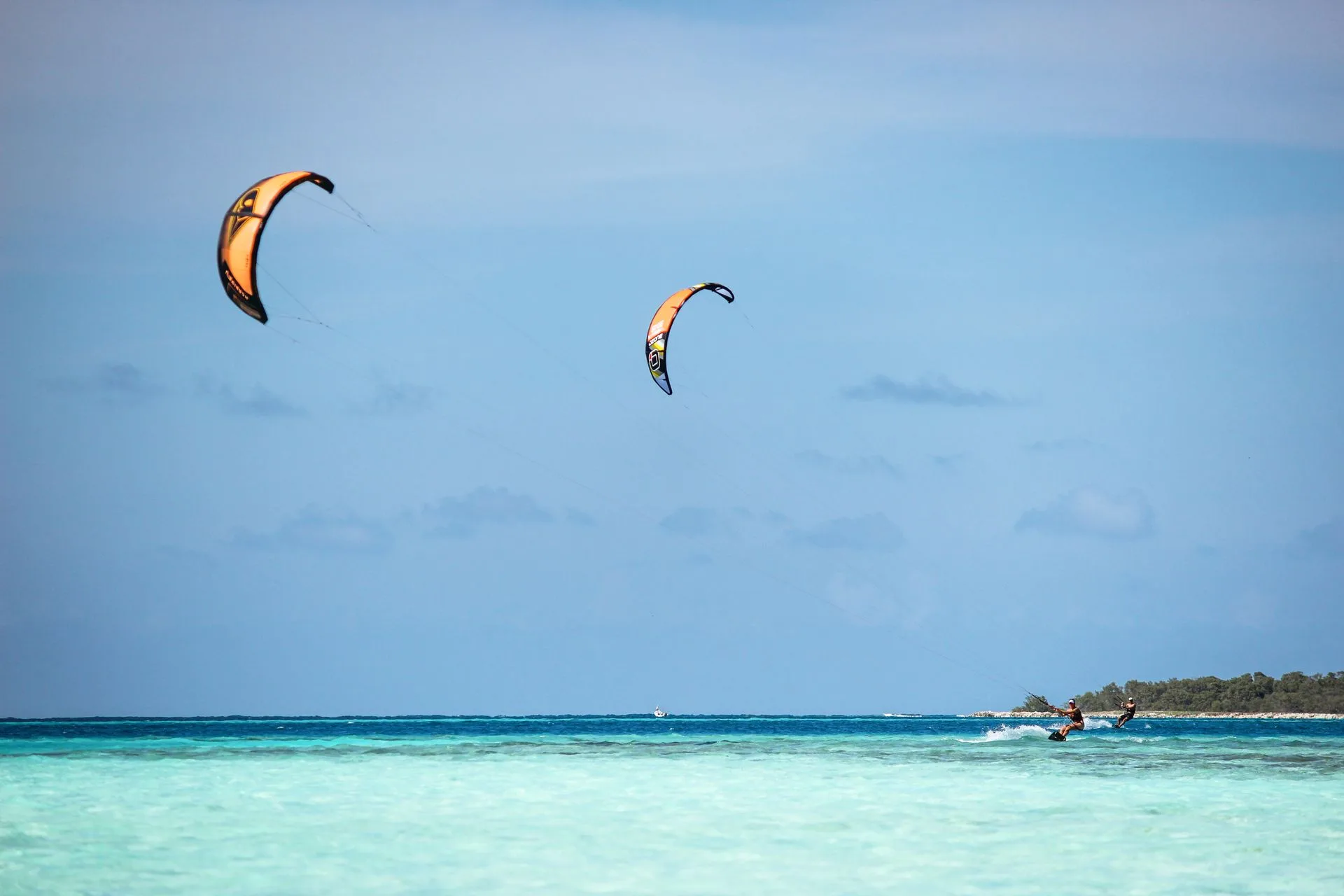
Your final full day in Los Roques is left unscheduled, allowing your family to design the day according to preferences and energy levels. Some families choose to book another boat excursion to explore different cays not visited yesterday, perhaps heading to more remote parts of the archipelago or specifically seeking out the best spots for observing sea turtles. Others prefer a more relaxed pace, spending the day at the beach closest to Gran Roque, swimming in the calm waters and enjoying the gentle rhythm of island life. For those interested in water sports, options might include kayaking through the shallow lagoons, paddleboarding in protected areas, or joining a fishing excursion to try catching dinner. The morning might begin with a beach walk at sunrise when the light is magical and the beaches are most peaceful, perfect for photography and collecting shells. Mid-morning swimming and snorkeling right from Gran Roque's beaches require no boat ride but still offer excellent underwater viewing. Lunch can be enjoyed at one of the island's small restaurants, each offering their take on Caribbean seafood specialties. The afternoon is perfect for finding a shady palapa on the beach, reading, napping in hammocks, or simply watching the play of light on water. Children often enjoy the freedom to swim, explore tide pools, and play on the beach at their own pace. As your last evening in Los Roques approaches, perhaps arrange for a special sunset viewing spot or a final dinner at your favorite restaurant from the past few days. The relaxed atmosphere and natural beauty ensure this day of leisure becomes a treasured family memory.

DAY 8
Los Roques to Caracas

Return to the Capital

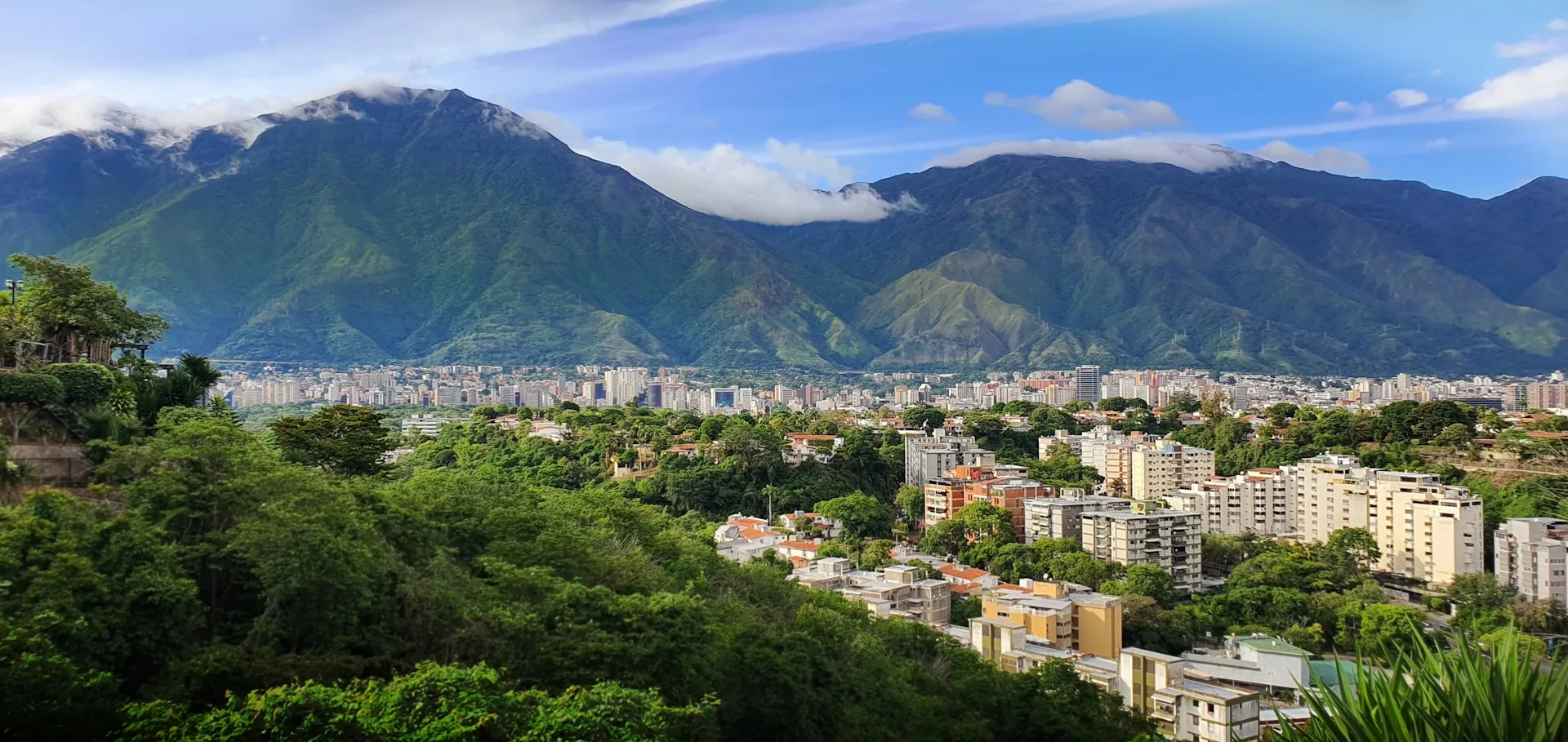
After a final Caribbean breakfast and perhaps one last early morning swim, your family will prepare for departure from Los Roques. The morning flight back to Caracas provides one last aerial view of the stunning archipelago, cementing memories of these pristine islands and crystalline waters. Upon arrival in Caracas, you will be transferred to your city hotel where you can settle in and refresh after the journey. The afternoon offers an opportunity to experience Venezuela's capital city, perhaps visiting the historic center with its colonial architecture, exploring local markets for souvenirs, or visiting the birthplace of Simón Bolívar, South America's great liberator. Depending on timing and interests, you might visit a museum such as the Museum of Contemporary Art or take a ride up the Ávila cable car for panoramic views over the city and Caribbean coast. Alternatively, some families prefer using this time for final souvenir shopping, relaxing at the hotel, or organizing and backing up photographs from the journey. Evening brings a farewell dinner where you can sample favorite Venezuelan dishes one last time and reflect as a family on the incredible experiences of the past week. From the highest waterfalls to the most pristine beaches, from ancient geological formations to vibrant Caribbean culture, your journey has showcased Venezuela's extraordinary natural and cultural diversity. Rest well tonight as tomorrow brings your departure and journey home.

DAY 9
Departure from Caracas

Farewell to Venezuela

Your final morning in Venezuela arrives with mixed emotions as you prepare to return home with incredible memories and experiences. After breakfast at your hotel, you have time for final packing and perhaps last-minute souvenir purchases if needed. Depending on your international flight timing, you might have a few hours for final exploration or simply relaxing at the hotel. Our representative will coordinate your private transfer to Simón Bolívar International Airport, ensuring you arrive with plenty of time before your departure flight. At the airport, your representative will assist with check-in procedures and answer any final questions. As your aircraft lifts off and Venezuela's coastline recedes below, you will carry with you memories of Angel Falls' thundering cascade, the pristine beauty of Los Roques, the ancient mysteries of the tepuis, and the warmth of Venezuelan hospitality. This journey has shown your family some of South America's most spectacular natural wonders and created experiences that will be discussed and remembered for years to come. Safe travels home, and we hope these memories inspire future family adventures exploring our planet's incredible diversity. Venezuela's natural treasures await your return whenever you are ready to explore more of this remarkable country.

Best Photography Spots in Venezuela

Angel Falls from Laime Viewpoint

The Laime viewpoint, reached after a moderate jungle hike from the river landing, offers the most spectacular perspective of Angel Falls in its full glory. From this vantage point, photographers can capture the entire 979-meter cascade from cliff edge to valley floor, with the massive Auyán-tepui mountain providing dramatic context. Morning light often produces rainbows in the falls' mist, while late afternoon illuminates the rock face in golden tones. During the wet season when water flow is maximum, the thunderous power of the falls creates atmospheric mist effects perfect for dramatic images. Bring a telephoto lens to capture details of the waterfall and wide-angle lens for landscape compositions including the surrounding tepui formations. The jungle foreground adds depth and scale to your images. The hike to this viewpoint takes about 45 minutes each way through pristine rainforest, adding adventure to your photography expedition. This location offers photography opportunities throughout the day as changing light transforms the falls' appearance.

Angel Falls cascading from Auyán-tepui captured from Laime viewpoint

Canaima Lagoon at Sunset

The shores of Canaima Lagoon provide exceptional photography opportunities as the sun sets behind the distinctive tepui mountains, creating silhouettes and reflecting brilliant colors in the tannin-colored water. Multiple waterfalls cascade into the lagoon from pink sandstone cliffs, creating layered compositions. The golden hour transforms ordinary scenes into extraordinary images as warm light illuminates the tepuis and waterfalls against darkening skies. Position yourself along the lagoon's edge where the waterfalls are visible with tepuis in the background for classic compositions. Use the beach and vegetation as foreground elements to add depth. Long exposure techniques during blue hour create smooth water effects in the lagoon while maintaining detail in the illuminated waterfalls. The contrast between the warm sandstone cliffs and cool evening sky produces stunning color combinations. This location is easily accessible from lodges and safe for family photography sessions, making it perfect for capturing portraits with dramatic natural backgrounds.

Sunset over Canaima Lagoon with waterfalls and tepui mountains

Los Roques from the Air

The flight to Los Roques provides unparalleled aerial photography opportunities of the archipelago's stunning geography. From the air, you can capture the impossible variety of blue and turquoise hues as shallow lagoons transition to deeper waters, the patterns of coral reefs visible beneath crystal-clear water, and the distribution of white sand cays across the seascape. Request a window seat on the right side of the aircraft for best views when approaching Los Roques from Caracas. The morning flight typically offers best lighting with the sun illuminating the water to show the full spectrum of blues. Use a polarizing filter to reduce glare and enhance water colors. The patterns created by sandbars, reef systems, and channels create abstract compositions. Some flights circle the archipelago before landing, providing photography opportunities from multiple angles. These aerial perspectives help document the scale and pristine beauty of this protected marine national park and create compelling images impossible to capture from ground level.

Aerial view of Los Roques archipelago showing turquoise waters and white sand cays

Francisquí Beach and Sandbar

Cayo Francisquí in Los Roques features a stunning sandbar that extends into impossibly turquoise water, creating postcard-perfect Caribbean imagery. The powdery white sand contrasts beautifully with water that ranges from pale aquamarine in the shallows to deep sapphire blue in deeper areas. Midday light shows the water colors most dramatically, though harsh overhead sun requires careful exposure management. Photograph from the sandbar looking toward the cay for classic compositions with palm trees and beach vegetation as backdrop. Underwater photography opportunities abound with clear water and abundant marine life. Wide-angle lenses capture the expansive beach and water scenes while telephoto lenses allow candid shots of family members enjoying the paradise setting. The shallow water near the sandbar creates opportunities for reflection images during calm conditions. This location works beautifully for both landscape photography and family portraits in a stunning natural setting that requires minimal processing to look spectacular.

White sandbar extending into turquoise Caribbean waters at Francisquí beach

Behind Salto El Sapo Waterfall

The trail behind Salto El Sapo waterfall in Canaima offers unique photographic perspectives that few locations worldwide can match. Walking between the rock face and the falling water curtain creates extraordinary opportunities to photograph family members with the waterfall as foreground element and jungle landscape visible through the water. The challenge lies in managing exposure between bright exterior and shaded trail area while protecting camera equipment from water spray. Use a weather-sealed camera or protective covering, and bring lens cleaning cloths as mist deposits on the front element. Wide-angle lenses work best for capturing the waterfall context and scale. The diffused light filtering through the water creates beautiful soft illumination for portraits. Action shots of family members walking behind the falls make memorable images showing the adventure aspect of the experience. The pink-orange sandstone of the rock face adds warm tones to compositions. This photography opportunity requires more technical skill but rewards photographers with truly unique images that communicate the special nature of Venezuela's waterfalls.

Path behind cascading Salto El Sapo waterfall with jungle visible through water

Tepui Formations at Gran Sabana

The distinctive table-top mountains rising from the savanna landscape of Gran Sabana create dramatic photographic subjects under Venezuela's often spectacular skies. Multiple viewpoints along the Gran Sabana Highway provide access to compositions featuring different tepui formations against expansive sky backgrounds. Early morning often brings mist that wraps around the mountain bases, creating atmospheric layered images as the mist gradually lifts with warming temperatures. Late afternoon storm clouds frequently develop over the tepuis, producing dramatic lighting with shafts of sunlight breaking through clouds to illuminate sections of the ancient rock faces. The flat savanna foreground provides strong horizontal lines that contrast with the vertical tepui walls. Include elements like the winding red dirt road, scattered palms, or colorful wildflowers in the savanna as foreground interest. During blue hour, the tepuis become dark silhouettes against colorful sky gradients. These ancient geological formations, representing some of Earth's oldest rock, create powerful landscape images that convey Venezuela's unique natural heritage and the prehistoric character of this remarkable landscape.

Dramatic tepui table mountains rising from savanna in Gran Sabana

Gran Roque Village Streets

The colorful Caribbean architecture and sandy streets of Gran Roque village create charming photographic subjects that capture the relaxed island atmosphere. Brightly painted buildings in tropical colors contrast with the deep blue sky and white sand streets, creating vibrant compositions. Early morning and late afternoon provide the best light, avoiding harsh midday shadows while adding warmth to the colors. Photograph architectural details like weathered wooden doors, window shutters, potted plants, and decorative elements that show island character. The narrow streets frame views to the turquoise water beyond, creating natural leading lines. Include elements of island life like fishing boats, local children playing, or hammocks strung between palm trees for environmental portraits. The lighthouse on the island's highest point provides a vantage for overview shots of the village layout and surrounding waters. These images help tell the human story of Los Roques beyond the natural beauty, showing the laid-back Caribbean culture and how people live in this remote archipelago. Street photography here feels relaxed and welcoming, with locals generally friendly toward respectful photographers.

Colorful Caribbean buildings and sandy streets in Gran Roque village

Underwater Scenes at Los Roques Reefs

The crystal-clear waters and healthy coral reef systems around Los Roques provide exceptional underwater photography opportunities accessible to families through snorkeling. The water visibility often exceeds 15 meters, allowing for clear images of colorful tropical fish, coral formations, sea turtles, rays, and other marine life. Even basic underwater cameras or phone housings can capture compelling images in these optimal conditions. The shallow reefs near cays like Francisquí and Madrisquí bring you close to subjects without requiring scuba diving. Photograph schools of tropical fish moving in synchronized patterns, sea turtles gracefully gliding through the water, or rays resting on sandy patches between coral heads. Early morning often provides calmest water conditions and best light penetration. The abundant and approachable marine life makes underwater photography successful even for beginners, while the exceptional water clarity ensures technically sound images. These underwater images complement your above-water photography to tell the complete story of Los Roques' marine national park beauty and biodiversity. Remember to be respectful of marine life and avoid touching or disturbing coral or wildlife.

Underwater view of colorful coral reef and tropical fish in crystal-clear water

Note: Opening and closing times are subject to change and may vary depending on the day of the week, public holidays, maintenance schedules, or special events. Please verify current timings before your visit.

Pro Travel Tips for Venezuela

  • Currency considerations are important when visiting Venezuela. The economic situation means currency exchange should be handled carefully and through official channels. Bring US dollars in cash as backup, though credit cards are increasingly accepted in tourist areas. Your tour operator can advise on current best practices for currency matters.
  • Weather in Venezuela varies dramatically by region and elevation. Canaima and jungle areas are tropical with frequent afternoon rain, while Los Roques is typically sunny and dry. Pack for both wet jungle conditions and bright beach sun. The dry season from December to April generally offers best weather conditions across the country, while the wet season from May to November brings lush landscapes and maximum water flow at Angel Falls.
  • Health preparations should include consultation with your doctor about recommended vaccinations for South America tropical regions. Yellow fever vaccination is required for entering Canaima National Park. Bring mosquito repellent for jungle areas, though the Caribbean islands have minimal mosquitoes. Stay hydrated in the tropical climate and use high SPF sunscreen especially at the beach and on boat rides where reflection intensifies UV exposure.
  • Photography equipment should include both wide-angle lenses for landscape shots and telephoto lenses for wildlife and waterfall details. Bring plenty of memory cards and backup batteries as charging opportunities may be limited in remote areas. A waterproof camera or housing enables capturing images around waterfalls and during snorkeling. Consider a polarizing filter for reducing water glare and enhancing colors in beach photography. Protect gear from humidity in jungle environments with silica gel packets or dry bags. Water-resistant notebooks are invaluable for keeping photography notes and location records even in humid conditions.
  • Pack smart with lightweight, quick-drying clothing suitable for tropical climates. Bring both swimming gear and modest clothing for visiting indigenous communities. Closed-toe water shoes are essential for river activities and walking on rocky areas. A light rain jacket serves multiple purposes including rain protection and wind breaker on boat rides. Don't forget sun protection items like hats and long-sleeve UV shirts.
  • Language preparation helps enhance your experience. Spanish is the primary language throughout Venezuela, and while guides speak English, learning basic Spanish phrases shows respect and facilitates interactions with local communities. Download translation apps for offline use as internet connectivity may be limited in remote areas. Engaging with locals in their language, even imperfectly, often leads to richer cultural exchanges.
  • Respect local cultures and environments by following Leave No Trace principles in national parks. Indigenous communities welcome visitors but appreciate respectful behavior including asking permission before photographing people. Purchase authentic handicrafts directly from artisans when possible. Be mindful of water usage and energy consumption in remote eco-lodges where resources are limited. Your respectful behavior helps ensure these special places remain pristine for future visitors.
  • Safety practices include staying with your group during jungle excursions and following your guide's instructions regarding wildlife interactions. In Los Roques, be aware of sun intensity and stay hydrated on the beach. Inform your guide of any medical conditions or physical limitations so activities can be adapted appropriately. Keep valuable electronics in waterproof bags during boat rides and secure loose items when traveling in open boats.
  • Official tourism resources provide essential planning information. Venezuela's Ministry of Tourism website offers current information about tourism regulations, protected areas, and travel advisories. For visa and entry requirements, consult Venezuela's Ministry of Foreign Affairs well before your travel dates as requirements may change and processing times vary.
  • Travel insurance is essential for international trips, especially to remote areas. Ensure your policy covers medical evacuation, as healthcare facilities in remote regions are basic. Coverage should include trip cancellation, lost luggage, and adventure activities. Keep digital and physical copies of your insurance documentation and emergency contact numbers.

Essential Packing List for Venezuela

  • Lightweight, quick-drying clothing suitable for hot and humid tropical climate including shorts, t-shirts, and breathable fabrics
  • Long-sleeve shirts and long pants for sun protection, mosquito protection in jungle areas, and modest dress when visiting indigenous communities
  • Multiple swimsuits so you always have a dry option ready for the next water activity
  • Water shoes or closed-toe sandals with good grip for river walks, boat rides, and exploring around waterfalls
  • Comfortable hiking shoes with ankle support and good tread for jungle trails and uneven terrain
  • Light rain jacket or poncho that packs small for afternoon tropical showers and spray from waterfalls
  • Sun protection items including wide-brimmed hat, quality sunglasses with UV protection, and high SPF reef-safe sunscreen that won't damage coral reefs when swimming. Sun protection checklists help ensure you don't forget crucial items.
  • Insect repellent with DEET for jungle areas, though Caribbean islands have minimal mosquitoes
  • Personal medications in original containers plus copies of prescriptions, and basic first aid supplies including bandages, antiseptic, and anti-diarrheal medication
  • Reusable water bottle for staying hydrated in tropical heat, though note that in remote areas like Canaima, bottled water may be necessary
  • Waterproof bags or dry sacks for protecting electronics, documents, and dry clothing during boat rides and rainy conditions
  • Snorkeling gear if you prefer your own rather than using provided equipment, though rental gear is available at Los Roques
  • Camera equipment with extra batteries, memory cards, and protective cases for both waterproof and regular cameras. Photography journals help you record camera settings and locations for your best shots.
  • Headlamp or small flashlight as lighting can be limited in eco-lodges and useful during early morning or evening activities
  • Power bank for charging devices as electricity availability varies in remote locations
  • Universal power adapter for electrical outlets (Venezuela uses Type A and B plugs at 120V)
  • Cash in US dollars as backup currency, kept secure and in small denominations
  • Photocopies of passport, insurance documents, and important information kept separately from originals
  • Spanish phrasebook or downloaded translation app for communication with locals
  • Lightweight daypack for carrying essentials during day excursions and boat trips

Best Time to Visit Venezuela

The optimal time for a Venezuela family tour is during the dry season from December through April when rainfall is minimal and temperatures are comfortable across most regions. This period offers best conditions for accessing Angel Falls with rivers at navigable levels, clear skies for photographing the tepuis, and calm seas around Los Roques for beach activities and snorkeling. The wet season from May to November brings dramatic landscapes with lush vegetation and Angel Falls flowing at maximum power, though travel may be more challenging due to afternoon rains. Los Roques enjoys year-round pleasant weather with minimal seasonal variation, making it consistently ideal for beach holidays. Consider that December through February sees peak tourism due to northern hemisphere winter holidays, while March and April offer excellent conditions with fewer crowds and occasionally better value.

What's Included & Excluded

Inclusions

  • Round-trip domestic flights: Caracas to Canaima, Canaima to Caracas, Caracas to Los Roques, Los Roques to Caracas
  • Private airport transfers in Caracas on arrival and departure days
  • 8 nights accommodation in carefully selected family-friendly hotels, eco-lodges, and posadas
  • Daily breakfast at all accommodations throughout the journey
  • All boat transportation within Canaima National Park including Angel Falls expedition
  • Island-hopping boat tours in Los Roques Archipelago with snorkeling equipment
  • Entrance fees to Canaima National Park and Los Roques National Park
  • Certified naturalist guides for all Canaima activities and excursions
  • Guided hikes to Salto El Sapo waterfall and Laime viewpoint for Angel Falls
  • All national park permits and mandatory insurance for protected areas
  • Welcome and farewell dinners featuring Venezuelan cuisine
  • Picnic lunches during full-day excursions to Angel Falls and Los Roques cays
  • Local English-speaking assistance and coordination throughout the trip
  • 24/7 emergency contact support during your Venezuela stay
  • Detailed pre-departure information including packing lists, weather expectations, and cultural guidelines

Exclusions

  • International flights to and from Caracas, Venezuela
  • Visa fees if required for your nationality (check current requirements)
  • Travel insurance including medical coverage and evacuation (mandatory but arranged independently)
  • Lunches and dinners not specifically mentioned in the inclusions (approximately 8-10 meals)
  • Beverages including alcoholic drinks, soft drinks, and bottled water at meals
  • Optional activities not included in the standard itinerary
  • Personal expenses including souvenirs, handicrafts, and additional snacks
  • Tips and gratuities for guides, boat operators, lodge staff, and drivers
  • Photography fees if required at certain cultural sites
  • Additional baggage fees beyond standard airline allowances
  • Laundry services at accommodations
  • Telephone calls, internet access, and other communication services
  • Medical expenses and medications
  • Any costs arising from unforeseen circumstances such as weather delays, political situations, or personal illness
  • Items of personal nature not specifically mentioned in inclusions

Frequently Asked Questions

1 Is this Venezuela family tour suitable for children of all ages?

This tour is designed to be family-friendly and generally suitable for children aged 5 and above who can participate in moderate hiking and boat activities. The Angel Falls expedition involves several hours in motorized canoes and a jungle hike, while Los Roques activities are more relaxed with swimming and snorkeling in calm waters. Very young children may find the travel pace challenging, though many families with children aged 7-12 find this itinerary perfect for combining adventure with manageable activity levels. Activities can be adapted somewhat based on your family's ages and abilities. We recommend discussing your specific family composition with us to ensure the tour meets everyone's needs and capabilities.

2 What is the accommodation standard during the Venezuela tour?

Accommodations vary by location to match the remote character of Venezuela's natural wonders while maintaining family comfort. In Caracas, you will stay in a comfortable mid-range hotel with standard amenities. In Canaima, lodging is in eco-lodges or rustic camps that prioritize proximity to nature over luxury, with basic but clean facilities including private bathrooms, beds with mosquito nets, and hammocks for relaxation. These remote lodges operate on generator power with limited electricity hours. Los Roques accommodations are in small family-run posadas (guest houses) with simple but comfortable rooms, shared island atmosphere, and Caribbean charm. All accommodations are carefully selected for safety, cleanliness, and family suitability, though expectations should be adjusted for remote wilderness areas where infrastructure is basic by necessity.

3 Do I need any special vaccinations for traveling to Venezuela?

Yes, certain vaccinations are required and recommended for Venezuela travel. Yellow fever vaccination is mandatory for entering Canaima National Park and other jungle areas, and you must carry your International Certificate of Vaccination as proof. This vaccination should be administered at least 10 days before travel. Other recommended vaccinations typically include Hepatitis A and B, typhoid, and tetanus. Malaria prophylaxis may be recommended for jungle regions including Canaima, though Los Roques and Caracas are not considered malaria risk areas. Consult your doctor or a travel medicine specialist at least 6-8 weeks before departure to ensure adequate time for any vaccination series. Requirements and recommendations may change, so verify current guidelines with health authorities. The Pan American Health Organization provides current health advisories for Venezuela and vaccination recommendations.

4 What is the weather like during the tour and what should I pack?

Venezuela's weather varies significantly by region. Canaima and jungle areas are tropical with high humidity, temperatures around 25-30°C, and frequent afternoon rain showers especially during wet season. Los Roques enjoys Caribbean climate with temperatures 28-32°C, low humidity, minimal rainfall, and consistent sunshine making it ideal beach weather year-round. Caracas has a more moderate climate due to elevation. Pack lightweight, quick-drying clothing suitable for hot humid conditions, along with rain protection, sun protection including hats and high SPF sunscreen, water shoes for rivers and boats, comfortable hiking shoes, and multiple swimsuits. Bring layers for air-conditioned spaces and cooler evenings. Detailed packing lists are provided with your pre-departure information. See our complete packing list section above for comprehensive guidance on what to bring for Venezuela's diverse environments.

5 How physically demanding is this Venezuela family tour?

The tour involves moderate physical activity suitable for families in reasonable health. The most demanding day is the Angel Falls expedition with approximately 4-5 hours in motorized canoes and a 45-minute jungle hike to the viewpoint on uneven terrain. Days in Canaima include walks on forest trails and swimming against river currents near waterfalls. Los Roques activities are much more relaxed with optional snorkeling, swimming, and beach time requiring minimal exertion. The heat and humidity in tropical areas can be tiring even during less strenuous activities, so pace yourself and stay hydrated. Most families with school-age children manage the activities comfortably, though very young children or those with limited mobility may find certain aspects challenging. Rest periods are built into the itinerary, and activities can be adapted somewhat based on your family's capabilities. Inform us of any concerns so we can provide appropriate guidance.

Why Choose Destination To Plan for Your Venezuela Family Tour

Destination To Plan specializes in creating family adventures that balance excitement with safety, cultural immersion with comfort, and natural wonder with logistical ease. Our Venezuela family tour packages are designed by travel experts who understand both the destination's unique requirements and the needs of families traveling with children. We work exclusively with certified guides, use pre-arranged private transfers to eliminate transportation uncertainties, and select accommodations vetted for family suitability and safety standards.

Venezuela presents unique travel considerations, and our extensive experience navigating this remarkable country ensures your family enjoys its spectacular natural treasures while feeling secure and well-cared-for throughout the journey. We handle all national park permits, coordinate domestic flights, arrange knowledgeable guides who engage children while educating the whole family, and provide 24/7 support throughout your trip. Our itineraries are carefully paced to prevent exhaustion while maximizing meaningful experiences, and we build in flexibility to accommodate families' varying energy levels and interests.

We believe that family travel creates bonds and memories that last a lifetime, and destinations like Venezuela offer children and parents alike the chance to witness some of Earth's most extraordinary natural phenomena. From standing before the world's highest waterfall to swimming in pristine Caribbean waters, from learning about indigenous cultures to marveling at geological formations billions of years old, this journey expands horizons and creates shared experiences your family will treasure forever. Our commitment is ensuring these experiences happen smoothly, safely, and memorably so you can focus on being present with your loved ones in these spectacular settings.

You May Also Like

Explore More Destinations

Book Your Venezuela Family Adventure Today

Ready to explore Venezuela's diverse wonders from Angel Falls to the Caribbean coast? Fill out the form below, and our travel experts will create a personalized Venezuela family tour package tailored to your preferences, schedule, and budget.

Share your travel dates, family size, and specific interests, and we'll design an unforgettable Venezuelan adventure featuring thundering waterfalls, pristine beaches, and ancient geological formations perfect for creating lasting family memories.

Enquire About This Package