When Should You Visit Tunisia?
Understanding the climate zones for the best travel experience.
Choosing the best time to visit Tunisia depends heavily on your itinerary. Tunisia's unique geography means the Mediterranean north and the Saharan south experience vastly different climates. While the coast enjoys mild, wet winters and hot, dry summers, the Sahara Desert can be scorching in summer and surprisingly cold at night in winter. For a comprehensive overview of the country, check out our complete Tunisia Travel Guide.
Month-by-Month Weather & Travel Guide
A detailed breakdown of what to expect in Tunisia throughout the year.
| Month | Avg Temp (Tunis) | Avg Temp (Sahara) | Travel Suitability |
| Jan - Feb | 10°C – 16°C | 8°C – 18°C | Good for cultural tours; cold desert nights. |
| Mar - Apr | 13°C – 21°C | 15°C – 26°C | Excellent. Perfect weather nationwide. |
| May | 18°C – 24°C | 20°C – 32°C | Excellent. Warm coast, hot desert days. |
| Jun - Aug | 25°C – 33°C | 30°C – 42°C+ | Poor for desert. Good only for beach resorts. |
| Sep - Oct | 23°C – 28°C | 22°C – 32°C | Excellent. Cooling down, ideal for trekking. |
| Nov - Dec | 12°C – 19°C | 10°C – 20°C | Good for sightseeing; pack warm layers. |
Regional Climate Breakdown
Tunisia is not just one climate. Here is what to expect in different regions.
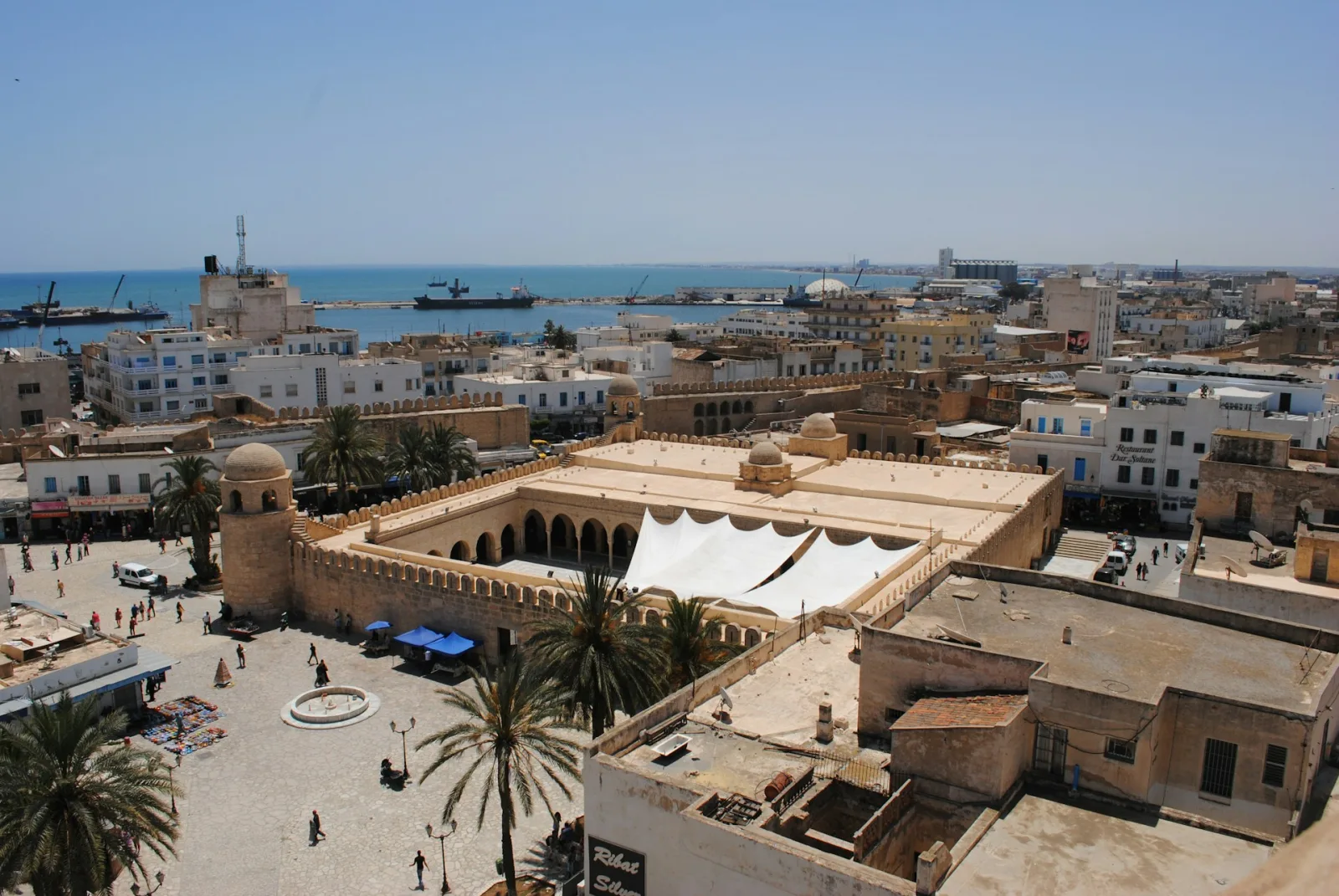
The northern coastal region enjoys a classic Mediterranean climate. Summers are hot and dry, while winters are mild and somewhat rainy. The best time to explore the Medina of Tunis and the ruins of Carthage is during the spring and autumn months when the weather is pleasant for walking.

The southern desert experiences extreme temperature fluctuations. Summer days are dangerously hot (often exceeding 40°C), making outdoor activities impossible. The ideal time for a Tunisia itinerary that includes Douz or Tozeur is between October and May, when days are warm and nights are crisp and cold.
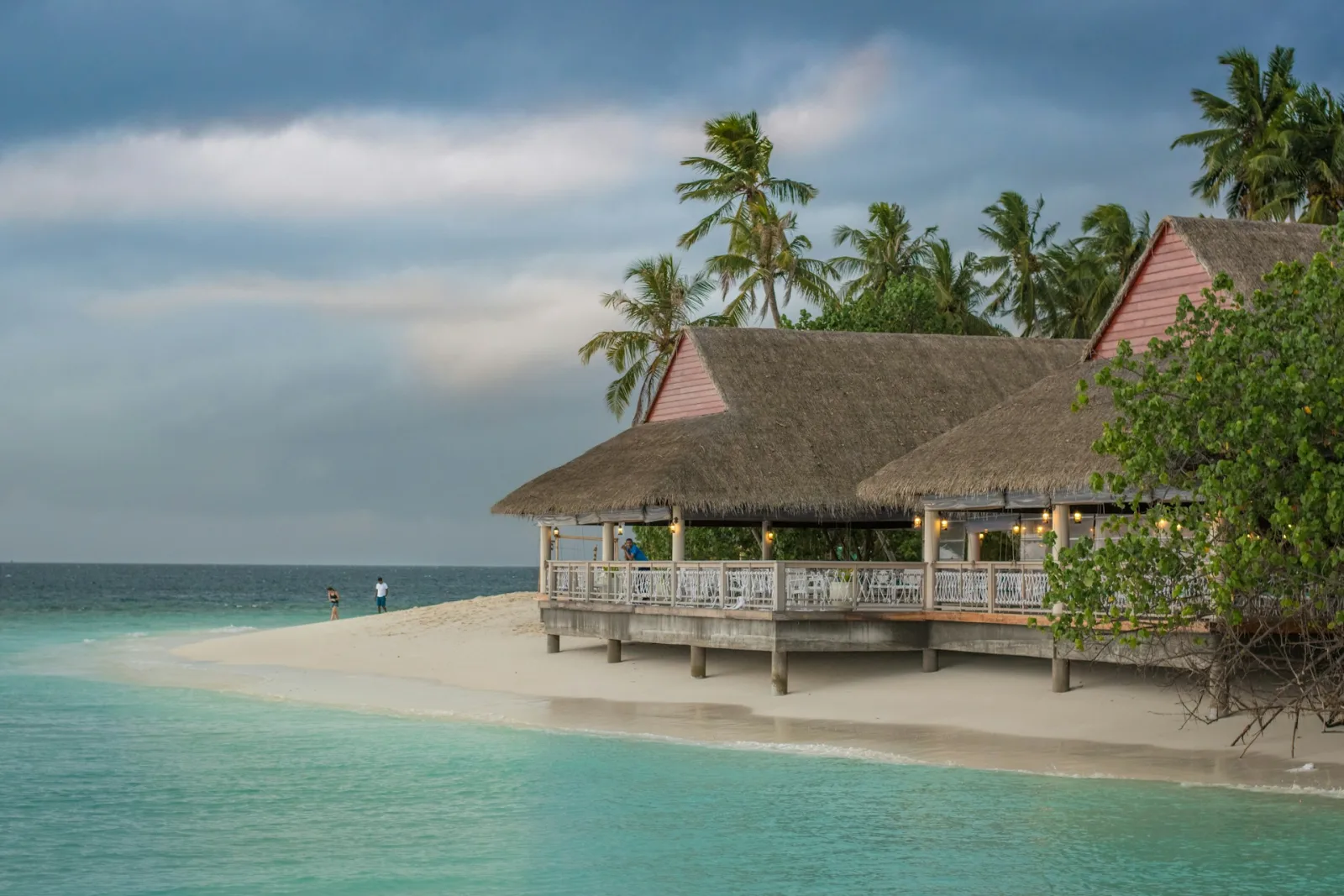
The island of Djerba and coastal resorts like Hammamet have a subtropical influence. They enjoy more sunshine and milder winters than the north. While summer can be very hot and humid, the sea breeze makes it bearable. This region is a great winter sun destination for Indians looking to escape the cold.
Best Time for Specific Activities
Tailor your visit based on what you want to experience.
Best Months: October to April.
Avoid the summer months entirely. The desert is unforgiving in July and August. Spring offers blooming wildflowers in the north before you head south, while autumn provides the most comfortable temperatures for overnight camel treks.
Best Months: June to September.
If your primary goal is swimming and sunbathing in Djerba or Hammamet, the peak summer months offer the warmest sea temperatures. However, be prepared for high prices and crowded resorts during the European holiday season.
Quick Verdict: The absolute best time to visit Tunisia for a comprehensive trip (cities + desert) is April, May, September, and October. These months offer the perfect balance of warm days and cool nights across all regions.
Tunisia Weather & Timing FAQs
Quick answers to seasonal travel questions.
1What is the best month to visit Tunisia from India?
The best months to visit Tunisia are April, May, September, and October. These months offer pleasant temperatures across the entire country, making it ideal for exploring both the Mediterranean coast and the Sahara Desert.
2Is summer (July-August) a good time to visit Tunisia?
Summer is extremely hot, especially in the southern desert regions where temperatures can exceed 40°C (104°F). It is only recommended if you plan to stay strictly on the northern beaches of Djerba or Hammamet.
3When is the best time for a Sahara Desert tour in Tunisia?
The optimal time for a Sahara Desert tour is between October and May. During these months, daytime temperatures are comfortable for camel trekking, and the cold nights add to the authentic desert camping experience.